
Fast food is supposed to be standardized, but borders still matter. A short drive can completely change what appears on the menu board.
Canada's ketchup chips at burger chains show how local taste can shape fast food

Canada's love for ketchup flavor is one of the clearest examples of a snack preference turning into a fast food identity. While ketchup chips are a grocery-store staple, the flavor also appears in limited-run fries, loaded sides, and seasoning blends at major Canadian chains and test kitchens.
American chains rarely lean into ketchup seasoning because the flavor profile is less established there. In Canada, brands know the demand already exists. That built-in familiarity lowers risk and makes regional menu testing easier.
The result is a fast food item category the US mostly does not mirror. It is not just about novelty. It reflects how chains adapt when a national flavor preference is strong enough to support repeat sales.
Poutine remains Canada's defining fast food dish, even when global chains interpret it differently
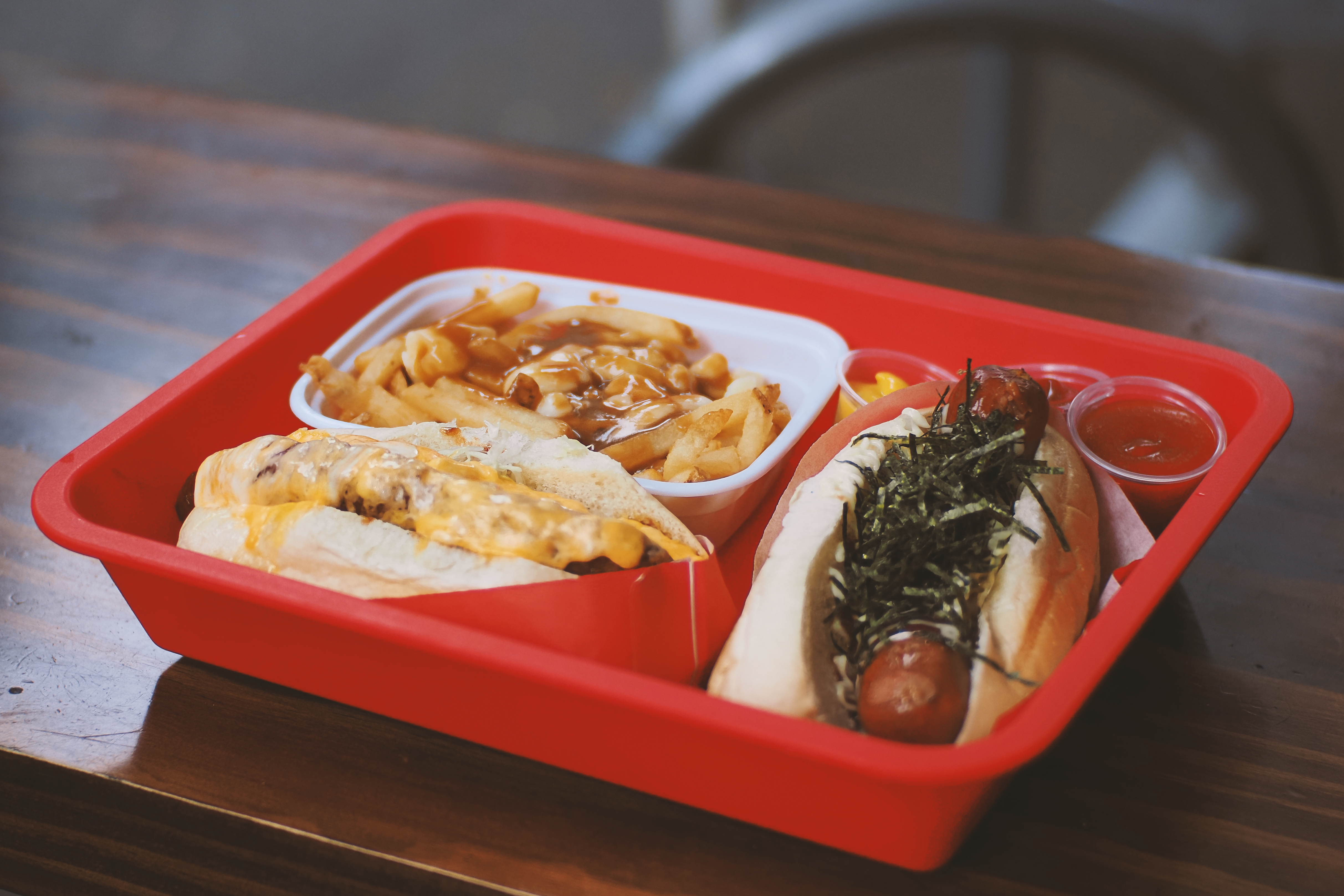
Few items separate the two countries more clearly than poutine. In Canada, fries topped with cheese curds and gravy moved from regional comfort food to a mainstream fast food standard, with chains like McDonald's, Wendy's, and A&W Canada offering versions that feel normal to local customers.
In the United States, poutine appears more often as a specialty item, sports-bar dish, or regional experiment. The barrier is partly supply. Fresh cheese curds are less common in many US distribution systems, and curd authenticity matters to consumers who know the dish well.
Canada's broad acceptance gives chains room to offer classic and premium versions. That staying power matters. Poutine is not a gimmick north of the border. It is one of the strongest examples of a country-specific fast food staple.
Swiss Chalet sauce and chalet-style chicken have no true American fast food equivalent
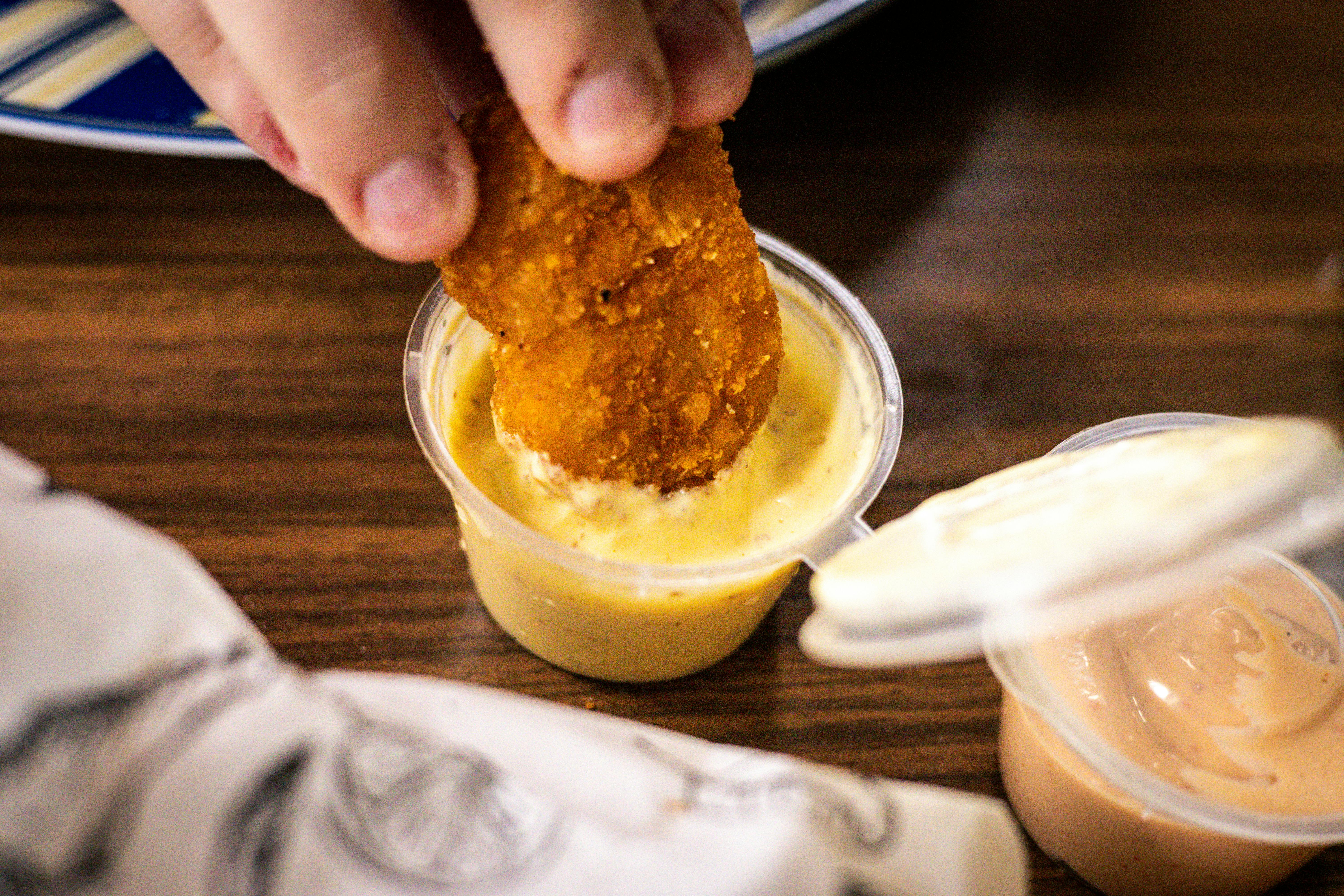
Some menu differences come from entire chains rather than one item, and Swiss Chalet is a prime case. Its rotisserie chicken, dipping sauce, and chalet sandwich occupy a middle ground between quick service and family dining that has long resonated in Canada.
The signature sauce is especially important because it functions almost like a national fast food condiment. It is savory, peppery, and closely tied to the chain's identity. For many Canadians, the meal is incomplete without it.
The US has rotisserie concepts, but not this exact combination of brand reach, nostalgic loyalty, and sauce-driven recognition. That makes Swiss Chalet less a single product and more a uniquely Canadian fast food tradition Americans generally do not have.
The US still leads in biscuit sandwiches, a breakfast format that never took over Canada the same way
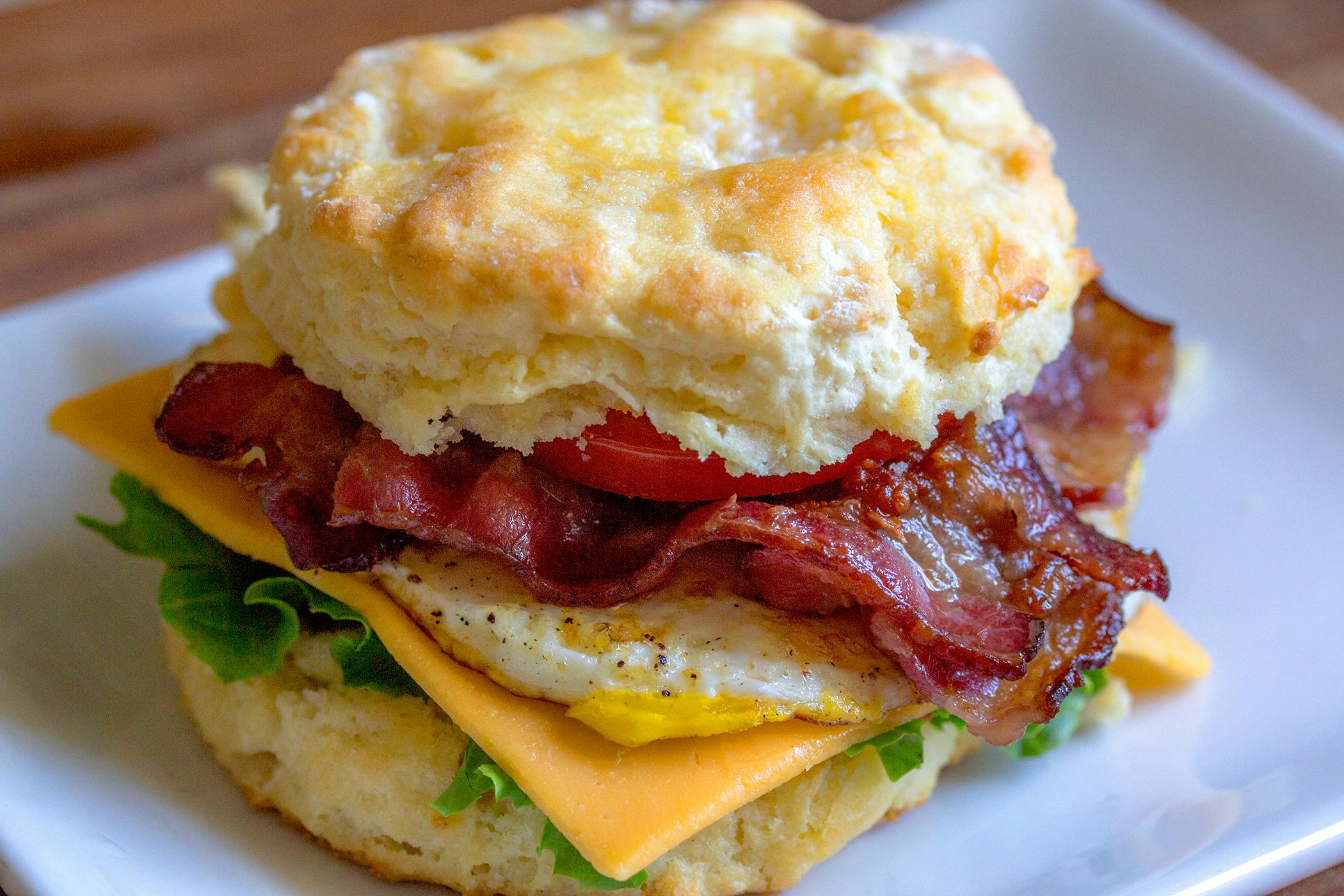
American fast food breakfast was shaped heavily by the Southern biscuit. Chains such as Chick-fil-A, Bojangles, Hardee's, and even McDonald's in many markets use flaky biscuit sandwiches as a signature platform for chicken, sausage, egg, and cheese.
Canada has breakfast sandwiches everywhere, but English muffins, bagels, wraps, and croissants are far more common. Part of that comes down to regional baking habits and chain footprint. Bojangles and Hardee's have little to no national presence in Canada, and biscuit culture is weaker overall.
That leaves a noticeable gap for travelers crossing the border. In the US, the biscuit sandwich is an everyday drive-thru standard. In Canada, it remains more niche, less expected, and far less central to breakfast menus.
The US also keeps larger Tex-Mex fast food traditions that Canada has never fully matched
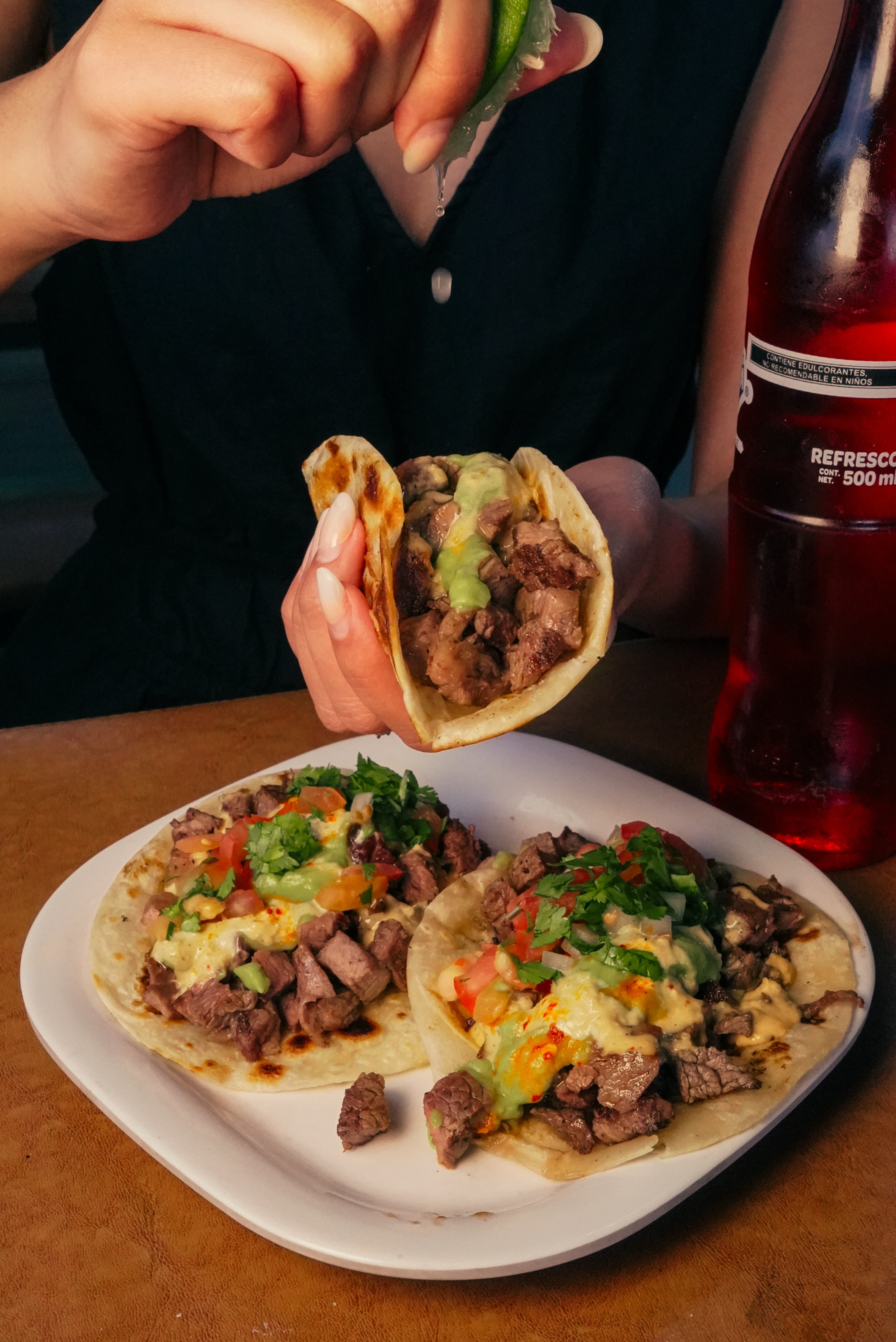
Tex-Mex fast food in the United States extends well beyond tacos. Chains like Taco Bell, Del Taco, Taco John's, and regional powerhouses built menus around burritos, quesadillas, nacho platters, breakfast tacos, and value boxes that became routine for American diners.
Canada has Taco Bell and some strong independent burrito brands, but the category is less dense and less regionally varied. Fewer chains mean fewer item formats, less menu competition, and a smaller chance that cult favorites spread nationally.
That difference shows how scale shapes taste. Americans often grow up with multiple Tex-Mex drive-thru options nearby. Canadians usually do not, which is why many US menu staples still feel like cross-border discoveries rather than everyday fast food basics.



Leave a Reply