
Canada's food identity is written into its weather. Some of its best-known specialties exist not despite the climate, but because of it.
Maple Syrup Depends on Freeze-Thaw Spring Weather
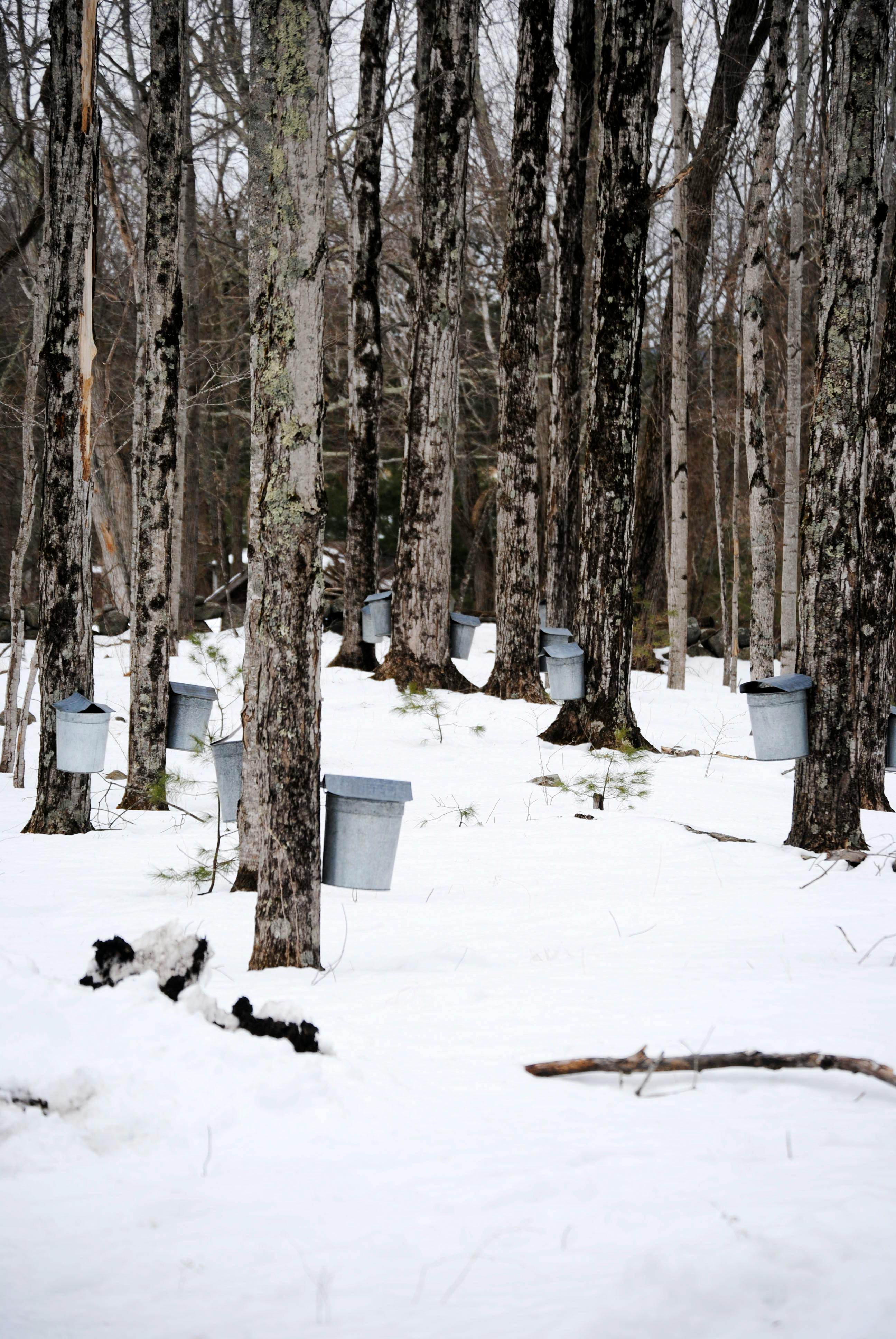
Maple syrup begins with a narrow meteorological window that sugar makers watch closely every year. The sap runs best when nights fall below 0°C and days rise above freezing, creating pressure changes inside sugar maple trees that move sap upward.
That rhythm is especially reliable in parts of Quebec, Ontario, and New Brunswick, which is why those provinces anchor the industry. Quebec alone produces the overwhelming majority of Canada's maple syrup, supported by dense sugar bush forests and a spring season long enough to sustain commercial tapping.
Climate matters not just for sap flow, but for flavor and volume. A spring that turns warm too quickly can shorten the season dramatically, while erratic temperature swings can reduce yield. Producers and researchers alike have noted that warming trends are making timing more unpredictable, which is a real concern for a food built on precision weather.
Ice Wine Requires Grapes to Freeze Naturally on the Vine
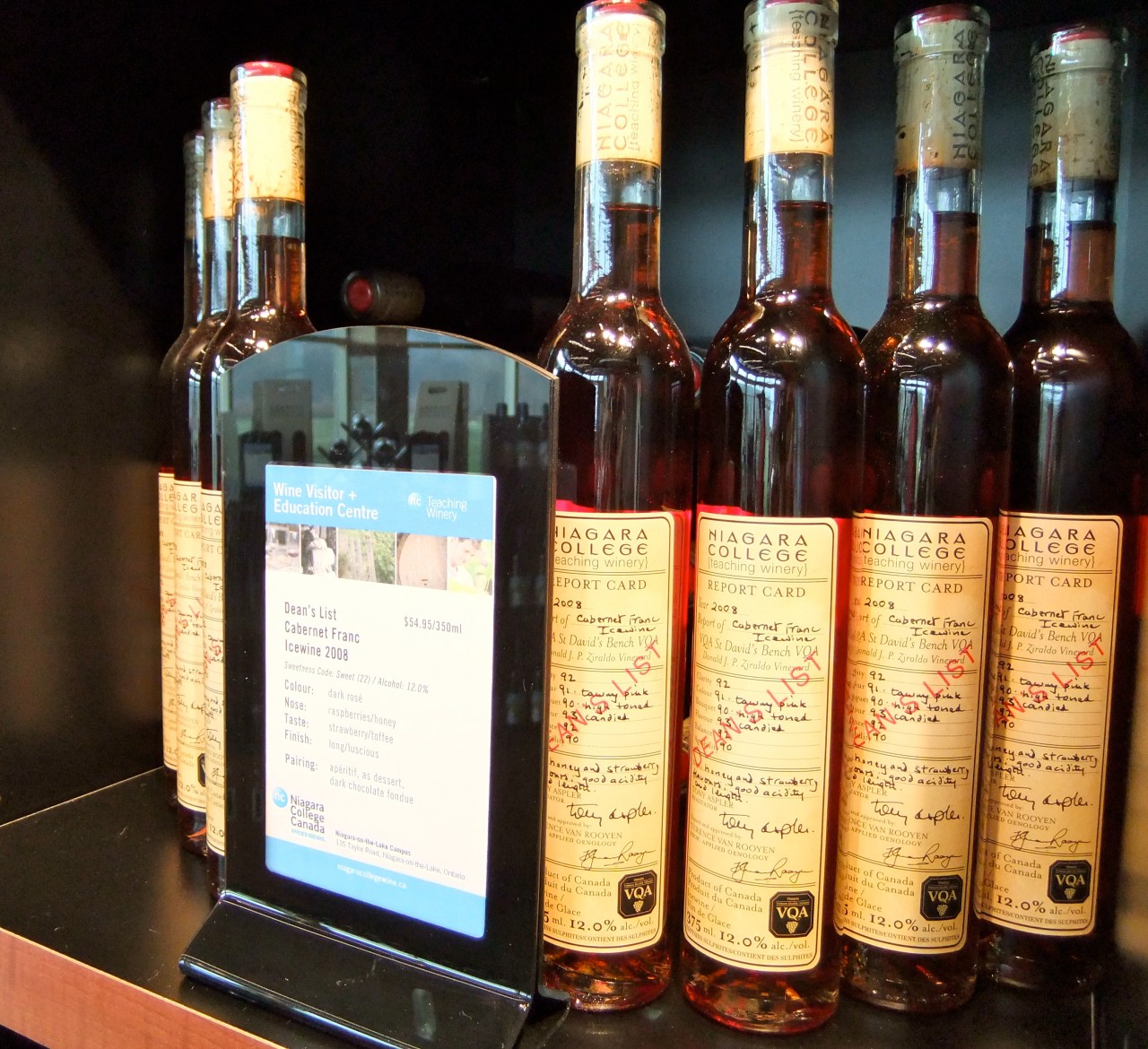
Ice wine is one of the clearest examples of climate creating a luxury product. To qualify in Canada, grapes must freeze naturally on the vine, typically at around -8°C or colder, before harvesters pick them quickly in the dark or early morning.
That process concentrates sugars, acids, and aromatic compounds because water in the grapes freezes while richer juice remains extractable. The result is intensely sweet wine balanced by vivid acidity, a style Canada became famous for through producers in Ontario's Niagara Peninsula and British Columbia's Okanagan Valley.
Not every cold region can make true ice wine consistently. Growers need a long enough season to ripen grapes first, then a stable deep freeze before birds, rot, or sudden thaws ruin the crop. That rare sequence explains why genuine ice wine remains both costly and tightly linked to a very particular Canadian climate.
Wild Rice Thrives in Shallow Northern Lakes and Slow Rivers

Wild rice is not ordinary rice at all, but an aquatic grass native to North America that flourishes in specific freshwater ecosystems. In Canada, it grows best in shallow lakes, sheltered bays, and slow-moving rivers, especially across parts of Ontario, Manitoba, and northwestern regions.
Its success depends on cool water, soft organic bottoms, and a seasonal cycle that includes spring germination, summer growth, and autumn seed drop. Harsh winters are not a drawback here. Cold dormancy helps reset the plant's natural cycle, and water depth must remain just right for healthy stands.
Indigenous communities have harvested wild rice for generations, often by canoe, using methods tied closely to local ecology. The grain's smoky, nutty character and firm texture reflect both species and habitat. Commercial cultivation exists, but the classic Canadian product is inseparable from northern freshwater conditions that are increasingly sensitive to water-level shifts and invasive species.
Saskatoon Berries Are Built for Prairie Extremes
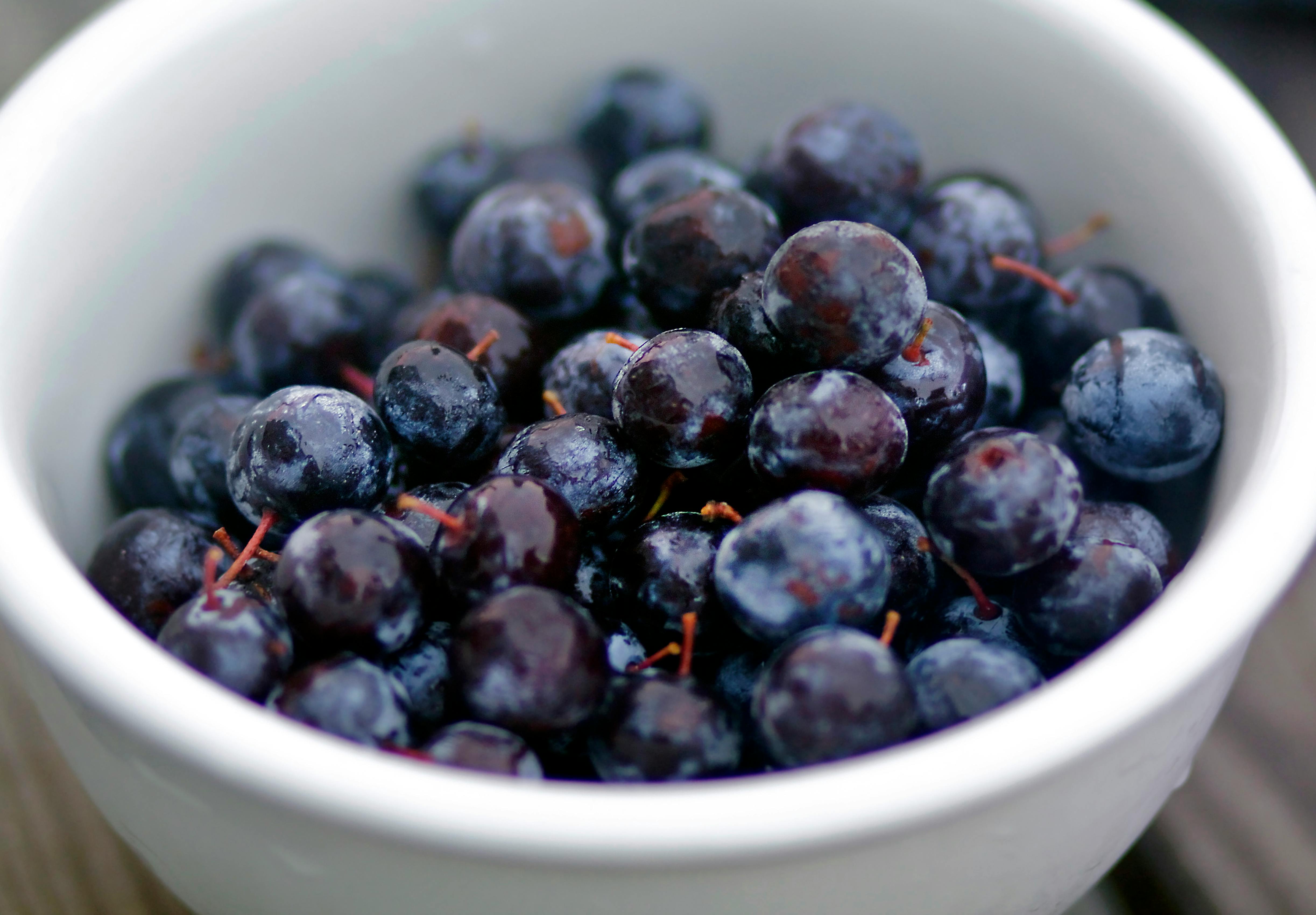
Saskatoon berries come from a hardy shrub that seems almost designed for the Prairies. The plant tolerates cold winters, dry spells, and sharp seasonal changes that would stress many fruit crops, making it well suited to Saskatchewan, Alberta, and Manitoba.
Those conditions help explain the berry's appeal and persistence. Long summer daylight encourages ripening, while cold winters support dormancy and future flowering. The fruit itself tastes like a cross between blueberry and almond, with a deeper, earthier note that has made it popular in pies, jams, syrups, and modern restaurant menus.
The berry also carries strong regional and Indigenous significance, with a history far older than commercial orchards. Its climate resilience helped make it a dependable food source in places where tender fruit could not thrive easily. Today, growers still benefit from a plant that matches the Prairie climate better than many imported berry species ever could.
Fiddleheads Arrive Because Northern Spring Is Brief and Intense
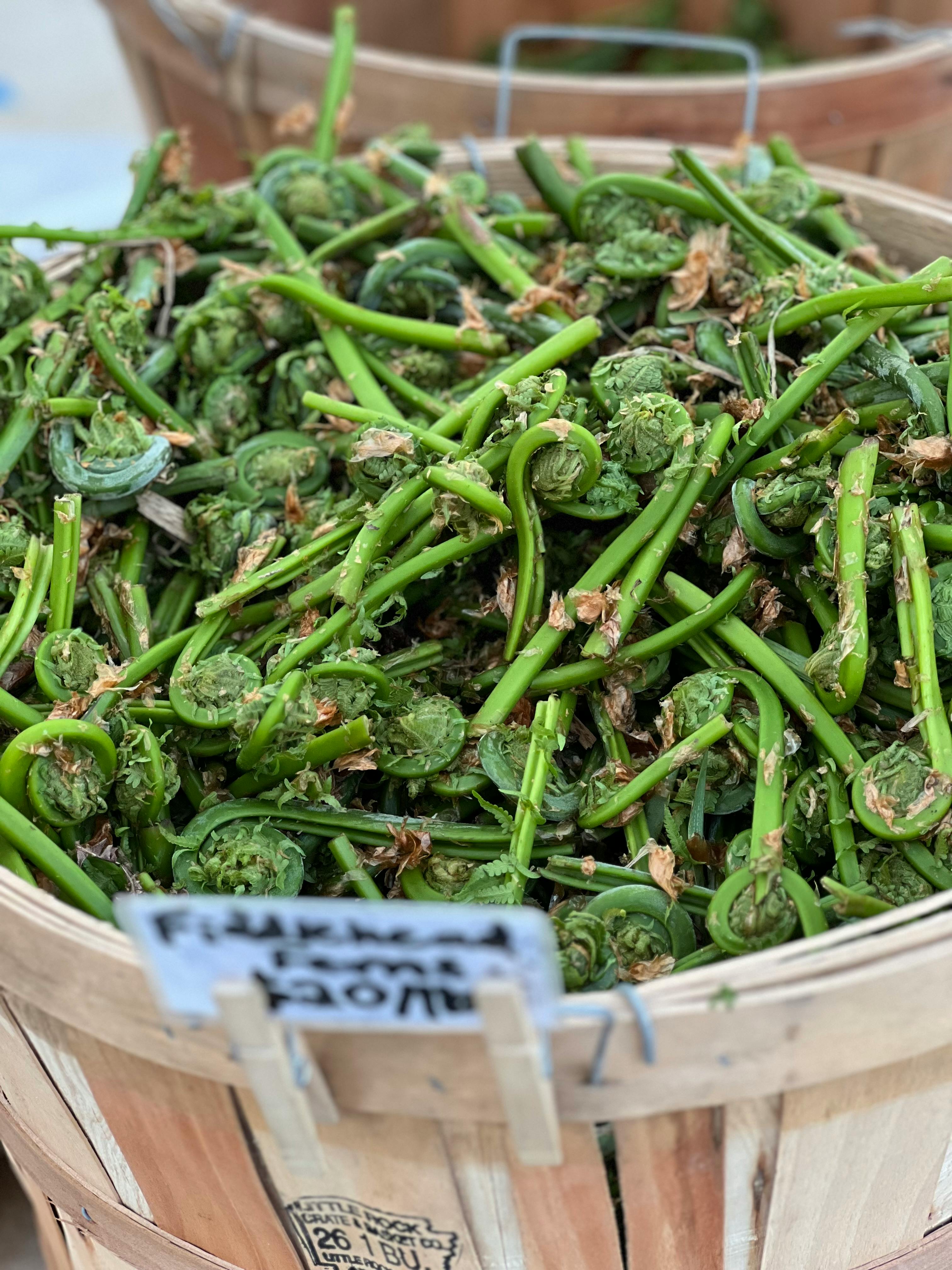
Fiddleheads, the tightly coiled young fronds of the ostrich fern, are a seasonal food defined by timing. In Canada, they are most closely associated with New Brunswick, Quebec, and other moist eastern regions where snowmelt, cool soils, and rushing spring water create ideal growing conditions.
Their season is famously short, often lasting only a few weeks. That brevity is part of the appeal, but it is also the product of climate. Once temperatures rise and fronds unfurl, the edible stage is gone, which means harvesters must work within a very narrow spring window.
Fiddleheads show how a local climate can shape not just flavor, but food culture itself. Their grassy, green-bean-like taste signals the arrival of northern spring after a long winter. Because they are foraged or carefully cultivated under specific moisture and temperature conditions, they remain one of Canada's clearest examples of a food created by place and season.



Leave a Reply