
Canada's table has its own language. Some of its most recognizable food words are so local that even fluent English speakers from elsewhere may have no idea what they mean.
Poutine
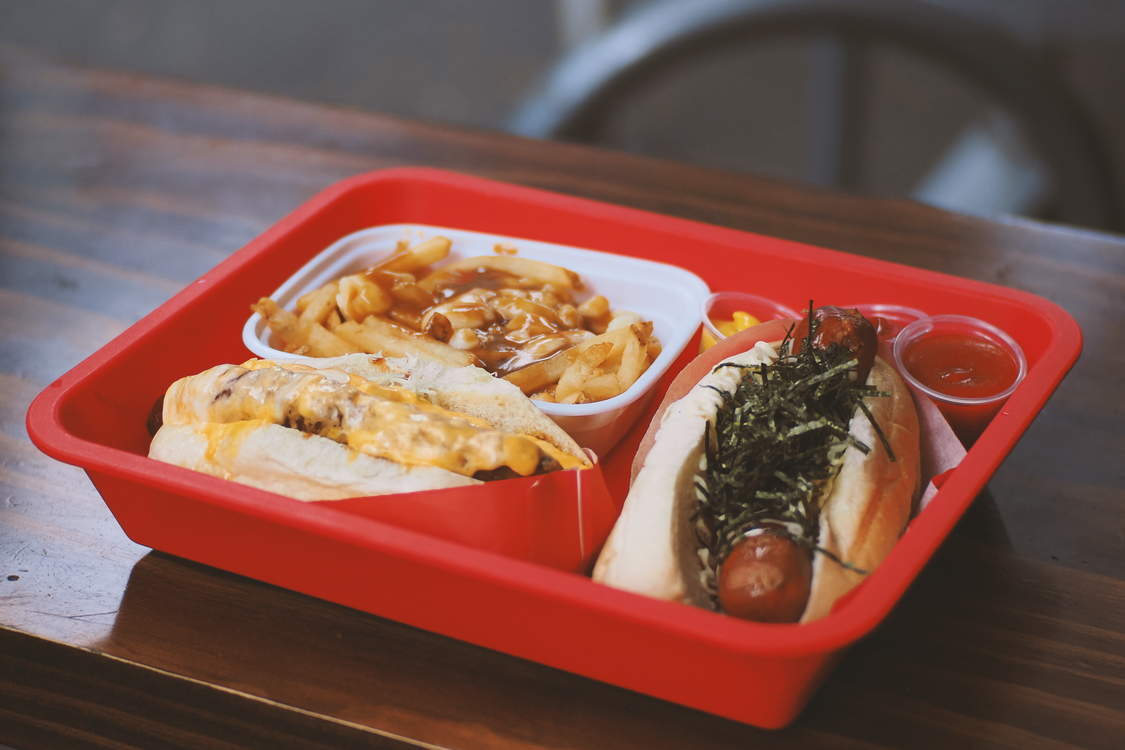
Few Canadian food words carry as much cultural weight as poutine. In Canada, the term means a specific dish of fries, cheese curds, and hot gravy, not a generic loaded fry plate. Outside the country, restaurants may copy it, but the word's deep everyday familiarity remains distinctly Canadian English.
The dish emerged in rural Quebec in the 1950s, with several towns claiming to be its birthplace. What matters linguistically is how quickly the word moved from regional French into national English usage. Today, anglophone Canadians use it without translation, and major chains, diners, and stadium vendors treat it as a standard menu category.
Its staying power comes from precision. If a menu says poutine in Canada, customers expect squeaky curds and gravy that softens the fries without dissolving them. That shared expectation gives the word unusual strength, turning it from a borrowed regionalism into one of the clearest markers of Canadian food identity.
Butter tart
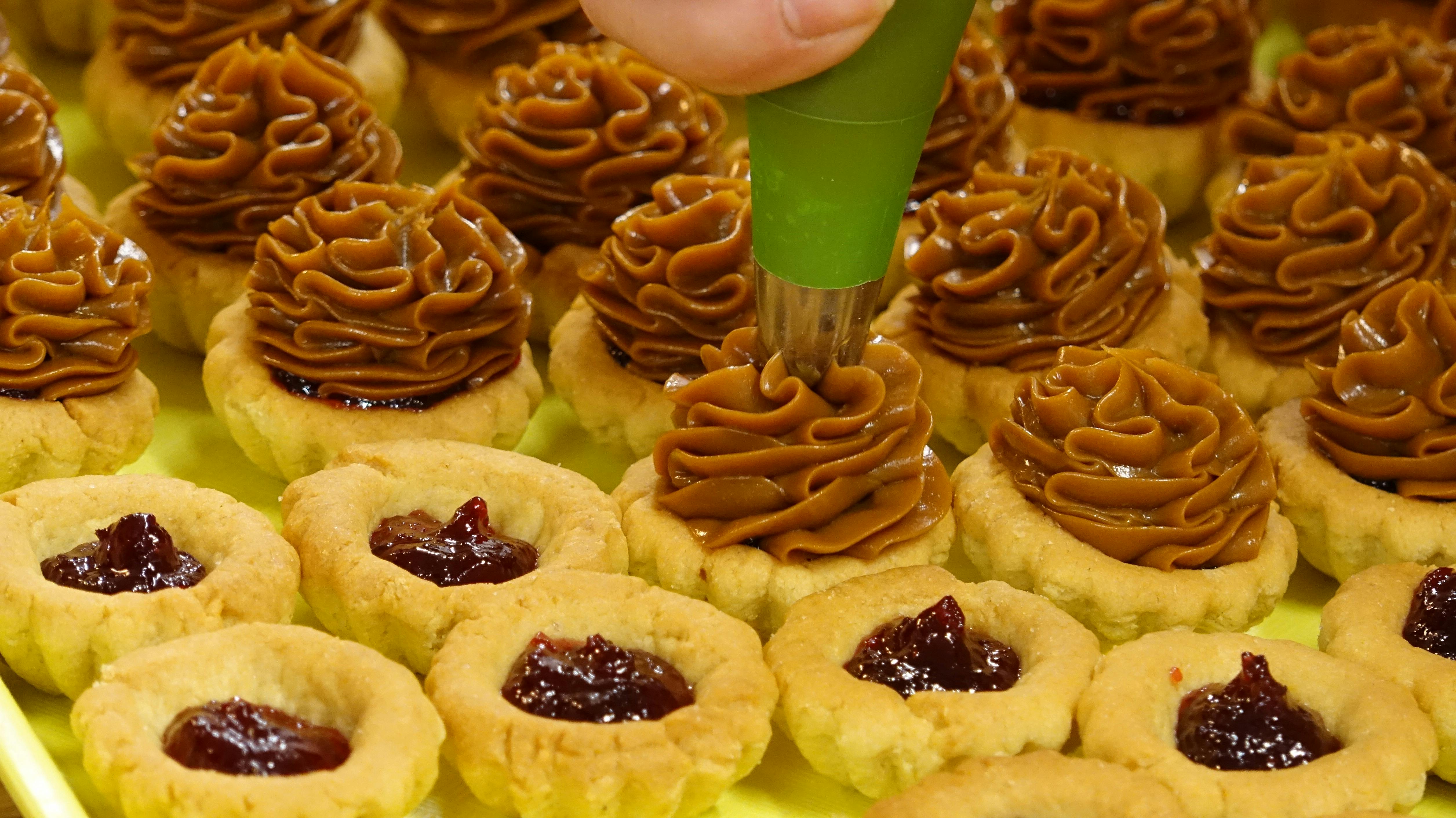
A butter tart sounds self-explanatory, yet the phrase names a very specific Canadian dessert. It refers to a small pastry shell filled with butter, sugar, syrup, and egg, usually baked until the center is either runny or firm depending on regional preference. Other English-speaking countries have similar sweets, but not this exact term with this exact meaning.
Food historians often trace the tart to Ontario cookbooks from the early 20th century, though its roots likely draw on older settler baking traditions. Over time, the name became fixed in Canadian English rather than spreading broadly abroad. That matters because it shows how home baking can preserve vocabulary as effectively as restaurants or brands.
The word also carries social memory. Across Canada, church sales, holiday trays, and roadside bakeries helped keep butter tart in constant circulation. Debates over raisins, pecans, and texture only reinforce the term's local power, because a food word becomes durable when people argue passionately about what counts as the real version.
Nanaimo bar

Some place names stay geographic. Nanaimo bar became edible vocabulary. Named after the British Columbia city of Nanaimo, the term describes a no-bake layered square with a crumb base, custard-flavored middle, and chocolate top, and Canadians recognize it instantly in a way most outsiders do not.
Its rise reflects the power of community cookbooks and postwar domestic baking. By the mid-20th century, recipes under closely related names were circulating in western Canada before the modern title settled into place. Once standardized, Nanaimo bar entered bakeries, school events, and supermarket dessert cases, giving the phrase a stable national life.
The word matters because it compresses both recipe and place into one compact label. Say it in Canada and people picture a specific square, not a broad dessert family. That kind of precision is rare, and it helps explain why the term remains one of the country's most distinctive contributions to English food vocabulary.
Caesar

In much of the English-speaking world, Caesar suggests a salad. In Canada, it also means a cocktail built with vodka, Clamato, hot sauce, and Worcestershire, usually served with a celery salt rim. The drink was created in Calgary in 1969, and its name became so entrenched that ordering a Caesar in Canada rarely requires any further explanation.
According to the commonly accepted origin story, restaurateur Walter Chell developed the drink to mark the opening of an Italian restaurant. He reportedly drew inspiration from spaghetti alle vongole, translating savory shellfish notes into cocktail form. That unusual beginning helps explain why the word points to something so specifically Canadian rather than to a broader international style.
Its linguistic uniqueness comes from daily use. Bars across Canada list multiple Caesars, often with extravagant garnishes, while surveys have repeatedly shown the drink ranks among the country's favorites. The term now works as shorthand for brunch, cottages, hockey gatherings, and airport lounges, making it a living piece of national vocabulary.
Peameal

Peameal is one of the most revealing Canadian food words because it sounds agricultural before it sounds edible. In Canadian English, it refers to cured pork loin rolled in cornmeal, a product strongly associated with Toronto and southern Ontario. Elsewhere in English, the term is largely unknown, and people often confuse it with ordinary bacon.
The name preserves an older production method. Historically, the loin was rolled in ground yellow peas to help extend shelf life, and although cornmeal replaced pea meal long ago, the original label survived. That kind of linguistic fossil is common in food history, where names often outlive the exact techniques that first produced them.
Peameal's endurance owes much to markets and sandwich counters, especially Toronto's St. Lawrence Market, where peameal bacon sandwiches became a culinary landmark. In practice, Canadians may shorten the phrase or pair it with bacon, but the core word still signals local knowledge. It is not just a product name. It is a small archive of regional food memory.




Leave a Reply