
Eating out in Canada costs more than it did just a few years ago, and the change is easy to spot on menus from casual lunch counters to full service restaurants. In these five cities, local wage rules, commercial rents, tourism demand, and higher food costs are all helping push restaurant prices upward.
Vancouver
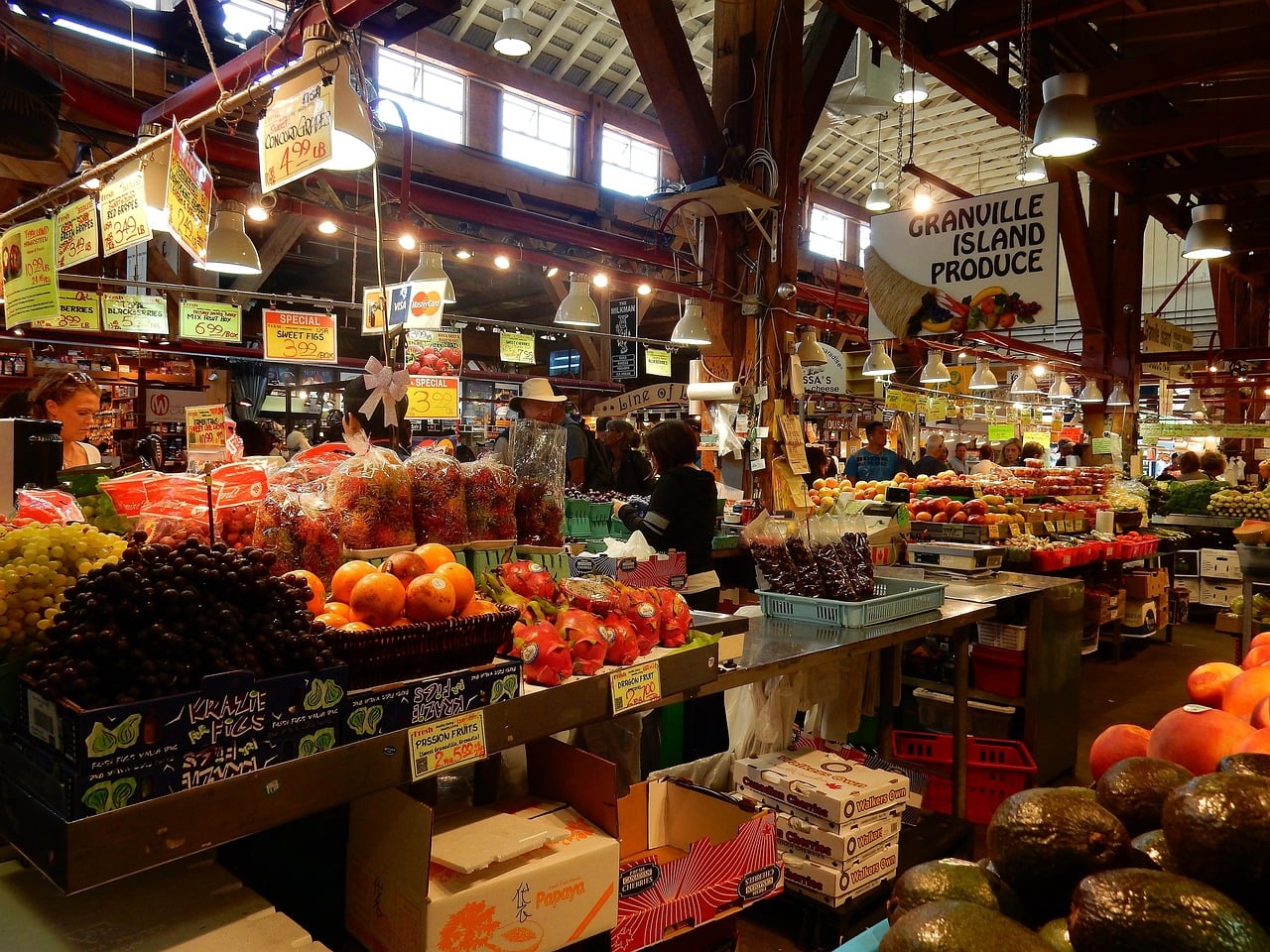
In Vancouver, the cost of a meal often reflects more than the food on the plate. Restaurant operators face some of the country's highest commercial rents, and that pressure filters straight into menu pricing.
British Columbia's minimum wage has also continued to rise, which increases payroll costs for front and back of house staff. Add in higher prices for ingredients, utilities, and insurance, and even modest neighborhood spots can end up charging much more than diners remember from a few years ago.
Tourism and a strong market for premium dining add another layer. In busy districts such as Downtown and Yaletown, restaurants often price for both locals and visitors, which can keep average checks elevated even when consumer budgets tighten.
Toronto
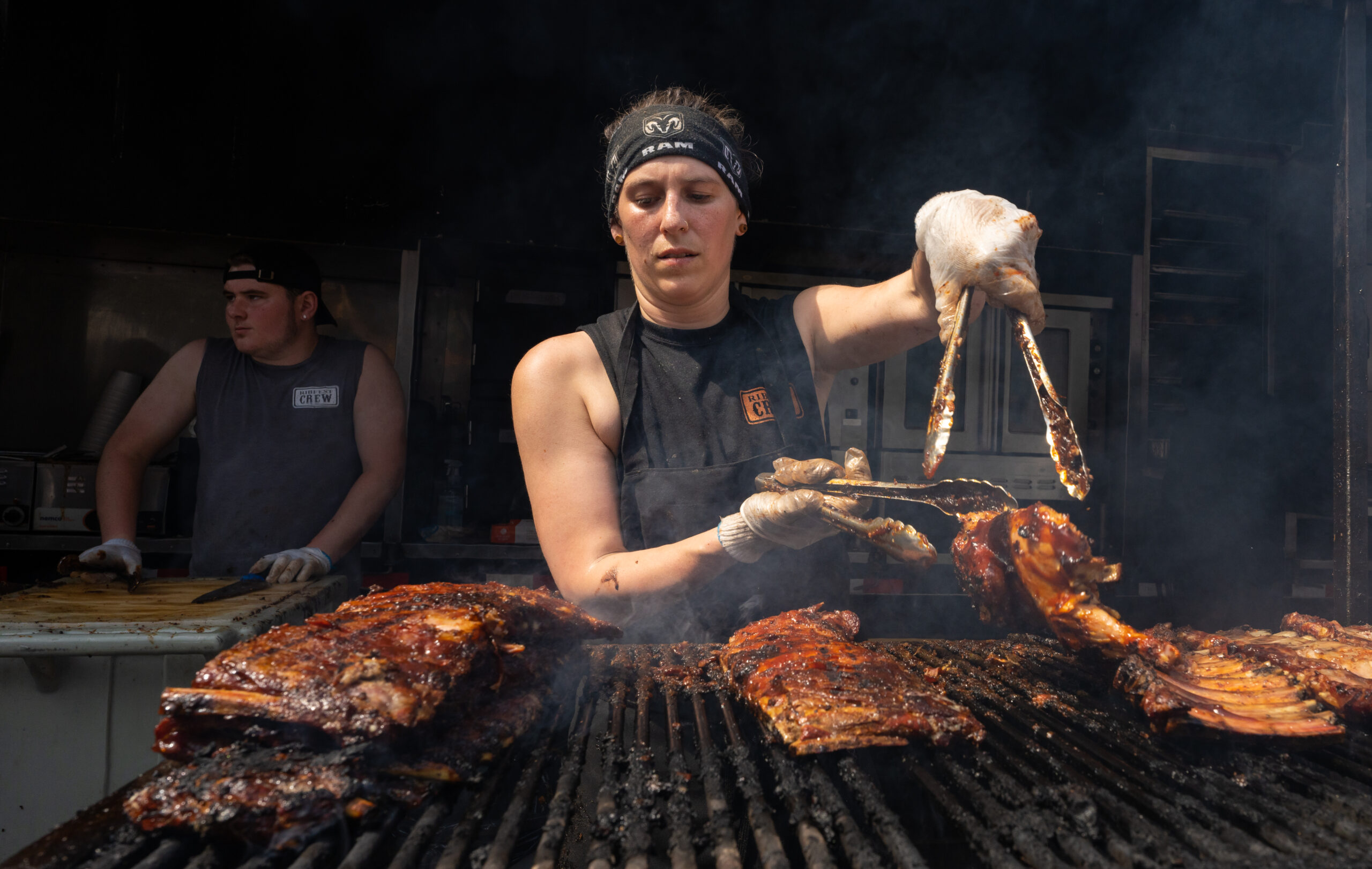
Toronto's restaurant scene is vast, but so are its costs. Operators in the city regularly manage expensive leases, rising labor expenses, and delivery app fees, all of which can make everyday dining more expensive.
Ontario's minimum wage increases have added to staffing costs across the sector. At the same time, many restaurants have had to absorb higher wholesale prices for essentials such as cooking oil, dairy, meat, and fresh produce, which leaves limited room to hold menu prices steady.
Toronto also has a concentration of trend driven and high demand dining neighborhoods, including King West, Yorkville, and parts of Queen Street West. In these areas, strong demand can support faster price increases than in smaller markets, especially for brunch, cocktails, and dinner service.
Victoria
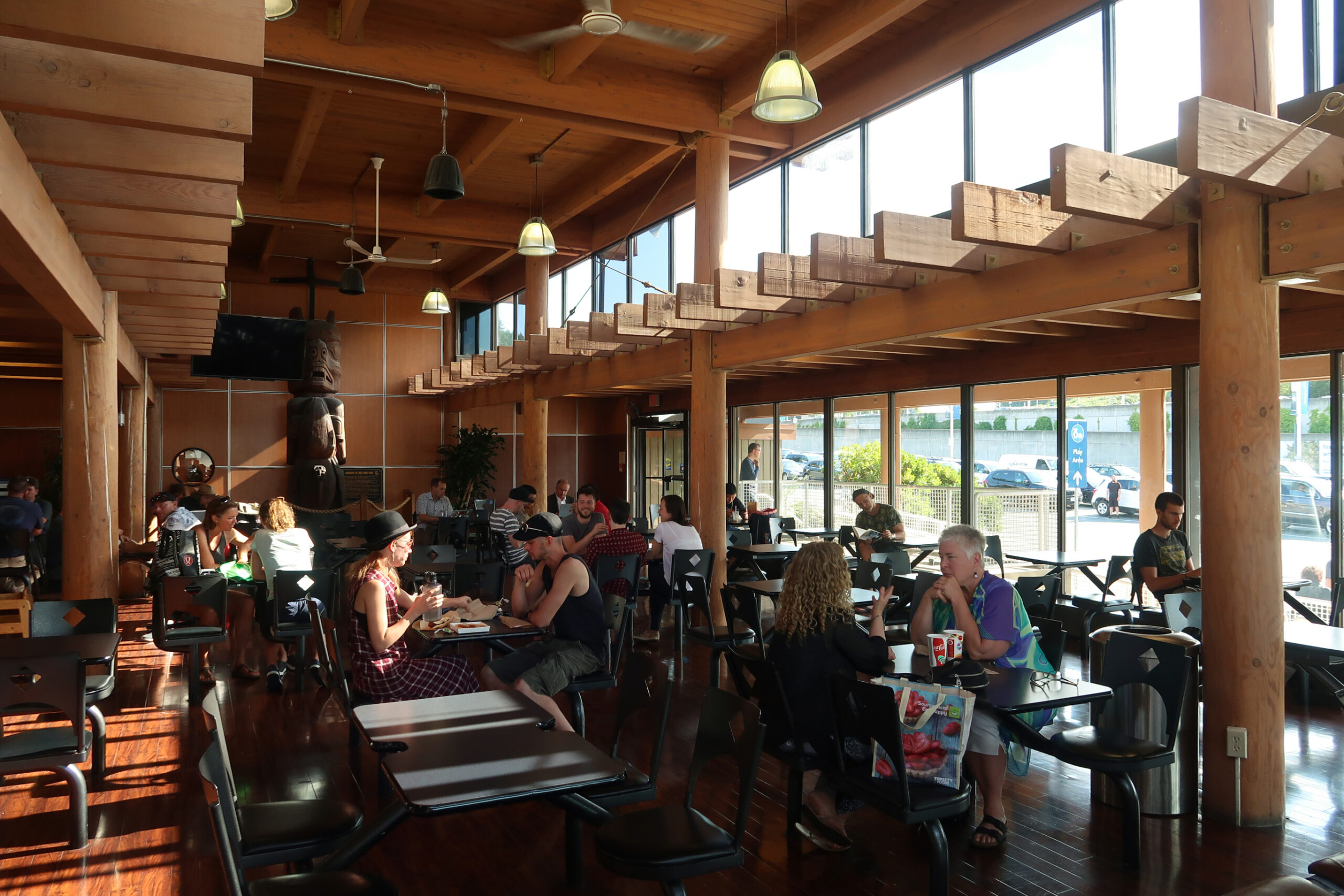
Victoria offers a smaller city setting, but restaurant pricing can still climb quickly. One reason is geography, since many supplies must be transported to Vancouver Island before they reach local kitchens.
That transportation reality can raise the cost of ingredients compared with some mainland markets. Seafood may be close at hand, but staples such as dry goods, specialty imports, and many produce items can carry added freight and distribution costs.
Victoria's popularity with retirees, tourists, and cruise visitors also shapes the market. In busy seasons, restaurants in the Inner Harbour and nearby districts can command premium prices, particularly when staffing shortages and high housing costs make it harder to recruit and retain workers.
Calgary

Calgary has long been seen as a city where diners could still find relative value, but that gap has narrowed. In recent years, restaurant owners have dealt with higher food costs, wage growth, and rising occupancy expenses.
Alberta's dining sector also feels the impact of broader inflation, especially for beef, cooking supplies, and imported ingredients. Even when local supply chains are strong, restaurants still pay more for equipment maintenance, packaging, and utilities than they once did.
Population growth has added demand, especially in central neighborhoods and fast growing suburban hubs. More customers can help restaurant sales, but it can also push up rents and labor competition, which often shows up in the final bill for a family dinner or casual night out.
Halifax

Halifax closes this list because its dining scene has grown quickly, and so have many of its costs. A city once known for comparatively affordable restaurant meals now faces stronger pricing pressure from multiple directions.
Nova Scotia businesses have been dealing with higher wages, food inflation, and energy bills. For independent restaurants, those increases can be especially hard to absorb, since they often lack the buying power that larger chains use to negotiate better prices from suppliers.
The city's growing profile as a tourism and population center also matters. In sought after areas such as the waterfront and downtown core, restaurants can face higher rent and stronger seasonal demand, two factors that make eating out feel more expensive for both residents and visitors.




Leave a Reply