
Food fraud is rarely dramatic at the checkout, which is exactly why it works. These four scams show how ordinary products can be faked, diluted or mislabeled, and how investigators are using science and old fashioned enforcement to catch up.
Extra virgin olive oil that is not what the label says
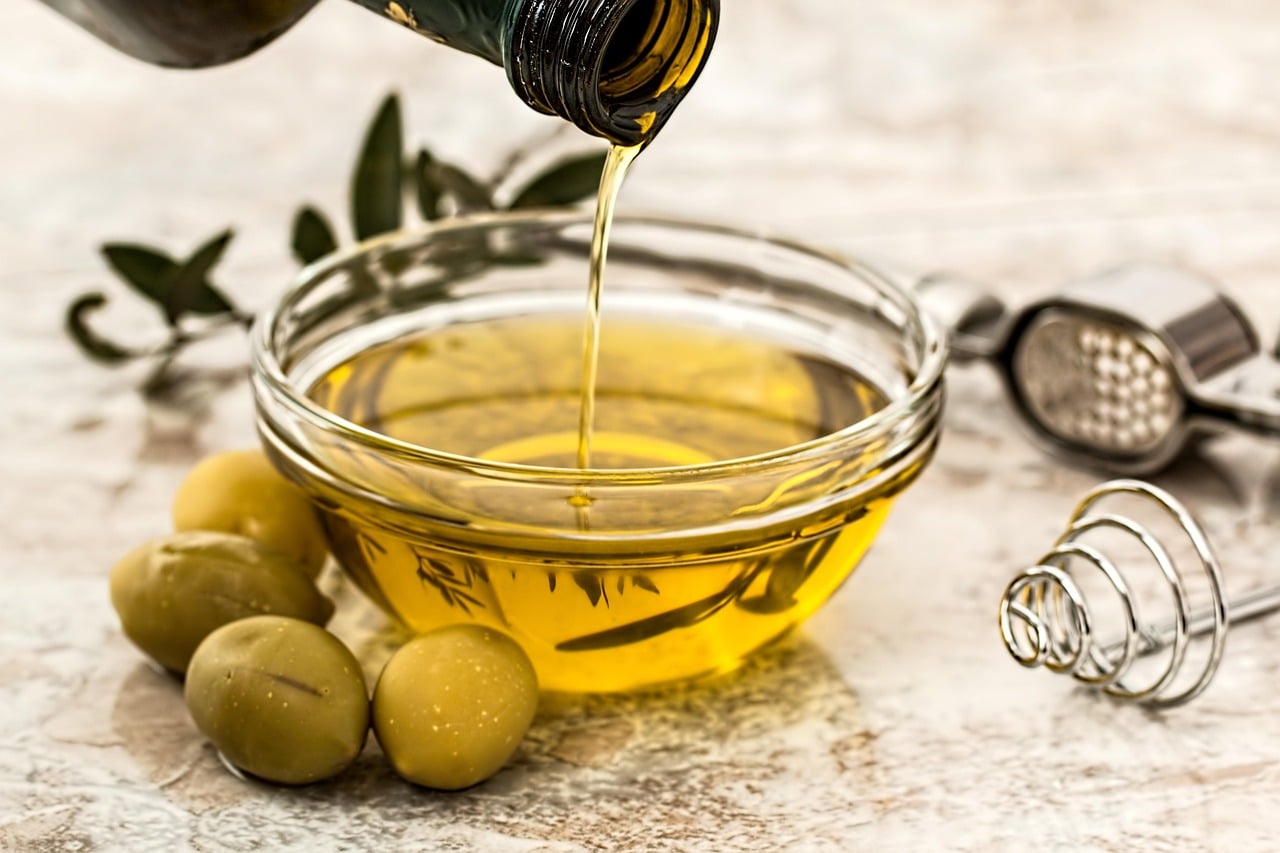
Olive oil looks simple, but it is one of the foods most often linked to fraud because quality is hard to judge by sight alone. A bottle labeled extra virgin can be diluted with cheaper refined oils or sold with misleading origin claims.
Regulators and industry labs now rely on chemical profiling to spot those tricks. The International Olive Council sets standards for extra virgin olive oil, and testing can reveal whether an oil meets those markers or has been mixed with other oils. In the United States, the FDA has also issued import alerts tied to mislabeled olive oil products.
Producers are getting caught through a mix of lab tests, customs checks and court cases. In Europe, police operations coordinated through Europol have repeatedly targeted food fraud networks, including olive oil cases involving counterfeit labels and adulterated product.
Seafood sold as the wrong fish
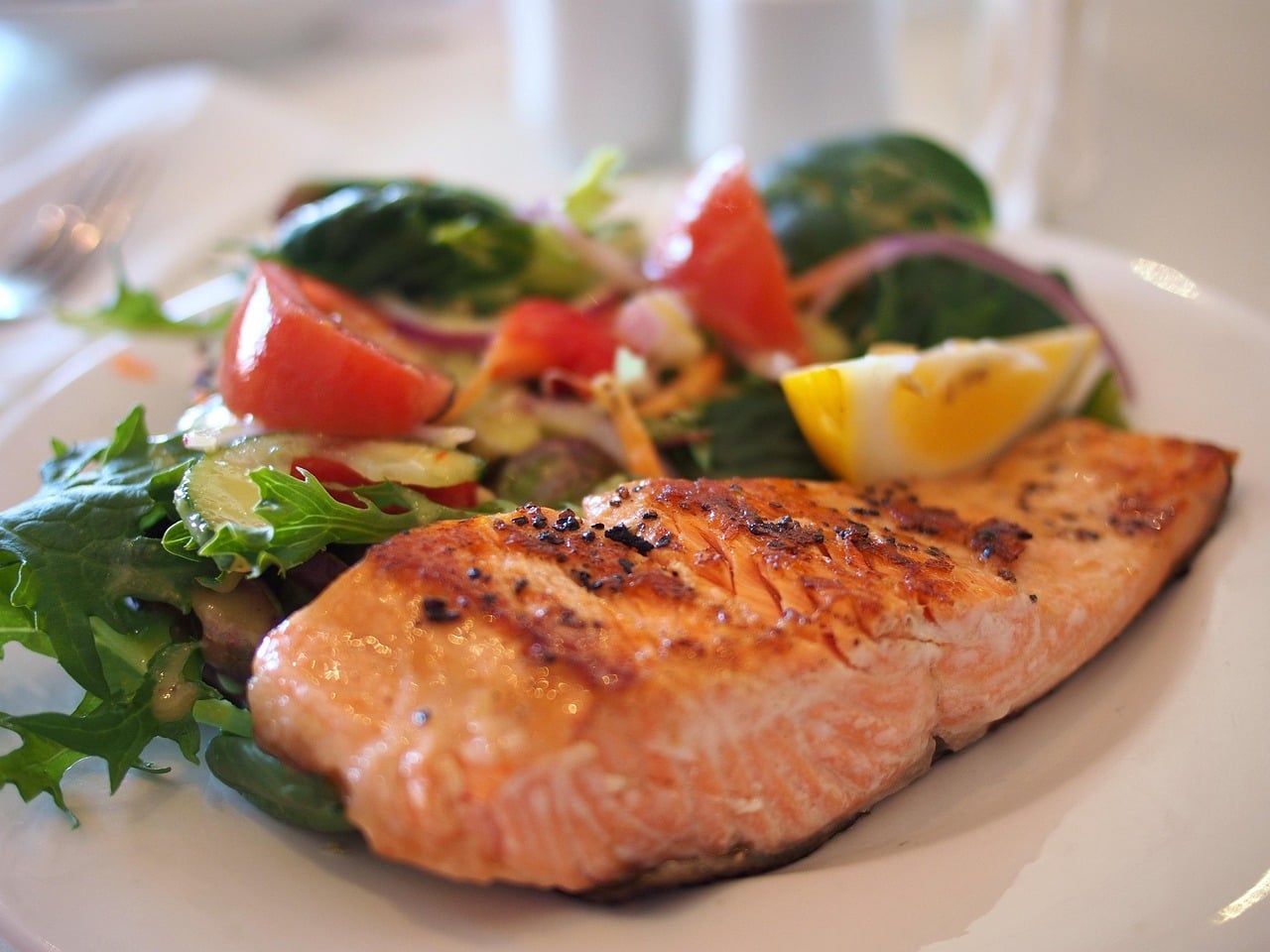
Fish fraud thrives after fillets lose the features that make species easy to identify. Once skin, head and bones are gone, a cheaper fish can be passed off as a premium one with little chance a shopper will notice.
That is where DNA barcoding changed the picture. The FDA uses DNA based methods to help identify seafood species, and academic surveys have repeatedly found mislabeling in restaurants and retail markets. Consumer Reports and Oceana have both highlighted cases where fish sold under one name turned out to be another species.
Enforcement often starts with labels and invoices, then moves to lab confirmation. Investigators compare the genetic sample to reference databases, which makes substitution much harder to deny. The result is a growing trail of recalls, fines and public naming when sellers cannot prove the fish matches the label.
Honey stretched with cheap sweeteners

Honey fraud works because genuine honey is chemically complex and globally traded, which creates room for diluted or falsely described product. Some scams involve adding rice or corn syrups, while others involve misleading claims about where the honey came from.
Scientists catch those schemes with isotope testing and pollen analysis. The FDA has treated added sweeteners in honey as adulteration, and the USDA has published testing methods that can help reveal when sugars do not fit honey's natural profile. Customs records and traceability audits also matter when origin claims are under scrutiny.
Cases often unravel when import patterns and lab results do not line up. A shipment may be declared one way on paper, then fail authenticity testing once sampled. That combination of border review and forensic chemistry has become one of the clearest ways to expose honey fraud.
Parmesan and other grated cheeses padded with fillers
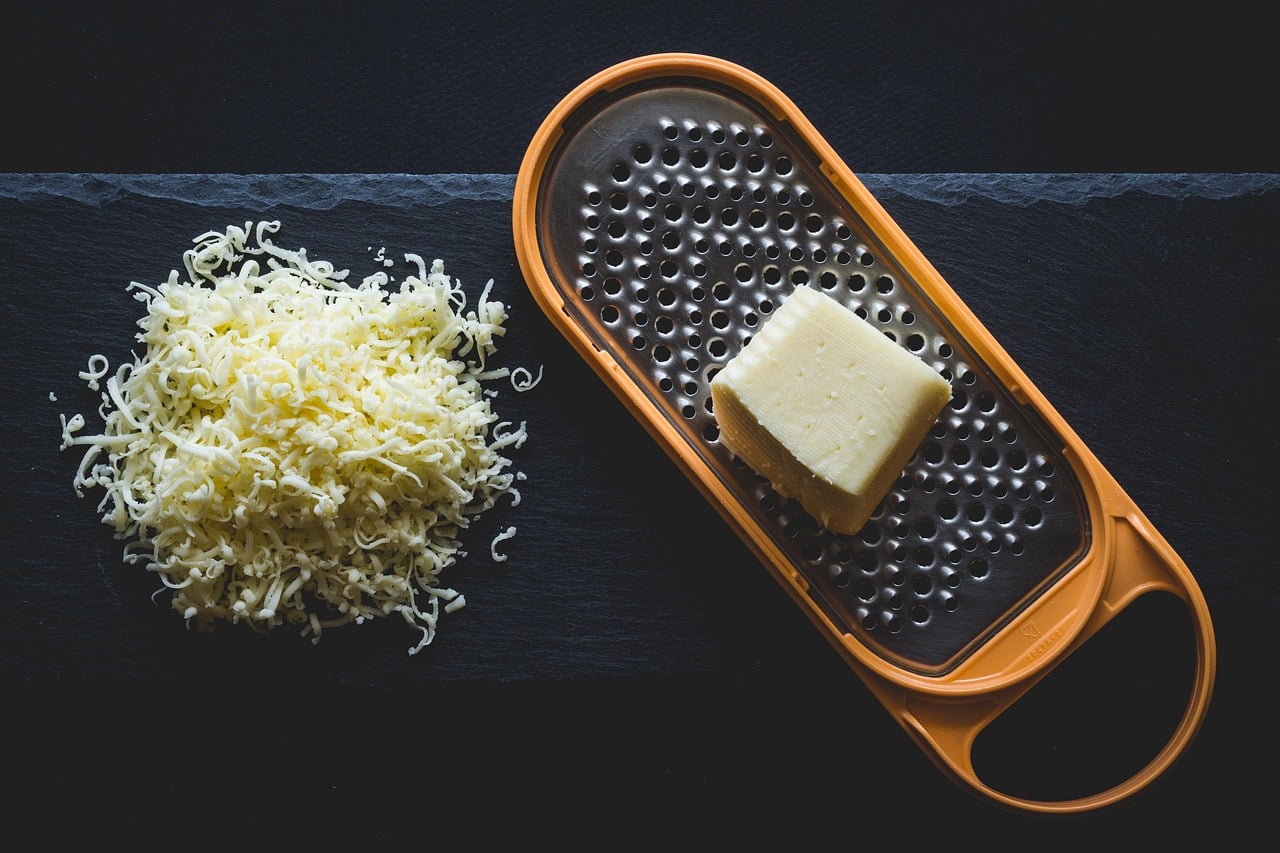
Pre grated cheese is convenient, but it has also drawn scrutiny for fillers and misleading labeling. Cellulose, an anti caking ingredient made from plant fiber, can be legally used in small amounts, yet problems start when the product contains more filler than the label suggests or less of the named cheese.
A widely cited case came in 2016, when the FDA reported findings involving grated cheese products that did not match label claims. Bloomberg's reporting on that investigation brought unusual attention to how a familiar pantry item could be stretched without shoppers realizing it.
This kind of scam is usually caught through plant inspections, ingredient testing and label reviews. Investigators compare what is in the package with what the company promised, then pursue recalls or legal action if the gap is significant. It is less cinematic than a sting operation, but it is effective.



Leave a Reply