
Some 1970s dishes deserve their jokes, but many others deserve a second look. Beneath the nostalgia, this decade offered smart, flavorful recipes built for sharing, thrift, and convenience.
Chicken Divan

Few casseroles capture 1970s dinner culture better than Chicken Divan. Built around chicken, broccoli, and a creamy sauce, it became a staple because it felt slightly elegant while relying on practical ingredients. In many homes, it was the answer to leftover roast chicken and a bag of frozen broccoli.
Its staying power comes from balance. The mild richness of the sauce, often made with cream soup, mayonnaise, or sour cream, coats the broccoli and chicken without overwhelming them when prepared carefully. A crisp topping of breadcrumbs or almonds adds contrast, which is exactly why the dish still feels satisfying rather than flat.
A modern version works beautifully with a homemade béchamel, sharp cheddar, a squeeze of lemon, and rotisserie chicken. Keep the broccoli just tender and avoid overbaking, and the result is far fresher than many people remember. It is a weeknight casserole with genuine dinner-party potential.
Pineapple Upside-Down Cake

Bright, glossy, and unmistakably retro, pineapple upside-down cake brought visual drama to ordinary baking. The arrangement of pineapple rings and cherries over a butter-brown sugar layer created a built-in presentation that looked festive without advanced decorating skills. That kind of payoff still appeals to modern bakers.
The cake also succeeds on flavor, not just appearance. Pineapple offers acidity that cuts through the caramel sweetness, while the fruit juices soak into the sponge as the cake cools. The result is moist, fragrant, and more balanced than some frosted cakes that rely on pure sugar for impact.
Today's cooks can improve it with browned butter, dark brown sugar, and a tender but sturdy batter made with buttermilk. Fresh pineapple can be used, though canned rings still provide consistency and nostalgia. Served slightly warm, it remains one of the most crowd-pleasing cakes of the era.
Beef Stroganoff

Beef Stroganoff became a 1970s favorite because it transformed a few pantry and refrigerator staples into something that felt cosmopolitan. Strips of beef, mushrooms, onion, broth, and sour cream created a silky sauce that clung to noodles and turned dinner into an event. It sounded continental but fit a suburban budget.
Its appeal lies in its layered savoriness. Mushrooms provide depth, beef adds richness, and sour cream contributes the tang that keeps the sauce from becoming heavy. Many versions of the era used canned soup, but even then the underlying idea was strong: a fast, comforting skillet meal with just enough sophistication.
A modern update should focus on technique. Sear the beef quickly so it stays tender, cook the mushrooms until they actually brown, and stir in sour cream off the heat to prevent curdling. With egg noodles, parsley, and perhaps a touch of Dijon, Stroganoff still earns a place in regular rotation.
Quiche Lorraine and Its Many Spin-Offs

The 1970s helped normalize quiche in American home cooking. Once associated with French café fare, it became a brunch and supper staple because it was practical, flexible, and make-ahead friendly. Quiche Lorraine, with bacon, eggs, cream, and cheese, led the movement and inspired countless variations.
Its genius is structural as much as culinary. Eggs turn leftovers into a cohesive meal, whether the filling includes ham, spinach, onion, or mushrooms. A single pie can feed several people, and it tastes good warm or at room temperature. That versatility explains why quiche never fully disappeared.
Bringing it back today means respecting texture. Blind-bake the crust, use enough dairy for tenderness, and avoid overloading the filling so the custard sets properly. A well-made quiche is creamy rather than rubbery, rich without being greasy, and ideal for brunch tables, lunchboxes, or a simple salad dinner.
Stuffed Bell Peppers
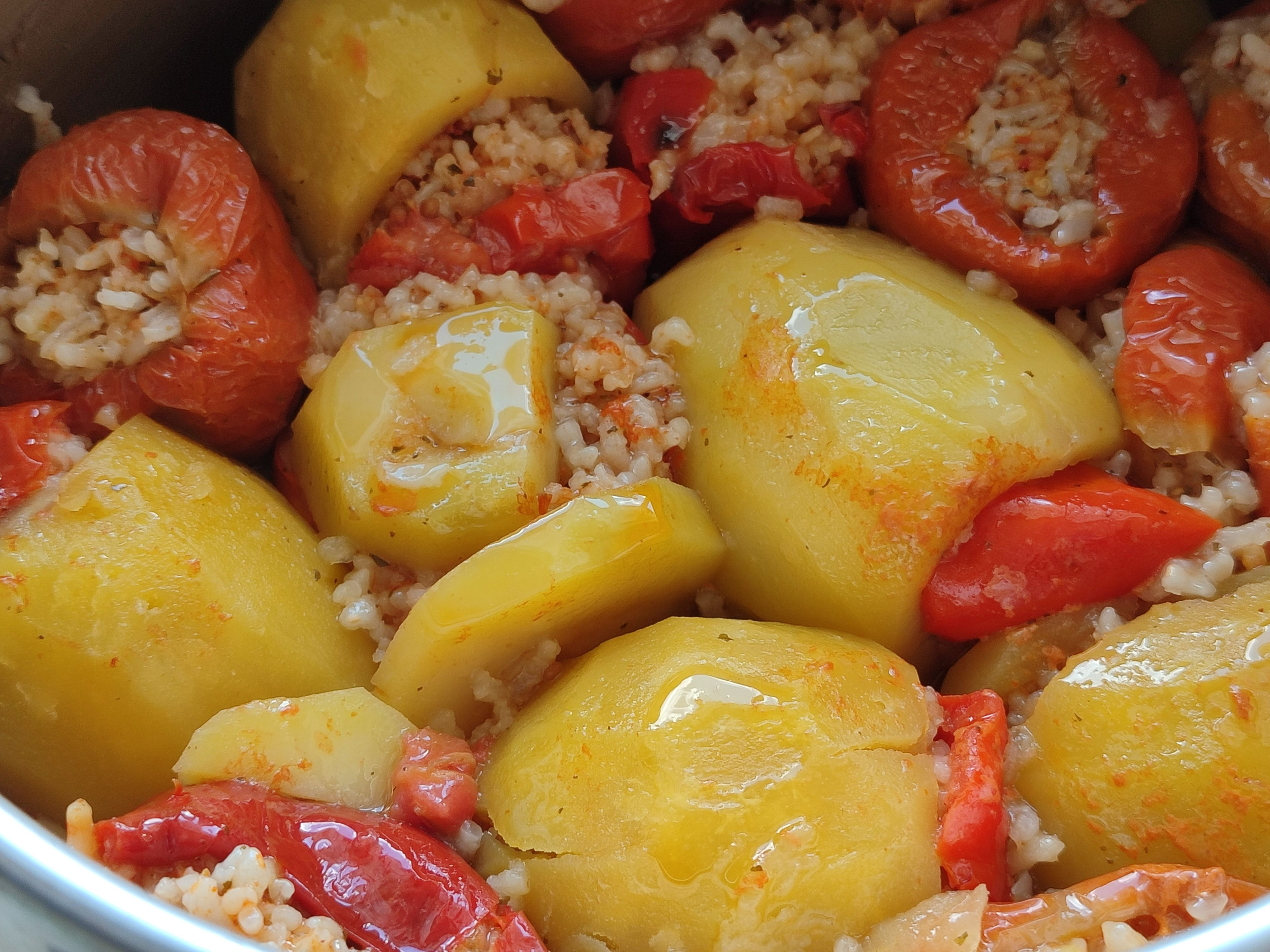
Stuffed bell peppers were one of the decade's smartest all-in-one meals. They combined vegetables, protein, starch, and sauce in a single portioned package, which made them especially attractive to busy families. Their presentation also gave a humble dinner a sense of order and intention.
The classic filling usually included ground beef, rice, onion, tomato sauce, and seasonings, though regional versions ranged widely. What made the dish work was the contrast between the sweet softened pepper and the savory, juicy filling inside. Cheese on top, when included, added another layer of comfort.
For current kitchens, the recipe is easy to refresh. Ground turkey, Italian sausage, lentils, quinoa, or brown rice all fit naturally, and a touch of smoked paprika deepens flavor without much effort. Pre-roasting the peppers improves texture and shortens bake time, making this vintage favorite especially practical again.
Watergate Salad

No dish better represents the playful side of 1970s potluck culture than Watergate Salad. Made with pistachio pudding mix, crushed pineapple, marshmallows, whipped topping, and often chopped nuts, it blurred the line between side dish and dessert. Its color alone guaranteed conversation at the table.
It is easy to dismiss, yet there is a reason it endured. The combination of creamy, fluffy, sweet, and fruity textures hits the same pleasure points that make many modern dessert jars and no-bake treats successful. It is also cheap, scalable, and nearly impossible to ruin, which mattered at large gatherings.
A comeback version does not need irony to work. Use real whipped cream in place of some topping, toast the nuts for flavor, and add better pineapple for brightness. Served in small portions, Watergate Salad becomes what it always was at heart: an uncomplicated crowd dessert with undeniable charm.
Tuna Noodle Casserole
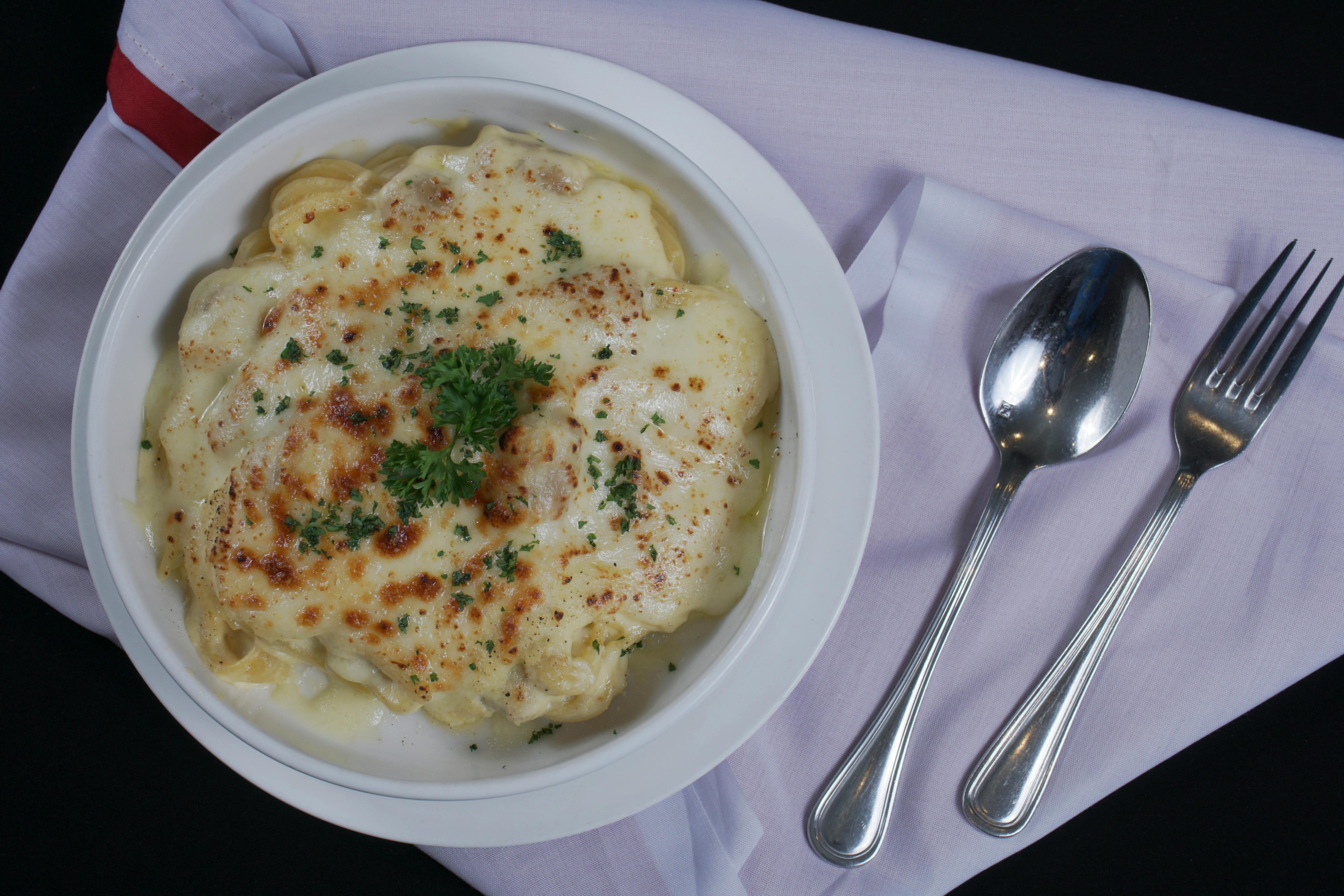
Tuna noodle casserole is often treated as shorthand for dull food, but that reputation ignores why it became a classic. It was affordable, shelf-stable, and deeply useful for families trying to stretch ingredients. Canned tuna, noodles, peas, and creamy sauce created a complete meal from items many kitchens already had.
The best versions are more textured and savory than critics admit. Tuna brings salinity, peas add sweetness, and a crisp topping of crushed crackers or breadcrumbs gives the dish needed contrast. In an era shaped by budget pressures, this casserole represented economical cooking at its most functional and least wasteful.
To make it feel current, use good tuna packed in olive oil, sautéed mushrooms, fresh celery, and a lighter sauce built from stock and milk rather than only canned soup. Finish with herbs and lemon zest. Done this way, tuna noodle casserole becomes comforting, balanced, and entirely worthy of redemption.
Cheese Ball
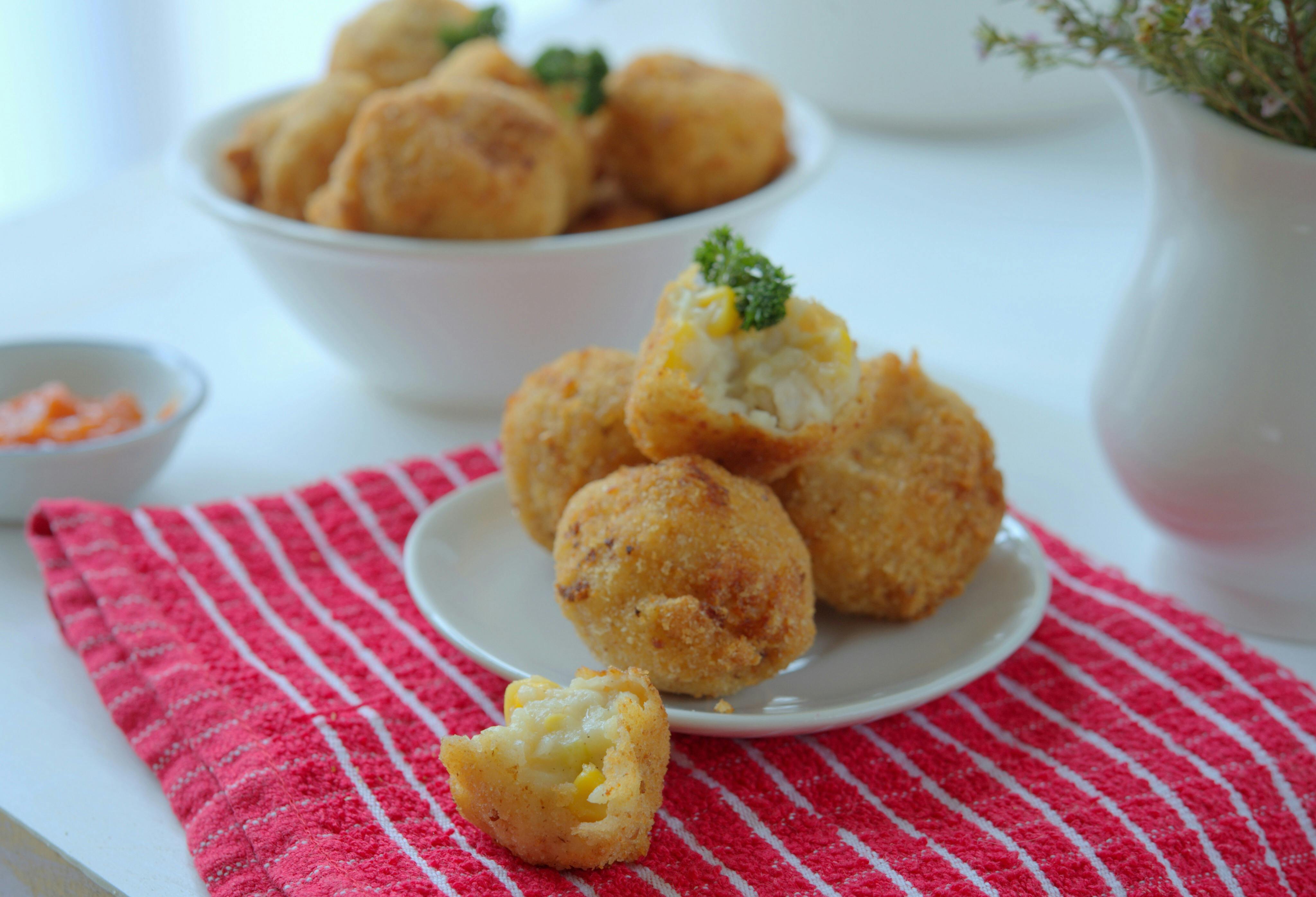
At first glance, the cheese ball seems like pure party nostalgia, but it was also one of the smartest entertaining foods of its time. Made with cream cheese, shredded cheese, herbs, and seasonings, then rolled in nuts or parsley, it delivered bold flavor with almost no last-minute labor. Hosts could prepare it well in advance.
Its appeal remains obvious. A cheese ball invites grazing, pairs with crackers and vegetables, and scales easily for holidays or casual get-togethers. Texture matters here: the creamy center contrasts with a crunchy coating, while additions like scallions, Worcestershire sauce, blue cheese, or bacon can change its personality completely.
A modern revival simply asks for better ingredients and restraint. Use aged cheddar, goat cheese, toasted pecans, roasted garlic, or fresh dill, and avoid making it overly salty. Presented on a wooden board with crisp vegetables and seeded crackers, it looks less kitsch than many people expect.
Tomato Aspic

Tomato aspic may be one of the most misunderstood dishes linked to mid-century and 1970s tables. Essentially a savory tomato gelée, it appeared at luncheons and holiday meals because it was cool, make-ahead, and elegant in a formal, molded sort of way. It also reflected a long tradition of aspics before refrigeration became effortless.
What makes it interesting today is not nostalgia alone but culinary logic. Tomato juice, gelatin, celery, lemon, hot sauce, and herbs can create something close to a firm, sliceable Bloody Mary. Served with shrimp, crab, or a spoonful of seasoned mayonnaise, it becomes a composed first course rather than a joke.
A successful return depends on precision and expectation. Keep the seasoning bright, use high-quality tomato juice, and mold it in small portions rather than a massive ring. In the context of modern appetizer culture, tomato aspic can read as vintage, refreshing, and surprisingly refined when executed thoughtfully.
Ham and Cheese Hawaiian Sliders

The spirit of the 1970s often lived in sweet-and-savory combinations, and ham and cheese Hawaiian sliders fit that instinct perfectly. Soft rolls, deli ham, melty cheese, and a buttery seasoned topping create a tray bake that feeds many people with minimal effort. It is the sort of dish that disappears first at casual gatherings.
Their popularity makes sense beyond nostalgia. The sweetness of the rolls offsets salty ham and nutty melted cheese, while the glaze, often made with mustard and poppy seeds, adds aroma and gloss. They are also highly portable, making them ideal for game days, school events, and family road-trip lunches.
A strong modern version focuses on quality and balance. Use smoked ham, Swiss or Gruyère, and a topping with Dijon, onion, and a little Worcestershire rather than too much sugar. Baked until the tops crisp and the centers melt, these sliders prove that convenience food can still taste thoughtful.
Carrot Raisin Salad
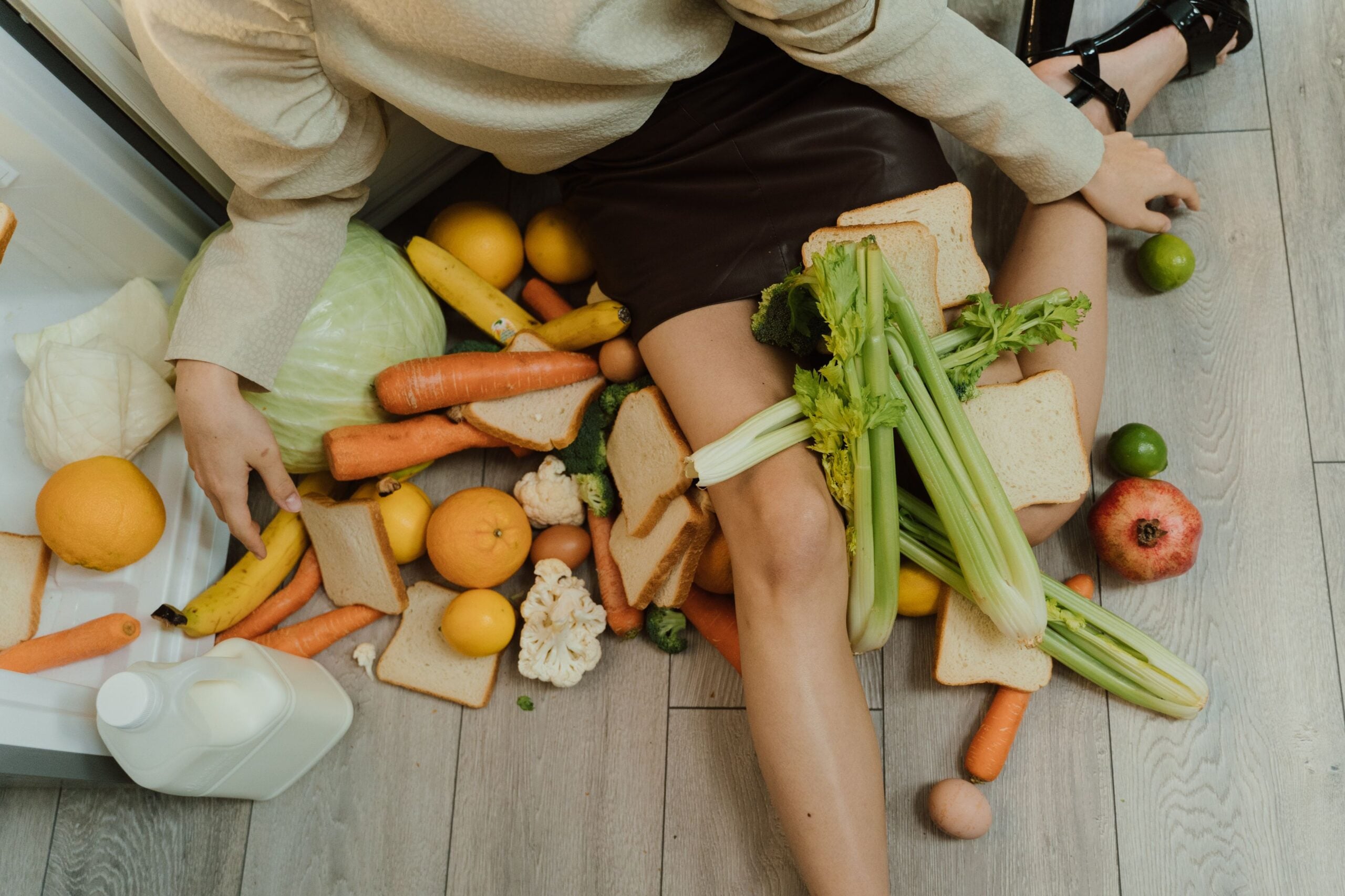
Carrot raisin salad was a refrigerator staple for good reason. It required no cooking, held up well, and delivered sweetness, crunch, and acidity in one bowl. Shredded carrots, raisins, and a creamy or citrusy dressing made it a reliable side dish for sandwiches, baked ham, or simple grilled chicken.
Its strength lies in contrast. Carrots are earthy and crisp, raisins are chewy and sweet, and the dressing ties them together with either tangy mayonnaise or a lighter orange-lemon profile. In nutritional terms, it offered fiber and produce at a time when not every side dish centered vegetables so directly.
To make it appealing to today's palate, reduce the sugar and add complexity. Yogurt can lighten the dressing, while sunflower seeds, parsley, ginger, or a touch of cider vinegar sharpen the flavor. Served cold, carrot raisin salad tastes fresh, bright, and far more contemporary than its reputation suggests.
Jell-O Poke Cake
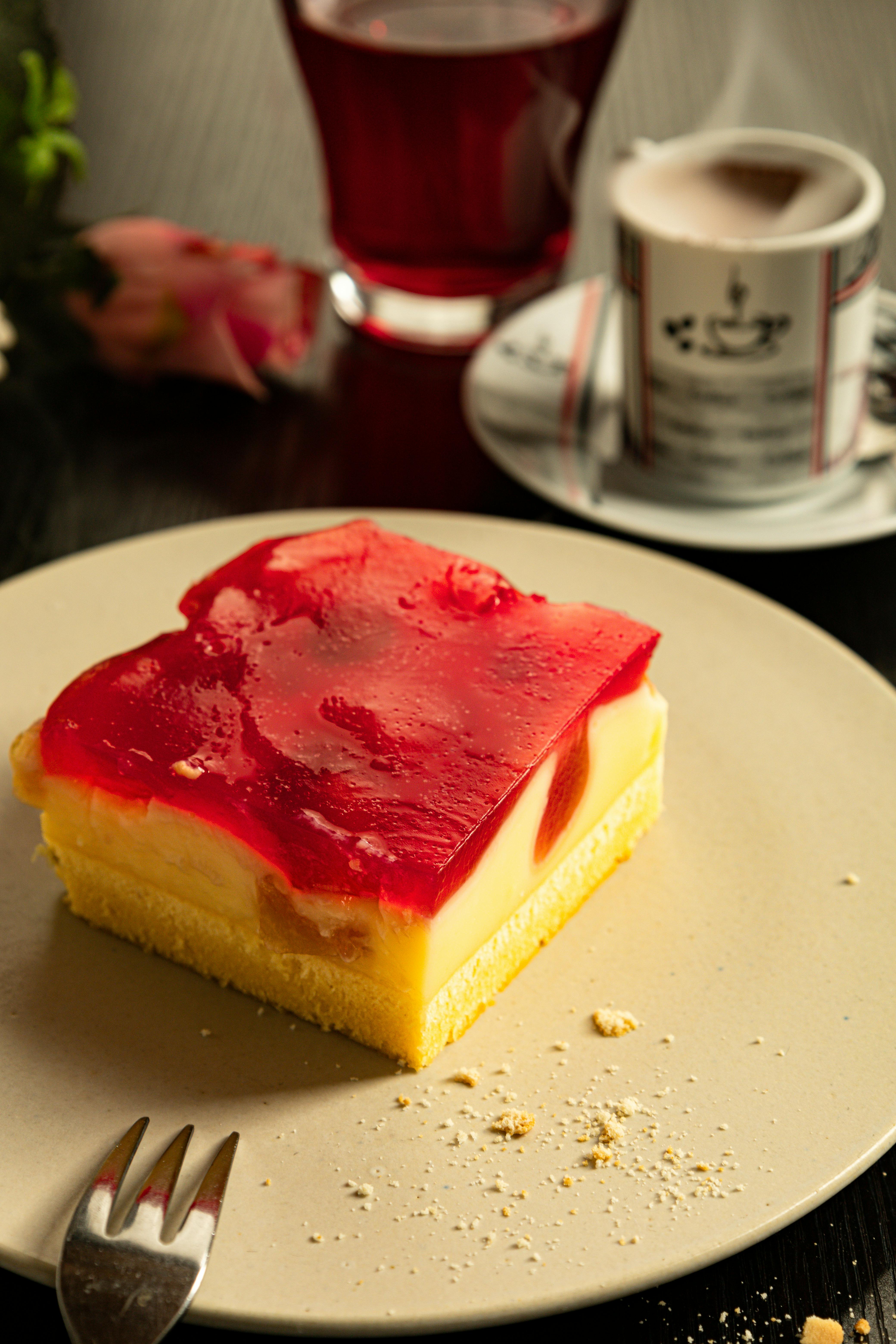
Poke cake was one of the decade's most clever sheet-pan desserts. By piercing a baked cake and pouring flavored gelatin over it, home bakers created vivid color, moisture, and a nearly foolproof result. It was ideal for birthdays, church suppers, and summer parties because it could be made ahead and served to a crowd.
The method remains genuinely useful. The gelatin seeps into the crumb, preventing dryness and creating ribbons of flavor throughout the cake. Topped with whipped cream or frosting, it becomes playful but not technically demanding, which is exactly why it spread so widely through community cookbooks and boxed-mix culture.
A modern comeback works best with a lighter hand. Choose fruit-forward flavors, use homemade whipped cream, and finish with berries or citrus zest instead of excessive decorations. The result keeps the fun of the original while tasting cleaner and less sugary, making poke cake ready for a new generation.
Slow Cooker Pot Roast
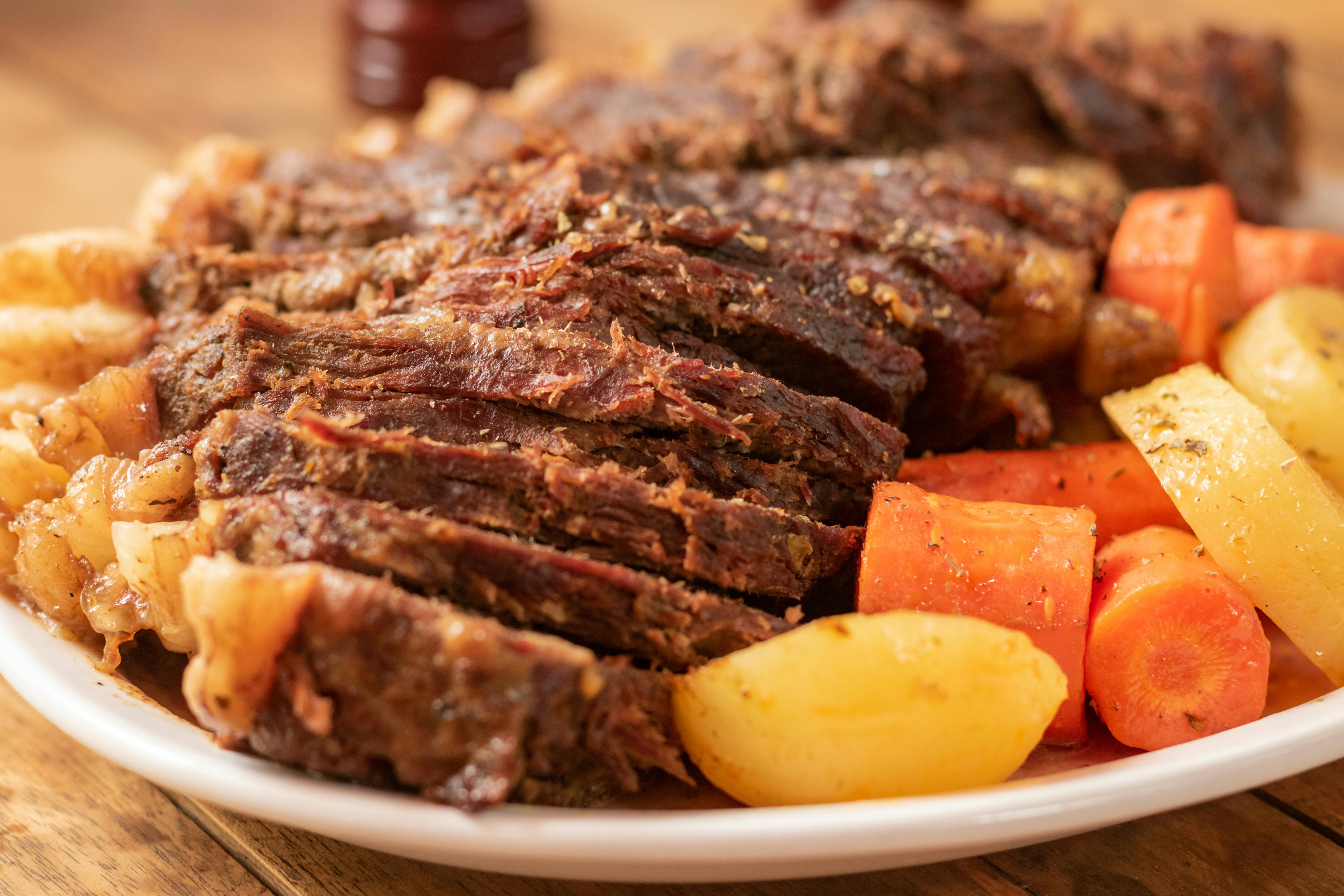
If one recipe symbolizes practical 1970s home management, it is slow cooker pot roast. As countertop slow cookers gained popularity, they changed dinner planning by allowing inexpensive cuts of beef to become tender with almost no active attention. For working families, that convenience was a genuine breakthrough, not a gimmick.
The dish still answers a modern need. Chuck roast, onions, carrots, potatoes, broth, and aromatics transform over hours into a meal with built-in gravy and leftovers for days. It is cost-effective, deeply comforting, and especially useful in colder months when one pot can anchor several dinners.
The best current approach combines old and new wisdom. Brown the meat first for depth, use tomato paste and herbs for structure, and avoid drowning everything in liquid. When the roast is fork-tender and the vegetables are silky, the result feels both classic and fully aligned with how people want to cook now.
Black Forest Cake

Black Forest cake embodied the 1970s taste for desserts that felt celebratory and a little glamorous. Layers of chocolate cake, cherries, whipped cream, and chocolate shavings gave it restaurant flair, yet home bakers embraced it because the flavors were familiar and the decoration looked impressive even when imperfect.
Its appeal is grounded in balance. Chocolate provides bitterness, cherries contribute tart fruitiness, and whipped cream keeps the whole dessert from becoming dense. In many versions, cherry syrup or liqueur adds moisture and aroma, creating a cake that tastes richer and more nuanced than standard supermarket birthday cakes.
A revival today should favor quality over excess. Use a dark cocoa sponge, real cherry filling, and lightly sweetened cream so the flavors stay defined. Whether made as a layer cake or a simpler roulade-inspired version, Black Forest remains one of the decade's most genuinely elegant desserts.
Spinach Dip in a Bread Bowl
Spinach dip in a bread bowl became a party icon because it solved several hosting problems at once. It was edible, shareable, and easy to place at the center of a buffet table. Typically made with chopped spinach, sour cream, mayonnaise, soup mix, and water chestnuts, it delivered creaminess with welcome crunch.
The dish endures because it understands how people eat at gatherings. Guests like food that requires no slicing, no balancing on forks, and no explanation. The hollowed bread bowl and torn bread pieces turned the serving vessel into part of the recipe, reducing waste and adding a chewy, absorbent contrast.
A present-day version should aim for freshness. Use sautéed spinach, herbs, yogurt or labneh for some of the richness, and a good round loaf with texture. Extra vegetables on the side broaden the appeal. Done well, spinach dip in a bread bowl still feels generous, social, and entirely relevant.
The Real Lesson of These Vintage Favorites

The best 1970s recipes were never only about novelty. They were about solving real household needs with flavor, economy, and a sense of occasion. That is why so many still resonate. They made weeknight dinners easier, parties less stressful, and desserts more festive without asking ordinary cooks to do too much.
Many of these dishes also anticipated current food values better than people realize. Quiche supports flexible fillings, stuffed peppers welcome plant-based adaptations, and pot roast turns cheaper cuts into memorable meals. Even potluck staples like cheese balls and layered desserts reflect a timeless desire for make-ahead food that brings people together.
Bringing these recipes back does not mean recreating every old shortcut exactly as written. It means keeping what worked, improving what did not, and recognizing that practicality and pleasure can share the same plate. When approached with better ingredients and a little technique, these vintage recipes feel less dated than durable.




Leave a Reply