
The labor market looks upside down. In one corner, forecasts warn that 15.8 million jobs could be displaced by technology and economic change. In the other, restaurant owners still say they cannot hire enough people to keep dining rooms, kitchens, and delivery operations fully staffed.
Two labor stories are unfolding at the same time

At first glance, the contradiction seems impossible. If millions of workers are at risk of losing jobs, restaurants should have a deep pool of applicants ready to step in. Yet many operators continue to shorten hours, trim menus, or close dining sections because they do not have enough cooks, servers, dishwashers, and managers to run at full capacity.
The key is that job loss on a national scale does not automatically translate into workers flowing smoothly into restaurant roles. The industries most exposed to automation, artificial intelligence, and restructuring do not perfectly overlap with the jobs restaurants need to fill. A displaced office worker, warehouse employee, or administrative assistant may not be prepared to take a fast-paced kitchen shift that starts early, ends late, and pays modestly.
Recent labor market research has highlighted this mismatch repeatedly. Economists often distinguish between labor shortages and skill shortages, but in restaurants the problem goes beyond technical skill. The issue is also about physical demands, emotional stress, unpredictable schedules, limited benefits, and high turnover. A worker may need a paycheck urgently and still decide that restaurant work is not sustainable.
That helps explain why an economy can show both displacement and shortage at once. According to major global workforce forecasts, millions of roles may be altered or eliminated over time as companies adopt more software, robotics, and data-driven systems. But restaurants remain rooted in highly personal, on-site service. Food still has to be prepped, cooked, plated, delivered, and cleaned up by people, even as ordering kiosks and kitchen technology spread.
Restaurant jobs are available, but many workers do not want them back

The restaurant industry's hiring problem did not begin with automation forecasts. It intensified after the pandemic, when many hospitality workers left and never returned. During shutdowns and reopenings, workers were pushed through layoffs, reduced tips, health risks, customer conflict, and unstable schedules. For many, that period changed how they viewed the industry permanently.
Some moved into warehousing, healthcare support, retail operations, customer service, or gig work. Others used the disruption to pursue certifications, community college programs, or office-based jobs with steadier hours. What employers often describe as a worker shortage is, in many cases, a refusal to return to jobs people already tested and found too difficult for too little reward.
Wages are a major part of the story, but not the only one. In many markets, restaurants have raised hourly pay, offered signing bonuses, or added referral incentives. Even so, the broader package can still fall short. Workers compare restaurant jobs not just against unemployment, but against other low- and mid-wage options that may offer daytime schedules, less public interaction, climate-controlled environments, or some path to advancement.
Burnout matters as much as compensation. Front-of-house staff absorb customer complaints, tipping volatility, and pressure during peak hours. Back-of-house workers face heat, repetitive strain, injuries, and relentless speed demands. Managers often carry the heaviest burden of all, filling gaps when employees call out and handling staffing crises that can derail an entire day. In that environment, openings remain posted because the work itself has become a harder sell.
The jobs at risk are not the same jobs restaurants need filled
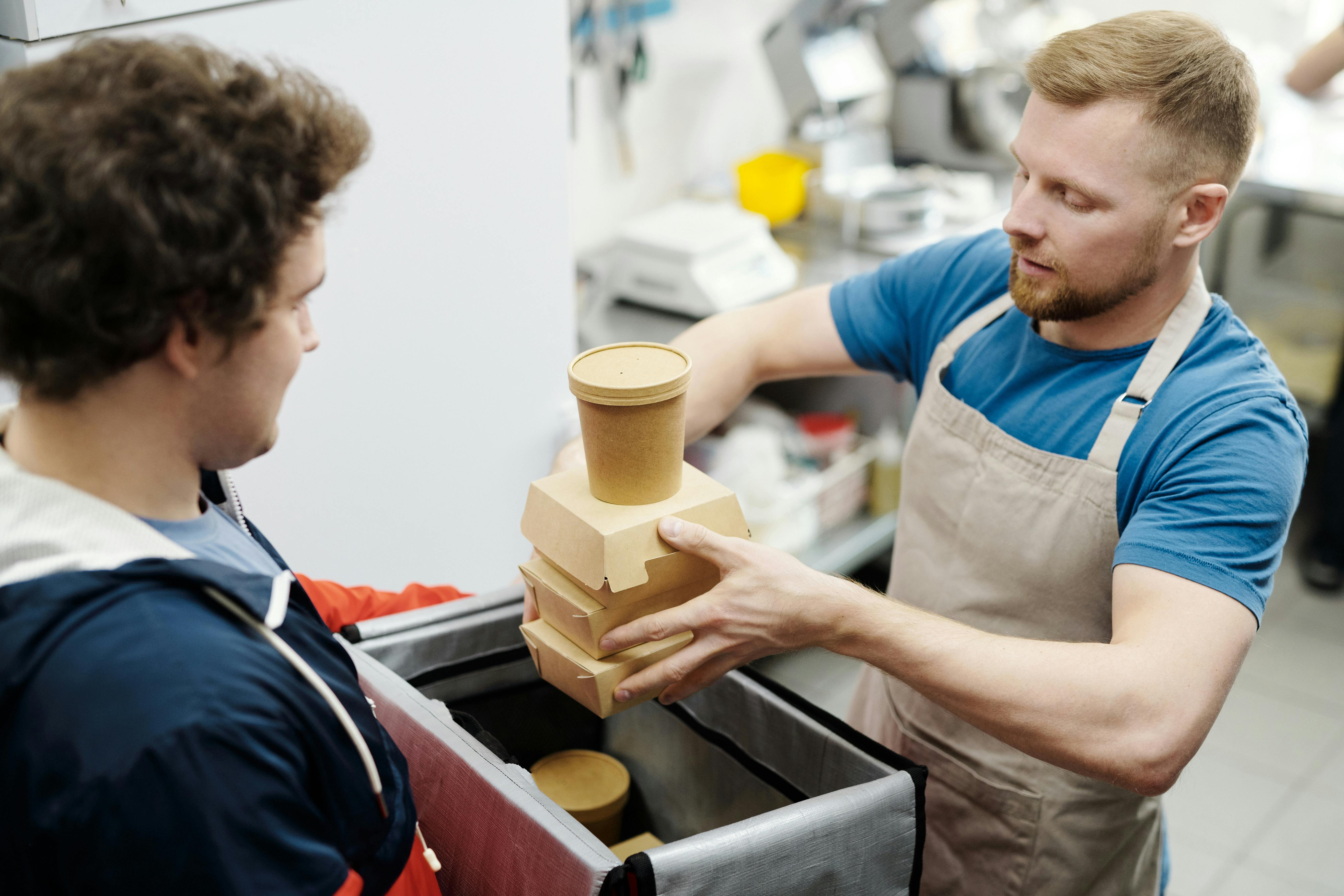
A common mistake in public debate is treating all workers as interchangeable. They are not. If a report says 15.8 million jobs could be lost, that does not mean 15.8 million people can or will move into food service. Labor transitions depend on geography, skills, age, transportation, caregiving responsibilities, immigration status, physical ability, and whether the new job offers enough income to justify the switch.
Many of the jobs vulnerable to automation are concentrated in clerical support, routine administration, basic data processing, and repetitive production tasks. Restaurant work requires a different mix of abilities. It demands speed, memory, customer handling, teamwork under pressure, sanitation knowledge, and the stamina to stay productive through rushes that can feel nonstop. Not every displaced worker wants to make that transition, and many employers know it.
Location sharpens the mismatch further. A person whose office role is automated in a suburban business park may not live near restaurants with open roles, or may not have evening transportation. In rural areas, labor pools are smaller to begin with. In expensive cities, workers may avoid restaurant jobs because wages do not cover rent, especially if tip income is unpredictable or split unevenly across shifts.
There is also a status issue that rarely gets discussed honestly enough. Some workers who lose white-collar or semi-professional jobs do not view restaurants as a temporary bridge. They may see that move as a step backward, even if the work is honest and urgently needed. That perception affects labor supply. Economists call this job matching friction, but on the ground it looks simple: vacancies stay open because the people available do not see those jobs as viable.
Immigration, demographics, and turnover are squeezing the industry

Another reason restaurant hiring remains difficult is that the labor force feeding the industry has changed. Restaurants have long relied on young workers, immigrants, part-time staff, and people entering the job market for the first time. Each of those channels is under pressure. Demographic aging has reduced the relative share of younger workers, and tighter immigration patterns in recent years have narrowed an important source of labor in many regions.
According to industry groups and labor economists, immigration has been especially important in back-of-house roles, from dishwashing to line cooking to food preparation. When fewer newcomers arrive, or when work authorization systems become more restrictive, restaurants lose a talent pipeline that historically helped stabilize operations. In many major metro areas, operators say skilled cooks are among the hardest positions to fill, not because the jobs disappeared, but because the available labor pool did.
Turnover makes the shortage look even worse. Restaurants do not just need to fill open jobs once. They need to refill them constantly. Hospitality has long posted some of the highest quit rates in the economy, and replacing one worker often triggers extra overtime, training burdens, and mistakes that push others toward leaving too. That churn creates a cycle in which operators are always hiring but never fully staffed.
Demographic realities also affect scheduling. More workers today juggle school, childcare, eldercare, or multiple jobs, making last-minute or variable scheduling much harder to accept. Restaurants built around flexible staffing once saw that as an advantage. Now it can be a liability. Workers increasingly want predictability, and employers who cannot provide it struggle to compete, even when unemployment elsewhere begins to rise.
Technology may cut jobs broadly, but it has limits inside restaurants
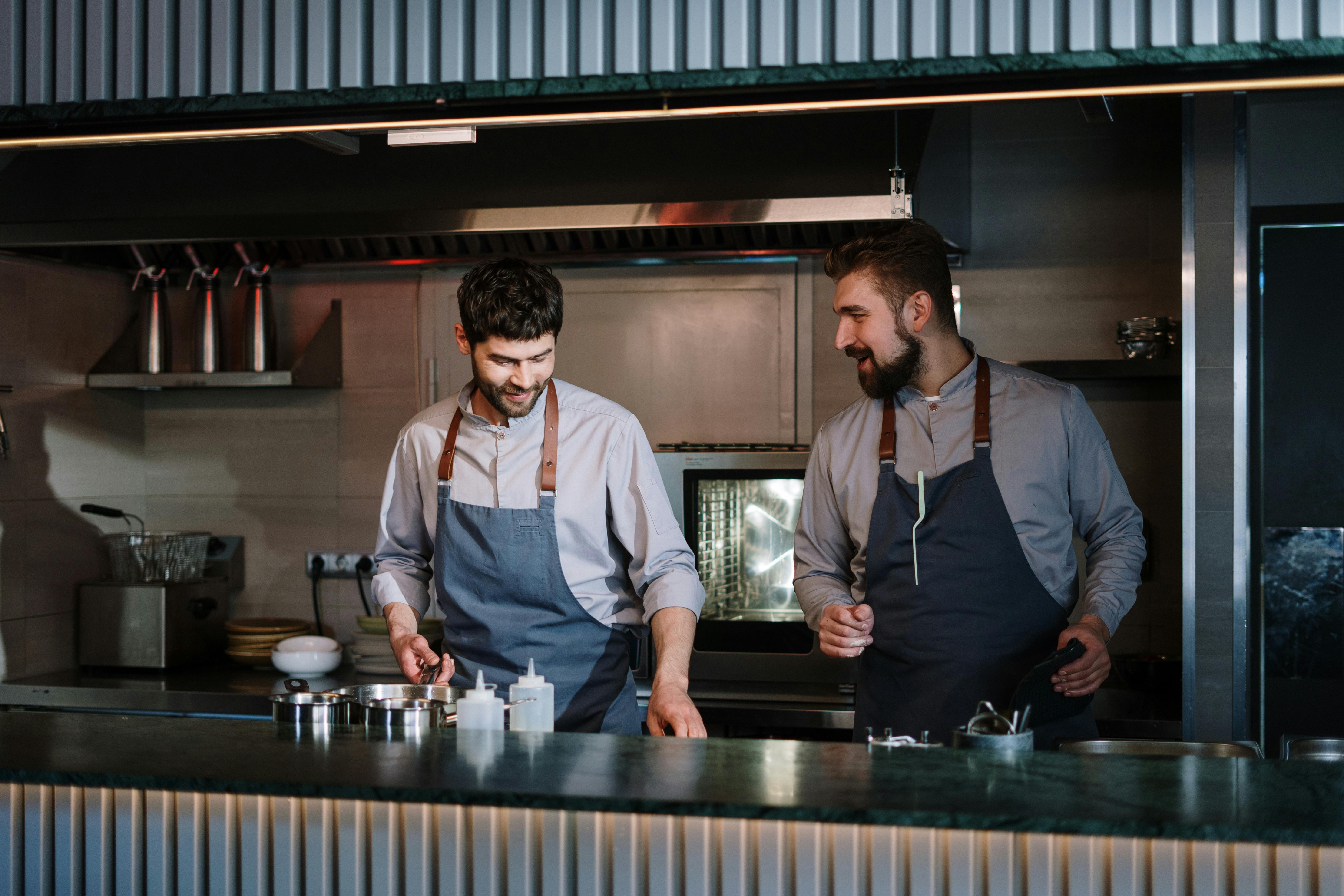
Technology is reshaping work everywhere, and restaurants are not immune. Self-order kiosks, QR code menus, automated fry stations, scheduling software, AI-assisted drive-thrus, and inventory systems are already changing how labor is used. Chains have invested heavily in these tools to reduce repetitive tasks, lower errors, and operate with leaner teams. But this does not mean restaurants can suddenly replace most workers.
Food service remains stubbornly human. Machines can help take orders or track stock, yet they still struggle with the full messiness of a dinner rush. A kitchen must adapt to substitutions, timing problems, special requests, equipment failures, supply gaps, and the constant need for judgment. In dining rooms, hospitality is more than carrying plates. It includes reading customer mood, solving mistakes quickly, and creating an experience people want to pay for again.
That is why automation often changes restaurant jobs instead of eliminating them outright. A cashier may become more of a host, dining room assistant, or issue resolver. A manager may spend less time making schedules manually and more time coaching staff or handling service recovery. Technology can improve productivity, but it rarely removes the need for dependable people who can improvise under pressure and keep service moving.
There is also a cost barrier. Large chains can test robotics and digital ordering systems across hundreds of locations. Independent restaurants often cannot. Margins are thin, financing is expensive, and equipment maintenance adds complexity. For many operators, technology is a support tool, not a labor substitute. So while broader forecasts about 15.8 million jobs lost may prove directionally important across the economy, restaurants still face the immediate reality that they need humans now.
What would actually make restaurant jobs easier to fill

The solution is not simply waiting for displaced workers from other industries to show up. Restaurants that hire more successfully tend to change the job itself. That means paying more where possible, but also improving scheduling, training, promotion pathways, and day-to-day working conditions. Workers are more likely to stay when they can see a stable future instead of just the next shift.
Predictable scheduling is one of the clearest opportunities. When employees know their hours in advance and are not sent home early without warning, the job becomes more manageable for parents, students, and people with second responsibilities. Better onboarding also matters. New hires who are trained properly in the first weeks are less likely to quit after the initial stress of service work hits.
Career ladders remain underused in the sector. Many workers leave because they do not see how a host becomes a server, a server becomes a shift lead, or a prep cook becomes a kitchen manager. Operators who map those steps clearly often keep talent longer. Benefits, meal policies, paid time off, transportation support, and respectful management also make a measurable difference, especially in a labor market where workers compare every job against alternatives.
The larger lesson is that labor shortages are not always about a lack of people. Often they reflect a lack of jobs people can realistically accept and sustain. Even if 15.8 million jobs are disrupted elsewhere, restaurants will keep struggling until more roles offer decent pay, dependable hours, and humane conditions. In that sense, the contradiction is not really a contradiction at all. It is a sign that the future of work will be decided not just by how many jobs exist, but by whether those jobs are worth doing.



Leave a Reply