
Canada's food habits can look surprisingly unusual from the outside. What feels completely ordinary to Canadians often leaves visitors amused, confused, or instantly curious.
Canadians buy milk in bags

In several parts of Canada, especially Ontario, Quebec, and the Maritimes, milk in bags is not a novelty item. It is a routine grocery purchase, and many households keep a plastic pitcher designed specifically to hold the bag while one corner is snipped for pouring.
The habit dates back to packaging changes that followed metric conversion in the 1970s. Bags made it easier for processors to adjust quantities without overhauling bottle molds, and they remained practical because they were cheaper to package and transport in many markets.
To outsiders, cutting open a bag of milk and standing it upright in a jug seems oddly fragile. Canadians, however, often see it as cleaner, space-saving, and entirely unremarkable. In regions where bagged milk is common, the real surprise is that anyone would think it is strange.
Ketchup chips are treated like a national staple
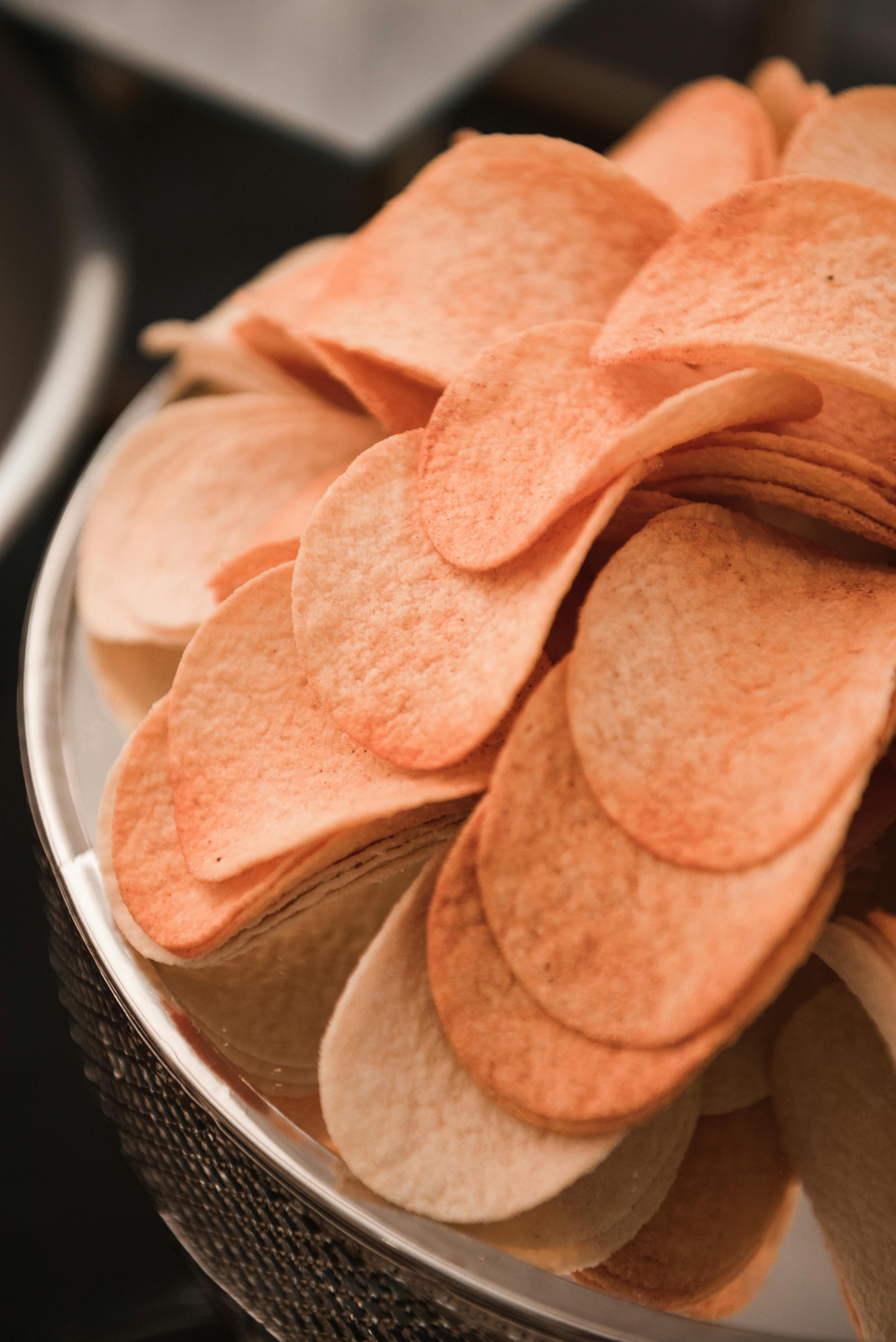
There are flavors of potato chips that come and go around the world, but ketchup chips have shown unusual staying power in Canada. They are sharply tangy, sweet, salty, and unmistakably red, which makes them memorable even before the bag is opened.
For many Canadians, ketchup chips are tied to childhood lunches, road trips, cottage weekends, and school vending machines. They are not framed as a quirky snack but as one of the default chip options, as normal as barbecue or sour cream and onion.
Visitors often expect the flavor to taste artificial or overly sugary. Instead, it delivers a concentrated version of the sweet-acid profile Canadians already associate with table ketchup. The red dust on fingertips may seem messy, but for locals that is part of the experience, not a flaw.
All-dressed chips somehow make perfect sense

The phrase "all-dressed" sounds vague to people unfamiliar with Canadian snack aisles. In practice, it usually means a bold combination of barbecue, salt and vinegar, ketchup, onion, and savory spice notes layered into a single intensely seasoned chip.
What seems chaotic on paper works because Canadian snack culture has long embraced sharp, assertive flavors. All-dressed chips offer sweetness, acidity, smoke, and salt at once, which makes them feel oddly balanced rather than excessive.
The flavor became such a fixture that it moved from regional curiosity to mainstream identity. While limited-edition versions have appeared in other countries, Canadians often react with surprise when foreigners describe all-dressed chips as bizarre. To them, it is simply one of the most complete chip flavors ever invented.
Vinegar goes directly onto French fries
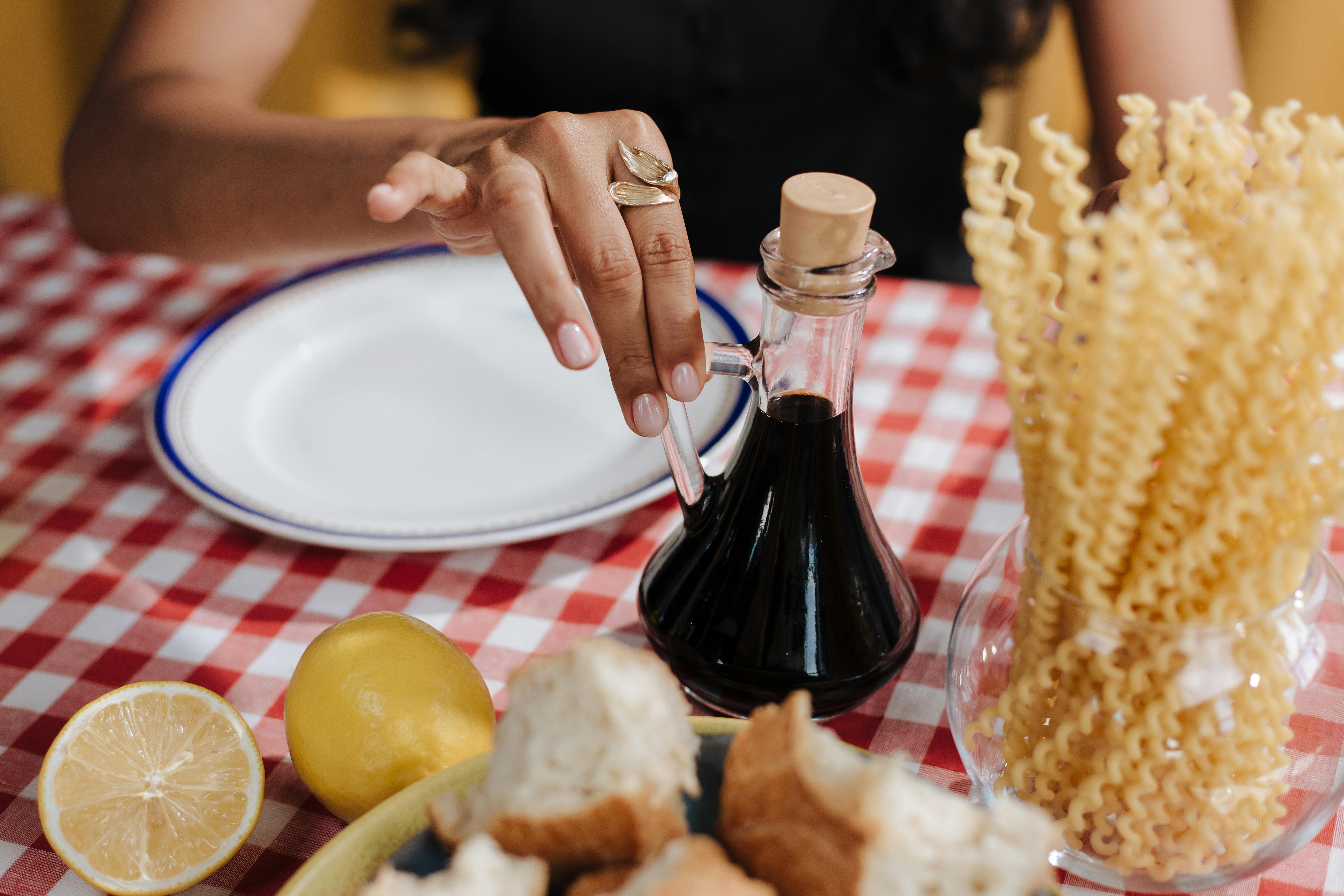
In many Canadian diners, chip stands, and arena concessions, vinegar sits beside ketchup as a standard fry condiment. A generous shake over hot fries is common enough that nobody pauses to explain it.
This habit has deep roots in British and maritime food traditions, especially in Atlantic Canada, where fish and chips culture helped normalize the pairing. The vinegar cuts through oil, sharpens salt, and gives fries a bright edge that ketchup alone does not provide.
For first-time visitors, the smell can be surprising, and the idea of deliberately softening crisp fries may seem counterintuitive. Canadians who grew up with it often see vinegar not as an optional eccentricity but as the thing that makes fries taste finished.
Caesar cocktails are brunch essentials
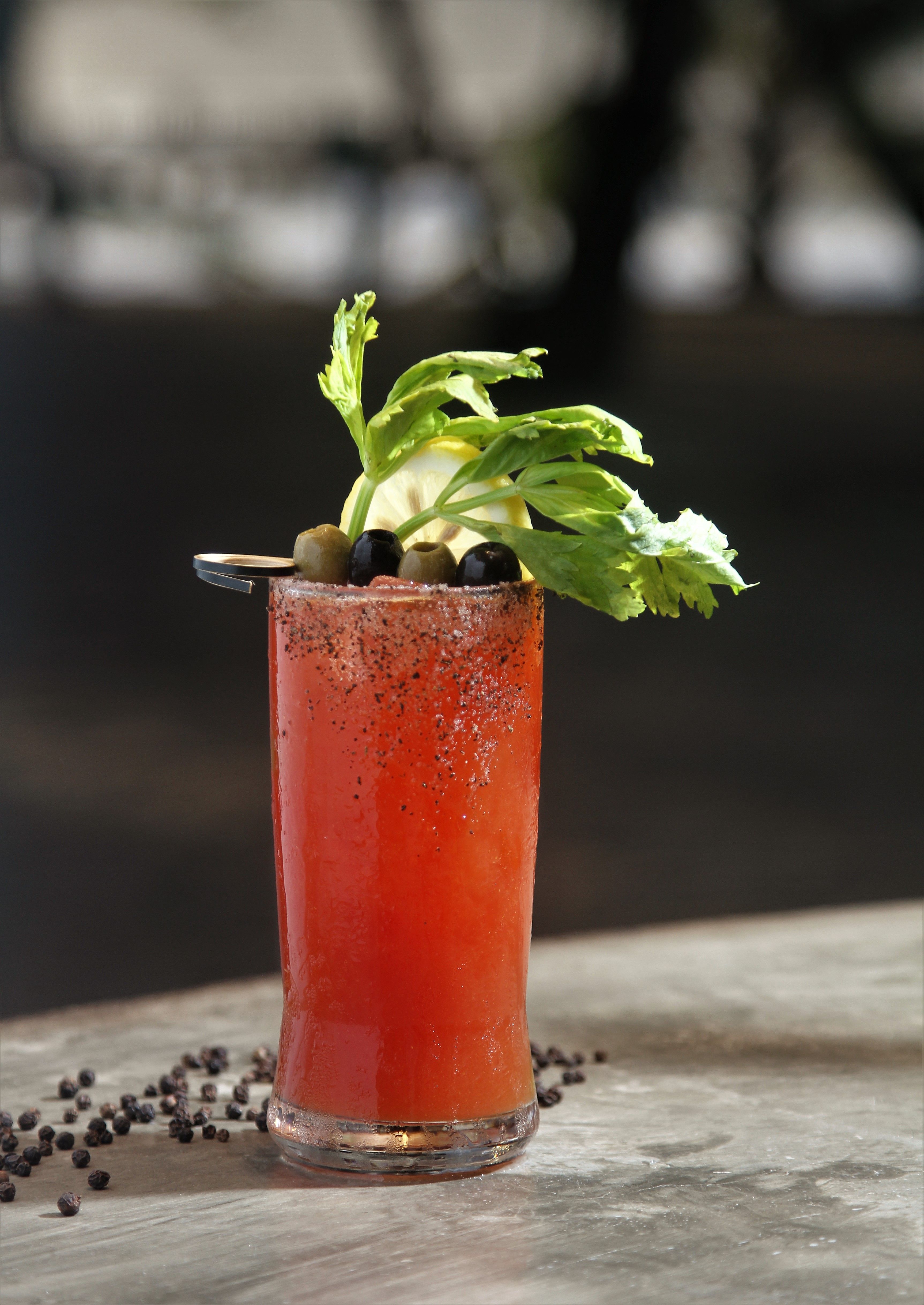
Outside Canada, people know the Bloody Mary. In Canada, many people order a Caesar instead, built around vodka, hot sauce, Worcestershire sauce, and Clamato, the tomato-clam juice blend that often confuses newcomers on first hearing.
The drink was created in Calgary in 1969, and over time it became deeply woven into brunch, patios, airport lounges, and holiday gatherings. Its savory profile fits a broader Canadian taste for briny, boldly seasoned foods, especially in casual social settings.
To outsiders, clam in a cocktail sounds like a dare rather than a tradition. Yet millions of Caesars are consumed in Canada every year, and bartenders routinely treat them as a canvas for extravagant garnishes, from celery and pickles to bacon and sliders. That theatrical confidence says a lot about how normal the drink feels here.
Canadians pour maple syrup on more than pancakes

Maple syrup is not just a breakfast topping in Canada. It turns up in glazes, marinades, baked beans, salmon dishes, salad dressings, desserts, and even cocktails, often used with the same ease that other cuisines reserve for honey or brown sugar.
That broader use reflects both history and supply. Indigenous communities were producing maple sugar long before European settlement, and the ingredient later became embedded in the food economy of regions such as Quebec, which remains one of the world's major maple producers.
Foreign visitors sometimes assume Canadians consume maple syrup as a kind of stereotype performance. In reality, many homes treat it as a standard pantry ingredient with practical culinary uses. The unusual part is not that Canada loves maple, but how seamlessly it moves from breakfast to dinner.
Poutine is eaten casually, not ceremonially

To many outsiders, poutine looks like a heavy novelty dish to try once. In Canada, especially in Quebec but also far beyond it, fries topped with gravy and cheese curds can be a weeknight meal, a late-night snack, a ski hill lunch, or convenience food on the go.
Its appeal lies in texture and temperature contrast. Proper poutine depends on hot gravy, crisp fries, and fresh curds that retain their signature squeak. When done well, it is not random comfort food but a carefully balanced dish with regional standards and loyal defenders.
Canadians also accept endless variations, including smoked meat, pulled pork, butter chicken, or even lobster toppings. That flexibility makes poutine feel alive rather than fixed. What seems excessive elsewhere is, in Canada, one of the country's most adaptable everyday foods.
Butter tarts inspire serious regional arguments
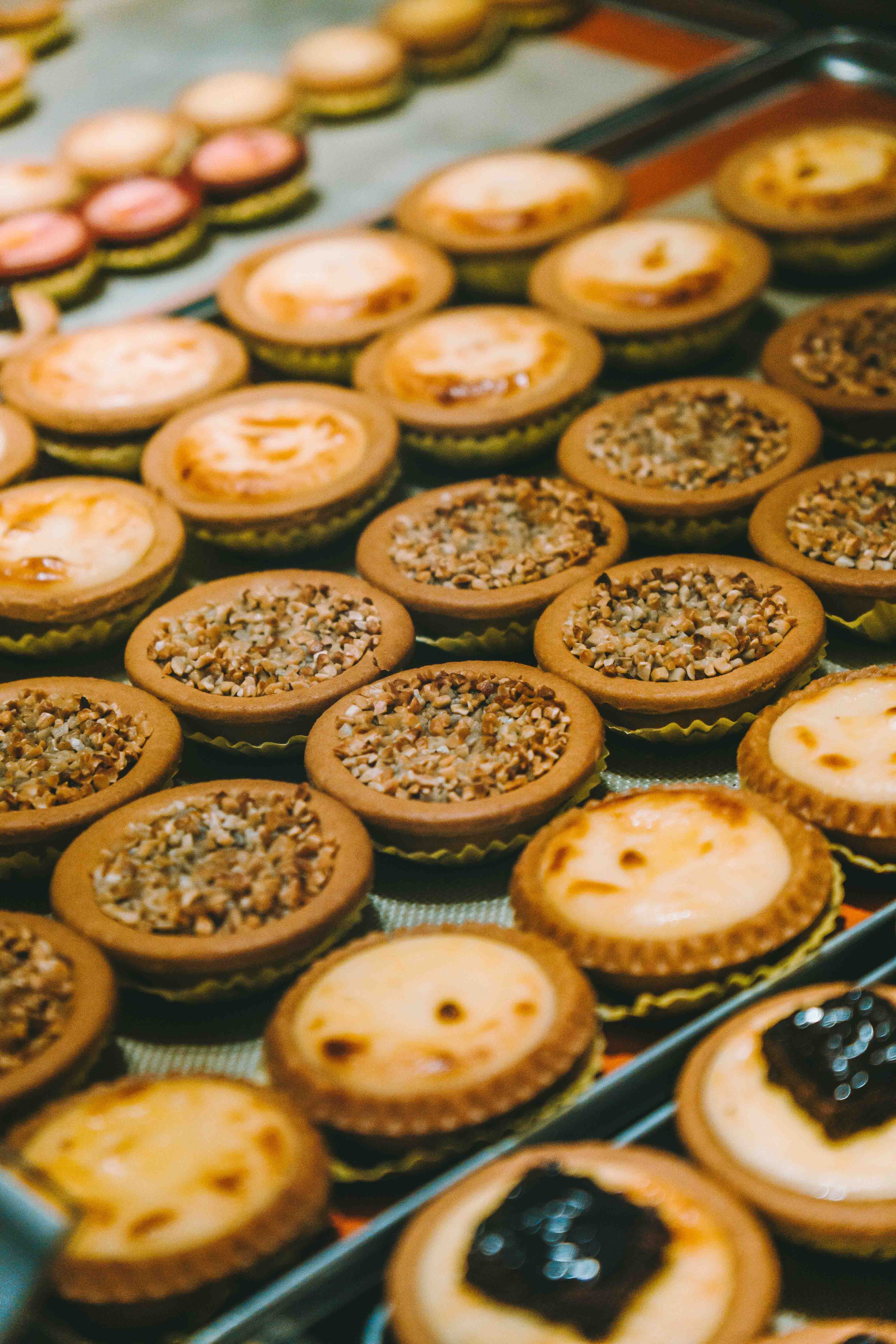
A small pastry filled with butter, sugar, syrup, and egg should not be controversial, yet in Canada the butter tart inspires intense loyalty. The main fault line is simple: should there be raisins, or not?
The tart has roots in early Canadian home baking, especially in Ontario, and it remains a fixture at bakeries, church sales, fairs, and holiday tables. Some versions run firm and neat, while others are gloriously runny and demand a napkin and concentration.
What outsiders may miss is that butter tarts carry emotional weight. They are often associated with grandparents, handwritten recipe cards, and local competitions. A dessert that looks modest on paper becomes culturally charged when every family believes its version is the correct one.
Nanaimo bars skip the oven and still count as serious dessert

Named after the British Columbia city of Nanaimo, this layered dessert combines a crumb base, a custard-flavored middle, and a chocolate top. It is rich, tidy, and unmistakably Canadian in the way it turns pantry ingredients into something highly specific.
Because it is a no-bake square, many visitors assume it belongs to the category of casual tray bakes rather than respected desserts. Canadians do not make that distinction so sharply. Nanaimo bars appear at holiday spreads, bake sales, office parties, and bakery counters with equal legitimacy.
Their sweetness can surprise first-time eaters, but the appeal lies in contrast: crunch, creaminess, and a clean chocolate finish. The dessert also reflects a practical side of Canadian home cooking, where convenience and indulgence often meet without apology.
Coffee comes with a "double-double" vocabulary

In Canada, ordering coffee with "two creams, two sugars" is so common that many people shorten it to "double-double." The phrase is widely understood, especially because of its long association with Tim Hortons, one of the country's defining quick-service chains.
This shorthand is more than branding. It signals how standardized coffee ordering became in a country shaped by commuting, winter driving, shift work, and grab-and-go routines. A familiar, sweet, pale coffee became part of everyday comfort across provinces and towns.
To outsiders, the term can sound cryptic, almost like code. Canadians barely register it as slang at all. It functions as efficient food language, and its widespread use shows how national eating habits are often built around convenience as much as flavor.
Holiday meals often include tourtière
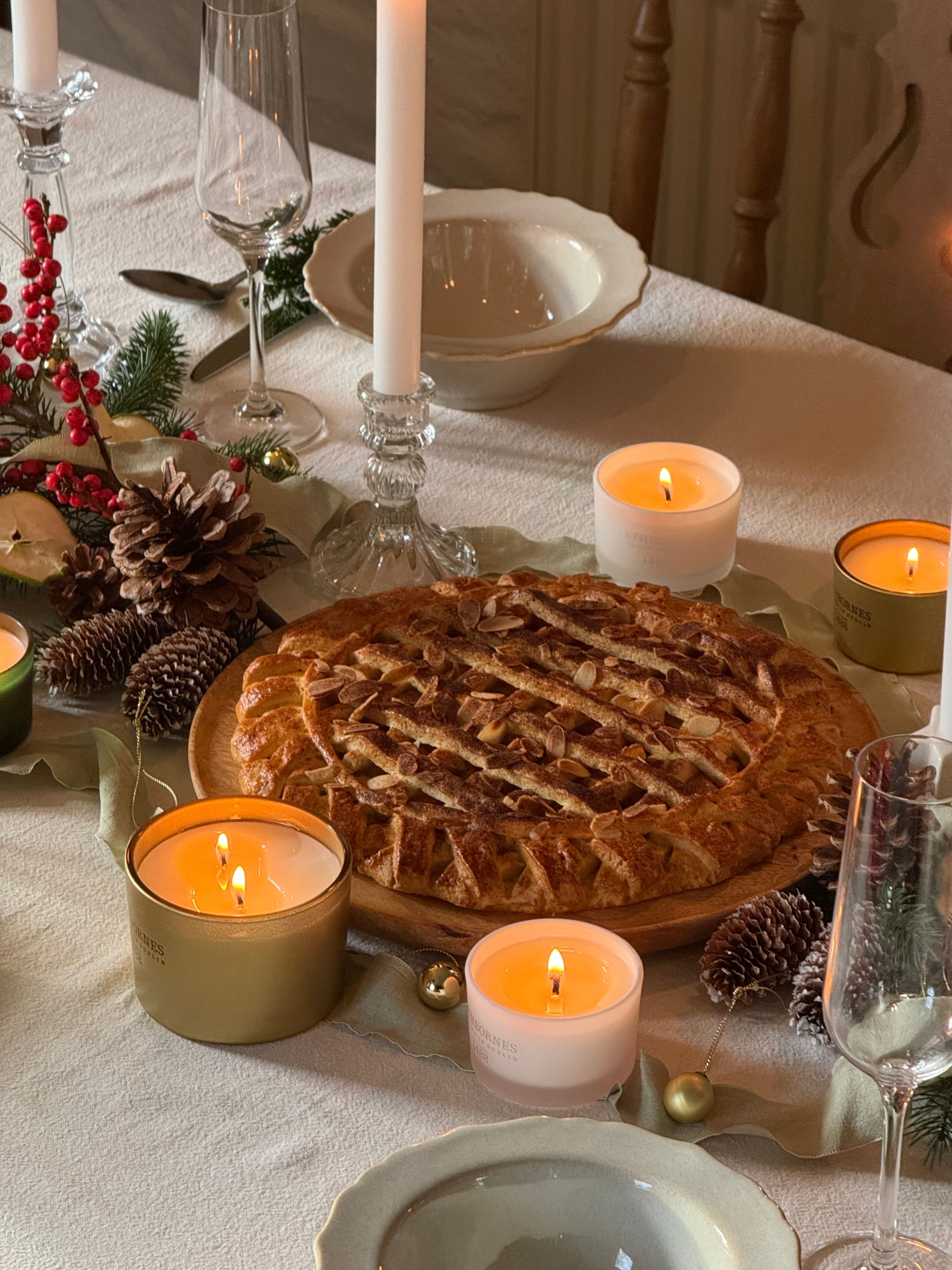
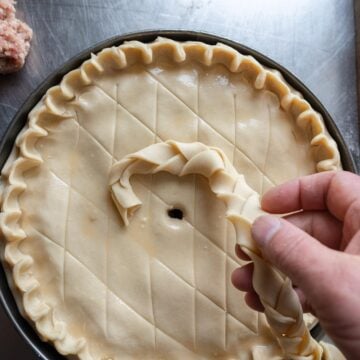
In many Canadian households, especially French Canadian ones, tourtière is not an occasional specialty but a seasonal expectation. This savory meat pie, usually associated with Christmas and New Year gatherings, is deeply tied to tradition and family identity.
Recipes vary by region and household. Some use pork, veal, beef, or game, while others draw from the Saguenay-Lac-Saint-Jean style, which is thicker, deeper, and more like a substantial pie than a simple pastry dish. Spice blends also differ, sometimes subtly, sometimes dramatically.
Visitors may find it unusual that a meat pie holds such ceremonial status at the holidays. In Canada, particularly in Quebec, it makes perfect sense. Tourtière is warming, practical for winter, and ideal for feeding large groups, which helps explain its enduring role on festive tables.
Split pea soup remains comfort food, not old-fashioned relic
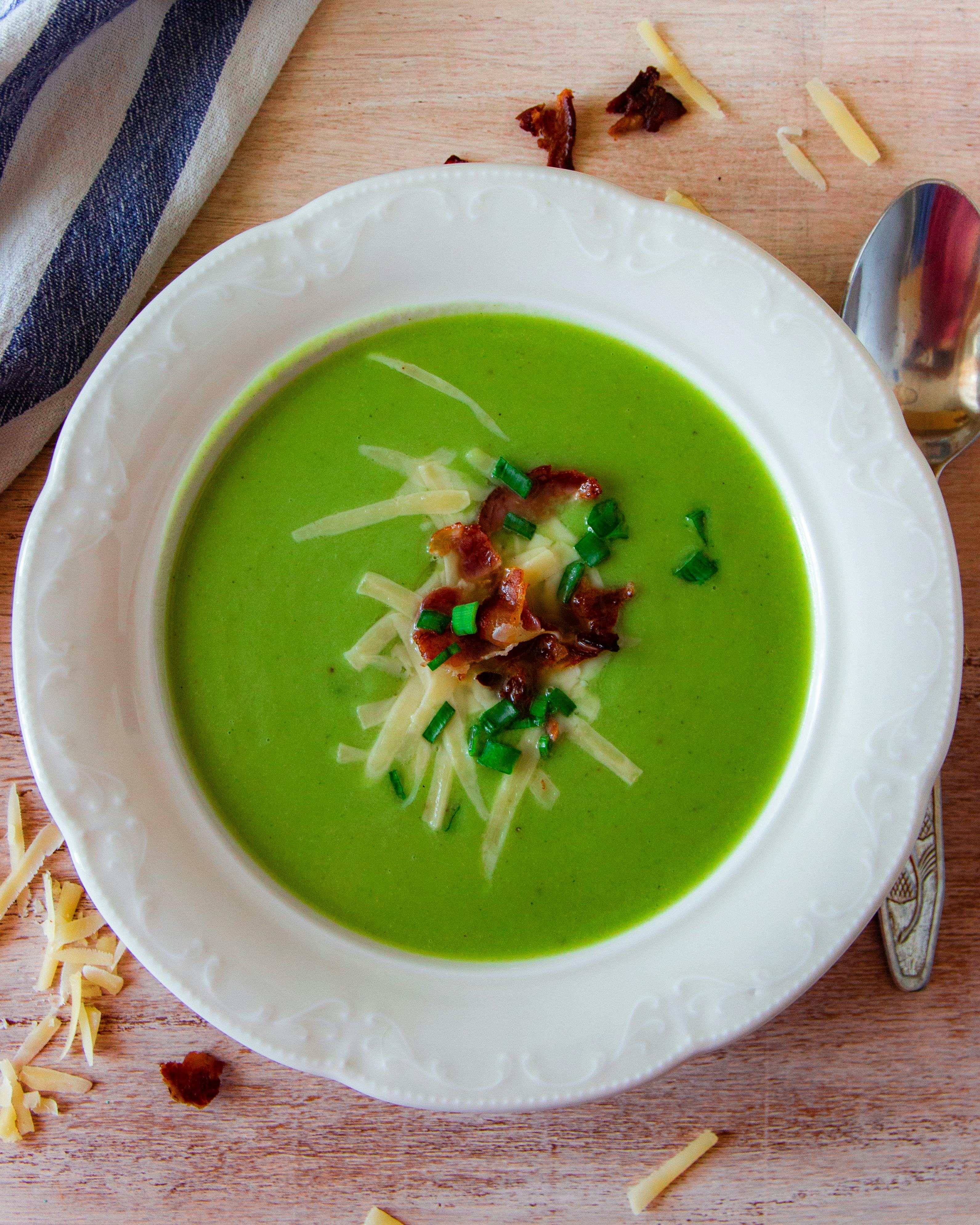
In many places, split pea soup is viewed as old-fashioned or austere. In Canada, especially in Quebec and rural communities with French or farming traditions, it remains a meaningful cold-weather staple.
Its staying power comes from practicality and history. Pea soup was nourishing, affordable, and well suited to harsh winters, and over time it became a comfort food rather than a fallback food. Versions with ham or salt pork are still common and deeply familiar.
For outsiders, the thick texture and muted green color can seem unglamorous. Canadians who grew up with it often care more about warmth, depth, and memory than appearance. This is one of those dishes that proves national food identity is not always flashy, but it can be enduring.
Kraft Dinner is embraced by adults without irony

Boxed macaroni and cheese is popular in many countries, but Canada's relationship with Kraft Dinner, often shortened to KD, goes further. Canadians have long consumed it at exceptionally high rates, and adults often keep it in the pantry with zero embarrassment.
Part of the appeal is economic and practical. It is fast, cheap, shelf-stable, and customizable, which made it attractive to students, families, shift workers, and anyone needing a quick meal. Over time, nostalgia reinforced that convenience and turned it into a cultural marker.
People add hot dogs, canned tuna, peas, chili flakes, or extra cheese, treating it less like a fixed product and more like a base. Elsewhere this might read as emergency food. In Canada, it often sits comfortably between comfort food and everyday habit.
Canadians drink tomato juice on airplanes

One of the more quietly odd Canadian habits appears in the air. Tomato juice, sometimes plain and sometimes as the base for a Caesar mix later, gets ordered on flights with surprising frequency compared with many other countries.
Air travel changes taste perception by dulling sweetness and muting certain aromas, which can make savory drinks seem more appealing. Industry reporting has noted that tomato-based beverages often perform unusually well in the cabin environment, and Canadian familiarity with savory drinks likely strengthens that trend.
To many travelers from elsewhere, ordering tomato juice at 35,000 feet feels oddly specific. To Canadians, especially seasoned flyers, it can feel refreshing, grounding, and more satisfying than a standard soft drink. It is a small habit, but a revealing one.
Leave a Reply