
Canada's food scene is proudly local, but it is also deeply intertwined with major American brands. Across grocery aisles, drive-thrus and food courts, these companies have turned cross-border familiarity into a powerful business advantage.
McDonald's

Few U.S. food brands are as woven into Canadian daily life as McDonald's. The chain opened its first Canadian restaurant in Richmond, British Columbia, in 1967, and it has spent decades adapting a global fast food model to local habits.
Today, McDonald's says it has more than 1,400 restaurants across Canada, serving roughly one million guests every day. That footprint makes it one of the largest restaurant operators in the country, with a presence that reaches big cities, suburbs, highway stops and smaller communities.
Its Canadian menus also show why American giants travel so well. Familiar items like the Big Mac and Egg McMuffin stay front and center, while products such as poutine and the long-running popularity of coffee help the brand feel less imported and more embedded in everyday Canadian routines.
Starbucks
Starbucks arrived in Canada in 1987, opening its first store at Waterfront Station in Vancouver. What began as a coffeehouse import from Seattle quickly scaled into one of the country's most visible foodservice brands.
The company now operates thousands of stores in Canada through a mix of company-run and licensed locations, according to Starbucks' global reporting. That reach matters because it places the brand in train stations, downtown cores, suburban plazas, airports, universities and grocery stores, not just on busy shopping streets.
Its influence goes beyond espresso drinks. Starbucks helped normalize premium coffee, seasonal beverages and mobile ordering on a large scale in Canada, reshaping what many consumers expect from a quick coffee stop and putting pressure on domestic competitors to modernize.
Subway
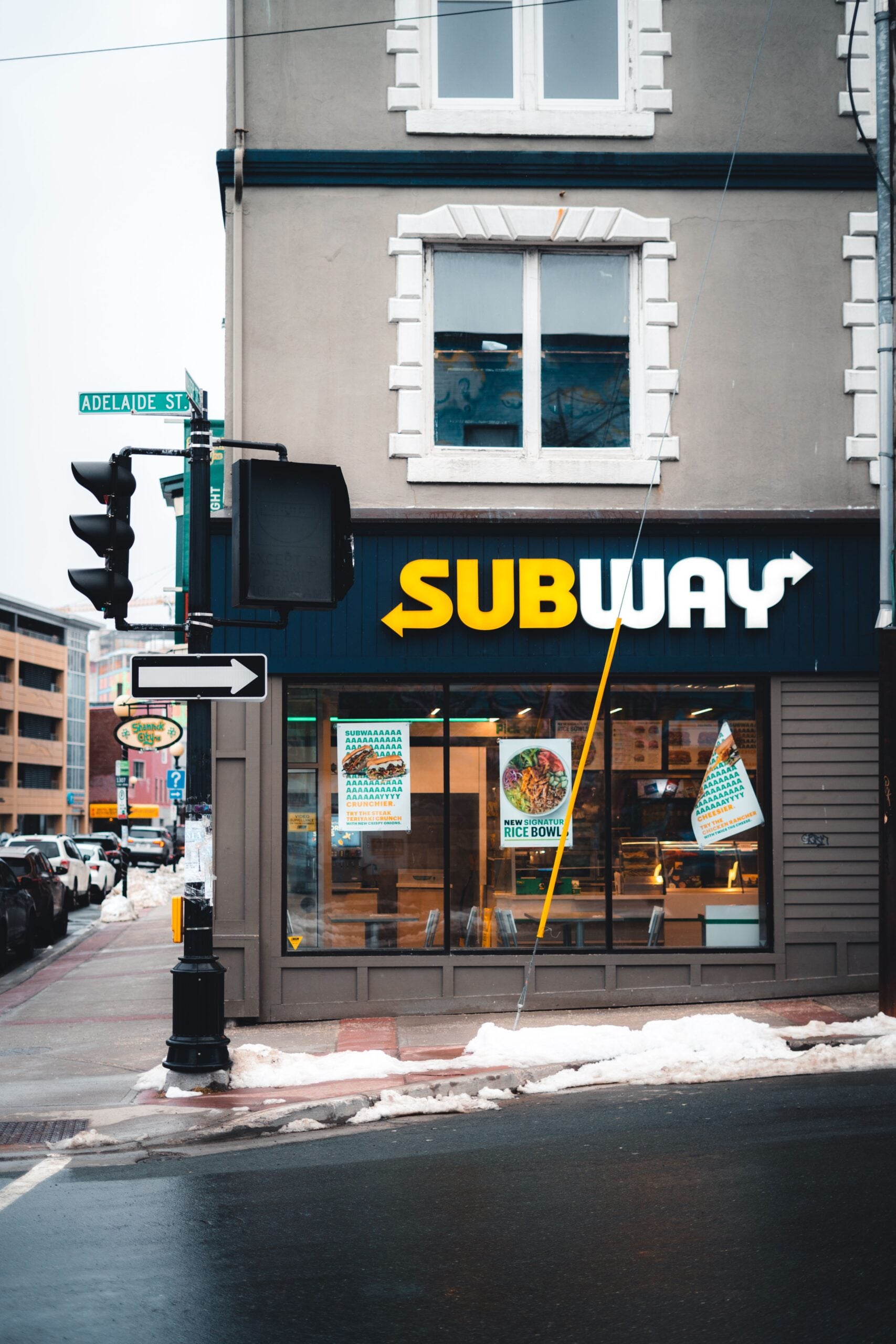
Subway's rise in Canada came from a simple promise: a fast meal that felt a little more customizable than standard burgers and fries. That formula has given the American sandwich chain a remarkably broad footprint across the country.
Subway has long counted Canada as one of its largest international markets, with restaurants spread across every province. The brand's expansion strategy worked especially well in smaller retail spaces, strip malls, gas stations and nontraditional locations where a full kitchen was not necessary.
For Canadian consumers, the appeal was practical as much as aspirational. The ability to choose bread, protein, vegetables and sauces made Subway feel flexible, and for years that helped it become one of the most familiar U.S. fast food names in Canadian lunch culture.
KFC

KFC has a long Canadian history, but its roots are unmistakably American. The fried chicken chain built its reputation in Canada on a product that was easy to understand, highly portable and especially suited to group meals.
Over time, KFC became a regular fixture in malls, suburban commercial strips and small-town main roads. Its family buckets, combo meals and takeout focus helped it grow in a market where convenience and value remain major drivers of restaurant spending.
Its staying power also shows how durable major U.S. comfort-food brands can be across borders. Even as trends shift toward bowls, wraps and limited-time mashups, KFC's core fried chicken business still gives it a reliable place in Canada's fast food landscape.
Pizza Hut

Pizza Hut found room to grow in Canada by leaning into occasions rather than just individual meals. Pizza is one of the easiest foods to share, which gave the American chain a natural opening with families, parties, sports nights and office lunches.
The brand has operated in Canada for decades and has cycled through dine-in restaurants, delivery-focused units and takeout counters. That ability to adjust format helped it stay relevant as consumer habits shifted away from large sit-down pizza parlors toward speed and convenience.
Its menu also plays to broad tastes. Pizza Hut's pan pizza, wings, pasta and combo promotions mirror the kind of all-in-one ordering that works well in Canadian suburbs, where one stop often needs to satisfy several people at once.
Domino's Pizza
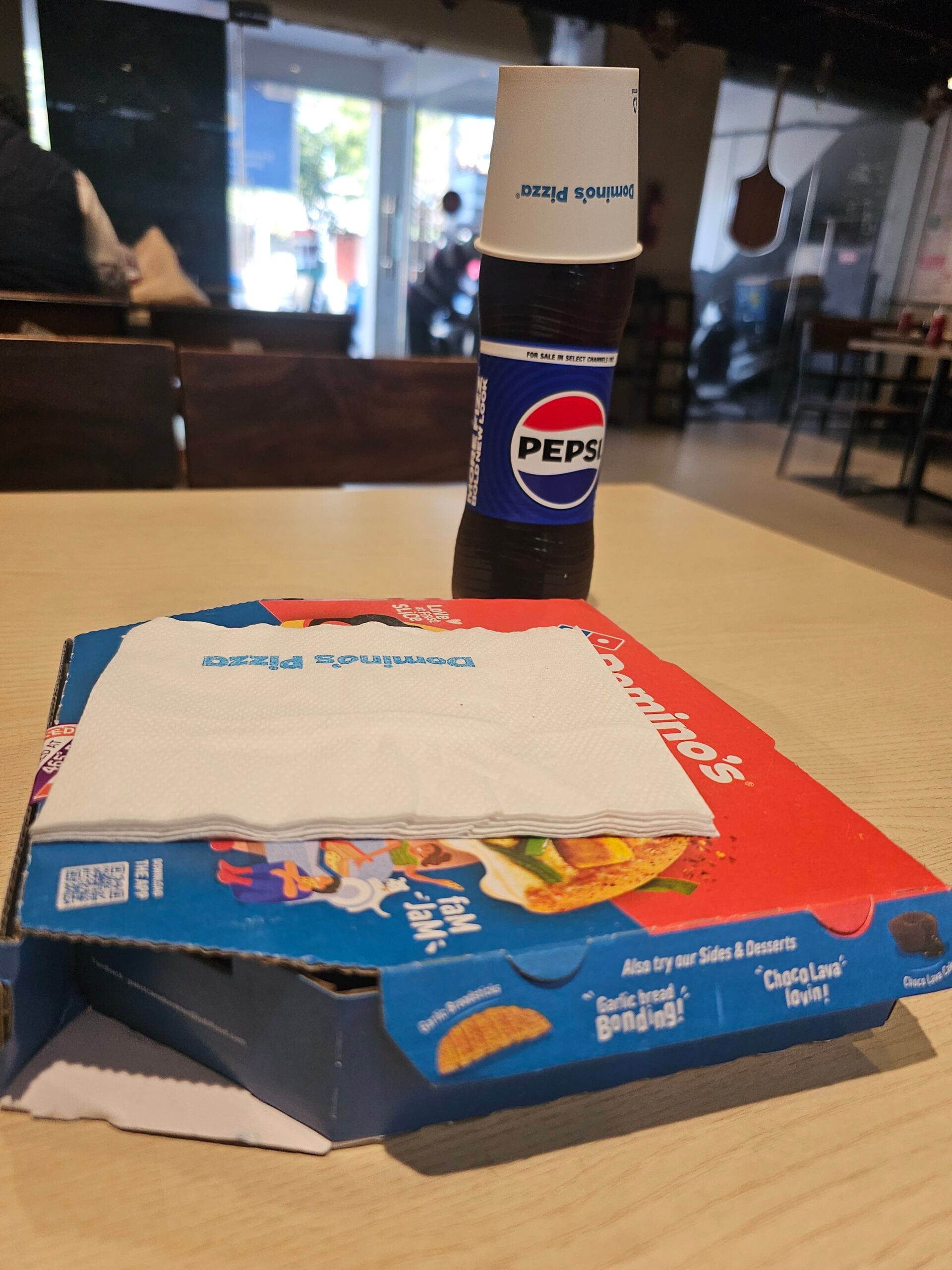
Domino's built its Canadian business on a different promise from older pizza chains: speed, consistency and digital convenience. That strategy has paid off as online ordering became central to how Canadians buy takeout.
The company operates hundreds of restaurants in Canada, and its technology-heavy model has helped it compete aggressively on value. Order tracking, app-based deals and streamlined delivery logistics gave Domino's an edge long before many local independents could match that convenience at scale.
That does not mean taste is irrelevant. Domino's has steadily refined its crust, sauces and toppings over the years, but its real strength in Canada is operational. It turned pizza from a special-occasion order into an easy weekday default for many households.
PepsiCo foods and drinks
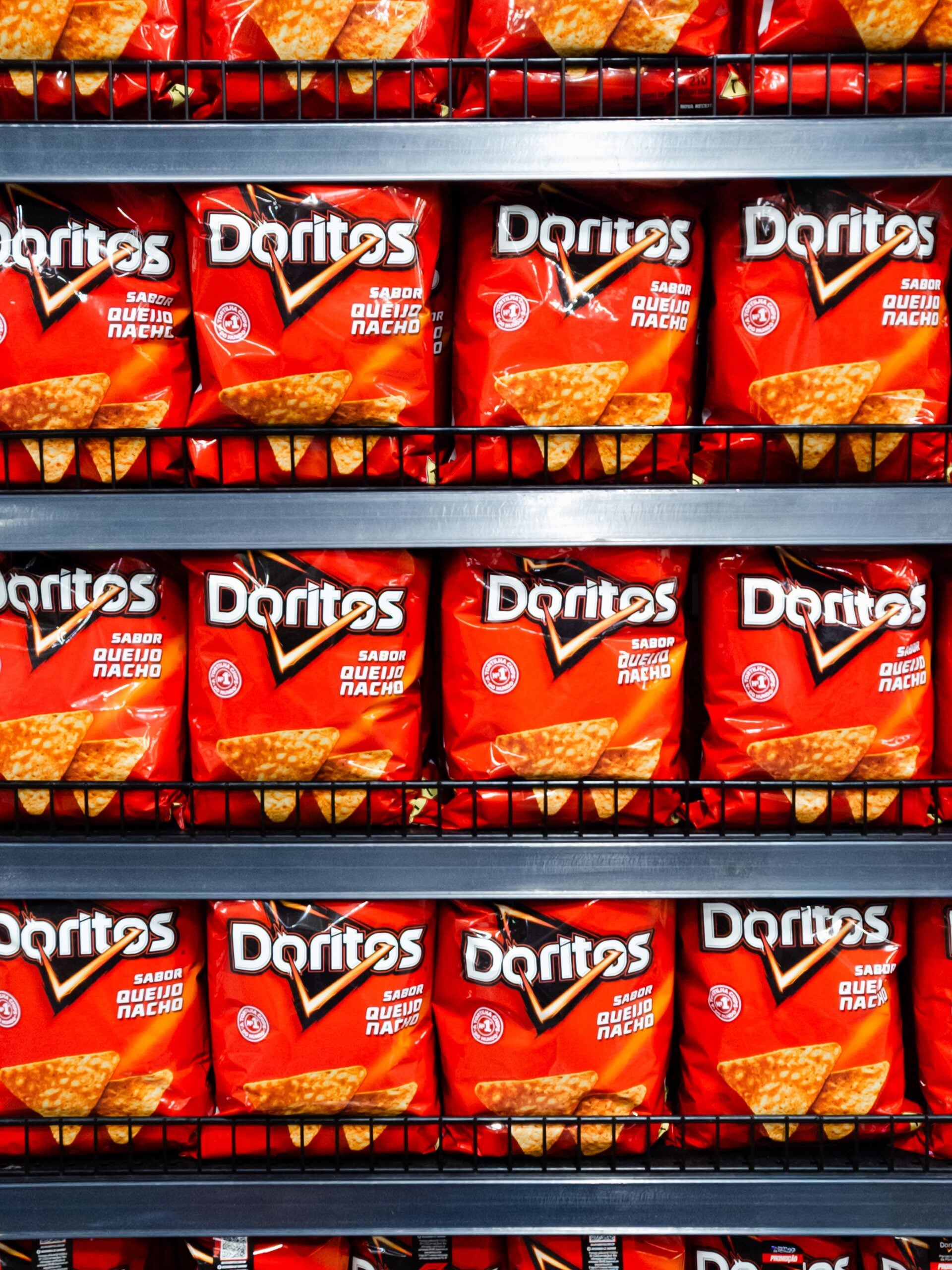
Some American food giants dominate Canada without relying on restaurant signs at all. PepsiCo is one of the clearest examples, with a huge presence through soft drinks, chips, sports drinks, cereals and snack brands sold in nearly every major grocery and convenience chain.
In Canada, PepsiCo Foods and PepsiCo Beverages together reach consumers through brands such as Lay's, Doritos, Tostitos, Pepsi, Gatorade and Quaker. That portfolio gives the company influence across multiple eating occasions, from school lunches and road trips to parties and late-night snacks.
Its strength comes from breadth. A shopper may not think of PepsiCo as one company while buying tortilla chips, oatmeal and cola, but that is exactly how food giants build quiet dominance, by occupying more shelf space and more daily routines than most people notice.
Coca Cola

Coca Cola's Canadian reach is easy to overlook because the products feel so ordinary. Bottled pop, sparkling water, juices and ready-to-drink teas are so common in stores, vending machines and restaurants that the company's scale can fade into the background.
Yet Coca Cola remains one of the biggest beverage players in Canada, supported by a wide portfolio that includes Coke, Sprite, Fanta, Minute Maid, Simply and other major labels. Through restaurants and retail partnerships, its products stay in front of consumers in almost every region.
This is the quiet power of an American giant. It does not need to dominate the conversation every day when its brands already dominate fridges, fountain machines and checkout coolers, shaping beverage habits through routine repetition rather than novelty.
Mondelez snack brands

Mondelez may not have the instant name recognition of Oreo or Ritz, but that is part of what makes its Canadian position so strong. The U.S.-based snack company sells brands that many Canadians know far better than the corporation behind them.
Its portfolio in Canada includes products such as Oreo, Ritz, Triscuit, Chips Ahoy and Cadbury items distributed through mainstream retailers. That range allows Mondelez to compete across cookies, crackers, chocolate and lunchbox snacks, all categories built on repeat household purchases.
The company's strength is not tied to one blockbuster product. It comes from stacking many familiar brands together, then placing them in the everyday paths of shoppers. In practical terms, that means a large share of the snack aisle can trace back to one American food giant.
Kellogg cereals and snacks
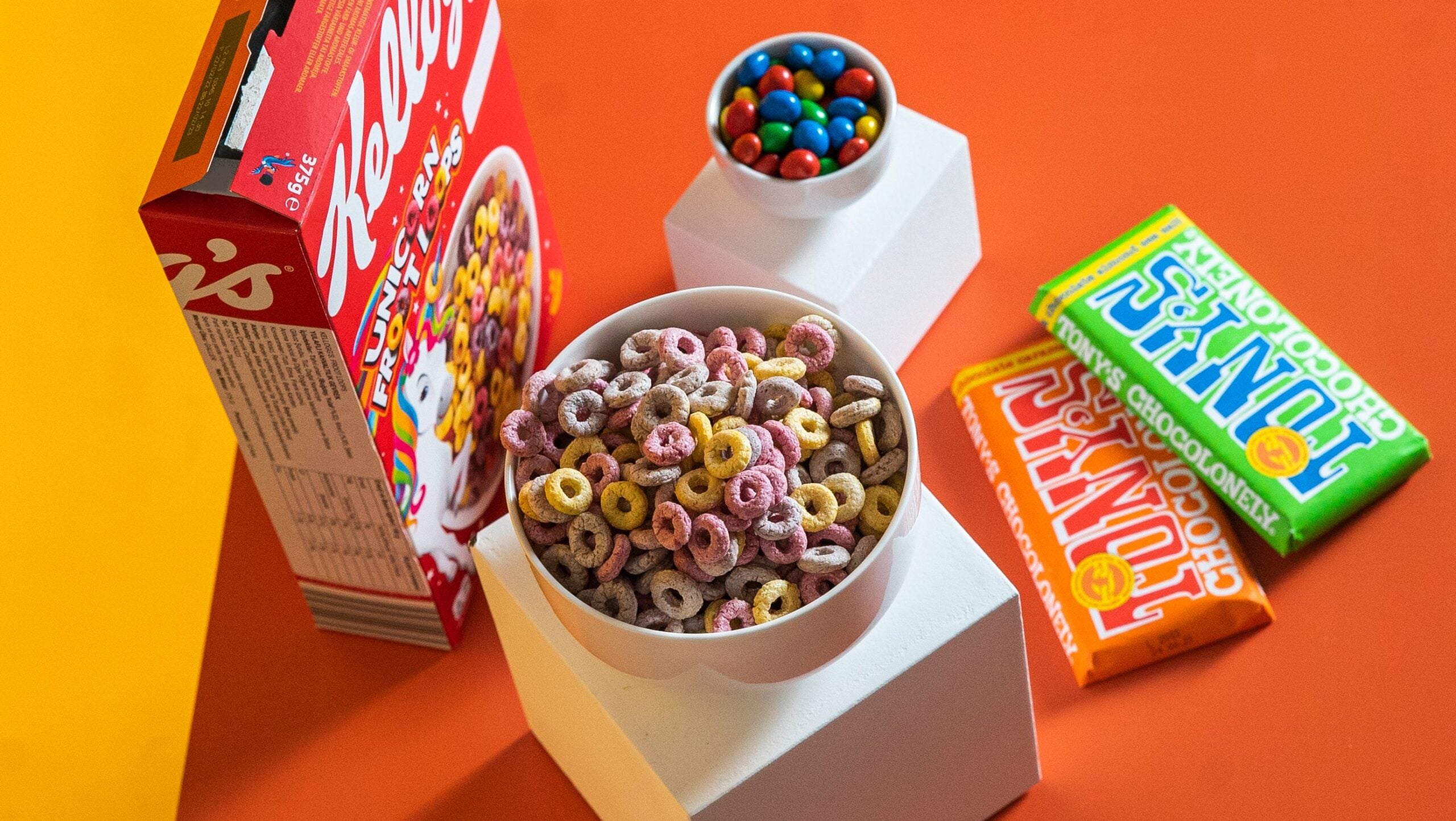
Breakfast is one of the oldest packaged-food battlegrounds in North America, and Kellogg has long been a heavyweight in Canada. Cereals such as Corn Flakes, Rice Krispies, Special K and Frosted Flakes helped the company secure a place in kitchens across generations.
Its influence extends beyond breakfast. Kellogg's snack brands have also kept the company relevant as eating habits changed and many consumers moved toward grazing throughout the day instead of sitting down for fixed meals.
That matters in Canada because shelf presence often outlasts trends. When a company owns products tied to family routines, children's lunches and basic pantry restocking, it gains a kind of soft dominance that does not rely on flashy expansion headlines.
General Mills
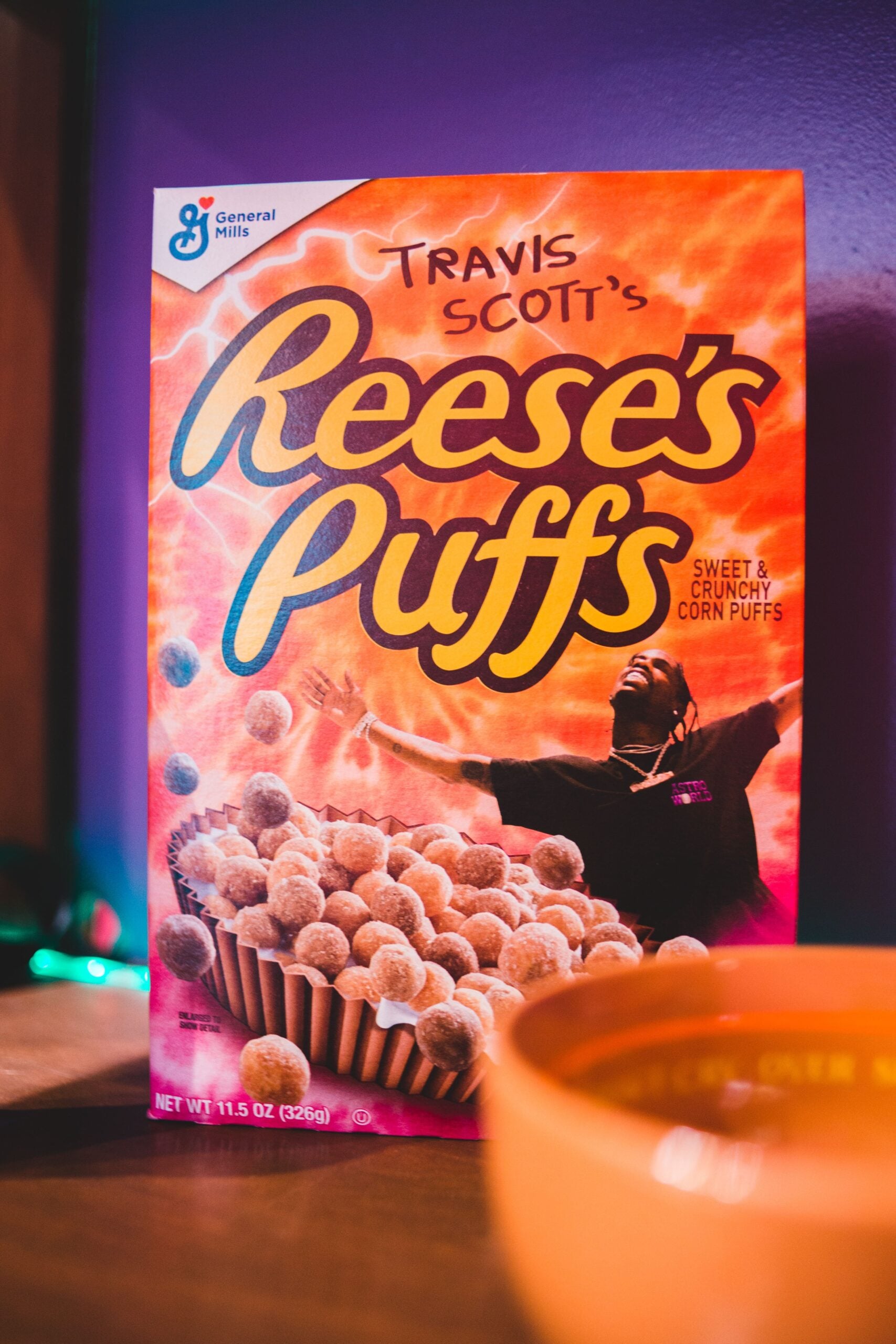
General Mills has built a broad Canadian footprint by spreading itself across several dependable categories at once. Cereals, baking products, snack bars, yogurt partnerships and convenience foods all give the company multiple ways into the average grocery basket.
In Canada, consumers encounter General Mills through brands such as Cheerios, Lucky Charms, Nature Valley, Betty Crocker and Old El Paso. That lineup spans breakfast, school snacks, taco night and home baking, which means the company shows up in both routine shopping and special occasions.
This kind of dominance is easy to miss because it feels ordinary. Yet when one U.S. company has meaningful shelf presence in breakfast, dessert mixes, granola bars and Mexican-style meal kits, it shapes how a large share of households stock their pantries.
Kraft Heinz
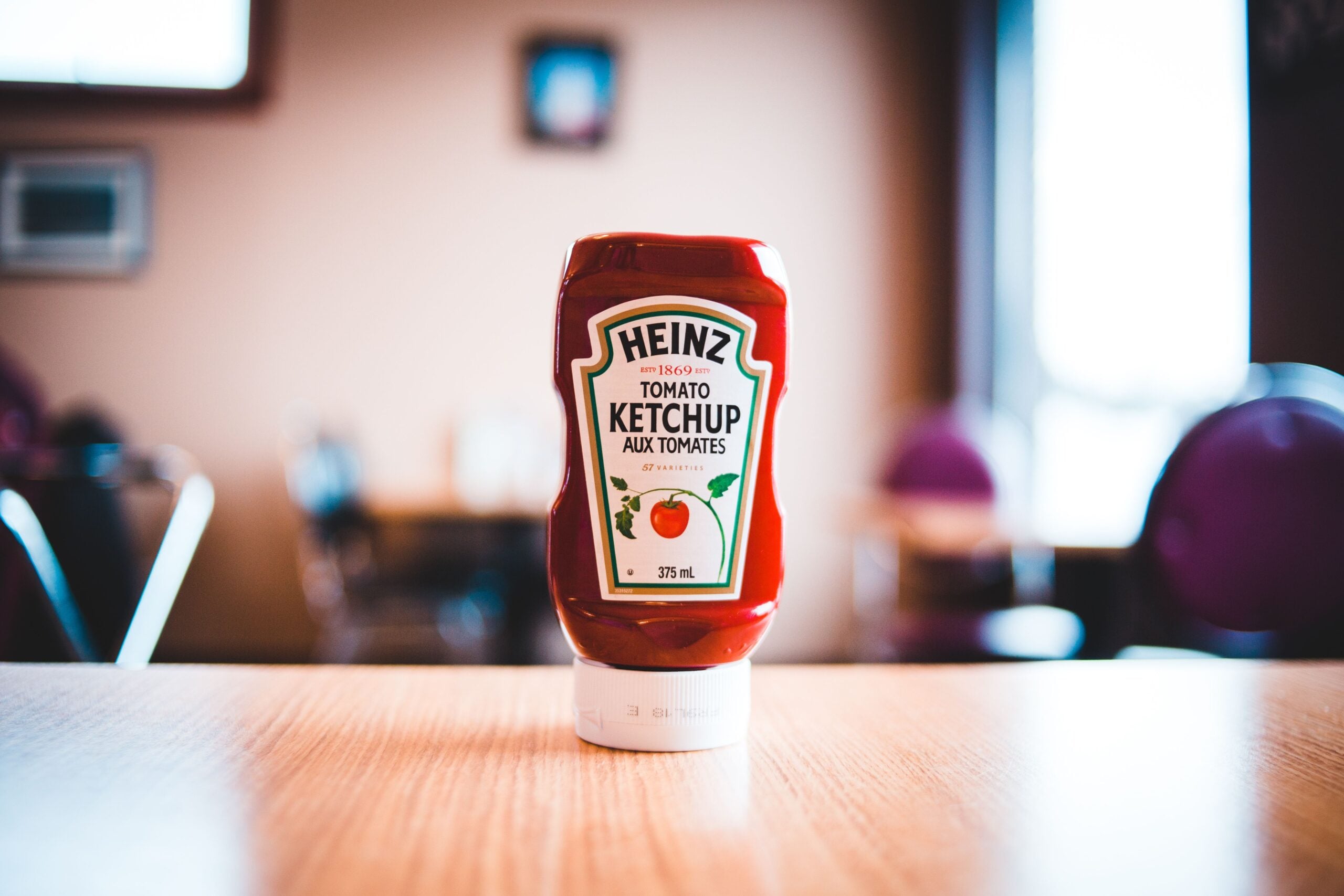
Kraft Heinz has one of the most familiar profiles in Canadian food retail because many of its products are staples rather than treats. Packaged cheese, condiments, peanut butter, salad dressings and macaroni dinners all occupy categories that households buy again and again.
That repeat-purchase pattern is what gives the company staying power. Even when shoppers switch brands in one part of the store, they often keep returning to the same ketchup, sliced cheese or boxed meal they have known for years.
For an American giant, that kind of embedded trust is invaluable. It turns ordinary pantry items into a durable business moat, allowing Kraft Heinz to maintain a strong Canadian presence without relying on constant novelty or headline-grabbing expansion.
Walmart's grocery business

Walmart is not a food manufacturer, but it has become one of the biggest channels through which American food brands reach Canadian households. Its grocery business matters because dominance is not only about making food, it is also about controlling where people buy it.
Across Canada, Walmart Supercentres sell packaged foods, beverages, frozen meals, bakery items and household staples at a scale that shapes pricing expectations. For many shoppers, a weekly grocery trip now includes products from several American giants under one roof.
That makes Walmart an important final piece of the picture. It helps normalize the presence of U.S. food companies in everyday Canadian life, turning cross-border corporate strength into something as routine as picking up cereal, pop and dinner ingredients on the same errand.




Leave a Reply