
Thanksgiving dessert tables tend to mix memory and appetite in equal measure. These retro favorites have staying power because they are practical for cooks, familiar to guests, and rooted in regional American holiday traditions.
Pumpkin pie
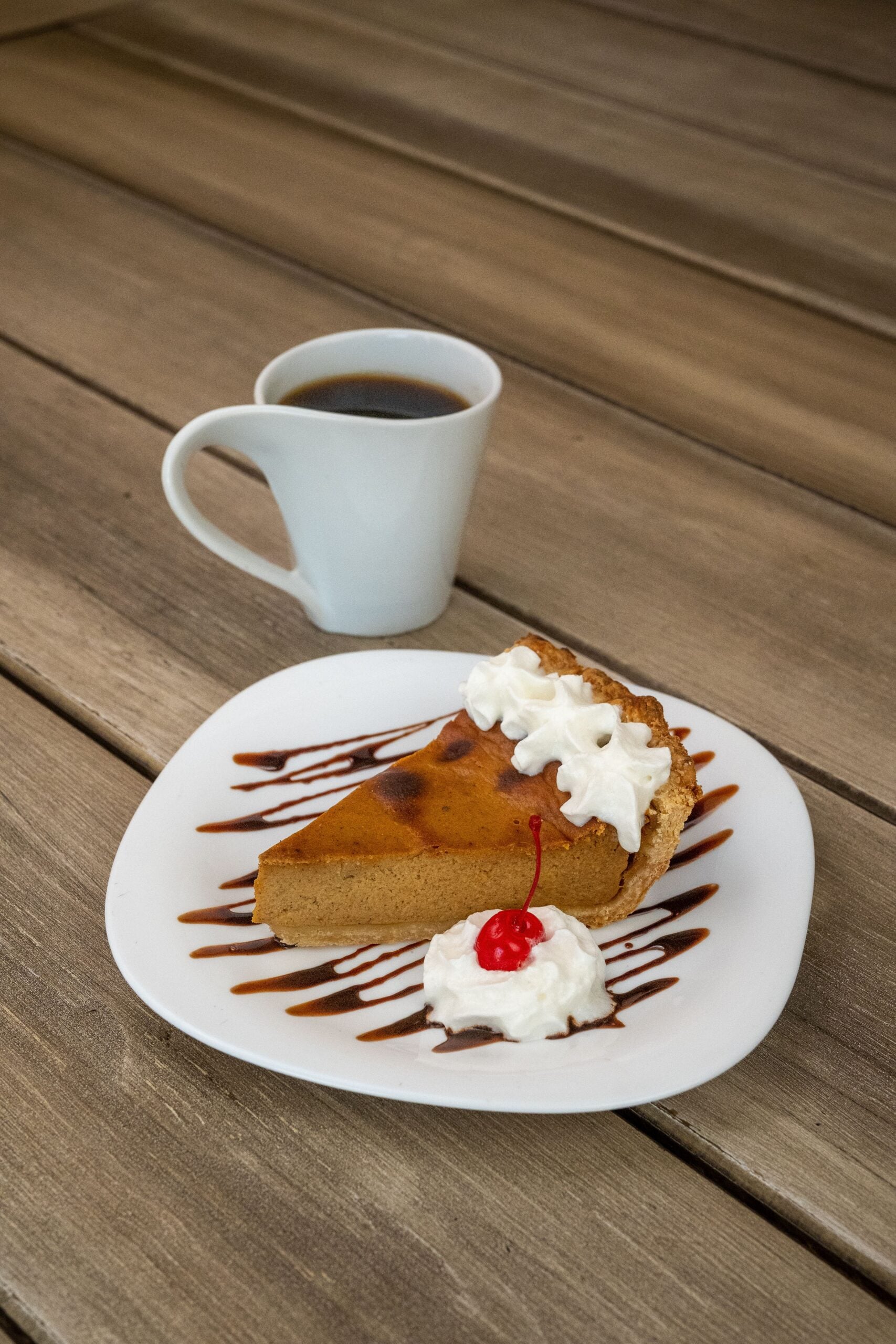
No dessert is more closely tied to Thanksgiving in the United States than pumpkin pie. Its hold on the holiday comes from both custom and convenience, since canned pumpkin made the pie easier and more consistent for home bakers through the 20th century.
The version most Americans know is a smooth custard baked in a pastry shell, usually flavored with cinnamon, ginger, nutmeg, and cloves. Libby's, the long dominant canned pumpkin brand, helped standardize that profile with its recipe printed on labels for generations.
Pumpkin pie also fits the rhythm of a large holiday meal. It can be baked ahead, served chilled or at room temperature, and topped simply with whipped cream, which makes it a reliable finisher when oven space is tight.
Pecan pie
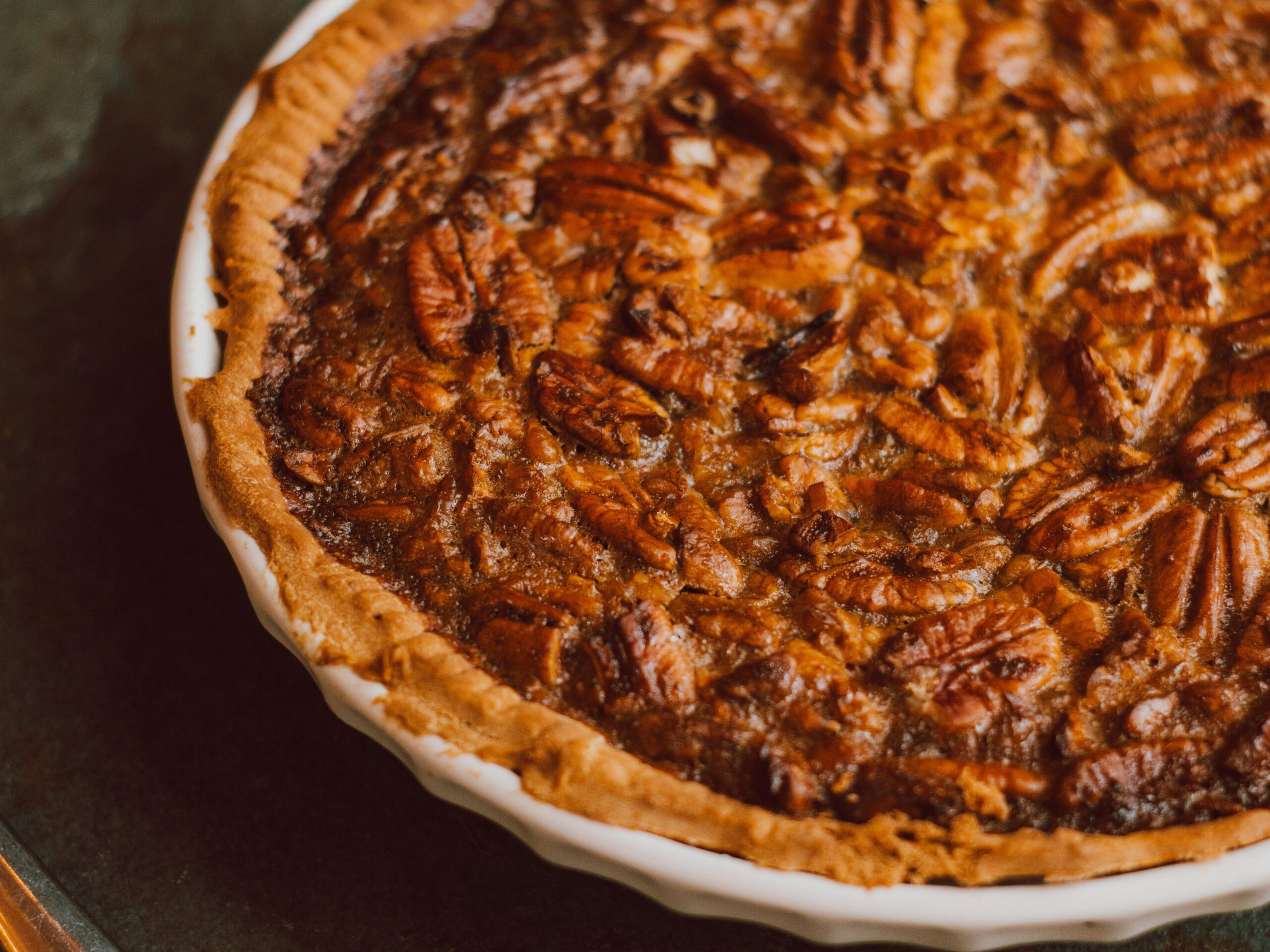
Pecan pie brings a richer, sweeter note to the Thanksgiving lineup. The filling, built from pecans, eggs, sugar, and syrup, sets into a dense slice that contrasts nicely with lighter custard desserts.
Food historians often connect the modern version to the widespread use of corn syrup in American home baking. Karo popularized pecan pie with recipes that reached millions of kitchens, helping turn a regional Southern specialty into a national holiday standard.
Its appeal is partly textural. The top layer gets glossy and slightly crackled, the nuts toast as the pie bakes, and the filling stays soft underneath. A small slice goes a long way, which is exactly why it works so well on a crowded dessert plate.
Apple pie
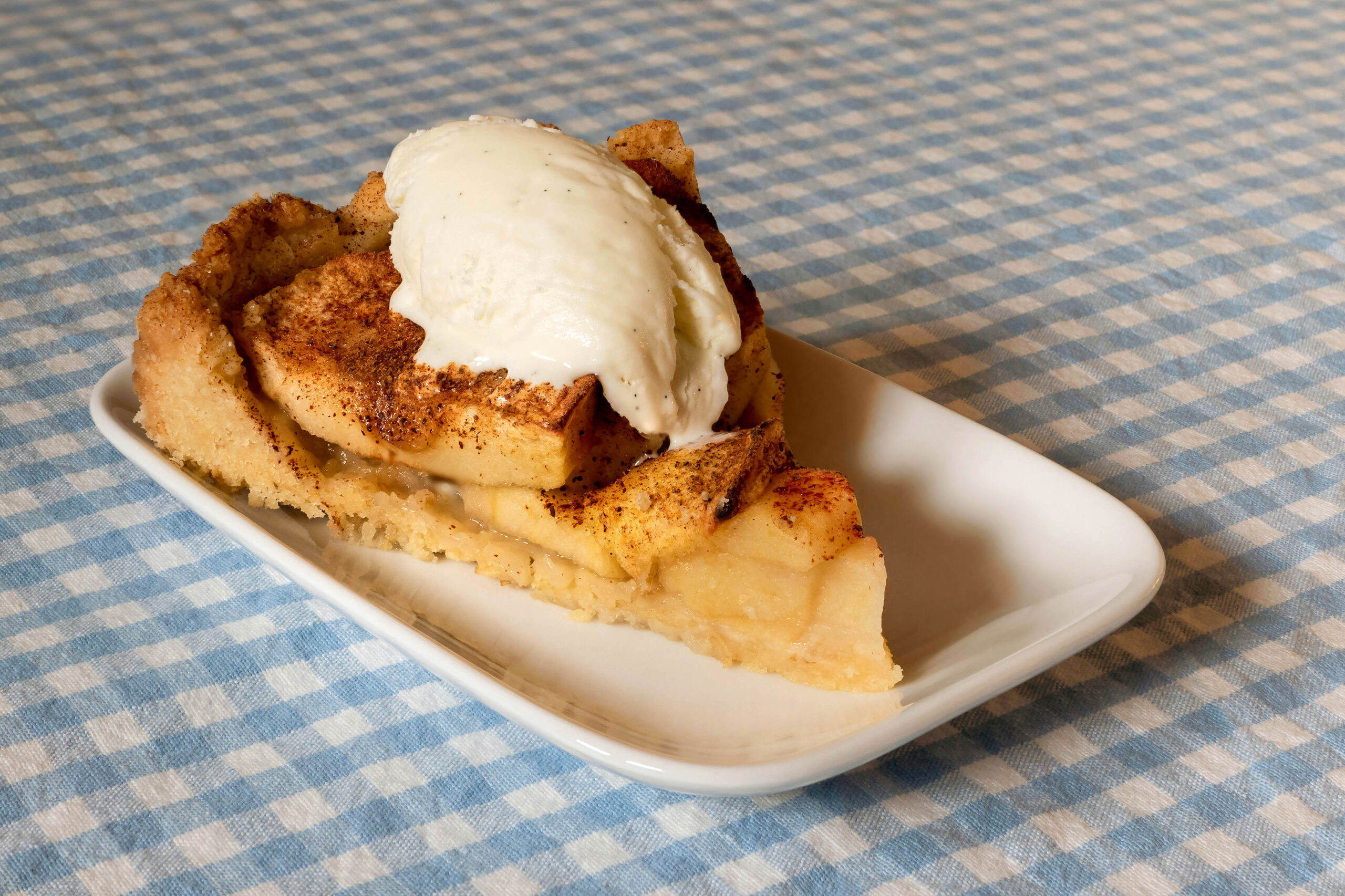
Apple pie is not exclusive to Thanksgiving, but that is part of its strength. It already belongs to American home baking in a deep way, so it slips naturally onto the holiday table beside more seasonal choices.
Regional differences keep it interesting. Some bakers prefer a double crust, others a crumb topping, and spices vary from mostly cinnamon to blends that include allspice or nutmeg. The best versions balance tart apples with sugar so the filling tastes bright instead of flat.
It is also one of the most forgiving pies for large gatherings. Apple pie travels well, holds its shape when sliced, and tastes good warm, at room temperature, or reheated the next day, which makes leftovers almost part of the tradition.
Sweet potato pie
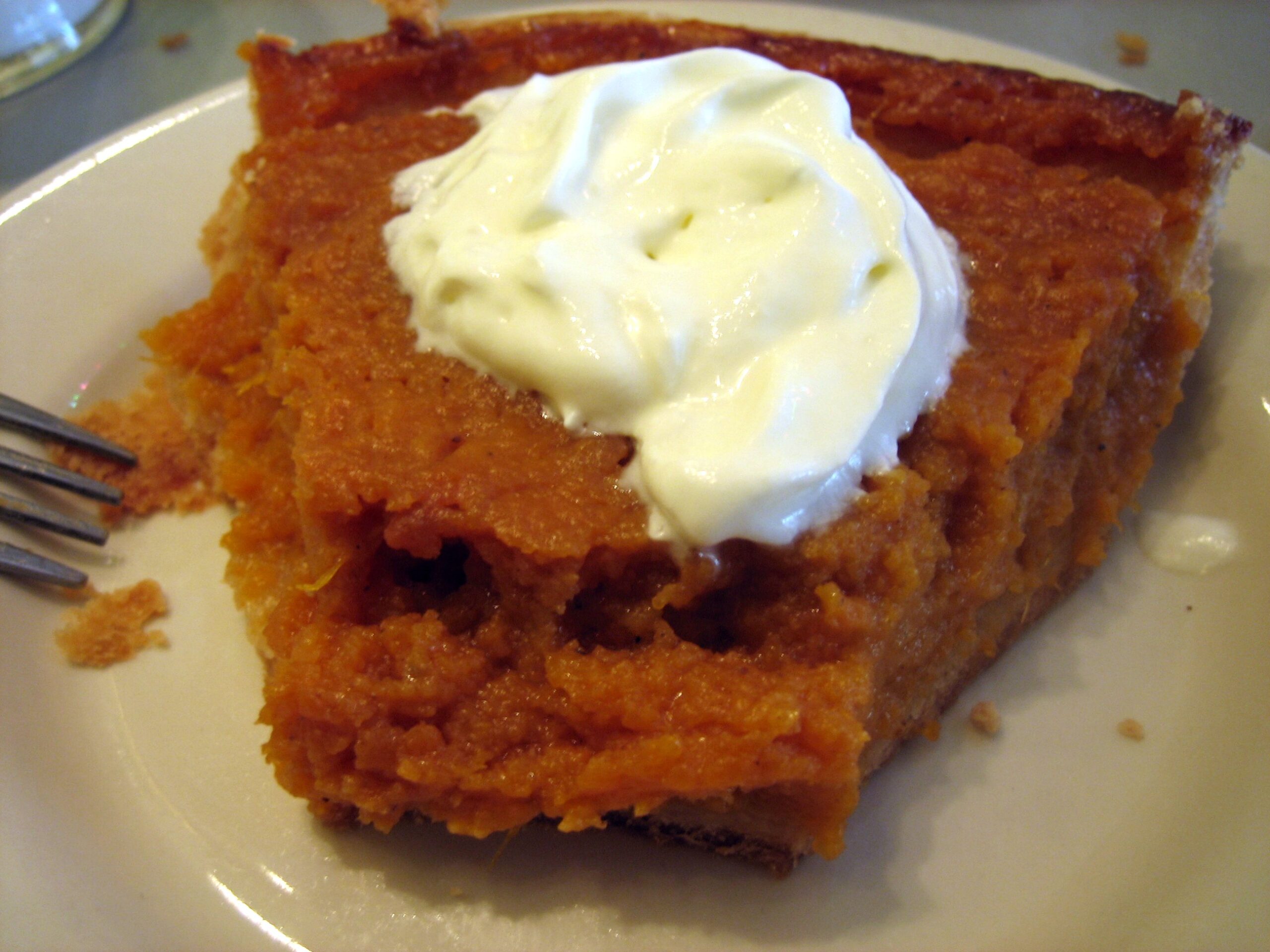
Sweet potato pie often gets compared to pumpkin pie, but it has its own identity. The texture is usually a bit denser and silkier, and the flavor leans more earthy and naturally sweet, especially when roasted sweet potatoes are used.
The pie has deep roots in Southern cooking and in Black American food traditions. It became a lasting holiday dessert because sweet potatoes were widely available and adaptable, and because the finished pie delivered warmth and richness without requiring costly ingredients.
Seasonings vary by family. Some versions keep the spice light to let the sweet potato stand out, while others add cinnamon, nutmeg, vanilla, or citrus. That flexibility helps explain why the pie feels both personal and enduring.
Mince pie
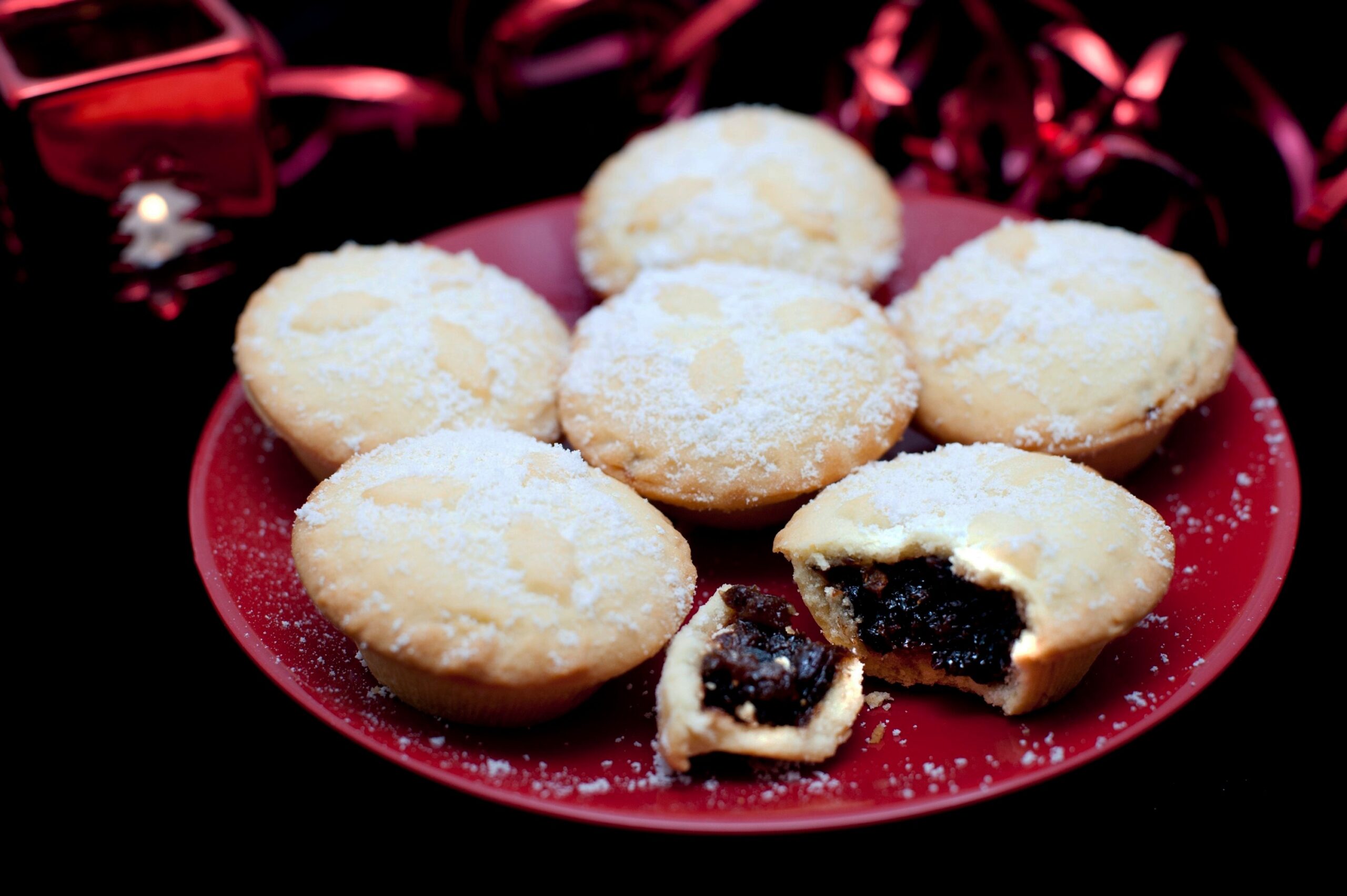
Mince pie is one of the oldest desserts still associated with winter holidays, and its history explains its staying power. Early mince pies contained meat along with dried fruits, spices, and suet, reflecting older British cooking traditions that shaped early American holiday food.
By the 20th century, many American versions had become sweeter and fruit forward, often using packaged mincemeat. That shift made the pie more approachable for modern palates while preserving the warm spiced character people expected from a festive dessert.
A good mince pie tastes concentrated rather than heavy. Raisins, apples, citrus peel, and spice create a filling that feels old-fashioned in the best sense, especially when served in a small wedge with coffee after a large meal.
Indian pudding
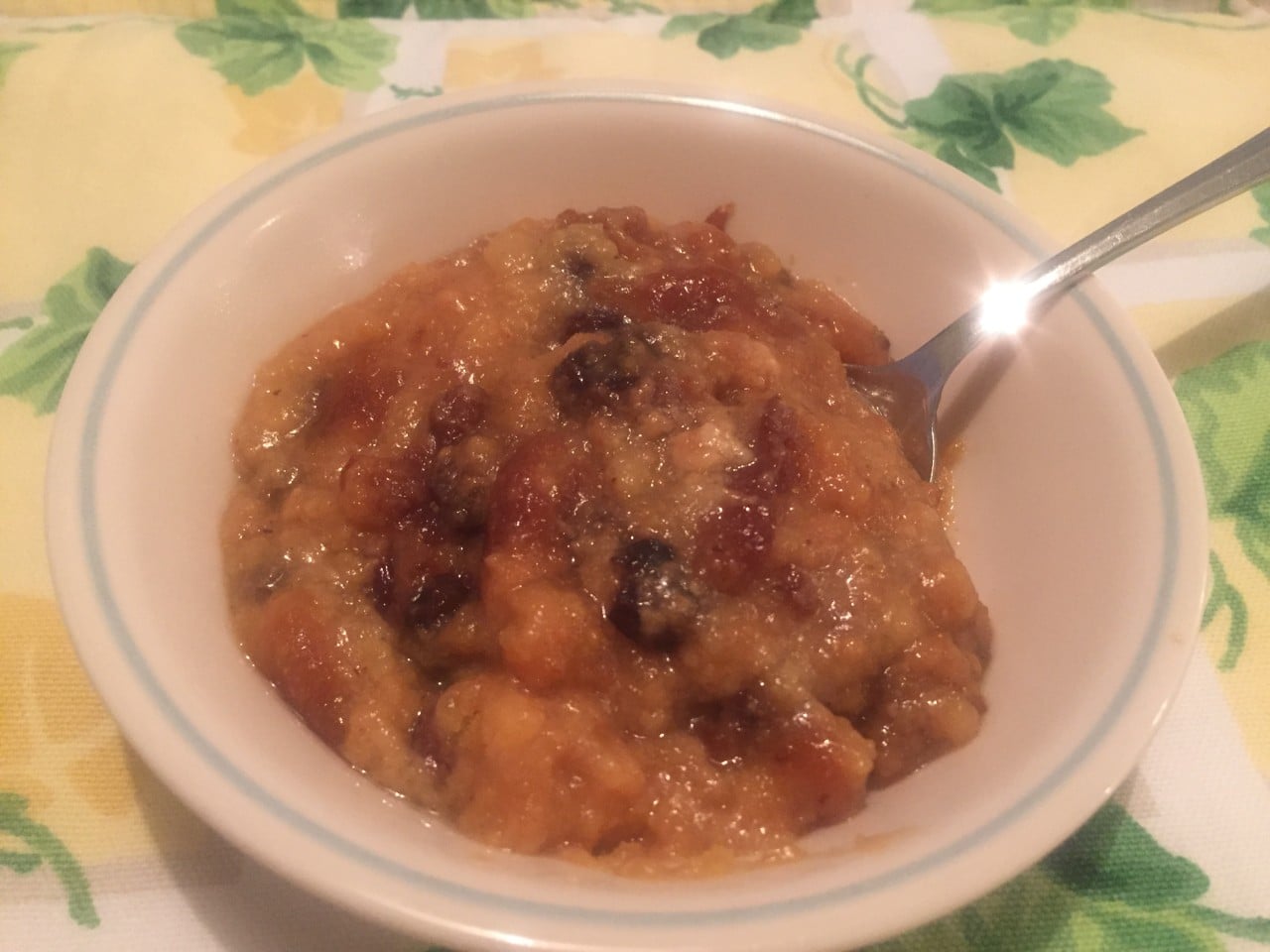
Indian pudding is one of New England's most distinctive old-school desserts. Made with cornmeal, milk, and molasses, then baked low and slow, it develops a dark color and a soft, spoonable texture that is closer to baked custard than cake.
The name reflects early colonial use of cornmeal, sometimes called Indian meal. Over time, the pudding became especially associated with cool weather and holiday meals in the Northeast, where molasses and warming spices suited autumn and winter tables.
Its flavor can surprise first-time eaters. The cornmeal gives it body, while molasses brings bitterness, sweetness, and depth. Served warm, often with cream or vanilla ice cream, it feels modest at first, then remarkably comforting.
Bread pudding
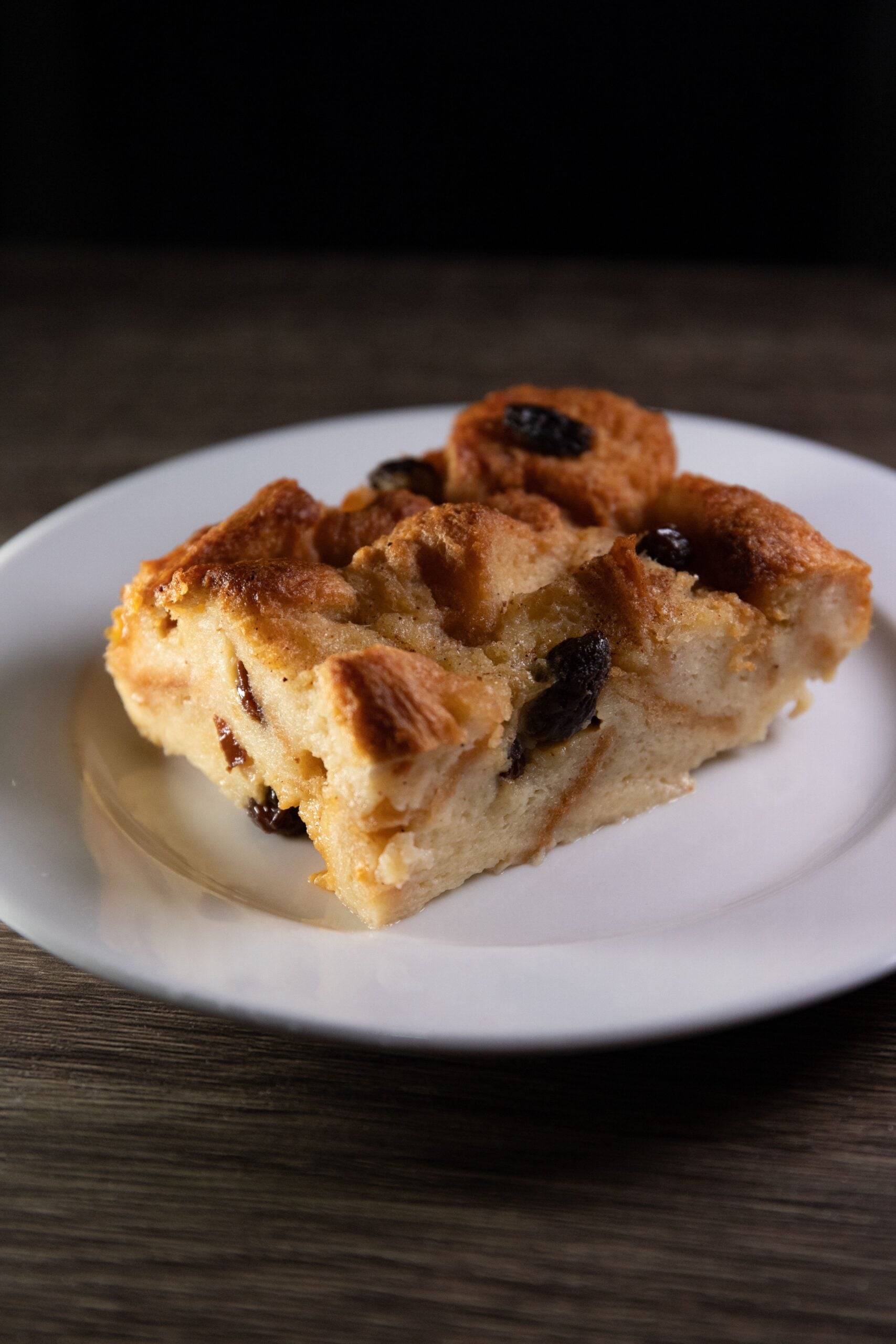
Bread pudding is the dessert table's great saver of scraps, and that thrift is part of its retro appeal. Stale bread, eggs, milk, sugar, and spice come together in a dish that turns leftovers into something soft, rich, and celebratory.
Thanksgiving versions often lean into the season with raisins, bourbon sauce, apples, cranberries, or pecans. Those additions let home cooks tailor the dessert to what is already in the kitchen, which is useful during a holiday built around abundance and leftovers.
The best bread puddings balance a custardy center with browned edges. It is not as showy as a layer cake or pie, but it offers warmth and generosity, which is exactly what many people want at the end of Thanksgiving dinner.
Ambrosia salad
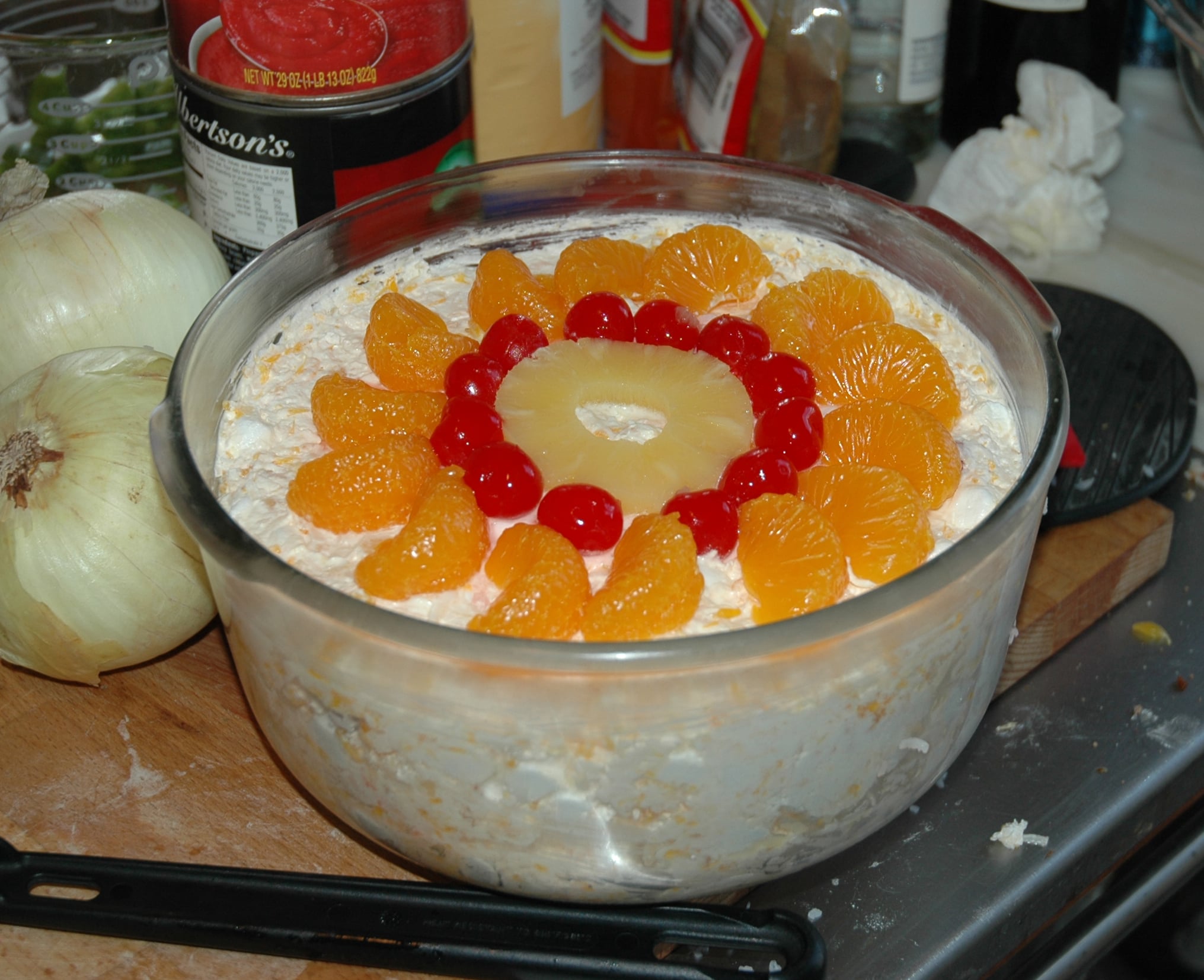
Ambrosia salad sits at the border between side dish and dessert, which is part of its charm. The classic mix of citrus, coconut, and marshmallows became a staple of midcentury holiday tables because it was colorful, sweet, and easy to assemble ahead.
Earlier forms of ambrosia were simpler and focused more on fresh oranges and coconut. Over time, canned fruit, maraschino cherries, whipped topping, and sour cream or yogurt entered many home versions, reflecting changing grocery habits and taste for convenience foods.
Its retro status is unmistakable, but so is its endurance. On a dessert spread full of brown and beige tones, ambrosia adds brightness, softness, and a cool contrast that many families still expect at Thanksgiving.
Jell O mold
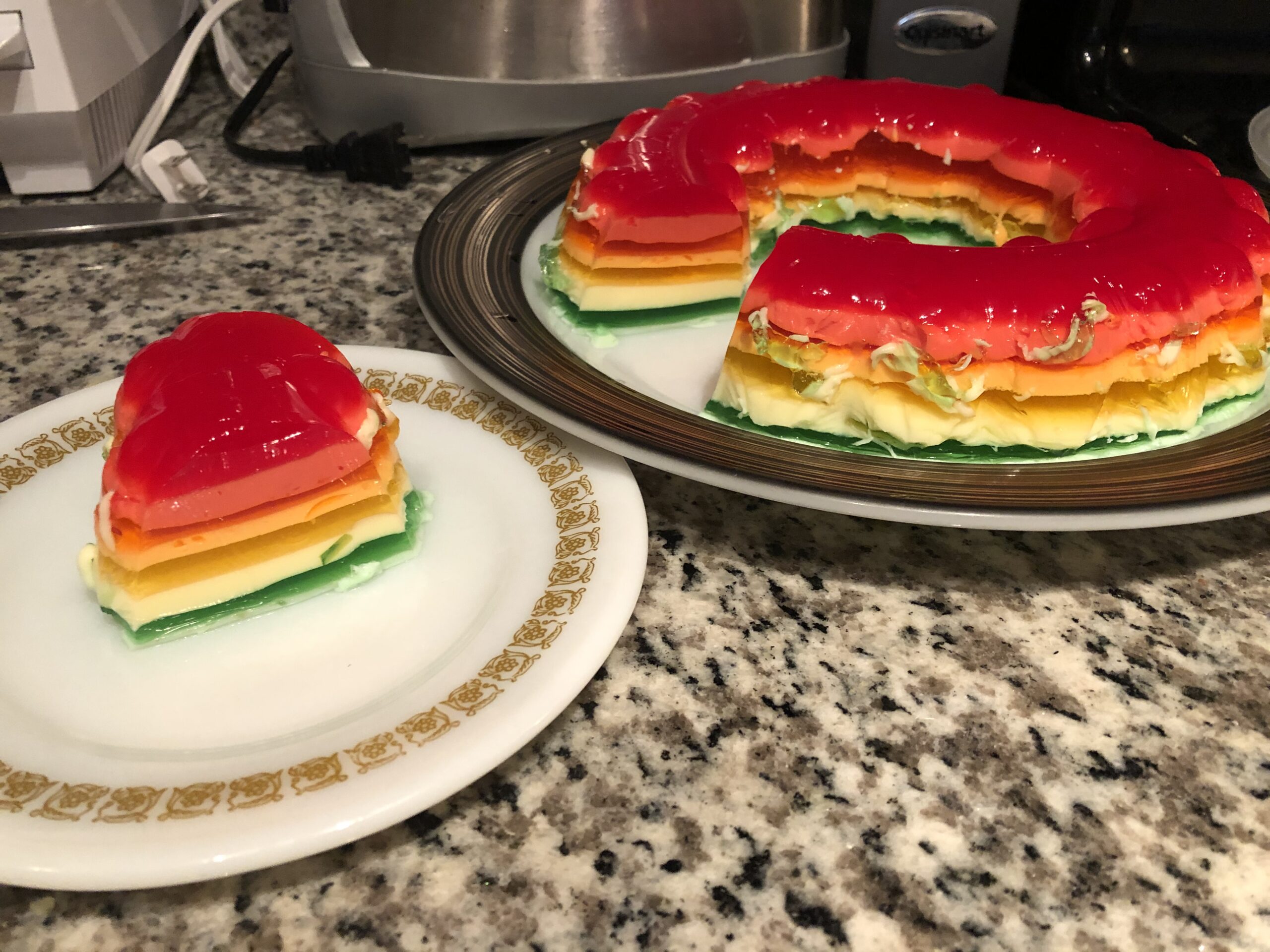
A molded gelatin dessert instantly signals a certain era of American entertaining. At midcentury, Jell O salads and sweets became symbols of modern home convenience, and holiday meals were one of their natural stages.
Thanksgiving molds varied widely. Some held cranberry, pineapple, or orange flavors, while others folded in cream cheese, whipped topping, nuts, or fruit cocktail. The result could land anywhere between salad course and dessert, which made it strangely versatile.
Today, the appeal is less about novelty and more about nostalgia. A shimmering mold on a platter recalls church suppers, family buffets, and recipe cards pulled from old kitchen drawers, and that emotional link helps keep the tradition alive.
Coconut cream pie
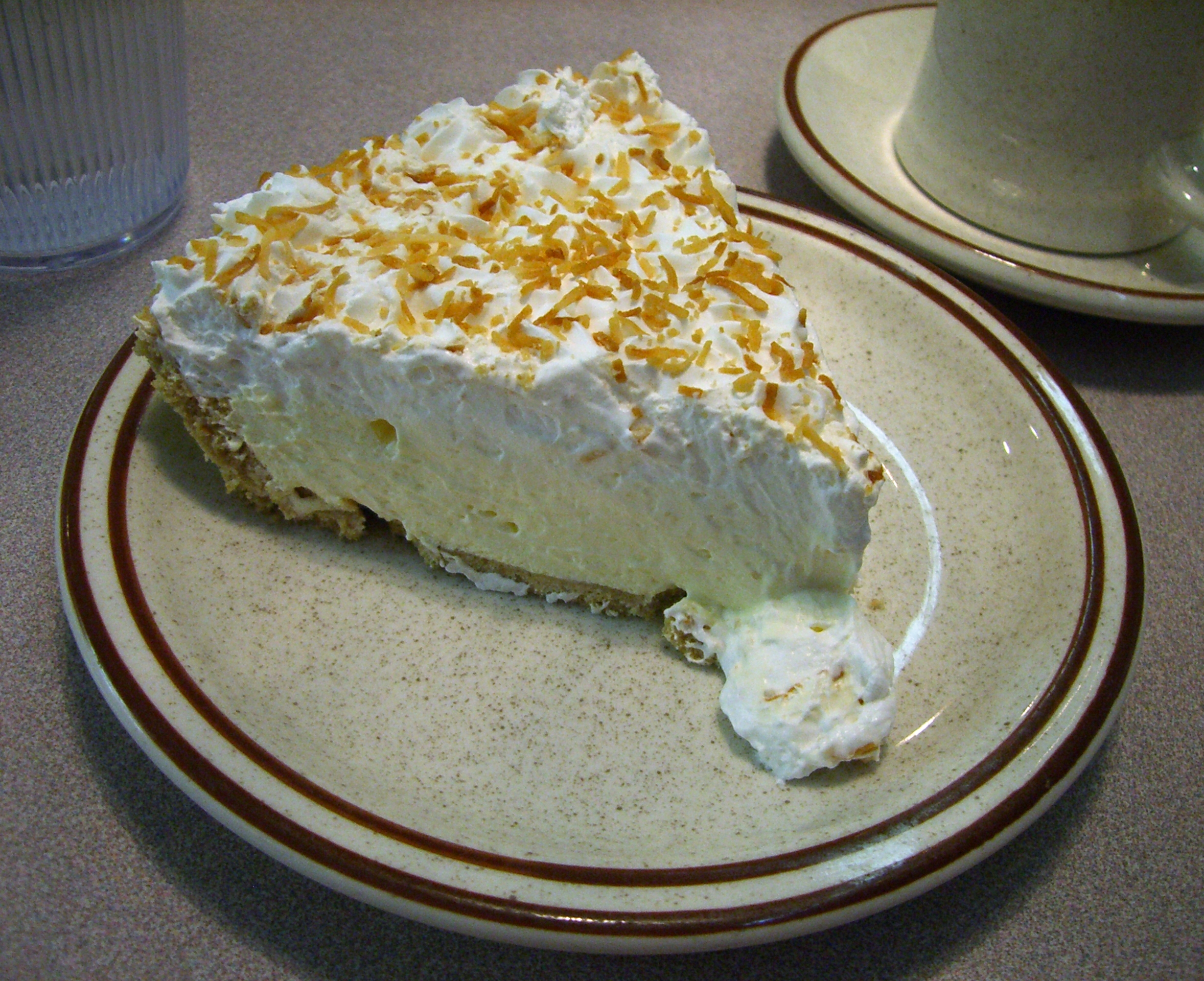
Coconut cream pie offers something many Thanksgiving tables need, a break from spice-heavy desserts. Its filling is smooth and cool, with coconut flavor carried by milk, custard, and often a layer of whipped cream.
This pie became popular in the age of diner menus, community cookbooks, and practical pantry baking. Shredded coconut was shelf stable, the ingredients were familiar, and the finished dessert looked elegant without demanding advanced pastry skills.
Texture is what makes it memorable. A flaky crust, creamy filling, toasted coconut, and soft topping create contrast in every bite. Next to pumpkin or pecan pie, it gives guests a different kind of classic that still feels right at home.
Butterscotch pie
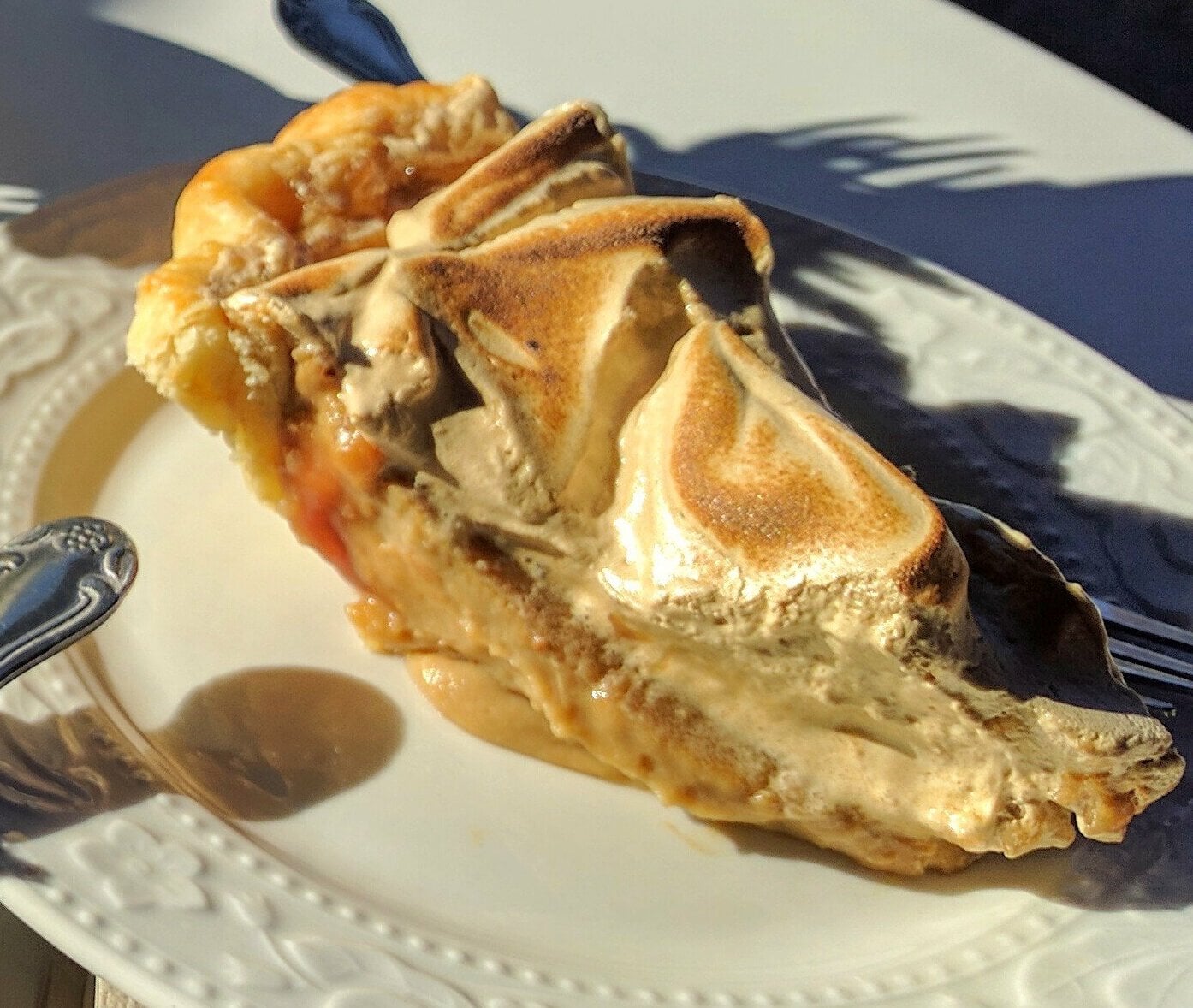
Butterscotch pie has a flavor that feels instantly old-fashioned because butterscotch itself was a hallmark of earlier American sweets. Brown sugar and butter give the filling a deeper, toastier sweetness than plain vanilla custard.
Many versions are topped with meringue, a detail that reflects a time when home cooks regularly used leftover egg whites rather than wasting them. That cloudlike topping also adds height and a little drama to a dessert that is otherwise modest in appearance.
When made well, butterscotch pie tastes richer than it looks. It slices softly, carries caramel notes without bitterness, and brings a gentle nostalgia that fits Thanksgiving particularly well, especially for families who still cook from inherited recipes.
Persimmon pudding
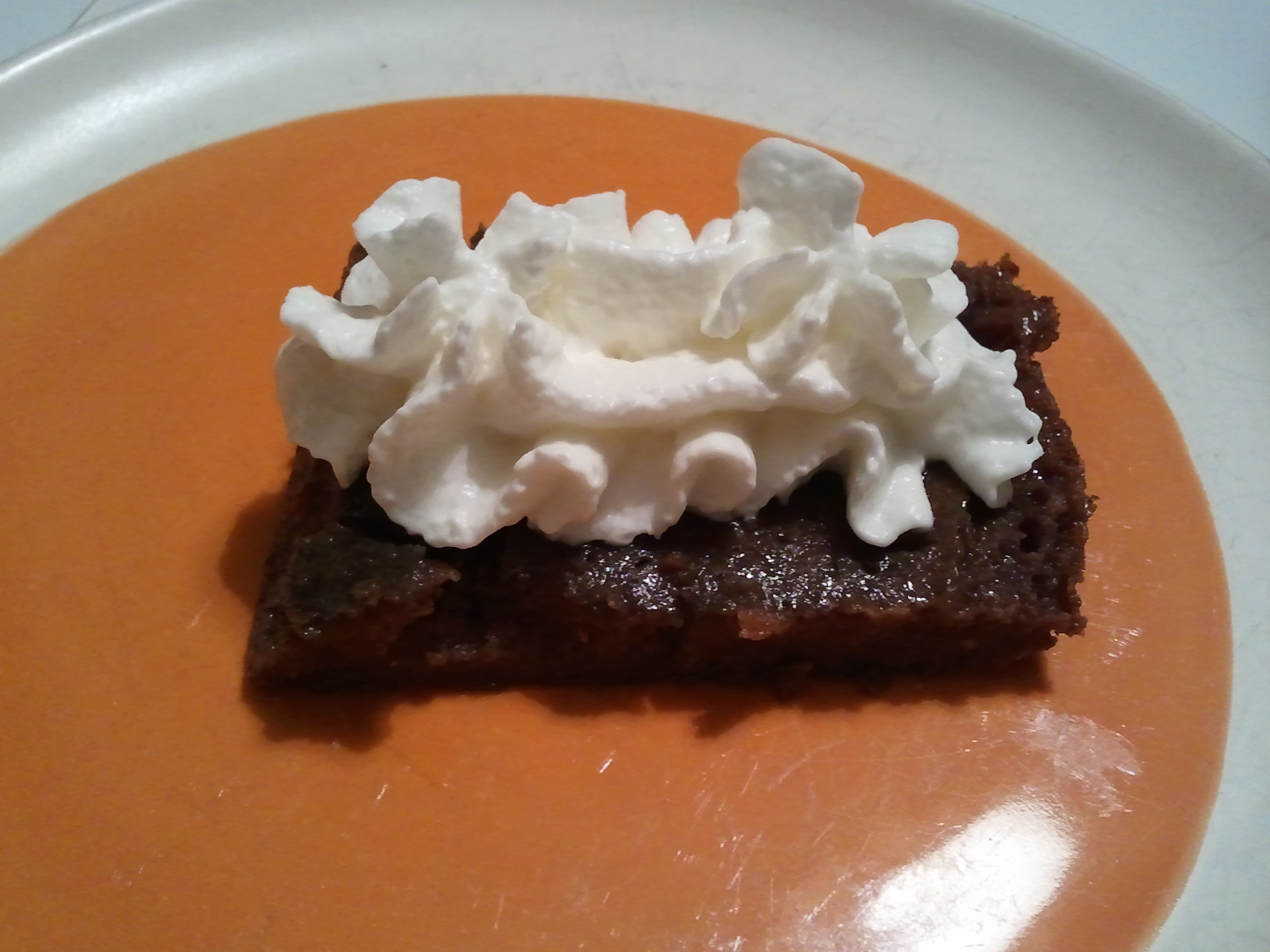
Persimmon pudding is a regional classic that deserves more national attention. It is especially associated with Indiana, where native American persimmons have long been gathered after frost and turned into dense, dark holiday desserts.
Despite the name, this is often closer to a moist steamed or baked cake than a spoon pudding. Traditional recipes use ripe persimmon pulp for sweetness and color, along with warm spices that place it firmly in late autumn.
Its survival says a lot about local food memory. Families who grew up with persimmon pudding tend to be deeply loyal to it, and on Thanksgiving it can feel more personal than a standard pie because it reflects a place as much as a season.
Shoofly pie
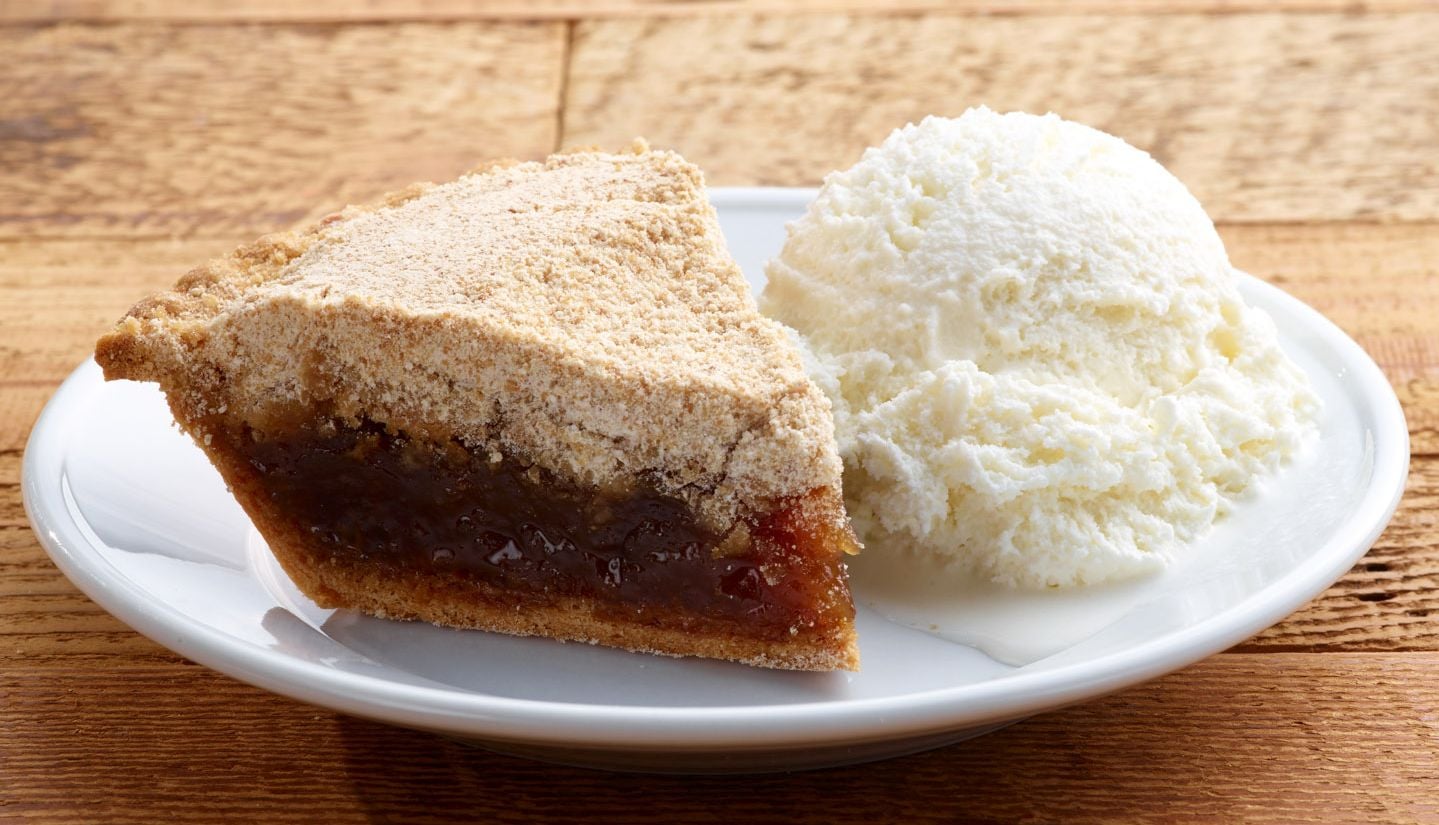
Shoofly pie is best known in Pennsylvania Dutch cooking, where molasses has long played a central role in baking. The pie combines a wet molasses bottom with a crumb topping, creating a dessert that is both simple and highly distinctive.
Dry bottom and wet bottom versions each have strong defenders. The wetter style leaves a gooier layer beneath the crumbs, while the drier one slices more cleanly. Either way, the pie brings deep sweetness and a flavor profile that feels firmly rooted in the past.
At Thanksgiving, shoofly pie offers something different from fruit and custard pies. Its molasses depth pairs especially well with coffee, and its humble ingredients reflect the practical, resourceful style that defines many enduring American desserts.
Chess pie
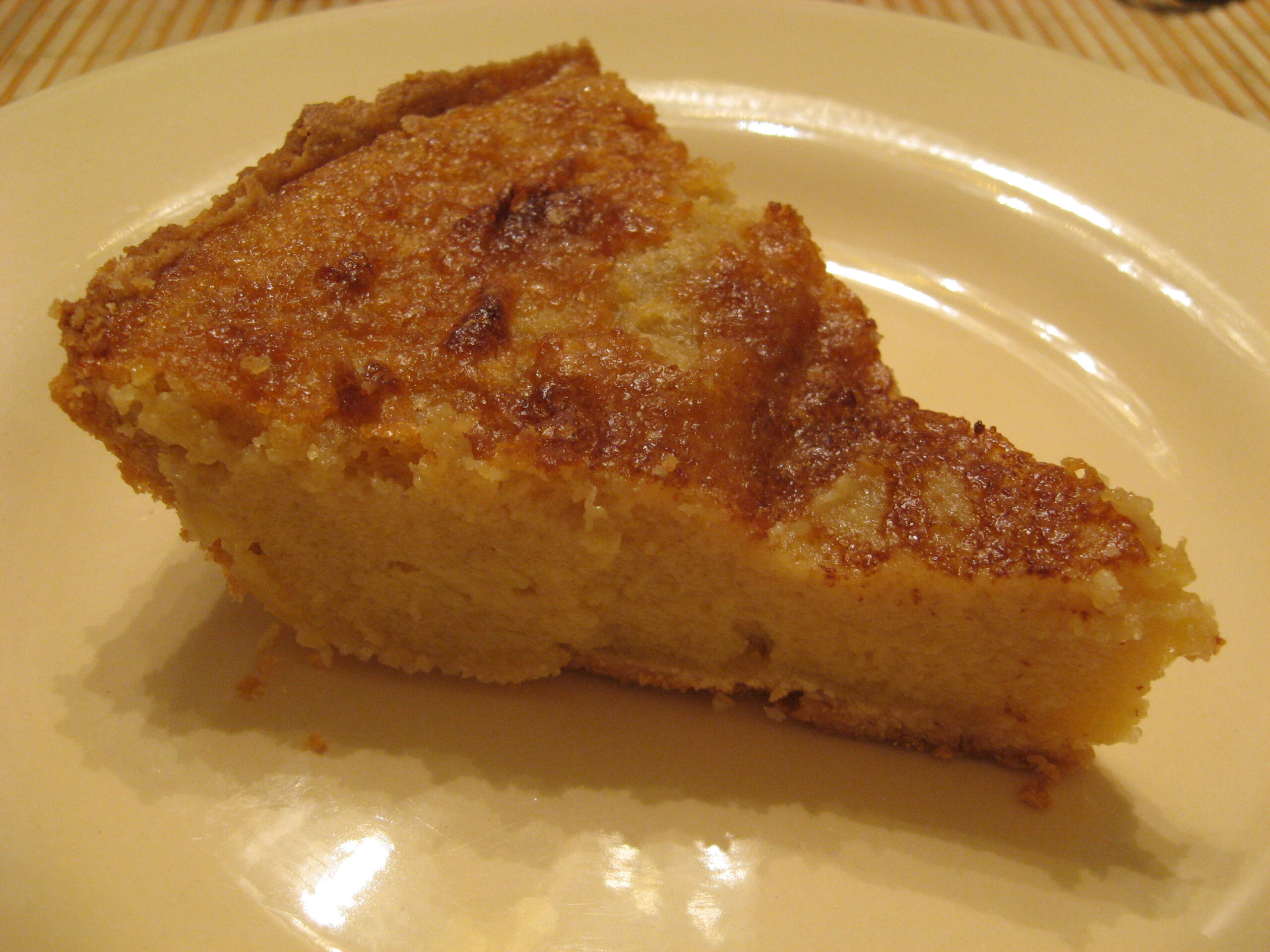
Chess pie closes out this list with a reminder that simplicity often lasts the longest. The classic Southern filling relies on pantry basics such as sugar, butter, eggs, and a small amount of cornmeal or flour to create a sweet, custardy interior.
Some versions include vinegar, lemon, or buttermilk, which sharpen the flavor and keep the pie from tasting one-note. That balance is a big reason the dessert has remained relevant long after more elaborate sweets have faded from many home menus.
It also suits Thanksgiving for practical reasons. Chess pie requires no special fruit, slices neatly, and holds well after baking. In other words, it does exactly what a holiday dessert should do, and it has been doing it for generations.




Leave a Reply