
What worked for your body at 30 may not work the same way at 50. Aging changes digestion, muscle mass, blood pressure, blood sugar control, and even how safely your immune system handles certain foods.
Processed Meats

Bacon, sausage, hot dogs, deli turkey, and salami are convenient, but convenience comes at a nutritional cost. These foods are typically high in sodium, saturated fat, and preservatives such as nitrates and nitrites. For adults over 50, that matters because blood pressure often rises with age, and sodium can make that trend worse.
Processed meats have also been repeatedly linked to higher risks of cardiovascular disease and certain cancers. A sandwich stacked with deli meat may seem lighter than a burger, but the sodium load can be surprisingly high. Some restaurant sandwiches contain more than half a day's recommended sodium in one meal.
If you enjoy these foods, think in terms of frequency and portion size. Reserve them for occasional use and look for lower-sodium, minimally processed alternatives. Fresh roasted chicken, baked turkey, beans, tuna packed in water, or grilled fish often deliver protein without the same health trade-offs.
Sugary Breakfast Cereals

A brightly colored cereal box can hide the fact that breakfast has turned into dessert. Many popular cereals contain significant amounts of added sugar and very little fiber or protein. That combination can cause a quick spike in blood sugar followed by a drop that leaves you hungry again soon after eating.
After 50, blood sugar regulation can become less efficient, especially for people with prediabetes, diabetes, or abdominal weight gain. Starting the day with refined carbohydrates may also lead to stronger cravings later. What feels quick and harmless can set the tone for overeating across the rest of the day.
A better approach is choosing breakfasts that are steadying rather than stimulating. Plain oatmeal, Greek yogurt with berries, eggs with vegetables, or higher-fiber cereals with minimal added sugar can support energy better. Adding nuts or seeds can also slow digestion and help you stay full longer.
Fried Foods
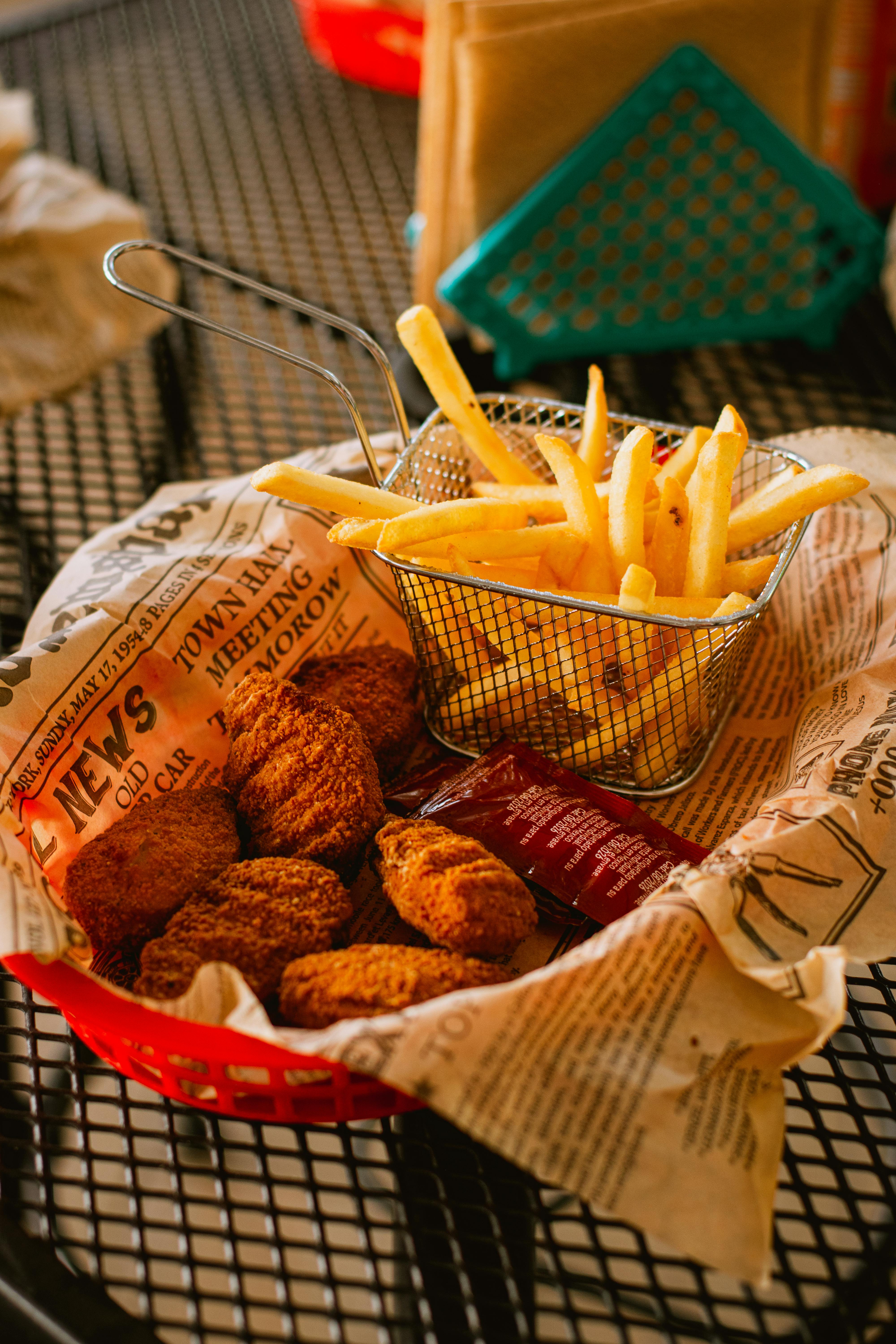
Fried chicken, french fries, onion rings, and similar foods appeal to the senses fast. They are crisp, salty, and satisfying, but they often deliver large amounts of calories, refined starch, unhealthy fats, and sodium in a small portion. That is a difficult mix for an aging heart and waistline.
As people get older, managing inflammation and cardiovascular risk becomes more important. Fried foods are frequently associated with weight gain and poorer cholesterol patterns, especially when eaten often. Restaurant frying oils may also be reused repeatedly, which can degrade oil quality and produce compounds the body does not handle well.
This does not mean you can never enjoy a crispy meal again. It means the method matters. Baking, roasting, grilling, or air-frying can provide texture with less oil, while homemade versions let you control salt and portion size. Even small swaps done consistently can make a measurable difference.
High-Sodium Canned Soups
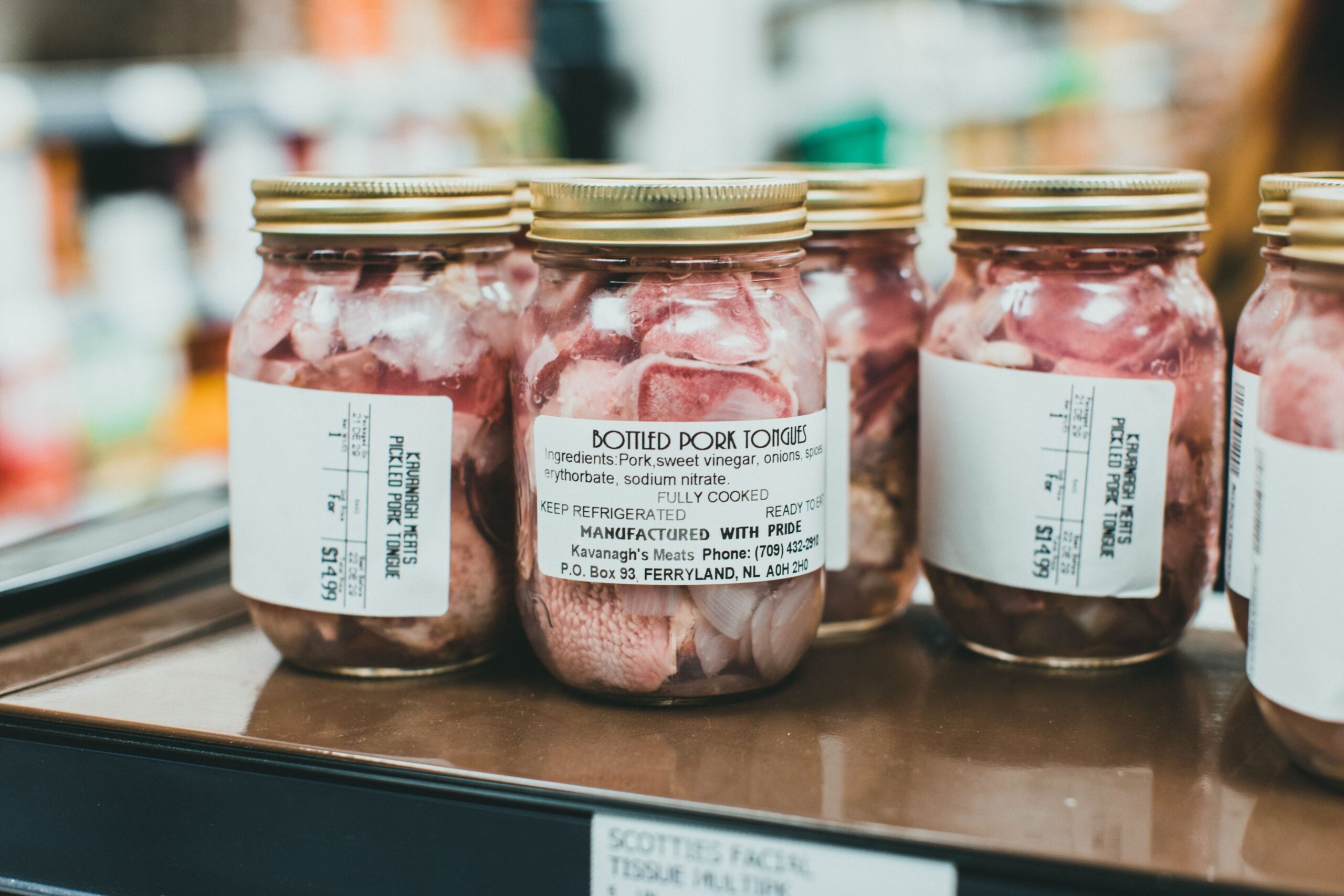
Soup has a healthy reputation, and sometimes that reputation is deserved. The trouble is that many canned soups are loaded with sodium, even when they seem light or vegetable-based. One can may contain an amount of salt that takes up a large chunk of the daily limit before lunch even starts.
That matters more after 50 because sodium sensitivity tends to increase with age. Excess sodium can contribute to high blood pressure, fluid retention, and greater strain on the heart and kidneys. People taking medications for hypertension or heart conditions need to be especially careful about hidden salt.
You do not need to give up soup. Read labels closely and compare brands, because sodium levels can vary dramatically. Low-sodium or no-salt-added versions, homemade soups, and broth-based meals built from beans, vegetables, herbs, and lean proteins can still be warm, filling, and far better balanced.
Pastries and Doughnuts

Few foods create the illusion of comfort faster than a pastry with coffee. Yet doughnuts, sweet rolls, and toaster pastries are usually built from refined flour, sugar, and unhealthy fats, with very little protein or fiber to slow digestion. The result is a food that tastes substantial but rarely nourishes well.
For people over 50, that combination can be particularly unhelpful. It may worsen blood sugar swings, increase triglycerides, and add calories without creating lasting fullness. If pastries are part of a regular routine, they can quietly crowd out foods that support bone health, muscle maintenance, and digestive function.
There is also the issue of habit. Many people do not stop at one small serving, especially when pastries appear at meetings or social events. Keeping them occasional rather than automatic is often the simplest way to reduce their impact without feeling deprived.
Sugary Soft Drinks

A soft drink seems harmless because it goes down quickly and does not feel heavy. That is exactly the problem. Soda, sweet tea, energy drinks, and many fruit-flavored beverages can deliver large amounts of sugar without creating the fullness that solid food usually provides.
After 50, excess sugar intake can make weight management harder and can worsen insulin resistance. Research has also linked sugary drink patterns with higher risks of type 2 diabetes, heart disease, and fatty liver disease. If you already struggle with elevated blood sugar, these beverages can work against you in a hurry.
The easiest fix is often a beverage swap rather than a strict ban. Sparkling water with citrus, unsweetened iced tea, diluted 100% juice, or plain water infused with fruit can satisfy the desire for flavor. Many people find their cravings fade once hyper-sweet drinks are no longer a daily habit.
Alcohol in Excess

Alcohol affects people differently with age, and usually not in a favorable direction. The body tends to metabolize alcohol more slowly over time, and reduced muscle mass can make its effects feel stronger. That means the same drink count you tolerated years ago may impair sleep, balance, and judgment more than before.
There are also medication concerns. Many adults over 50 take prescriptions for blood pressure, cholesterol, diabetes, anxiety, pain, or sleep, and alcohol can interact with all of them. Even moderate drinking may aggravate acid reflux, contribute to dehydration, or increase the chance of falls, especially at night.
If you drink, moderation becomes increasingly important. Dry days during the week, smaller pours, and pairing alcohol with food and water can help. For some people, especially those with liver issues, arrhythmias, or certain medications, the healthiest amount may be very little or none at all.
Ice Cream and Full-Fat Frozen Desserts

A bowl of ice cream can feel like a harmless treat, but portions have a way of expanding. Many frozen desserts combine high amounts of sugar with saturated fat, and some premium brands pack far more calories into a serving than most people realize. A few scoops can quickly become a dessert-sized calorie load.
This matters after 50 because cardiovascular risk often becomes a greater concern, and extra calories are easier to store than burn. People who are lactose intolerant may also notice digestive discomfort becomes more noticeable with age. Bloating, cramping, or reflux can turn a treat into an annoyance.
You do not need to abandon dessert altogether. Smaller portions, fruit-based options, Greek yogurt bars, or occasional sharing can help keep indulgence reasonable. Reading serving sizes is surprisingly useful here, because many containers are marketed in a way that makes oversized portions feel normal.
White Bread and Refined Grains

Soft white bread, crackers, white rice, and many packaged snack foods digest quickly and provide less fiber than whole-grain choices. They are not inherently dangerous, but they are often too easy to overeat and too poor at keeping hunger in check. That can be a problem when calorie needs gradually decline with age.
Fiber becomes more important after 50, not less. It supports digestive regularity, cholesterol control, and healthier blood sugar patterns. Diets built too heavily around refined grains may also push out more nutrient-dense foods, especially if meals rely on convenience items like white toast, bagels, and low-fiber snack crackers.
A practical shift is to upgrade rather than eliminate. Choose whole-grain bread, oats, brown rice, quinoa, barley, or higher-fiber pasta more often. When refined grains do appear, pairing them with protein, vegetables, or healthy fats can reduce the speed of digestion and improve satiety.
Raw Sprouts
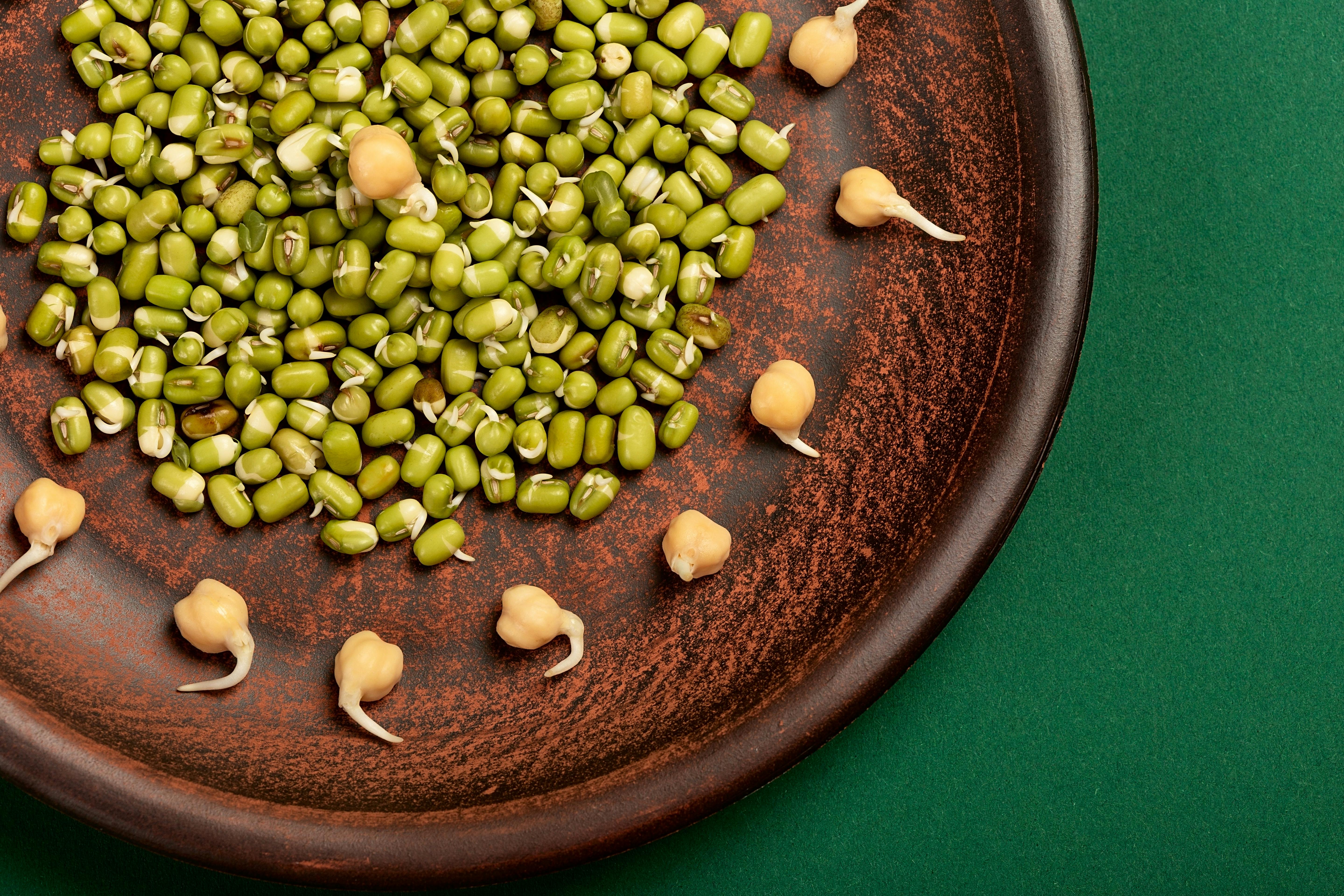
Raw sprouts often look like the picture of health. Alfalfa, clover, mung bean, and radish sprouts are low in calories and add crunch to sandwiches and salads. The concern is not their nutrition. It is the warm, humid conditions used to grow them, which can also encourage bacteria such as Salmonella and E. coli.
Older adults are considered more vulnerable to severe foodborne illness, and that changes the risk equation. A healthy younger person may recover from contaminated food with a miserable few days. Someone over 50, especially with a weaker immune system or chronic disease, may face much more serious consequences.
If you like sprouts, cooked is safer than raw. Heating them thoroughly reduces the bacterial risk. The same caution applies when ordering salads or sandwiches away from home, where it is easy to overlook ingredients that seem minor but can carry an outsized safety concern.
Undercooked Eggs

Eggs are one of the most nutritious foods available, so the issue here is preparation, not the ingredient itself. Runny yolks, soft-scrambled eggs, homemade Caesar dressing, and some aiolis or desserts may contain undercooked or raw egg. That can raise the risk of Salmonella exposure.
For many adults, the risk remains low, but age changes the stakes. According to food safety guidance, older adults are among the groups more likely to become seriously ill from foodborne infections. Symptoms such as vomiting and diarrhea can also lead to dehydration faster than many people expect.
The good news is that safer options are simple. Cook eggs until whites and yolks are firm when possible, and use pasteurized eggs for recipes that call for raw or lightly cooked egg. You still get the protein, choline, and versatility without taking the same unnecessary chance.
Grapefruit With Certain Medications

Grapefruit is nutritious, refreshing, and rich in vitamin C, but it has one unusual feature that deserves respect. Compounds in grapefruit can interfere with enzymes that help break down certain medications. As a result, the fruit can raise drug levels in the bloodstream and increase the risk of side effects.
This is especially relevant after 50 because medication use becomes more common. Some statins, blood pressure drugs, anti-anxiety medications, and other prescriptions can be affected. The danger is not obvious at the moment you eat it, which is why many people do not realize a healthy breakfast can create a medication problem.
The smart move is not guessing. Ask your pharmacist or clinician whether grapefruit or grapefruit juice interacts with anything you take. If it does, alternatives such as oranges, mandarins, or berries can usually provide similar flavor and nutritional value without the same concern.
Charred and Heavily Grilled Meats

A backyard grill can be one of life's great pleasures, but blackened meat is not the same as well-cooked meat. When muscle meats such as beef, pork, poultry, or fish are cooked at very high temperatures, compounds can form that researchers have associated with health concerns when exposure is frequent and heavy.
That does not mean grilling is off the table. It means technique matters. Charring, flare-ups, and prolonged direct heat increase the formation of these compounds, while marinating, flipping often, and avoiding burnt sections can reduce them. Smaller cuts also cook faster and spend less time exposed to intense heat.
For adults over 50, this is one more reason to focus on overall eating patterns rather than single indulgences. A grilled meal balanced with vegetables, beans, and whole grains is different from a routine built around oversized portions of heavily charred processed meats several times a week.




Leave a Reply