
Baking is less forgiving than everyday cooking because small changes in temperature, timing and ingredient balance can shift the final result in a big way. These common mistakes explain why cakes sink, cookies spread too far and pastries lose their crisp texture, along with simple ways to avoid those problems.
Guessing instead of measuring
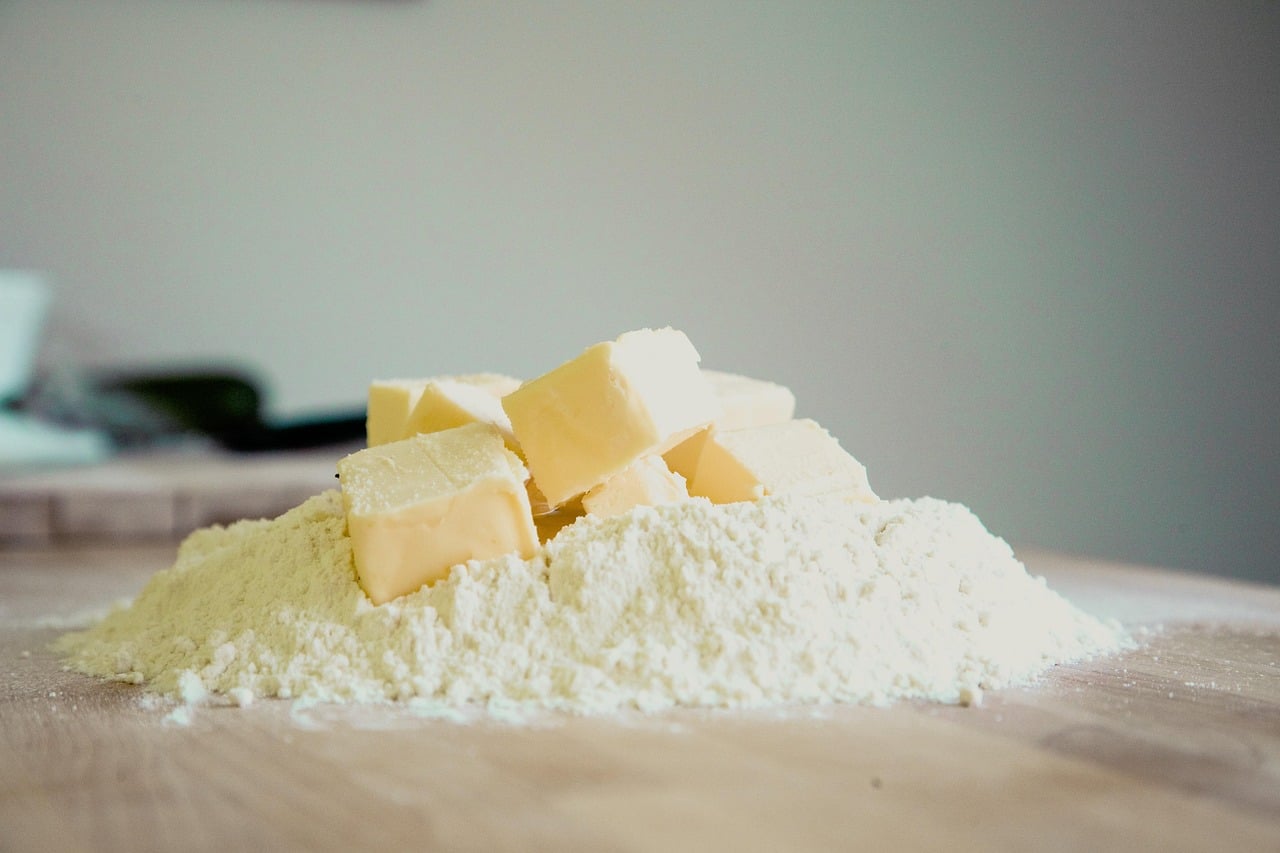
Baking rewards precision more than intuition. A little extra flour can make muffins tough, while too much liquid can leave a cake gummy in the center.
Measuring by eye is one of the fastest ways to create inconsistent desserts. Dry ingredients can pack differently from one scoop to the next, especially flour and brown sugar. Using measuring cups carefully helps, but a kitchen scale is even better because it removes that variation.
This matters most in recipes with a tight balance, like macarons, pie dough and sponge cake. If the ratio is off, structure, moisture and browning all change at once. What looks like a minor shortcut can quietly affect every stage of the bake.
Ignoring ingredient temperature
Cold butter behaves very differently from softened butter, and fridge-cold eggs do not mix the same way as room-temperature ones. Temperature changes how ingredients blend, trap air and build structure.
In cakes and cookies, softened butter creams more evenly with sugar, creating tiny air pockets that help with lift and texture. If the butter is too cold, it stays lumpy. If it is too warm, it turns greasy and cannot hold enough air.
Cold dairy can also cause batters to curdle when mixed with fat. That curdled look does not always ruin a recipe, but it often leads to a heavier crumb. Starting with the temperature a recipe calls for gives you a better shot at the texture the baker intended.
Overmixing the batter
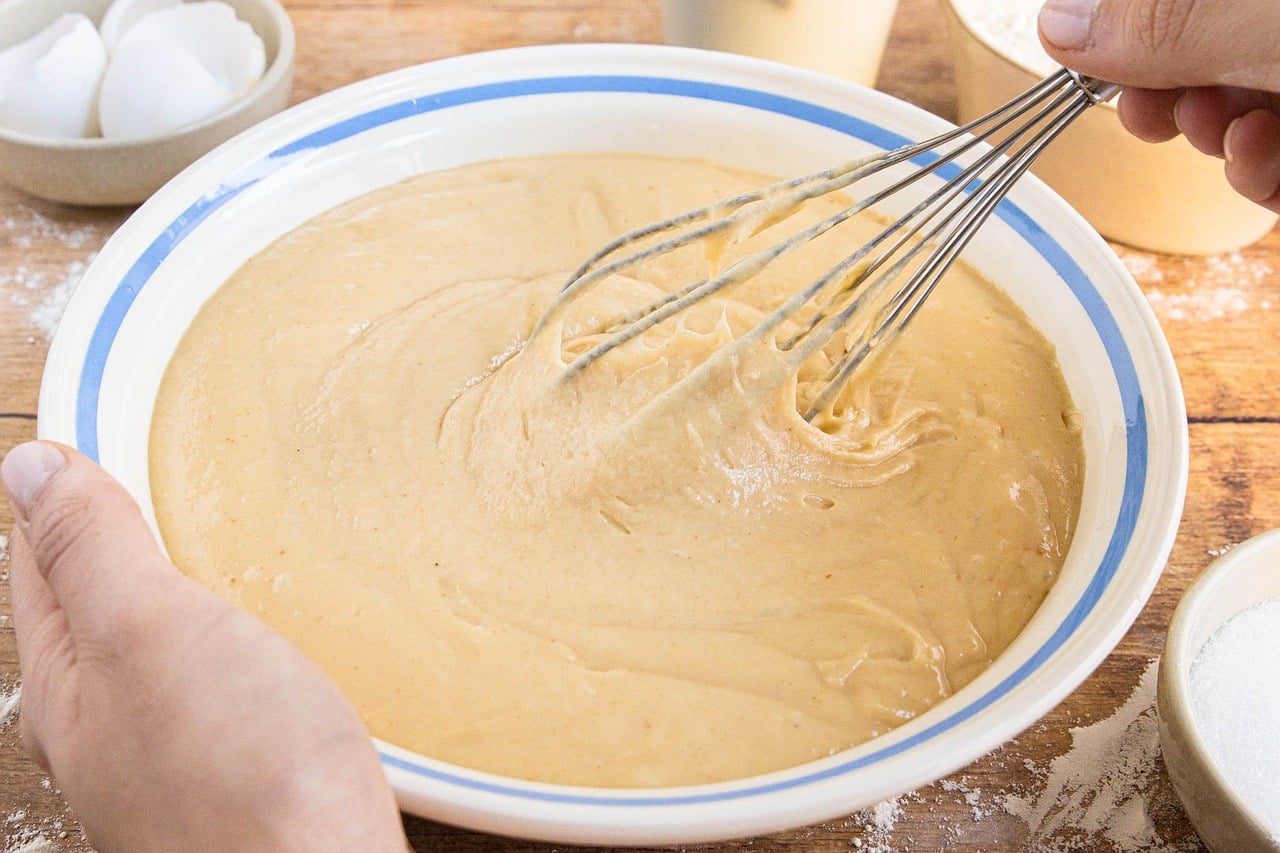
The moment flour meets liquid, gluten begins to form. Gluten gives structure, which is useful in bread, but too much of it can make cakes, muffins and pancakes turn dense or rubbery.
Overmixing usually happens after the dry ingredients go in. Many bakers keep stirring to chase a perfectly smooth batter, but that extra mixing develops more gluten and knocks out some of the air already built into the mixture.
A few small lumps are often fine, especially in muffins and quick breads. Gentle mixing keeps the crumb tender. If a dessert comes out chewy when it should be soft and light, the mixer may have worked a little too hard.
Opening the oven door too often
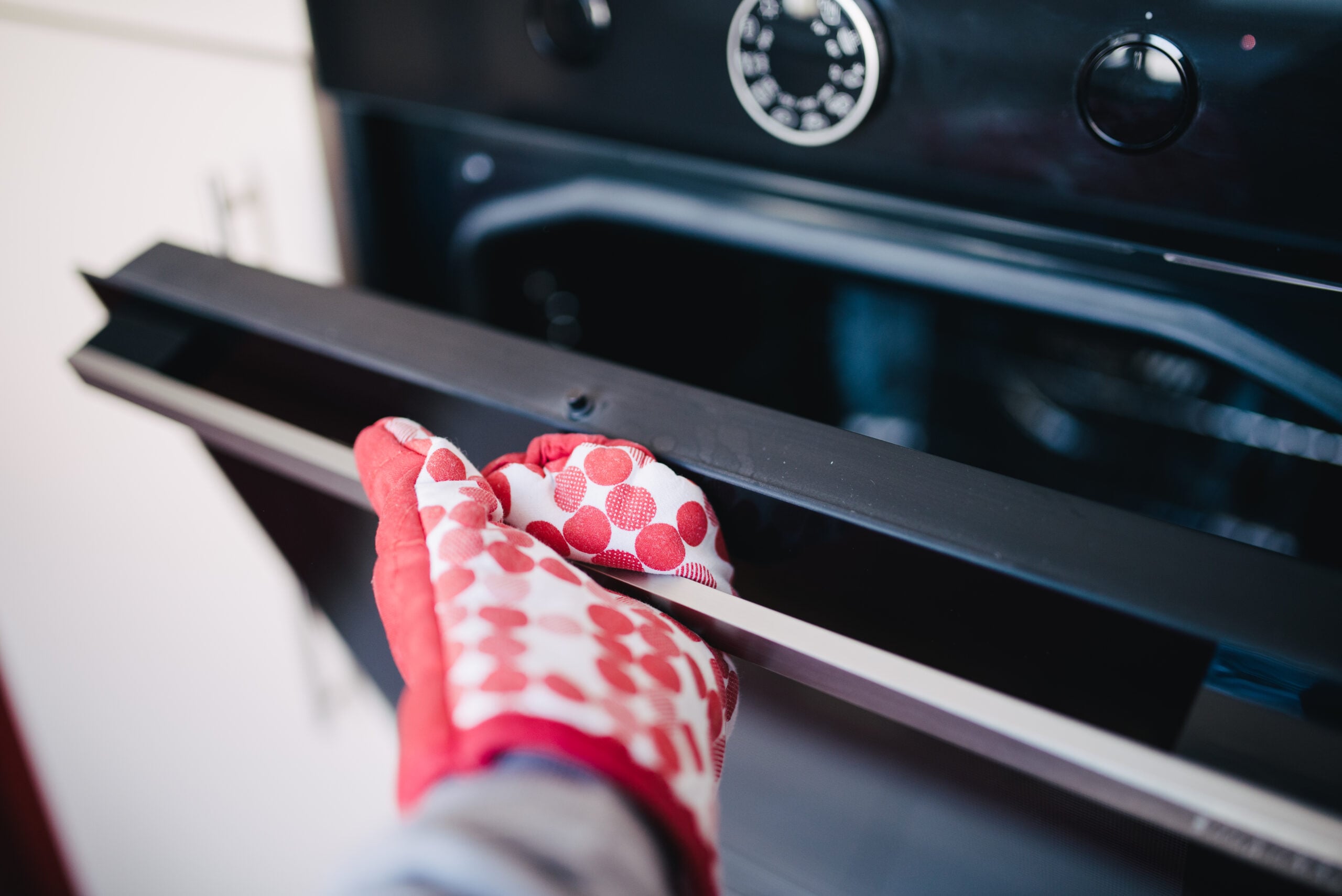
Oven heat needs stability. Every time the door opens, hot air escapes and the temperature inside drops fast, which can interrupt how a dessert rises and sets.
This is especially risky with soufflés, cheesecakes and layer cakes. In the early stage of baking, the structure is still fragile. A sudden temperature drop can cause the center to sink before it has fully set.
The light and window exist for a reason. Use them instead of repeatedly checking from up close. If the recipe gives a suggested test time, wait until then before opening the door. A little patience often protects a lot of work.
Trusting the oven dial
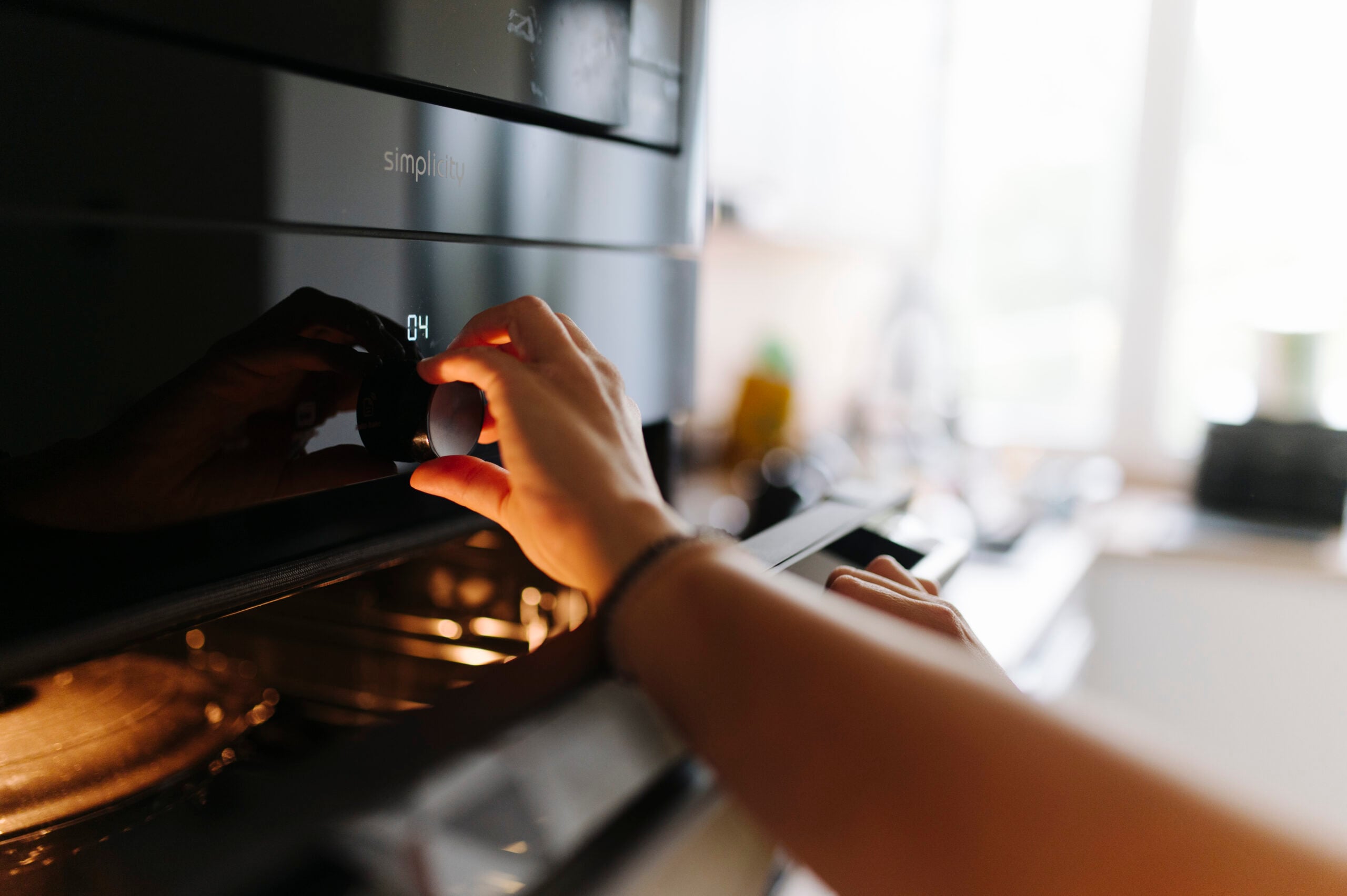
Many home ovens run hotter or cooler than the number on the dial suggests. That difference can be small, but even 25 degrees can change browning, baking time and moisture loss.
Cookies may burn on the bottom before the tops color. Custards can overcook at the edges while staying loose in the middle. A cake that should rise evenly may dome too quickly and crack.
An inexpensive oven thermometer reveals what the real temperature is doing. It also helps you notice hot spots, which are areas that brown food faster than the rest of the oven. Rotating pans when needed can help, but first you need to know what your oven is actually doing.
Using old leavening agents
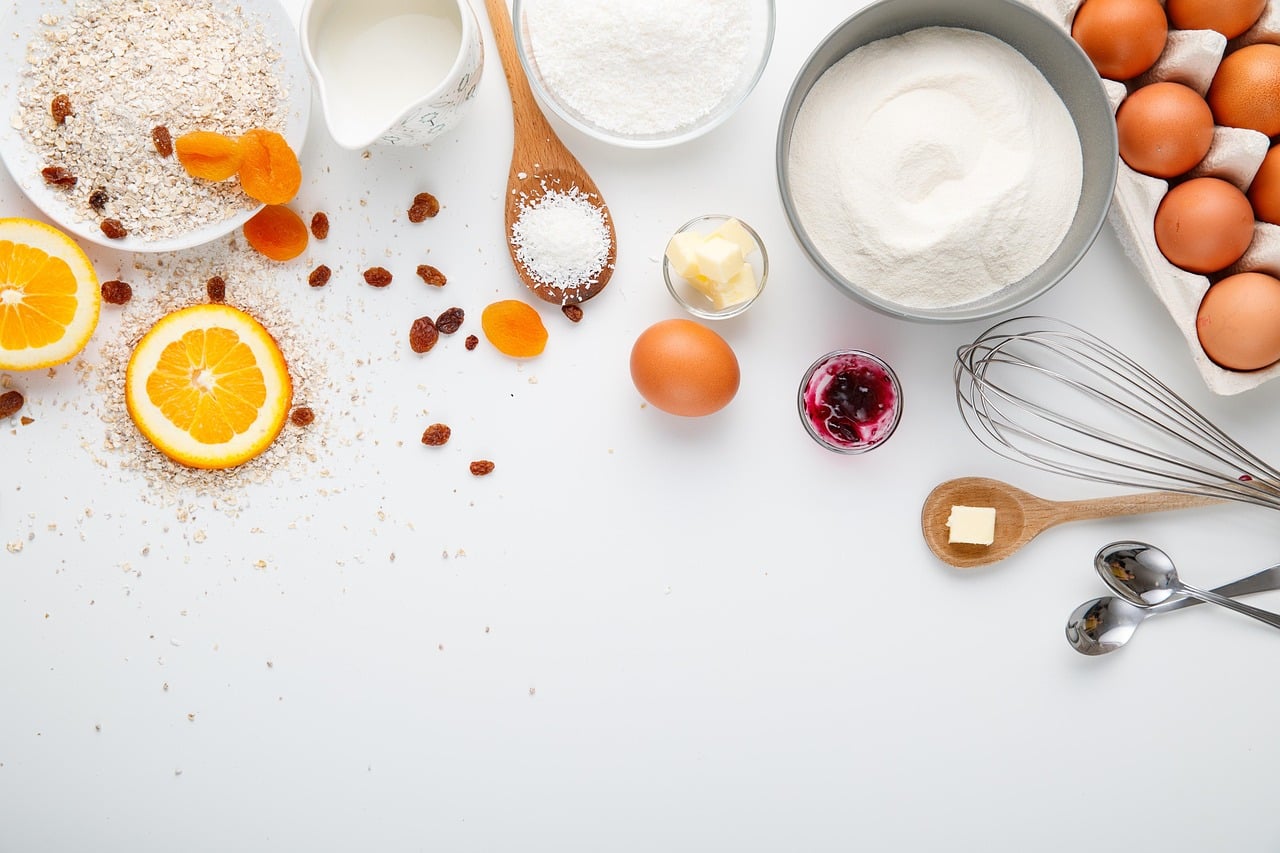
Baking powder and baking soda do not last forever in peak condition. When they weaken, cakes rise less, muffins turn squat and cookies lose some of their lift.
Baking soda needs acid to react, while baking powder contains its own acid components. If either one is stale, the gas needed to lighten a batter or dough is reduced. That means the dessert can come out dense even if every other step was correct.
This mistake is easy to miss because old leaveners can look perfectly normal in the container. If a recipe suddenly seems flat after it worked well before, the problem may not be your technique. Fresh leavening often fixes what feels like a mystery.
Swapping ingredients carelessly
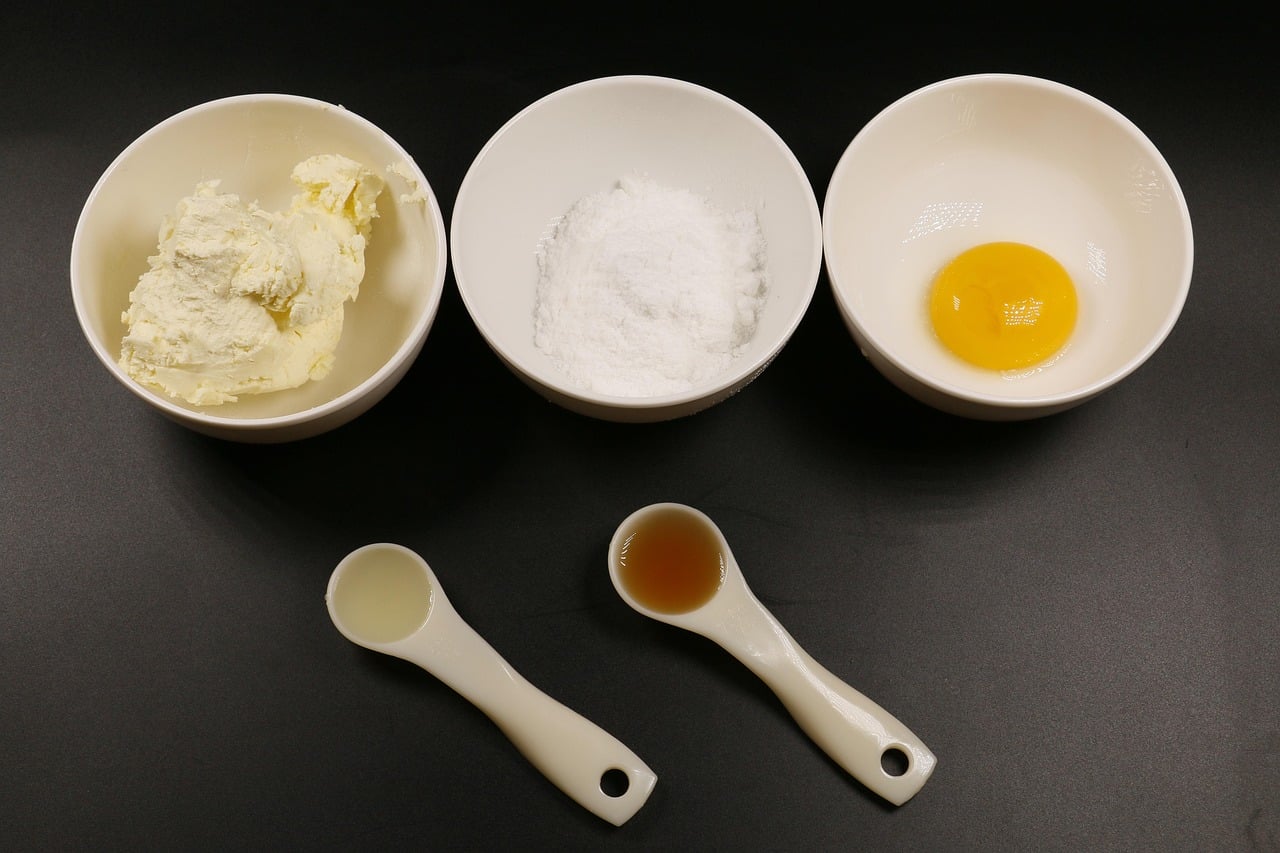
Ingredient substitutions can work, but they are not always one-to-one. Sugar, fat, flour and eggs each do several jobs at once, and changing one can affect sweetness, moisture, structure and color.
For example, butter and oil both add fat, but they do not behave the same way in cakes or cookies. Granulated sugar and liquid sweeteners also act differently because they change the amount of moisture in the batter.
Gluten-free and alternative flours can be even trickier because protein and starch levels vary. A casual swap may sound harmless, yet the dessert can spread too much, dry out or fail to hold together. Good substitutions are usually tested, not guessed.
Packing in too much flour
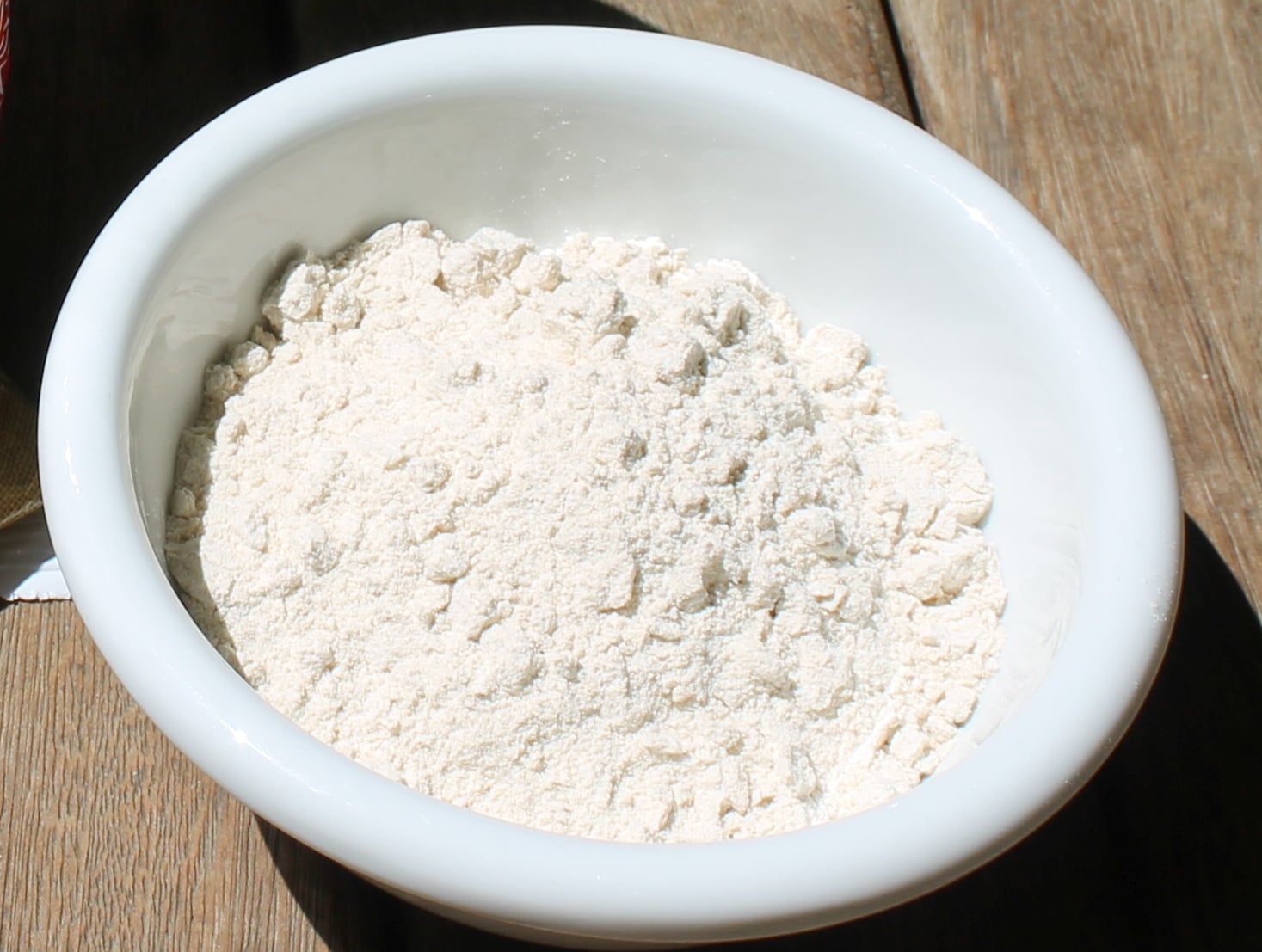
Flour is one of the easiest ingredients to overmeasure, especially when it is scooped straight from the bag with a measuring cup. That packed cup can hold far more than the recipe intended.
Too much flour often leads to dry cakes, crumbly cookies and stiff batters that do not spread or rise properly. The dessert may still look finished on the outside, but the interior can taste heavy and dull.
A simple habit helps: fluff the flour, spoon it into the cup, then level it off. Better still, weigh it. This small change improves consistency quickly, and it solves a surprising number of baking problems that get blamed on the recipe.
Skipping pan prep
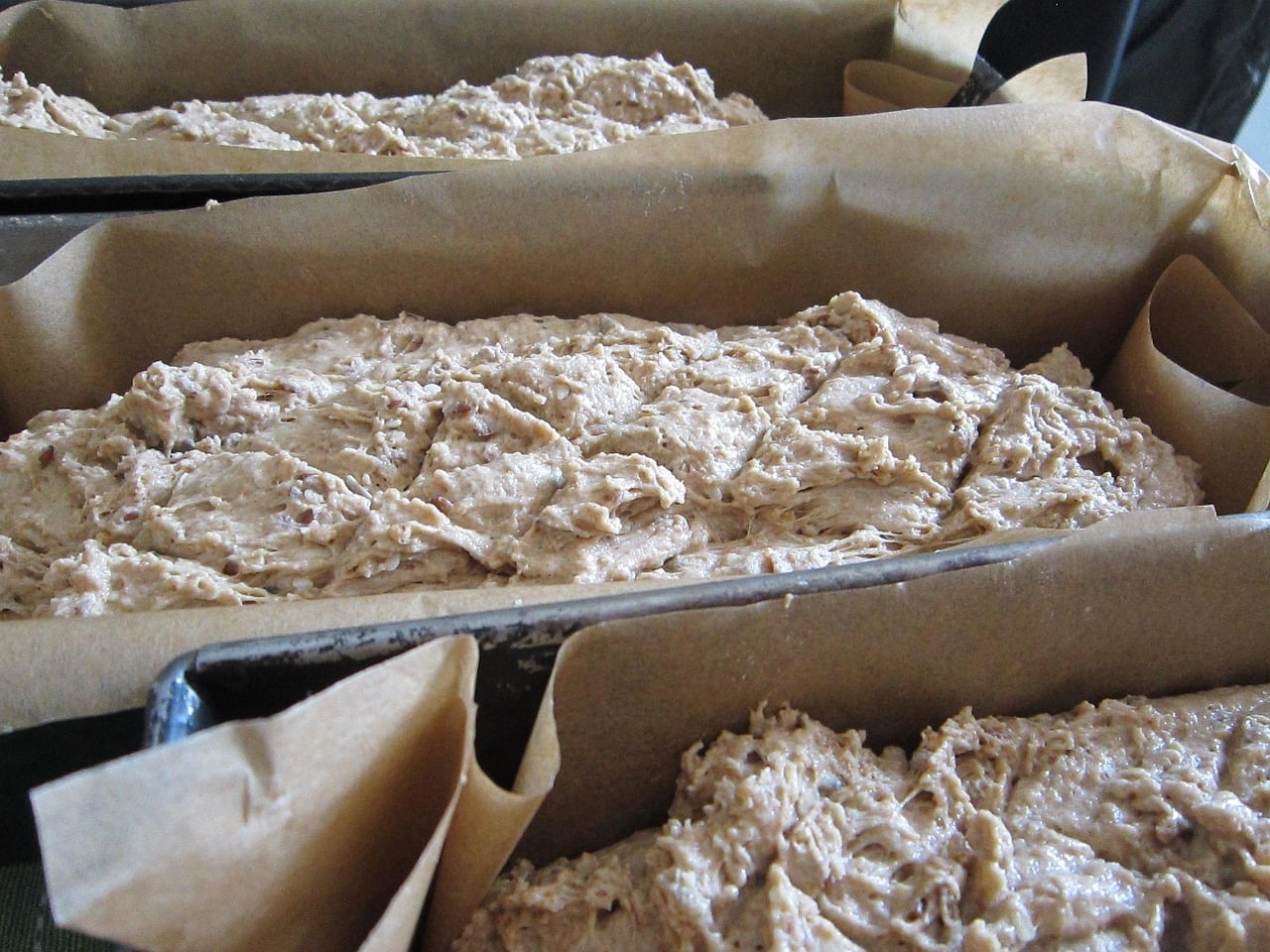
A beautiful dessert can be ruined in the final seconds if it sticks to the pan. Cakes tear, bars break and delicate layers lose their clean shape when release is an afterthought.
Different desserts need different prep. Some pans need butter and flour, others need parchment, and some benefit from a light coating of baking spray. The right method depends on the batter and the pan material.
Skipping this step also affects browning at the edges. A lined pan can bake differently from a bare one, especially with sticky batters or high-sugar recipes. Good pan prep is not just insurance for unmolding. It is part of the bake itself.
Pulling desserts out too early
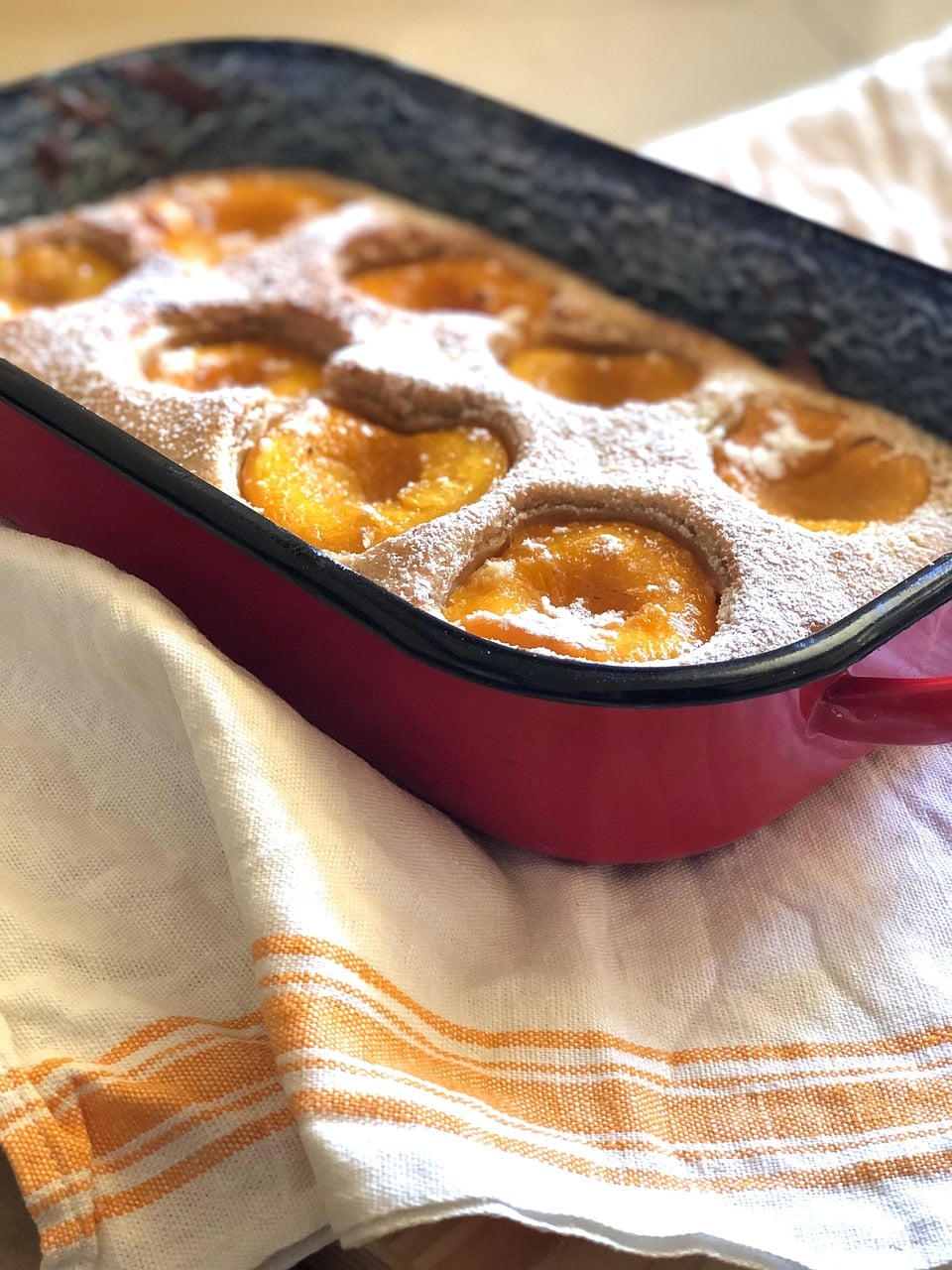
Color alone does not always tell you a dessert is done. Many baked goods continue to set inside only after enough heat has fully reached the center.
If a cake is removed too soon, it can sink as it cools. Brownies may seem fudgy at first but turn underbaked and messy once cut. Fruit pies can look deeply golden while the filling is still too loose.
Visual cues work best when combined with touch, timing and simple tests. A cake should spring back lightly, a skewer should show the right level of crumbs, and a pie filling should bubble. Doneness is about structure, not just appearance.
Baking too long
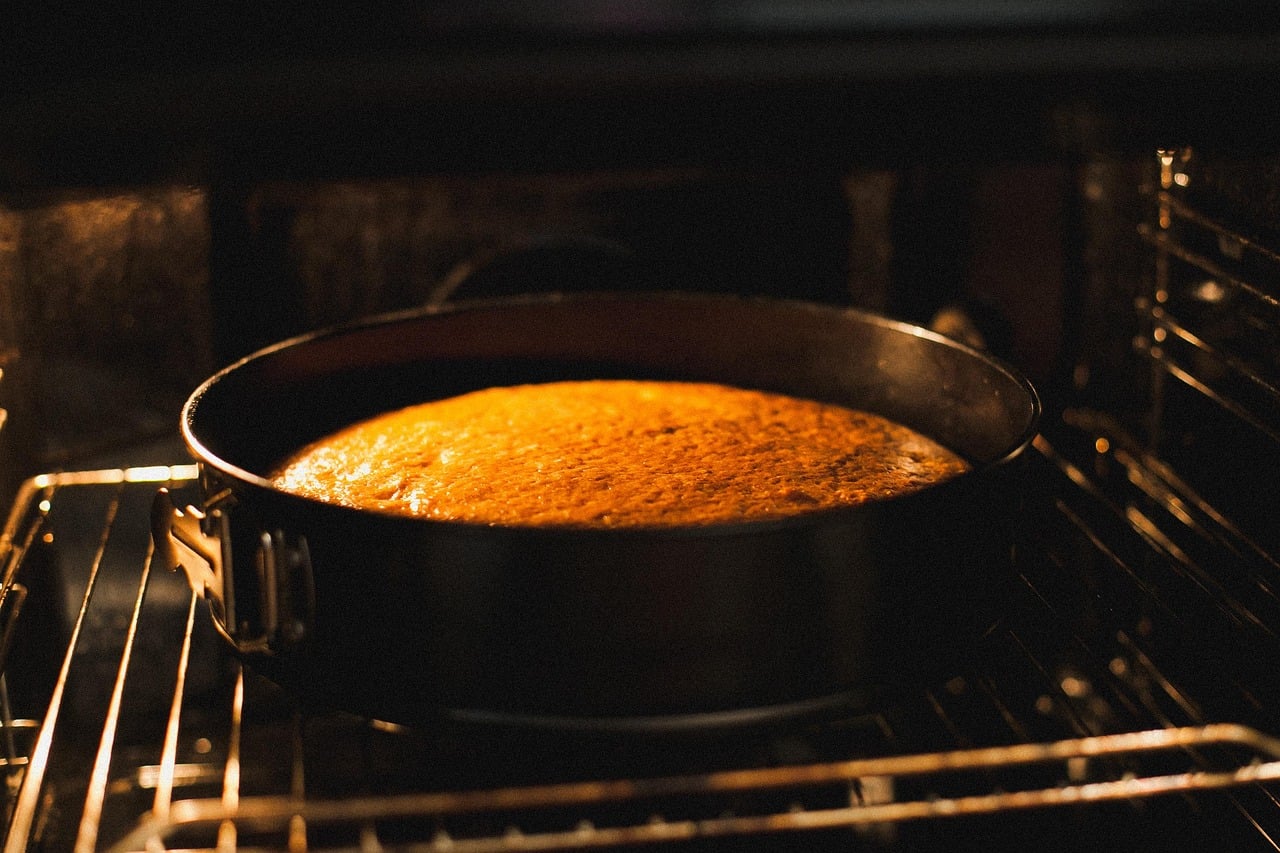
Overbaking is the other side of the same problem, and it is just as destructive. A few extra minutes can dry out cookies, toughen cake edges and turn creamy custard into something grainy.
Residual heat keeps working even after a dessert leaves the oven. That is why many recipes tell you to remove cookies when the centers still look slightly soft or to take cheesecake out while it still has a slight wobble.
Waiting for a dessert to look fully firm can push it past its best point. This is especially true in small items like cupcakes and shortbread, where even a brief delay makes a noticeable difference in texture.
Crowding the oven
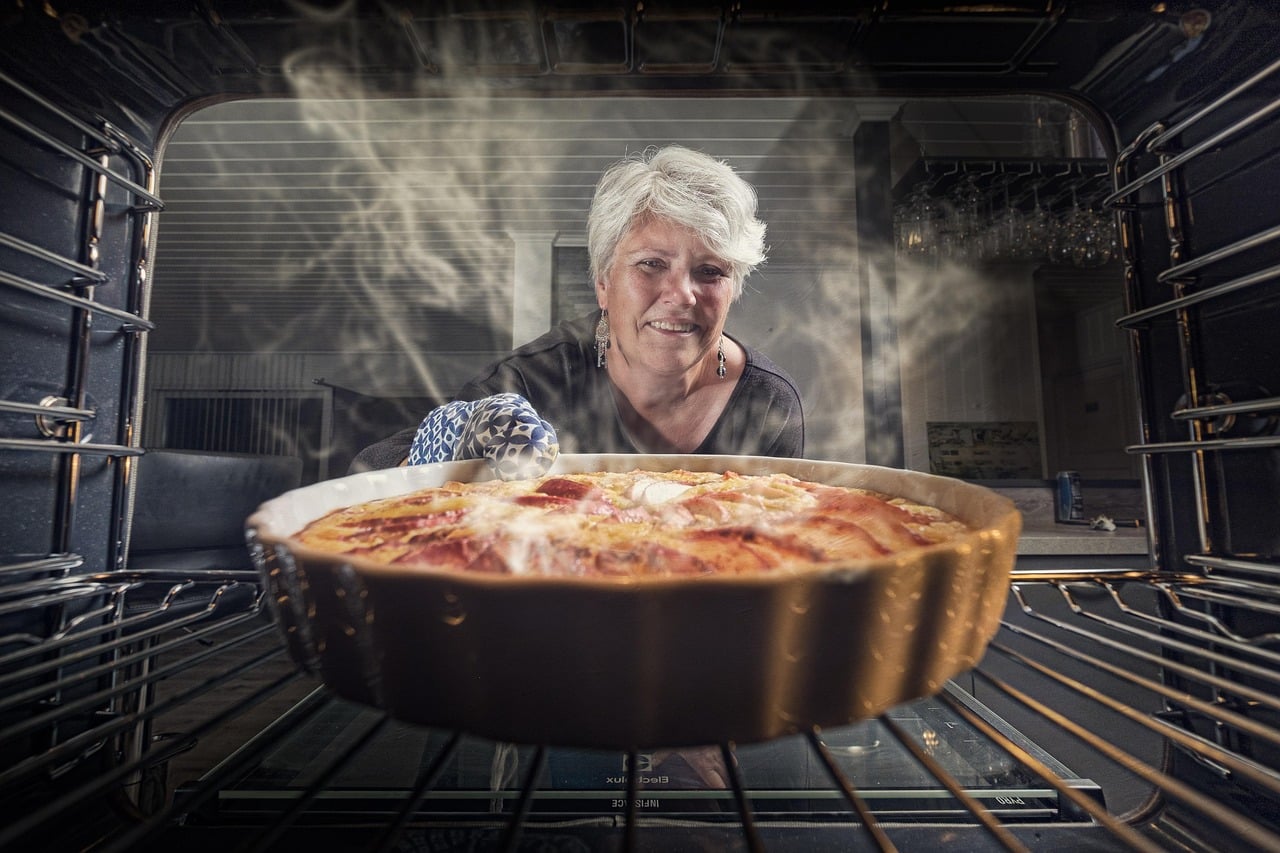
Air needs room to circulate around baking pans. When sheets or cake tins are packed too close together, heat moves unevenly and desserts bake at different rates.
One tray may shield another from proper browning. Cookies on a crowded sheet can spread into each other, while multiple pans on the same rack can create pale spots and underdone centers.
Spacing also matters inside the pan itself. If brownies or rolls are crammed into a dish that is too small, the center can stay dense while the edges overcook. Giving batter and pans enough room supports even heat and a more predictable result.
Not reading the whole recipe first
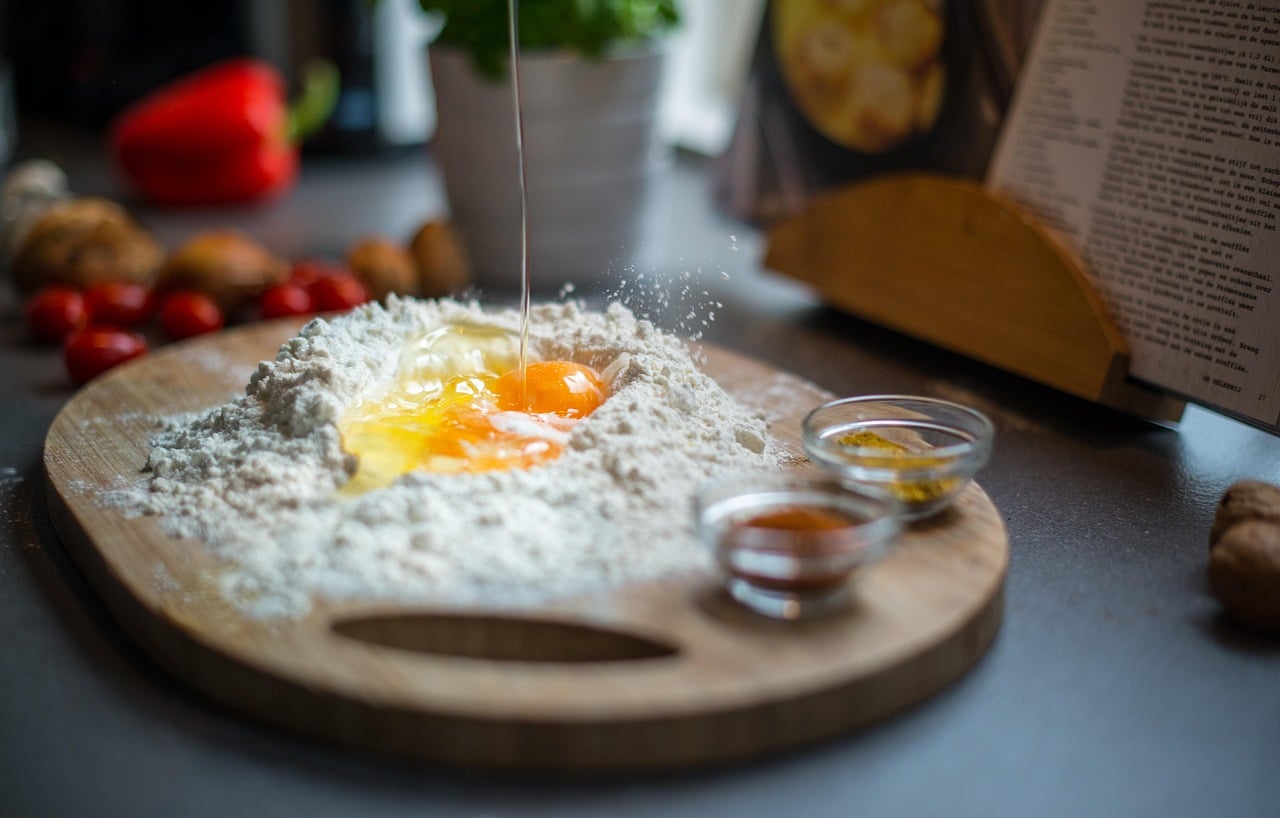
A recipe is more than a list of ingredients. It is a sequence, and missing one detail can create trouble before the oven is even preheated.
Some batters need immediate baking once mixed. Others require chilled dough, divided steps or ingredients prepared in advance. If you discover that halfway through, timing and texture can be thrown off.
Reading the recipe all the way through also helps you catch equipment needs, pan sizes and resting times. That overview makes the process calmer and more accurate. In baking, surprises are usually less charming than they sound.


Leave a Reply