
Food waste often starts at home, with edible peels, stems, herbs, and leftovers getting tossed before they have a second use. These 12 zero-waste recipes show how eco-conscious families can turn those ingredients into satisfying meals, snacks, and staples with less waste and more value.
Broccoli stem slaw

Broccoli stems are one of the easiest vegetable parts to rescue because they are fully edible and stay crisp when shredded. Instead of tossing them, peel the tough outer layer, then grate or julienne the pale center for a slaw that works beside sandwiches, roast chicken, or grain bowls.
A simple dressing of lemon juice, olive oil, mustard, and salt brings out the stem's mild flavor. Families can add carrots, cabbage, sunflower seeds, or raisins depending on what is already in the fridge.
This recipe matters because it uses a part many home cooks ignore, even though the stem offers the same plant value as the florets. It is also photographable, colorful, and practical, which makes it a strong gateway recipe for anyone trying to waste less without changing how they shop.
Vegetable scrap stock

Some of the best kitchen thrift starts in a freezer bag. Onion skins, carrot peels, celery tops, mushroom stems, parsley stalks, and leek greens can all be saved, then simmered into a homemade stock that becomes the base for soups, risotto, sauces, and braised dishes.
The key is balance. Bitter scraps, such as too many brassica leaves, can overpower the pot, while a mix of sweet and savory trimmings creates a fuller flavor. Families should avoid moldy pieces and heavily soiled scraps, but clean odds and ends from routine meal prep work well.
This is one of the most useful zero-waste habits because it turns many small leftovers into something versatile. A batch can be cooled and frozen in jars or cubes, ready for weeknight cooking when a recipe needs more depth than water alone can provide.
Stale bread panzanella
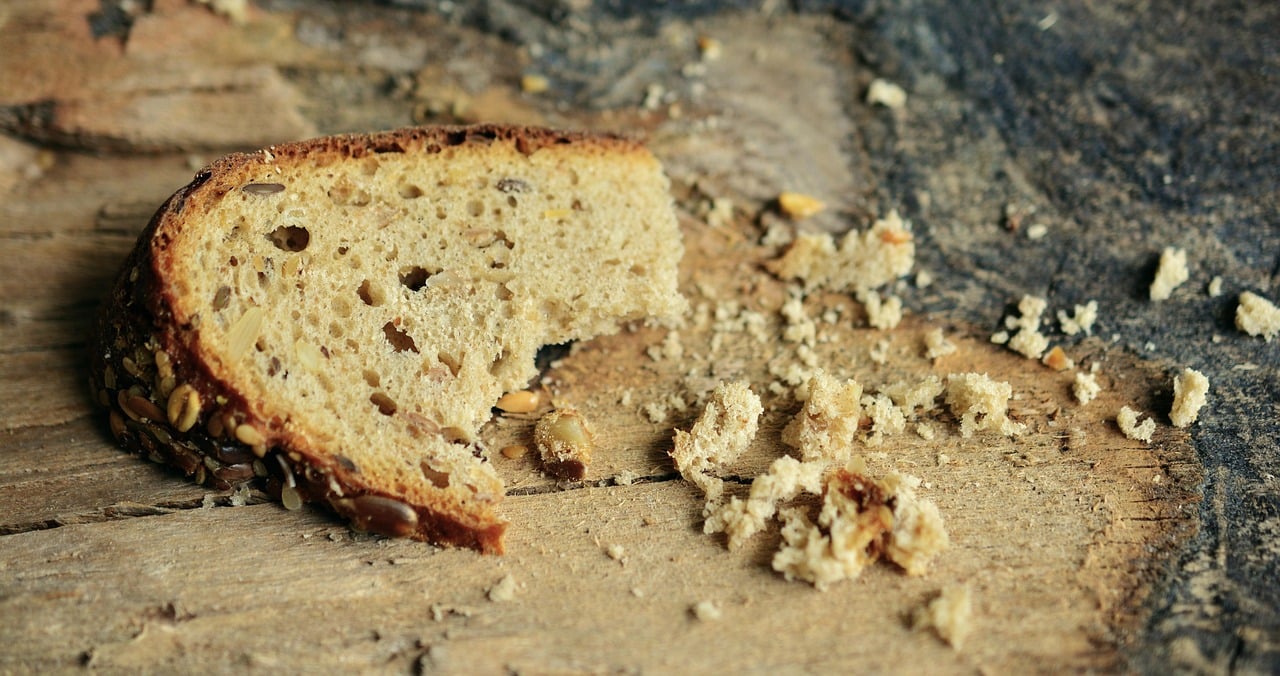
Stale bread is not a failure, it is an ingredient. In panzanella, dry cubes soak up tomato juices and vinaigrette while still keeping some chew, which makes them ideal for a salad that feels hearty enough for lunch or a light dinner.
The classic approach uses tomatoes, cucumber, onion, olive oil, and vinegar, but families can adapt it to the season. Roasted peppers, leftover grilled vegetables, or soft herbs can stretch the bowl without requiring another shopping trip.
The real payoff here is texture. Fresh bread turns soggy too fast, while day-old or older bread has enough structure to absorb flavor. This recipe gives bread a second life and shows how zero-waste cooking often improves a dish rather than simply making do.
Carrot top pesto
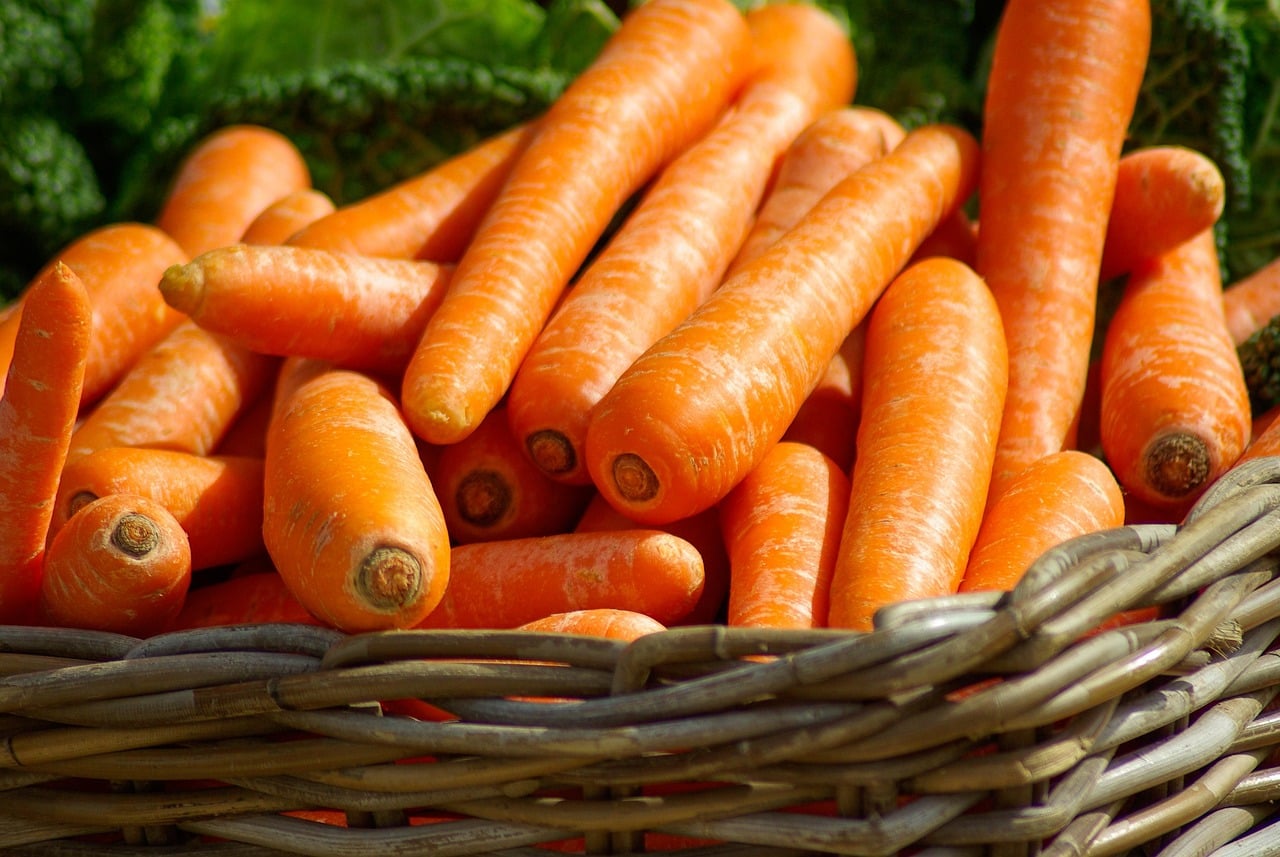
Carrot tops are often removed and discarded long before the roots are cooked, yet the feathery greens have an herbal, slightly earthy flavor that works well in pesto. Washed thoroughly and blended with nuts or seeds, garlic, oil, and cheese, they become a spread, pasta sauce, or sandwich layer.
Because carrot tops can taste stronger than basil, mixing them with parsley or spinach keeps the flavor balanced for kids and cautious eaters. Pumpkin seeds or sunflower seeds are useful substitutes when pine nuts are too expensive or not already on hand.
This recipe is a strong example of zero-waste cooking meeting budget cooking. It makes use of an edible plant part many people never consider, and it offers flexibility, since the exact formula can shift with what is available in the pantry and produce drawer.
Overripe banana oat pancakes
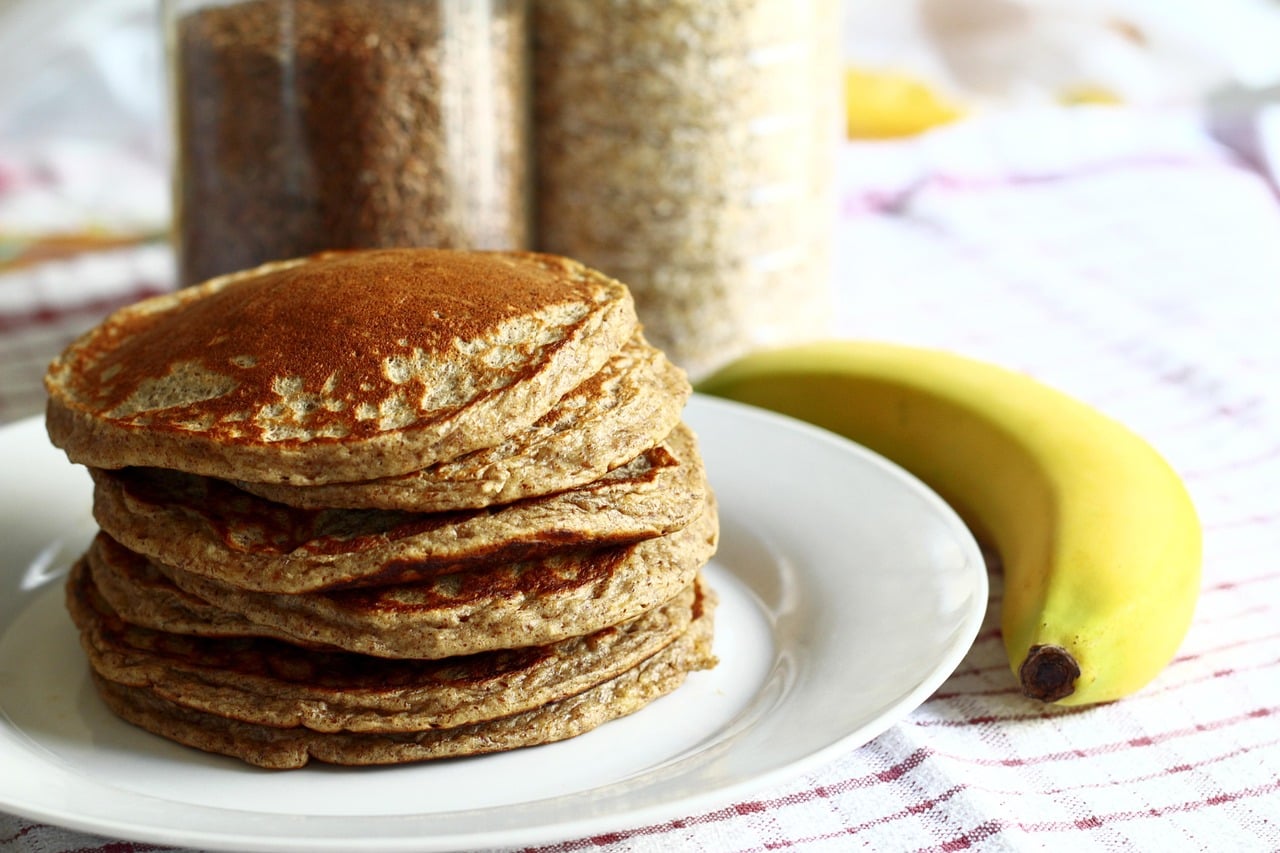
Overripe bananas are one of the most common ingredients left to darken on a counter. Mashed into pancake batter, they add sweetness and moisture, which means many families can use less added sugar while also preventing a familiar form of waste.
Oats make this recipe especially practical because they can replace part of the flour and add texture and fiber. A basic version needs banana, oats, eggs, and a pinch of cinnamon, with milk added only if the batter needs loosening.
This dish works well in family routines because it freezes and reheats easily. It also reframes overripe fruit as an asset. The darker the banana, the more flavor it brings, which makes the recipe forgiving, economical, and easy to repeat on busy mornings.
Roast chicken and rice soup
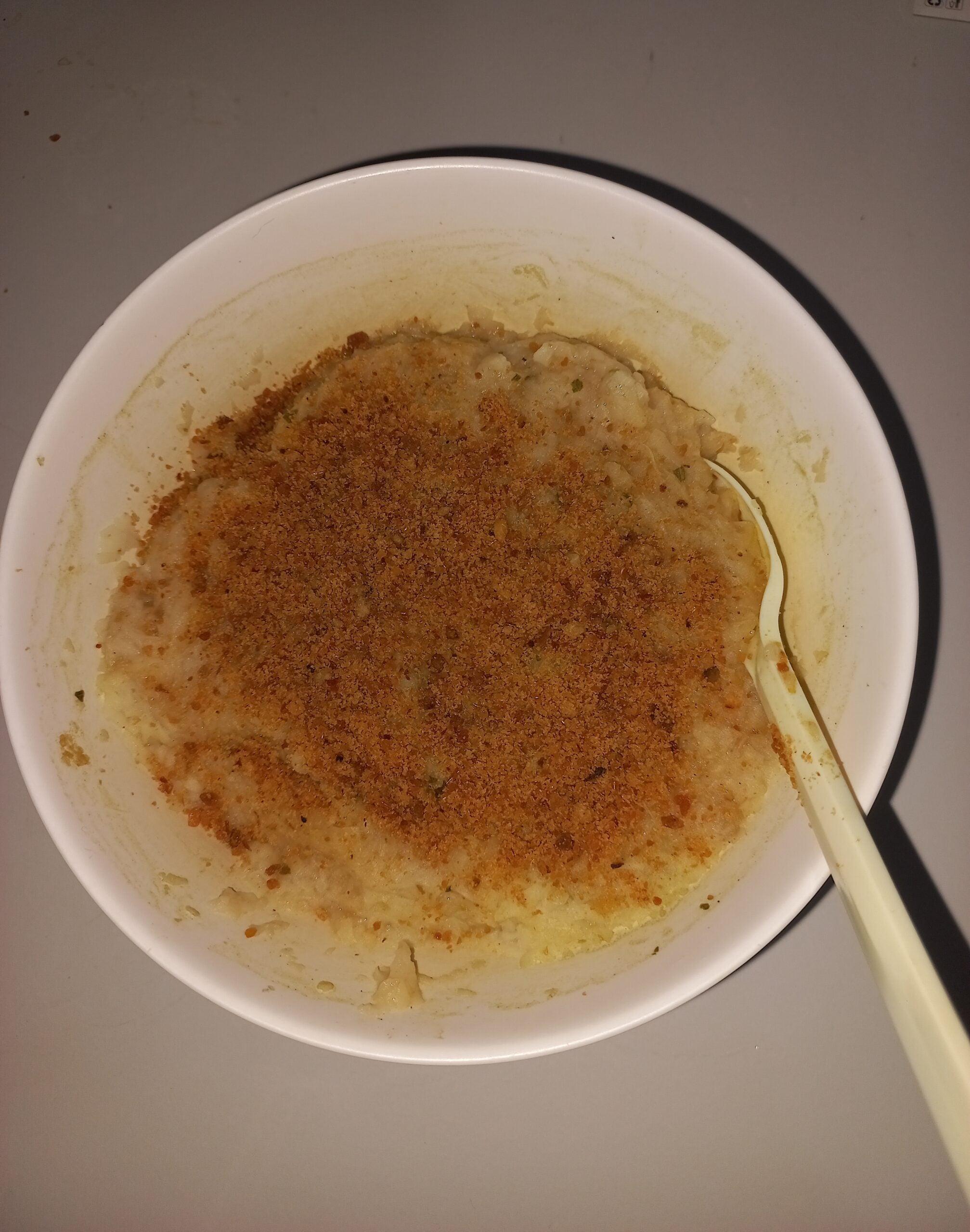
Leftover roast chicken can stretch far beyond one second meal. Simmering the bones with onion, celery, and saved vegetable scraps creates a richer broth, while leftover meat and cooked rice turn that broth into a filling soup that feels new rather than recycled.
This kind of recipe has long been a household staple because it rewards planning without demanding precision. A little chicken, a little rice, and whatever vegetables need using can still produce a pot that serves several people.
It is also one of the clearest examples of whole-ingredient thinking. Meat, bones, scraps, and leftovers each play a role. For eco-conscious families, that matters, because reducing waste is often less about rare ingredients and more about using ordinary groceries completely.
Watermelon rind pickles

Watermelon rind offers one of the biggest surprises in zero-waste cooking. Once the hard green outer skin is removed, the pale inner rind can be pickled into a crisp, tangy condiment that pairs well with sandwiches, grilled foods, and grain-based salads.
The texture is the selling point. Rind holds its bite after brining, and the flavor takes on vinegar, sugar, and spices very well. Cinnamon, ginger, mustard seed, or peppercorns can shift the final result from sweet-leaning to savory.
For families, this recipe is memorable because it transforms a large piece of produce that usually goes straight into the trash or compost. It also teaches a useful habit, which is looking twice at peels and rinds before deciding they have no place in a meal.
Crispy potato peel chips
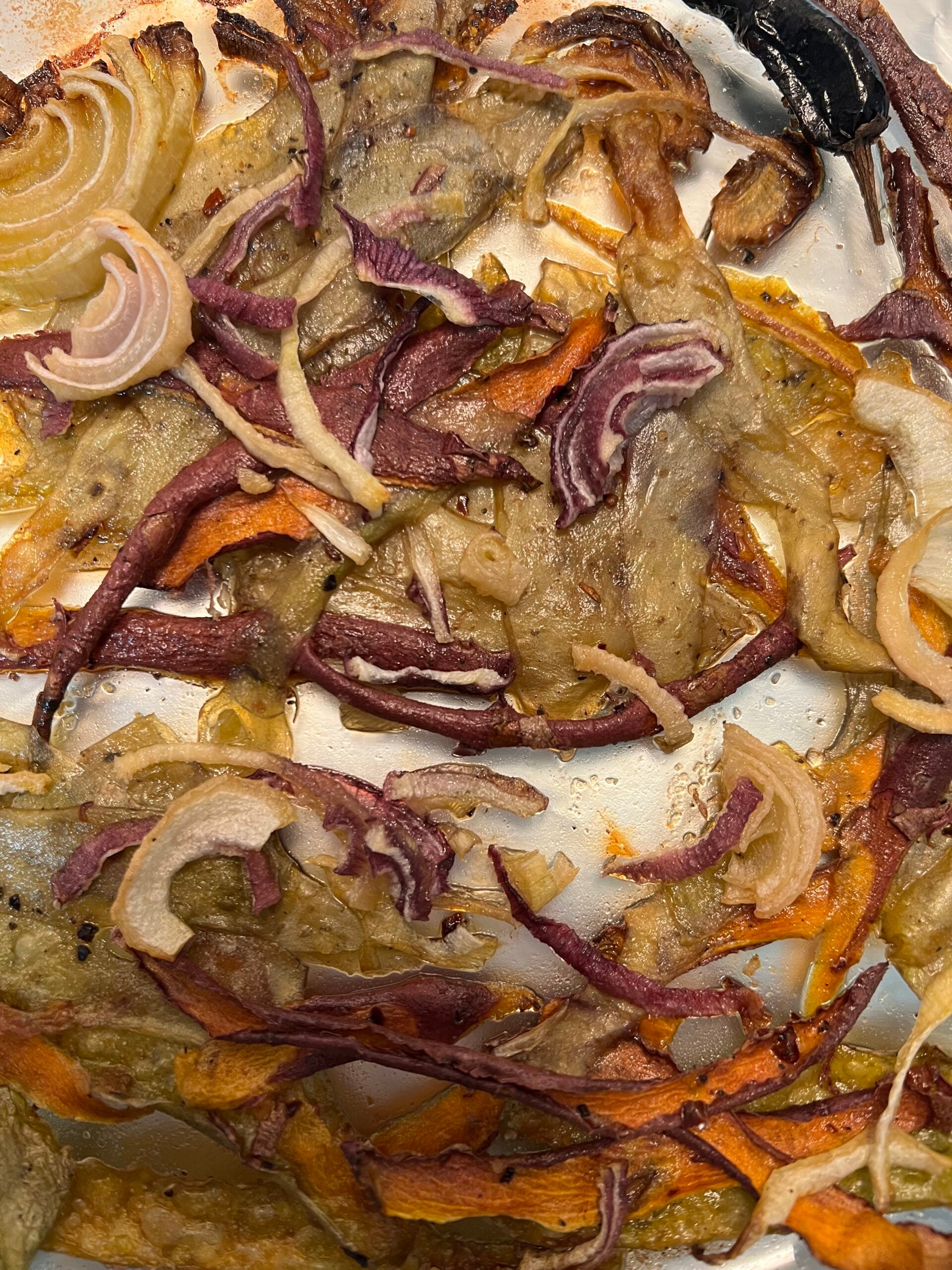
Potato peels are often discarded automatically, especially when families are preparing mashed potatoes or gratins. Yet when scrubbed well, tossed with oil and salt, and roasted until crisp, they become a snack or crunchy garnish with deep potato flavor and very little extra work.
The result is not just frugal, it is genuinely appealing. The edges blister and brown faster than larger potato pieces, which gives them a chip-like character that children and adults tend to enjoy.
This is a practical zero-waste recipe because it fits into a task people already do. There is no special shopping, no unusual technique, and no second full cooking session. The peels simply move from prep waste to finished food with one small change in habit.
Herb stem chimichurri
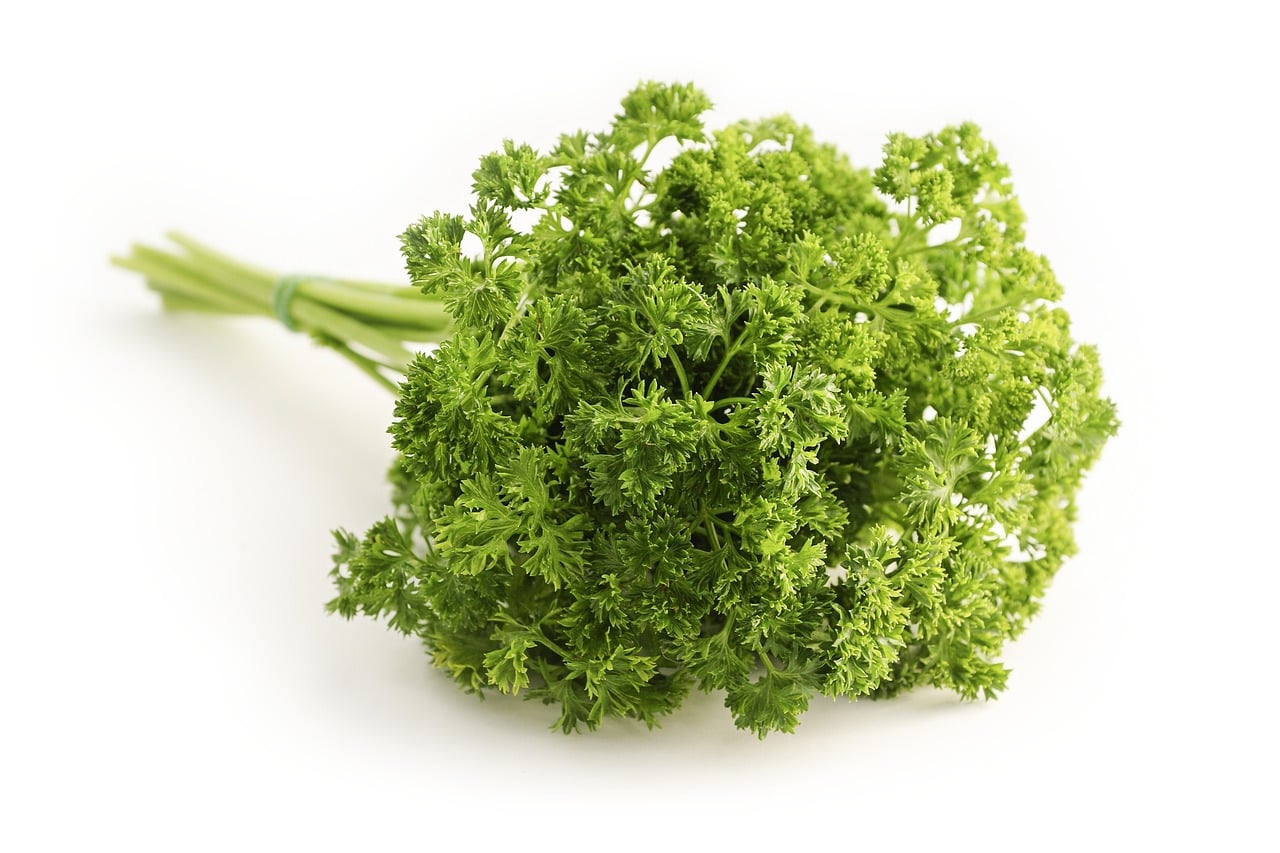
Tender herb stems from parsley and cilantro often have as much flavor as the leaves. Instead of trimming around them, families can chop the stems into chimichurri with garlic, vinegar, oil, and a little chili for a bright sauce that wakes up beans, grilled vegetables, eggs, or meat.
This recipe is especially useful near the end of the week, when herbs are not pretty enough for garnish but still have plenty of life left. Mixing stems with the remaining leaves helps use the whole bunch before it wilts away.
It also solves a common problem with recipe planning. Many dishes call for only a few herb leaves, leaving the rest to languish in the fridge. Chimichurri turns those leftovers into a flexible condiment that supports several meals instead of just one.
Parmesan rind bean soup
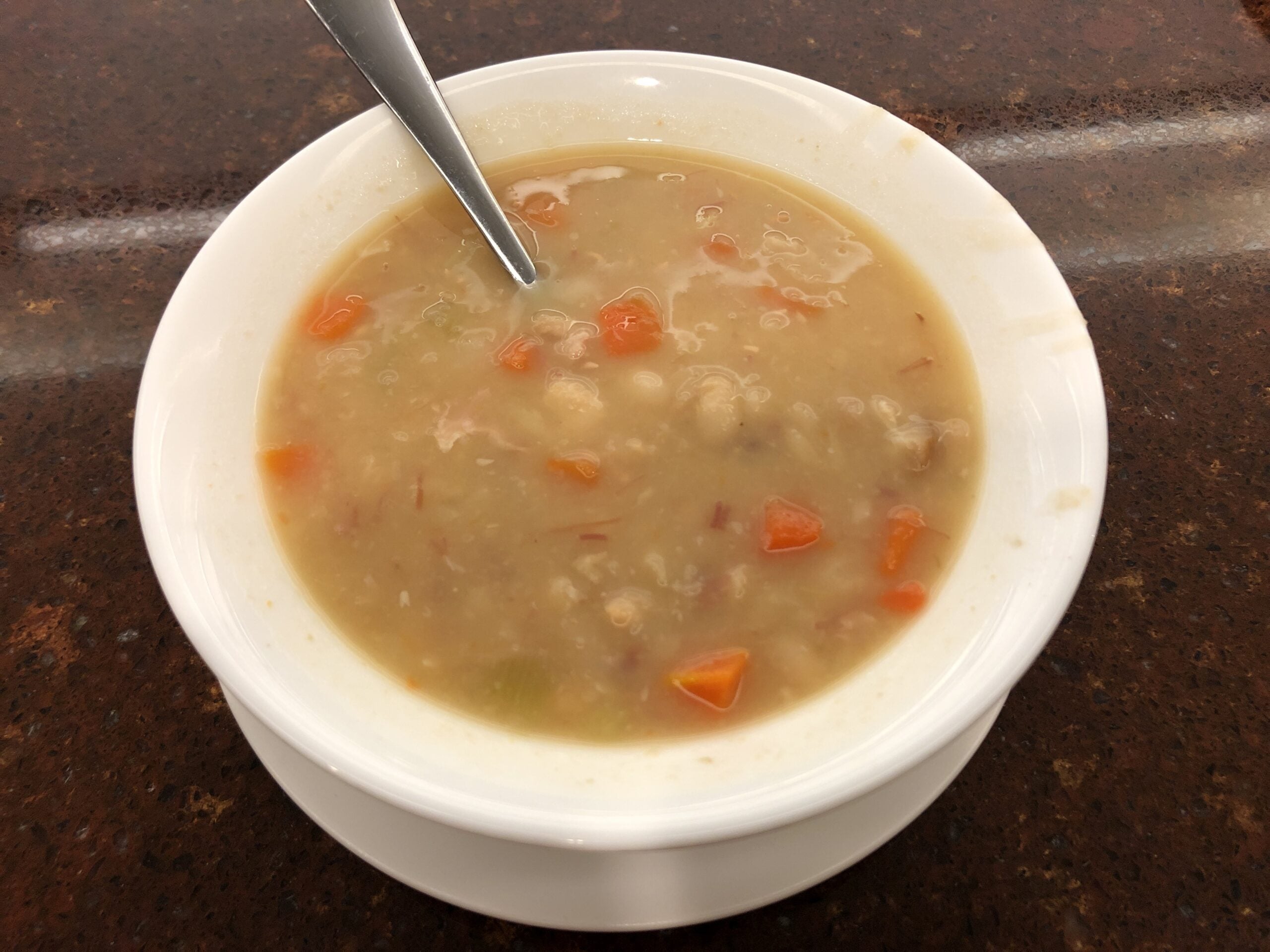
A Parmesan rind can keep giving long after the cheese itself is gone. Simmered in a pot of beans, tomatoes, greens, or broth, the rind softens and releases a savory depth that enriches the entire soup without needing much meat or extra seasoning.
This is a classic kitchen economy move because it captures value from an ingredient many households would throw away. The rind is not meant to be eaten whole in its original hard state, but it is excellent for seasoning slow-cooked dishes.
For eco-conscious families, the appeal is twofold. It reduces waste and builds flavor from what is already in the refrigerator. A single rind can make a modest pot of beans taste fuller and more finished, which helps simple ingredients feel satisfying.
Fried rice from leftovers
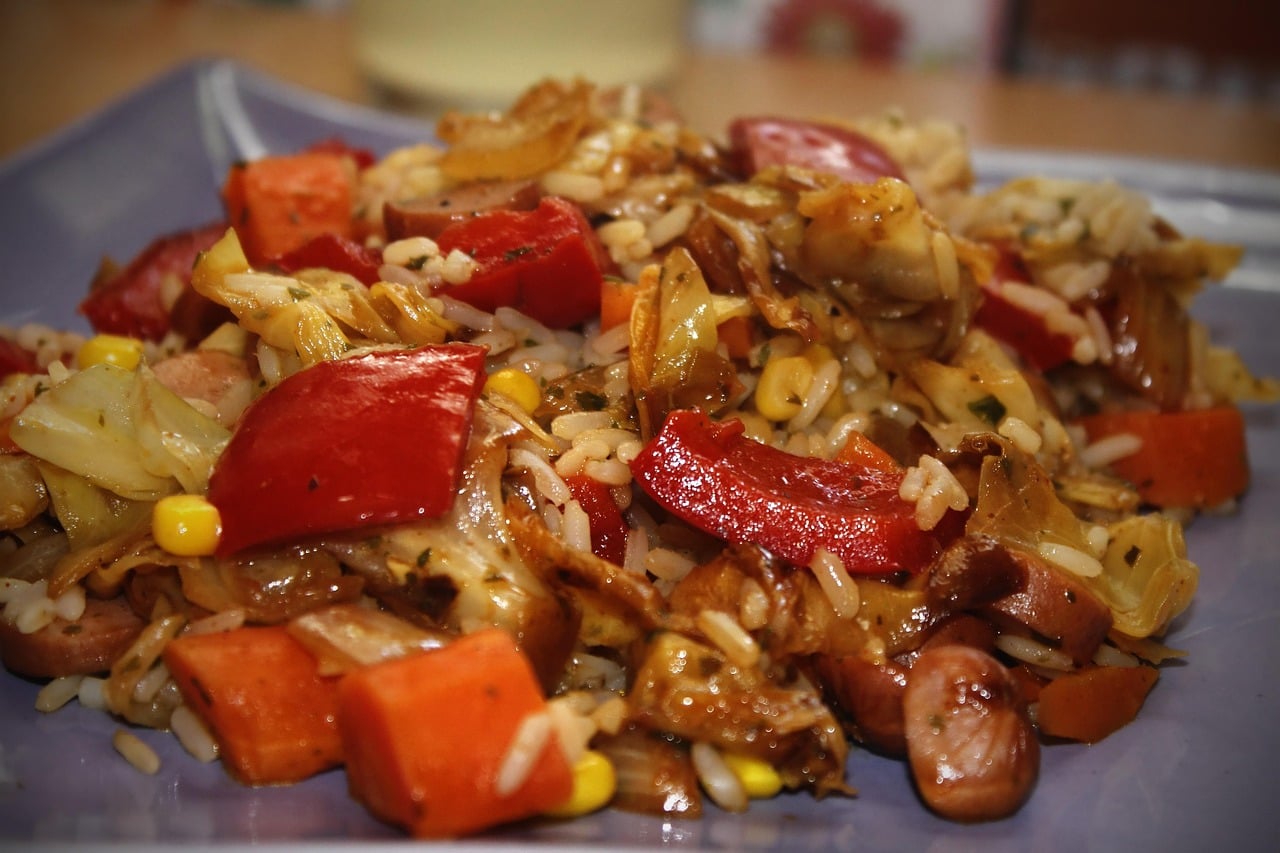
Fried rice is one of the most reliable ways to use small amounts of leftovers. Cold cooked rice, bits of vegetables, stray greens, scrambled egg, and pieces of meat can come together quickly in one pan, especially when the ingredients are chopped to similar sizes.
Using day-old rice matters because it is drier and less likely to clump. That texture makes the final dish more distinct and better suited to high heat. Soy sauce, ginger, garlic, or a spoonful of chili paste can shift the flavor without adding much cost.
This recipe deserves a place in any zero-waste lineup because it is endlessly adaptable. It handles leftovers that are too small to serve on their own, and it creates a meal that feels intentional rather than improvised from odds and ends.
Fruit scrap vinegar shrub
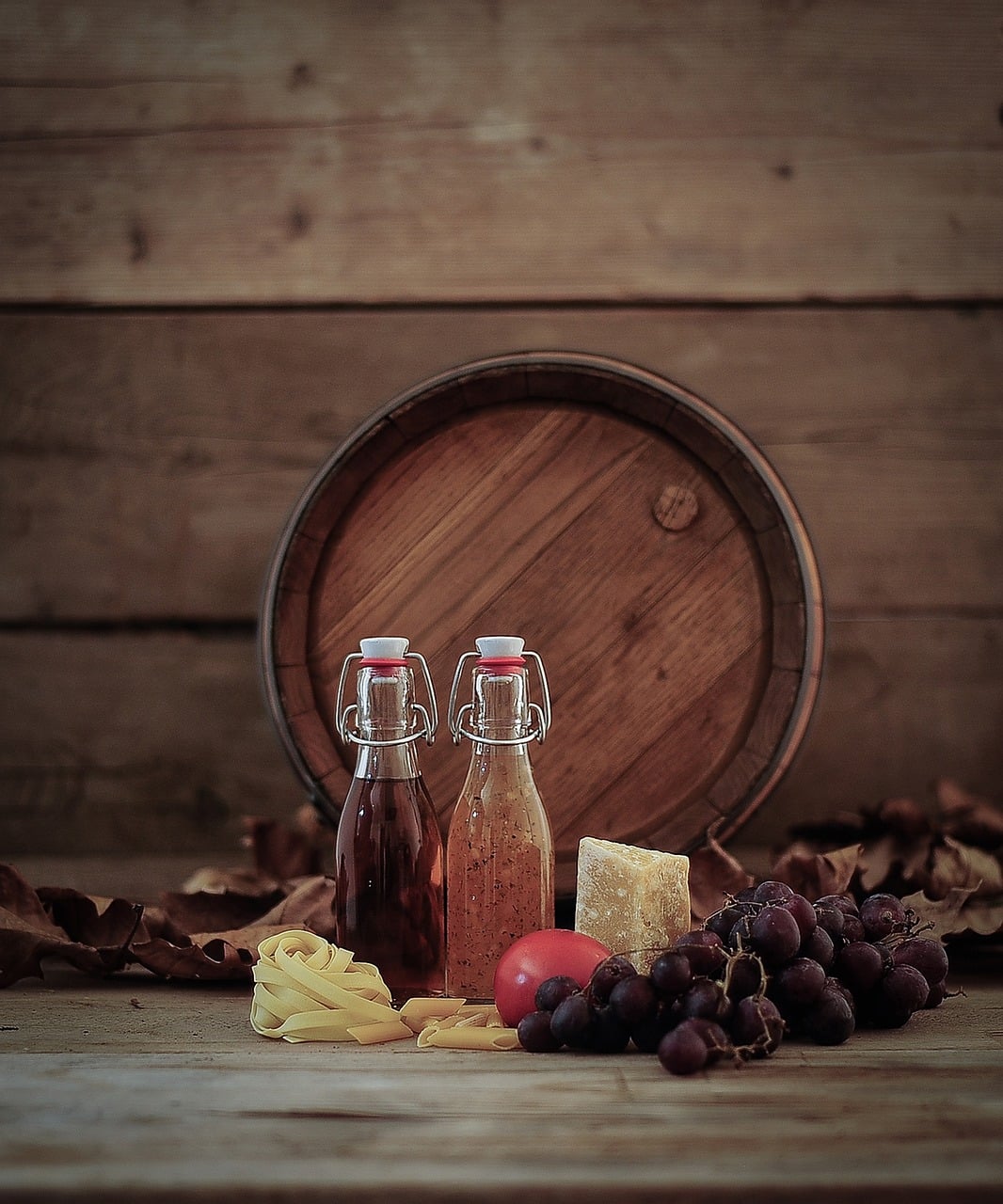
A shrub is a drink mixer made by infusing fruit with sugar and vinegar, and it is one of the smartest uses for peels, cores, and bruised fruit. Apple peels, strawberry tops, citrus peels, and stone fruit trimmings can all lend flavor to a syrupy concentrate.
Mixed with sparkling water, the result is bright and refreshing, with enough acidity to balance sweetness. Families can also use shrubs in dressings or drizzled lightly over fruit salads, which gives the recipe more than one role in the kitchen.
This is a fitting way to close because it shows the wider idea behind zero-waste cooking. The goal is not only to save scraps, but to see ingredients more fully. When families do that, they waste less, spend more wisely, and often discover better flavors along the way.



Leave a Reply