
Great food conversations often circle around the same countries, but many deeply rooted cuisines remain less discussed outside their home regions. These 12 traditions stand out for their ingredients, techniques, and the way they turn local history into memorable meals.
Georgian cuisine

Georgia's food culture is shaped by its position between Europe and Asia, and that crossroads shows up on the table. The cuisine is especially known for khachapuri, a cheese-filled bread that appears in several regional forms, and khinkali, pleated dumplings usually filled with meat and broth.
Walnuts, fresh herbs, pomegranate, and sour plum are recurring flavors. Sauces and spreads often carry as much importance as the main dish, including walnut-based pastes and tart condiments that cut through richer foods.
A strong slide image here could focus on Adjarian khachapuri, the boat-shaped version topped with cheese, butter, and egg. It captures how Georgian cooking balances comfort, craft, and a sense of occasion in one dish.
Sri Lankan cuisine
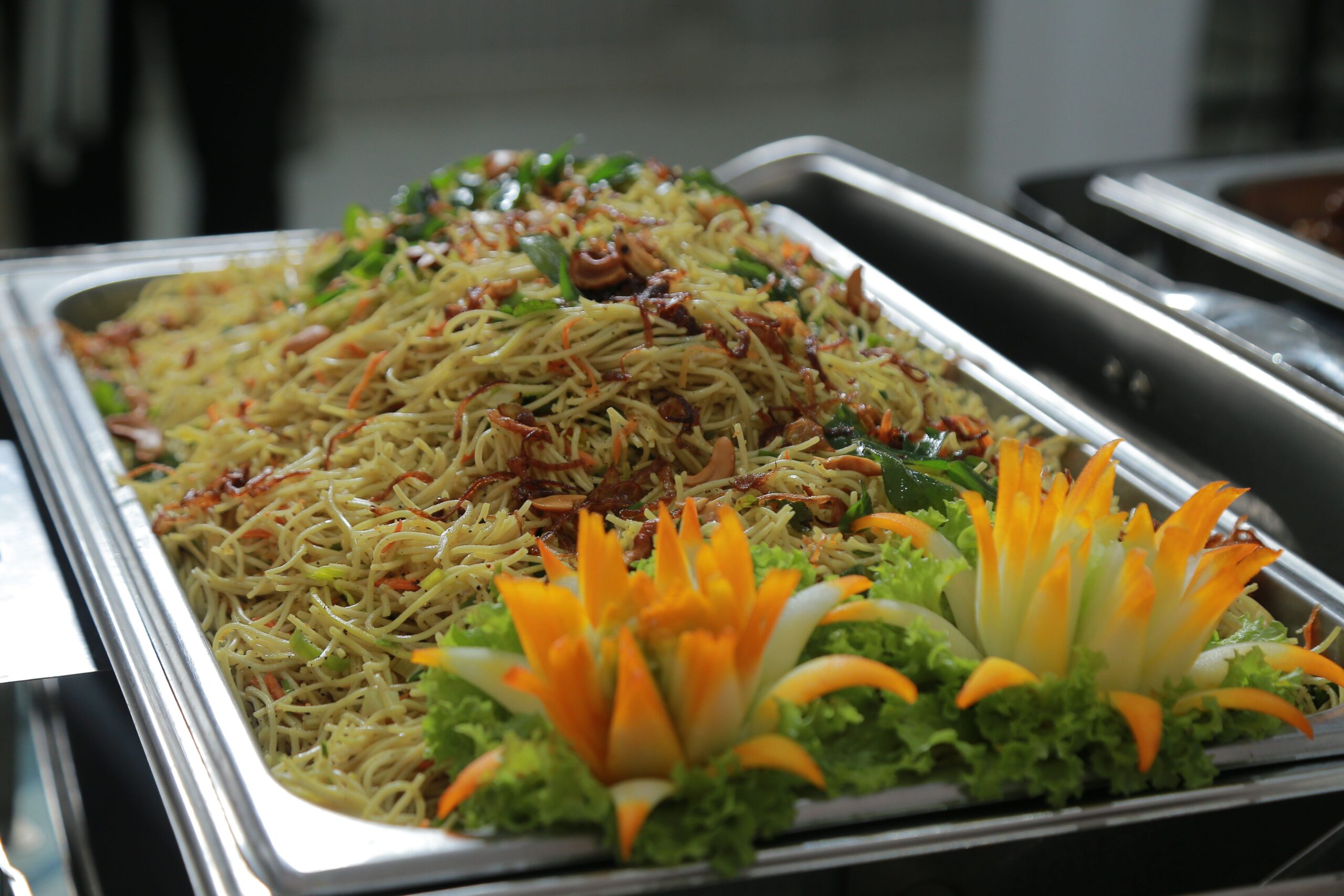
Sri Lankan food has a style all its own, even if it is sometimes loosely grouped with South Indian cooking. Rice is central, but what surrounds it is where the cuisine becomes especially distinctive: coconut in many forms, layered spice blends, and relishes that bring heat, sourness, and crunch.
A classic rice and curry meal includes several separate preparations, not just one curry. You might see dhal, fish curry, mallung made with greens and coconut, sambols, and pickles, each adding a different texture and flavor.
Hoppers are another strong visual choice for a gallery, especially egg hoppers with their bowl-like shape and crisp edges. They show how Sri Lankan cuisine can be both visually striking and built around everyday technique.
Ethiopian cuisine
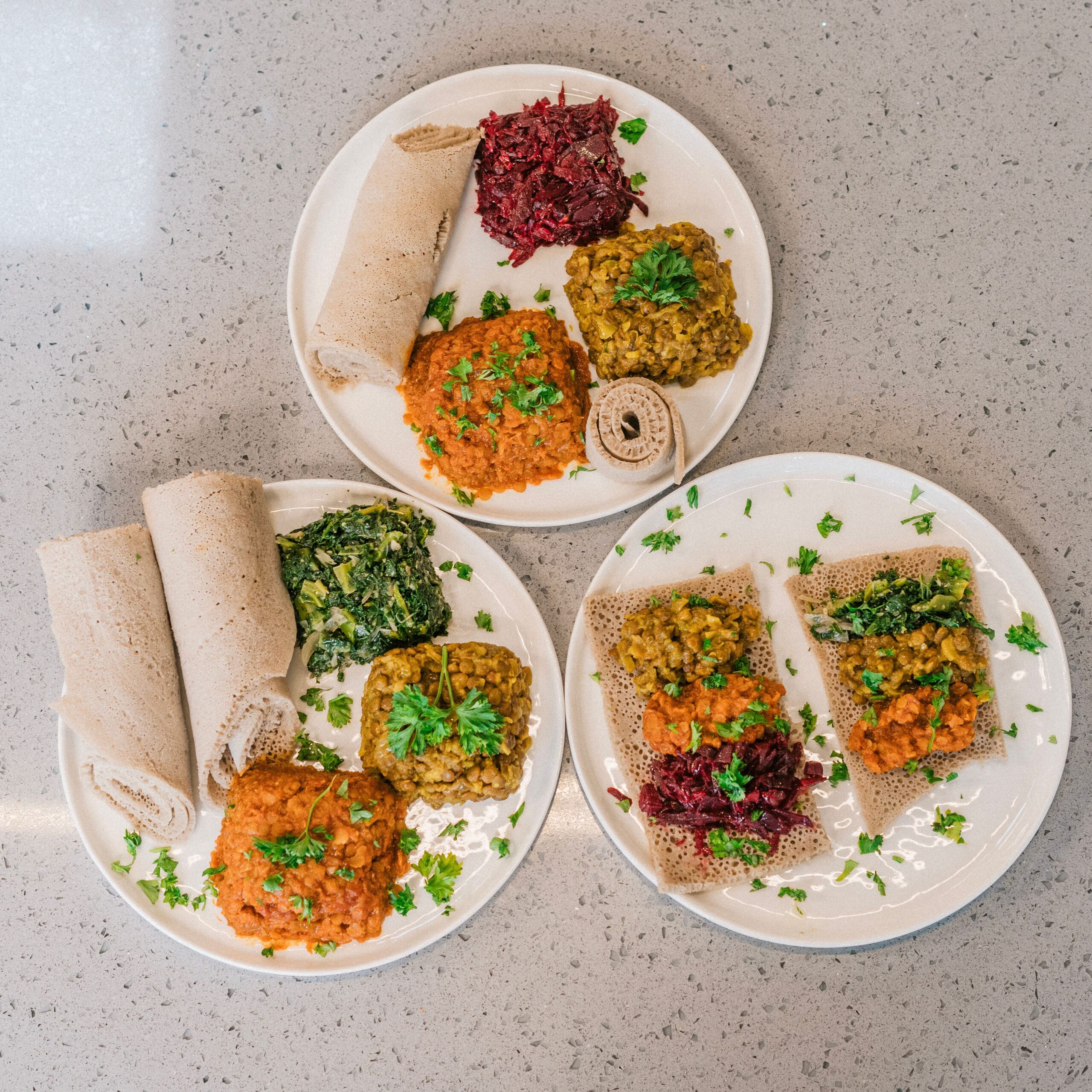
Ethiopian cuisine is often introduced through injera, the sour, spongy flatbread that acts as both plate and utensil. Made traditionally from teff, it anchors meals built around shared dishes, from slow-cooked stews to sautéed vegetables and legumes.
What makes the cuisine memorable is the structure of the meal as much as the flavors. Diners tear pieces of injera and use them to scoop up bites of doro wat, misir wat, collard greens, or soft cheese, creating a meal that feels communal from the first bite.
Berbere, a spice blend used in many dishes, brings depth rather than simple heat. A photo of a large platter lined with injera and arranged with colorful stews would instantly communicate the generosity and visual appeal of Ethiopian cooking.
Filipino cuisine
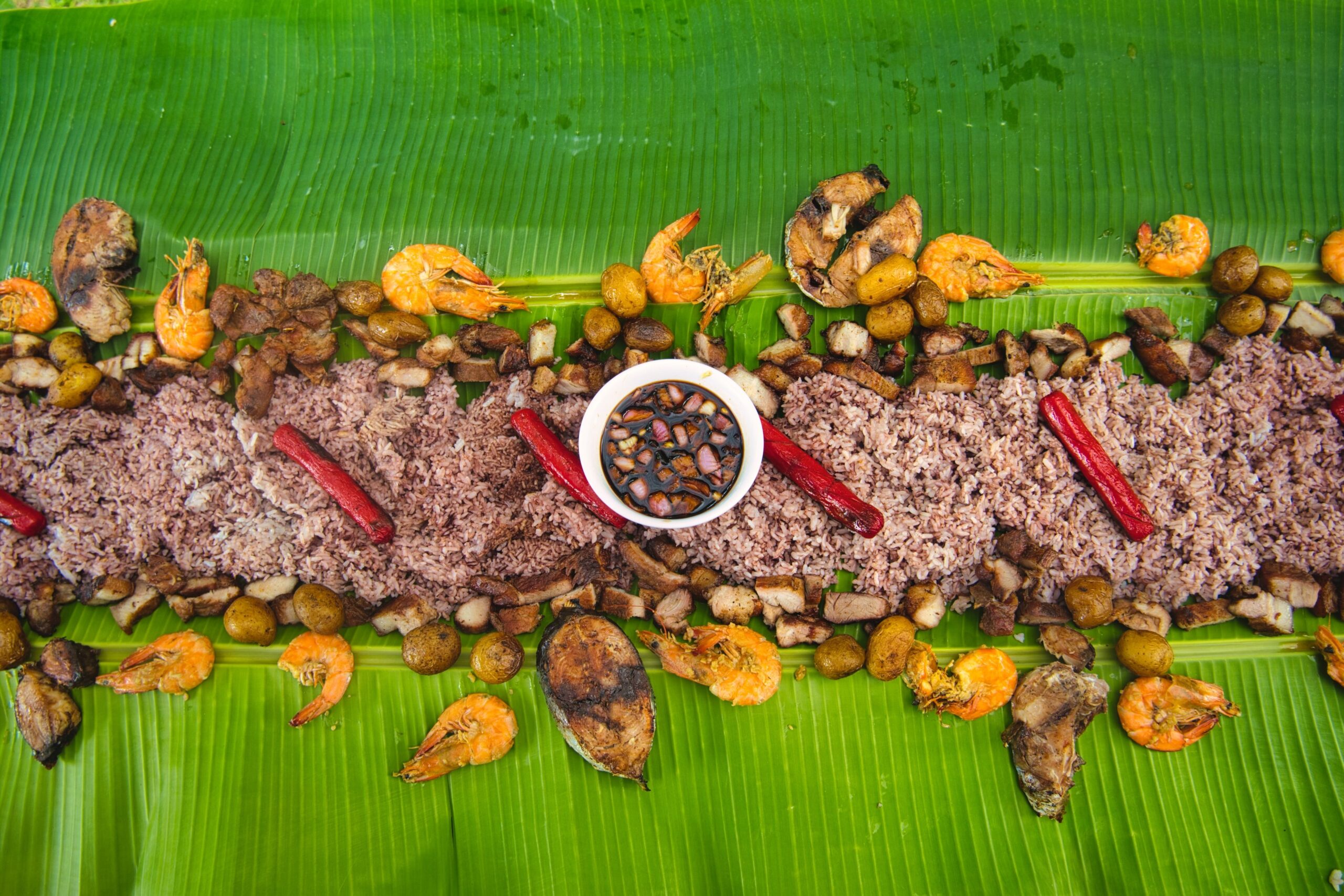
Filipino food is one of the most varied culinary traditions in Southeast Asia, shaped by indigenous practices as well as Spanish, Chinese, and American influences. What ties it together is a strong preference for contrast, especially savory dishes sharpened by vinegar, citrus, or fermented ingredients.
Adobo is often the best-known entry point, but it is far from the whole story. Sinigang offers a sour broth built around tamarind or other tart fruits, while kare-kare brings a rich peanut-based sauce usually paired with bagoong, a fermented condiment that adds salt and depth.
For imagery, lechon, lumpia, or a steaming bowl of sinigang all work well. Filipino cuisine rewards anyone willing to look beyond a single famous dish and pay attention to its balance of brightness, richness, and texture.
Peruvian cuisine
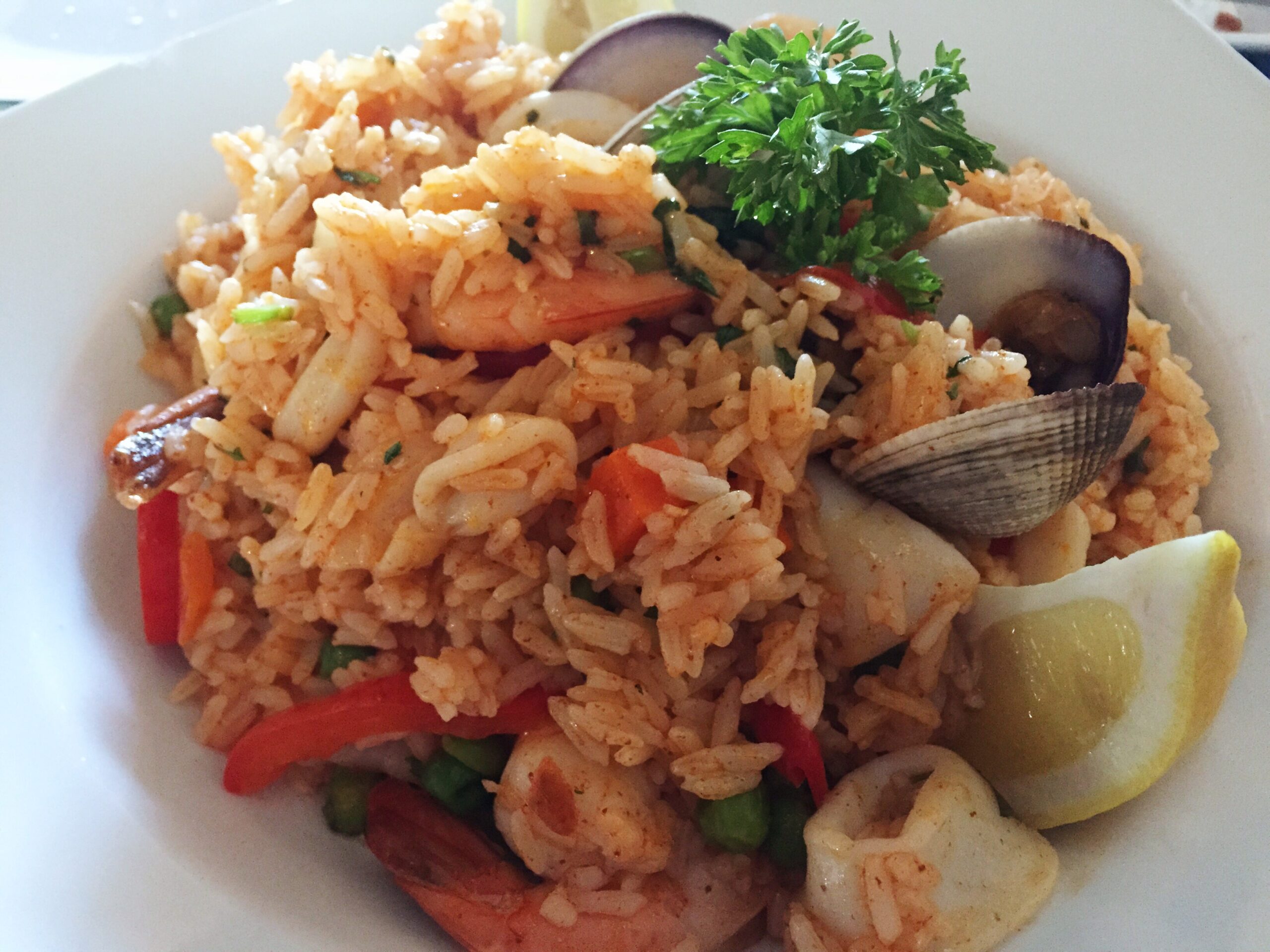
Peruvian cuisine gets more recognition than some others on this list, but many people still know only ceviche. In reality, Peru's food reflects Indigenous traditions alongside Spanish, African, Chinese, and Japanese influences, creating one of the most layered culinary identities in the world.
The country's biodiversity is a major part of that story. Peru is home to thousands of potato varieties, and corn, peppers, and seafood all play central roles depending on the region. A meal on the coast can look entirely different from one in the Andes.
Lomo saltado is a particularly useful slide subject because it shows cultural blending so clearly. The stir-fried beef dish combines soy sauce techniques with ingredients and flavors rooted in Peru, making the cuisine's history visible on the plate.
Lebanese cuisine
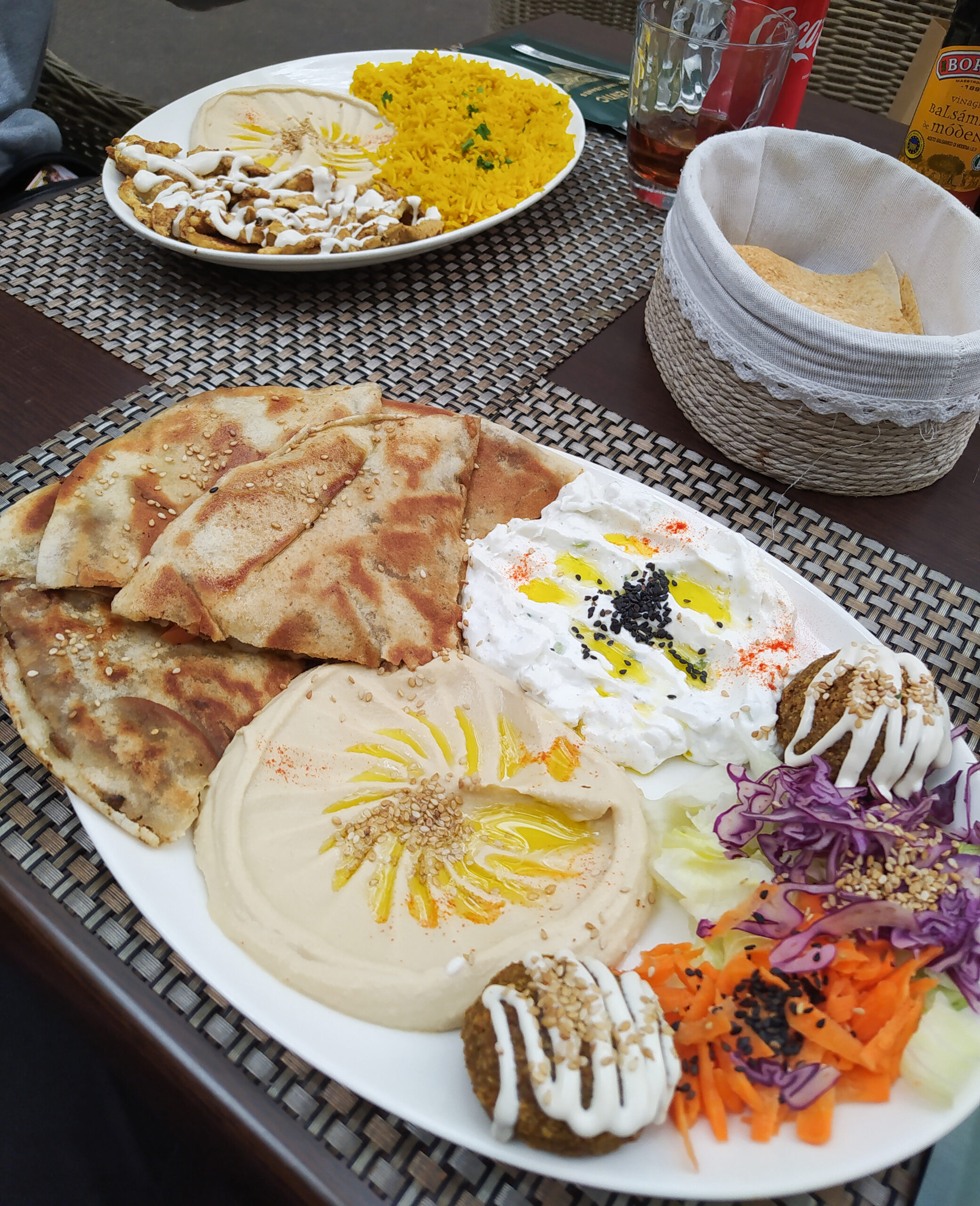
Lebanese food is often reduced to a few globally popular dishes, but the full cuisine is broader and more structured than many casual menus suggest. A traditional spread can move through dips, salads, grilled meats, stews, and sweets with a strong emphasis on freshness and balance.
Mezze is central to that experience. Instead of one large plate, the table fills with smaller dishes such as hummus, moutabal, tabbouleh, kibbeh, labneh, and stuffed grape leaves, encouraging a slower, more social style of eating.
The cuisine also relies heavily on herbs, olive oil, lemon, and grains, which keep even richer foods from feeling heavy. A well-styled mezze table makes an excellent image because it reflects abundance, variety, and the cuisine's gift for contrast.
Malaysian cuisine
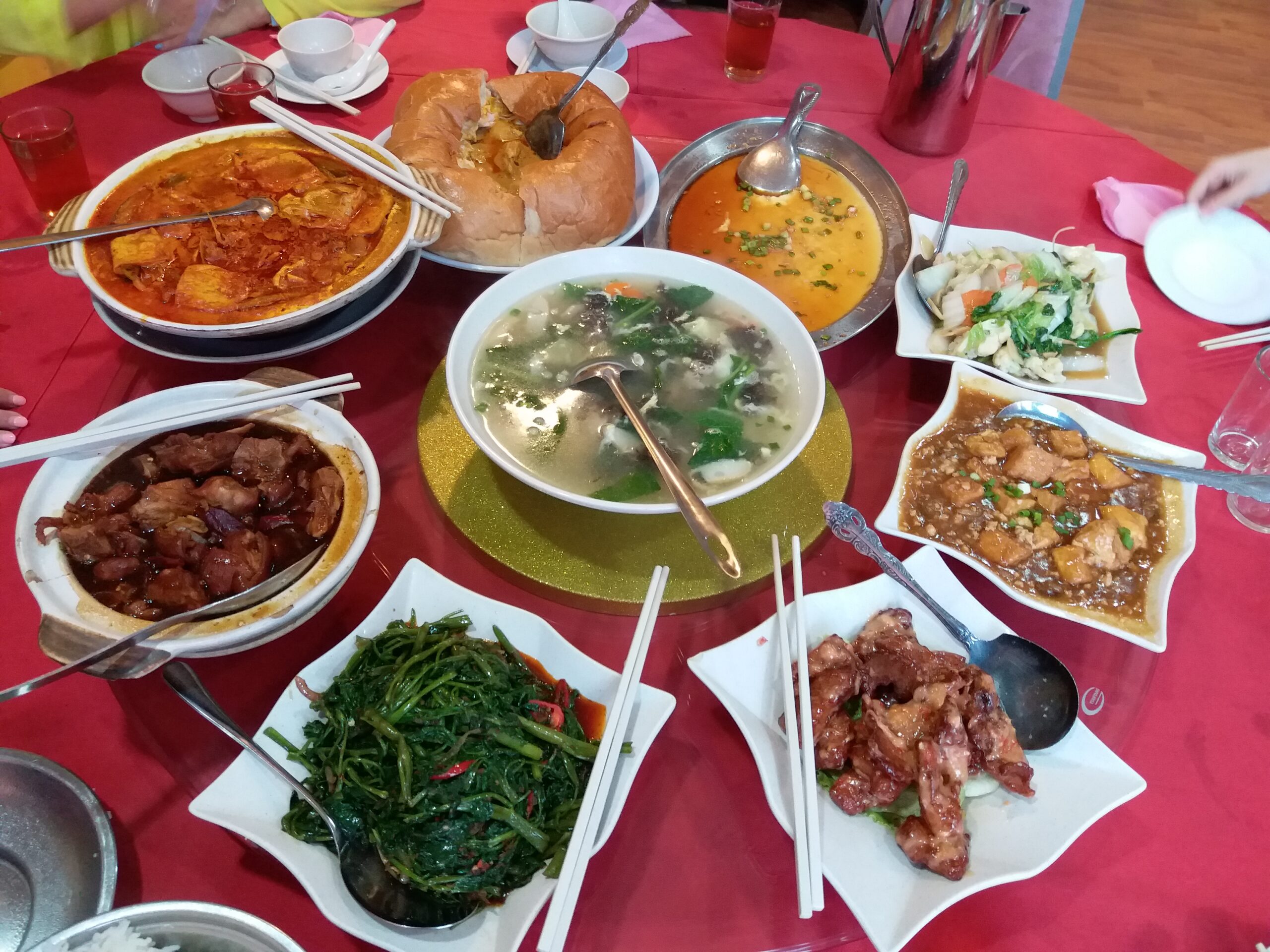
Malaysia's food stands out for its mix of Malay, Chinese, Indian, and regional influences, all interacting in ways that feel natural rather than forced. The result is a cuisine where noodle dishes, curries, grilled meats, and rice preparations all belong comfortably within the same national food identity.
Nasi lemak is a strong example. The dish centers on coconut rice and commonly includes sambal, peanuts, anchovies, cucumber, and egg, showing how sweet, spicy, salty, and rich elements can coexist in one breakfast or anytime meal.
Laksa offers another side of the cuisine, with regional variation built right into the name. Some versions lean creamy from coconut milk, while others turn sharper and more broth-forward, making Malaysian cooking especially rewarding for anyone interested in local food differences.
Armenian cuisine
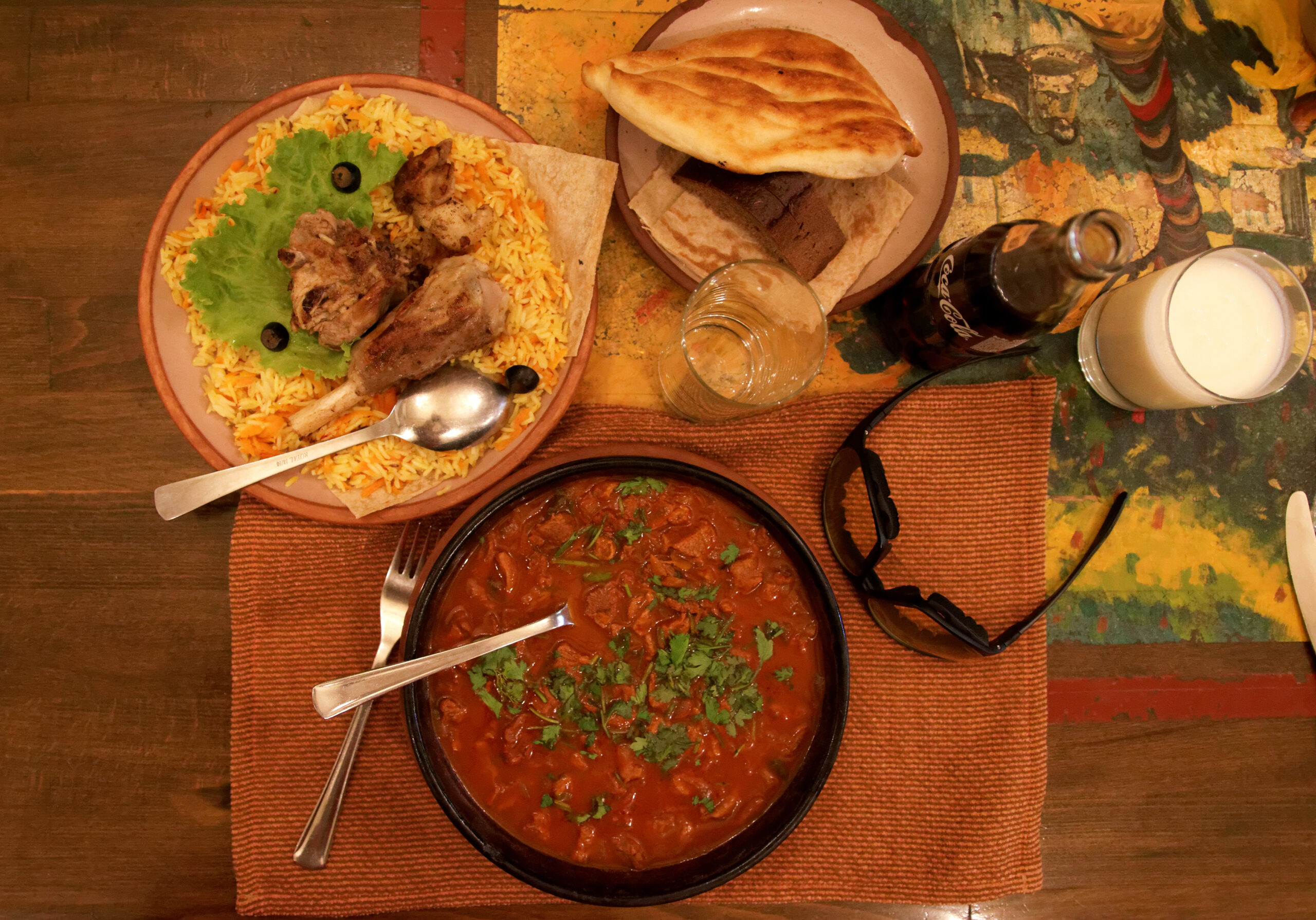
Armenian cuisine is rooted in preservation, seasonality, and hospitality, with dishes shaped by mountain agriculture and a long history of trade and migration. Grains, grilled meats, yogurt, herbs, eggplant, and dried fruits all appear regularly, often in combinations that feel both practical and celebratory.
Lavash, the thin traditional bread baked against the wall of a hot oven, is one of the clearest symbols of the cuisine. It is more than an accompaniment. It wraps meats, catches juices, and becomes part of the meal's rhythm.
A photo of khorovats, Armenia's grilled meat tradition, would also work well because it connects food to gathering. Armenian cooking tends to shine in settings where the meal is shared slowly, with many small supporting dishes around the main plate.
Senegalese cuisine
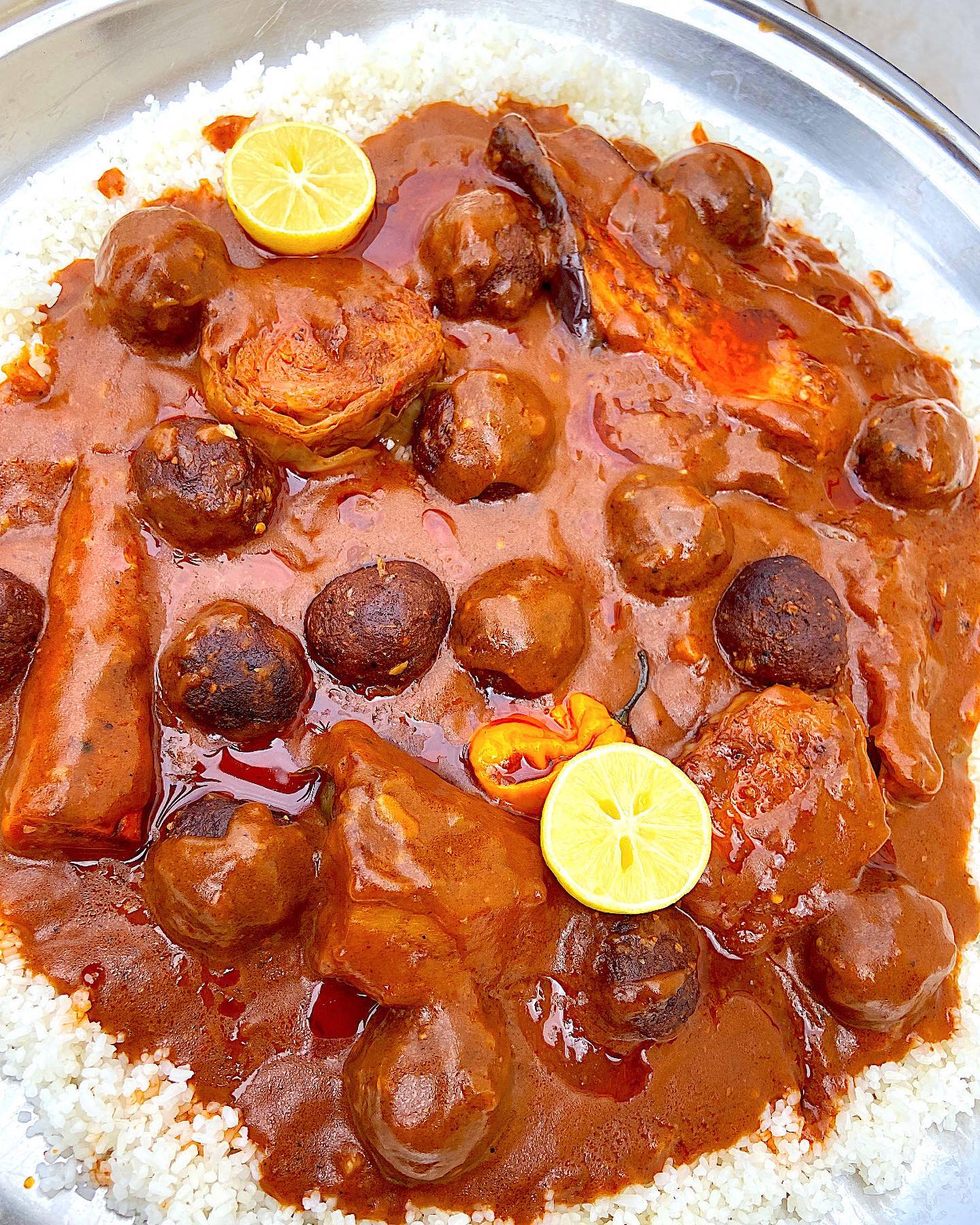
Senegalese cuisine deserves far more attention in global food conversations, especially given how influential it has been in West Africa. Rice, fish, peanuts, millet, and vegetables are common foundations, and many dishes build flavor through long simmering rather than heavy seasoning alone.
Thieboudienne is the country's best-known national dish and a strong candidate for a gallery image. It typically combines fish, rice, and vegetables in a single pot, with the rice absorbing both broth and seasoning as it cooks.
The cuisine also includes yassa, known for its onion-heavy, tangy profile, and mafé, a peanut-based stew found in different forms across the region. Senegalese food often delivers its payoff through depth and comfort, not through flash, which is part of its appeal.
Uyghur cuisine
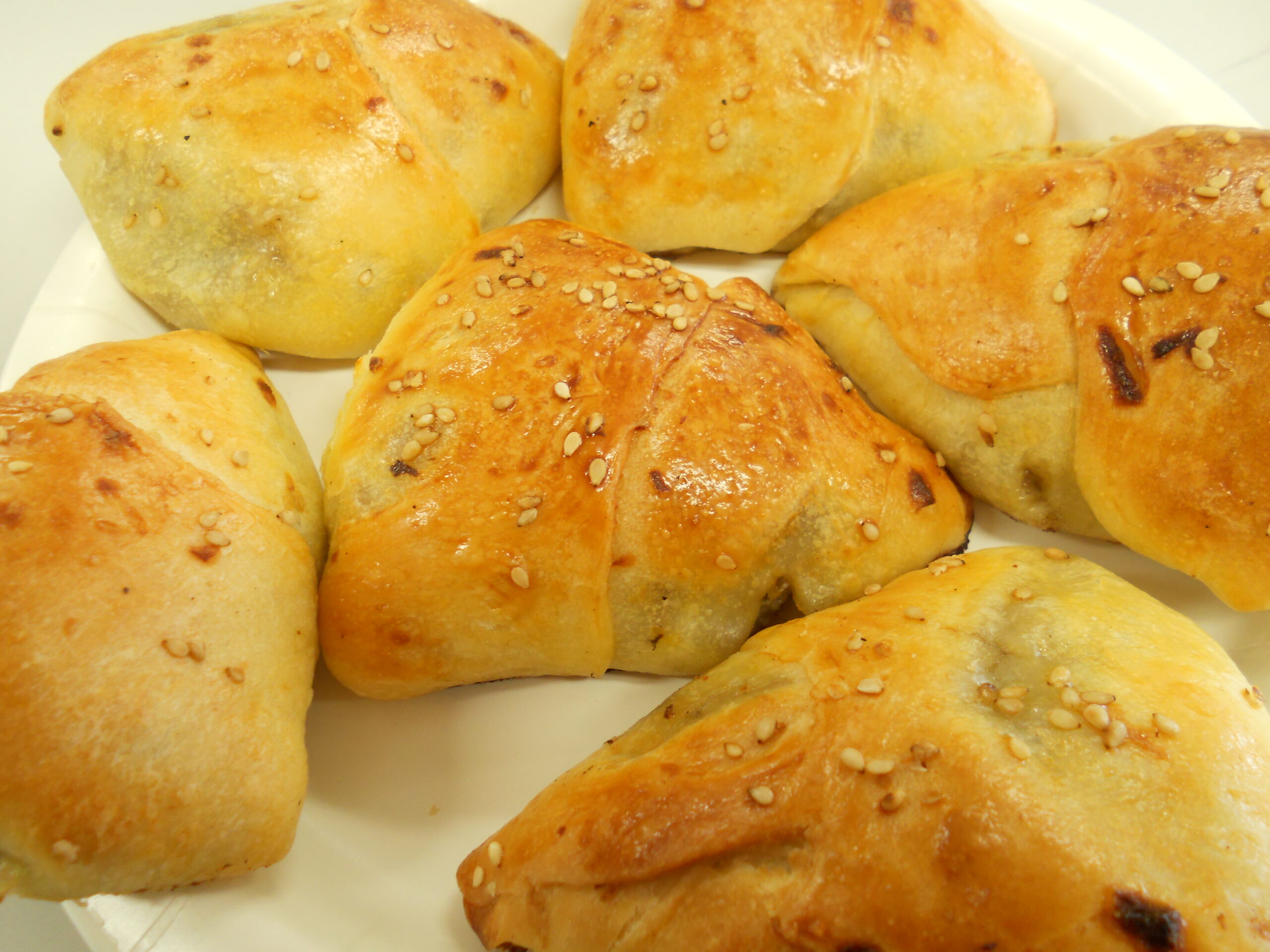
Uyghur cuisine comes from the Xinjiang region and reflects Central Asian, Chinese, and Silk Road influences. It is especially compelling for its use of hand-pulled noodles, roasted meats, flatbreads, and cumin, with meals that often feel robust and highly aromatic.
Laghman, a noodle dish served with stir-fried vegetables and meat, shows the cuisine's strengths clearly. The noodles themselves are part of the attraction, bringing chew and structure that change the whole dish.
Another visual standout is polo, a rice dish cooked with meat and carrots, or skewers of cumin-spiced lamb. Uyghur cooking is a reminder that some of the world's most interesting food traditions come from regions better known in history classes than on restaurant menus.
Oaxacan cuisine

Oaxaca is a region rather than a country, but its cuisine is so distinct that it earns a place on any list like this. Often called a major culinary center of Mexico, it is known for moles, tlayudas, tamales, chocolate, and a wide range of corn-based foods.
Mole is especially important here because it is not one sauce but a family of sauces with different ingredients and methods. Some versions take many components and substantial time, resulting in flavors that unfold gradually instead of hitting all at once.
Tlayudas make a great image choice because they are visually clear and easy to read in a photo. The large toasted tortilla, often topped with beans, cheese, meat, and vegetables, introduces Oaxacan food as both deeply regional and immediately inviting.
Iranian cuisine
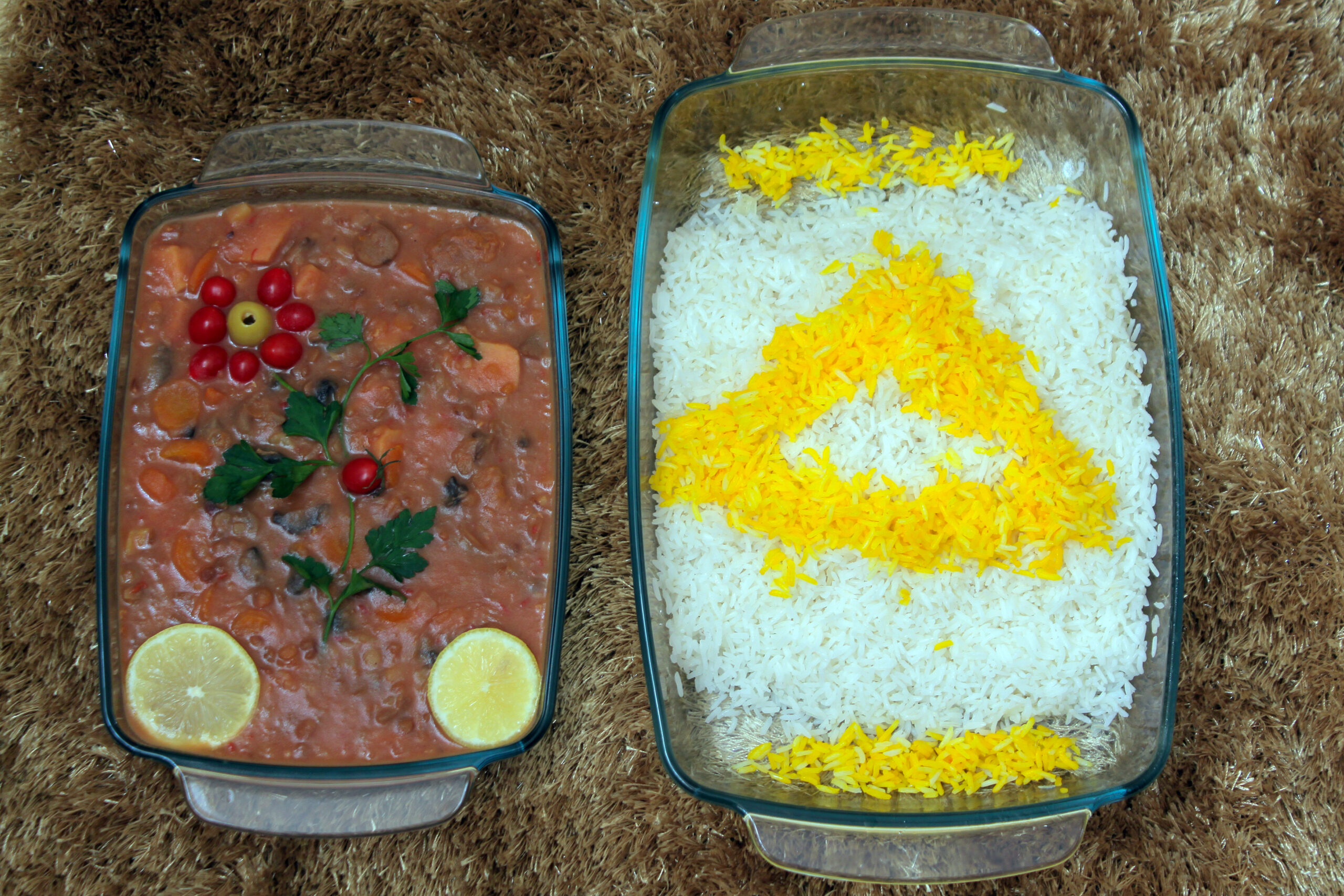
Iranian cuisine is remarkably elegant in the way it uses herbs, rice, fruit, saffron, and slow cooking to build flavor. It is less about aggressive spice than about precision, fragrance, and balance, with meals that often combine savory elements with sweetness or acidity.
Rice is a central art form, not a side detail. Techniques that create tahdig, the prized crisp layer at the bottom of the pot, are part of what makes the cuisine so memorable. Stews such as ghormeh sabzi and fesenjan show equal attention to patience and proportion.
A closing slide on jeweled rice would leave the gallery on a strong note. Studded with ingredients such as nuts and dried fruit, it reflects the visual beauty and layered flavor that make Iranian cooking one of the world's most rewarding cuisines.




Leave a Reply