
A Canadian farmers market is one of the few places where "fresh" usually means picked very recently, not shipped across provinces or borders. If you want better flavour, stronger value, and a closer connection to where your food comes from, these are the items worth buying there first.
Strawberries

Few grocery store strawberries can match the flavour of berries sold within a day of picking. In Canada, local strawberries are often harvested at peak ripeness because farmers do not need to protect them for a long shipping journey. That single difference changes everything, from sweetness to aroma to texture.
At a farmers market, you are also more likely to find regional varieties that never appear in large chains. Many of these softer berries bruise too easily for commercial distribution, yet they are often the most intensely flavoured. Ontario and Quebec growers, for example, frequently bring short-season berries that taste far richer than standard supermarket stock.
There is also a practical advantage. Because the fruit has travelled less and spent less time in cold storage, it is often fresher when you take it home. Buy a basket in season and you can usually smell the difference before you even taste it.
Tomatoes
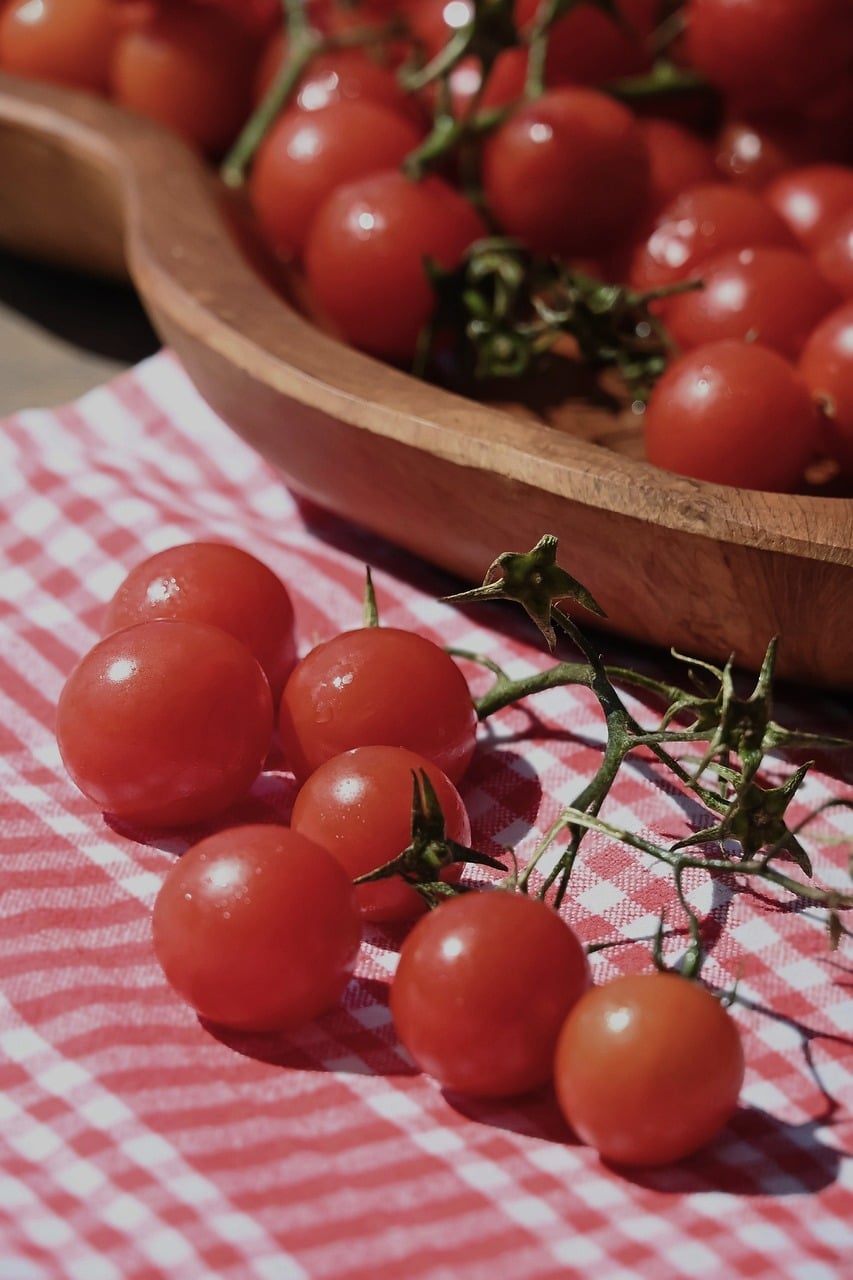
Tomatoes are one of the clearest examples of why local buying matters. Grocery store tomatoes are often bred for firmness, uniformity, and transport durability, which can come at the expense of flavour. Farmers market tomatoes, by contrast, are usually grown for taste first.
That means you may see imperfect shapes, mixed colours, and heirloom varieties with thin skins and soft flesh. Those qualities are not flaws. They are often signs that the tomato was allowed to ripen properly on the vine, developing more sugar, acidity, and complexity before harvest.
Canadian summer markets also offer variety that chain stores rarely match. Beefsteak, cherry, Roma, striped heirloom, and deeply ribbed heritage types each bring something different to salads, sandwiches, and sauces. If you only switch one grocery item to market-bought in summer, tomatoes should be high on the list.
Corn

Sweet corn loses quality quickly after harvest because its natural sugars begin converting to starch almost immediately. That is why market corn often tastes dramatically better than corn that has spent days in transport, storage, and display. The shorter the time from field to kitchen, the sweeter the cob.
In many Canadian regions, market vendors pick corn early in the morning and sell it the same day. That freshness gives you plumper kernels, better snap, and more sweetness without needing much preparation. Often, simple boiling or grilling is enough because the corn already has the flavour people want.
You also gain seasonal confidence. When corn appears at a local market, it is usually there because conditions are right in your area, not because it was imported to fill shelf space. That often makes the purchase both tastier and more aligned with the natural growing cycle.
Leafy Greens
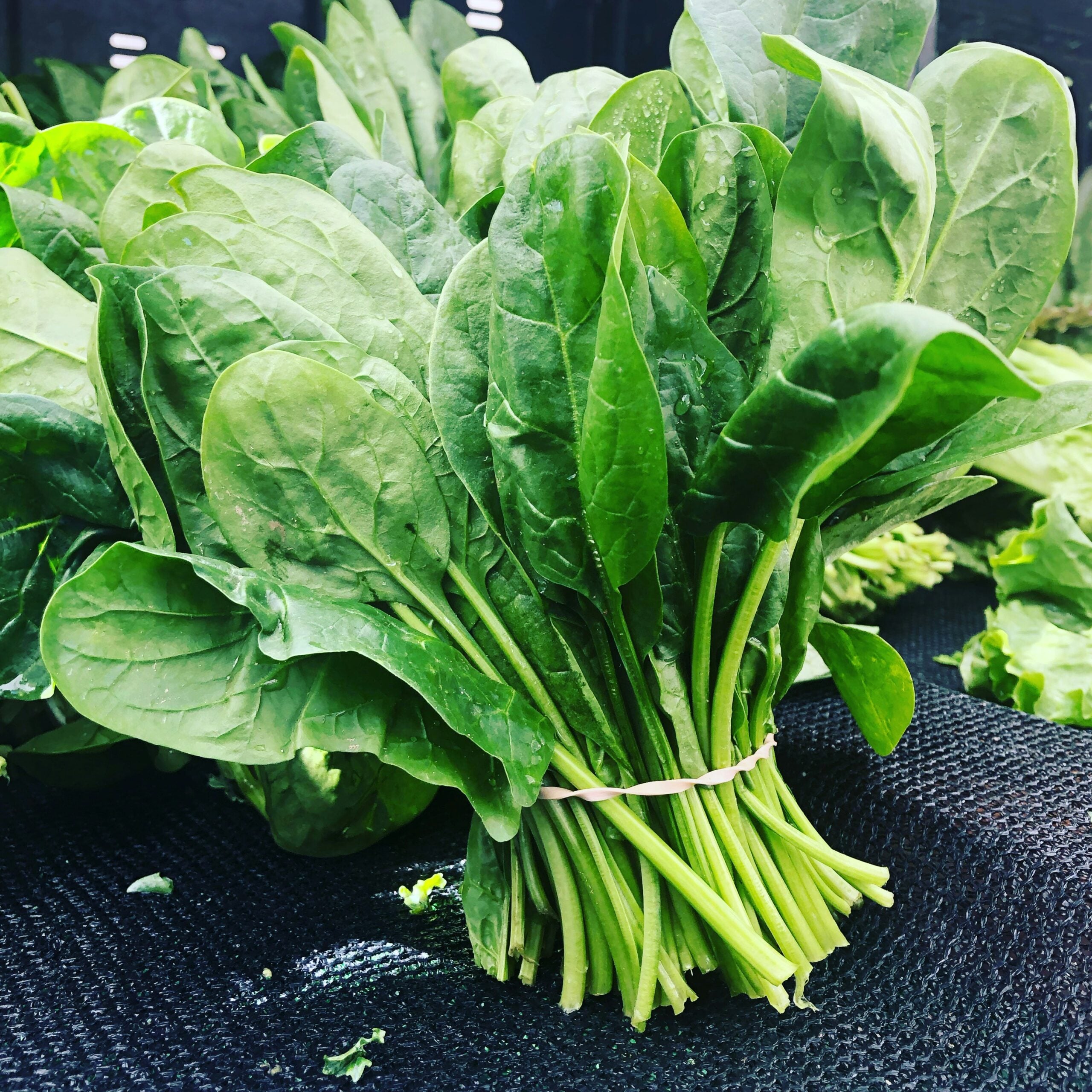
Leafy greens are fragile, and that fragility matters. Lettuce, spinach, arugula, Swiss chard, and kale all begin losing texture and visual appeal soon after harvest. A farmers market gives you a far better chance of buying greens that were picked recently enough to stay crisp in your fridge.
This matters for both taste and waste. Fresher greens are less likely to turn slimy within a day or two, which means more of what you buy actually gets eaten. Many shoppers have experienced the disappointment of opening a store-bought plastic clamshell only to find browning leaves already starting to collapse.
Market greens also tend to be more varied. Instead of choosing between a few standard options, you may find peppery mustard greens, baby bok choy, living lettuce, microgreens, or mixed salad blends harvested for local chefs. That variety can make everyday meals feel noticeably fresher and more interesting.
Eggs
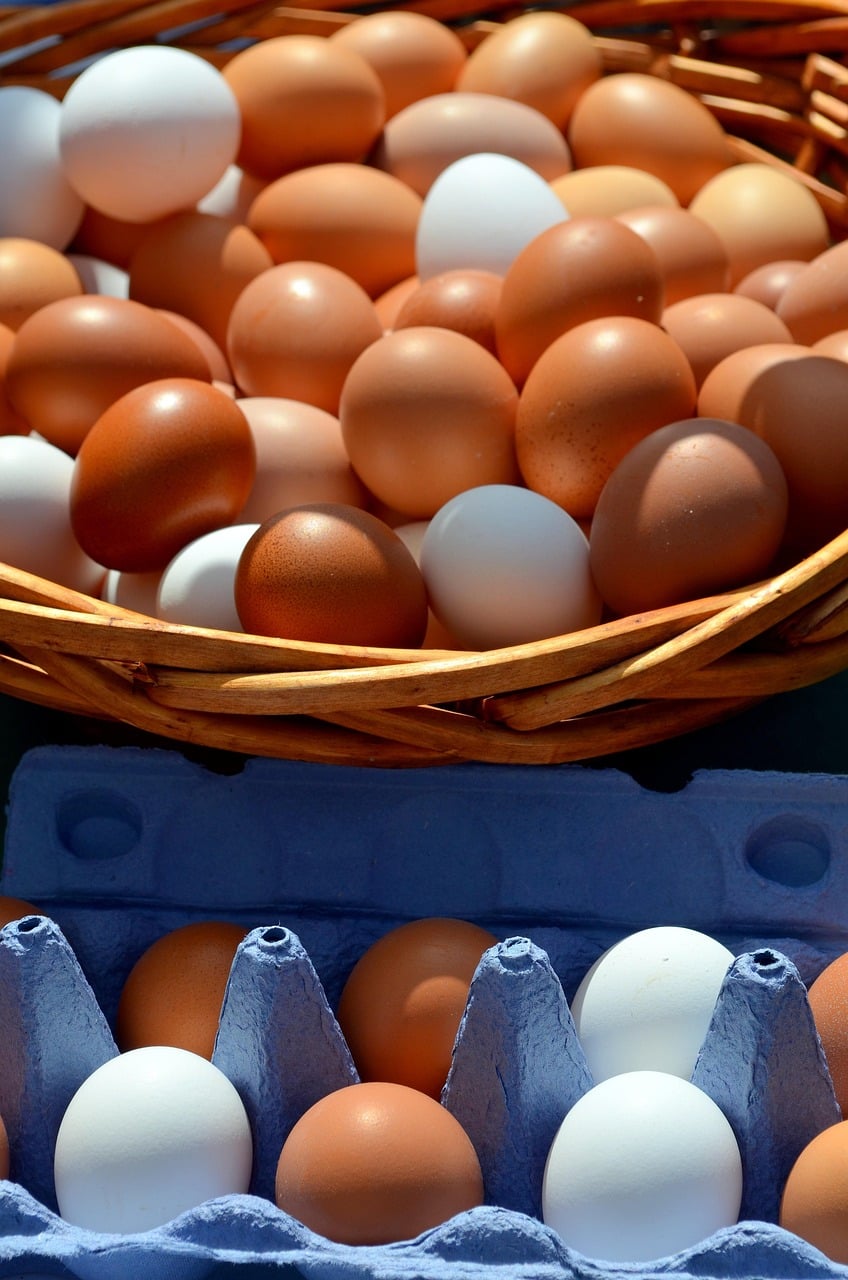
Eggs from a Canadian farmers market are often fresher than supermarket cartons, and freshness affects more than people realize. A fresher egg usually has a firmer white, a rounder yolk, and better structure in the pan. For baking, poaching, and frying, that can make a visible difference.
Another reason market eggs stand out is transparency. You can often ask the producer directly how the hens are raised, what they are fed, and how often the eggs are collected. That level of access is hard to replicate in a grocery aisle crowded with labels that can be confusing or inconsistently understood.
Flavour is part of the appeal too. While feed and breed influence taste and yolk colour, many shoppers notice richer yolks and a fresher overall quality from local eggs. For a staple that many households buy weekly, that upgrade is easy to appreciate.
Honey

Honey is more than a sweetener, and local markets often prove that quickly. Grocery stores usually carry highly standardized products designed for consistency, while farmers markets may offer honey that reflects specific floral sources, regions, and seasons. The result is more character in both taste and aroma.
In Canada, depending on the province and the time of year, you might find wildflower, clover, buckwheat, or basswood honey with very different colour and flavour profiles. Buckwheat honey, for instance, is darker and bolder than the lighter honey many shoppers are used to seeing on chain store shelves.
Buying from beekeepers also gives you a chance to learn about harvesting methods, crystallization, and seasonal conditions. Many people wrongly assume crystallized honey has spoiled, when in fact it is often a sign of minimal processing. At a market, that kind of practical education comes with the jar.
Potatoes
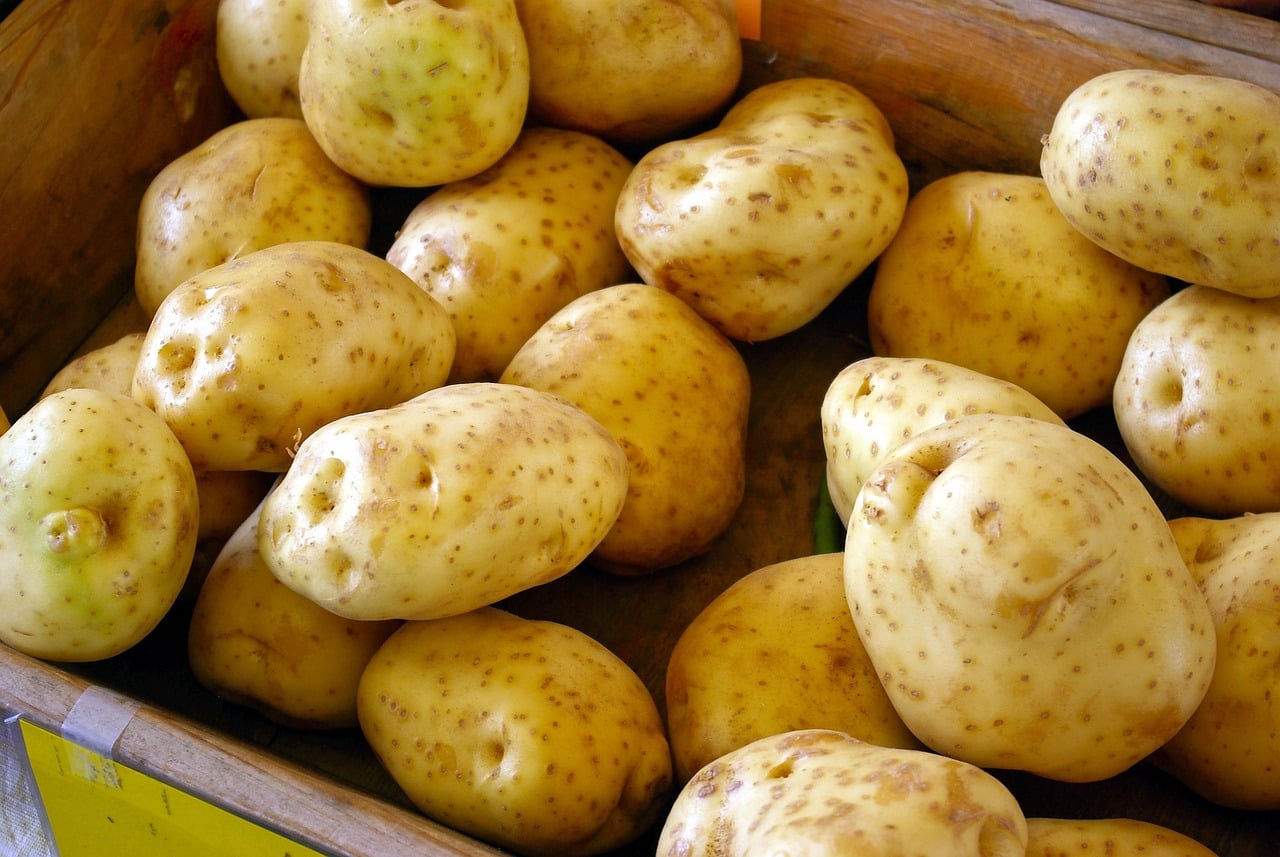
Potatoes may not seem exciting, but market potatoes are often superior in ways that matter in the kitchen. Freshly harvested potatoes can have better texture, thinner skins, and stronger flavour than those that have sat for long periods in commercial storage. That is especially noticeable in new potatoes.
Farmers markets also introduce buyers to types beyond the usual white, russet, and red choices. Fingerlings, yellow-fleshed varieties, blue potatoes, and waxy salad potatoes all perform differently when roasted, boiled, mashed, or fried. A vendor can usually tell you exactly which one works best for your recipe.
That guidance has real value. Instead of guessing in a supermarket aisle, you get information from someone who grew the crop or knows it closely. For cooks who care about getting the best result from simple ingredients, potatoes are an unexpectedly smart market purchase.
Carrots
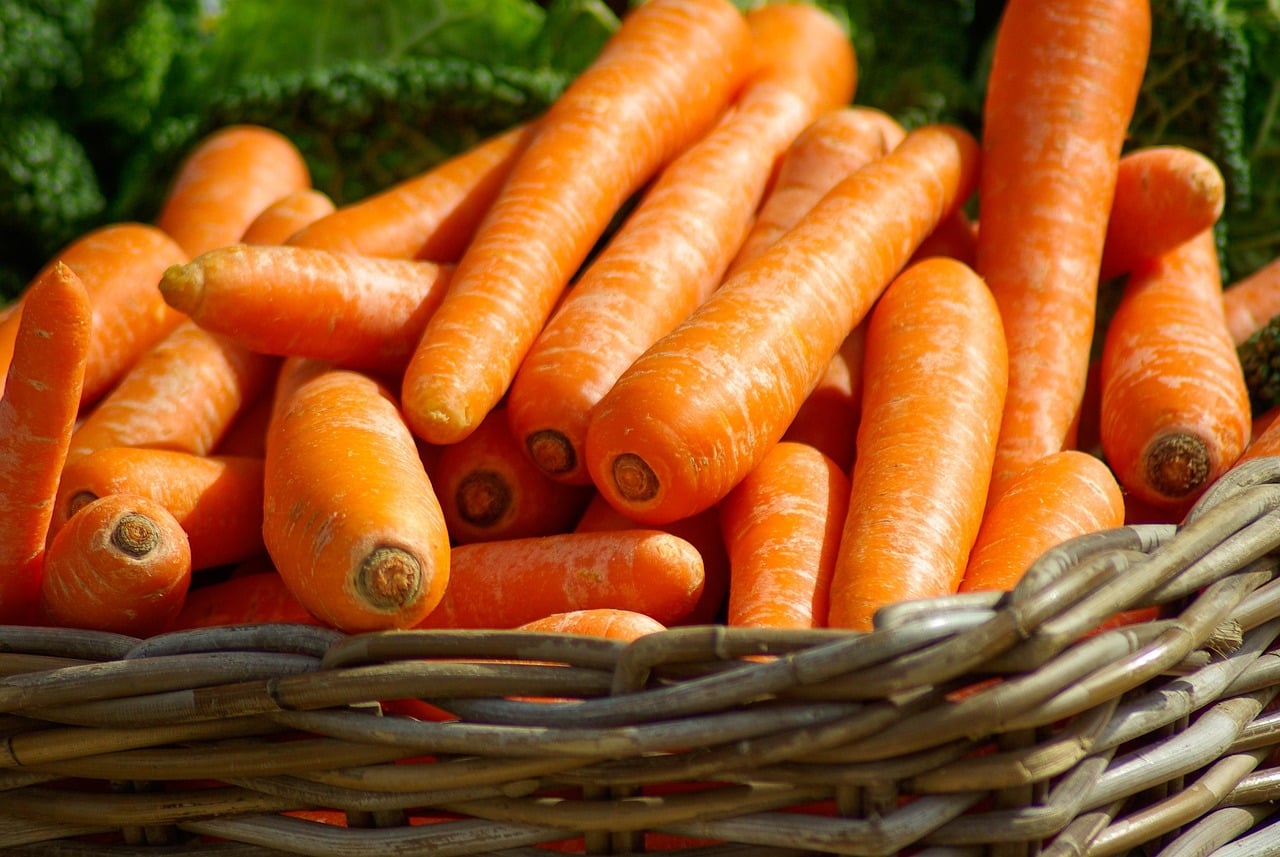
A truly fresh carrot tastes sweeter, earthier, and more alive than the average bag from a chain store. Much of that appeal comes from harvest timing. When carrots are sold soon after being pulled from the ground, they hold their natural moisture better and often have a firmer, cleaner snap.
At many Canadian farmers markets, carrots are sold with their greens still attached, which is often a sign of freshness. While the tops are not always left on for storage at home, seeing them tells you the roots have likely not spent long in warehouses or packaging systems.
Variety also matters here. Purple, yellow, white, and slender Nantes-style carrots can all offer different levels of sweetness and texture. If you roast vegetables regularly or pack raw snacks for lunches, market carrots are one of the easiest upgrades you can make.
Apples
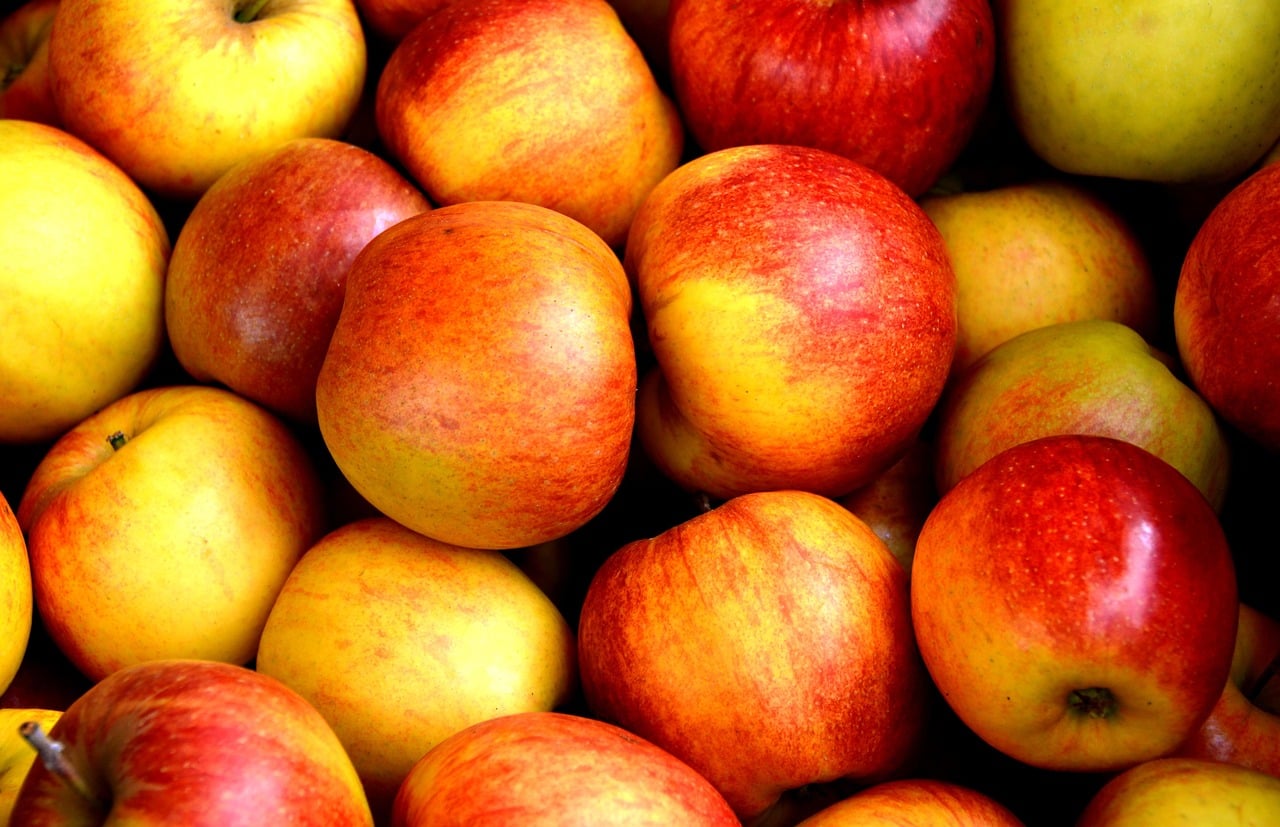
Canada grows excellent apples, and farmers markets are one of the best places to experience that range properly. Supermarkets usually focus on a narrow group of durable, high-volume varieties. Markets often offer cultivar diversity, including regional favourites and heritage apples with more distinctive flavour.
That variety matters because not all apples are meant for the same use. Some are best for crisp eating, others for pie, sauce, or cider. A market vendor can help you choose between tart, sweet, aromatic, or firm options in a way that a produce label at a grocery store usually cannot.
Freshness is another advantage. Apples can store well, but recently harvested fruit often has stronger texture and brighter flavour. In peak season, especially in provinces with strong orchard production, market apples can be one of the best-value purchases of the year.
Fresh Herbs
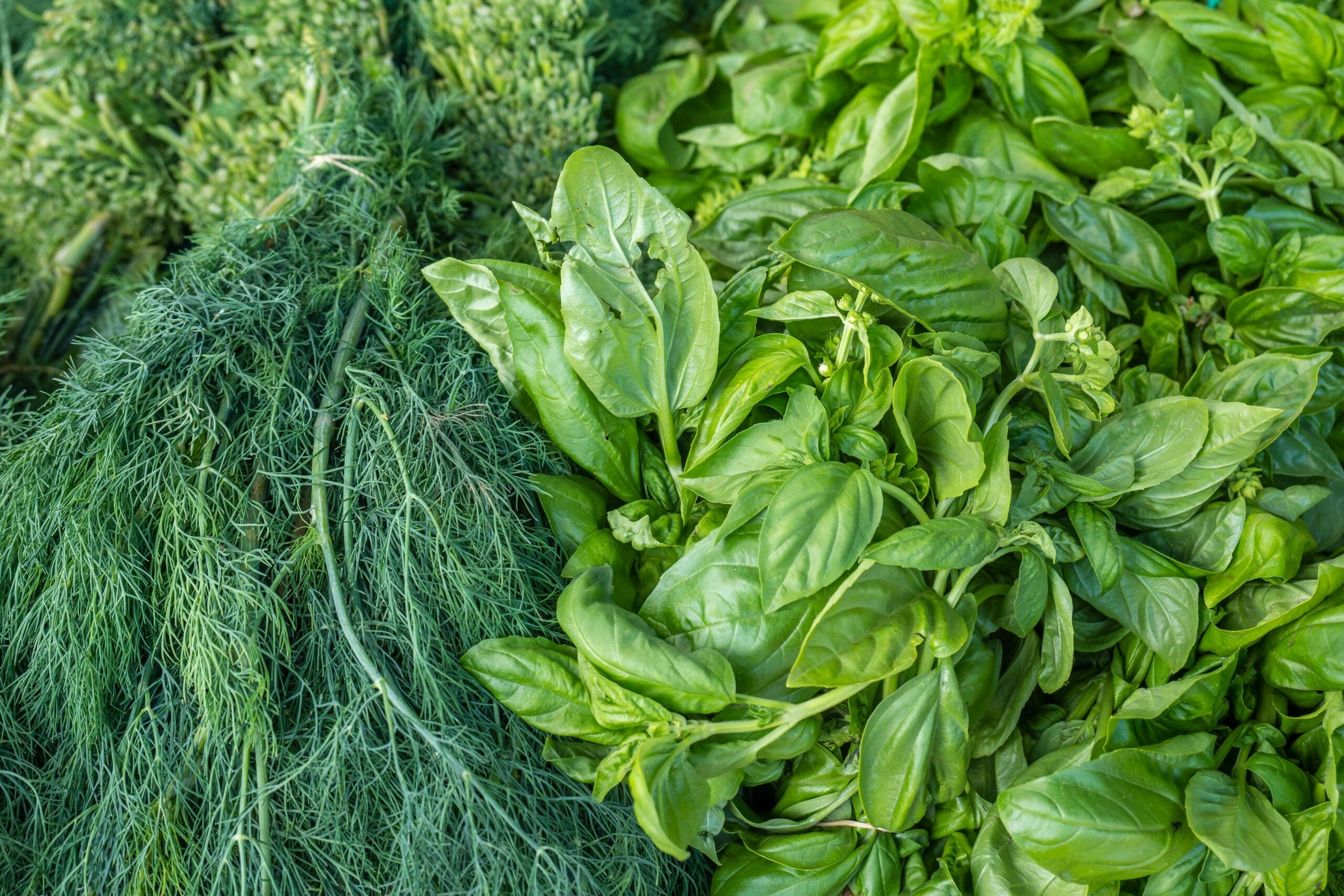
Herbs are among the most overpriced and underwhelming grocery items many shoppers buy. A small plastic pack of basil, dill, parsley, cilantro, or mint can be expensive, and it may already be fading by the time you get home. At a farmers market, herbs are often fresher, fuller, and more fragrant.
That difference comes from short handling times and less packaging. Tender herbs lose aroma quickly, so a bunch cut recently will usually have far more culinary impact. If you cook soups, salads, marinades, or grain dishes, fresh herbs from a market can lift an entire meal with very little effort.
You may also find herbs that are harder to source in chain stores, such as lovage, lemon verbena, garlic scapes, or multiple basil varieties. For home cooks who want better flavour without buying specialty products, herbs are one of the strongest arguments for shopping local.
Cheese and Dairy
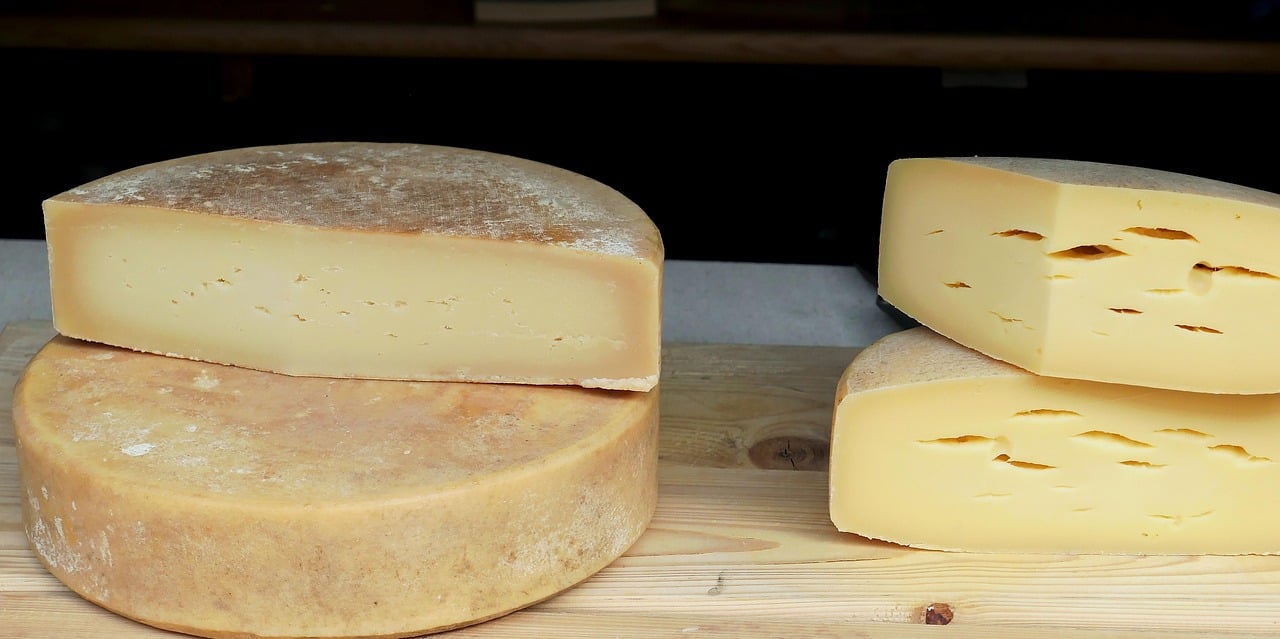
When local cheese and dairy producers sell at farmers markets, they often bring products with a sense of place that supermarket selections cannot always match. Small-batch butter, yogurt, kefir, and artisan cheeses may be made from milk sourced nearby and crafted in limited quantities.
That smaller scale can encourage higher differentiation. You may find washed-rind cheeses, fresh chèvre, cheddar curds, or cultured butter with more distinctive flavour than mass-market options. In Quebec, Ontario, British Columbia, and Atlantic Canada, local dairy artisans have built especially strong reputations for quality.
Equally important, markets allow direct conversation. You can ask how a cheese was aged, what milk was used, and how to serve it. That personal knowledge helps buyers make better choices and often leads to discovering products a grocery store would never stock.
Maple Syrup

If there is one Canadian product that belongs at a farmers market, it is maple syrup. Buying directly from producers often means getting syrup with clear grading, seasonal character, and trustworthy origin information. It also connects you to one of the country's most iconic food traditions.
Different grades and harvest moments produce different flavour profiles, from delicate and light to darker, more robust syrup suited to baking or glazing. Market vendors can explain those differences in practical terms, which is useful if you want more than a generic bottle for pancakes.
Beyond flavour, there is value in authenticity. At a market, you are more likely to learn how the syrup was boiled, filtered, and packed, and whether other maple products are available. For a pantry staple tied so closely to Canadian agriculture, buying direct simply makes sense.




Leave a Reply