
Food arguments spread fast online because they are easy to recognize and hard to resolve. These 12 debates keep resurfacing for a simple reason: each side can point to history, habit, or regional pride and still come away convinced it is right.
Pineapple on pizza
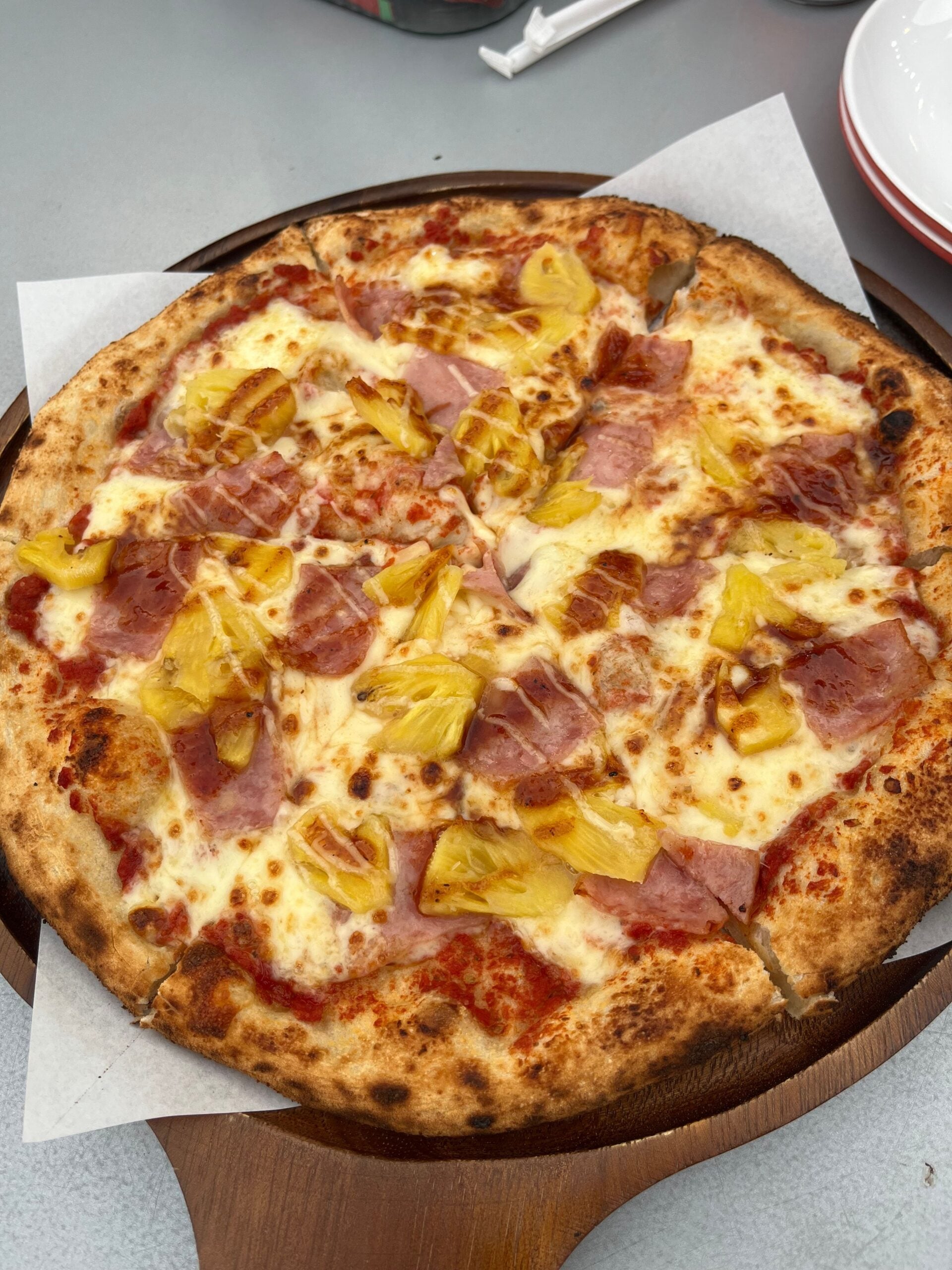
Few modern food arguments are as durable as the fight over pineapple on pizza. The flashpoint is usually Hawaiian pizza, the combination of ham and canned pineapple that was created in 1962 by Sam Panopoulos at the Satellite Restaurant in Chatham, Ontario, according to Panopoulos and multiple interviews he gave later in life. That origin matters because it undercuts the idea that pineapple arrived as an old Italian tradition. It did not. It was a North American experiment.
Supporters usually defend the pairing on balance. Sweet fruit, salty meat, melted cheese and acidic tomato sauce hit several tastes at once, which is one reason sweet savory combinations show up across many cuisines. Critics argue that pizza should stay anchored in a more traditional structure, and that juicy fruit can throw off texture by making the surface watery. In practice, the debate is really about what pizza is allowed to become once it leaves its birthplace.
Ketchup on hot dogs
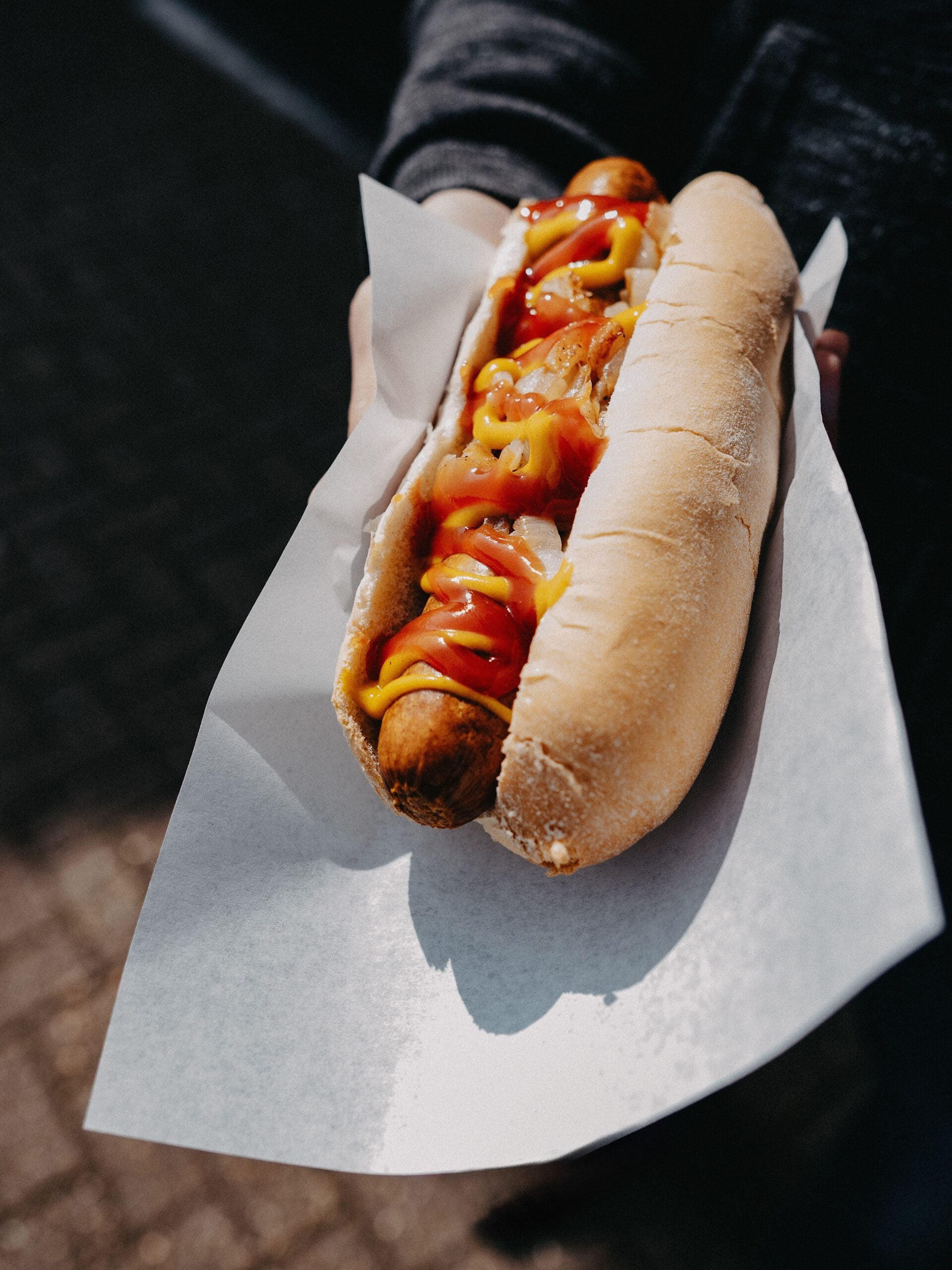
In the United States, ketchup on a hot dog can feel less like a condiment choice and more like a declaration. Chicago style hot dog culture is a major reason. The classic Chicago dog is typically dressed with yellow mustard, relish, chopped onion, tomato, a pickle spear, sport peppers and celery salt on a poppy seed bun. Ketchup is famously absent, and the Chicago History Museum has even highlighted how strongly locals feel about that omission.
The National Hot Dog and Sausage Council has also helped keep the argument alive. Its etiquette guidance has said adults should not top hot dogs with ketchup, particularly after age 18, a rule that is clearly playful but often repeated as if it were law. Outside Chicago, many people see this as overreach and point out that ketchup is one of the most common hot dog toppings in American homes. That split, regional tradition versus everyday habit, keeps the fight going.
Boneless wings versus traditional wings
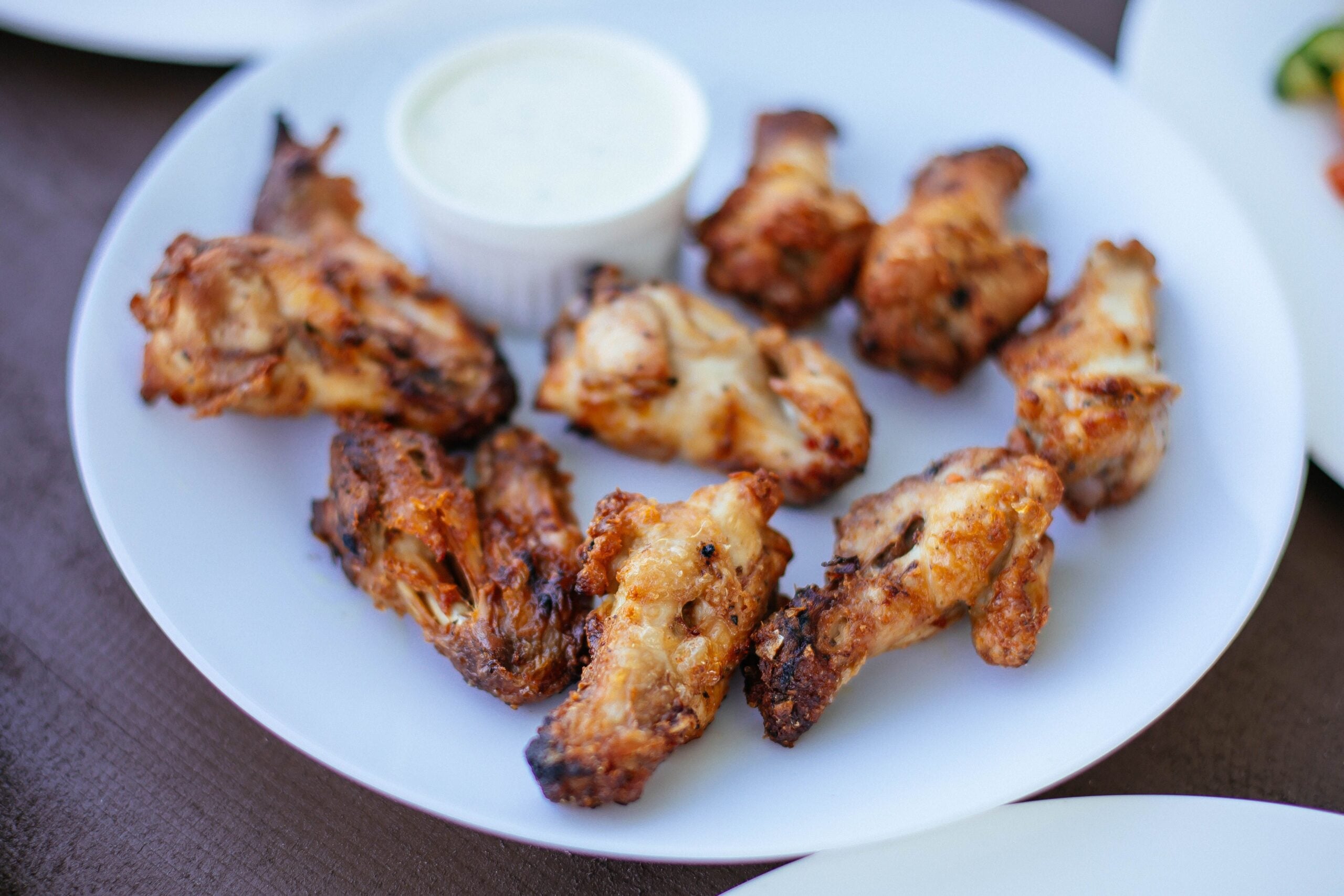
This debate sounds simple until people start arguing over what the word wing is supposed to mean. Traditional buffalo wings are cut from the wing of a chicken, usually separated into flats and drumettes, then fried and coated in sauce. Boneless wings are usually made from pieces of chicken breast meat, breaded and fried. In other words, one side says the label should describe anatomy, while the other says it describes a familiar flavor format.
The argument became legal as well as cultural in 2023, when the Ohio Supreme Court ruled in a case involving boneless wings that a reasonable consumer could understand the term boneless wing as a style of preparation, not a guarantee that no bones are present. That decision gave the internet fresh material. Fans of boneless wings like the easier eating and uniform bites. Critics insist they are closer to chicken nuggets with sauce. Both positions survive because they are really talking about naming, not taste alone.
Chili with or without beans
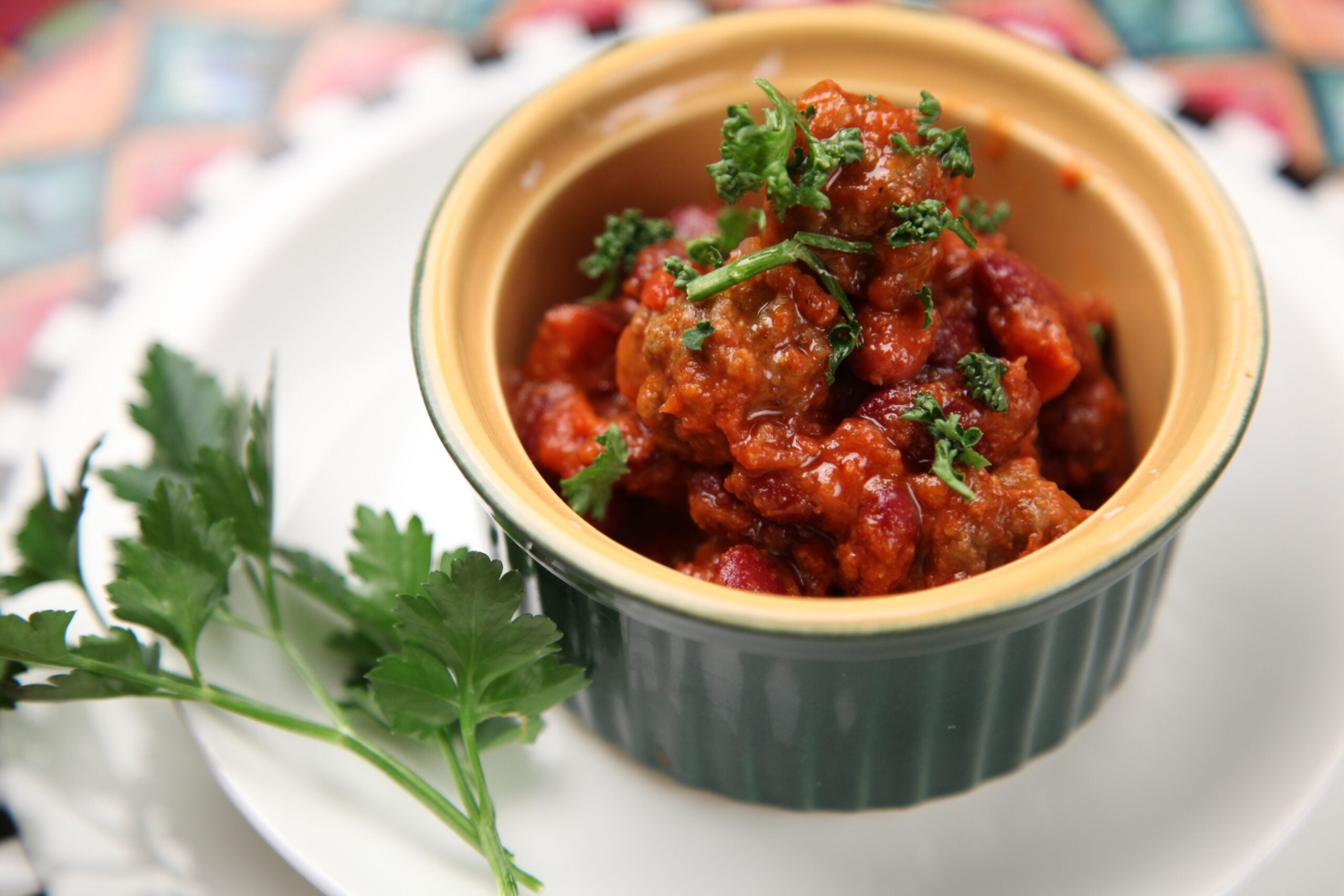
Chili inspires some of the most intense regional loyalty in American cooking. In Texas, many cooks argue that true chili, often called chili con carne, should center on meat and chiles, not beans. That view has deep roots in the state's food culture and in cookoff traditions. The International Chili Society, for example, separates its categories so traditional red chili does not include beans or pasta.
Elsewhere in the United States, beans are common, practical and beloved in chili. They add texture, stretch a pot further and turn the dish into something many families consider complete. That helps explain why supermarket labels, home recipes and restaurant menus often use the same word for different bowls. The online fight persists because each side is defending a different standard. One is protecting a regional definition. The other is defending the version that actually shows up on many weeknight tables.
New York pizza versus Chicago deep dish

This rivalry works because the two styles are so visually and structurally different. New York style pizza is usually large, thin and foldable, with a crisp yet flexible crust and a relatively restrained layer of toppings. Chicago deep dish is baked in a high sided pan, with a thick crust and layers that often put cheese below the sauce. The result is less a minor variation than a different engineering plan.
Chicago deep dish is often tied to Pizzeria Uno, which opened in 1943. New York's pizza identity grew from the city's early 20th century pizzerias shaped by Italian immigration and coal oven baking. Internet arguments often pretend one style must defeat the other, but the styles were built for different pleasures. One is about portability and speed. The other is about heft and drama. People are not only choosing a slice. They are choosing what they want pizza to do.
Crunchy versus creamy peanut butter
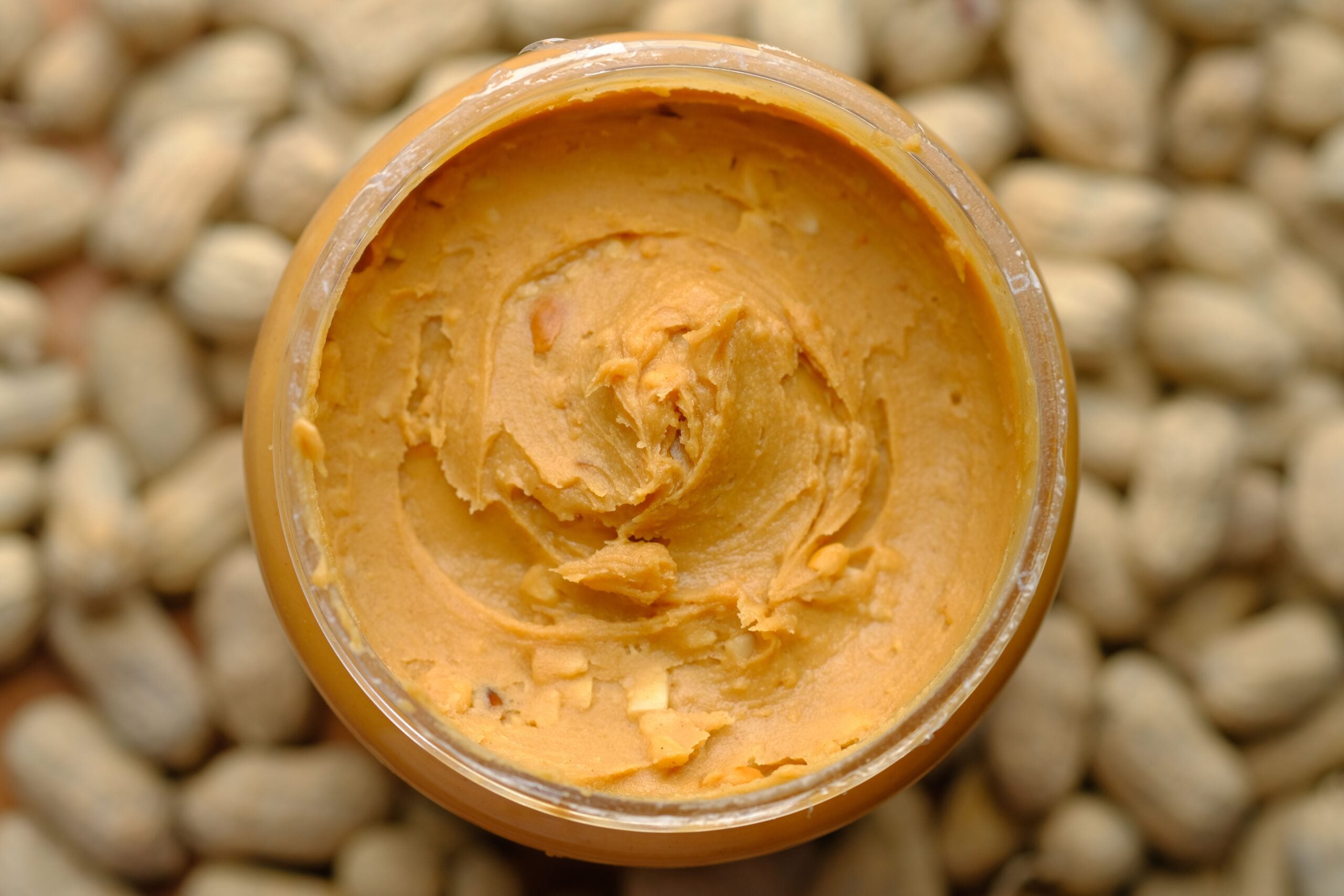
Peanut butter arguments are less theatrical, but they can be surprisingly personal. Creamy peanut butter offers consistency, easy spreading and a smooth texture that many people associate with childhood sandwiches and baking. Crunchy peanut butter adds chopped peanuts back into the jar, creating more texture and a stronger roasted nut impression. The divide is not about quality so much as mouthfeel, and people tend to form strong preferences early.
Manufacturers have recognized that split for decades, which is why both versions remain standard products rather than niche alternatives. Creamy usually has an edge in broad popularity, especially for lunchboxes and recipes where a uniform texture matters. Crunchy fans often argue that the added bite makes peanut butter taste more like actual peanuts. It is a small domestic disagreement that never disappears because it repeats in homes, grocery aisles and school lunches, where habit is often stronger than argument.
Coke versus Pepsi
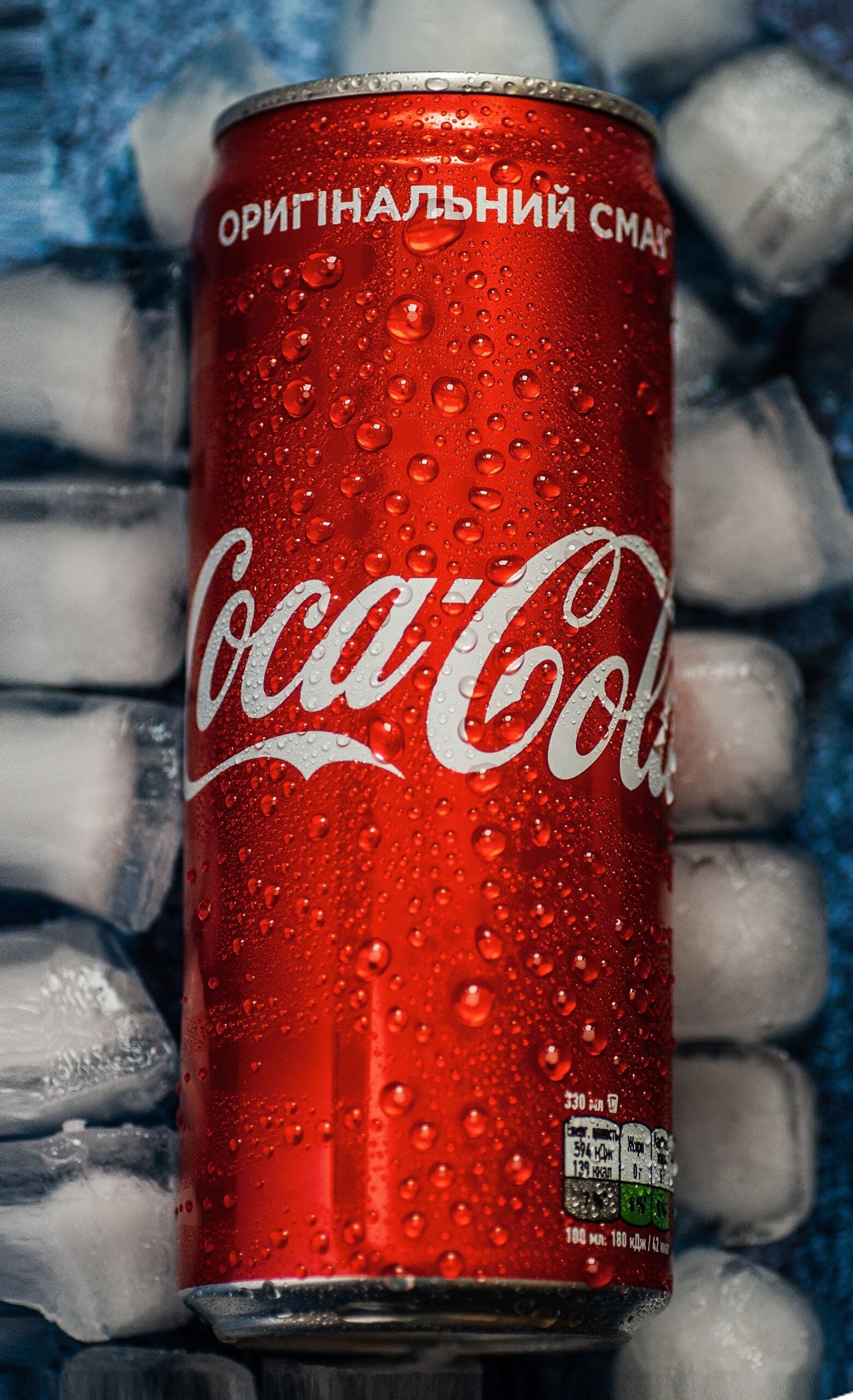
Cola loyalty became one of the internet's favorite inherited arguments because companies spent decades teaching people to pick a side. Pepsi's Pepsi Challenge campaign, launched in 1975, used blind taste tests to suggest consumers preferred Pepsi's sweeter profile. Coca Cola, meanwhile, had the advantage of history and global brand recognition. By the time social media arrived, people already knew the script: one brand is supposedly smoother and more classic, the other bolder and sweeter.
The feud also carries the memory of New Coke. In 1985, Coca Cola changed its formula in a move that triggered a public backlash strong enough to become a business case study. The company later brought back the original formula as Coca Cola Classic. Online debates now mix real sensory differences with nostalgia, branding and local availability. Many people are not defending a drink in the abstract. They are defending the can they grew up seeing at family meals, cinemas and summer cookouts.
Thin crust versus thick crust
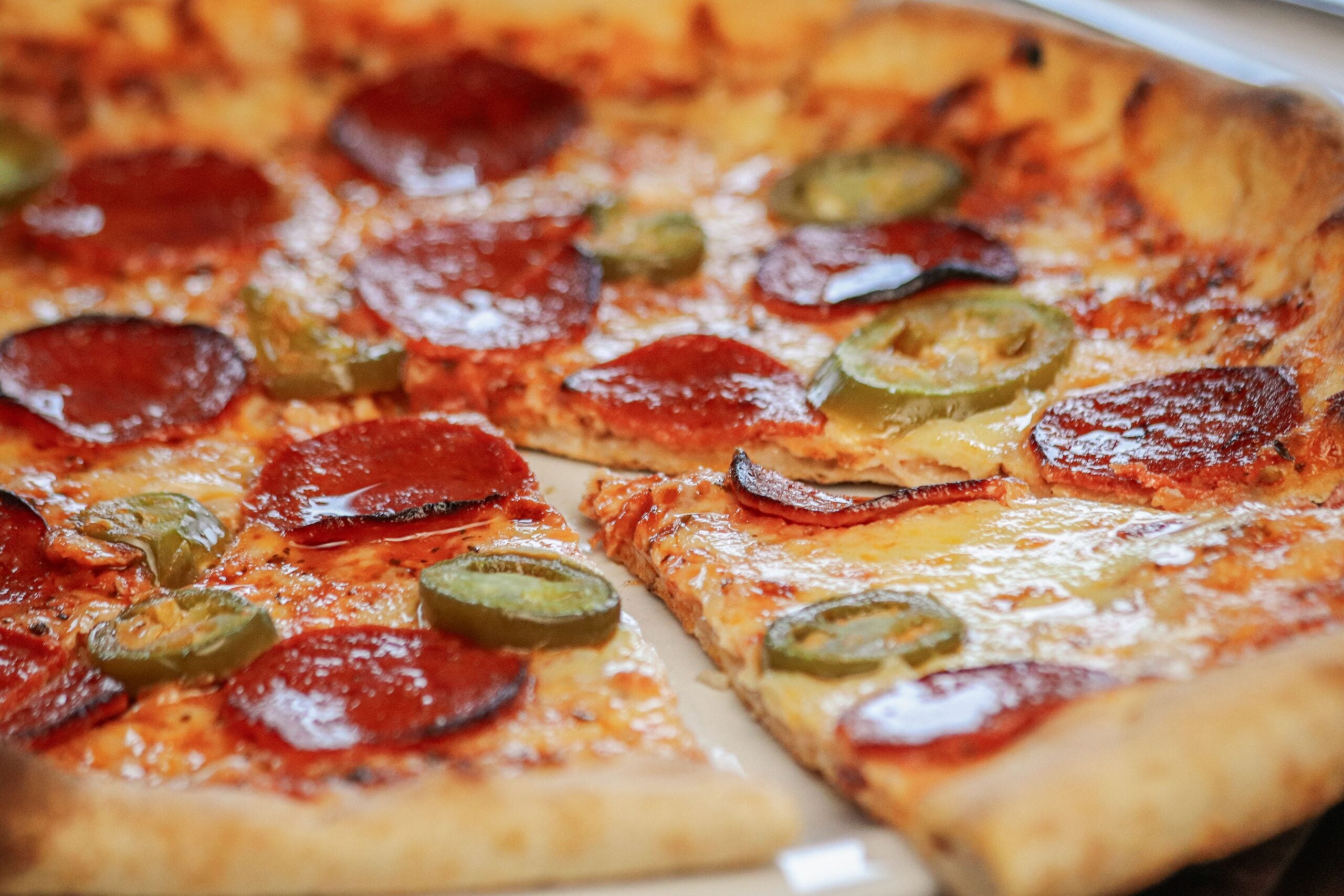
Crust arguments matter because crust changes every bite, not just the edge. Thin crust usually emphasizes crispness and allows sauce, cheese and toppings to stay in closer balance. Thick crust brings more chew, more bread flavor and often a softer interior. Both have long histories in regional pizza making, but internet debate tends to flatten that nuance into a claim that one is refined and the other excessive.
In reality, crust style often depends on context. A quick street slice and a sit down pan pizza answer different cravings. Dough hydration, proofing time, flour choice and oven temperature all shape the final result, so thickness alone does not determine quality. That is why the argument keeps looping without resolution. People think they are comparing objective standards, but they are often comparing different occasions: lunch on the move, late night comfort, or a meal built for sharing.
Sweet tea versus unsweet tea

This is one of the clearest regional food divides in the United States. Sweet tea is especially associated with the South, where black tea is brewed, sweetened while hot, then chilled and served over ice. The amount of sugar can be substantial, which is part of both its appeal and the criticism it attracts. Unsweet tea, more common in other parts of the country, keeps the tea's tannic edge and lets drinkers add sweetener, lemon or nothing at all.
The dispute is partly about flavor, but it is also about hospitality and expectation. In many Southern restaurants, ordering tea traditionally means receiving sweet tea unless you specify otherwise. Elsewhere, the opposite can be true. Online arguments flare up because each side treats its local default as common sense. Supporters of sweet tea see balance and comfort. Supporters of unsweet tea see clarity and control. Both are really defending what a glass of tea is supposed to represent.
Mayo versus Miracle Whip
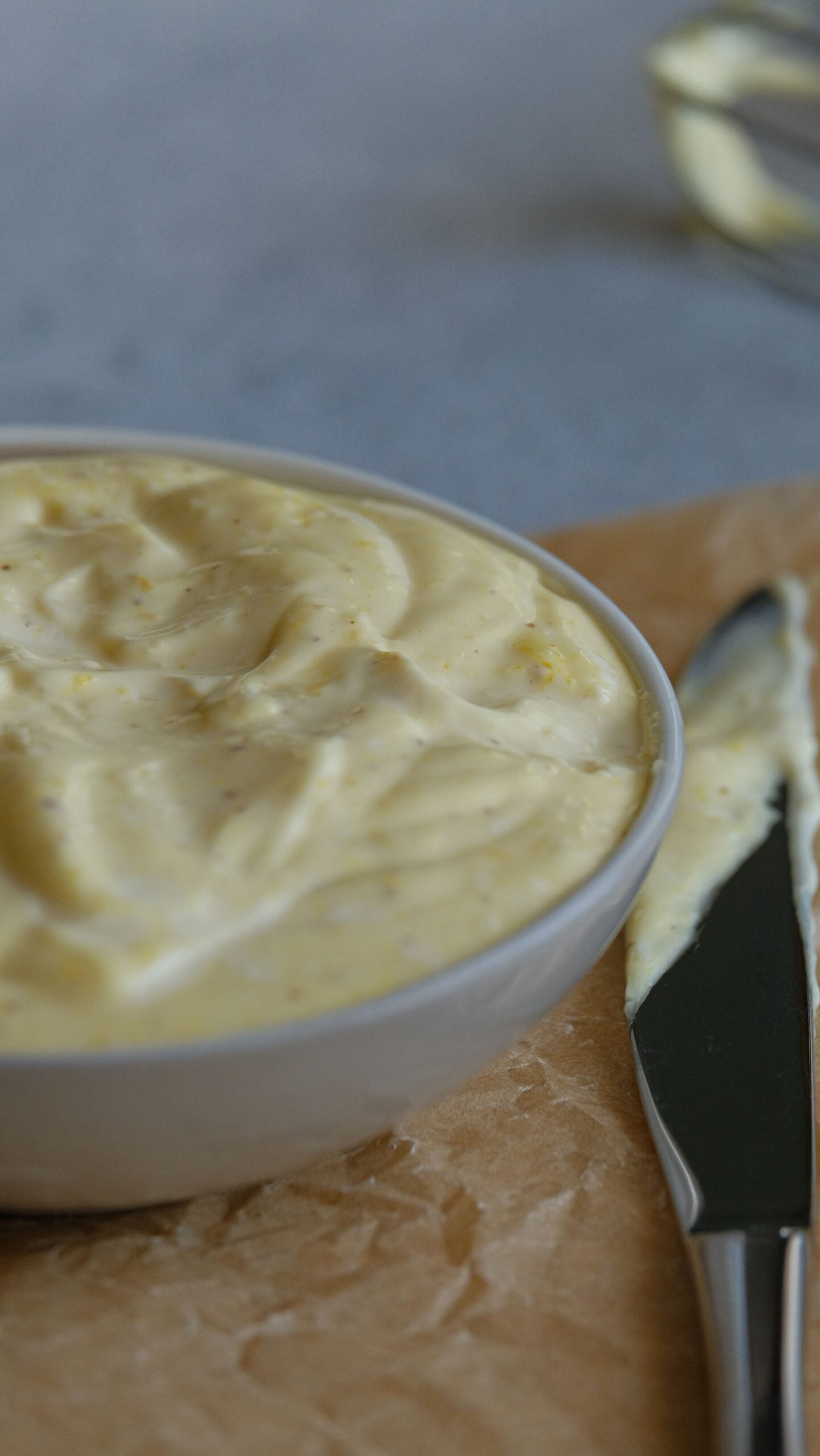
At a glance, mayonnaise and Miracle Whip occupy the same sandwich territory, but the labels tell a different story. The U.S. Food and Drug Administration defines mayonnaise as an emulsified semisolid food made with vegetable oil, acidifying ingredients and egg yolk containing ingredients. Miracle Whip, introduced by Kraft in 1933, is a dressing, not mayonnaise. Its formulation includes added spices and sweeteners, which gives it a tangier, sweeter profile.
That difference explains why people argue so intensely about potato salad, deviled eggs and sandwich spreads. For some, Miracle Whip tastes brighter and more nostalgic, especially in recipes handed down through families. For others, its sweetness is exactly the problem, because they want the richer, more neutral base that mayonnaise provides. The internet keeps reviving this battle because the products look interchangeable on a shelf but behave differently on the palate. One swap can change an entire familiar dish.
Well done steak versus rare steak
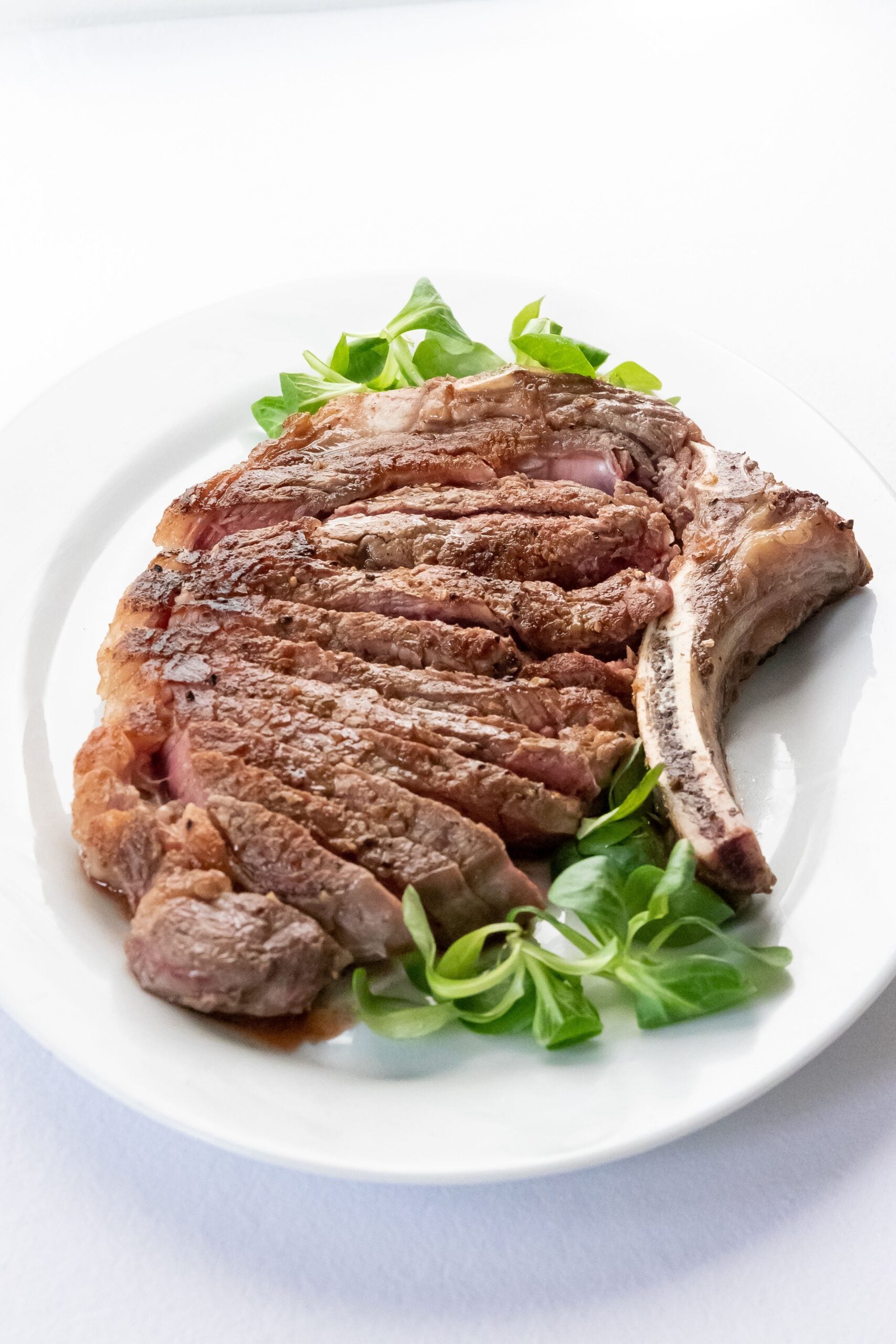
Steak arguments often carry an air of judgment, which is why they spread so easily online. Chefs and steak enthusiasts usually praise rare to medium rare steak because high quality cuts stay more tender and juicy at lower final temperatures. The U.S. Department of Agriculture, however, advises cooking whole cuts of beef, pork, veal and lamb to a minimum internal temperature of 145 F, then allowing a three minute rest. That guidance complicates the idea that there is only one correct level of doneness.
Supporters of well done steak often value a firmer texture, stronger browning and peace of mind. Critics say prolonged cooking can diminish juiciness and obscure the character of the meat. The social tension comes from more than flavor. Ordering steak can feel like a public test of taste, confidence and knowledge. That makes this one of the internet's most durable food wars, because people are not just defending dinner. They are defending personal preference under scrutiny.
Cereal first or milk first
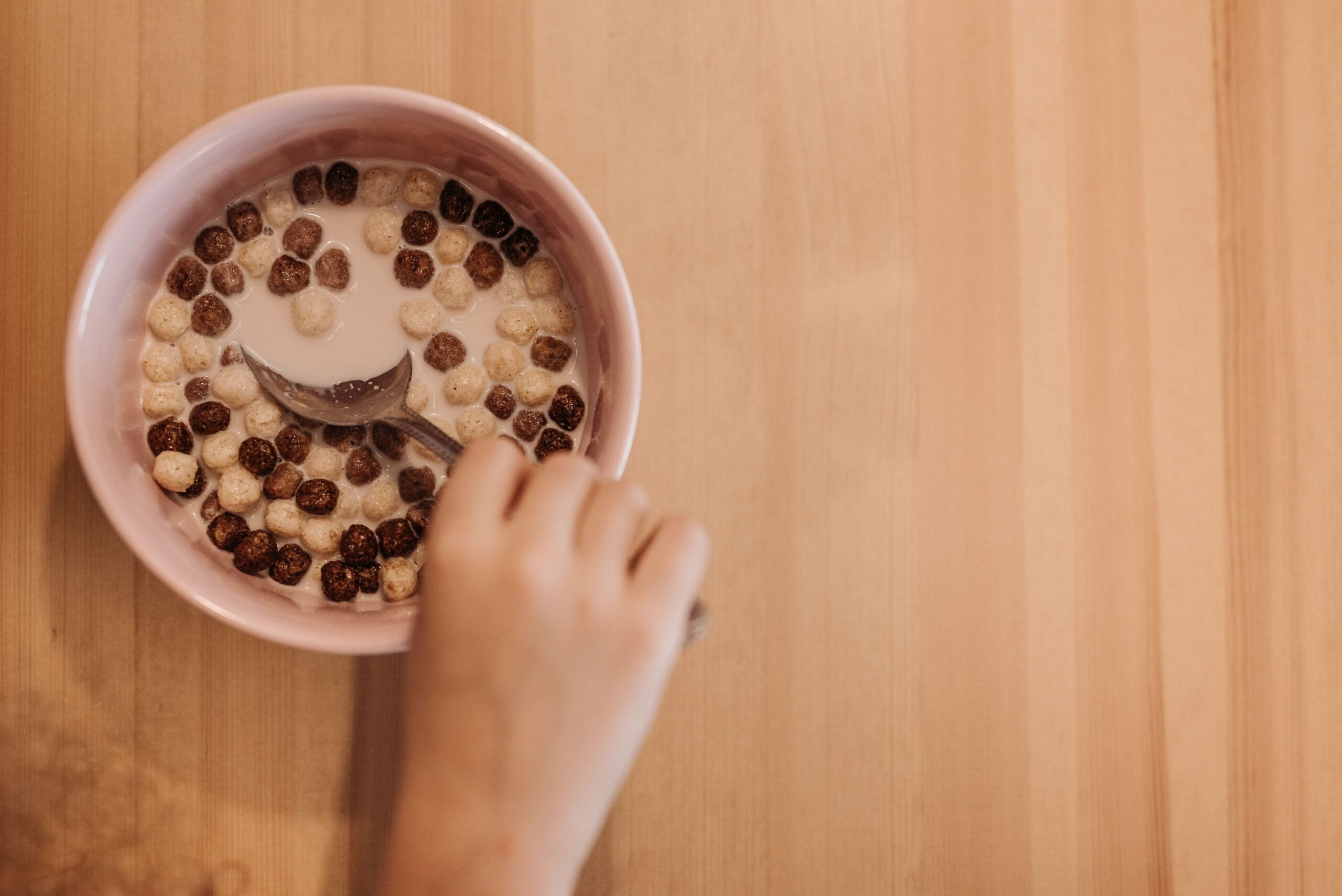
Few food debates are as ordinary, or as strangely persistent, as the order of cereal and milk. Pouring cereal first is the dominant habit because it lets people judge portion size, control crunch and add milk until the bowl looks right. Pouring milk first has defenders too, often people who want to manage sogginess, warm the milk separately, or top off smaller portions one round at a time. The disagreement is mundane, which is exactly why everyone feels qualified to weigh in.
This argument thrives online because it is easy to perform in photos and videos. A milk first bowl looks almost provocative, as if the eater is deliberately rejecting common sense. Yet the practical stakes are tiny, and that keeps the tone playful compared with fiercer food identity fights. It is a fitting closer for the whole list. After all the battles over authenticity, geography and labels, sometimes the internet just wants to argue about breakfast mechanics.



Leave a Reply