
Thanksgiving cooking does not have to mean repeating the exact same menu every year. These recipes keep the familiar structure of the meal in place, but each one adds a modern touch that feels current, practical and photographable on a holiday table.
Dry-brined roast turkey
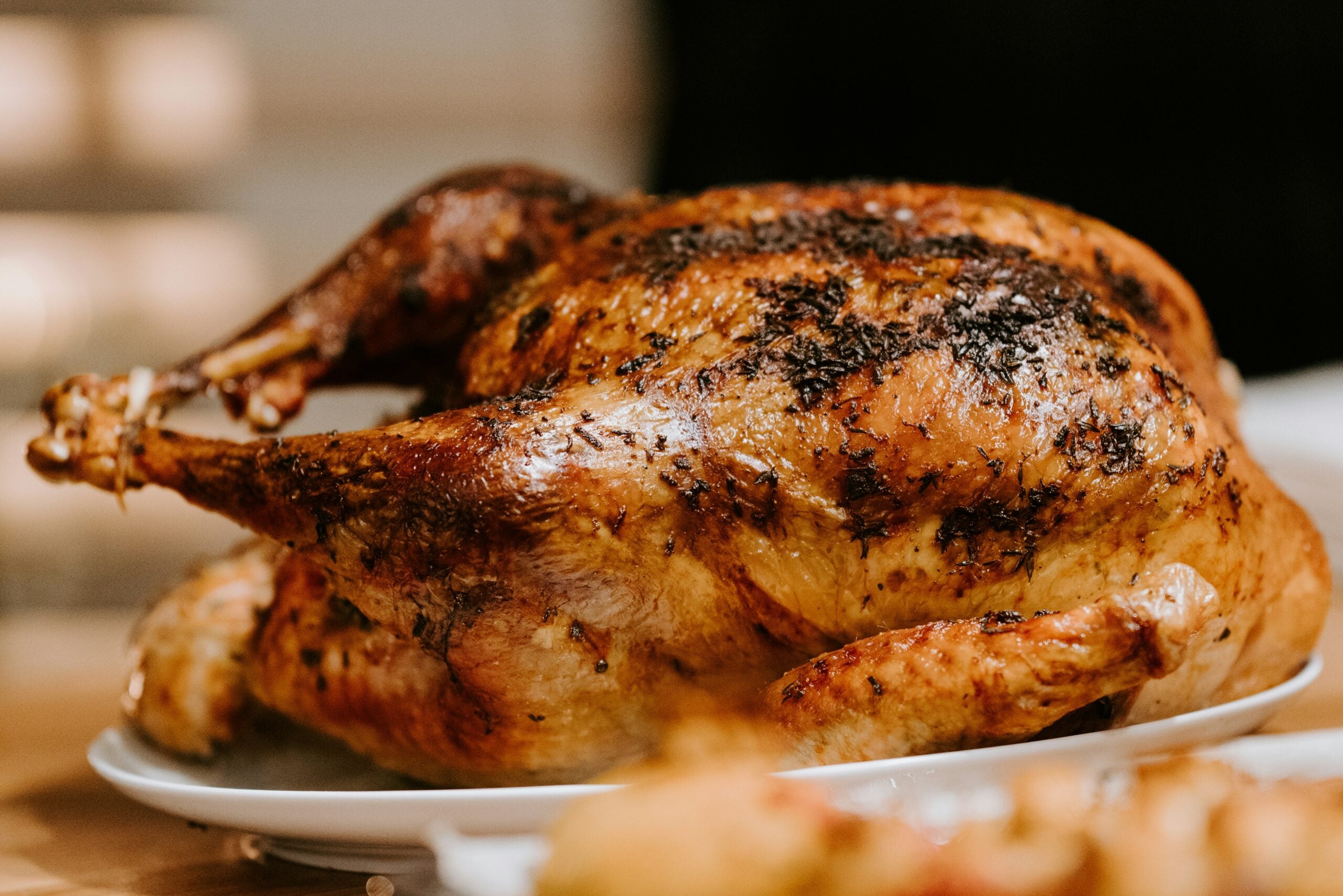
A dry brine is one of the smartest modern updates to the Thanksgiving bird because it improves flavor without the mess of a bucket of liquid. Instead of soaking the turkey, you season it generously with salt in advance and let it rest uncovered in the refrigerator. That dries the skin, which helps it roast up crisp and deeply golden.
The method also simplifies oven day. Since the bird is already seasoned all the way through, the main job is roasting until the breast and thighs are cooked properly and the skin has rendered well. Many cooks add citrus zest, chopped herbs or a little baking powder to the salt mix for even better browning.
For the table, this style of turkey feels both traditional and new. It still looks like the centerpiece people expect, but the flavor is usually more concentrated and the skin has a cleaner, crisper finish. In photos, it reads beautifully because the surface takes on an even mahogany color and the carved slices stay juicy.
Harissa honey glazed carrots
Carrots are often the quiet side dish on a Thanksgiving plate, but a harissa honey glaze gives them real presence. Harissa is a North African chili paste, and in this setting it adds warmth, a little smokiness and depth rather than overwhelming heat. Mixed with honey and olive oil, it turns simple roasted carrots into something glossy and vivid.
This recipe works especially well with rainbow carrots or long market carrots left partly whole. Their shape makes the platter feel more contemporary, and their natural sweetness balances the spice. A finishing scatter of yogurt, pistachios or fresh herbs adds contrast in color and texture.
What makes this dish feel modern is the way it combines pantry ingredients from different traditions into a side that still fits the holiday. It sits comfortably next to turkey and potatoes, yet it brings a fresher flavor profile than the usual brown sugar glaze. It is also easy to make ahead and rewarm.
Sourdough stuffing with fennel and sausage
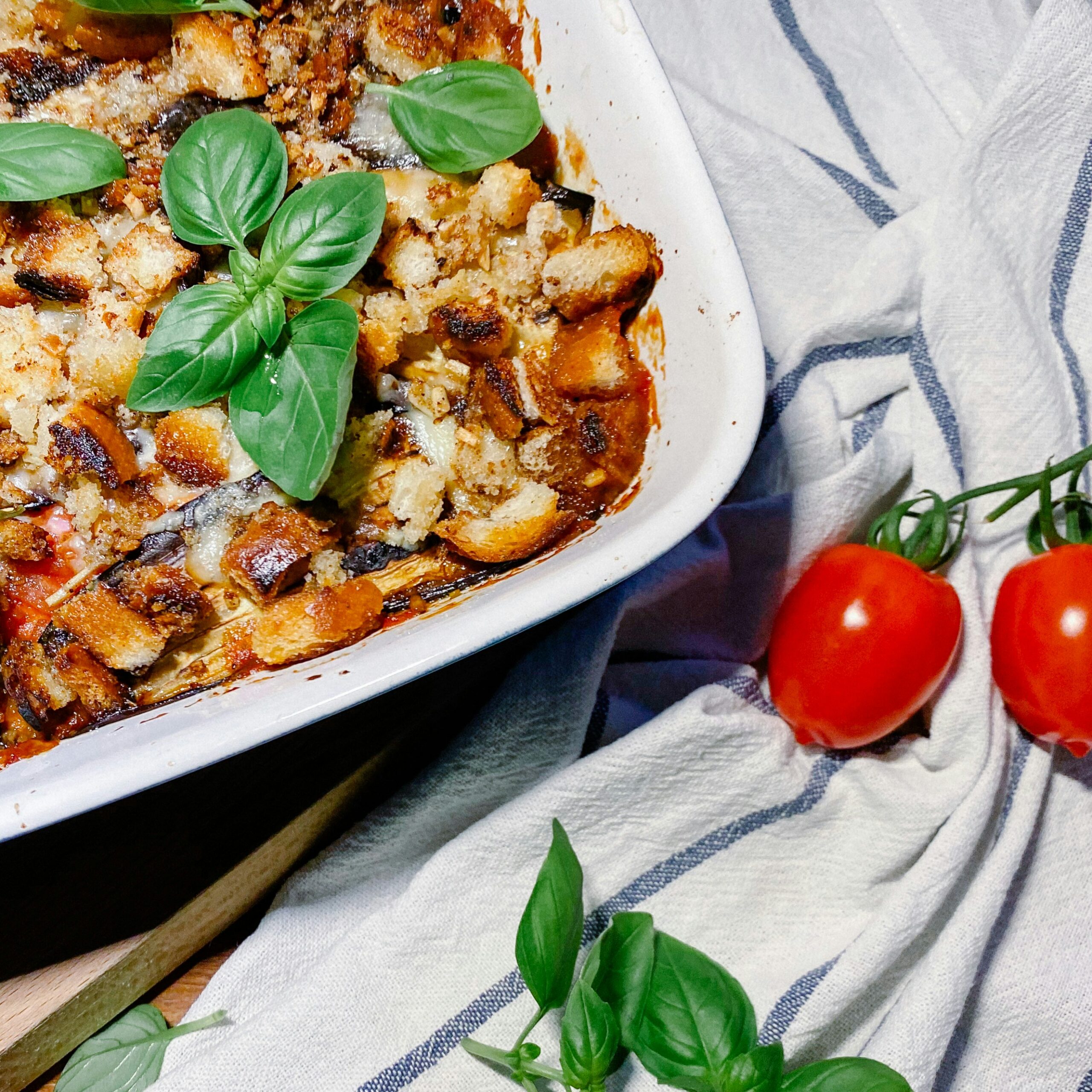
Stuffing becomes more interesting when the bread itself contributes flavor. Sourdough brings tang, structure and chew, which keeps the dish from turning heavy or one-note. Combined with browned sausage and sliced fennel, it creates a savory side with both richness and lift.
Fennel is the quiet twist here. When cooked, it softens and sweetens, adding a subtle anise note that plays well with onions, celery and herbs like sage and thyme. The result is still recognizably Thanksgiving stuffing, but it tastes brighter and a little more layered.
A modern stuffing also tends to focus on texture. Toasted cubes hold their edges better than soft sandwich bread, and baking in a wide dish maximizes the crisp top. For serving, it looks especially appealing with visible fennel fronds and caramelized corners, which photograph much better than a uniform scoop.
Brown butter mashed sweet potatoes
Sweet potatoes often land on the holiday table buried under marshmallows, but brown butter takes them in a more grown-up direction. As butter cooks, the milk solids toast and develop a nutty aroma that matches the earthy sweetness of the potatoes. The flavor is deeper and less sugary, so the dish feels elegant rather than dessert-like.
A little tang can sharpen the balance. Some versions fold in sour cream, crème fraîche or even a spoonful of Greek yogurt to cut through the richness. Others add a small amount of maple syrup, but just enough to support the vegetable rather than cover it.
This is a strong example of a modern holiday recipe because it updates the profile, not the ingredient. Sweet potatoes still play the same comforting role on the plate, but the finish is smoother and more restrained. Topped with toasted pecans or crisp sage, it also brings texture that the classic casserole often lacks.
Brussels sprouts with chile crisp
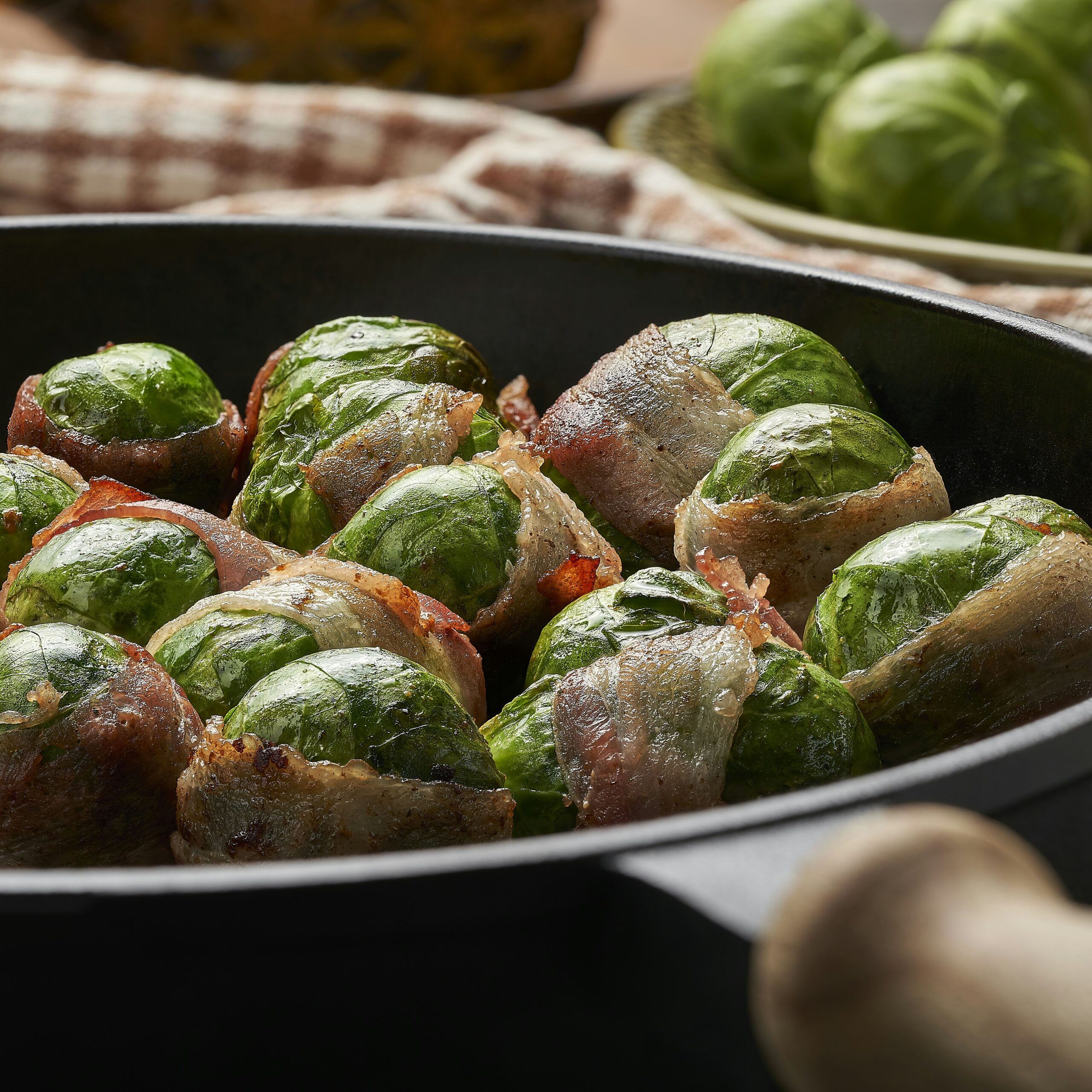
Brussels sprouts have become a restaurant staple, and Thanksgiving is a natural place to borrow that energy. Roasting them until the outer leaves blister and the centers turn tender gives the vegetable real character. A spoonful of chile crisp adds crunch, heat and savory depth from ingredients like garlic, shallots and oil.
The key is contrast. Sprouts can be slightly bitter, so they benefit from a touch of sweetness or acid, such as maple, honey or lemon. That balance makes the dish feel complete and prevents the chile topping from dominating the plate.
This recipe has strong visual appeal, too. The dark edges of the sprouts, the red sheen of the chile oil and a final shower of sesame seeds or scallions make it pop in photos. It is also a useful update for hosts who want one side dish that feels especially current without becoming fussy or complicated.
Cauliflower gratin with Gruyère
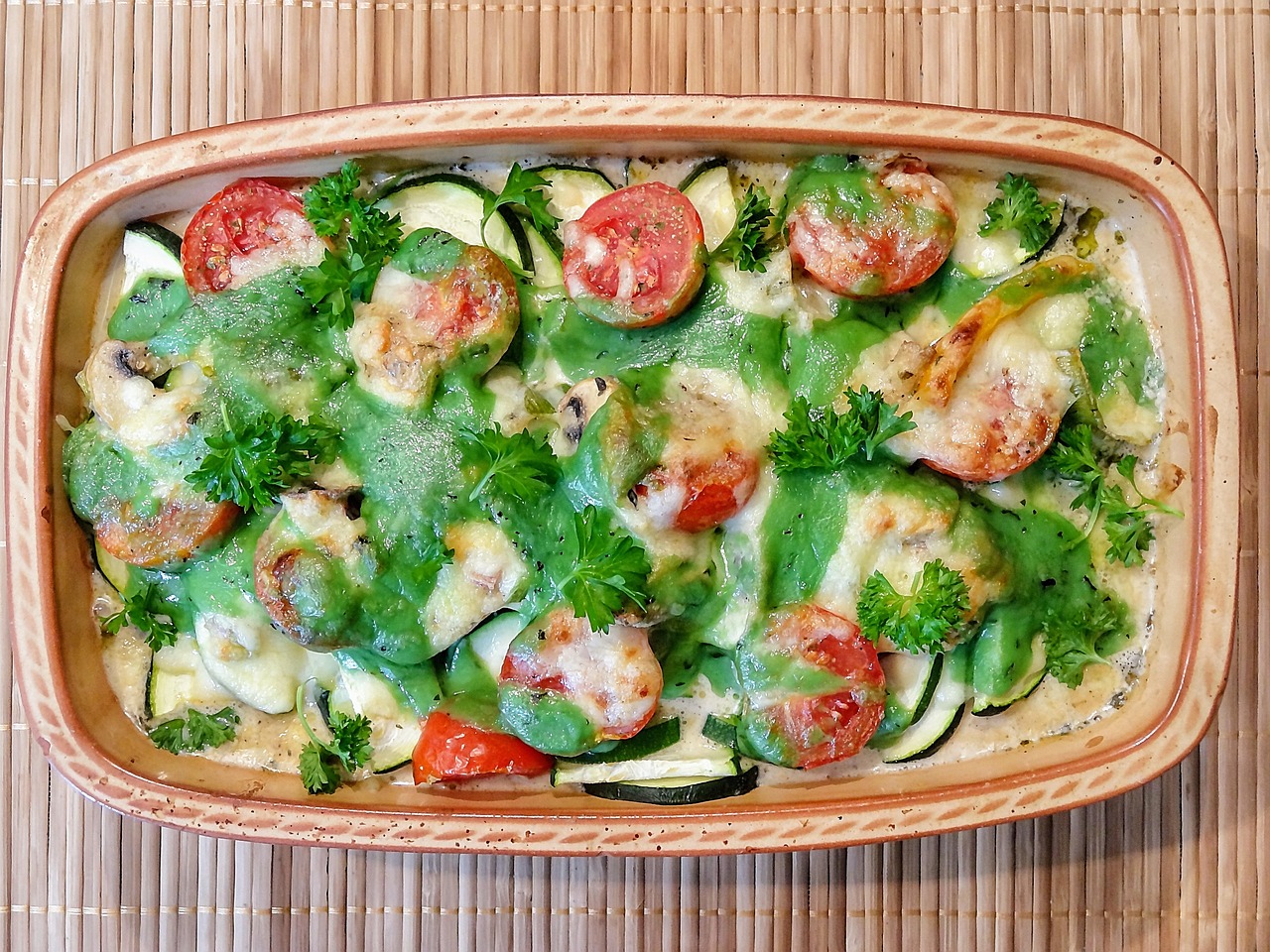
A cauliflower gratin offers the comfort people expect from a creamy casserole, but it feels lighter and more contemporary than a pan of condensed soup based vegetables. Cauliflower absorbs flavor well and turns tender without falling apart, especially when the florets are blanched or roasted first. Gruyère adds nuttiness and a well-browned top.
The sauce matters here. A simple béchamel, which is milk thickened with butter and flour, creates a silky base without excess heaviness. Dijon mustard, thyme or a little garlic can sharpen the flavor and keep the dish from tasting flat.
This is one of those recipes that bridges old and new especially well. It still arrives bubbling and golden in a baking dish, so it satisfies the nostalgia part of the meal. At the same time, it gives the table a vegetable forward option that feels polished enough for a modern holiday spread.
Green beans with shallots and gremolata
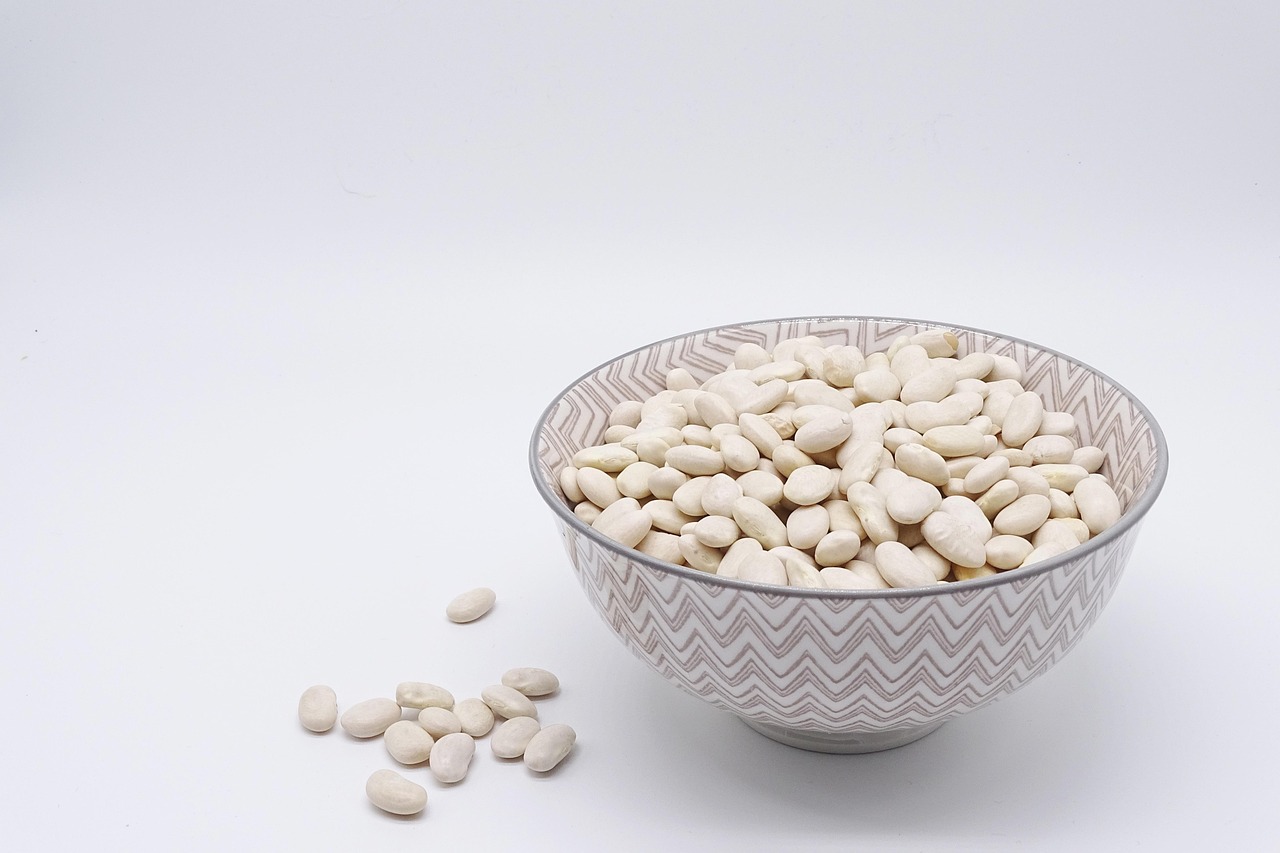
Green bean casserole remains beloved, but a skillet of blistered green beans can bring the same holiday color with a fresher profile. Cooking the beans quickly helps them stay bright and snappy. Crispy shallots deliver the savory crunch many people love in the classic version, but with a cleaner taste.
Gremolata is the modern flourish. This Italian topping is usually a mix of parsley, lemon zest and garlic, and it wakes up the entire dish just before serving. The citrus note is especially useful on a rich Thanksgiving plate where many foods lean creamy, buttery or sweet.
From a serving standpoint, this side feels lively and elegant. The beans stay distinct instead of sinking into sauce, and the garnish adds visible freshness. It is also a practical choice for crowded holiday cooking because most of the components can be prepped in advance and assembled quickly before dinner.
Cranberry sauce with orange and rosemary
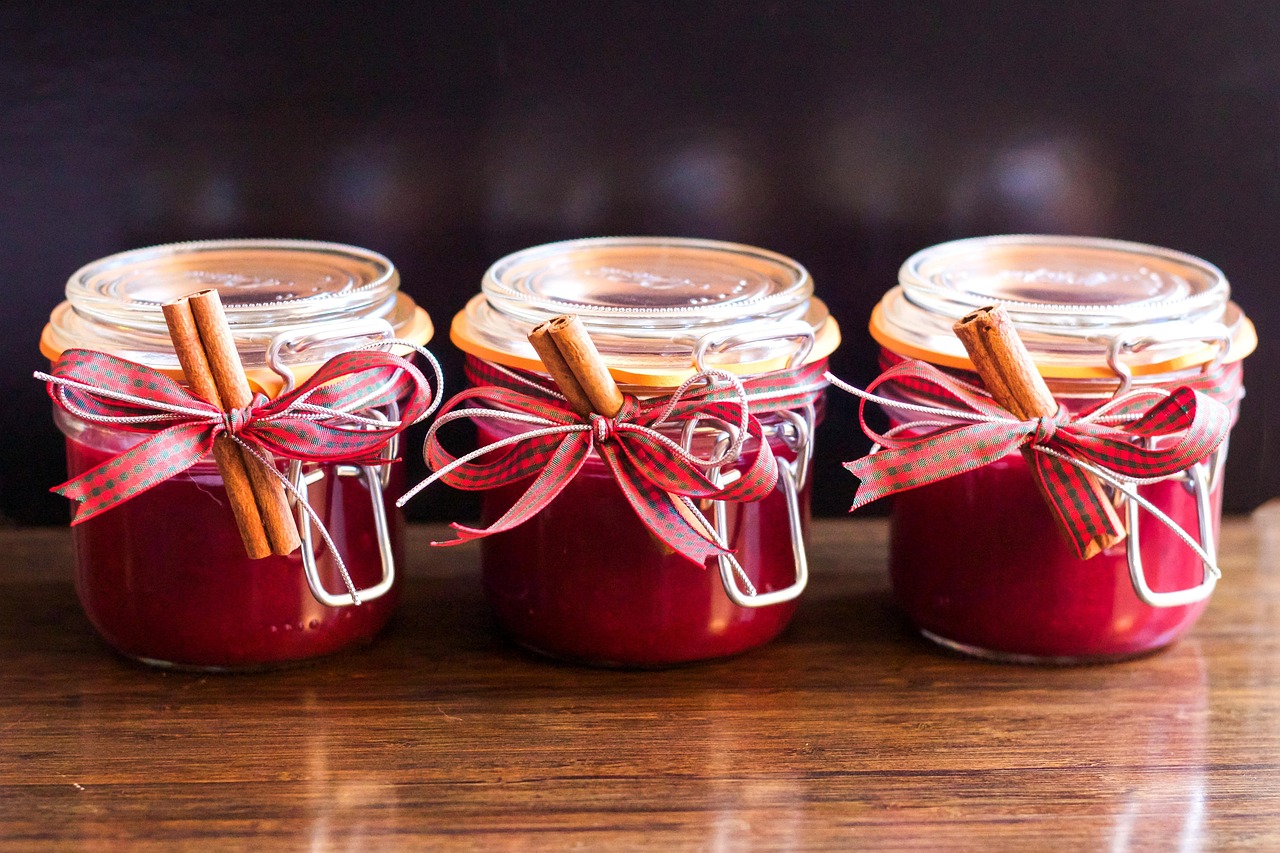
Cranberry sauce is one of the easiest places to modernize Thanksgiving because the base recipe is so simple. Fresh cranberries already bring tartness and pectin, which means they cook down quickly into a glossy sauce. Orange zest and juice add brightness, while rosemary contributes a piney note that suits late fall flavors.
The trick is restraint. Too much rosemary can turn medicinal, so a small amount is enough to perfume the pot. Many cooks also leave some berries whole, which gives the sauce a more attractive texture than a completely smooth purée.
This version pairs especially well with rich turkey and stuffing because it cuts through fat instead of just adding sweetness. It also looks striking on the table, with a jewel toned red color that photographs beautifully. Served in a shallow bowl, it becomes more than a condiment and starts acting like a composed side.
Cornbread and kale dressing
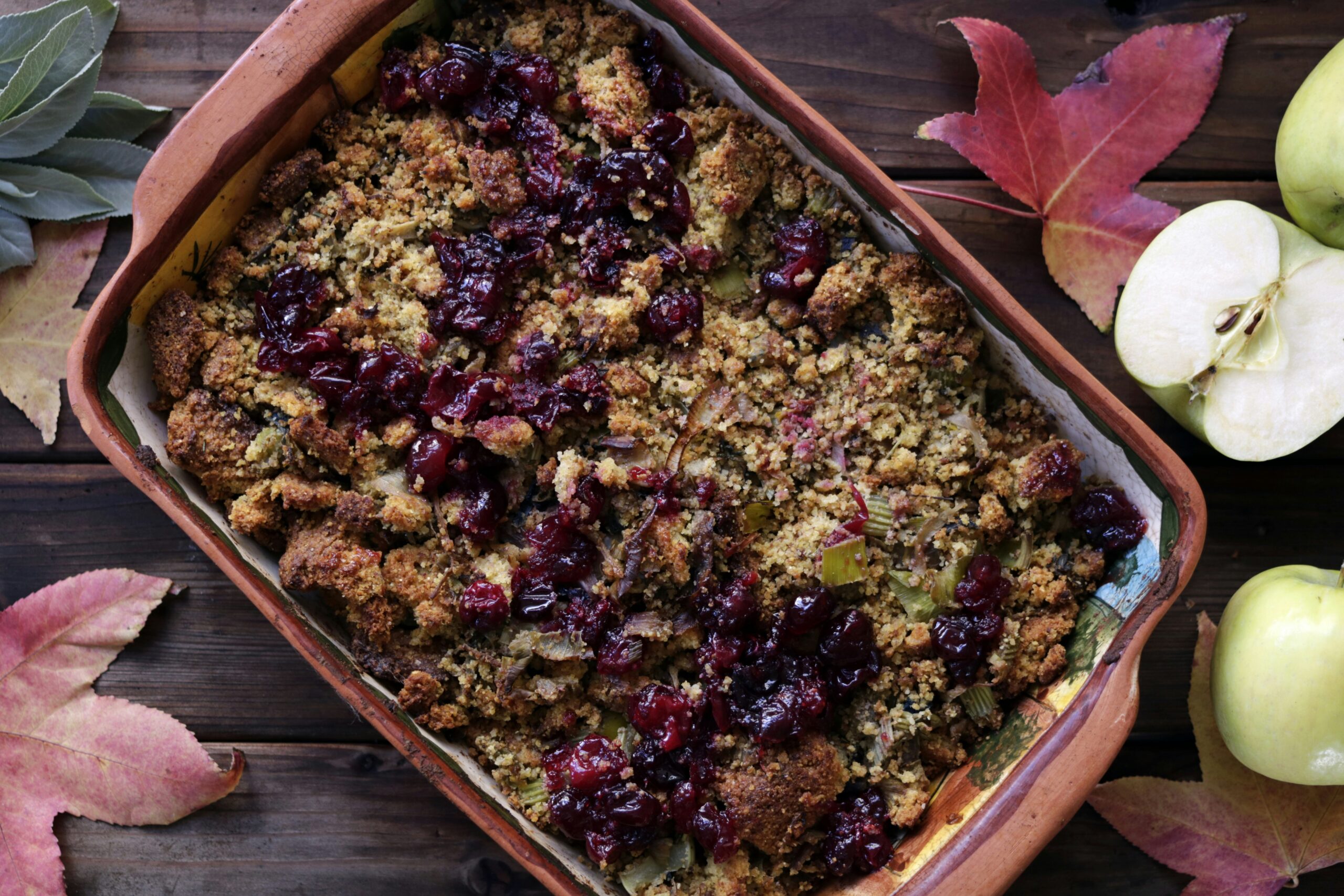
For a Southern leaning twist, cornbread dressing brings tenderness and a little sweetness that plain bread stuffing cannot match. Adding chopped kale updates the formula with color, texture and a vegetable component that cooks down into the custardy center. The result feels hearty, but not overly dense.
The best versions balance moisture carefully. Cornbread can absorb stock differently depending on how dry it is, so the dressing should be mixed until fully moistened but not soupy. Aromatics like onion, celery and sage still anchor it in Thanksgiving tradition, while the kale adds an earthier note.
This dish works well for hosts who want a menu with recognizable roots and a subtle shift in character. The dark green ribbons of kale make the casserole more visually interesting, and the cornbread creates beautiful golden edges. It lands somewhere between classic comfort food and a more produce driven holiday side.
Miso maple glazed delicata squash
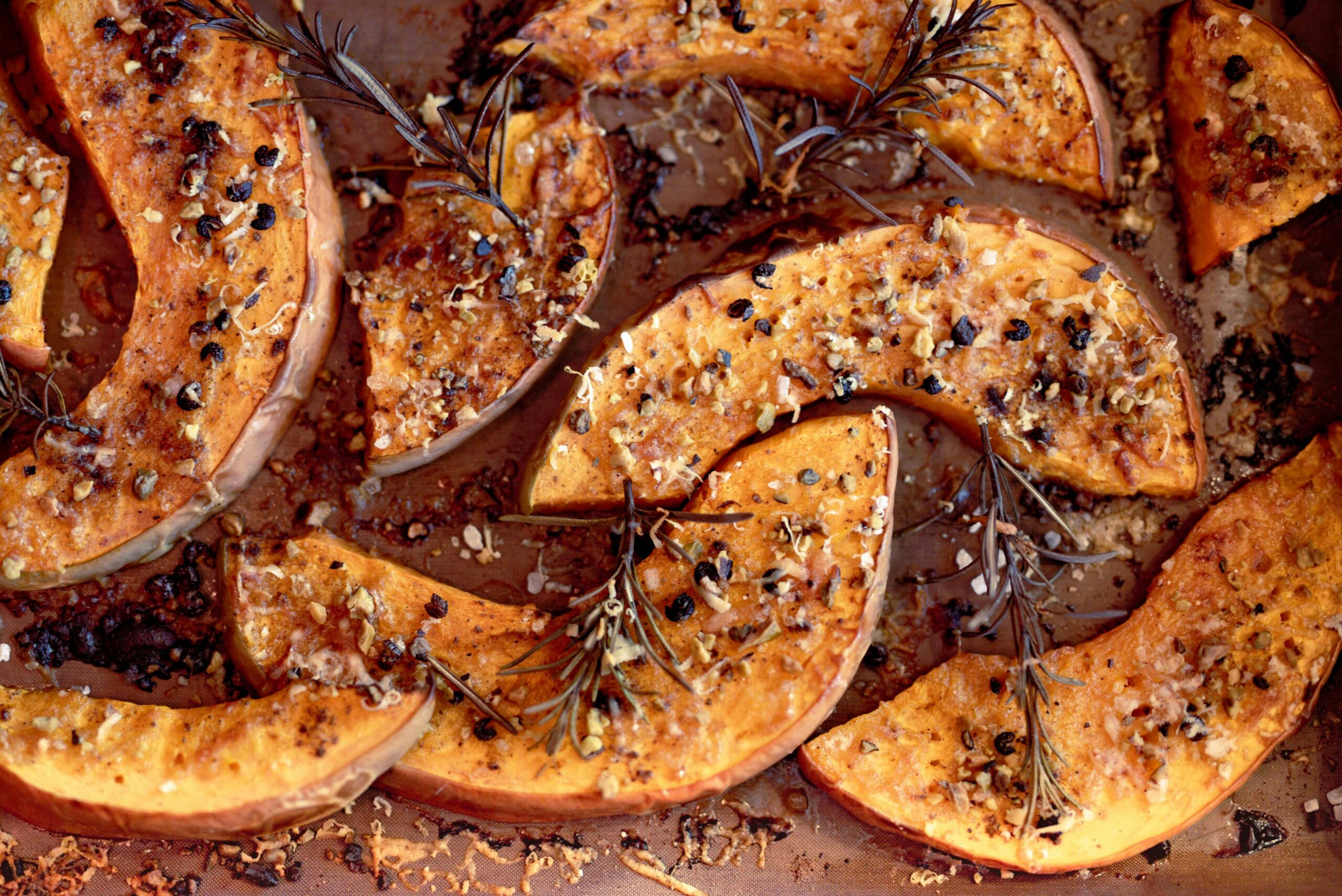
Delicata squash has become popular partly because it is easy to prep. Its skin is tender enough to eat after roasting, so there is no peeling, and its natural shape creates attractive half moons. That alone makes it a useful holiday ingredient when oven space and time both matter.
A miso maple glaze gives the squash a distinctly modern flavor profile. Miso adds salt, savoriness and depth, while maple syrup highlights the squash's natural sweetness without making it cloying. Roasted until caramelized, the slices develop crisp edges and a glossy finish.
This side dish feels new, but it still belongs naturally on a Thanksgiving table. It carries the sweet savory balance many people love in fall cooking, just in a more nuanced way. Garnished with sesame seeds, herbs or crushed nuts, it brings color and shape that help break up a plate full of softer foods.
Apple slab pie with salted caramel
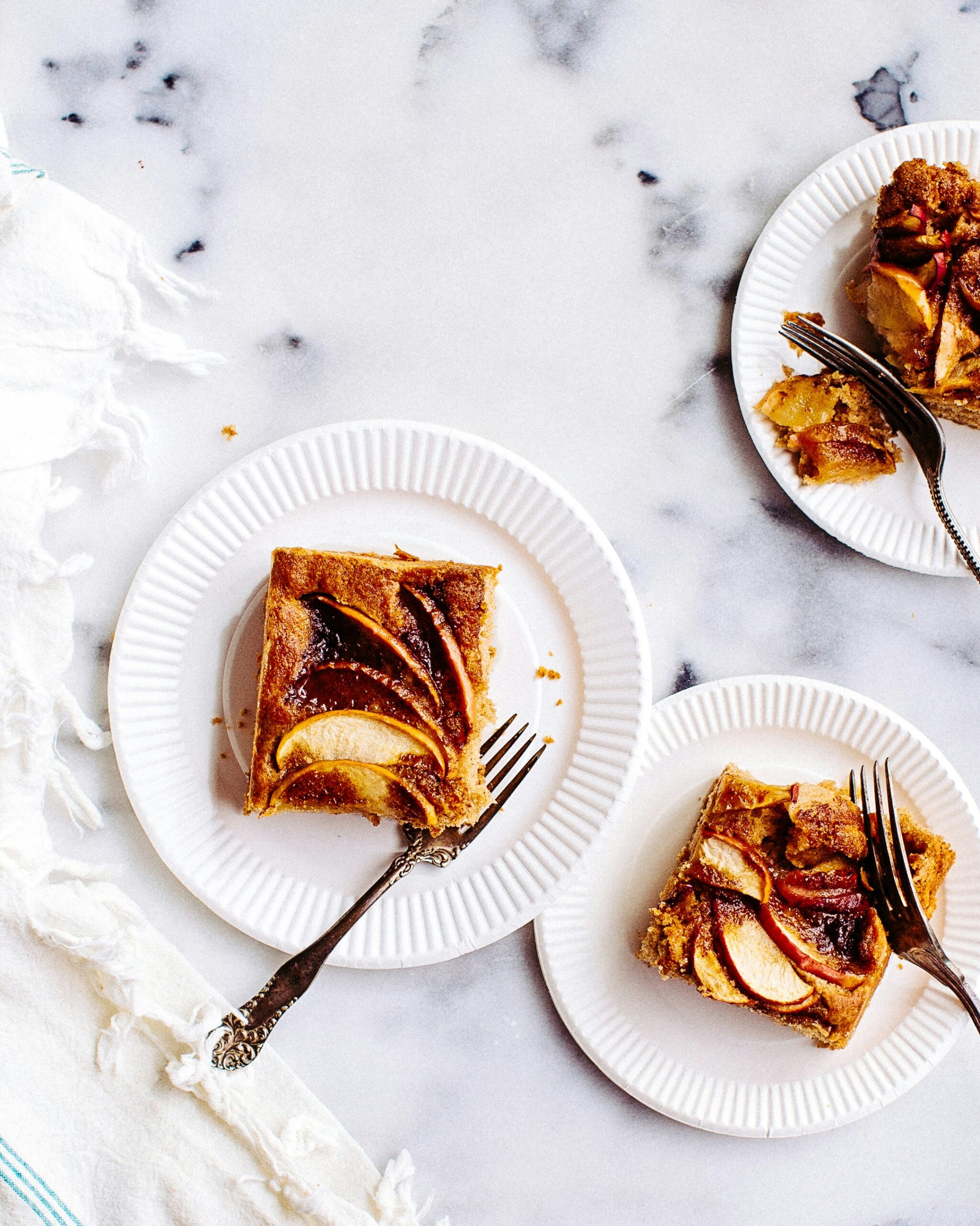
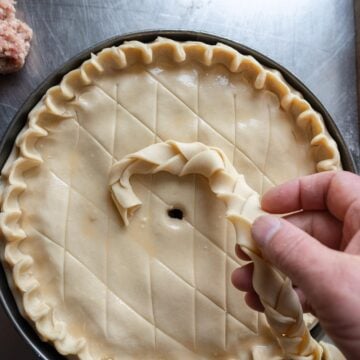
Pie is expected at Thanksgiving, but a slab pie changes the presentation in a useful way. Baked in a sheet pan instead of a deep round dish, it creates thinner slices with a higher ratio of crust to filling. That makes serving easier for a crowd and gives the dessert a slightly more casual, modern feel.
Apple remains the familiar flavor, but salted caramel updates it with a sweet savory edge that keeps the filling from tasting flat. A mix of tart and sweet apples usually works best because it preserves both structure and flavor after baking.
Visually, slab pie is excellent for a holiday buffet. The neat squares, bronzed crust and caramel sheen make each portion look intentional rather than rustic. It also solves a practical Thanksgiving problem, since guests often want just a modest dessert portion after a large meal.
Sparkling rosemary pear cocktail
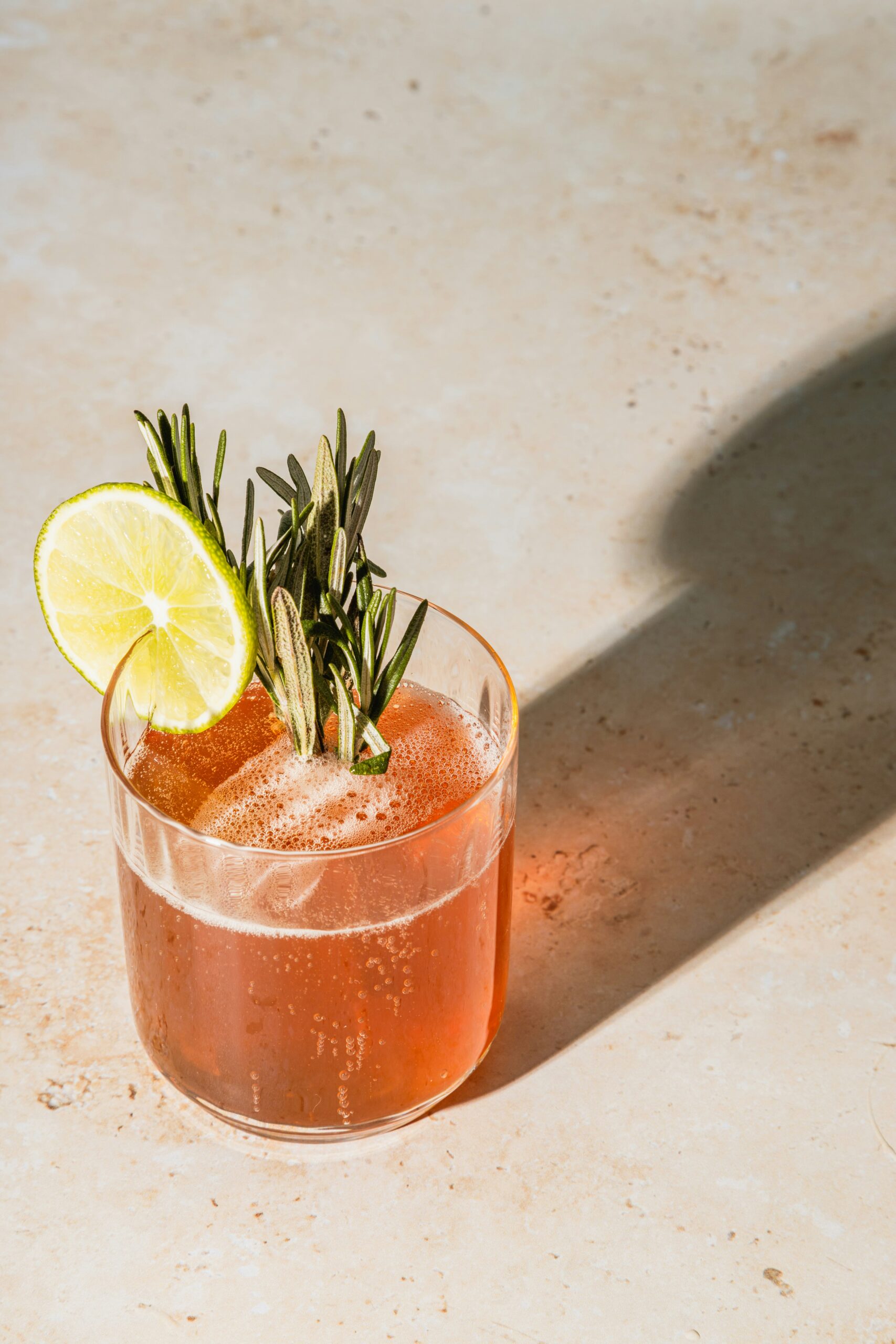
A holiday drink can carry the same modern spirit as the food, and a sparkling rosemary pear cocktail does that with minimal fuss. Pear flavor feels seasonal but less predictable than apple cider, while rosemary ties the drink back to the herbs often used in the meal. Sparkling wine or club soda adds lift and keeps the glass from feeling heavy.
This kind of cocktail works because it mirrors the menu rather than competing with it. Pear is delicate, so it pairs well with turkey, vegetables and creamy casseroles. A touch of lemon can sharpen the drink and stop it from leaning too sweet.
For presentation, it has the clean look people often want from a welcome drink. A rosemary sprig, thin pear slice or sugar rim is enough decoration. It closes the gallery on a note that feels festive and contemporary, while still rooted in the flavors of a classic Thanksgiving.

Leave a Reply