
For much of the 20th century, Canadian home cooking relied on dishes that took time, planning and a steady oven or stovetop. As microwave ovens, frozen dinners and faster weeknight habits spread from the 1970s onward, many of those homemade standards started slipping out of regular rotation.
Flapper pie

Prairie baking used to turn pantry basics into dessert, and flapper pie is a prime example. The pie combines a graham or soda cracker crust, a cooked custard filling and a layer of meringue browned on top. It became especially familiar in Manitoba, Alberta and Saskatchewan, where cooks often worked with shelf-stable ingredients.
What helped flapper pie fade was not a loss of appeal so much as a loss of time. The filling had to be cooked carefully, the meringue whipped separately, and the whole pie needed cooling time before serving. In a microwave era built around instant pudding, packaged crusts and quick sweets, that multi-step rhythm no longer fit many households.
Butter tarts
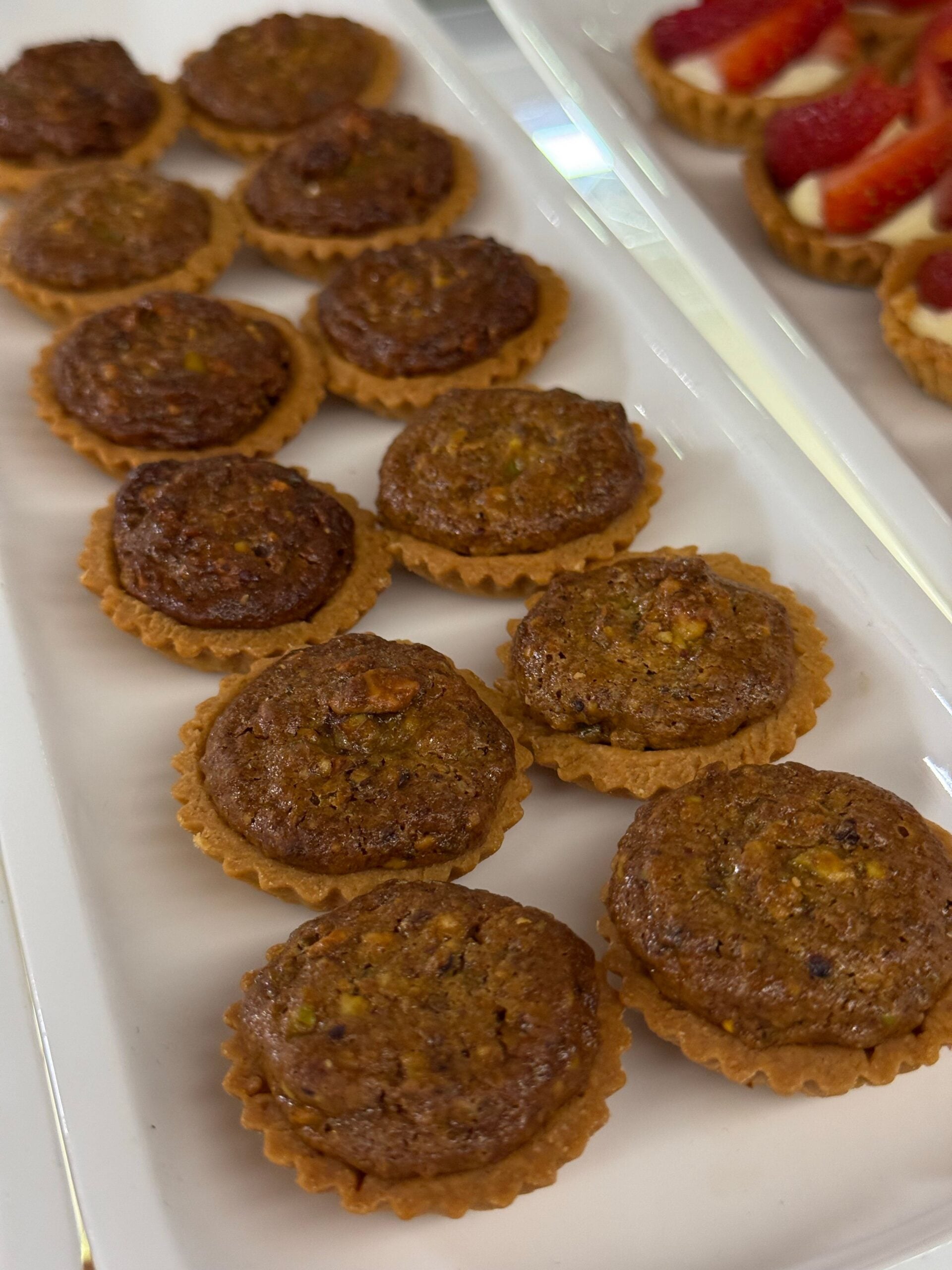
Butter tarts still survive in bakeries and at community sales, but making them at home used to be far more common. The classic version calls for pastry shells filled with butter, sugar, syrup or brown sugar, egg, and sometimes raisins or pecans. In Ontario especially, they were a routine home-baked treat rather than a specialty purchase.
They became less common as a homemade staple because pastry work is easy to postpone and hard to rush. A microwave can soften butter, but it cannot replace the hands-on work of rolling dough, chilling shells and judging a filling that should set without turning hard. As supermarket dessert aisles expanded, many families stopped making full batches in their own kitchens.
Tourtière
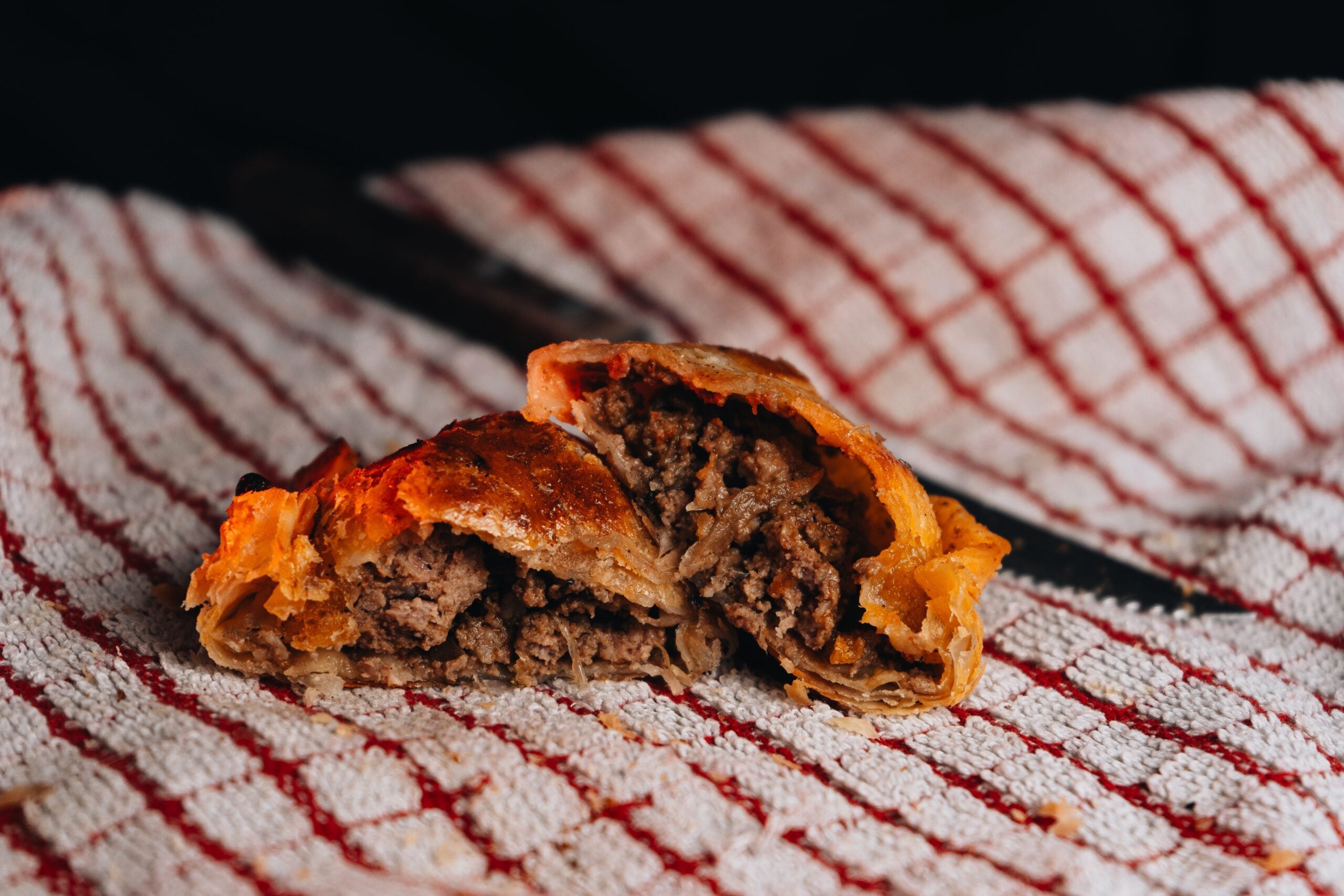
Few dishes say holiday table in French Canada like tourtière. The meat pie, often made with pork and seasoned with onion and warm spices, has deep roots in Quebec and also appears in Franco-Canadian communities elsewhere in the country. Homemade versions often reflected family formulas passed down over generations.
That tradition remained strong at Christmas, but everyday meat pie lost ground in the age of convenience. Tourtière asks for pastry on top and bottom, cooked filling, assembly and baking time, all before cleanup begins. Frozen pies and microwaveable savoury meals offered a much faster path to dinner, which made scratch-made tourtière feel more like a seasonal project than a regular supper.
Cabbage rolls
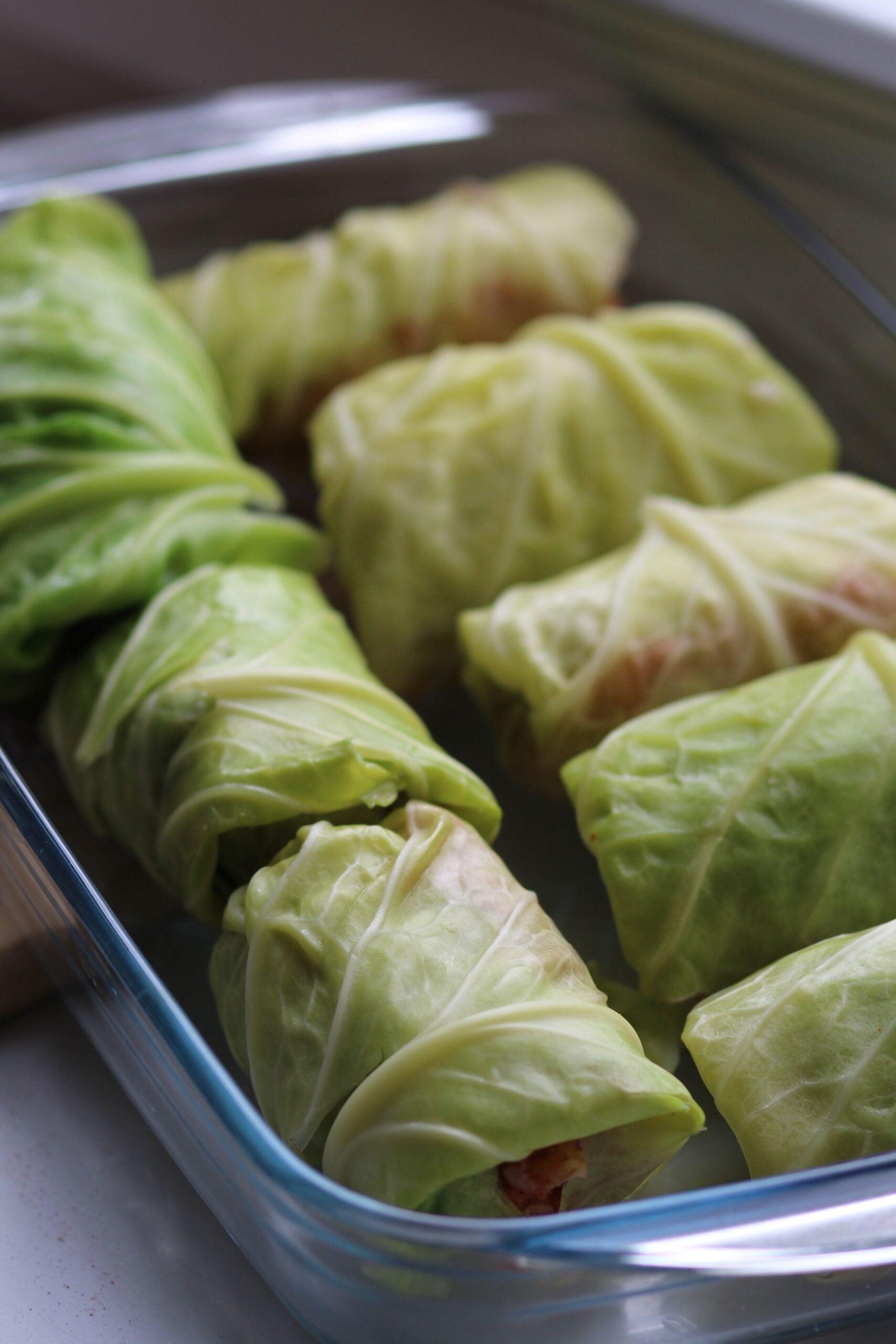
Cabbage rolls once stretched meat, rice and vegetables into a practical family meal, especially in Prairie and Central Canadian homes shaped by Eastern European cooking traditions. The process is familiar to many older cooks: soften the cabbage leaves, mix the filling, roll each parcel by hand, then bake everything slowly in tomato sauce.
That kind of labor is exactly what convenience cooking pushed aside. Cabbage rolls are affordable and deeply comforting, but they are not fast, and they do not lend themselves to last-minute preparation. As microwaves encouraged quick reheating and individual portions, dishes built around big roasting pans and careful assembly became less common on ordinary weeknights.
Pea soup with salt pork
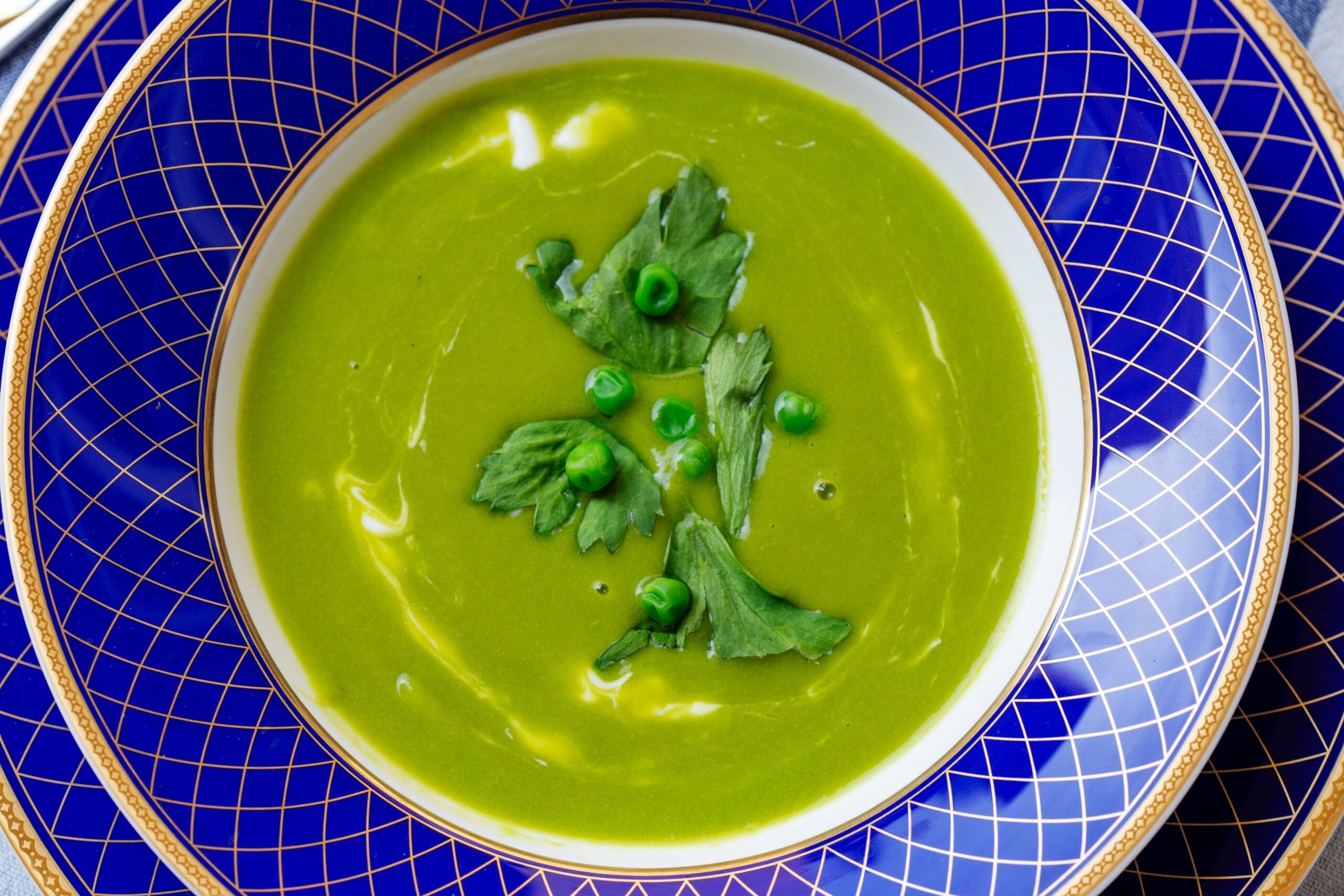
French Canadian pea soup was once a steady cold-weather meal, especially in Quebec households and in communities where dried yellow peas were a cheap staple. A traditional pot often included peas, onion and salt pork, simmered long enough to become thick, savoury and filling. It was practical food, made to feed a family from simple ingredients.
Its decline tracks closely with changing ideas about time in the kitchen. Dried peas need soaking or long cooking, and the soup tastes best when allowed to develop slowly on the stove. Canned soup and microwave heating cut that process down to minutes, so the homemade version increasingly became something associated with grandparents, sugar shacks or old-fashioned winter suppers.
Date squares
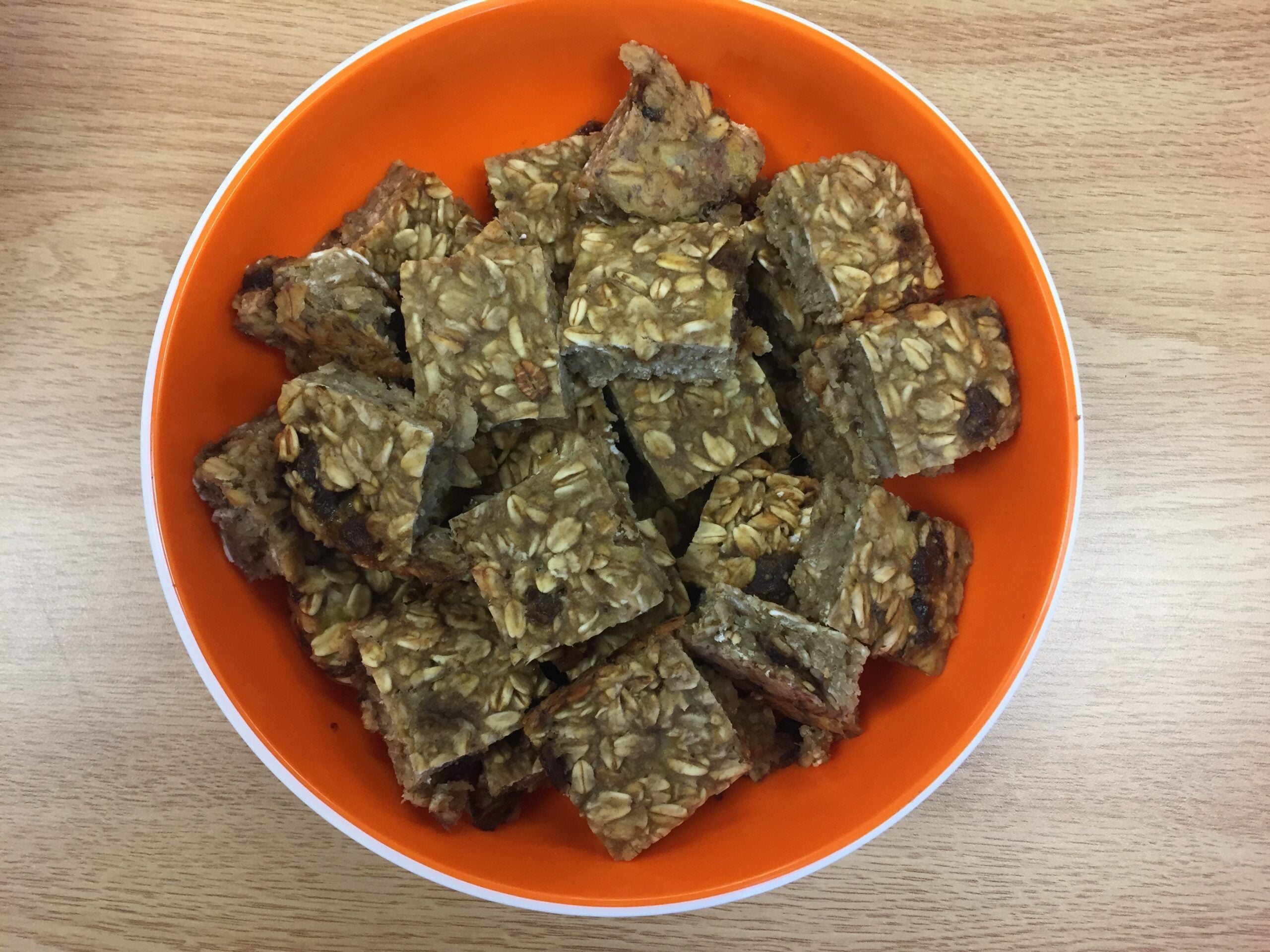
Date squares once appeared regularly in lunch boxes, church suppers and home baking tins across Canada. The bar pairs a cooked date filling with a crumb mixture usually made from oats, flour, butter and brown sugar. Because dates stored well and added sweetness and texture, the squares made sense in kitchens built around baking from pantry supplies.
As snacking habits changed, date squares started losing space to packaged bars and individually wrapped treats. They are not difficult, but they do require stovetop filling, mixing, layering and baking, all for something many companies now sell ready-made. The shift says a lot about the microwave age: even modest homemade baking became easier to replace than to keep doing weekly.
Liver and onions
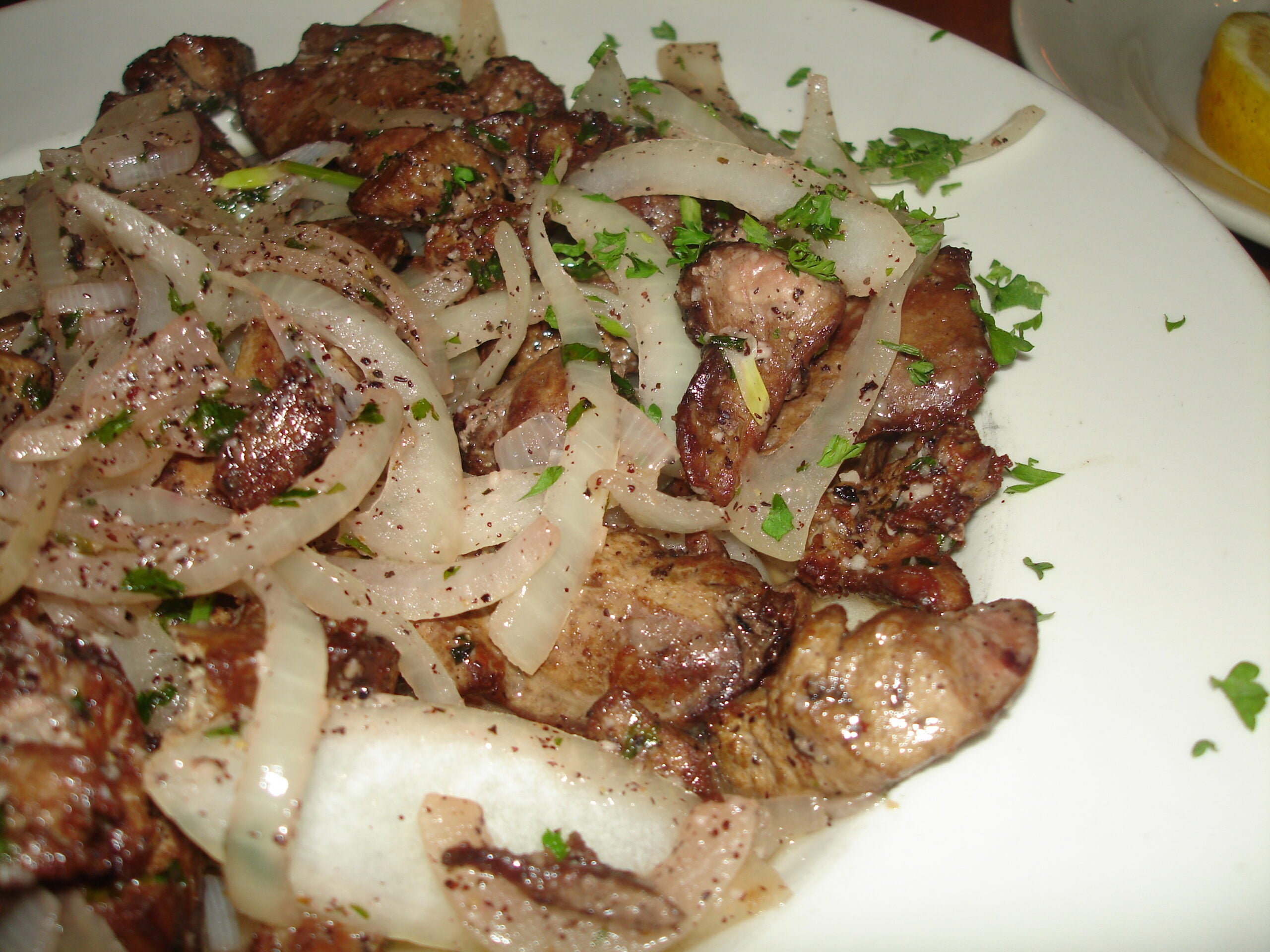
This dish once represented thrift, nutrition and the expectation that every useful cut had a place at the table. Liver and onions showed up in many Canadian homes because liver was relatively affordable, cooked quickly in a pan and was valued for its iron and richness. Served with mashed potatoes or gravy, it was practical supper food.
Its disappearance had as much to do with changing taste as convenience. By the late 20th century, many families were buying more boneless chicken, ground beef and prepared entrées, while organ meats became less common in mainstream home cooking. Microwaves did not cause that shift alone, but they fit neatly into a culture that preferred milder, faster and more standardized meals.
Pouding chômeur
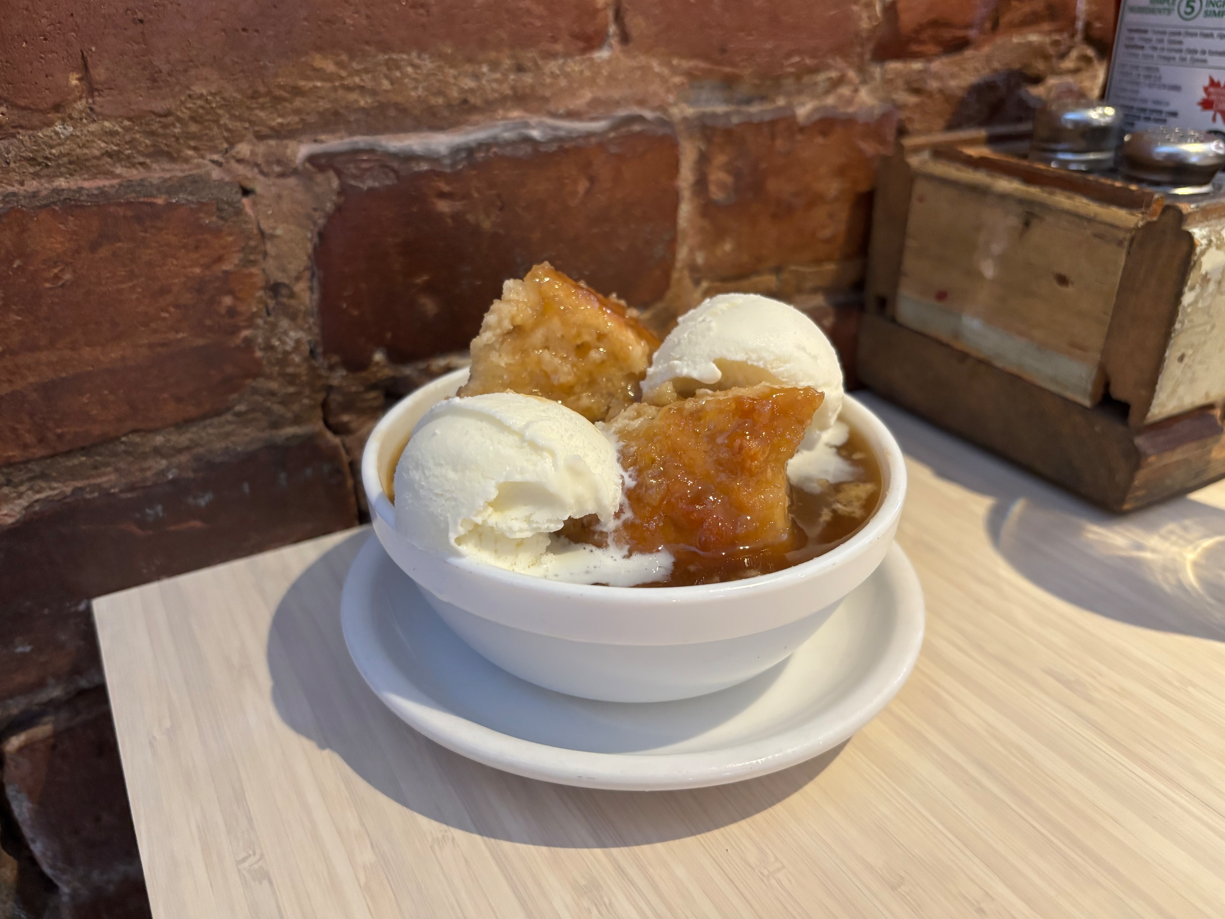
Born in Quebec during the Great Depression, pouding chômeur turned basic ingredients into a warm dessert with remarkable economy. The name means unemployed person's pudding, and the dish typically bakes a simple batter under a hot syrup, often made with brown sugar or maple syrup. As it cooks, the sauce settles into a rich layer beneath the cake.
It remained beloved, but it stopped being an everyday homemade dessert in many households once convenience sweets took over. The pudding is best served warm from the oven, and its appeal depends on timing and texture rather than shelf life. In a world of microwave cakes, ice cream novelties and ready-to-serve desserts, that fresh-baked immediacy became less common at home.
Cornmeal mush
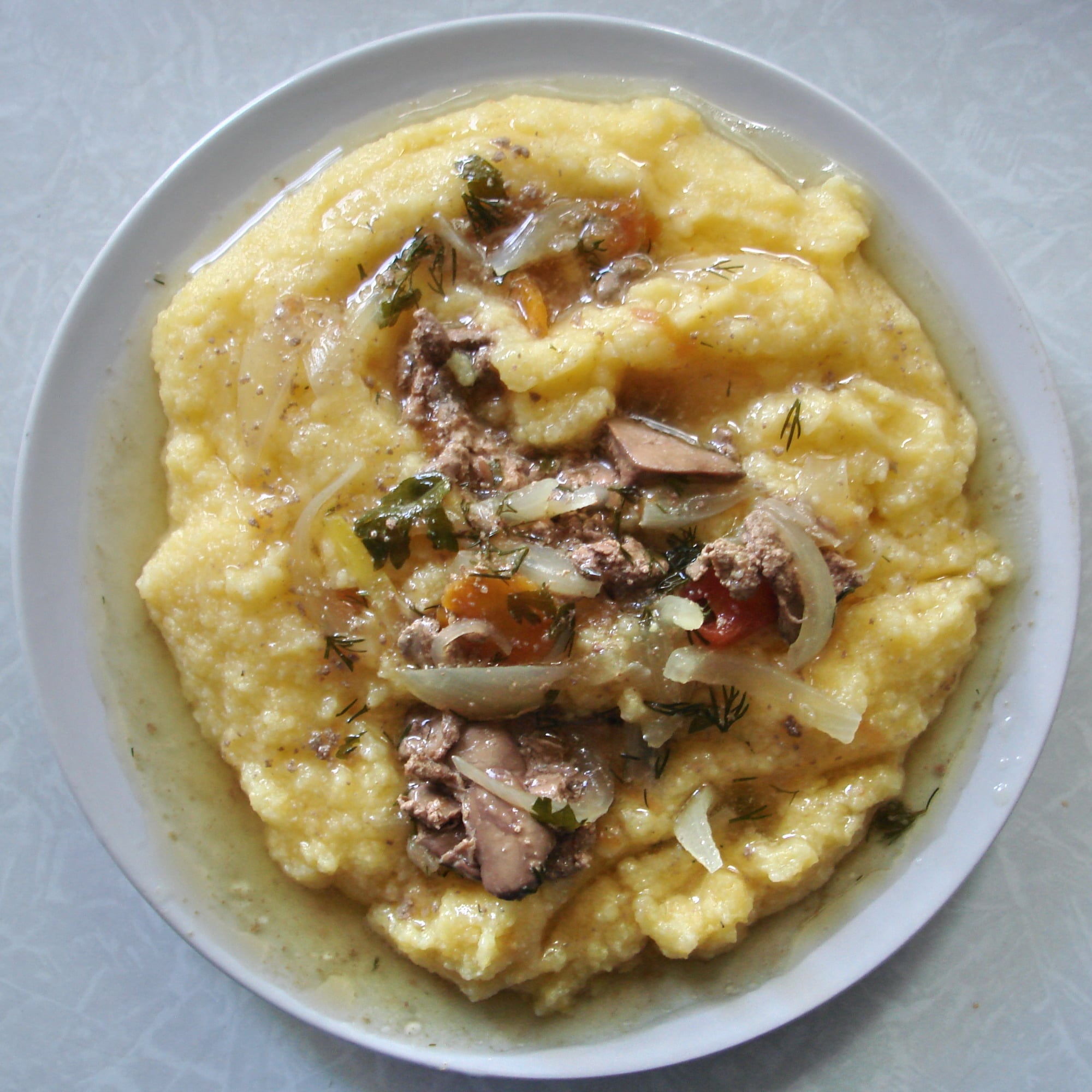
Before boxed cereals dominated breakfast, cornmeal mush filled a similar role in many homes. Cooked slowly on the stove until thick, it could be eaten hot with milk or syrup, or cooled, sliced and fried later in butter. Versions appeared in different parts of Canada, especially where frugal, filling breakfasts mattered through long winters.
Its decline is easy to understand once speed becomes the priority. Cornmeal mush asks for stirring, patience and attention to texture, while instant oatmeal, toaster foods and microwave breakfast items promise near-zero effort. It also belongs to a style of cooking where leftovers are transformed with care, something that faded as more families built meals around packaged convenience from the start.
Baked macaroni casserole
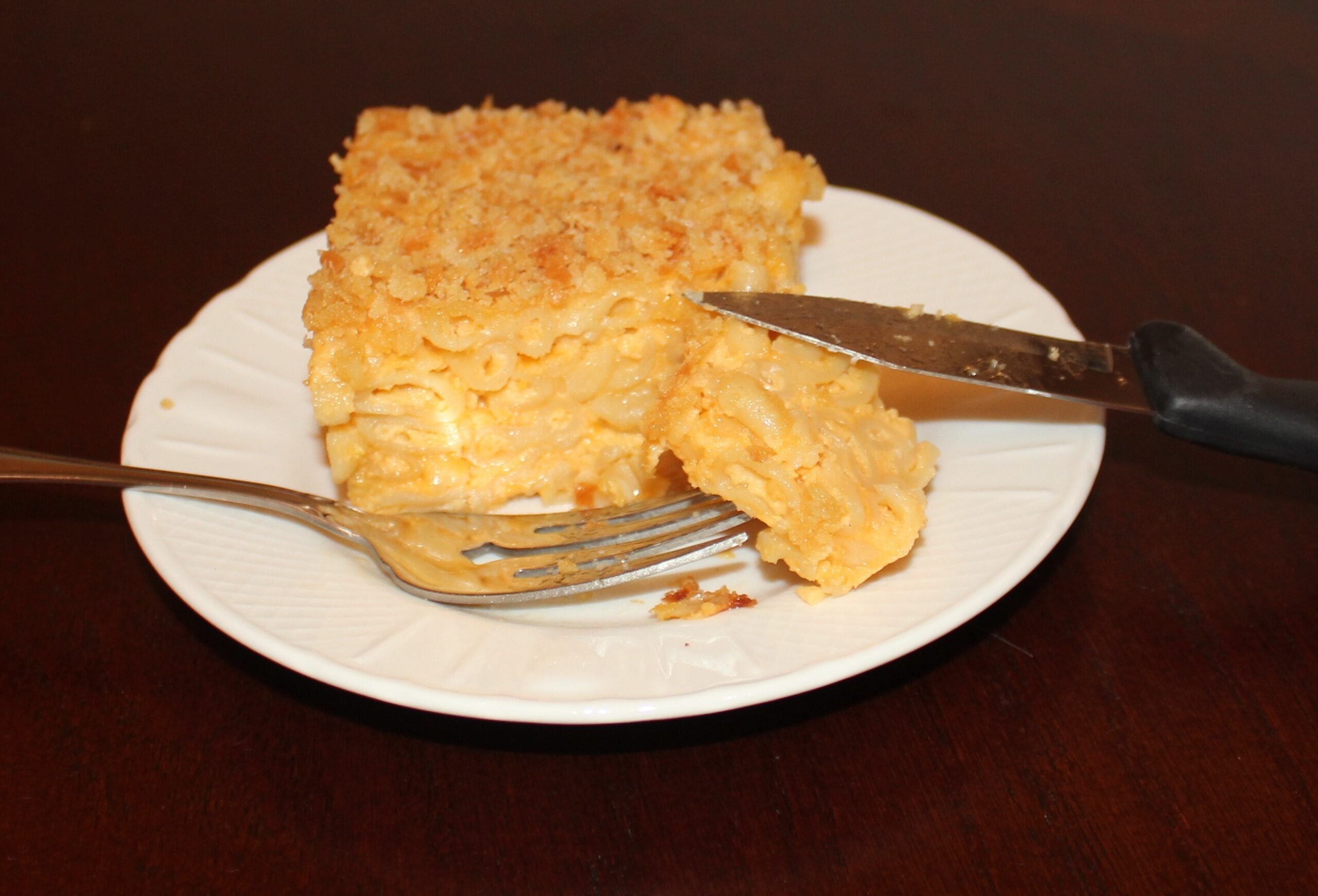
Homemade macaroni casseroles used to be a common answer to feeding several people cheaply. Long before boxed macaroni and cheese became a pantry fixture, many cooks baked elbow pasta with white sauce, cheese, crumbs and sometimes canned tomatoes or leftover meat. The result was hearty, adaptable and designed for the family table, not a single serving tray.
Microwave culture changed the expectations around pasta dishes. Instead of boiling, making sauce, assembling and baking, households could open a box or heat a frozen entrée in minutes. The old casserole did not disappear because people stopped liking it. It faded because it represented a slower kind of domestic routine, one built around bulk cooking and shared mealtimes.
Apple grunt
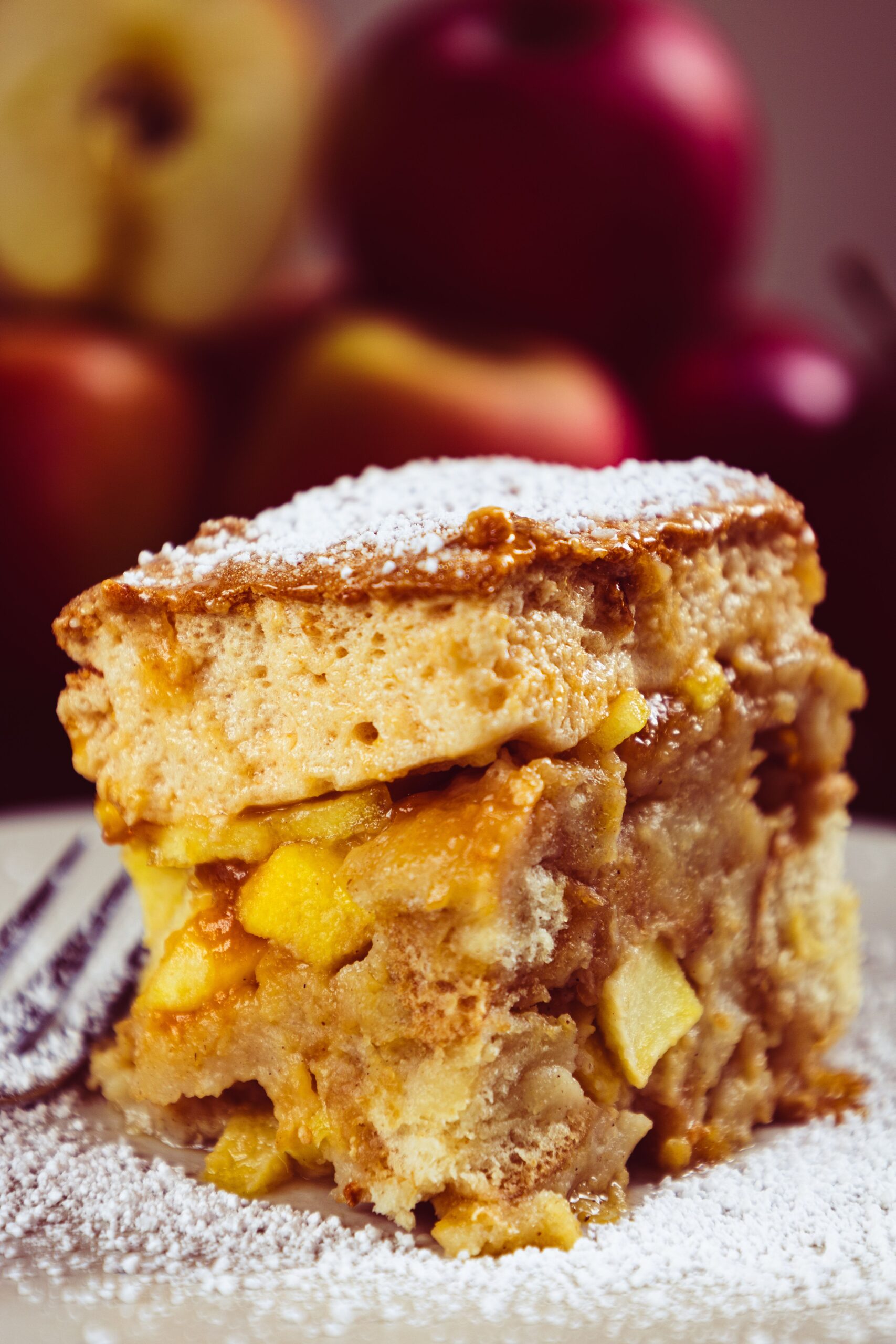
In Atlantic Canada, especially Nova Scotia, apple grunt turned fruit and dough into a dessert that was both humble and memorable. Unlike a pie, the dish cooks on the stovetop, where apples simmer beneath spoonfuls of dough until the topping steams into dumplings. The name is often linked to the sound the fruit makes while cooking.
That method made perfect sense in kitchens where cooks were used to managing pots for long stretches. In later decades, it became easier to buy pie, crisp or frozen desserts than to watch a pan and serve the result at just the right moment. Apple grunt still appears in regional cooking, but less often as an everyday homemade sweet.
Bread pudding
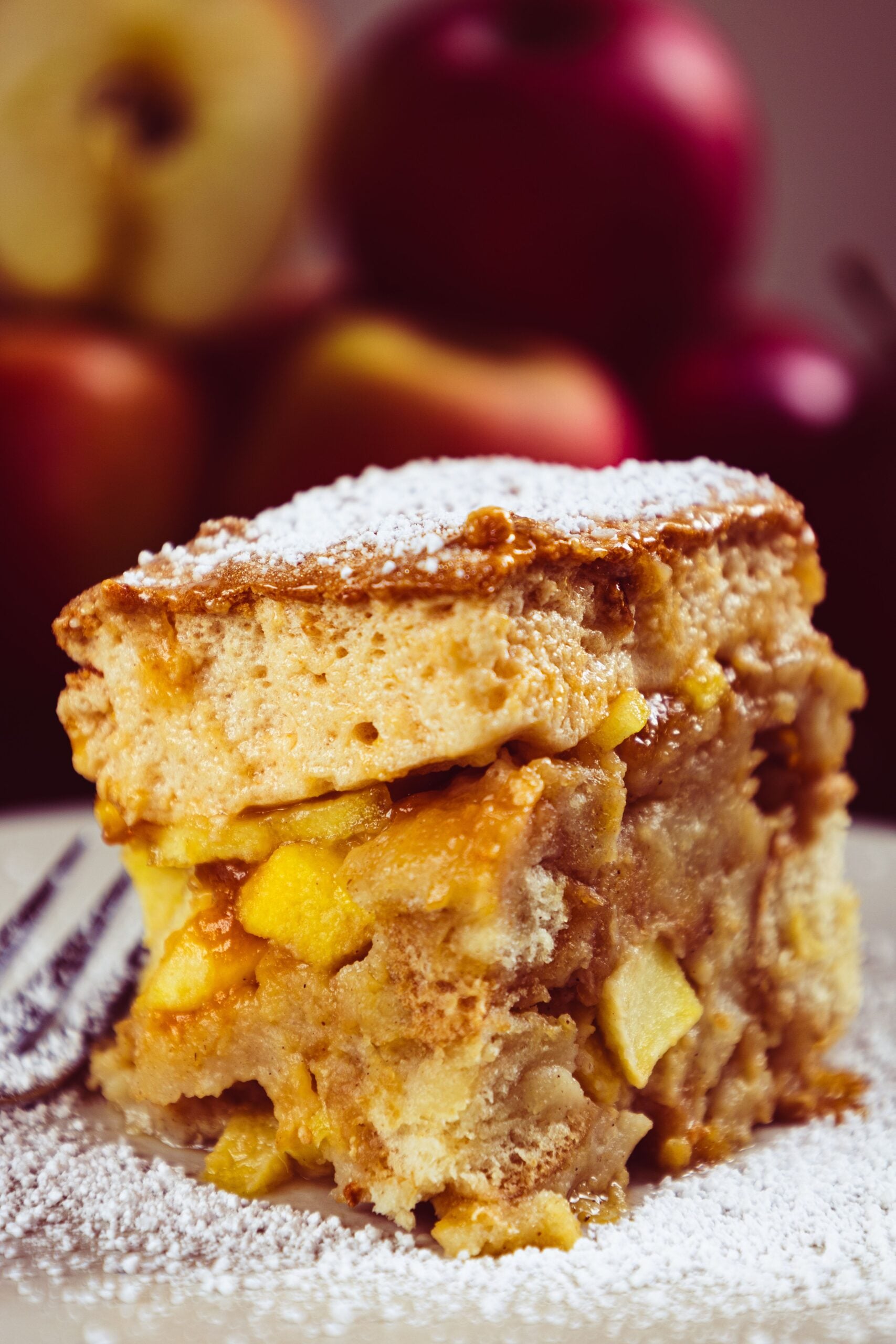
Bread pudding may be the clearest example of a dish tied to an older kitchen economy. It was a practical way to use stale bread, along with milk, eggs, sugar and spices, turning scraps into a baked dessert or supper pudding. Canadian home cooks made many versions, sometimes with raisins, sauce or whatever flavourings were already on hand.
As food waste patterns changed and sliced bread became cheaper relative to labor, the logic behind bread pudding weakened. So did the habit of saving odds and ends for a second life in the oven. Microwaves favored speed and portioned convenience, while bread pudding belonged to a household system built on patience, reuse and making something satisfying from almost nothing.



Leave a Reply