
Frozen dinners promise speed, comfort, and easy cleanup. The best ones deliver all three, while the worst leave you with bland sauce, rubbery protein, and a lot of regret.
Budget salisbury steak trays
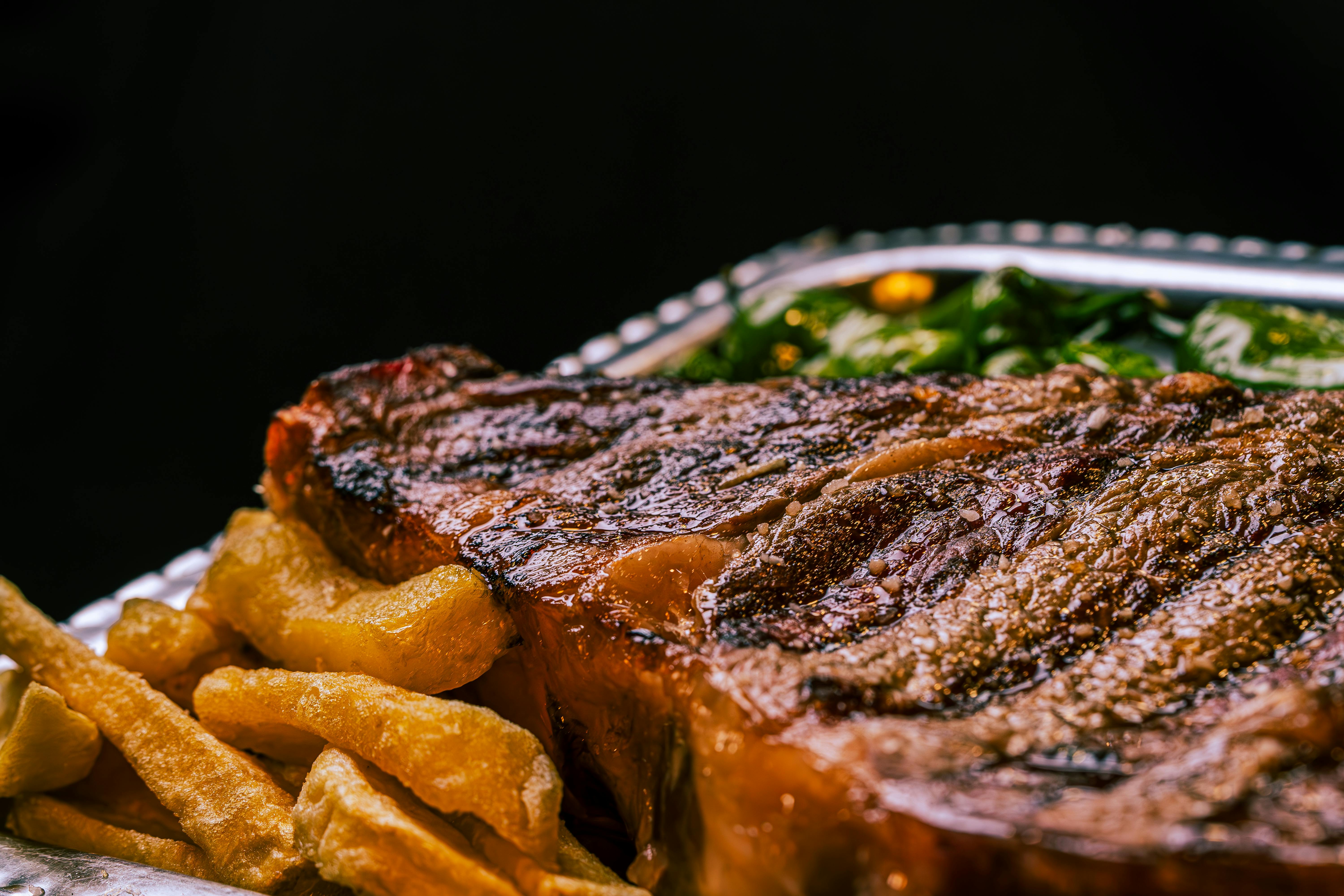
This category lands at the bottom because it often represents the oldest stereotype of frozen dinners: processed meat, thin gravy, and sides that seem designed more for shelf stability than pleasure. In many low-cost versions, the patty tastes spongy rather than beefy, with a soft texture that suggests fillers are doing too much of the work.
The sides rarely rescue the meal. Mashed potatoes can turn gluey after heating, and the brownie or corn portion often feels like an afterthought. Sodium levels are usually high, while protein quality and vegetable presence are low, making the meal filling without being especially balanced.
Consumer reviews across big-box retailers tend to repeat the same complaints: weak seasoning, excessive salt, and inconsistent heating. For shoppers focused strictly on price, these trays may still appeal, but from a taste and quality standpoint, they are usually the least rewarding choice in the freezer aisle.
Frozen fish and chips dinners
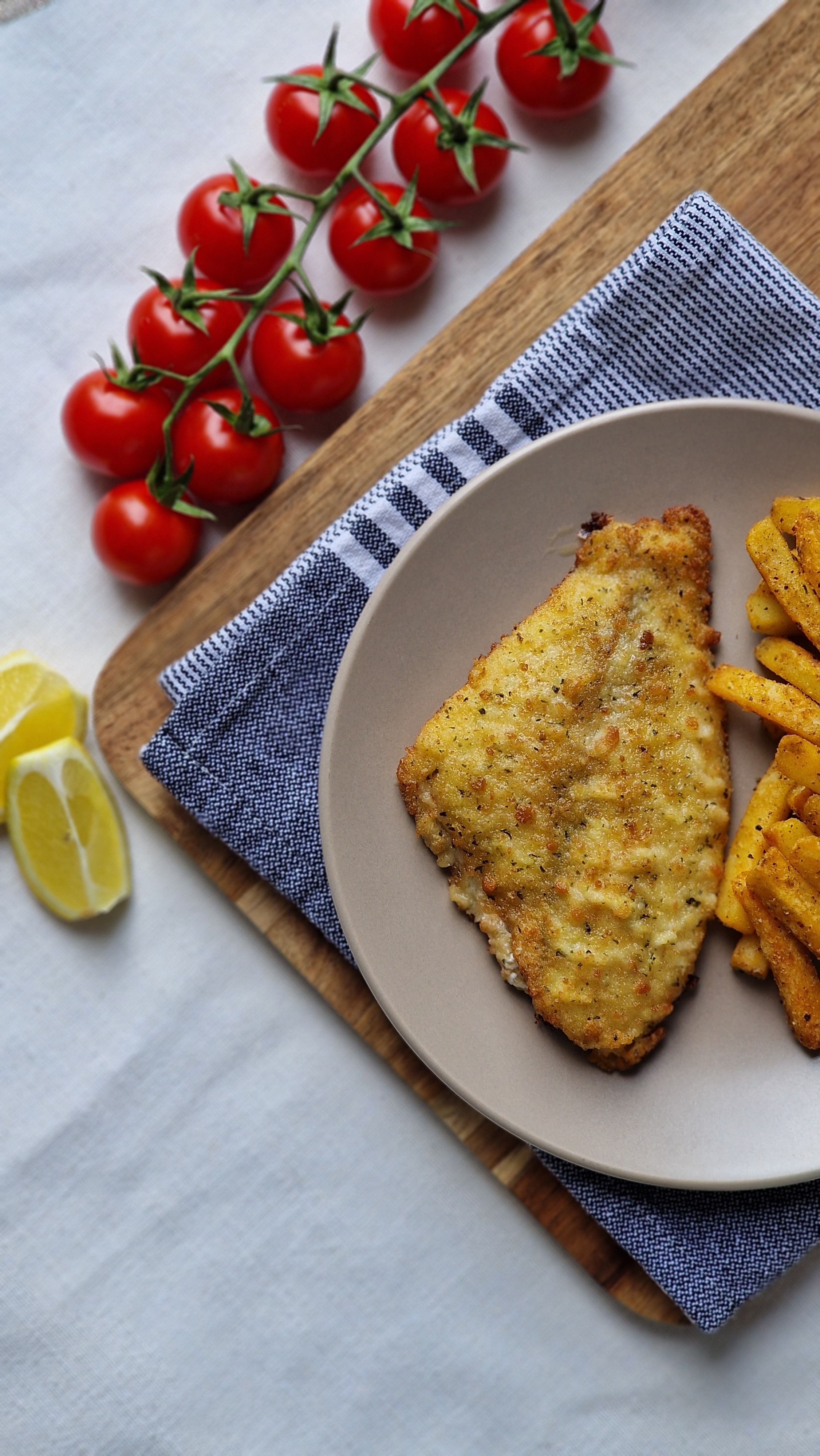
At first glance, fish and chips sounds like a comfort-food winner. In practice, this is one of the hardest frozen dinners to execute well because battered fish loses its crispness easily, and fries trapped in the same tray rarely survive the microwave with any dignity.
Even when baked, the fish can swing between watery and dry. The coating often separates from the fillet, and lower-cost brands may use minced fish portions that lack the clean flake and mild sweetness people expect. Add a tartar sauce packet, and the meal still often feels more like a compromise than a craving satisfied.
Nutrition is another weak point. These dinners are commonly high in refined carbohydrates and sodium, yet they do not always deliver much protein for the calorie count. When a frozen seafood meal disappoints, it tends to disappoint completely, which is why this category ranks near the bottom.
Basic frozen mac and cheese with meat
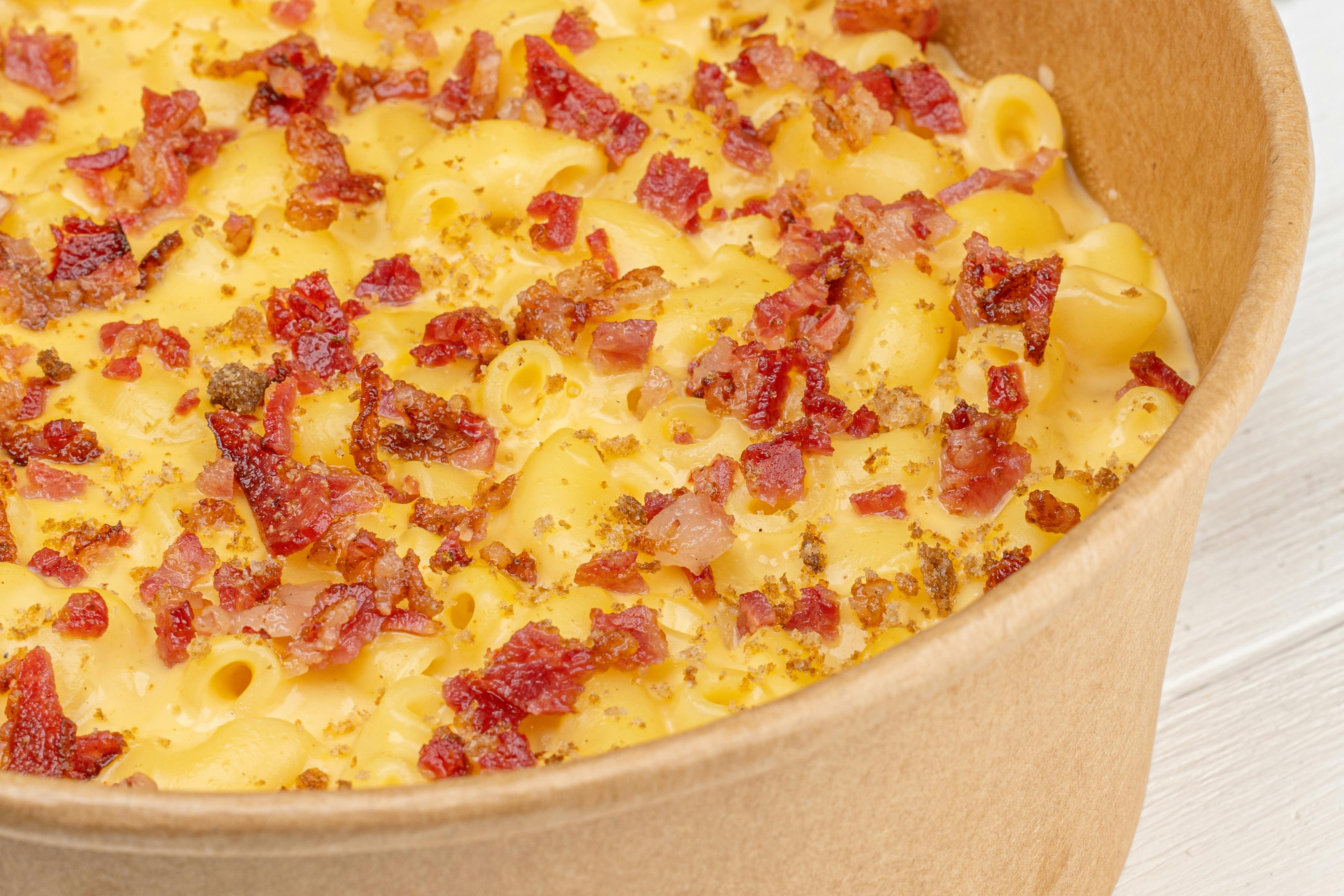
This style sells well because it seems foolproof. Pasta, cheese sauce, and some kind of beef or bacon should be hard to ruin, but many versions rely on a heavy, starchy sauce that coats the mouth without offering much actual cheese depth.
The meat component is often the downfall. Small beef crumbles can taste dry or overly seasoned, while bacon pieces frequently lose their smoky appeal after reheating. The result is a dinner that feels monotonous halfway through, especially if the pasta texture shifts from firm to mushy in a matter of seconds.
There are decent exceptions, especially from premium labels, but the average tray in this category is more comforting in theory than in execution. It is serviceable for a quick lunch, yet it rarely tastes like a meal someone would choose over a freshly made version.
Frozen chicken fried rice bowls
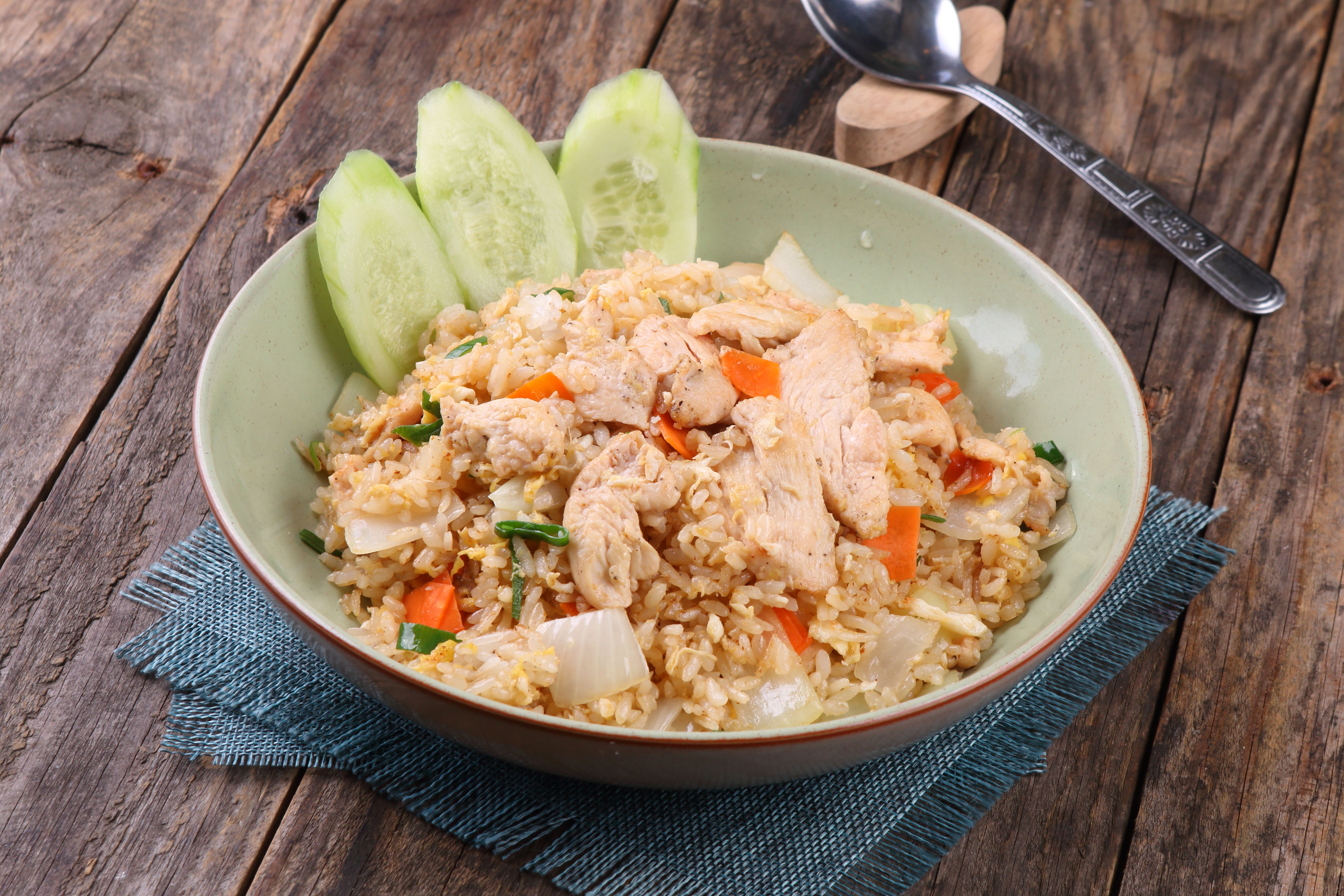
This is a category with huge promise and uneven follow-through. A good chicken fried rice bowl should give you distinct grains, tender chicken, and vegetables that still hold some snap. Too often, what you get is clumped rice, tiny chicken cubes, and a soy-heavy flavor profile that blurs everything together.
Microwave performance is a major issue here. Rice can dry out at the edges while staying cold in the center, and the eggs, peas, and carrots often disappear into the background. Some better brands use separate sauce pouches or better grain preparation, but those are not the norm.
From a nutrition standpoint, these bowls can look better than creamy pasta meals because they usually contain vegetables and moderate fat. Still, the sodium can be startling, and the quality of the chicken is frequently mediocre, keeping this type of dinner in the lower-middle tier.
Frozen turkey and stuffing dinners
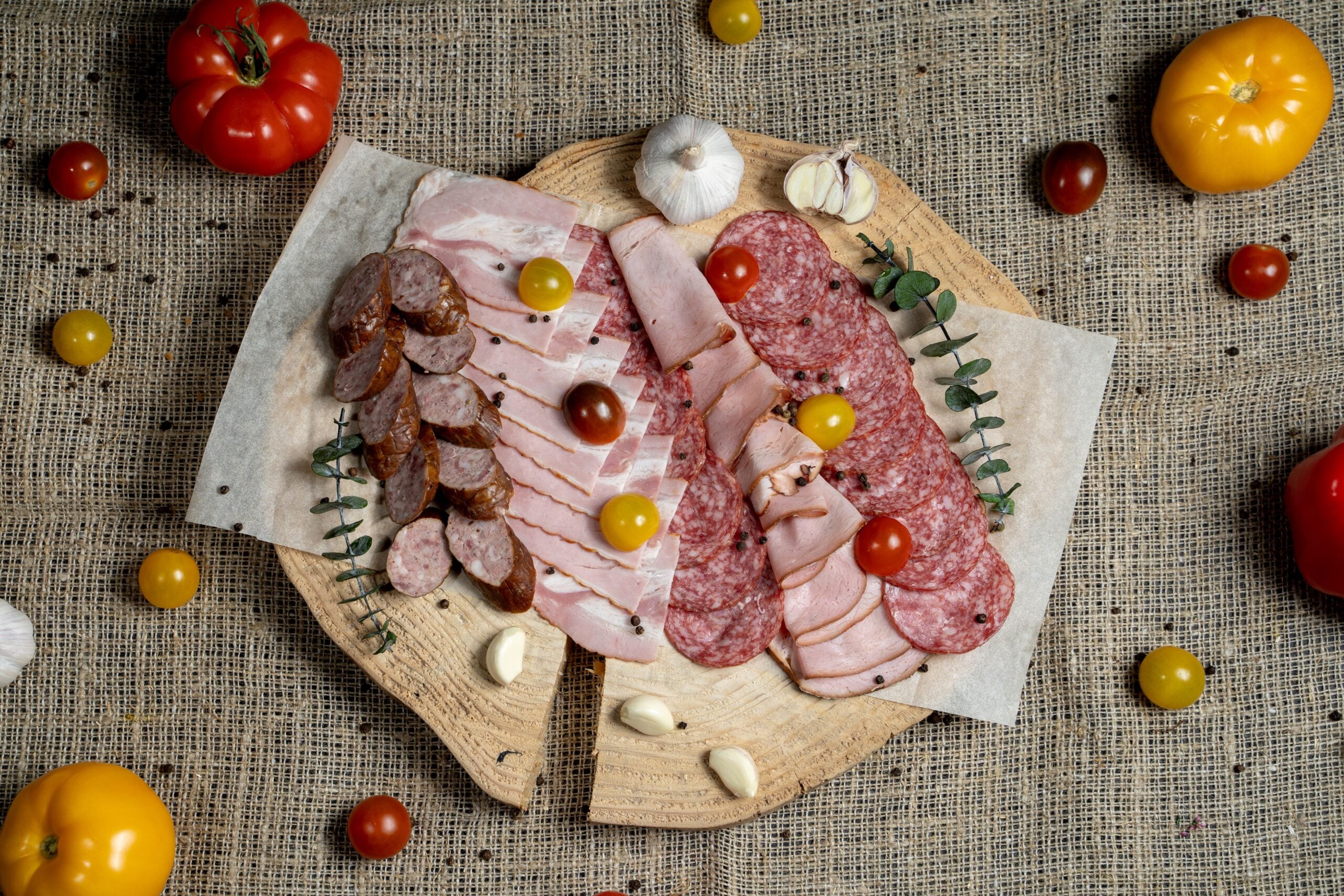
Turkey and stuffing trays aim for holiday comfort on a weeknight, which is an ambitious promise. The problem is that roasted turkey is notoriously difficult to freeze and reheat without drying out, and stuffing tends to absorb moisture unevenly, becoming either mushy or oddly tough.
Gravy helps, but not enough. In many popular versions, the turkey slices are thin and pressed, the stuffing tastes more like seasoned bread paste than a true dressing, and the vegetables are cooked beyond recognition. Cranberry sauce, when included, can add brightness, though it is usually a very small portion.
These meals are not terrible, and they can scratch a nostalgic itch. Still, they tend to feel assembled rather than cooked. For diners seeking a real comfort-food payoff, there are stronger frozen options that do a better job with texture and flavor.
Standard frozen cheese enchilada dinners
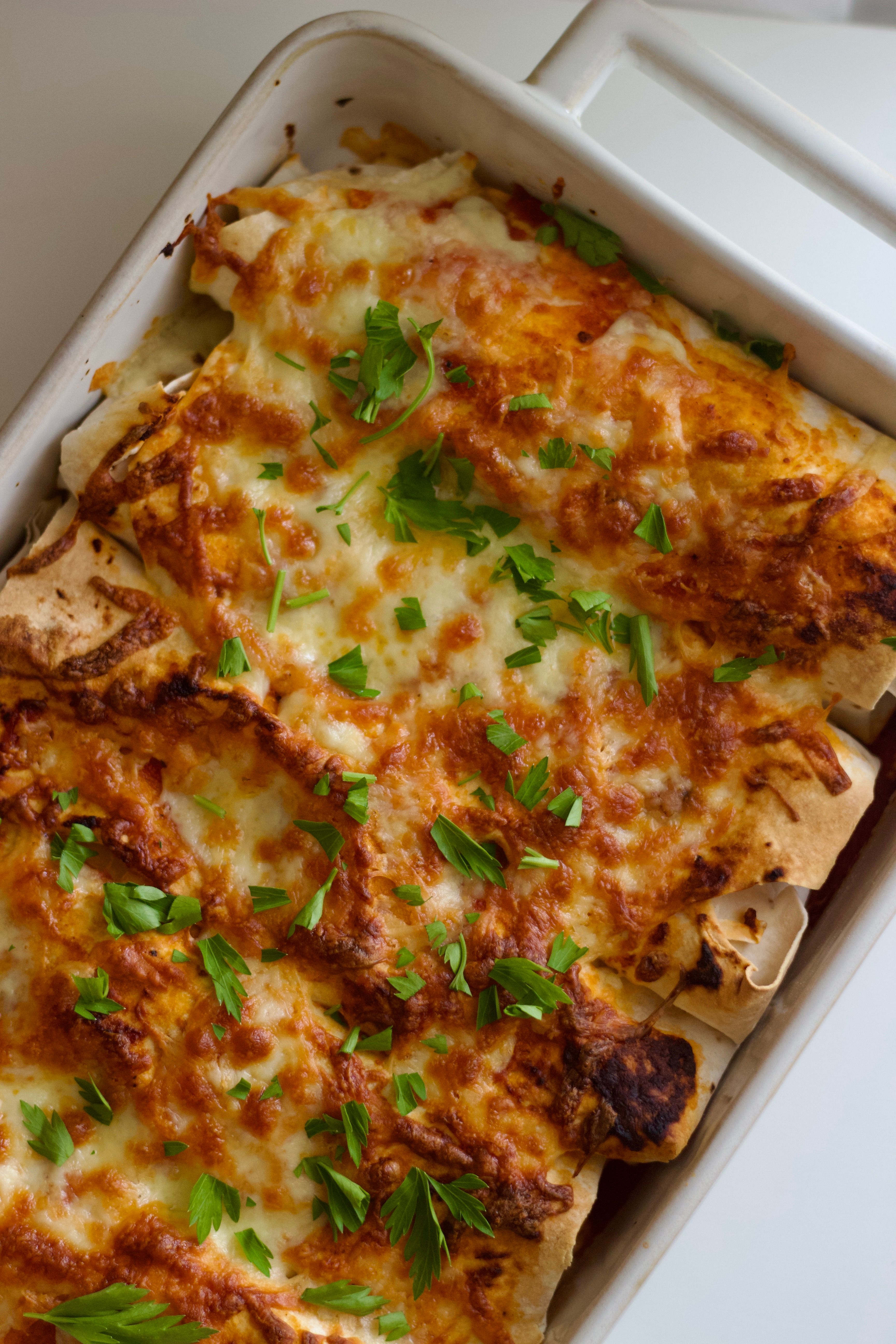
Cheese enchiladas are surprisingly resilient in frozen form, which is why this category lands in the middle rather than the bottom. The tortillas soften in sauce anyway, so the texture losses from freezing are less damaging than they would be in crisp or breaded foods.
Where these meals struggle is balance. The cheese filling can be greasy, the red sauce often leans flat or overly acidic, and the rice and beans on the side are sometimes bland enough to vanish from memory as soon as the tray is empty. Heat distribution is also inconsistent in deeper compartments.
Still, a decent enchilada dinner can be satisfying in a straightforward way. It usually offers recognizable flavors and a hearty feel, even if it lacks freshness. That dependability keeps it above several weaker categories that ask more from freezing than the format can realistically provide.
Frozen spaghetti and meatballs dinners

There is a reason this category has lasted for decades. Tomato sauce freezes well, pasta can tolerate reheating better than many grains, and meatballs are forgiving enough to remain tender if the formulation is right. When executed competently, this dinner is easy to enjoy.
The downside is predictability. Many mass-market versions use sweet sauce, soft noodles, and meatballs with a uniform texture that feels more manufactured than homemade. Parmesan dusting can help, but it rarely changes the overall impression that the meal is pleasant rather than memorable.
Still, compared with shakier categories below it, spaghetti and meatballs usually delivers a complete experience. You get protein, sauce, and familiar comfort in one tray, and major brands have spent years refining these formulas. That consistency earns it a respectable middle-of-the-pack position.
Frozen chicken alfredo dinners
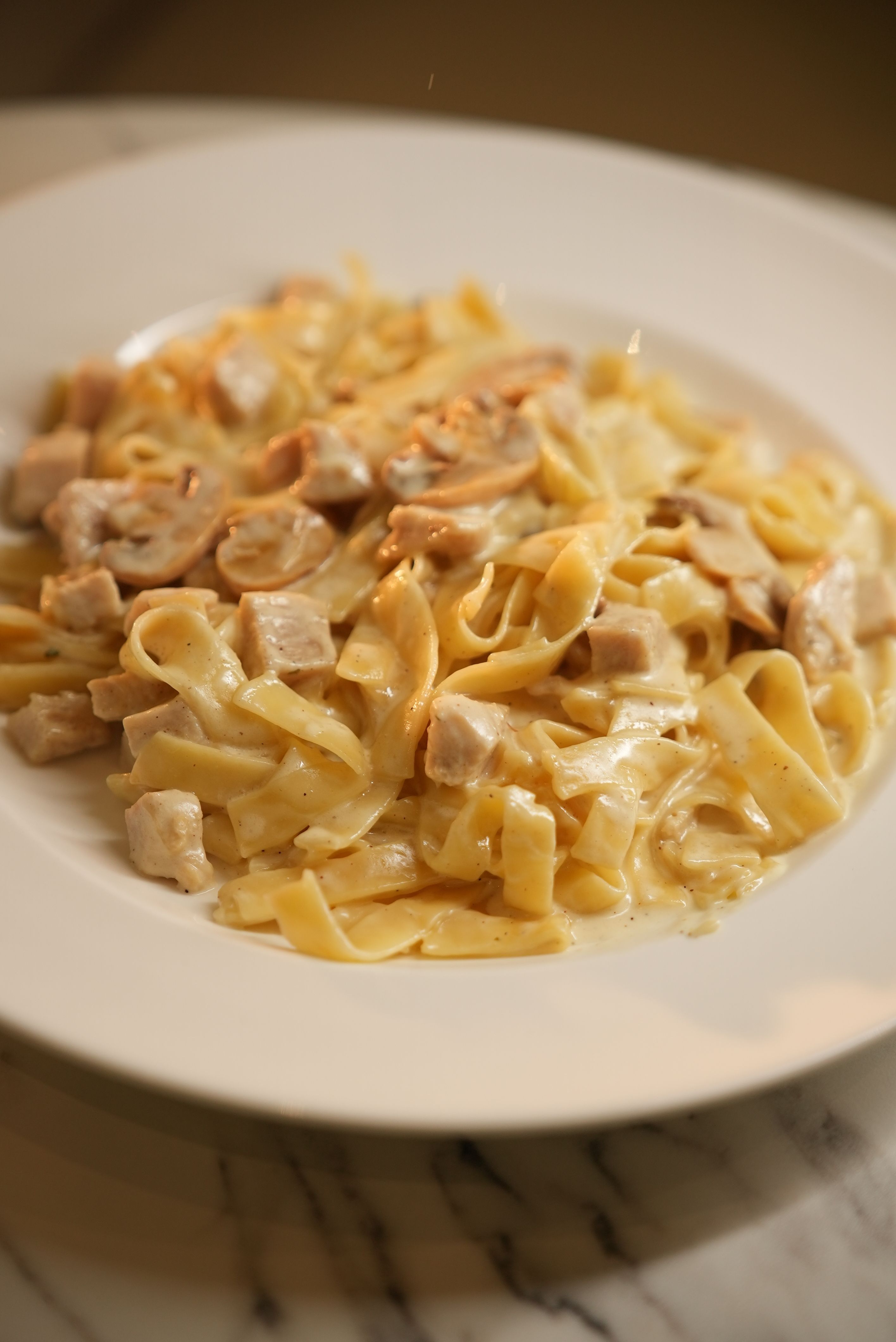
Creamy pasta is difficult to keep balanced, yet chicken alfredo often performs better than expected in frozen form. The sauce tends to reheat smoothly, and the pasta shape, usually fettuccine or penne, can hold up if the manufacturer avoids overcooking before freezing.
This category rises when the chicken is decent. Better brands use larger white-meat pieces and add broccoli for contrast, which improves both taste and appearance. According to product labeling across several leading brands, protein content is often solid here, making the meal more substantial than it first appears.
The weakness is richness. Some trays are so heavy on cream, starch, and salt that they become tiring before the last bite. Even so, when compared with more failure-prone frozen dinners, chicken alfredo offers a higher floor and a genuinely comforting payoff.
Frozen burrito bowls
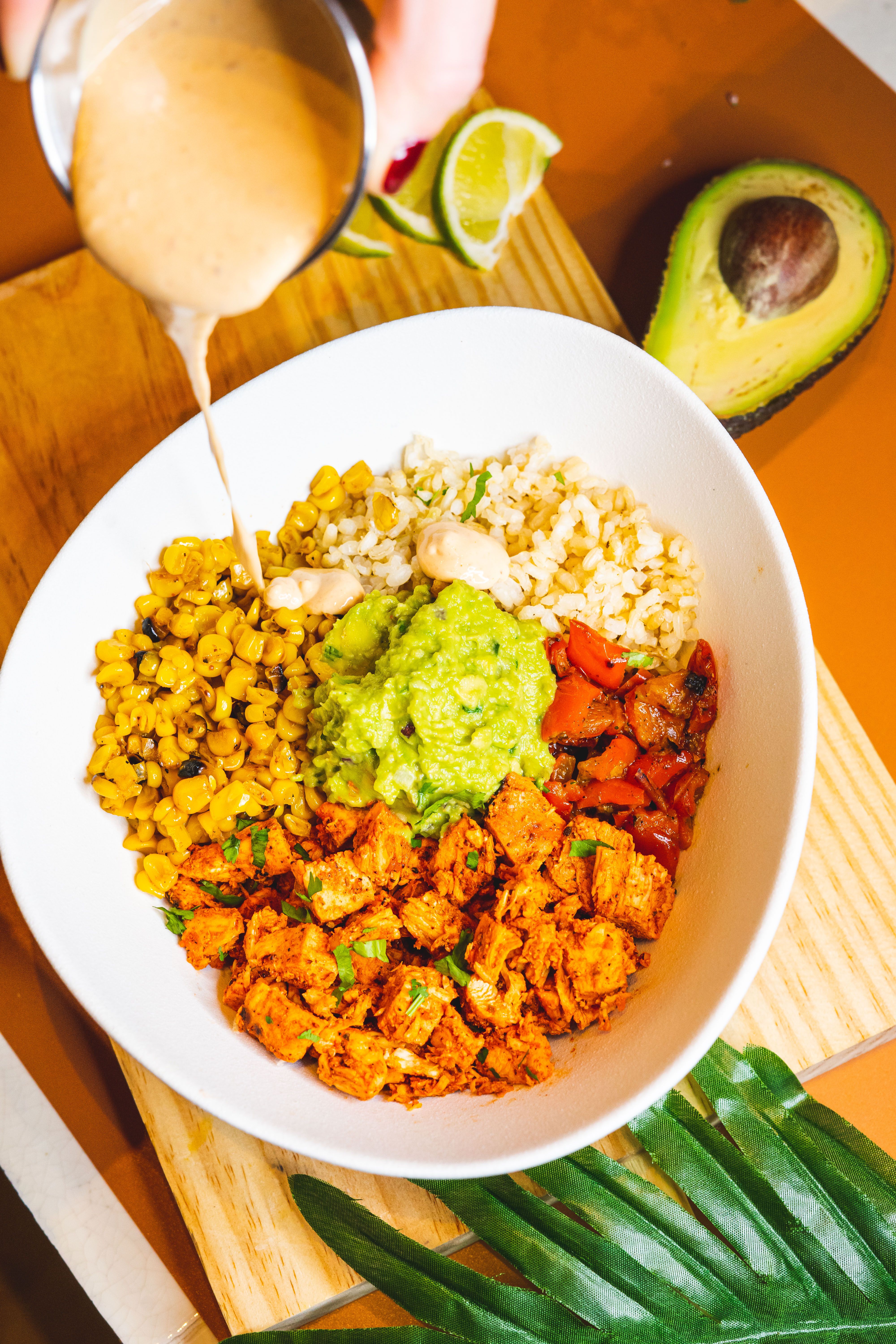
Burrito bowls have become one of the smartest modern frozen formats because their components are naturally modular. Rice, beans, vegetables, salsa, and seasoned meat can each retain their identity better than foods that depend on crunch or delicate structure.
The best examples use smoky chicken or beef, black beans with real seasoning, and corn or peppers that still taste like vegetables rather than filler. These bowls also tend to align with current eating habits, offering more protein and fiber than older tray dinners built around gravy and starch.
Quality still varies, especially with rice texture and spice balance, but the overall concept is strong. A burrito bowl can feel contemporary, filling, and less processed than many legacy frozen meals. That combination of convenience and relative freshness pushes it into the top four.
Frozen vegetable-forward grain bowls
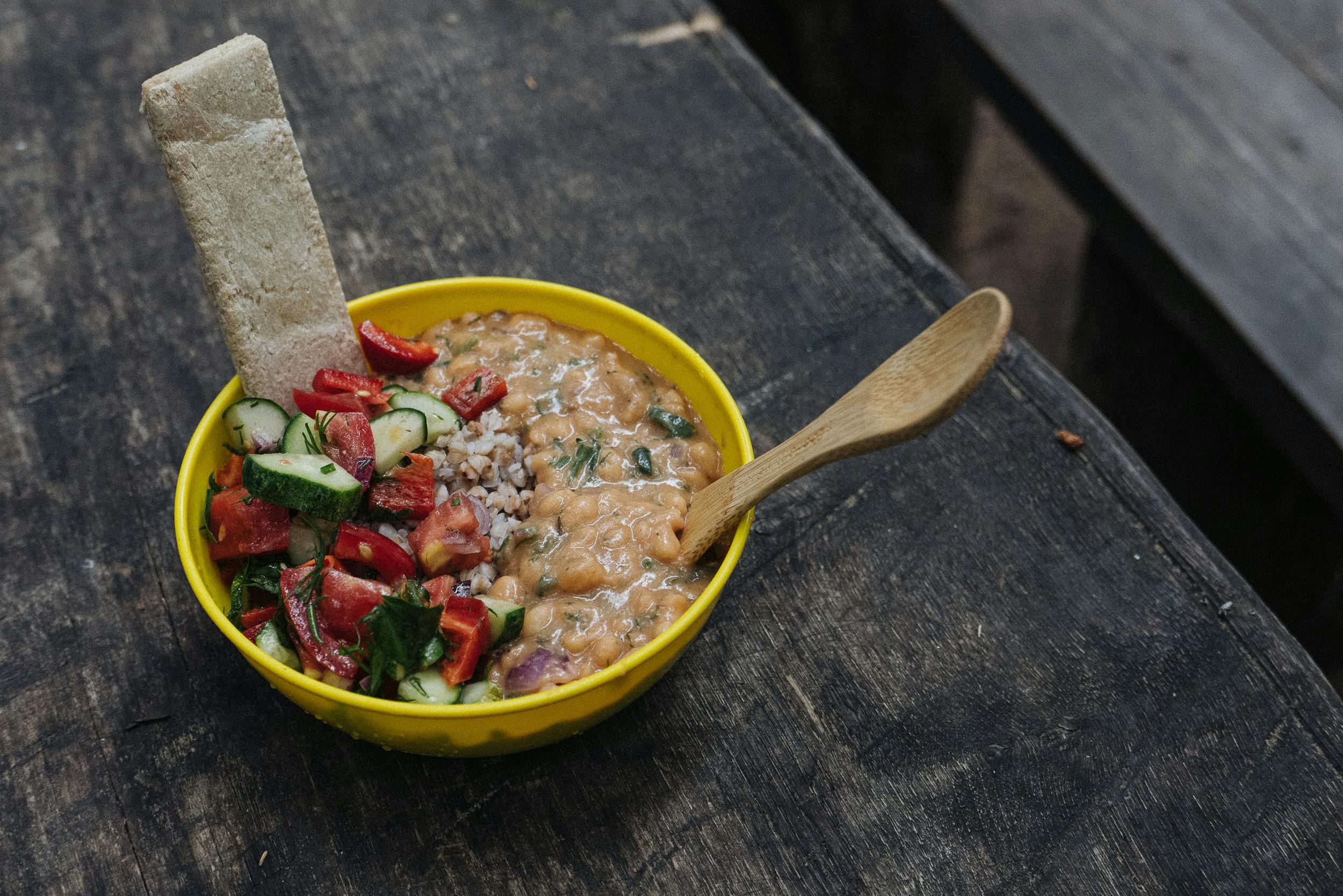
This is where the frozen aisle starts to feel genuinely modern. Grain bowls built around quinoa, brown rice, farro, roasted vegetables, and legumes often benefit from freezing because their ingredients are sturdy and do not rely on crispness to be enjoyable.
Many of the better versions also show more nutritional intention. You often see higher fiber, better ingredient lists, and sauces that add flavor without drowning the bowl. Market research from major grocery chains has shown sustained growth in plant-forward frozen meals, reflecting how strongly this category now resonates.
Taste matters most, of course, and the strongest grain bowls deliver there too. Earthy grains, savory vegetables, and globally inspired sauces create meals that feel composed rather than industrial. They may not satisfy someone craving classic comfort food, but they outperform most categories on balance and consistency.
Frozen Indian-inspired curry meals

Few frozen dinner types reheat as gracefully as curry. Saucy dishes are naturally protected from drying out, rice works well as a base when portioned properly, and spice blends give manufacturers a built-in advantage because flavor remains vivid even after freezing and reheating.
The top versions feature tikka masala, butter chicken, chana masala, or palak paneer with layered seasoning rather than simple heat. Lentils and chickpeas also hold texture well, and paneer survives freezing better than many people expect. As a result, the category offers strong vegetarian and meat-based choices alike.
There are still weak products with sugary sauces or undersized portions, but the average quality here is impressively high. Compared with many standard American frozen dinners, Indian-inspired meals more often taste intentional, aromatic, and complete, which puts them very near the top.
Frozen lasagna dinners

Lasagna takes the top spot because it checks nearly every box a frozen dinner needs to check. Its layered structure protects moisture, the sauce and cheese reheat beautifully, and the format naturally accommodates flavor development in a way many single-compartment meals cannot match.
The best single-serve lasagnas offer distinct pasta layers, seasoned ricotta, robust tomato sauce, and enough browned cheese flavor to feel truly satisfying. Even family-size versions, which are often baked rather than microwaved, have become remarkably reliable. Major brands and store labels alike have refined this category for years.
Just as important, lasagna delivers emotional value. It feels like real comfort food rather than a merely convenient substitute, and it usually provides a more cohesive eating experience than bowls built from separate parts. Among frozen dinners, it remains the most consistently successful blend of taste, texture, and practicality.



Leave a Reply