
French cooking has a way of making even a simple dinner feel composed. These classics look polished on the plate, and each one highlights a technique that cooks everywhere still rely on.
French onion soup
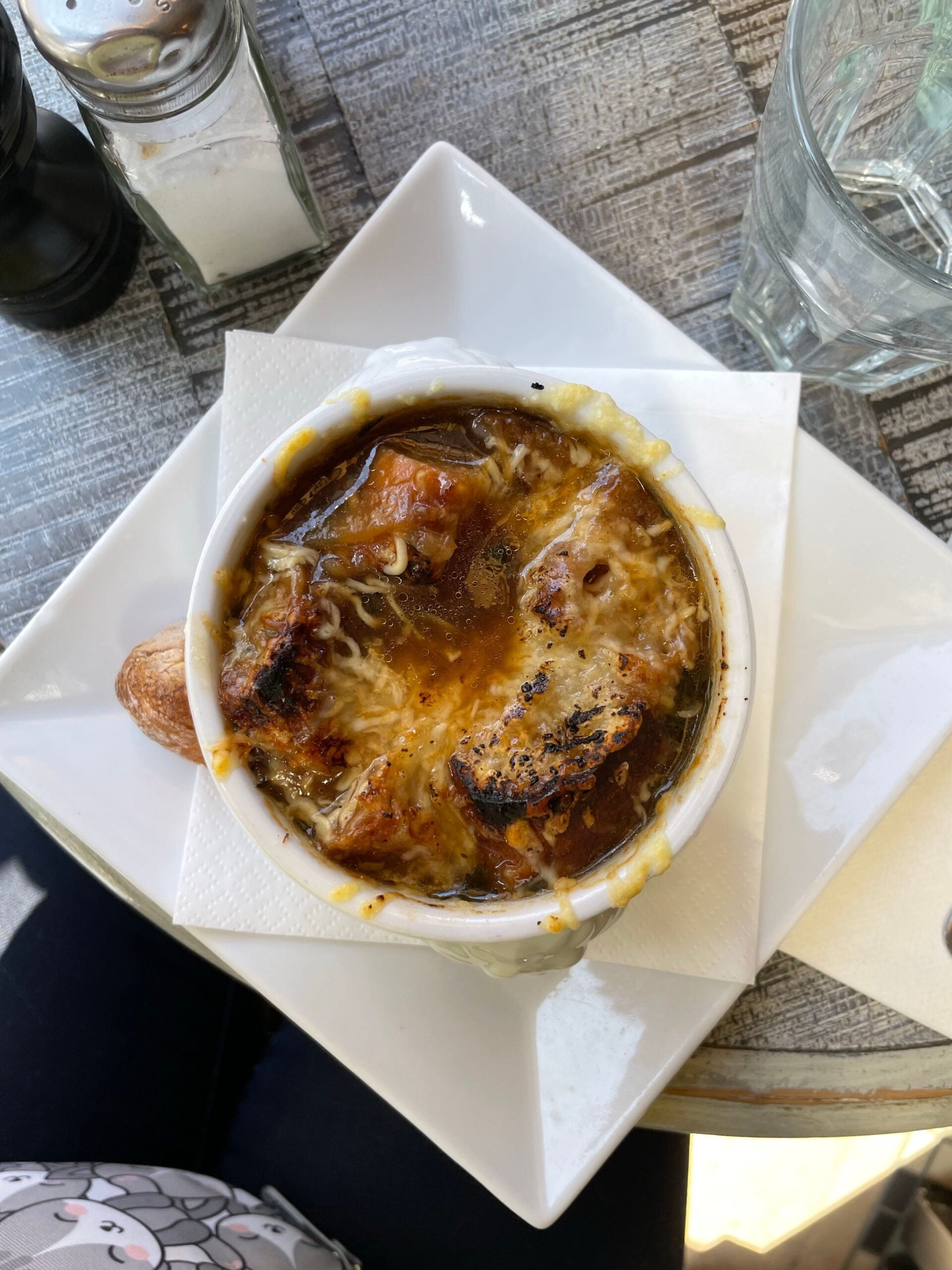
A crock of French onion soup signals patience more than difficulty. Its deep flavor comes from onions cooked slowly until they turn sweet and richly browned, a process that can take close to an hour if you want real depth rather than quick color.
The finishing touch does most of the visual work. Soup is topped with toasted bread and melted cheese, often Gruyère, then browned until blistered. That cap gives you contrast in one bowl, crisp edges, stretchy cheese, and savory broth underneath.
It also shows you understand balance. Good versions lean on stock, onions, a little wine or sherry, and restrained seasoning, not a pile of ingredients. Serve it in individual bowls, and it immediately reads like bistro food.
Coq au vin
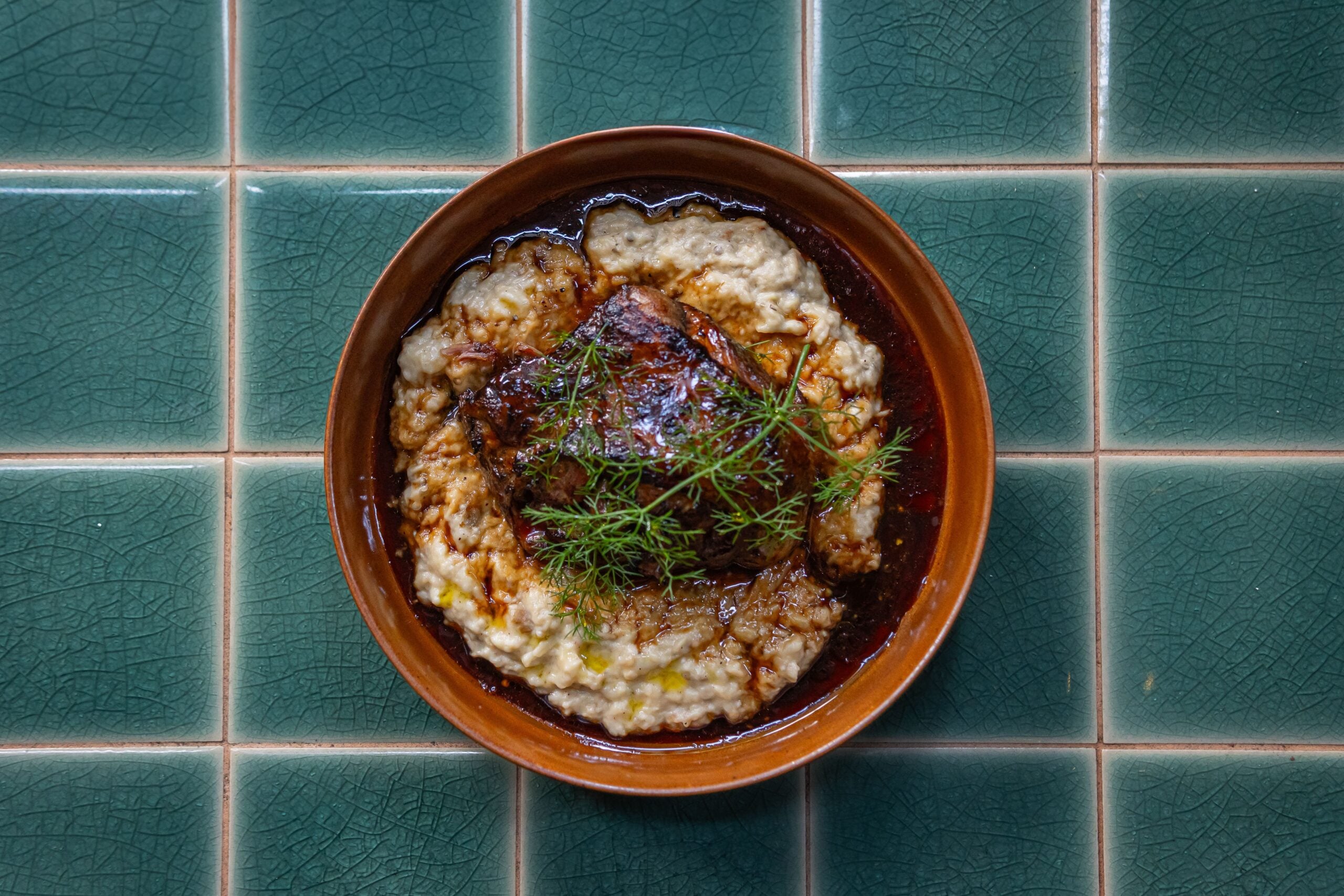
Coq au vin looks serious because it is built like many classic braises, in layers. Chicken is browned first, then gently cooked with wine, stock, onions, mushrooms, and often bacon, so the sauce develops body as everything mingles.
Its reputation comes from French country cooking, but the technique is practical. Browning creates flavor, slow simmering tenderizes the meat, and the cooking liquid turns into a glossy sauce that feels far more elaborate than the work suggests.
On a plate, it photographs beautifully. Dark sauce, pale chicken, and small vegetables create natural contrast. It tells guests you know how to manage heat, timing, and reduction, which are some of the most chef-like moves in home cooking.
Sole meunière
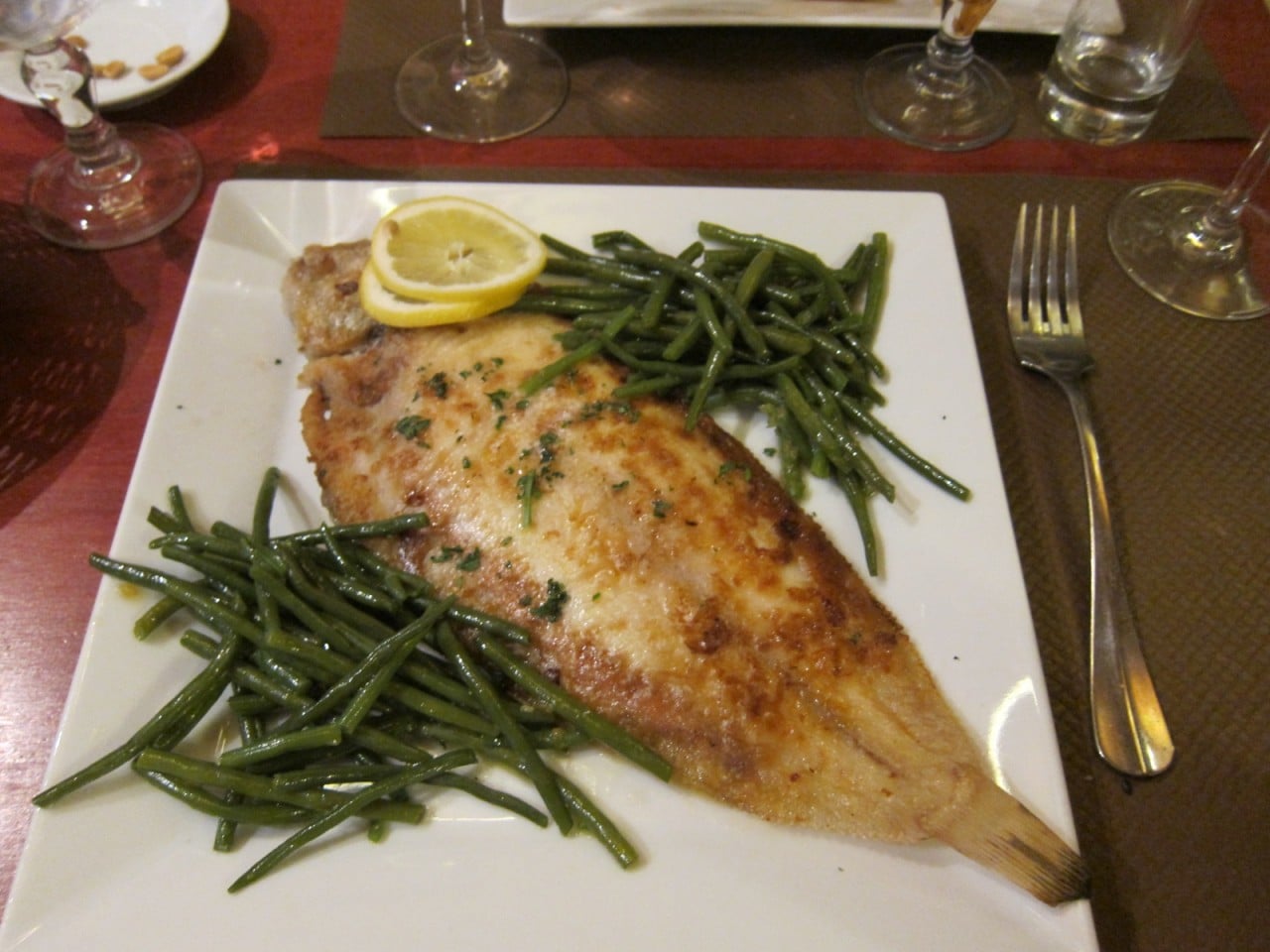
Few dishes look more refined than sole meunière, yet it is one of the clearest examples of how far a simple pan sauce can go. The fish is lightly floured, sautéed in butter, and finished with browned butter, lemon, and parsley.
That means every element matters. The fillet has to stay delicate, the butter has to turn nutty rather than burn, and the lemon must brighten without taking over. When done well, it tastes clean, rich, and precise all at once.
It also teaches restraint, which is a mark of confidence in the kitchen. There is nowhere to hide with a dish this spare. Set it on a white plate with a little sauce spooned over the top, and it looks unmistakably classic.
Steak frites
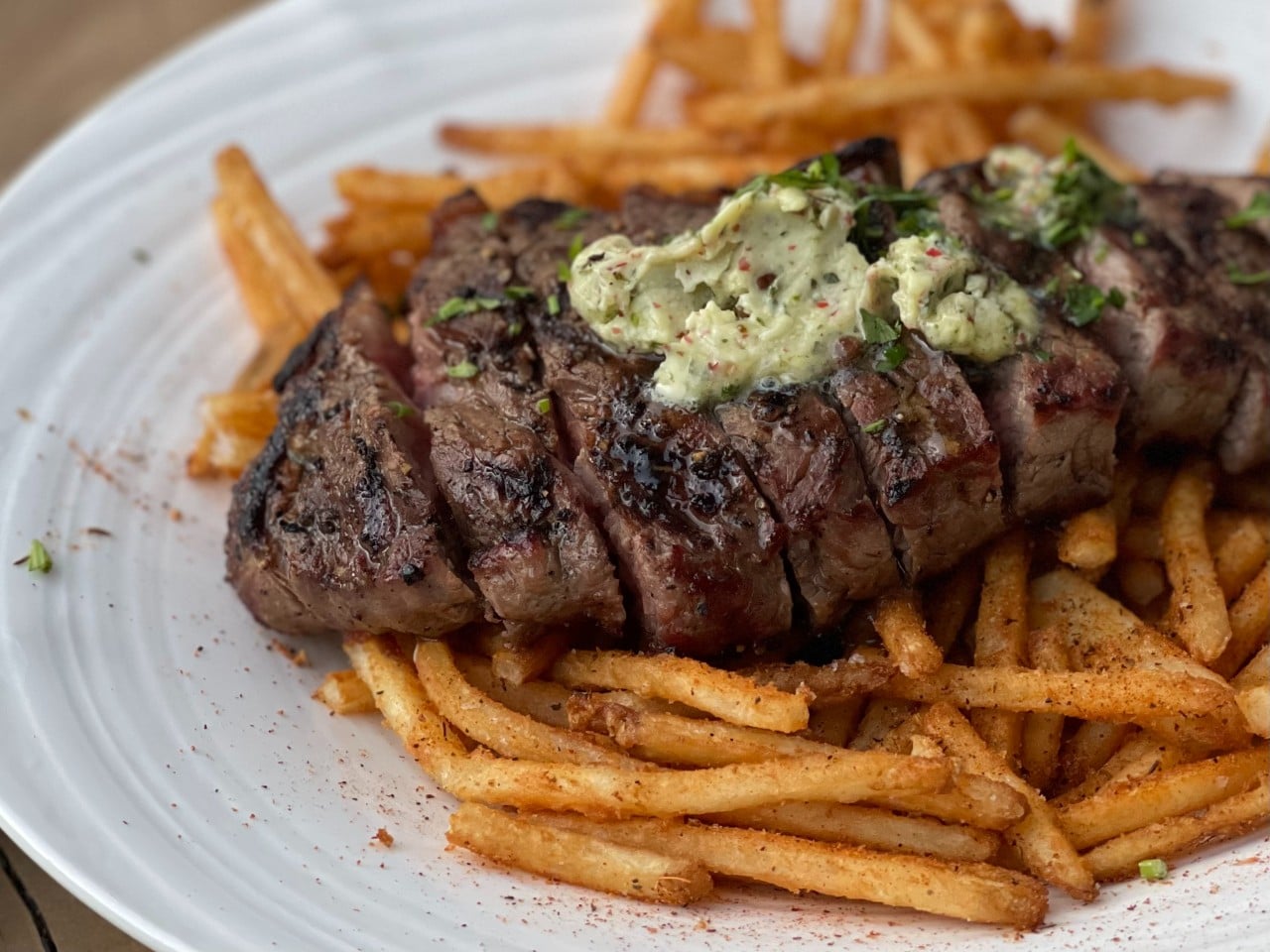
Steak frites has the swagger of a brasserie favorite. At first glance it seems casual, but a properly cooked steak with crisp fries and a composed sauce shows command over several techniques at the same time.
The steak needs a good sear and careful resting so the juices stay in the meat. The fries are usually best when cooked twice, once at a lower temperature to soften the interior and again at a higher temperature to crisp the outside.
Then there is the finishing detail, often a pan sauce or a compound butter. That extra step is what pushes the plate from familiar to polished. It is recognizable comfort food, but it carries the clean, deliberate look of restaurant cooking.
Duck confit
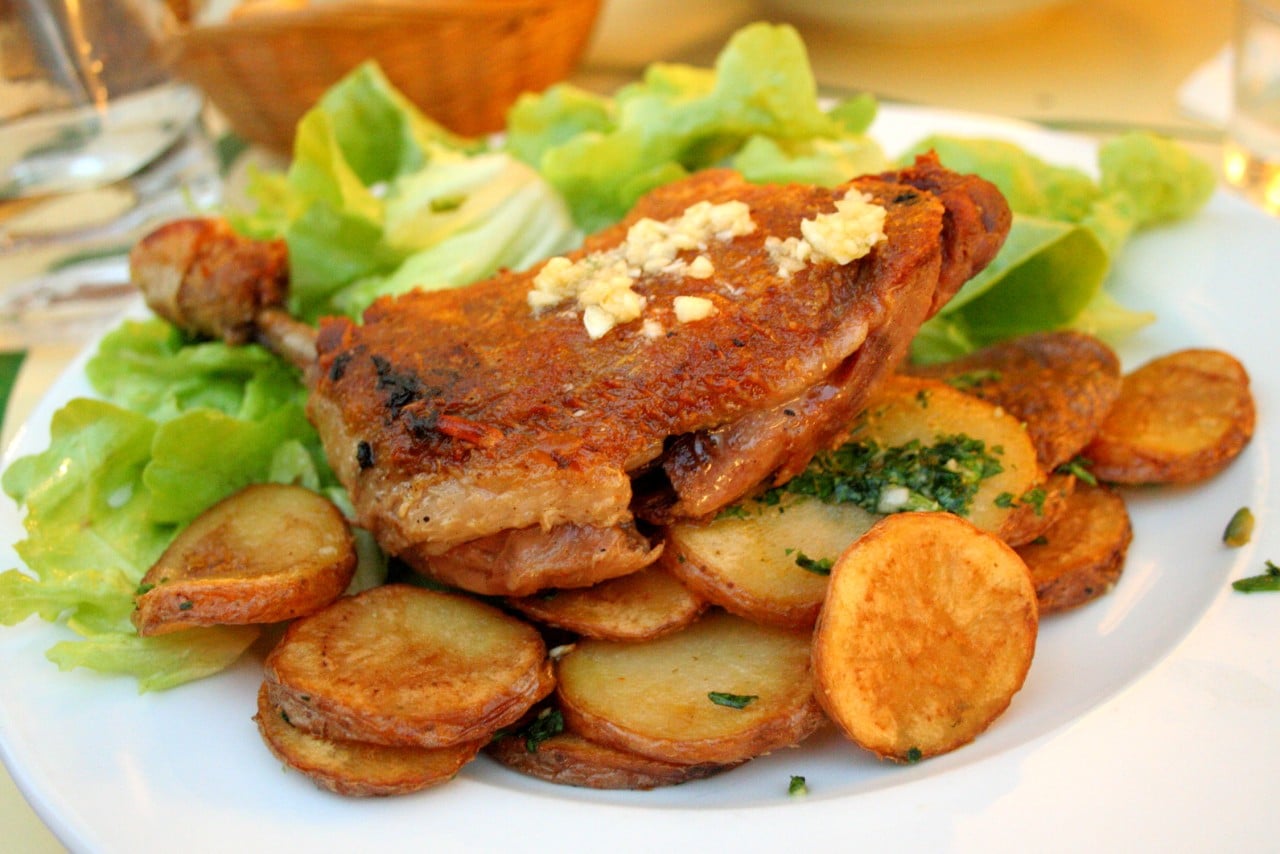
Duck confit has an immediate air of culinary authority because it begins with preservation. Traditionally, duck legs are salted, then cooked slowly in fat until silky and tender, a method that long predates refrigeration in southwest France.
The result is luxurious but structured. The meat becomes deeply seasoned and spoon-soft, while the skin can be crisped before serving for a dramatic contrast in texture. That combination is one reason confit appears so often on restaurant menus.
It also looks expensive even when presented simply. One bronzed duck leg over lentils, potatoes, or greens creates a composed plate with very little clutter. The technique sounds advanced, and the final dish absolutely wears that reputation well.
Bouillabaisse
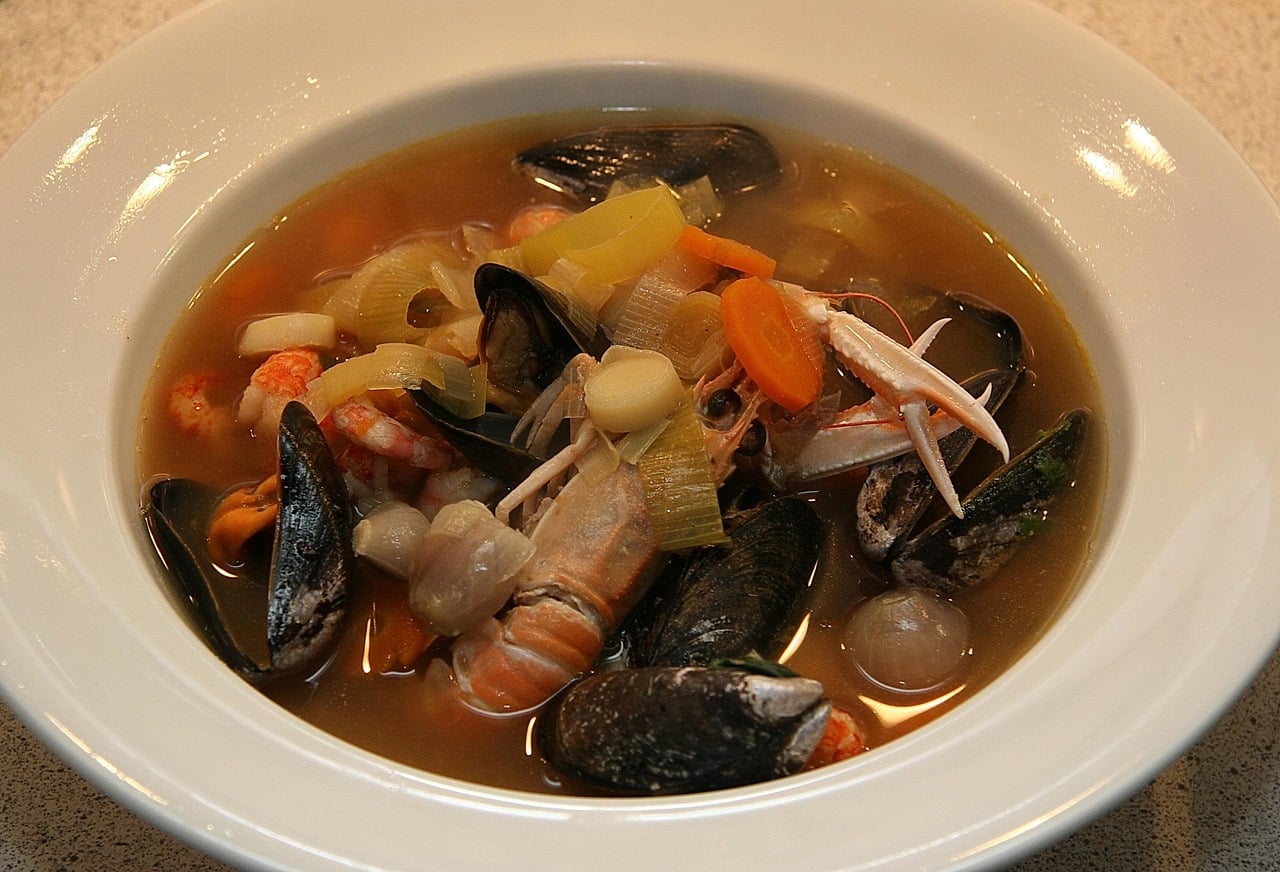
Bouillabaisse brings instant theater to the table. Originating in Marseille, this Provençal fish stew is known for combining several kinds of seafood in a fragrant broth seasoned with aromatics, saffron, and herbs.
What makes it chef-like is not just the ingredient list, but the organization. Different fish and shellfish cook at different speeds, so timing matters. The broth also needs clarity and depth, which means building flavor carefully rather than boiling everything together.
Served with toasted bread and rouille, the garlicky saffron sauce often spread on top, it looks abundant and precise at the same time. A wide bowl full of seafood in golden broth has the visual confidence of a special-occasion dish.
Ratatouille
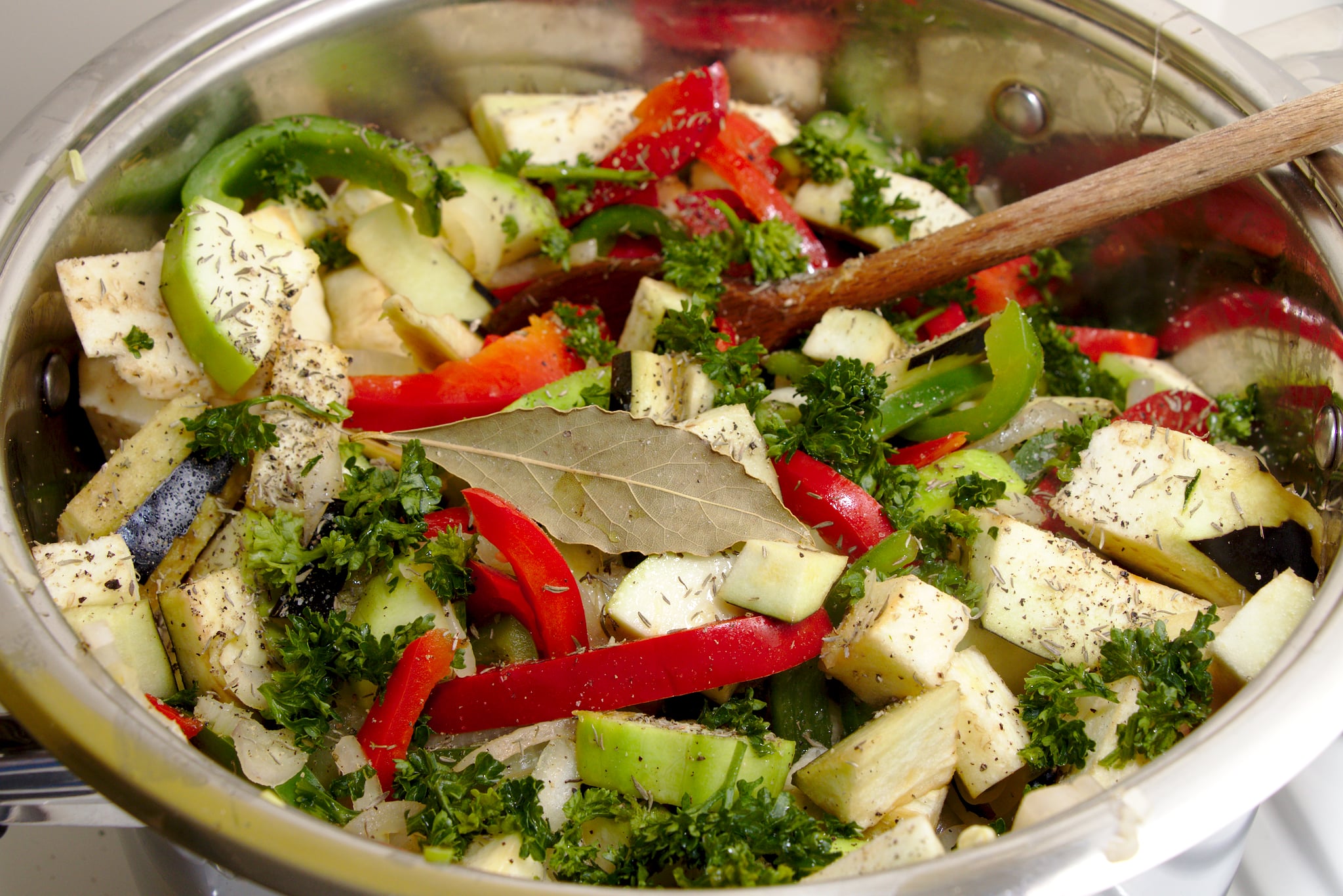
Ratatouille proves that vegetables alone can still look masterful. This dish from Provence combines eggplant, zucchini, peppers, tomatoes, onions, and olive oil, cooked until they become tender and concentrated rather than watery.
In rustic versions, everything is stewed together, which can be deeply flavorful. In more arranged versions, the vegetables are sliced neatly and layered, creating the polished look many people now associate with restaurant presentation. Both styles depend on proper moisture control.
That is what gives the dish credibility. Each vegetable has its own cooking behavior, and the goal is softness with definition, not mush. A spoonful beside roasted meat or a full bowl with herbs on top reads as thoughtful, seasonal cooking.
Quiche Lorraine
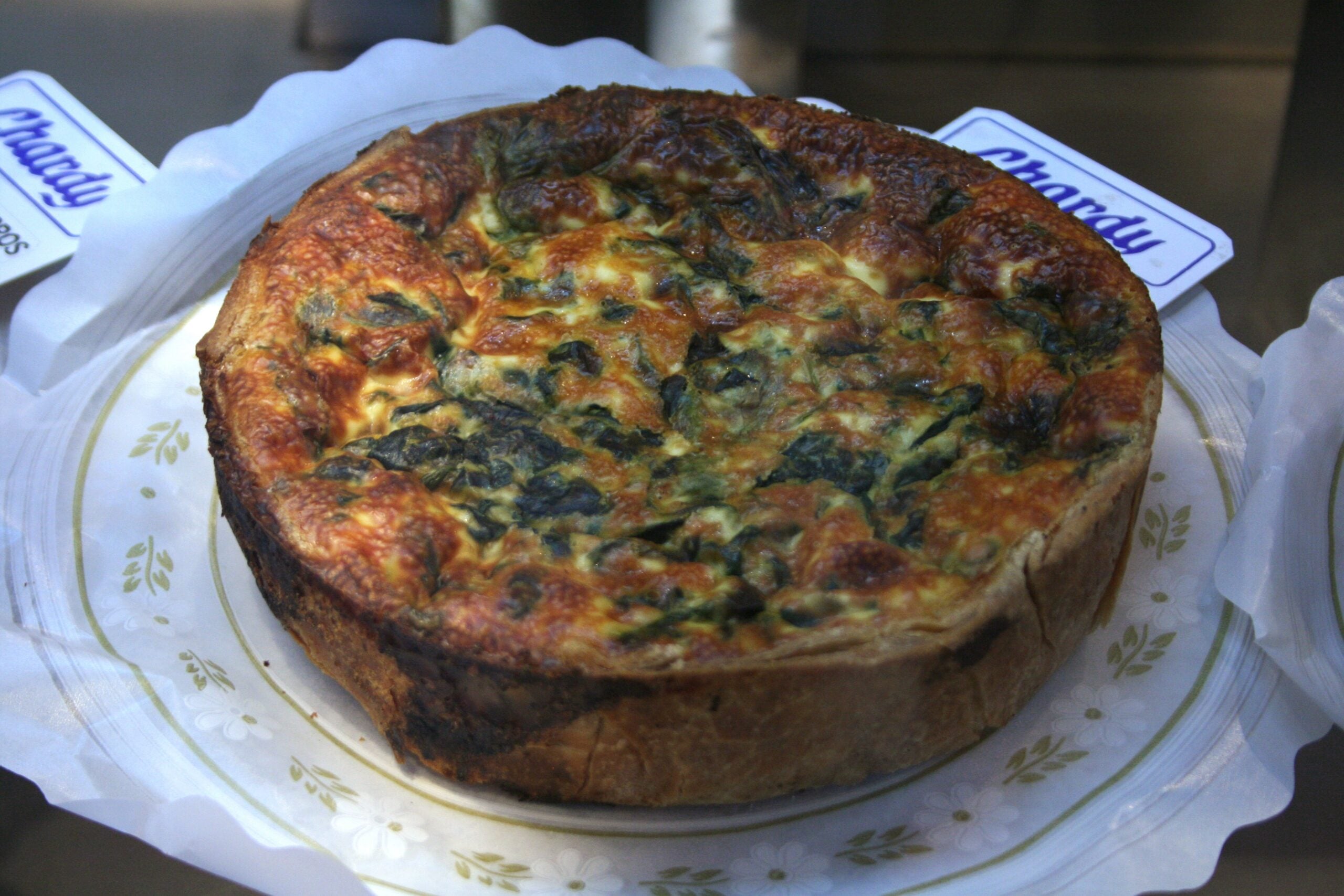
Quiche Lorraine earns respect by making eggs look elegant. At its core, it is a savory tart filled with custard and traditionally associated with bacon or lardons, set in a crisp pastry shell.
The challenge is texture. The crust should stay firm, the filling should be just set, and the balance of cream, eggs, and savory ingredients has to feel rich without turning heavy. That clean slice is what makes the dish look professionally made.
It is also versatile in the best way. Serve it warm for brunch, room temperature for lunch, or with salad for dinner, and it still feels composed. A well-baked quiche suggests precision, because custard rewards careful heat and punishes rushing.
Boeuf Bourguignon
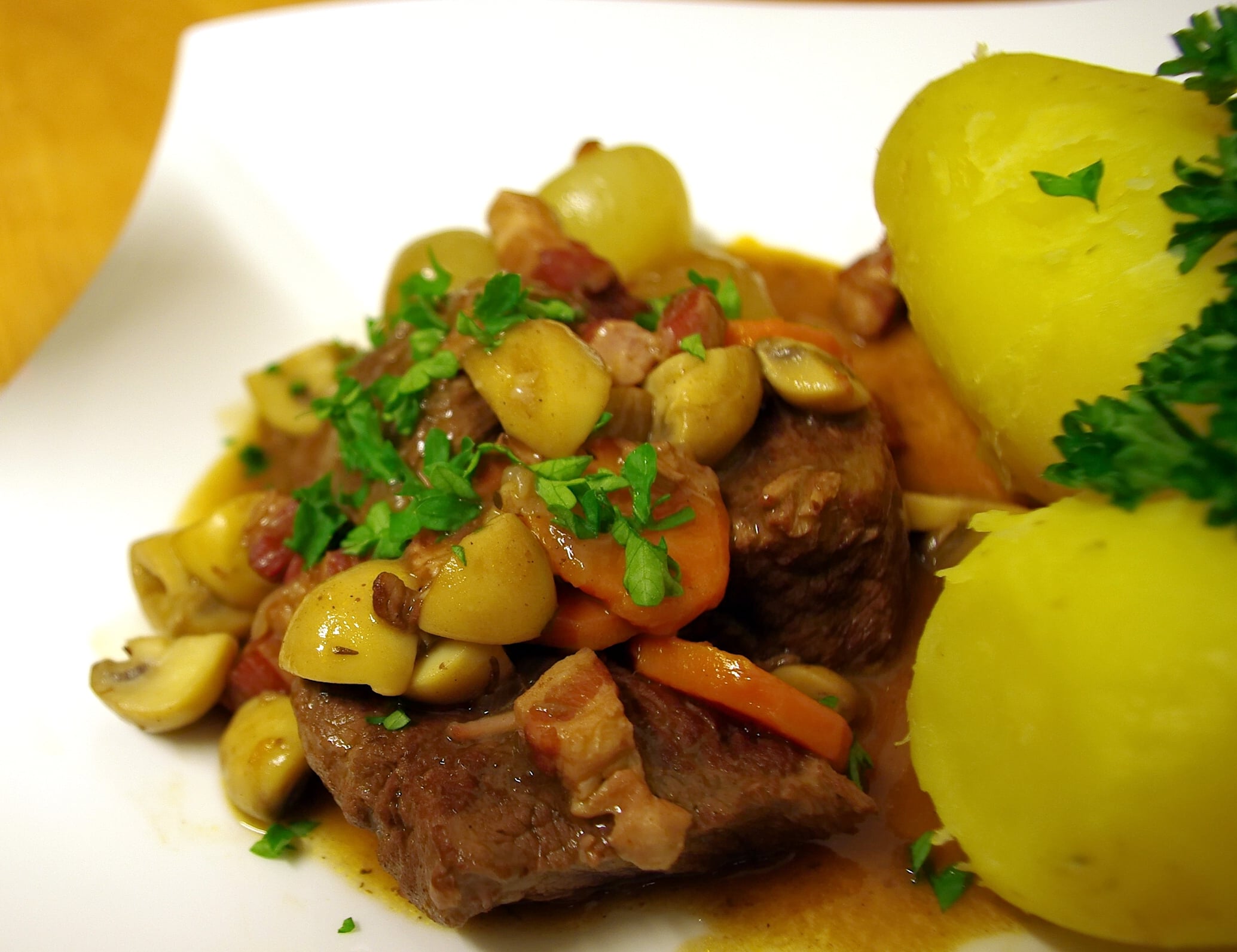
Boeuf Bourguignon is one of the great examples of humble ingredients transformed by method. Beef is browned and then braised slowly with red wine, stock, onions, mushrooms, and often bacon until the sauce turns dark and velvety.
Its power is in the finish. The meat should hold together while becoming tender enough to cut with a spoon, and the sauce should coat rather than flood the plate. That glossy reduction is what gives the dish its unmistakably restaurant look.
It also carries a strong sense of French culinary history, especially from Burgundy, where red wine plays a central role. Ladled over potatoes or noodles, it feels generous and refined at the same time, which is a hard combination to beat.
Salmon en papillote
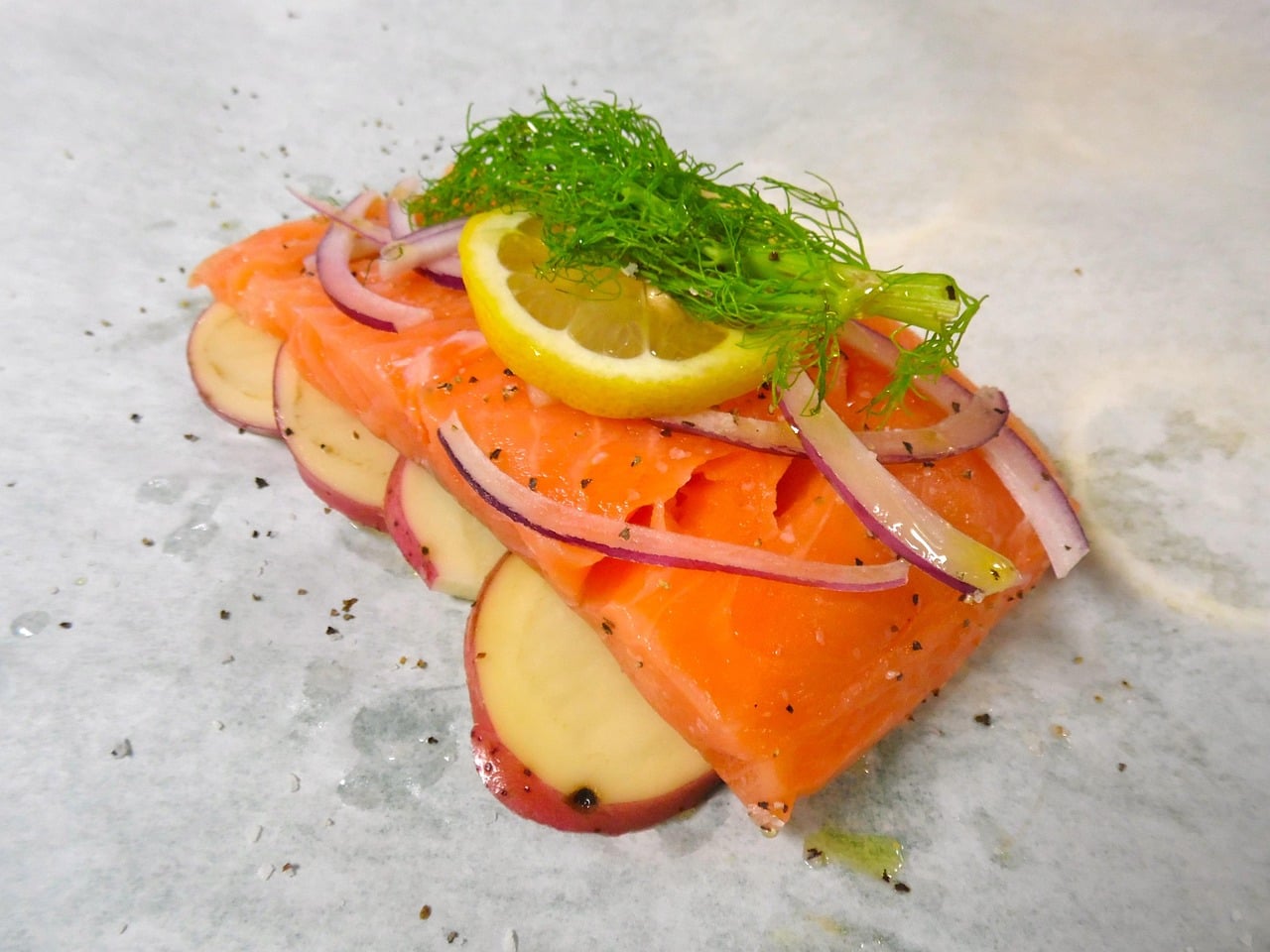
Salmon en papillote looks elegant because the drama begins before the first bite. The fish is baked in a parchment packet, often with vegetables, herbs, citrus, or wine, so it steams gently in its own aromatic vapor.
When the packet is opened, the scent escapes all at once. That tableside moment feels polished, but the technique is deeply practical. Parchment helps protect the fish from overcooking and keeps flavors concentrated without requiring heavy sauces or constant attention.
The presentation does a lot of work for you. A neatly folded packet suggests care and precision, then reveals a complete, colorful meal inside. It is one of the easiest ways to make dinner look thoughtful, modern, and distinctly chef-driven.
Crêpes Suzette
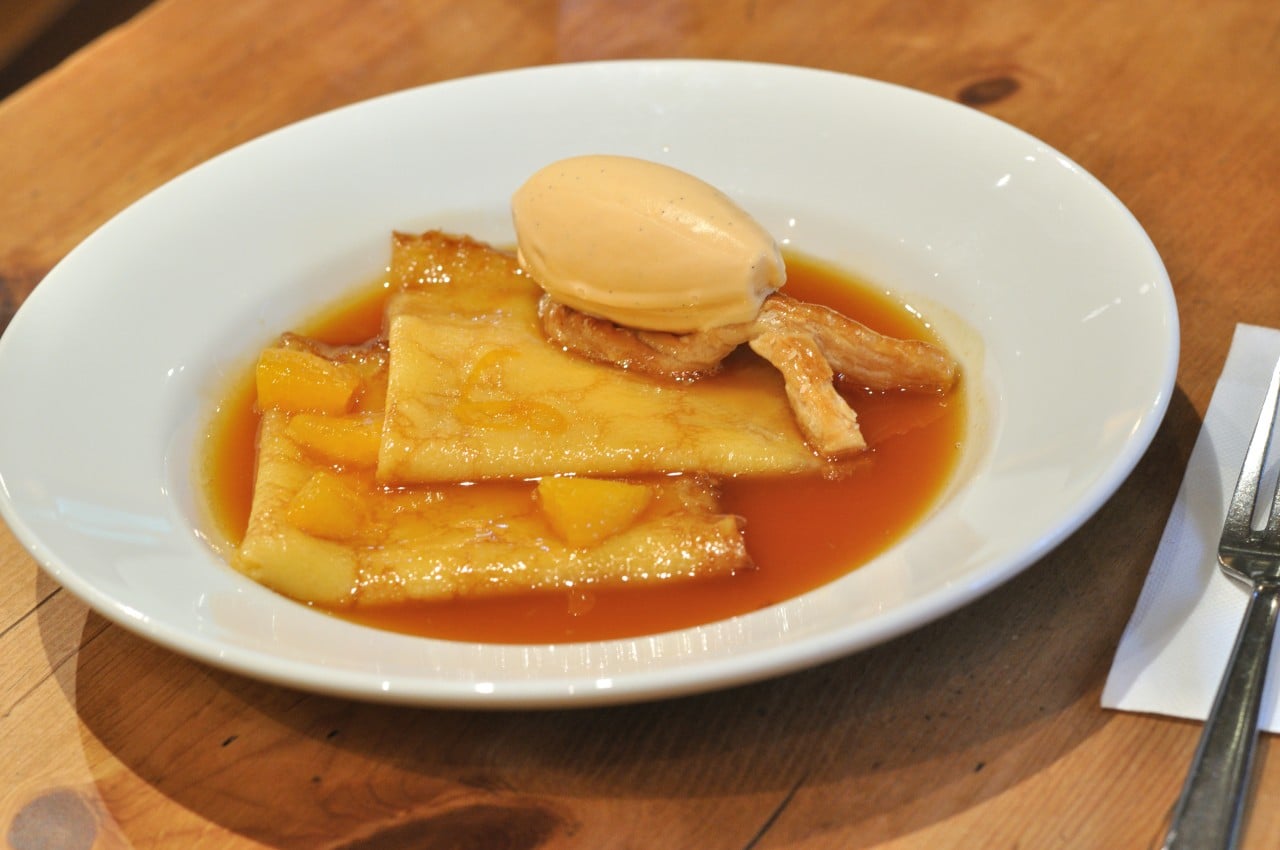
Crêpes Suzette turns a thin pancake into a dining room event. The crêpes are typically warmed in a sauce of butter, sugar, orange juice, and orange liqueur, creating a glossy finish that feels far more formal than the ingredients suggest.
The dish is famous for flair, especially when the sauce is ignited briefly in classic restaurant service. Even without that step, the orange aroma and sheen of the sauce give it a celebratory quality that instantly lifts dessert beyond the ordinary.
It also shows control over finesse cooking. Crêpes should be thin and tender, folded neatly, and coated without becoming soggy. On the plate, they look graceful and deliberate, which is exactly why they continue to signal old-school culinary skill.
Crème brûlée
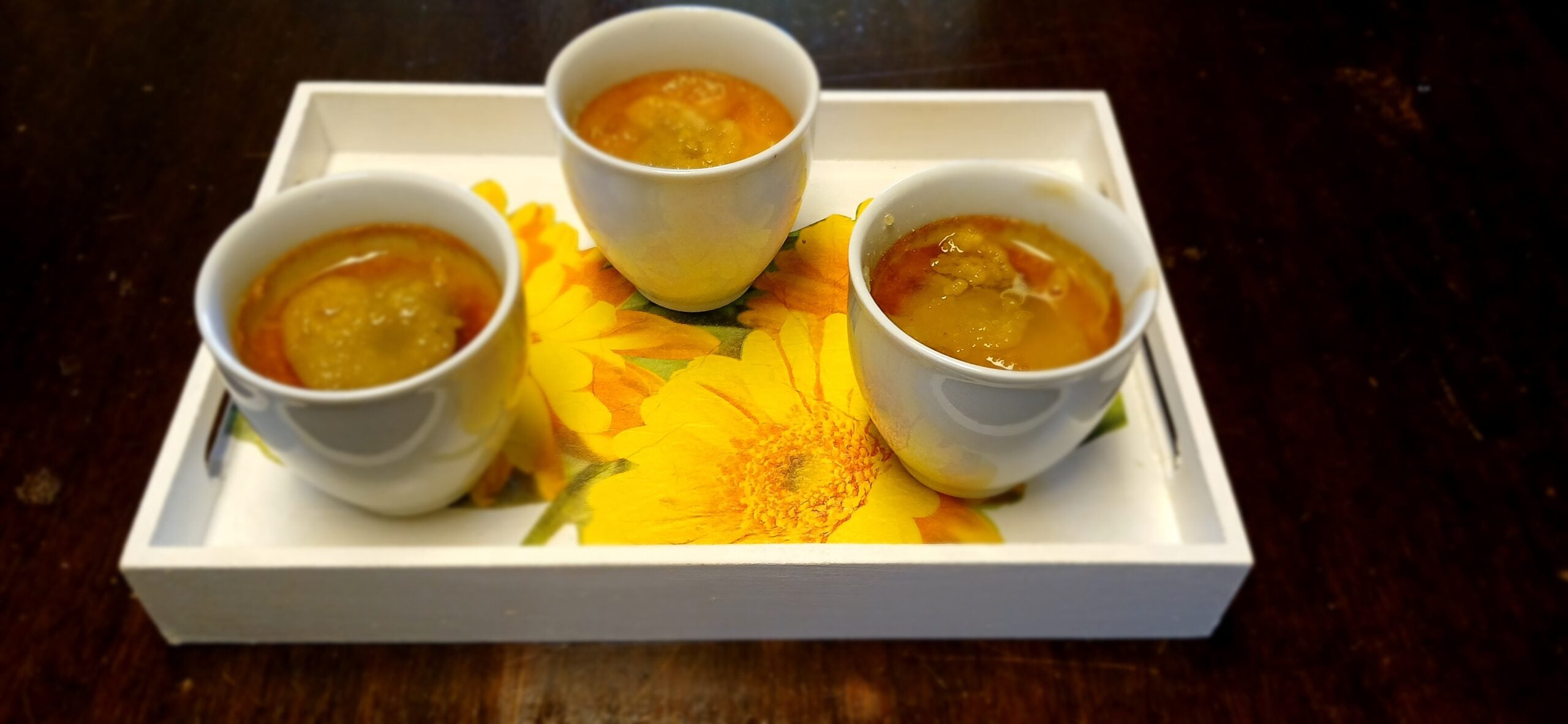
Crème brûlée is a lesson in contrast, and that is why it lands so well. Under its caramelized sugar top sits a chilled custard that should be smooth, rich, and delicate, with enough structure to hold on the spoon.
Its chef-worthy reputation comes from precision. Custard depends on gentle heat, careful mixing, and proper chilling, while the brûléed top needs to be glassy and thin rather than thick and bitter. Crack the surface with a spoon, and the texture tells you everything.
Visually, it is a minimalist dessert with maximum effect. A plain ramekin topped with amber caramel looks clean and confident. It closes a meal with exactly the kind of quiet polish that makes classic French cooking so enduring.


Leave a Reply