
Food trends can change what shows up on dinner plates almost overnight. These 12 former favorites became targets as popular diet advice spread, turning everyday foods into symbols of what many people thought they should avoid.
Egg yolks

For years, egg yolks were treated like the problem part of the egg. Old nutrition advice often focused on cholesterol in foods, and eggs became an easy target because one large egg yolk contains a significant amount of dietary cholesterol.
That fear helped push egg white omelets, liquid egg substitutes, and cholesterol free breakfast products into the mainstream. In the 1980s and 1990s, many people kept the whites and tossed the yolks, believing they were making a clearly healthier choice.
Later research complicated that story. The Dietary Guidelines for Americans no longer set a specific daily limit for dietary cholesterol, and many experts now focus more on overall eating patterns and saturated fat intake than on avoiding egg yolks by default.
Eggs also provide nutrients that are concentrated in the yolk, including choline, vitamin D, and lutein. So while some people still limit yolks for medical reasons, the blanket fear that once pushed them off breakfast plates has eased.
Butter

Butter became a nutritional villain during the low fat era, when supermarket shelves filled with margarine tubs, light spreads, and products advertised as heart smart alternatives. The idea was simple: animal fat was out, and anything lower in saturated fat looked better.
That shift was especially strong from the 1970s through the 1990s. Public health messaging often encouraged people to swap butter for vegetable oil based spreads, and restaurants leaned into the same change at the table and in the kitchen.
Over time, that conversation became more nuanced. Experts continued to recommend limiting saturated fat, but the halo around some processed trans fat rich margarines faded after evidence linked trans fats to heart disease risk. The FDA later moved to remove partially hydrogenated oils from foods.
Butter never became a health food, but it stopped being the automatic pantry disgrace it once was. Today, many people use it more selectively, while paying closer attention to the bigger picture of diet quality rather than blaming one spread alone.
White bread

White bread once represented convenience, softness, and a very standard American sandwich. Then nutrition messaging around fiber, whole grains, and refined carbohydrates changed how people saw that familiar loaf.
As whole grain guidance grew stronger, white bread came to symbolize overprocessing. Refined grains lose parts of the bran and germ during milling, which removes much of the fiber naturally present in whole grains. That made wheat bread, multigrain loaves, and seeded slices seem like smarter everyday choices.
Low carb trends made the fall even steeper. During the height of the Atkins era and later keto interest, bread itself became suspect, but white bread took the hardest hit because it had neither the health halo of whole grains nor the indulgent status of bakery treats.
Even so, white bread never disappeared. It remains common in homes, diners, and school lunches, but its status changed. What was once the default loaf became the one many shoppers started justifying, replacing, or saving for comfort food moments.
Orange juice

Orange juice long enjoyed a healthy image, especially at breakfast. It was marketed as a simple way to get vitamin C, and for many families a chilled glass of juice felt almost as basic as cereal or toast.
That image weakened as health trends turned a harsher eye toward sugar, even sugar that comes from fruit. A 100 percent juice label still means the drink can deliver vitamins, but it does not contain the same fiber you get from eating a whole orange.
As a result, many dietitians began urging moderation rather than unlimited pouring. Guidance from groups like the American Academy of Pediatrics also set limits for juice intake in children, reinforcing the idea that juice should not fully replace whole fruit.
Orange juice still has a place in many kitchens, but it no longer gets a free pass as an automatic health drink. The shift shows how a food can keep its nutritional strengths while losing the simple health halo it once had.
Pasta
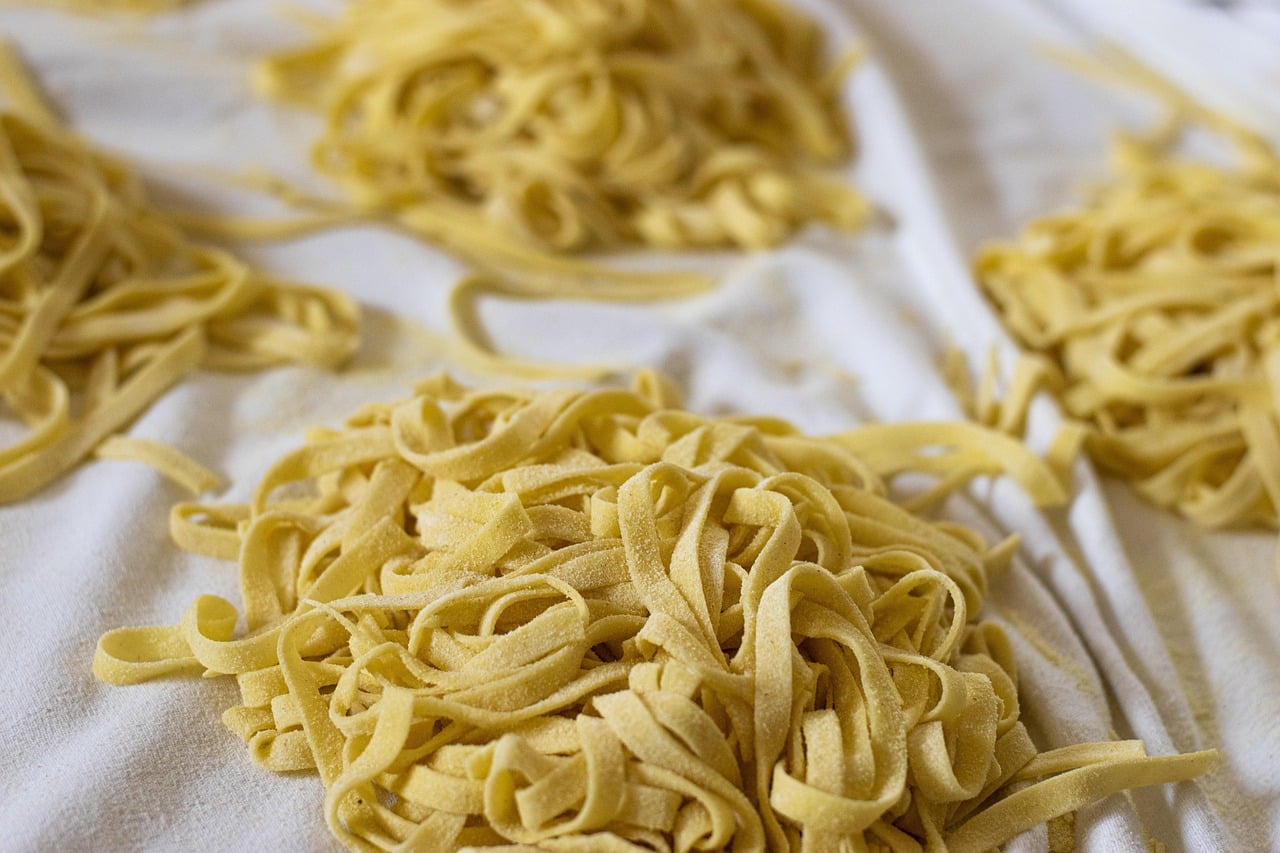
Pasta used to be one of the easiest weeknight staples to defend. It was cheap, filling, and flexible. Then low carb culture turned a bowl of spaghetti into a symbol of what many dieters believed they had to give up.
The backlash grew with Atkins in the early 2000s and later with keto plans that sharply restricted carbohydrates. Noodles, especially large restaurant portions of refined pasta, became shorthand for blood sugar spikes, weight gain fears, and overeating.
That view left out some important context. Pasta can be part of balanced eating patterns, especially when portions are reasonable and meals include vegetables, beans, seafood, or lean proteins. Whole wheat and legume based versions also gave shoppers more options as nutrition concerns changed.
Pasta's reputation never fully returned to its old comfort zone, but it did become more balanced. Instead of being treated as either perfect or forbidden, it is now more often judged by serving size, ingredients, and what else is in the bowl.
Potatoes

Potatoes have had one of the strangest image swings in modern food culture. They are vegetables, but during low carb waves they were often treated more like nutritional troublemakers than produce.
Part of that came from concern about starchy foods and glycemic impact, which refers to how quickly a food can raise blood sugar. French fries and loaded mashed potatoes also shaped the public image of potatoes, even though those preparations say as much about added fat and salt as the potato itself.
That broad stigma ignored basic nutrition facts. Potatoes provide potassium, vitamin C, and fiber, especially when eaten with the skin. Preparation matters a great deal, and a baked or roasted potato is very different from heavily fried fast food versions.
Today, potatoes still get side eyed in some diet circles, but the all potatoes are bad era has softened. Many nutrition experts now make clearer distinctions between the vegetable itself and the less healthy ways it is often served.
Whole milk
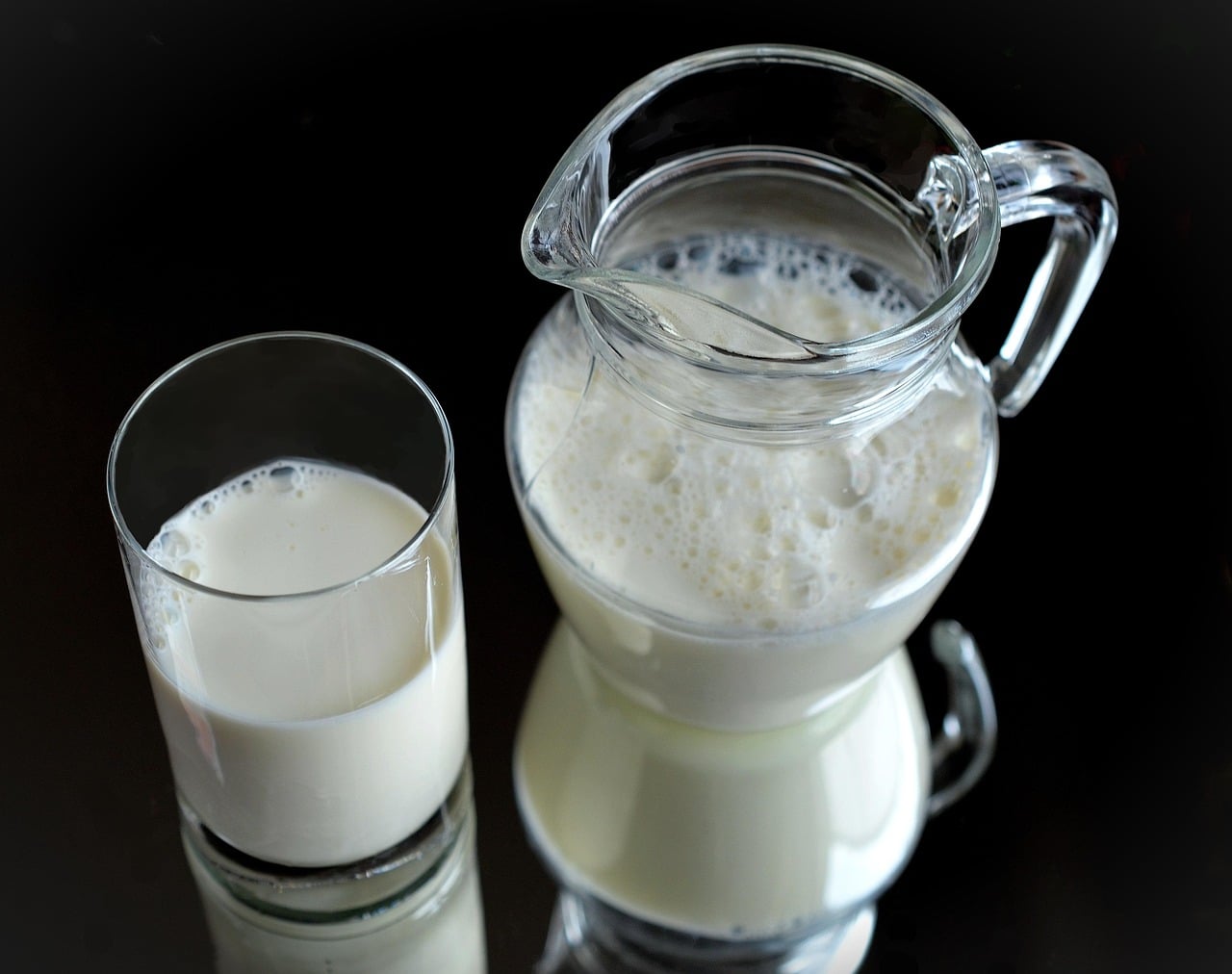
Whole milk lost favor when low fat and fat free dairy became standard nutrition advice. For a long stretch, skim milk and 1 percent milk were promoted as the sensible choice for families trying to cut saturated fat and calories.
That advice shaped school cafeterias, grocery habits, and even coffee orders. Whole milk came to seem old fashioned, while reduced fat cartons signaled discipline and modern nutritional thinking.
More recent research has made the picture less straightforward than the old rule suggested. Some studies on dairy fat and weight or heart health have found mixed results, though public health guidance still generally recommends lower fat dairy options for many people.
As a result, whole milk regained cultural ground even if official advice did not fully swing back. Many consumers now choose based on taste, satiety, cooking needs, or overall diet quality, not just the blanket assumption that all milk fat should be avoided.
Peanut butter
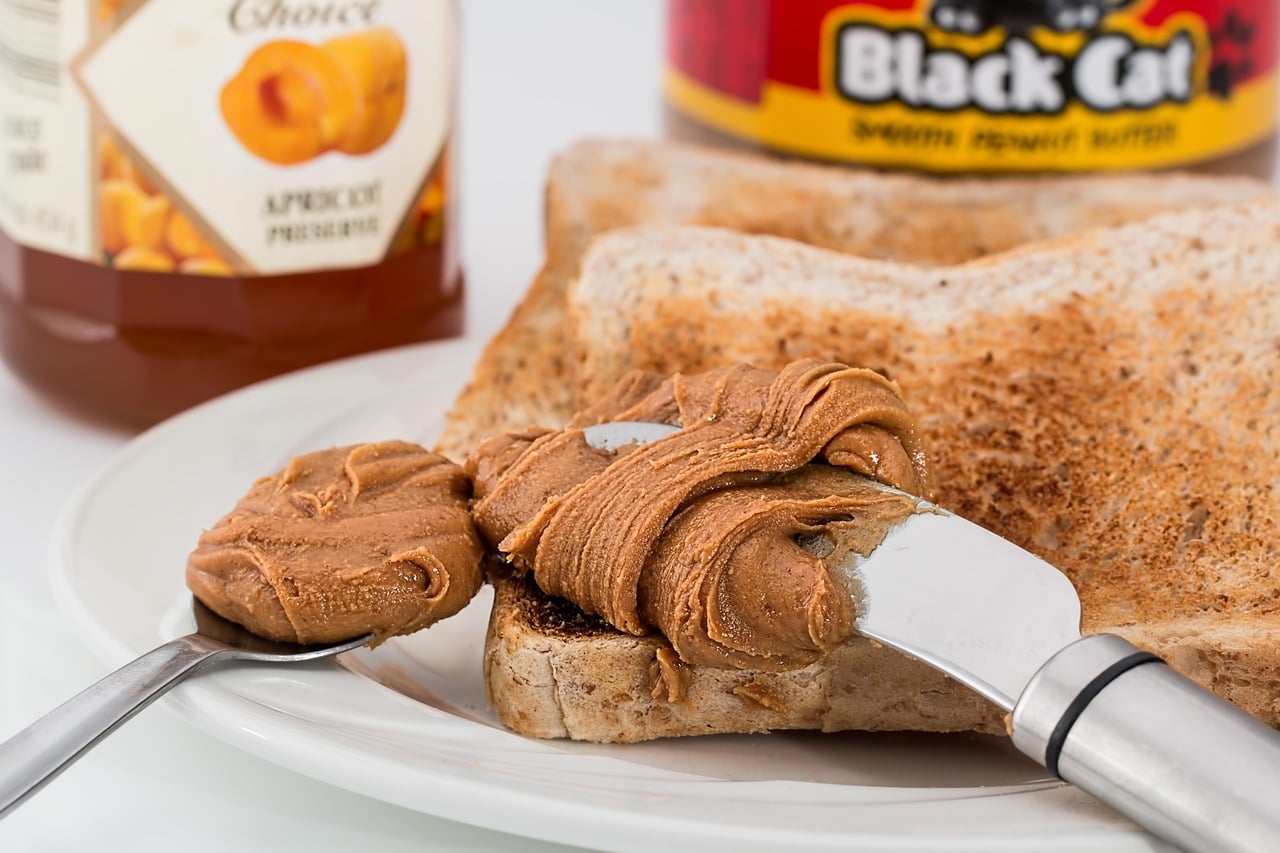
Peanut butter seems like an odd food to fear, but it got caught in multiple trend cycles. During low fat years, its fat content made some people wary, even though much of that fat is unsaturated.
Later, clean eating and sugar conscious shoppers started reading labels more closely. Many mainstream peanut butters contain added sugar, hydrogenated oils, or extra salt, which led some people to abandon them for natural peanut butter or different nut and seed spreads.
Peanut allergy concerns also changed the atmosphere around the food, especially in schools and public settings. That did not make peanut butter unhealthy for everyone, but it did make it less universally welcomed than it once was in lunchboxes and classrooms.
Even so, peanut butter never truly vanished. It simply split into categories. Highly processed sweetened versions lost some appeal, while simpler ingredient jars gained a stronger health reputation among shoppers trying to avoid ultra processed foods.
Cheese

Cheese has always had a split personality in nutrition culture. People love it for flavor and comfort, yet many health trends have warned against its saturated fat, sodium, and calorie density.
During the low fat boom, reduced fat cheese products multiplied. Some consumers gave up full fat cheddar, mozzarella, and cream cheese in favor of thinner slices, lower fat shreds, or processed substitutes that melted differently and tasted noticeably less rich.
Then came another reversal. High fat, low carb eating patterns made cheese feel acceptable again for many followers, especially because it is relatively low in carbohydrates. That helped restore its image in certain diet communities, even while mainstream advice continued to recommend moderation.
So cheese became less of a simple yes or no food. Its place now often depends on the eater's broader goals, the type of cheese, and portion size. The old idea that everyone should fear it lost some of its force.
Red meat
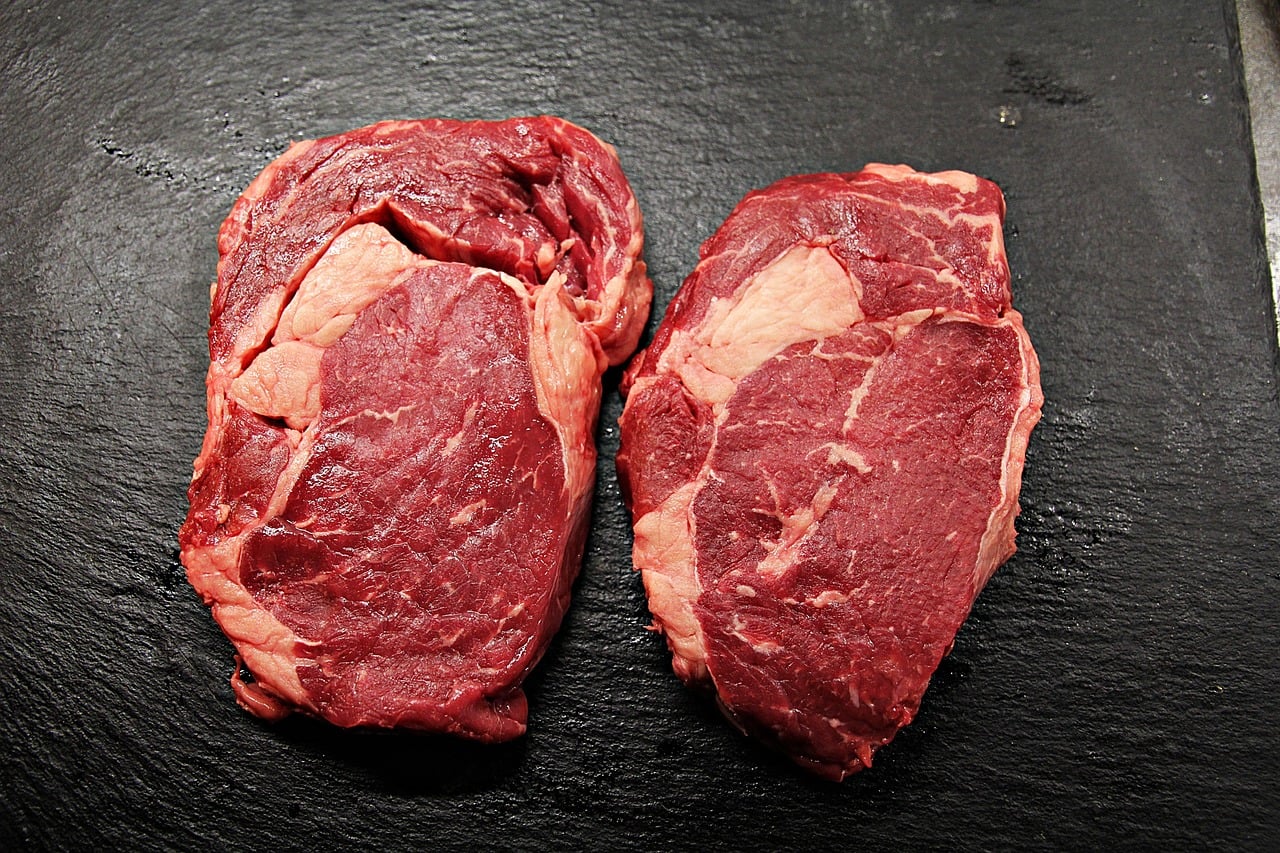
Red meat has faced criticism from several directions at once. Concerns have included saturated fat, heart health, processed meat intake, environmental impact, and links between high consumption of certain meats and chronic disease risk.
As plant based eating gained visibility, beef in particular became a symbolic food to cut back on. Burgers that once seemed like a standard weeknight meal started to carry moral, environmental, and health meanings that went far beyond dinner.
Processed red meats such as bacon, sausage, and hot dogs drew even sharper scrutiny. Organizations including the World Health Organization have distinguished between processed and unprocessed red meat in their assessments, which matters because those categories are often lumped together in casual conversation.
Many people still eat red meat, but more do so less often or with more selectivity than in past decades. The change was not just about one trend. It came from several overlapping conversations that reshaped how people define a healthy plate.
Frozen dinners

Frozen dinners were once praised for convenience and portion control. Then health trends turned heavily against packaged foods, and the frozen meal became an easy symbol of everything processed, salty, and artificial.
That image had some basis. Many older frozen entrées were high in sodium and often low in vegetables or fiber. As nutrition labels became more central to shopping, consumers began noticing just how much salt, saturated fat, and long ingredient lists some options carried.
The story changed somewhat as brands adapted. Newer frozen meals often highlight whole grains, vegetables, protein content, or calorie counts, and some lines are designed around specific eating styles such as high protein or gluten free.
Still, frozen dinners never fully recovered their old neutral status. They became a food people often felt they had to defend, even when the practical benefits were real. Convenience remained, but the health halo moved elsewhere.
Diet soda

Diet soda was once the classic guilt free swap, offering sweet taste without sugar or calories. For many people trying to lose weight in the 1980s, 1990s, and 2000s, it looked like an obvious upgrade over regular soft drinks.
Then the clean eating era changed the conversation. Artificial sweeteners became controversial in the public imagination, and many consumers started treating ingredients they could not easily pronounce as warning signs, even when regulatory agencies considered approved sweeteners safe within established limits.
Research on diet soda has remained complicated, with debates about appetite, weight management, and the difference between correlation and causation in observational studies. That uncertainty was enough to cool its image, especially among shoppers looking for simpler ingredient lists.
Diet soda still has loyal drinkers, but its reputation is no longer straightforwardly healthy. It ended up in an unusual spot: less sugar than regular soda, yet no longer embraced as the clean, modern solution it once appeared to be.




Leave a Reply