
A lot of everyday pairings stick around because they are convenient, nostalgic, or simply common in Canadian kitchens. Flavor science tells a different story: some of these matches mute aroma, pile on the same taste note, or fight over texture, while a smarter pairing brings balance, contrast, and more of the food's natural character to the surface.
Peanut butter and grape jam
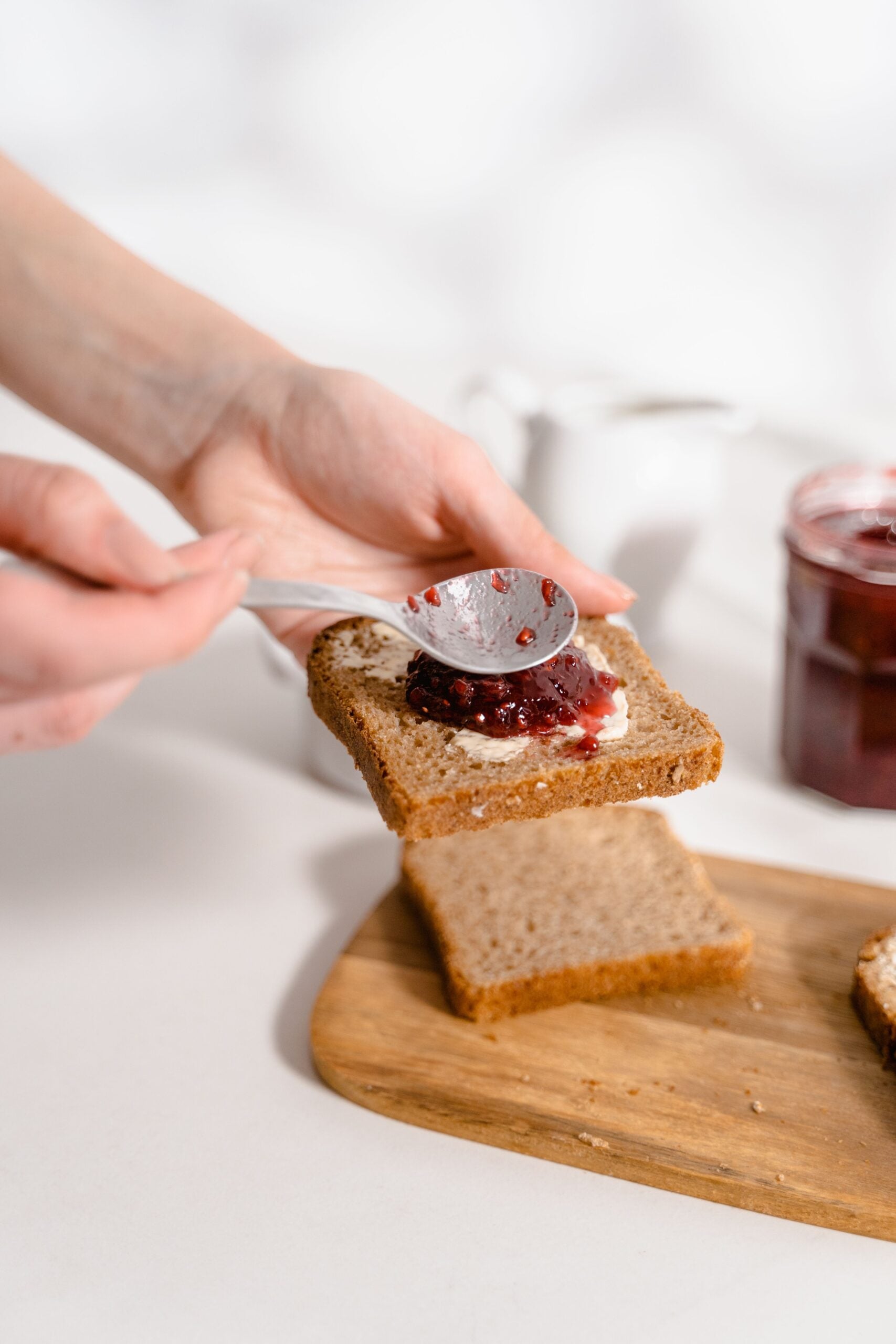
This is a lunchbox classic, but it often doubles up on sweetness while leaving the sandwich heavy and flat. Peanut butter is rich, fatty, and slightly bitter. Grape jam is also sweet and dark, with cooked fruit notes that can get buried under the peanut's roasted flavor.
A better match is peanut butter with tart fruit, especially raspberry jam or sliced green apple. Acidity cuts through fat, and that makes the nutty flavor taste more vivid. The result is not simply less sweet. It is more balanced, because your palate gets richness, brightness, and a clearer finish instead of one long sugary note.
Texture matters too. Smooth peanut butter and slick jam can turn pasty on soft bread. Crisp apple slices or seedy raspberry preserves add contrast, which the brain often reads as more interesting and fresher.
Milk chocolate and orange juice
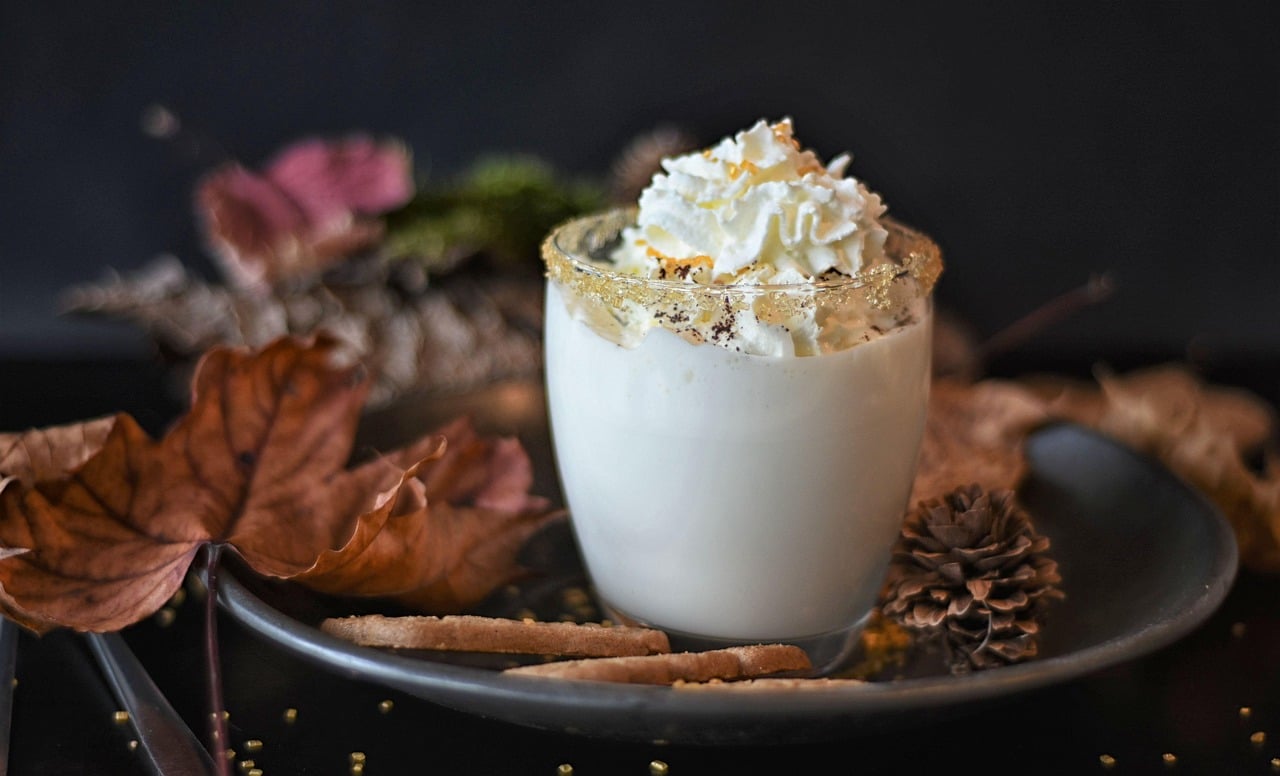
This pairing usually fails for a simple reason: acid and dairy do not flatter each other on the palate. Orange juice is bright, sharp, and high in acidity. Milk chocolate is creamy, sweet, and mellow. Put them together and the juice can make the chocolate taste waxier, while the chocolate makes the juice seem more sour.
Flavor scientists often describe good pairings as balance through contrast or shared aroma compounds. This one gives you contrast, but not the helpful kind. The sweetness in the chocolate does not soften the juice enough, and the dairy richness can leave a chalky impression after the acid hits.
Dark chocolate works better with orange because bitter cocoa stands up to citrus oils more clearly. Another fix is to keep milk chocolate with berries, bananas, or coffee, all of which are less likely to sharpen its weakest qualities.
Cheddar cheese and sweet apple juice
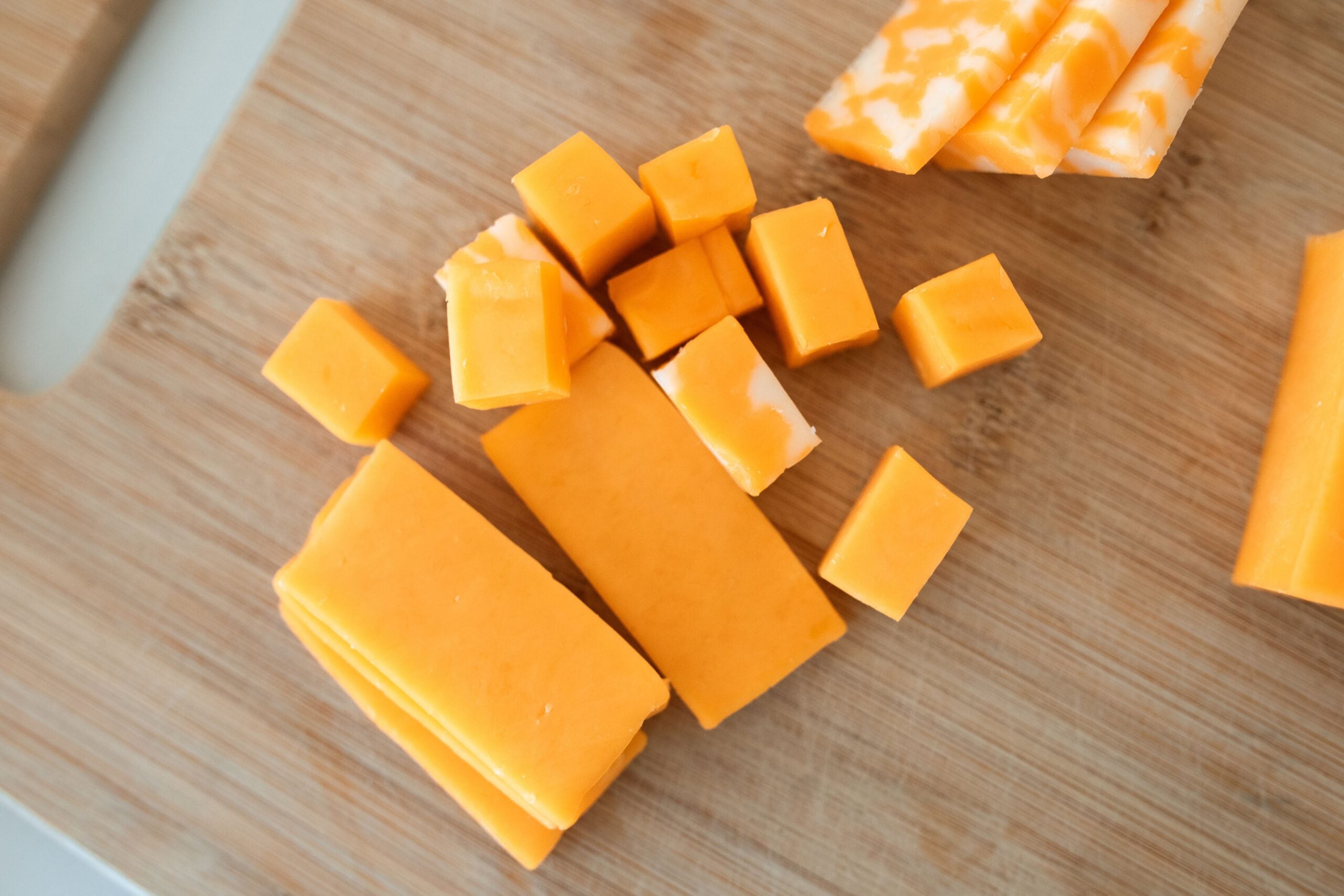
Cheddar and apples are a strong food pairing, but cheddar with sweet apple juice is often too much of one family of flavors at once. Young cheddar can be milky and salty, while apple juice is soft, sugary, and aromatic. Together they can feel one dimensional, especially if the juice is filtered and lacks tartness.
The science here is about contrast. Cheese benefits from acid, tannin, or crisp bitterness that clears fat from the tongue. Sweet juice does not do that very well. It can even make the cheddar taste duller by coating your mouth with more sugar between bites.
A better drink with cheddar is dry cider, sparkling water, or sharp apple slices instead of juice. Those options preserve the apple and cheese idea while creating the clean reset your palate needs.
Bananas in plain yogurt
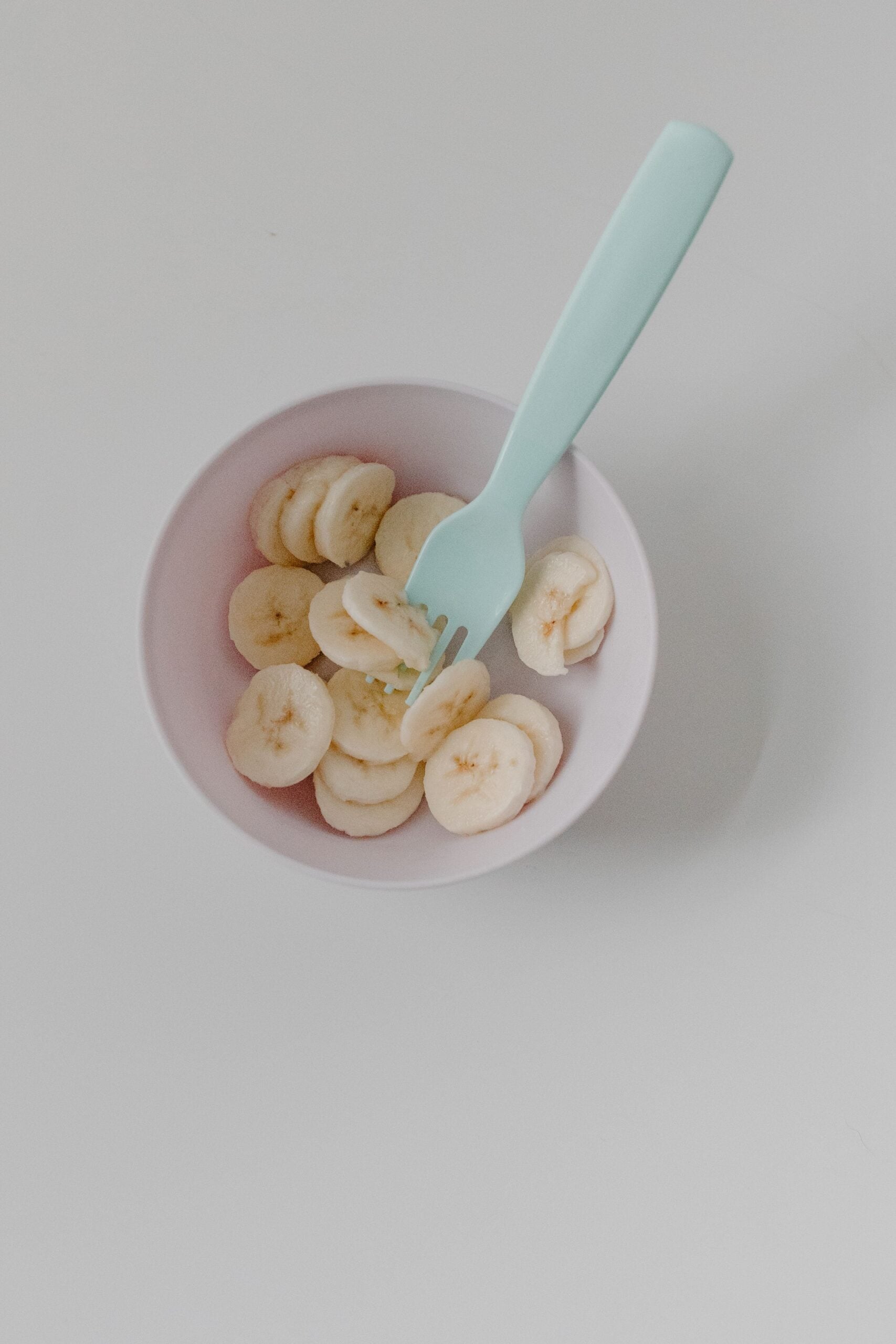
Bananas seem like an easy match for yogurt, but plain yogurt and ripe banana can muffle each other. Both are soft, creamy, and low in acid compared with berries or citrus. If the banana is very ripe, its sweetness can also flatten the yogurt's cultured tang instead of highlighting it.
This is a case where the pair is not bad, just less effective than people assume. Flavor is partly aroma and partly structure. When two foods share a similar texture and both lean mellow, the result can taste blurrier than either ingredient on its own.
A simple fix is to add strawberries, kiwi, or toasted nuts. The fruit adds acidity and fresher aroma. The nuts add crunch and roasted depth, so the yogurt tastes brighter and the banana tastes less sleepy.
Cucumbers and bottled ranch
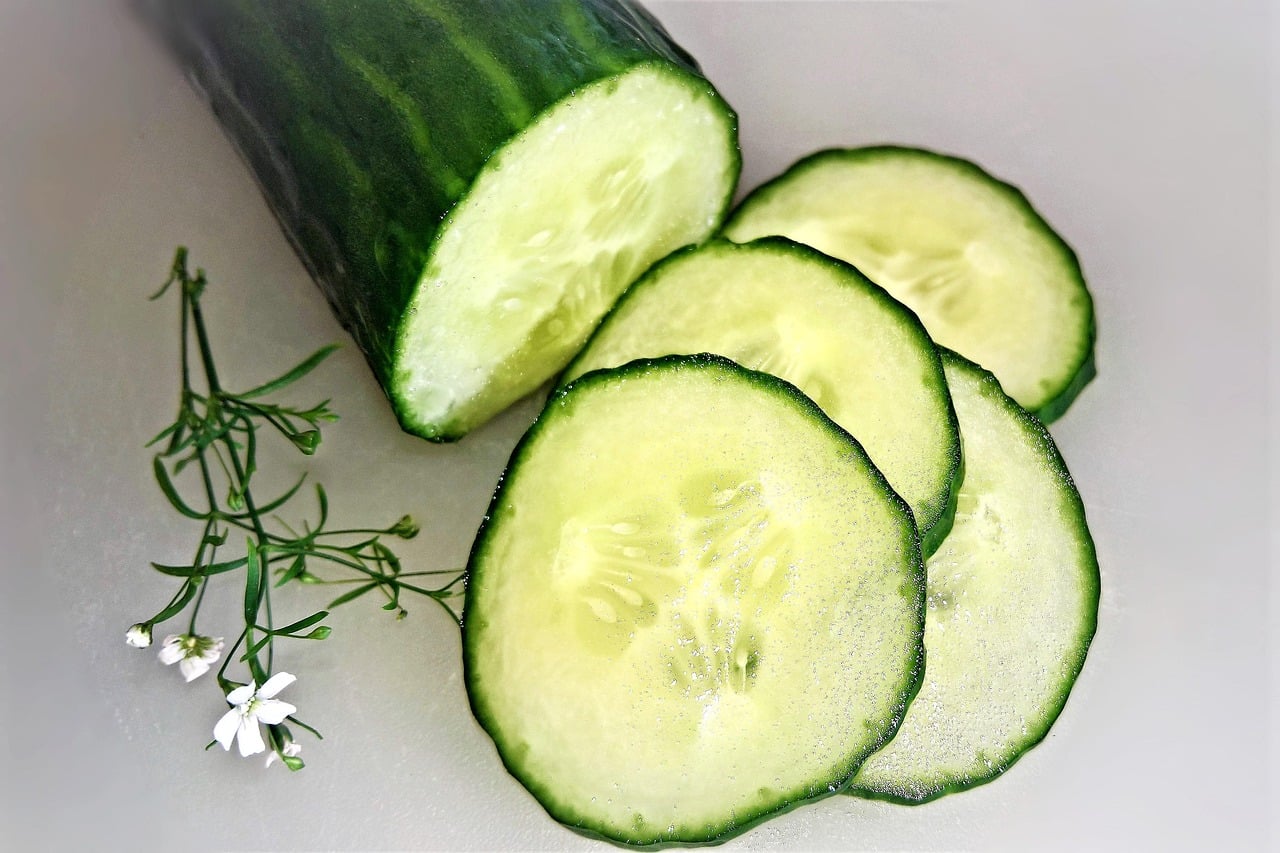
Cucumbers are mostly water, which means they rely on freshness, green aroma, and crisp texture to feel satisfying. Bottled ranch is thick, salty, garlicky, and often heavy on dried herb and onion flavor. Instead of supporting the cucumber, it can overwhelm it completely.
The mismatch is partly about intensity. A delicate ingredient needs a dip that leaves room for its aroma to register. If the dip is too dominant, the cucumber becomes little more than a cold vehicle. You still get crunch, but not much of the vegetable's own character.
A lighter pairing, such as tzatziki, lemony hummus, or yogurt with dill, keeps the cool effect while matching the cucumber's freshness. The best pairings do not erase the milder food. They help it speak more clearly.
Strawberries with milk
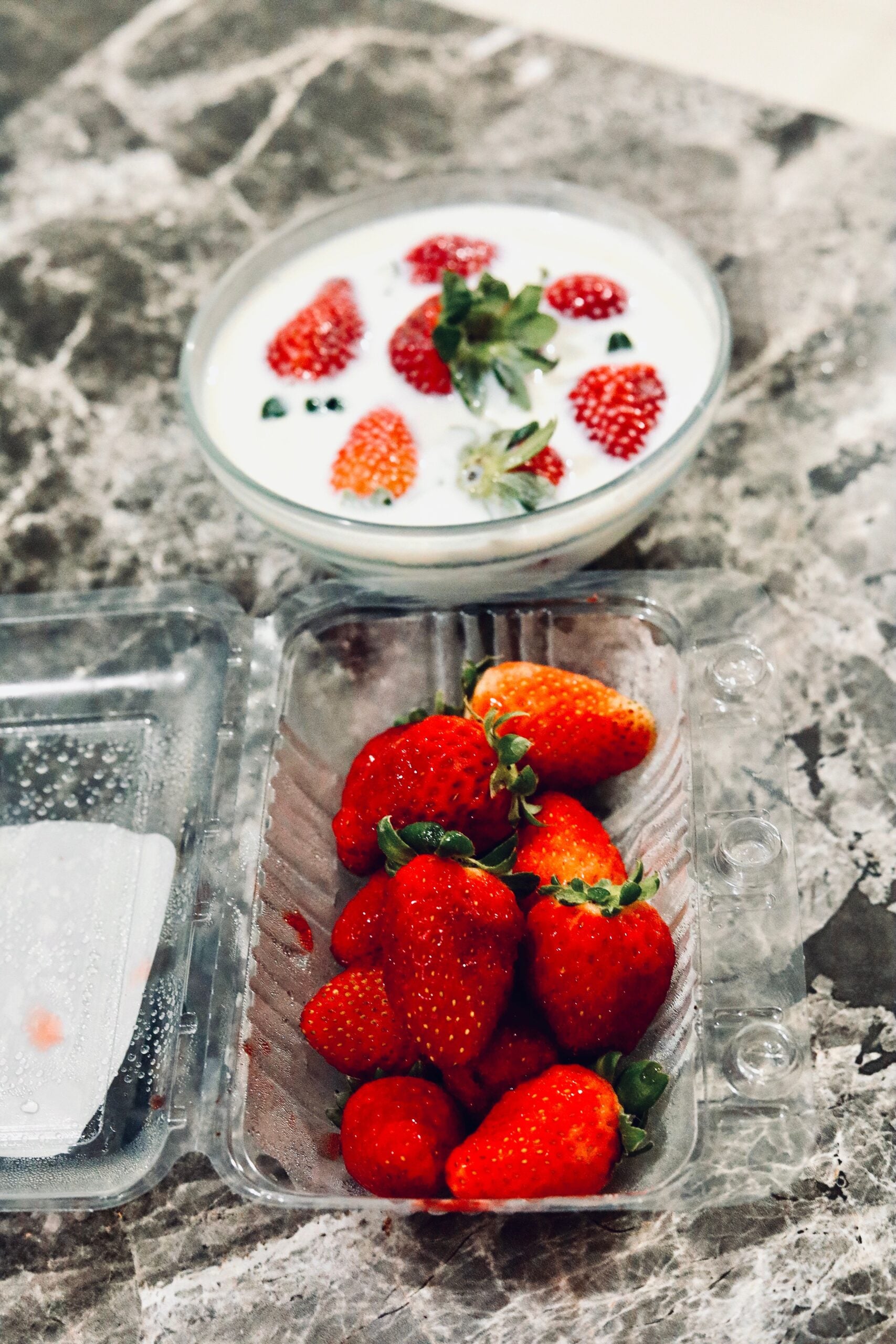
At first this sounds odd, since strawberries and cream are famous together. The problem is plain milk, especially cold milk beside fresh strawberries, is too thin to carry the berry's perfume. Strawberries are driven by delicate aroma compounds, and those aromas show up better with some fat and a little sugar, not with a watery dairy backdrop.
Milk can also make ripe strawberries seem less sweet by comparison. The berry flavor ends up tasting diluted rather than enhanced. That is why a spoonful of yogurt, whipped cream, or even ricotta usually performs better than a glass of milk on the side.
This is not about luxury. It is about structure. Slightly thicker dairy traps aroma and lingers longer, giving the fruit more time to register on the palate.
Tomatoes and low quality balsamic glaze
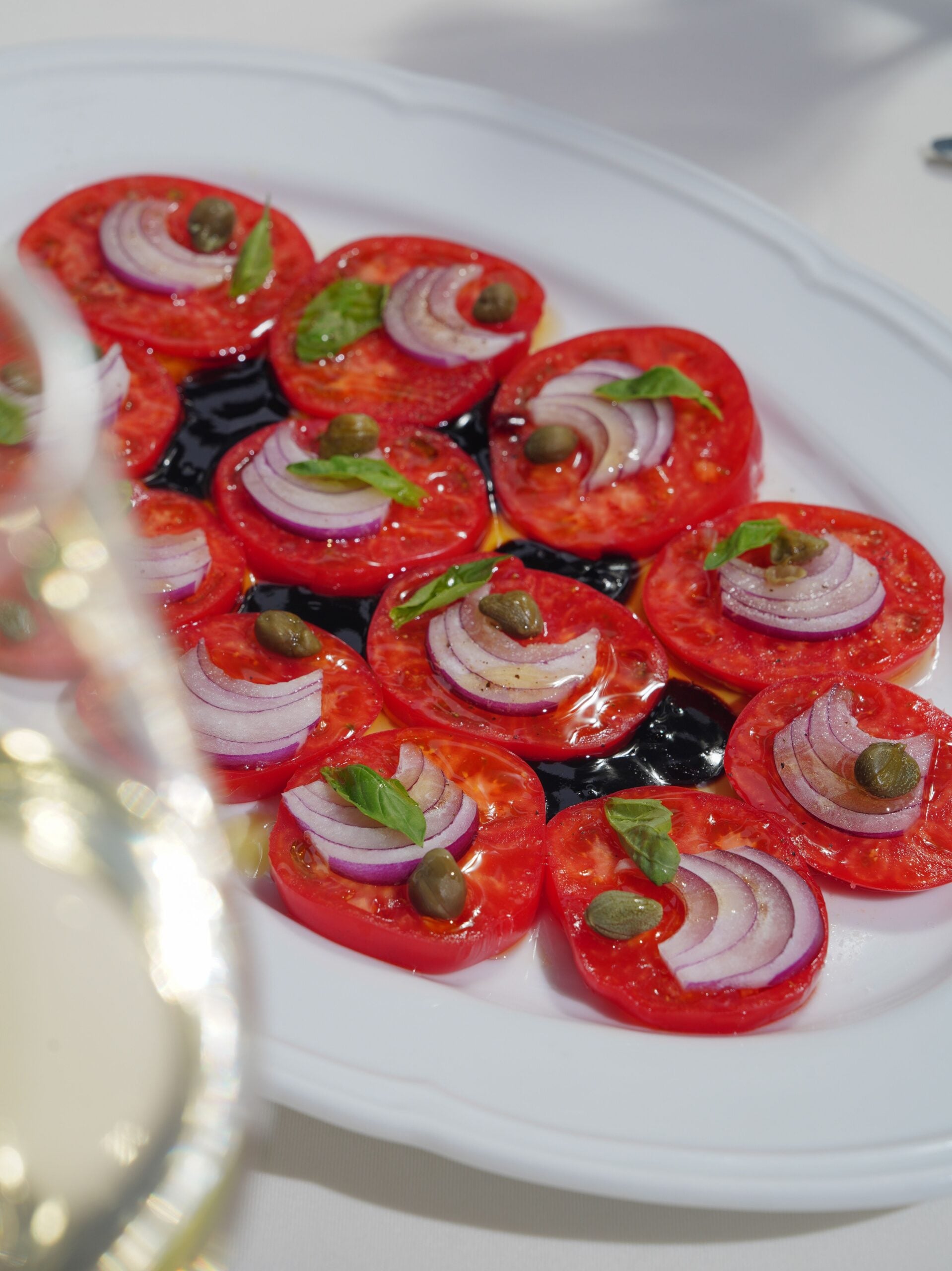
Tomatoes and balsamic can be excellent, but the bottled glaze version often pushes the pairing in the wrong direction. Good tomatoes already bring sweetness, acidity, and savory depth. A thick, sugary glaze can cover all three and make the plate taste syrupy instead of fresh.
The issue is concentration. Reducing vinegar intensifies sweetness along with acidity, and many commercial glazes add even more sugar. On a delicate tomato, that can erase the crisp, green, almost floral notes that make a ripe one interesting.
A better choice is a splash of good vinegar, olive oil, and salt. That keeps the tomato at the center. Flavor science favors enhancement over domination, especially with produce that already arrives naturally balanced.
Salmon with ketchup
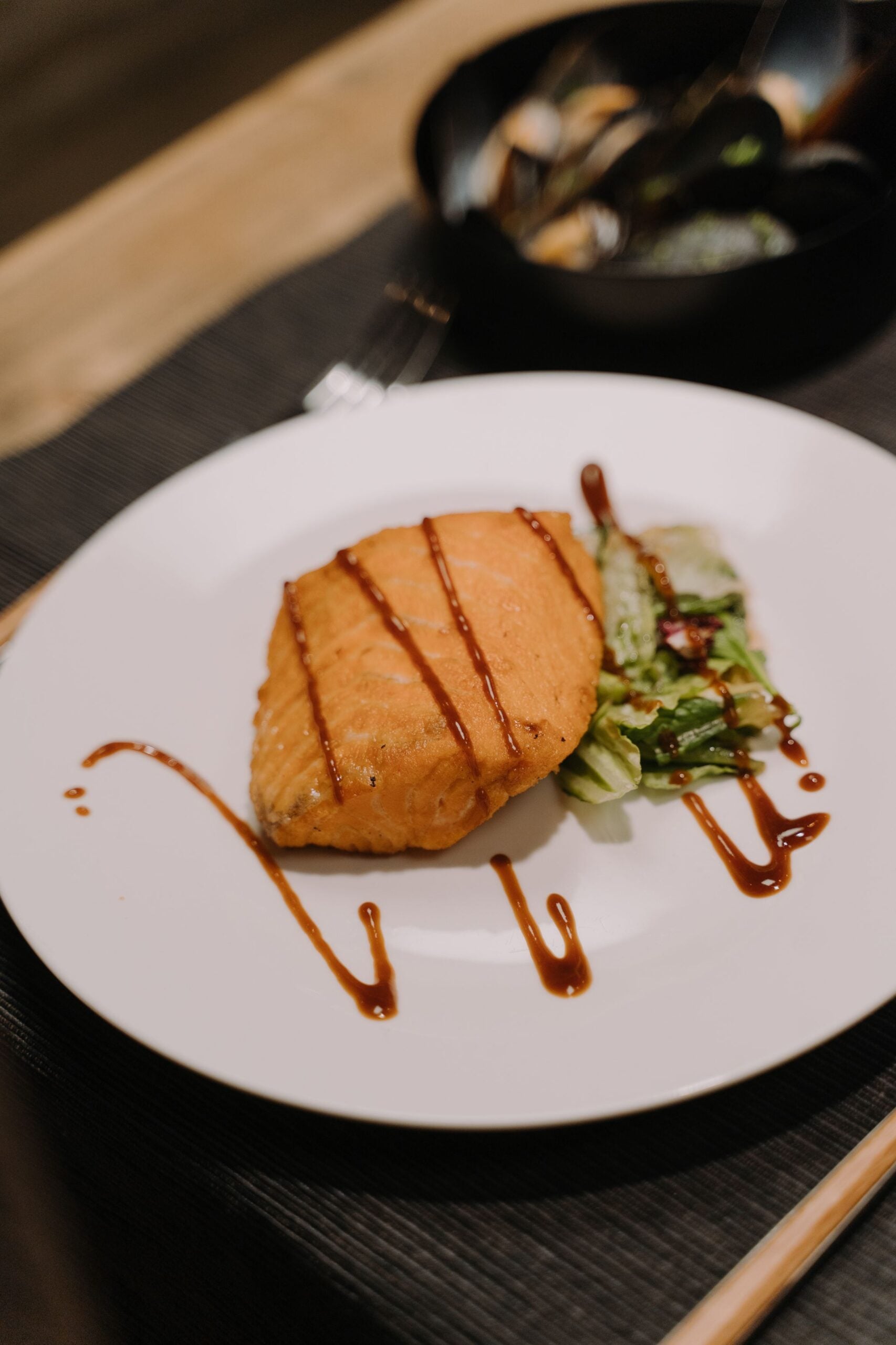
Ketchup is engineered for burgers, fries, and foods that can absorb a punch of sugar, vinegar, tomato concentrate, and spice. Salmon is rich too, but its appeal lies in fat plus subtle marine and buttery notes. Ketchup tends to bulldoze those details.
This is a poor aromatic fit. The cooked tomato profile in ketchup does not share much with salmon's cleaner flavor, and the sugar can make the fish taste oddly candy like. Acid can help fatty fish, but this form of acid arrives tied to sweetness and thickness that linger too long.
Lemon, mustard, dill, capers, or yogurt sauces usually work better because they cut fat without drowning the fish. They sharpen the edges of the salmon rather than repainting it.
Coffee with mint toothpaste flavors
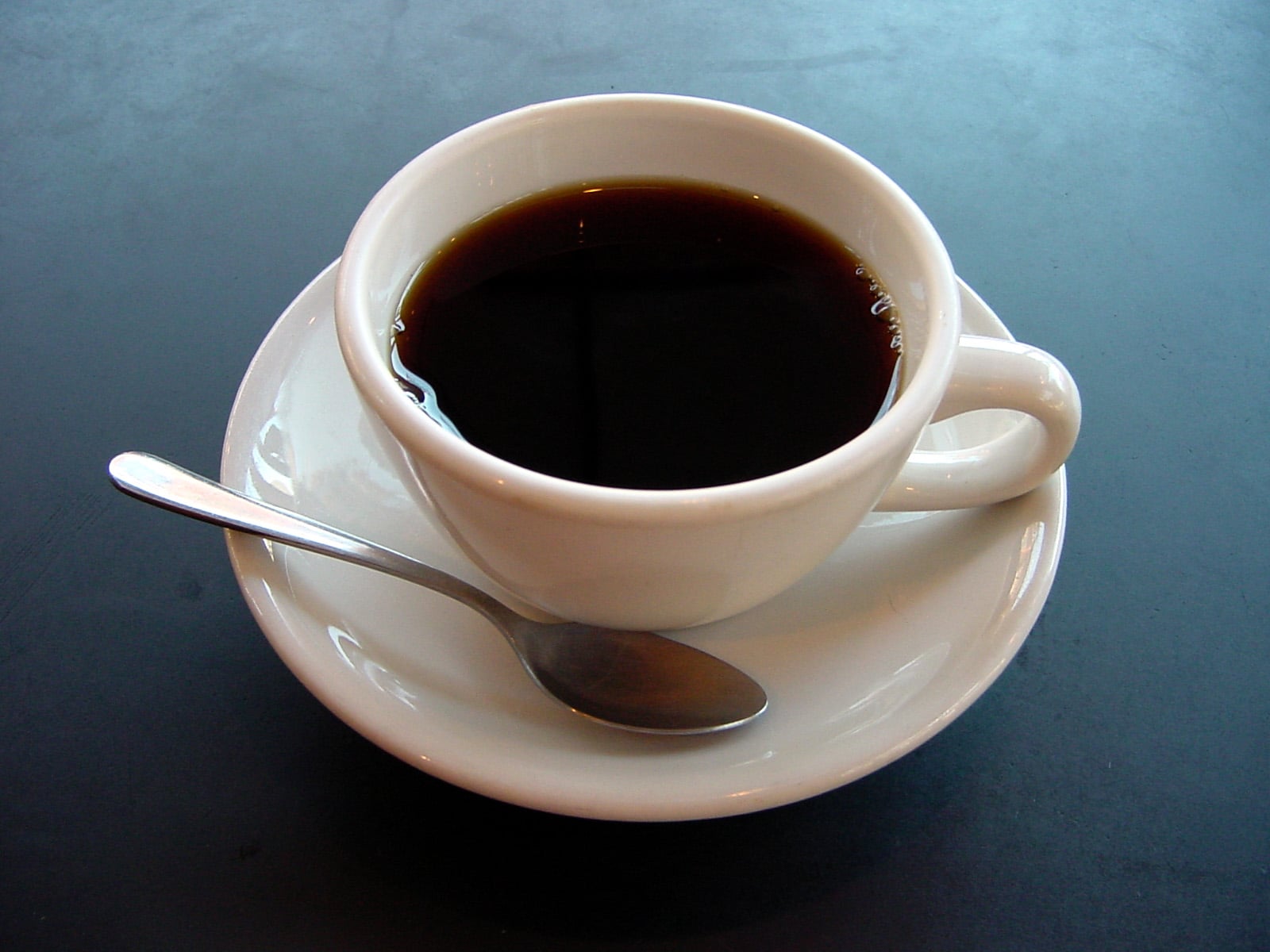
This is less a recipe than a daily mistake, but it is one of the clearest examples of flavor interference. Mint compounds create a cooling sensation and can make sweet foods seem less sweet. After brushing, coffee often tastes harsher, more bitter, and oddly metallic.
The reason is sensory overlap. Mint does not simply add flavor. It changes how the mouth perceives temperature and intensity. Coffee's roasted bitterness then arrives without its usual balancing sweetness, especially if you drink it black.
A rinse and a little waiting time help, but the broader lesson matters for food pairings too. If one flavor actively alters perception, it can sabotage the next thing you eat or drink even when the ingredients never meet on the same plate.
Eggs with sugary ketchup

Many Canadians grow up putting ketchup on scrambled eggs or omelettes, but the combination often works against the eggs' best qualities. Eggs are mild, sulfurous, creamy, and savory. Sugary ketchup emphasizes sweetness and tomato paste more than brightness, which can leave the eggs tasting blunter and less delicate.
Heat changes the equation slightly, because hot sauce brings acid and capsaicin with less sugar. Salsa does something similar by adding freshness, onion, and herbs. Both create lift, while ketchup tends to settle heavily over the eggs.
If you like the familiar tang, a sharper tomato relish can make more sense. You keep acidity, but trade syrupy sweetness for cleaner contrast and more texture.
Watermelon with table salt only
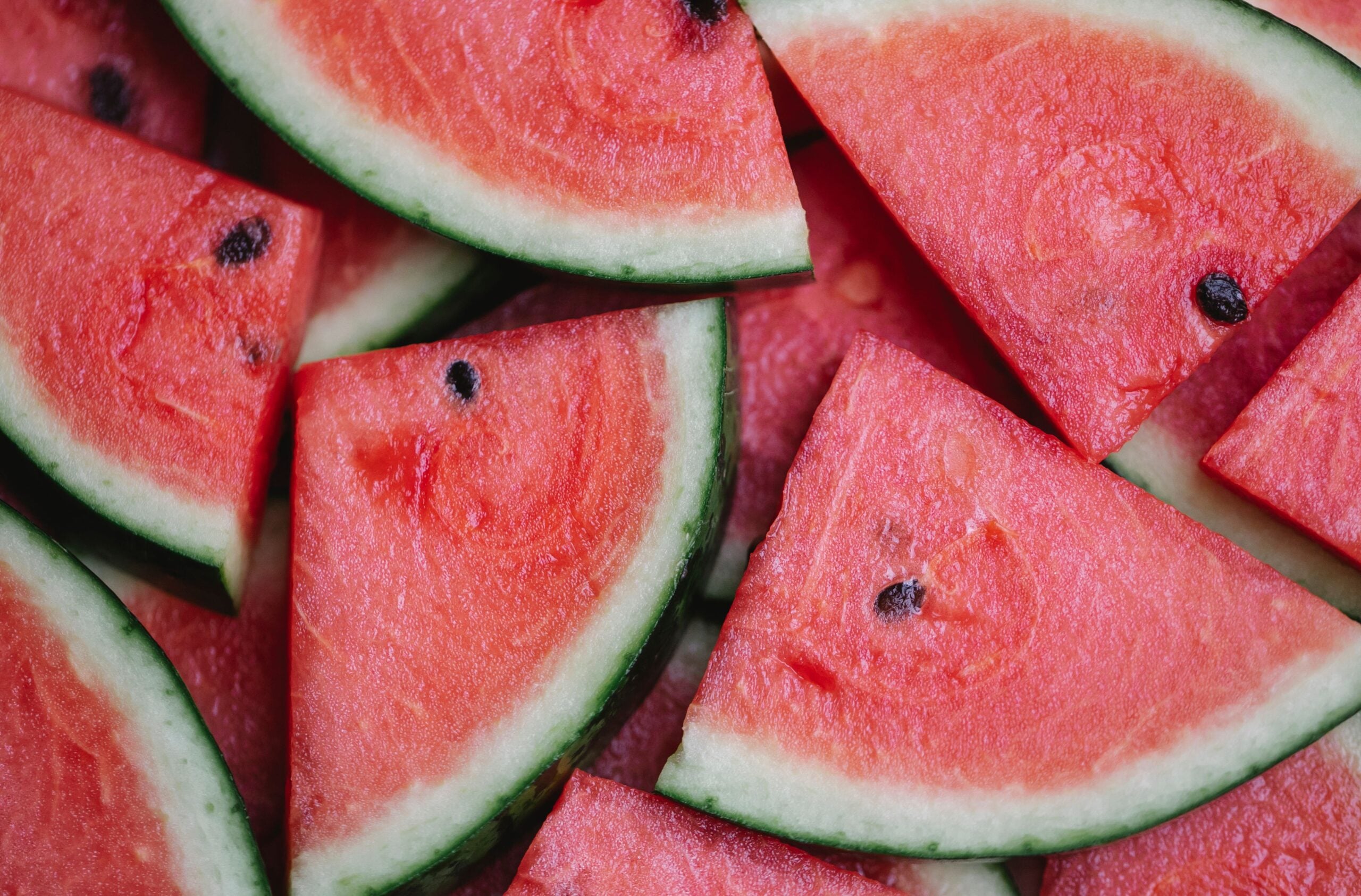
Salt on watermelon is common because it boosts sweetness and suppresses bitterness. The trouble is that salt alone can make the pairing feel incomplete. Watermelon is very sweet, very watery, and mild in aroma, so it often needs acid or herbs as well to avoid tasting merely louder rather than more interesting.
Flavor science shows that seasoning works best when it creates shape. Salt raises the signal, but acid adds outline. Lime juice, feta, or mint gives watermelon a fresher top note and more contrast in each bite.
This is why watermelon salads often taste more memorable than plain salted slices. The goal is not just intensity. It is definition.
Oatmeal with only brown sugar
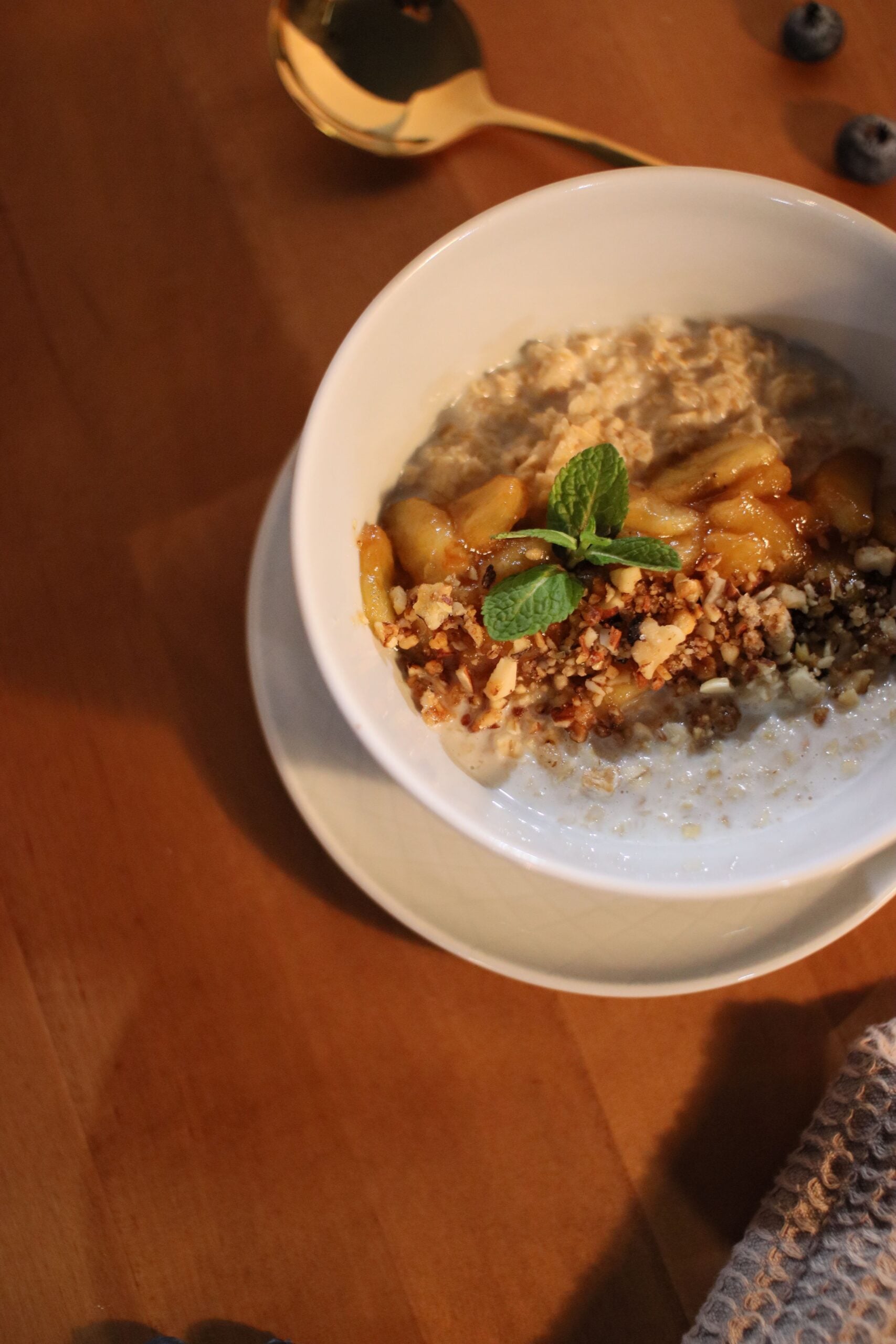
Oatmeal and brown sugar are comforting, but the pairing can trap breakfast in a single register: soft, sweet, and warm. Oats have gentle nuttiness and some natural earthiness. Brown sugar adds caramel notes, yet very little contrast. After a few bites, the bowl can taste heavier than it should.
Good pairings wake oats up with acid, bitterness, spice, or crunch. Think berries, stewed rhubarb, walnuts, cinnamon, or a spoonful of plain yogurt. Those additions let the grain taste toastier and less muddy.
This is a useful closing rule for everyday eating. Familiar pairings are not always wrong because they taste bad. They are wrong because they stop short of balance, and balance is usually what makes simple food memorable.


Leave a Reply