
Grocery overspending rarely comes from one big splurge. More often, it slips in through familiar items you buy every week without a second thought.
Bagged Salad Greens

Freshness is the promise that sells bagged greens, but convenience is what you are really paying for. Pre-washed lettuce, spinach, and mixed greens often cost several times more per ounce than whole heads of romaine, iceberg, or bulk spinach.
The markup reflects processing, trimming, packaging, and shorter shelf life. Industry analysts have long noted that convenience produce commands premium pricing because shoppers are buying labor they do not have to do themselves at home.
There is also a waste factor. Bagged greens spoil quickly, and many households throw out part of the package before finishing it. A whole head of lettuce usually lasts longer in the refrigerator and often gives more usable volume for less money.
If you want the same convenience, washing and chopping greens in batches can narrow the gap dramatically. For most shoppers, the savings become obvious after just a few grocery trips.
Pre-Cut Fruit

Nothing looks healthier than a container of neatly cubed melon or sliced pineapple. Yet this is one of the most heavily marked-up sections in the produce department, with labor and packaging inflating the final price far beyond the whole fruit version.
A pineapple can cost a few dollars whole, while the pre-cut version may deliver less fruit for more money. The same pattern shows up with watermelon, mango, cantaloupe, and mixed fruit cups in nearly every major grocery chain.
Retailers also know that pre-cut fruit appeals to time-pressed shoppers, office workers, and parents packing lunches. That dependable demand allows stores to keep prices high even when whole fruit is abundant and relatively inexpensive.
Unless mobility or time constraints make pre-cut produce necessary, buying whole fruit is usually the smarter move. A few minutes with a knife can save a surprisingly large amount over the course of a month.
Single-Serve Yogurt Cups

These little cups seem inexpensive because the price tag appears small. But measured by ounce, single-serve yogurt is often far more expensive than larger tubs, especially when you factor in branded packaging, flavor add-ins, and portioned convenience.
A 32-ounce tub typically delivers a much lower unit cost than four or six individual containers. In many stores, shoppers can pay nearly double per ounce for the same type of yogurt simply because it comes in smaller servings.
There is also a marketing effect at work. Protein claims, fruit-on-the-bottom varieties, and dessert-like flavors create the impression of a premium product, even when the base yogurt is similar to what is sold in larger containers nearby.
Buying a plain or vanilla tub and portioning it yourself often cuts costs while giving you more flexibility. You can add fruit, granola, or honey at home without paying a premium for each sealed cup.
Bottled Water
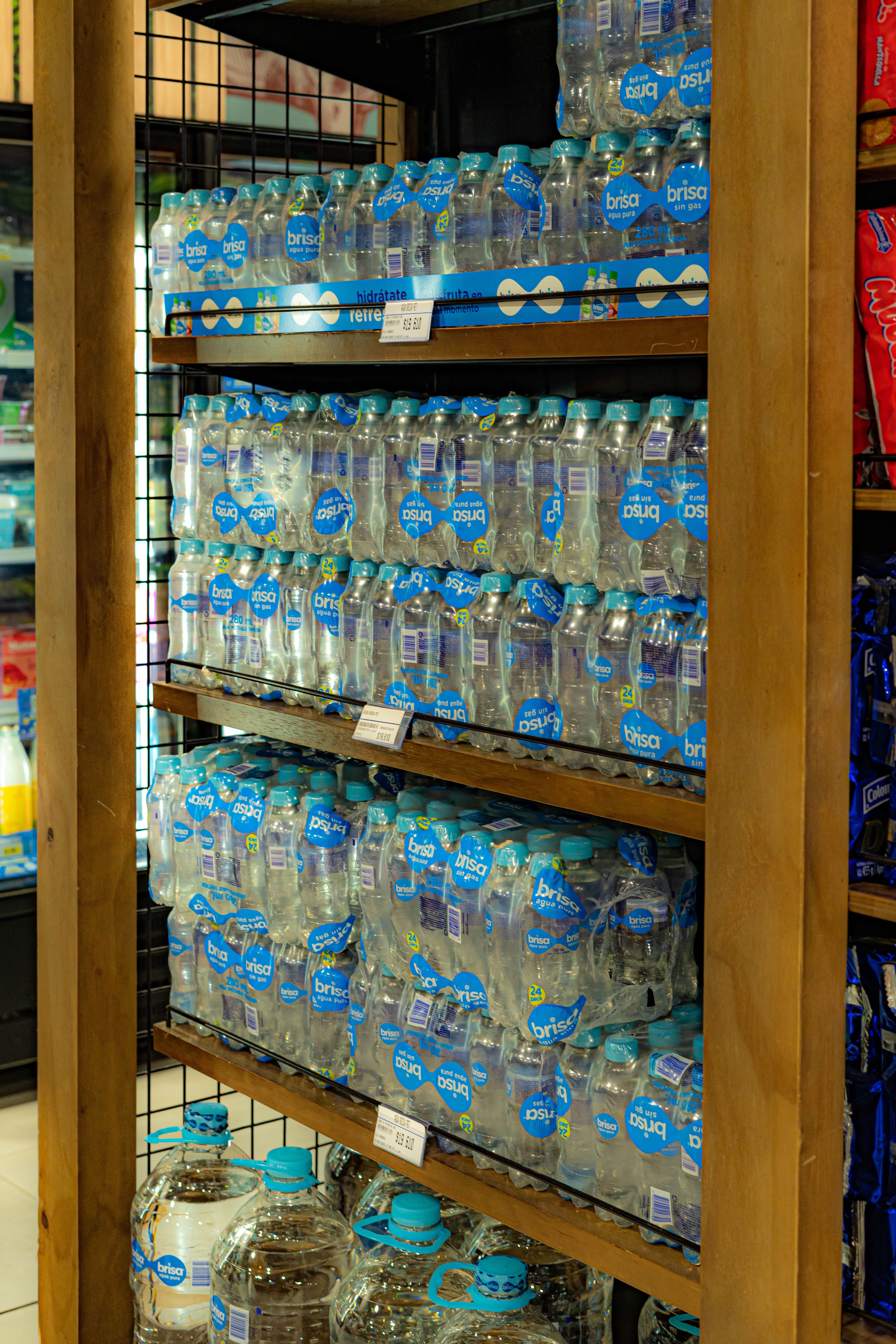
Water may be the simplest grocery item, yet it often carries one of the most irrational markups. The cost of bottling, transport, branding, and retail placement means shoppers frequently pay vastly more for packaged water than for safe tap water.
According to consumer and municipal water analyses, bottled water can cost hundreds or even thousands of times more per gallon than filtered tap water. In many cases, the source is municipal water that has simply been processed and packaged.
The habit persists because bottled water is associated with health, purity, and convenience. Label design, mountain imagery, and pH claims can make ordinary hydration feel like a premium purchase, even when practical differences are minimal.
For home use, a reusable bottle and a basic filter usually provide the best value. Unless you are preparing for emergencies or traveling where safe water is uncertain, bottled water is often an avoidable expense.
Name-Brand Breakfast Cereal
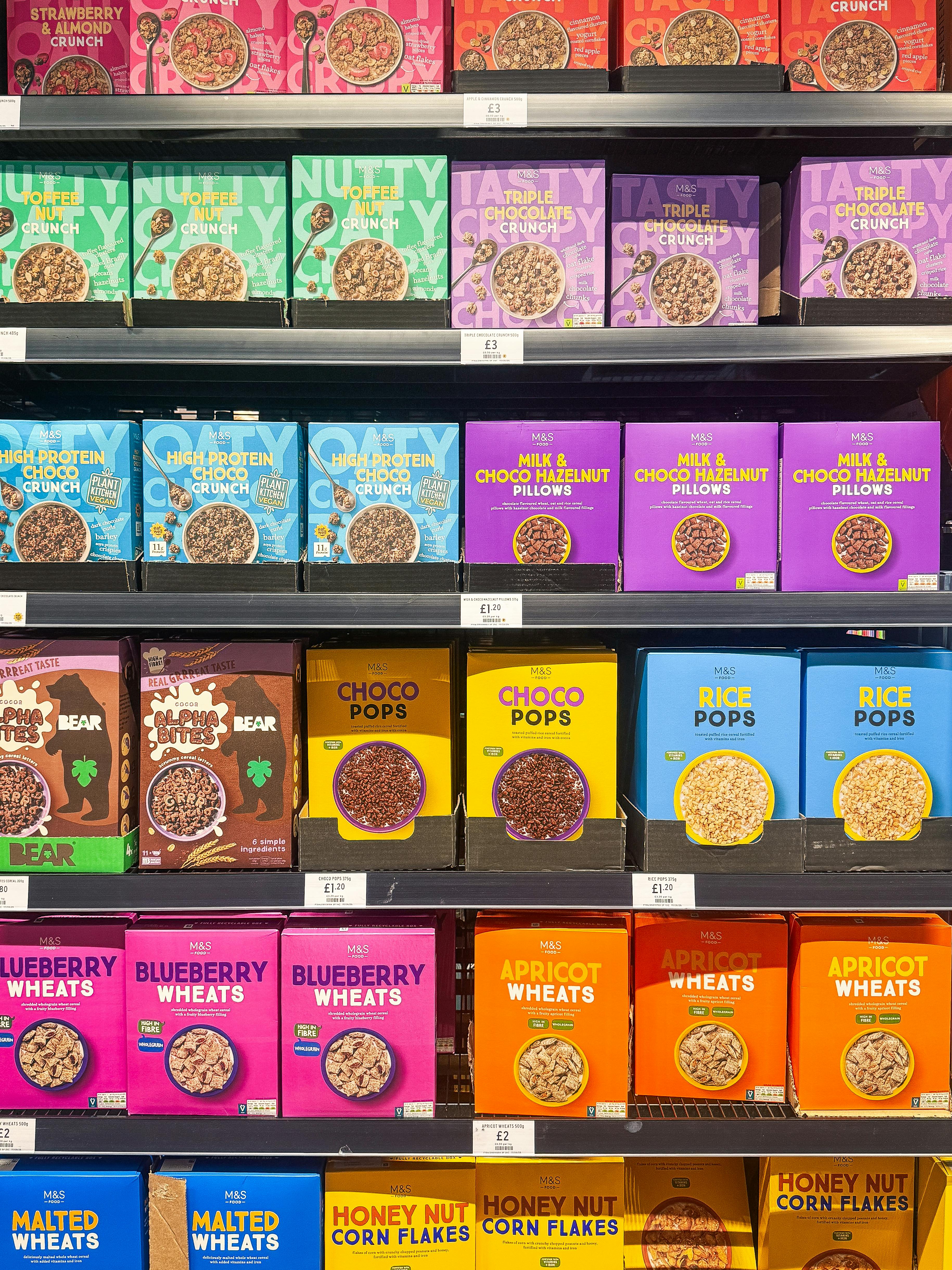
Few aisles reveal the power of branding like the cereal aisle. Bright packaging, cartoon mascots, and eye-level placement help justify prices that can be significantly higher than store-brand or bulk alternatives with similar ingredients.
Major brands spend heavily on advertising and promotions, and those costs are built into the box price. Consumer comparisons frequently show that generic toasted oats, flakes, or bran cereals are nutritionally close to branded versions but cost notably less.
There is another issue hiding in plain sight: box size. Some cereal boxes appear large but contain fewer servings than shoppers assume, making the product look like a better deal than it actually is until you check unit pricing.
Store brands are not always identical, but they are often close enough for everyday use. If your family goes through cereal quickly, switching even part of your purchases can trim a meaningful amount from your annual grocery bill.
Shredded Cheese

Shredded cheese saves time on tacos, casseroles, and salads, but the convenience premium is real. Per pound, pre-shredded cheese generally costs more than block cheese, even when both come from the same brand and same cheese variety.
The difference is not just labor. Packaged shredded cheese often contains anti-caking agents like cellulose or potato starch to keep the strands separate, which can slightly affect texture and melting performance in cooked dishes.
Manufacturers know the product solves a small but common kitchen task, and that makes shoppers less sensitive to price. A few extra dollars here and there may not feel significant, but repeated weekly purchases add up quickly.
A box grater or food processor changes the math. Buying blocks in larger sizes, shredding at home, and freezing portions can provide better value and sometimes better cooking results too.
Spice Blends and Seasoning Packets
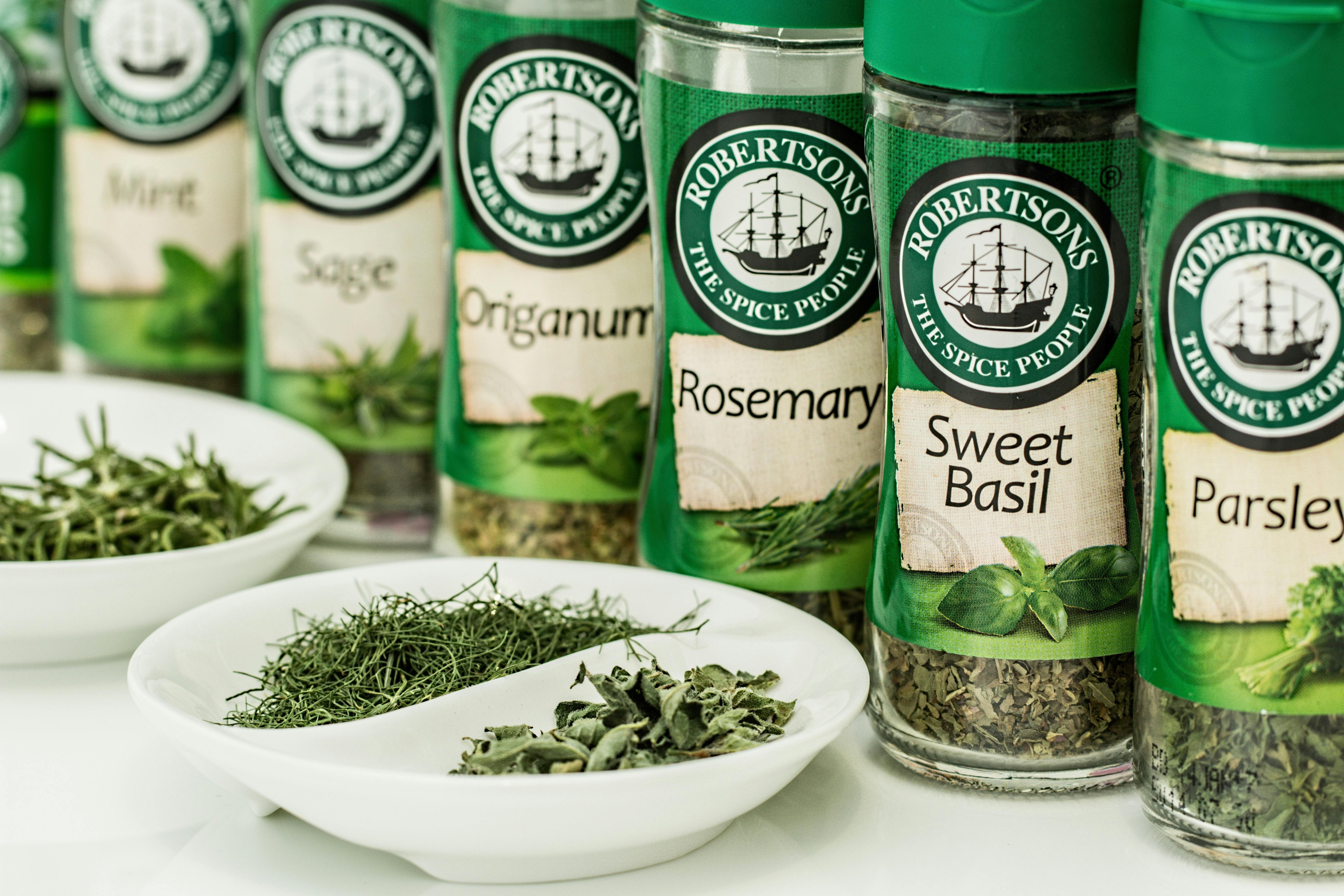
Tiny packets can carry surprisingly large markups. Taco seasoning, chili mix, ranch powder, and other blends often cost far more per ounce than buying the core spices separately and mixing them yourself.
What you are paying for is convenience, consistency, and branding. But many seasoning packets rely heavily on salt, sugar, starch, and anti-caking ingredients, meaning you are not necessarily paying for a higher amount of actual spices.
This matters because spices are used in such small quantities that a basic pantry can stretch a long way. Cumin, paprika, garlic powder, onion powder, oregano, and black pepper can recreate many popular blends at a fraction of the long-term cost.
Home mixing also gives you control. You can lower sodium, avoid fillers, and adjust flavor intensity. For households that cook regularly, pre-made seasoning packets are often one of the easiest grocery markups to eliminate.
Microwave Rice and Ready Grains
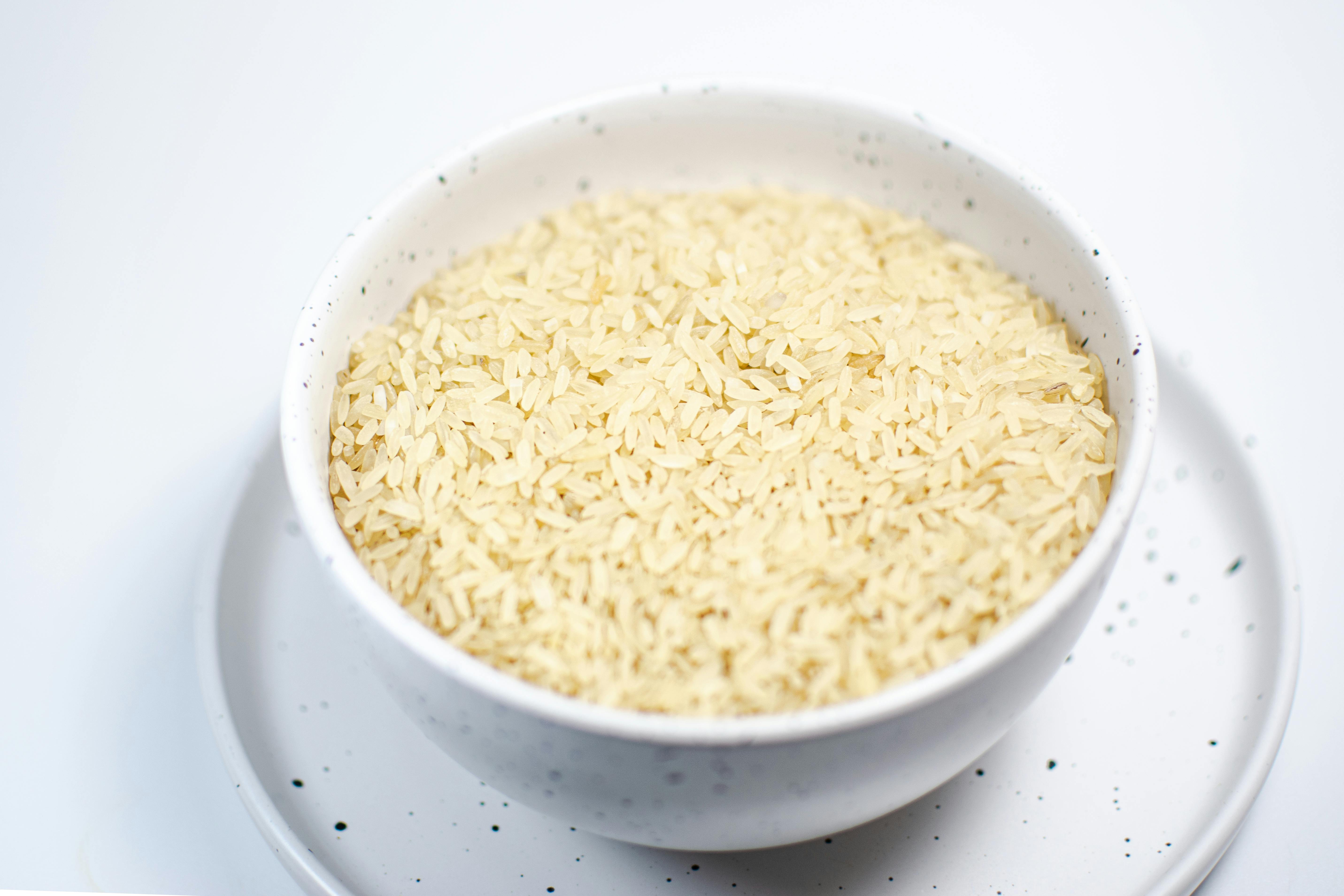
Speed sells, and nowhere is that clearer than with microwaveable rice pouches and ready-to-eat grains. These products are undeniably convenient, but they cost far more per serving than dry rice, barley, farro, or oats bought in standard packages.
A pouch may cook in 90 seconds, yet the premium can be dramatic compared with a full bag of uncooked rice that yields multiple meals. The convenience fee is especially steep for plain white or brown rice with minimal added ingredients.
Manufacturers position these products as weeknight solutions for busy families, and that strategy works. Shoppers are often willing to pay more to skip rinsing, simmering, and waiting, particularly when time feels scarce after work.
Still, batch cooking offers a strong alternative. Making grains ahead and refrigerating or freezing portions preserves convenience while bringing the cost per serving much closer to the budget-friendly level of dry staples.
Coffee Shop Coffee Beans
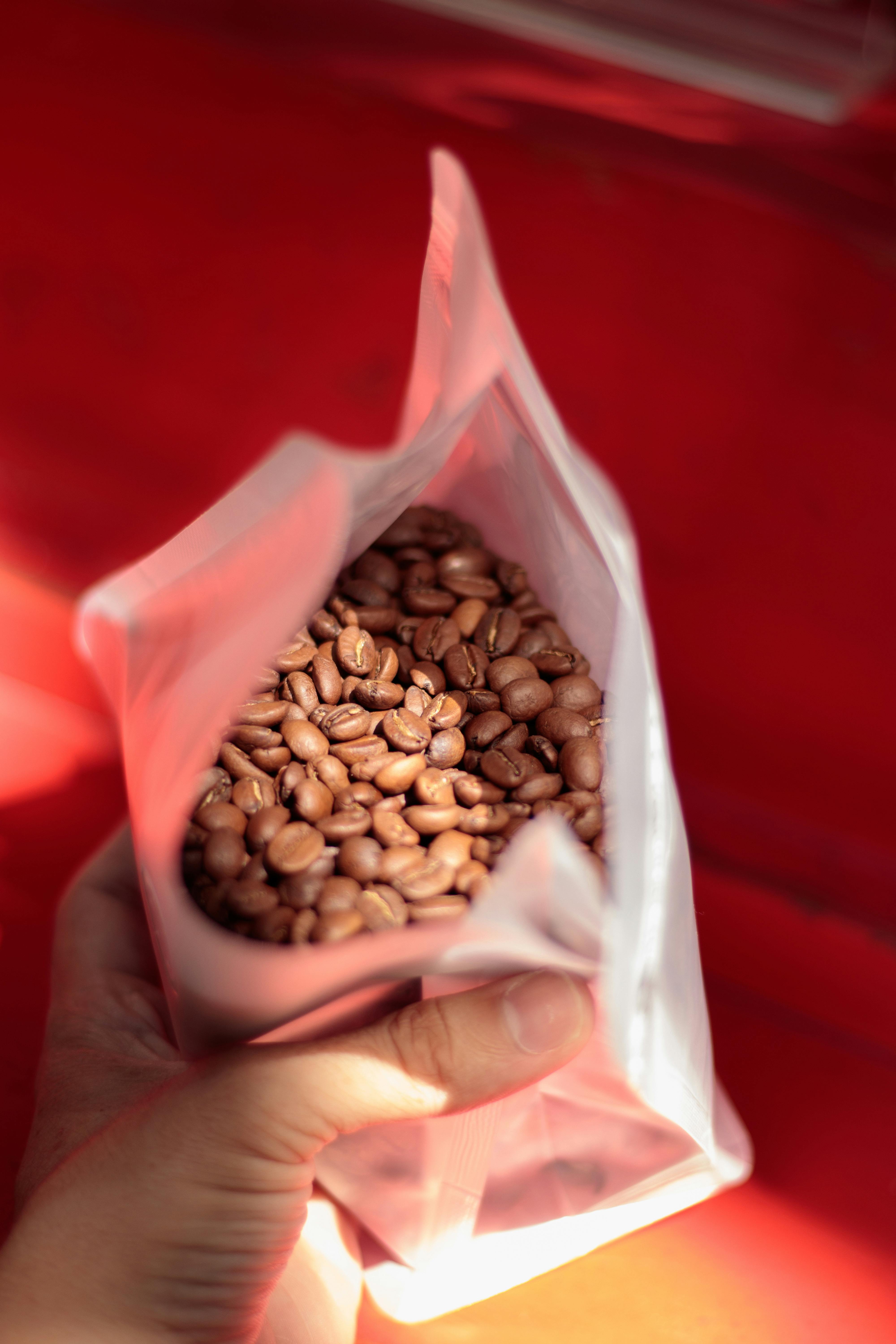
Premium coffee culture has changed how people evaluate beans. Bags sold by trendy cafes or specialty brands often command high prices because they are tied to origin stories, roasting dates, tasting notes, and a carefully designed lifestyle image.
Some of that premium is justified. Small-batch roasting, direct trade sourcing, and better quality control can produce a superior cup. But not every expensive bag represents a meaningful upgrade, especially for people adding milk, sugar, or flavored syrups at home.
Packaging size can also mislead. Many premium brands now sell 10- or 12-ounce bags instead of a full pound, which raises the effective price further while making sticker shock seem less severe at first glance.
For everyday brewing, a mid-priced whole bean coffee from a reputable grocery brand can offer excellent value. If you love specialty coffee, reserve top-tier beans for occasions when you can truly taste the difference.
Organic Snack Packs for Kids
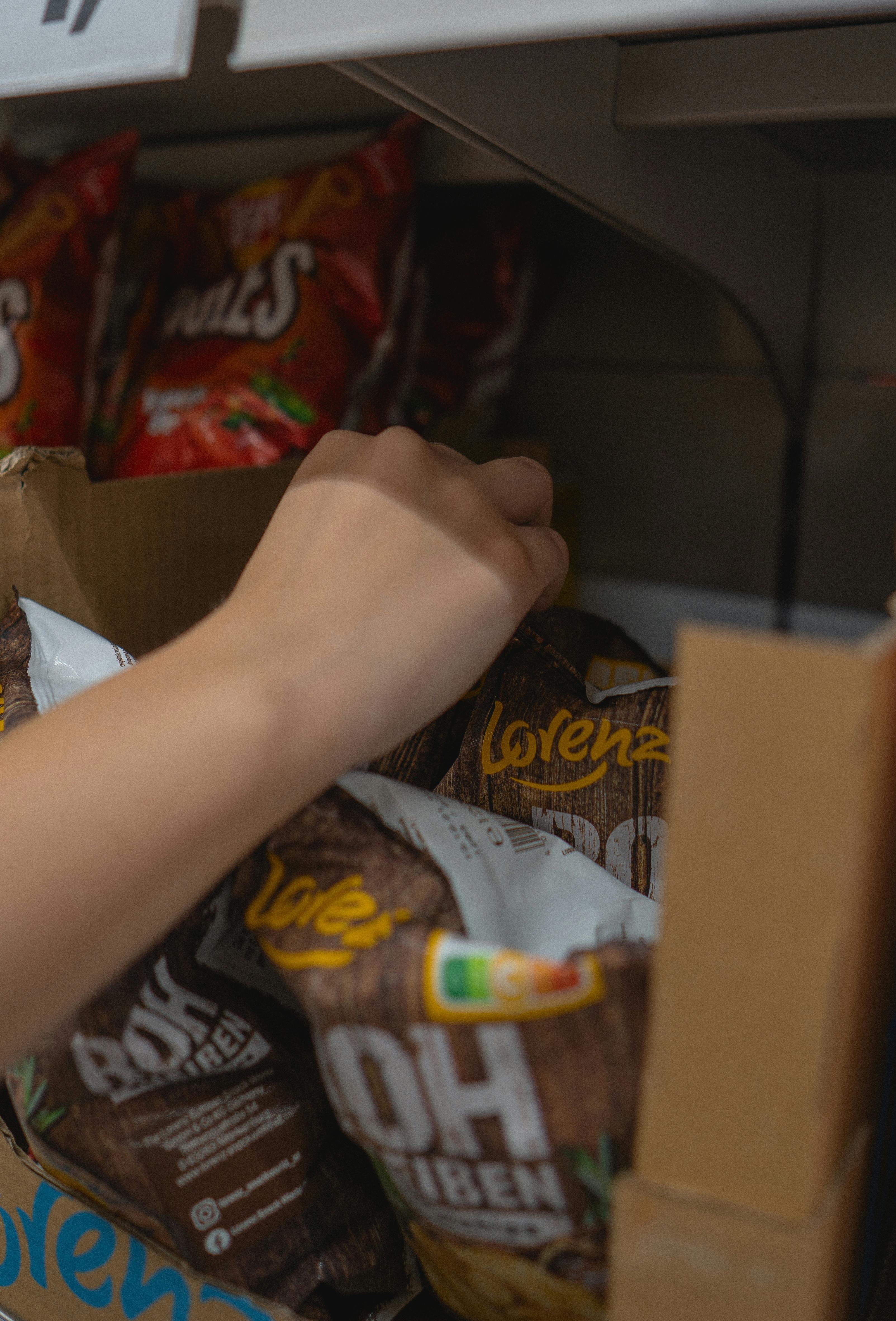
Parents often pay extra for peace of mind, and snack packs are designed to tap into that instinct. Organic crackers, fruit bites, and mini cookie bags marketed for children frequently cost much more than larger family-size versions of similar products.
Part of the premium comes from portion packaging. Smaller bags require more materials, more handling, and more branding. But a large share also comes from targeted messaging around nutrition, school lunches, and cleaner ingredients.
Not every organic label is meaningless, of course. Yet many snack packs still contain added sugars, refined starches, and familiar processed ingredients. The healthy halo can make families less likely to compare unit prices carefully.
Buying larger boxes or simple whole-food snacks often works better. Apples, bananas, cheese cubes, popcorn, or homemade portions packed into reusable containers usually deliver stronger value and less packaging waste.
Refrigerated Smoothies and Juice Shots
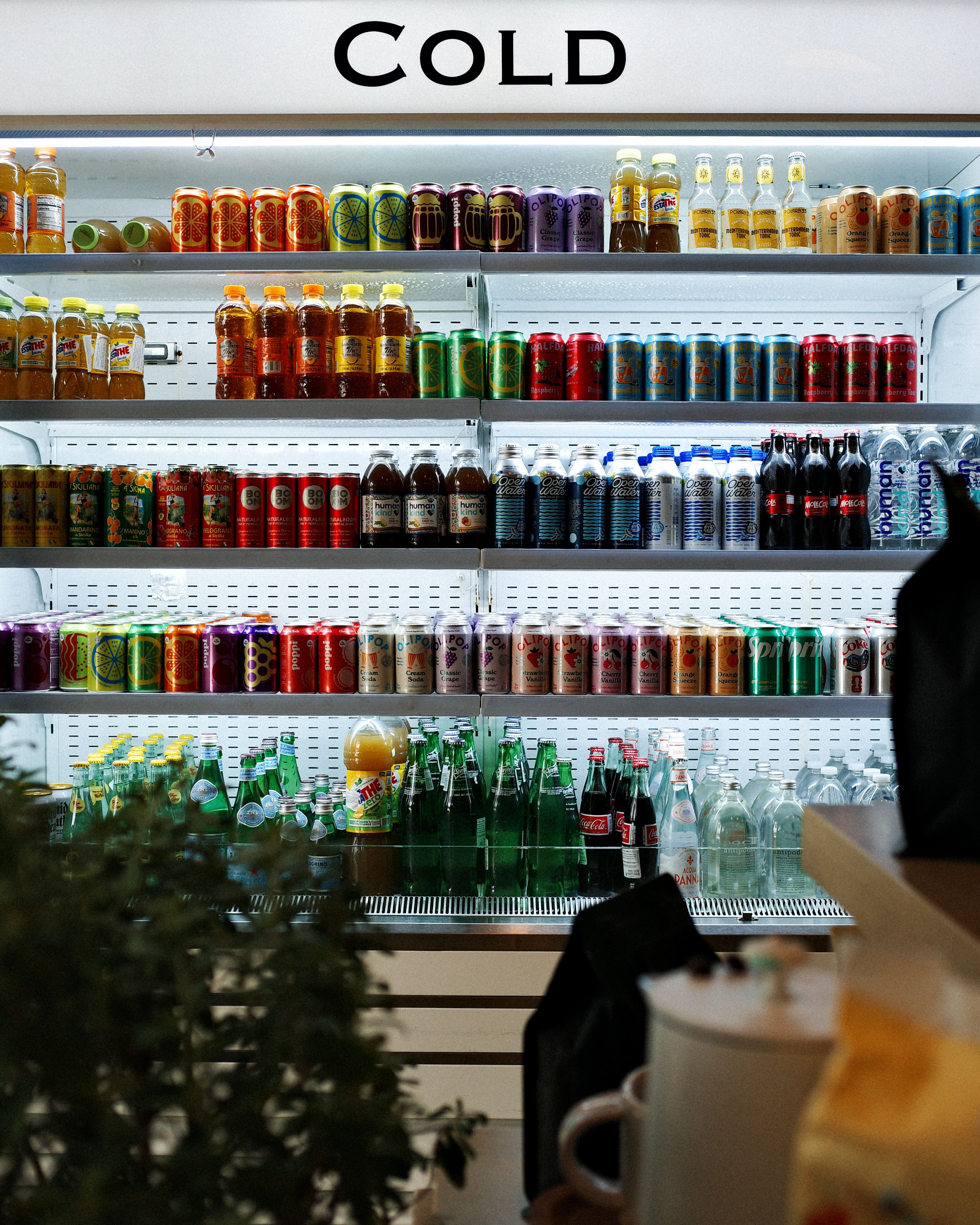
These products are sold as shortcuts to wellness. Small bottles of smoothie blends, cold-pressed juices, and immunity shots can cost several dollars each, even though many contain inexpensive ingredients like apple juice, banana puree, ginger, or spinach.
The premium comes from cold-chain storage, trendy health positioning, and very short shelf lives. Claims about detox, energy, antioxidants, or gut support can make the price feel easier to justify, even when nutritional benefits are modest or overstated.
Juice shots are a particularly strong example. A tiny bottle of ginger, turmeric, lemon, or cayenne may cost as much as a whole piece of produce that could make several servings at home with a blender or juicer.
For people who genuinely enjoy them, these drinks can be an occasional convenience purchase. But as a daily habit, they are one of the costliest ways to consume fruits and vegetables.
Bakery Sweets Sold Individually
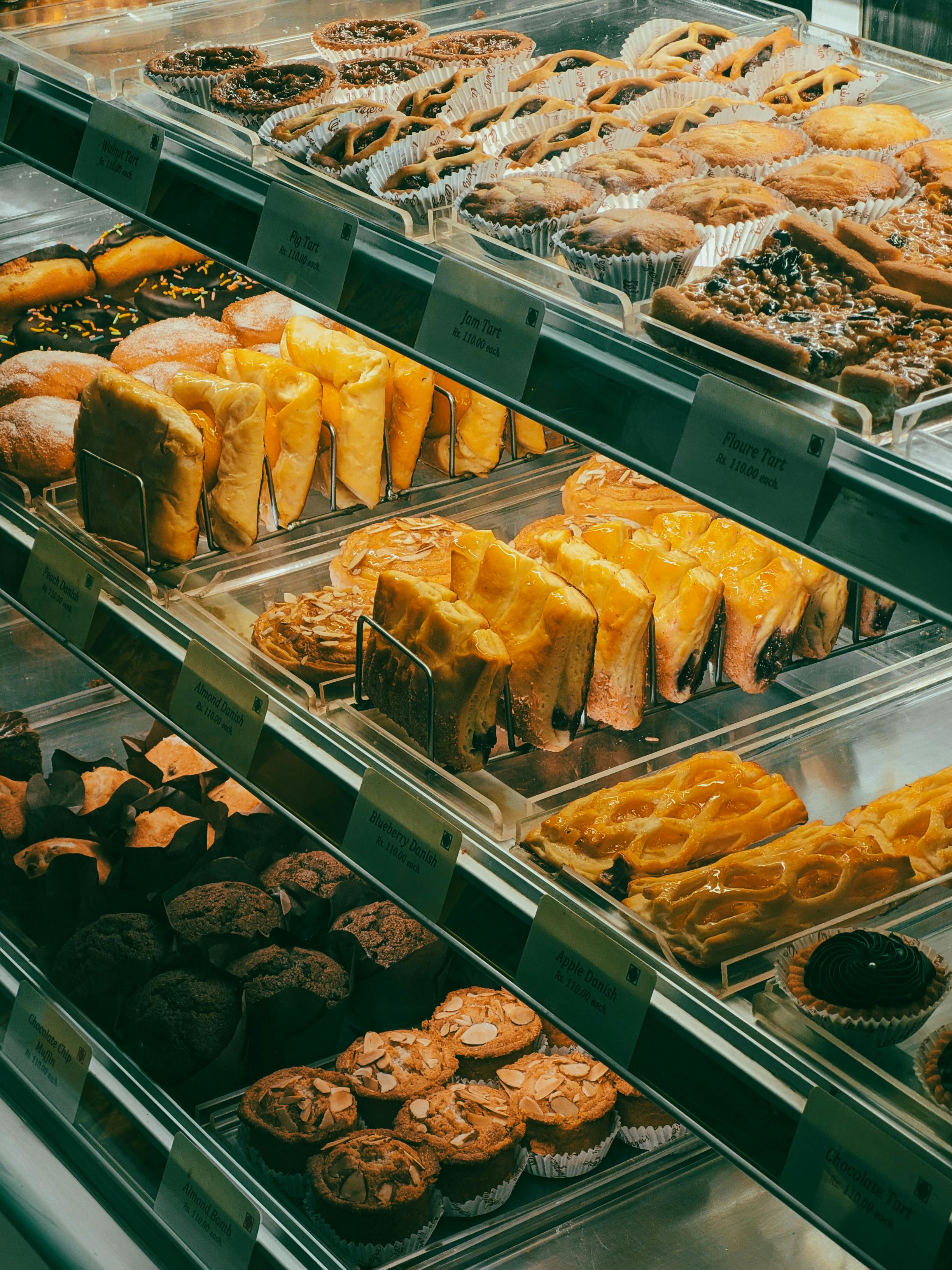
A single muffin, cookie, or brownie from the grocery bakery feels harmless because the purchase is small. Yet per ounce, individually sold baked goods are often far more expensive than multipacks, store-brand boxes, or home-baked versions.
Retail psychology plays a major role here. Display cases, fresh-baked aromas, and impulse placement near checkout encourage unplanned buying, and shoppers tend to compare the treat to café pricing rather than to grocery alternatives.
There is also the issue of perceived craftsmanship. Even mass-produced bakery sweets can seem artisanal when sold loose behind glass or arranged on decorative trays, which helps stores charge more for ingredients that are relatively inexpensive.
If bakery treats are a regular part of your routine, buying in larger quantities or baking at home is usually cheaper. The occasional indulgence is fine, but repeated single-item purchases quietly drain food budgets.



Leave a Reply