
Tipping can feel simple until a well-meant gesture lands the wrong way. In many everyday situations, how you tip says almost as much as whether you tip at all.
Leaving a Tip That Is Far Below the Local Norm
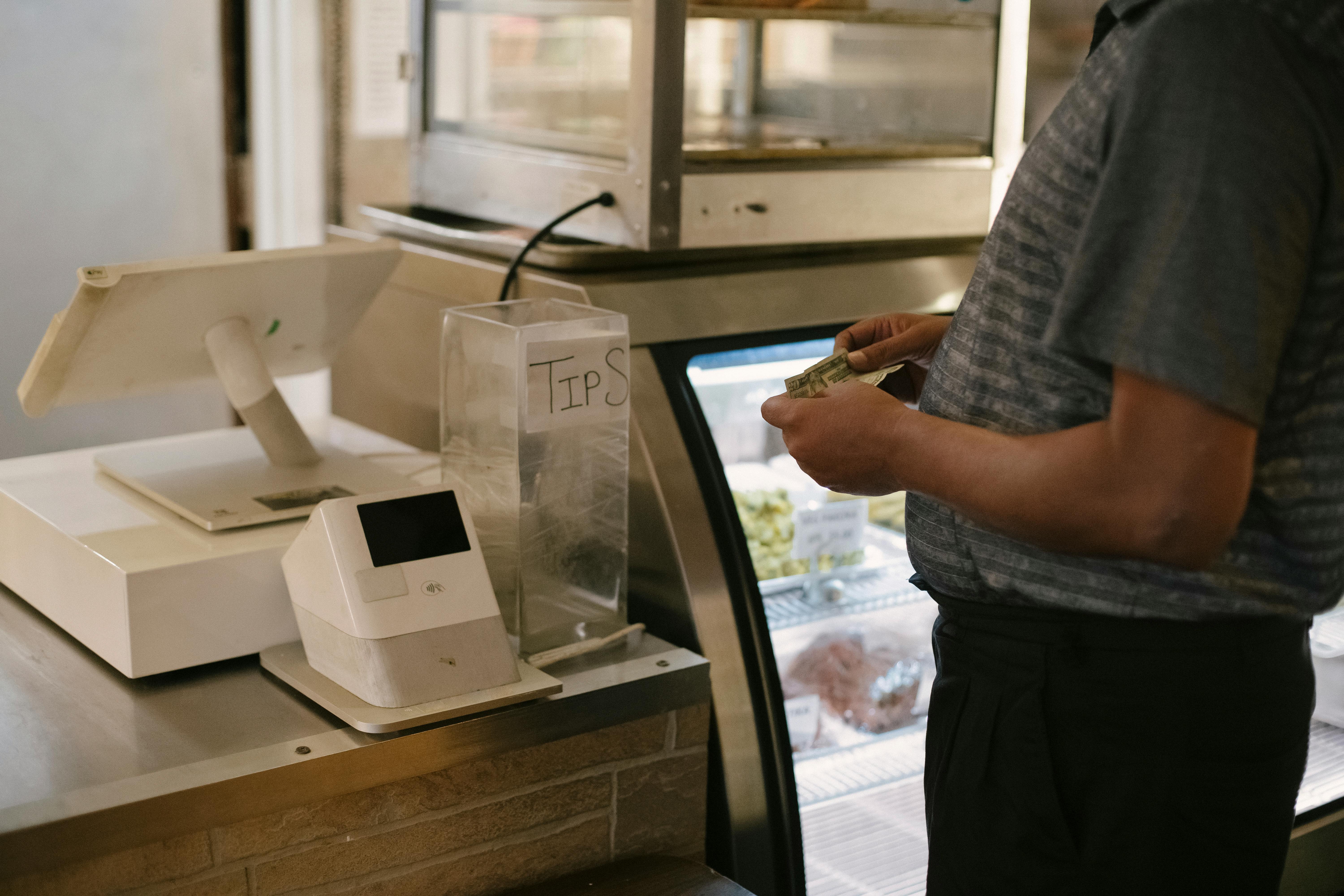
Nothing turns a thank-you into an awkward moment faster than a tip that ignores the standard people rely on. In the United States, full-service restaurant staff often depend on tips as a major part of their income, since federal tipped wages can be far below the regular minimum wage in many workplaces.
According to long-established restaurant industry norms, 15% was once seen as acceptable service, but 18% to 20% is now widely treated as the baseline for solid service in many cities. Leaving 5% or 10% without a clear service issue can read less like thrift and more like disregard for how compensation works.
The same logic applies beyond dining rooms. Hotel housekeepers, valets, bartenders, delivery drivers, and salon workers often operate in service cultures where modest but customary tipping is expected. Falling dramatically short can suggest you benefited from labor you did not truly value.
Tipping with Loose Change Only
A pile of coins may technically count as a tip, but the message can feel dismissive. In practice, dropping a few nickels, dimes, and pennies on a check tray often looks less like gratitude and more like whatever happened to be left in your pocket.
Service workers frequently mention that coin-only tips can be frustrating for practical reasons too. They are harder to carry, slower to count, and less useful when someone is trying to divide earnings quickly at the end of a shift or cover transit home after work.
There is also a visual effect that matters. A small stack of change can look stingier than the same value rounded into bills, which is one reason etiquette experts often recommend whole-dollar tipping when possible. Presentation does not replace generosity, but it does shape how your gesture is received.
Making a Big Show of the Tip
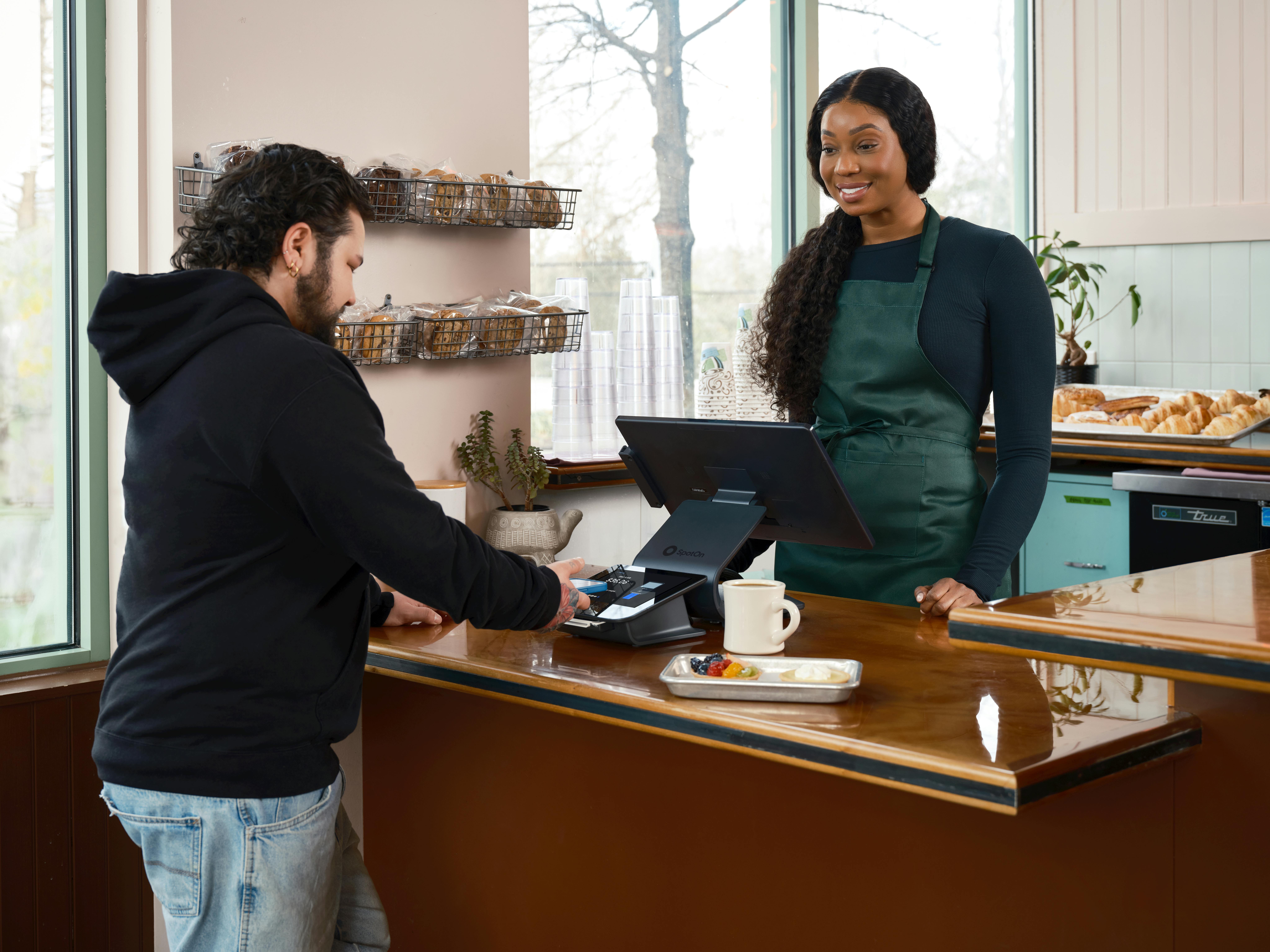
Gratitude becomes uncomfortable when it starts looking like theater. Announcing what you are leaving, waving cash around, or reminding staff that you are a "good tipper" can turn a private exchange into a performance that centers the customer rather than the service.
Psychologists who study prosocial behavior often note that generosity tends to be perceived as warmer when it appears sincere rather than self-promotional. In a restaurant or hotel setting, loudly declaring your tip can embarrass workers and even create tension among staff members who are sharing pooled tips.
This move can also come across as controlling. When someone wants visible credit for tipping, the gesture may feel conditional, as if appreciation only counts when it is witnessed. Good tipping etiquette is usually quiet, clear, and free of self-congratulation.
Using the Tip to Punish Workers for Things Beyond Their Control

Sometimes the problem was real, but the person serving you did not cause it. A slow kitchen, a broken card reader, understaffing, menu shortages, or company policies about seating and substitutions are often management or operations issues, yet servers are frequently the ones who absorb the financial hit.
That distinction matters because tips are usually tied to direct service, not every failure in the business. If your server was attentive, communicative, and honest about delays, slashing the tip to near zero can look unfair. Many hospitality professionals say guests often underestimate how little front-line staff can change in the moment.
A better response is to separate feedback from compensation. Speak to a manager, document serious concerns calmly, and tip in proportion to the service you actually received from the person in front of you. That approach signals judgment rather than impulsiveness.
Tipping with Fake Money, Tracts, or "Lessons"

Few tipping moves create more resentment than leaving fake bills printed with religious messages, motivational slogans, or moral commentary. Servers across the country have publicly shared stories of thinking they received a meaningful tip, only to discover a tract or novelty note tucked into the folder.
The reason this lands so poorly is obvious. It exploits the emotional moment of payment, creates false hope, and replaces wages with a message the worker did not ask for. For someone who has spent hours serving guests, that can feel insulting rather than thoughtful.
Even handwritten "advice" can backfire when it substitutes for money. Notes about smiling more, working harder, or being grateful rarely improve anyone's day, especially when attached to a weak tip. If you want to encourage someone, do it alongside fair compensation, not instead of it.
Ignoring Automatic Gratuity and Then Tipping Incorrectly

One of the easiest ways to create confusion is not reading the bill carefully. Many restaurants add automatic gratuity for large parties, private events, room service, cruise dining, or resort services. When diners miss it, they may either leave nothing extra while seeming careless, or double-tip by mistake and resent it later.
Neither outcome is ideal. Staff can be left wondering whether you intentionally skipped additional acknowledgment, while customers who discover a duplicate tip after leaving may feel misled even when the charge was clearly disclosed on the receipt.
The best habit is simple: pause before signing. Check for terms like "service charge," "gratuity included," or "automatic gratuity." Then decide whether you want to add more for exceptional care. Paying attention protects your budget and avoids sending mixed signals to workers.
Handing the Tip to the Wrong Person
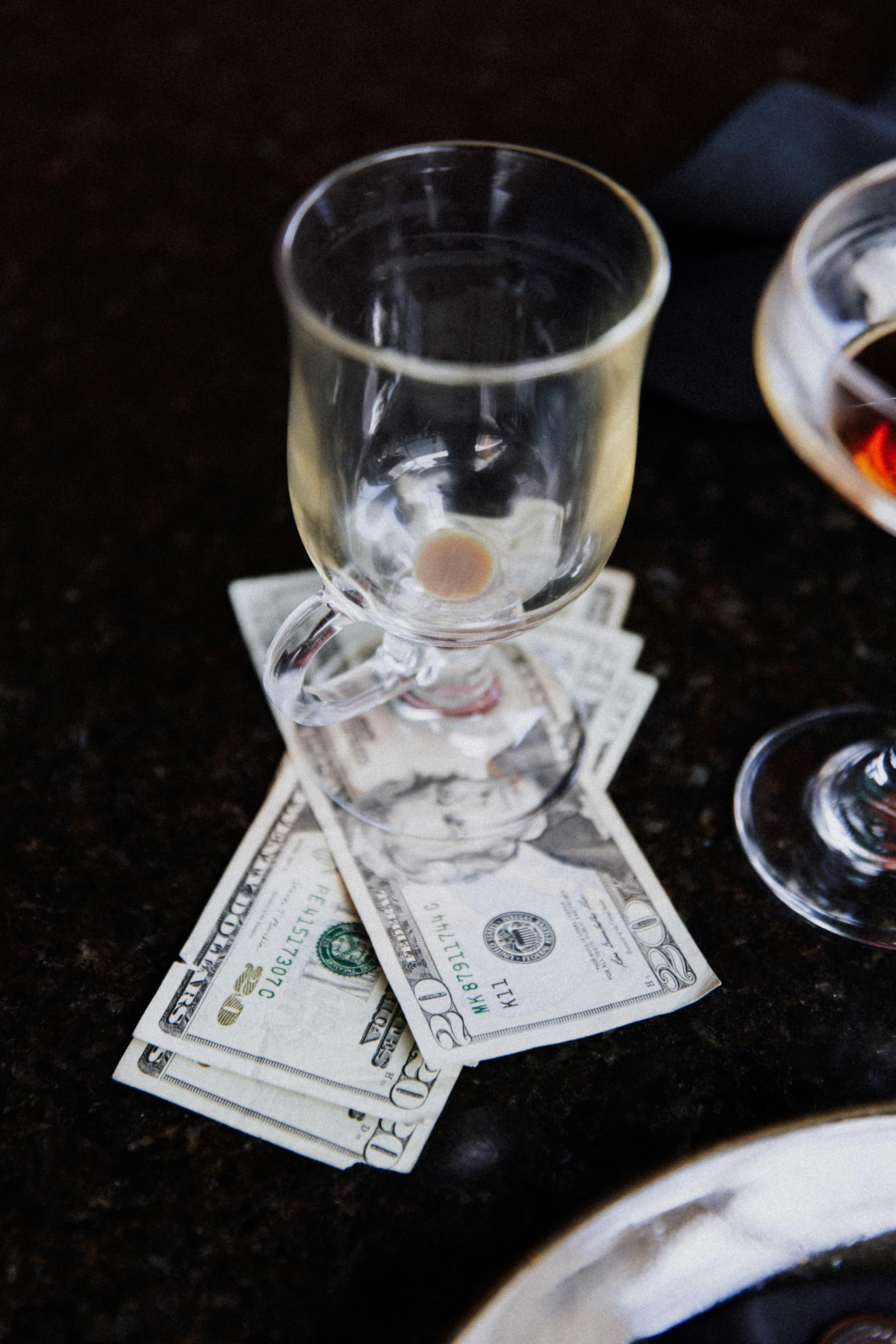
Good intentions can still miss the mark when money goes to someone who did not actually provide the service. In hotels, for example, guests sometimes hand a lump sum to the front desk expecting it to reach housekeeping, bell staff, or valet teams. In busy operations, that assumption can fail.
Restaurants present similar issues. A tip left vaguely for "the staff" may not be distributed the way you imagine, especially in places with complex pooling arrangements, food runners, bartenders, hosts, and servers all sharing portions under internal rules.
If you want your gratitude to reach a specific worker, direct it clearly. Hand cash to the intended person when appropriate, use labeled envelopes in hotels, or ask how distribution works. Precision matters because service labor is often collaborative, but compensation systems are not always transparent.
Waiting Too Long to Tip in Time-Sensitive Service Jobs

Some tipping moments lose meaning when delayed too much. For rideshare drivers, valets, hotel porters, airport shuttle staff, coat check attendants, and delivery drivers, the convention is usually to tip at the time the service is completed, not long after everyone has moved on.
A late tip through an app may still be appreciated, but in face-to-face settings delay can create uncertainty. Workers may assume there will be no tip, and the interaction closes with an avoidable sour note. In certain jobs, prompt tipping also helps workers handle cash flow during a shift.
Timing communicates attentiveness. If someone loads heavy luggage in the rain or brings food quickly to your door, immediate acknowledgment shows you recognized the effort in real time. Waiting until later can make the same amount feel less thoughtful and less personal.
Treating Tipping as a Tool for Flirting or Pressure
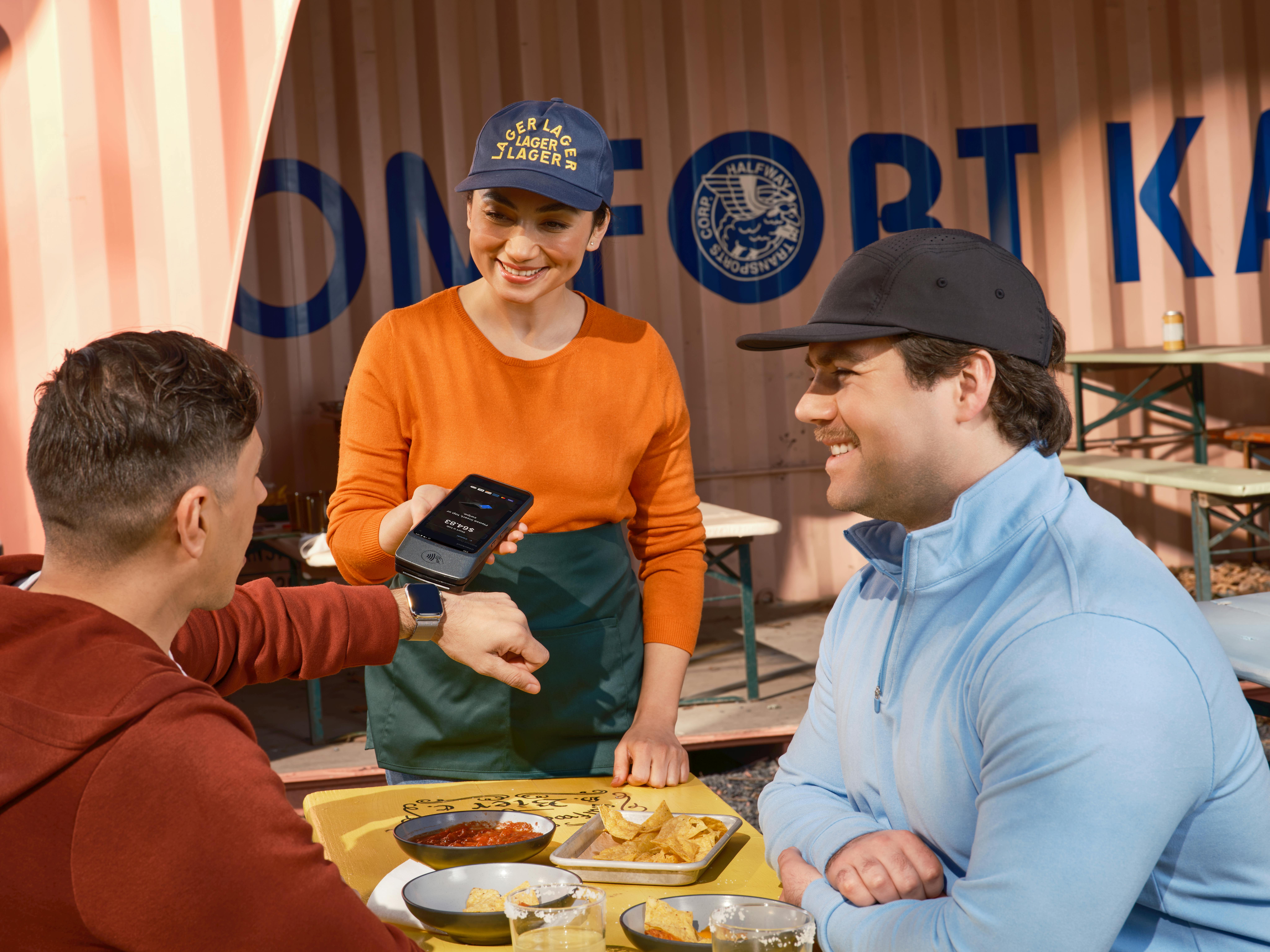
A tip should reward service, not buy emotional attention. Leaving extra money with your phone number, commenting on someone's appearance in a way that feels personal, or implying that a larger tip depends on friendliness beyond normal service can quickly cross into uncomfortable territory.
Hospitality workers often have to remain polite even when they feel uneasy, which is why this behavior is widely criticized. What one customer frames as charm can feel to the employee like pressure tied to income, especially when the power dynamic already favors the paying guest.
The safest rule is to keep the exchange respectful and professional. If you genuinely want to compliment someone, praise their efficiency, warmth, or expertise. Tipping should never place workers in a position where they must manage your expectations to protect their earnings.
Tipping Selectively Based on Bias

Not all bad tipping habits are obvious, and some are rooted in bias people do not fully examine. Research on consumer behavior has found disparities in tipping tied to race, age, accent, gender presentation, and perceived attractiveness, even when service quality is similar.
That matters because inconsistent tipping can reinforce unfair treatment in jobs already shaped by customer discretion. A guest may believe they are simply "going with a feeling," while actually responding to stereotypes or assumptions unrelated to professionalism, speed, or competence.
A more reliable method is to use consistent standards. Ask yourself whether the service met expectations, whether the worker was attentive and respectful, and whether any problems were within that person's control. Basing tips on performance rather than personal bias leads to fairer outcomes and better manners.
Leaving No Tip Without Explanation After Good Service

Silence can be its own message, and in tipping culture it is usually a harsh one. If service was genuinely good and you leave nothing, the worker is likely to interpret that choice as deliberate dissatisfaction, not a neutral oversight.
There are cases where people come from non-tipping countries or are unfamiliar with local customs. Travel experts often note that this is one of the biggest social frictions visitors encounter in the United States, where service charges and compensation structures differ from those in much of Europe and parts of Asia.
If you choose not to tip because of principle, policy, or confusion, understand how it may be read. In places where tipping is standard, the absence of any gratuity after competent service rarely looks like a thoughtful stand. It usually looks like disrespect.
Overcomplicating the Tip So Staff Have to Chase It
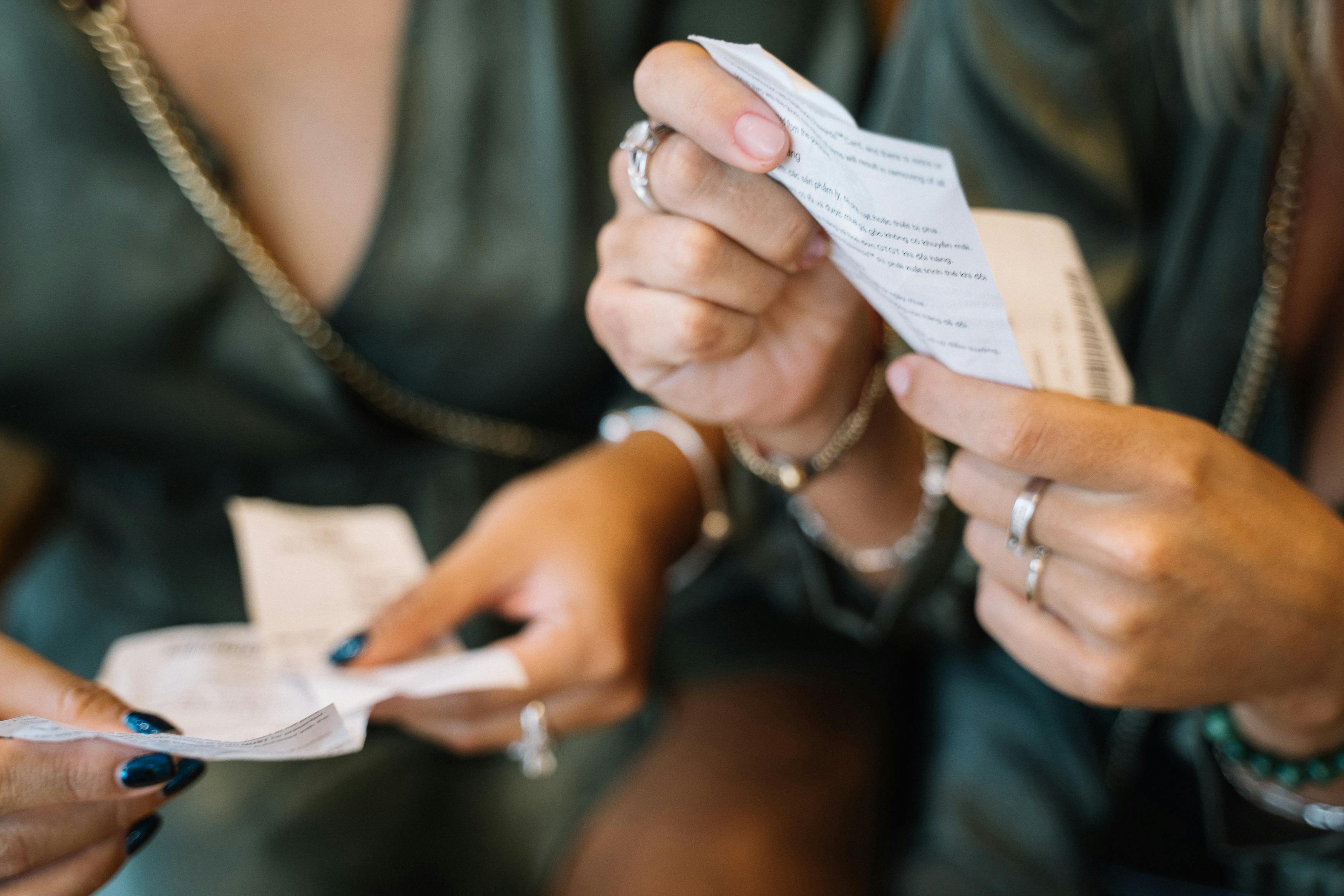
The cleanest tip is one the worker can actually receive without extra effort. Promising to "take care of it next time," leaving cash hidden under clutter, splitting tiny amounts across multiple payment methods, or writing unclear totals on a receipt can all create unnecessary friction.
Payment processing mistakes are common enough that vague handwriting and mismatched math may even cause the tip to be adjusted incorrectly or rejected. In group settings, people who assume someone else added gratuity can also leave staff underpaid despite everyone meaning well.
The best impression comes from clarity. Write legibly, total the bill correctly, confirm app-based tips before closing the screen, and place cash where it is obvious and secure. Tipping is supposed to complete a service interaction smoothly, not leave behind confusion or doubt.




Leave a Reply