
Cheesecake has range, and that is exactly why it makes such a strong dessert for home cooks. A good recipe can look polished on a cake stand, travel well to a party and still rely on straightforward ingredients like cream cheese, sugar, eggs and a simple crust.
New York cheesecake
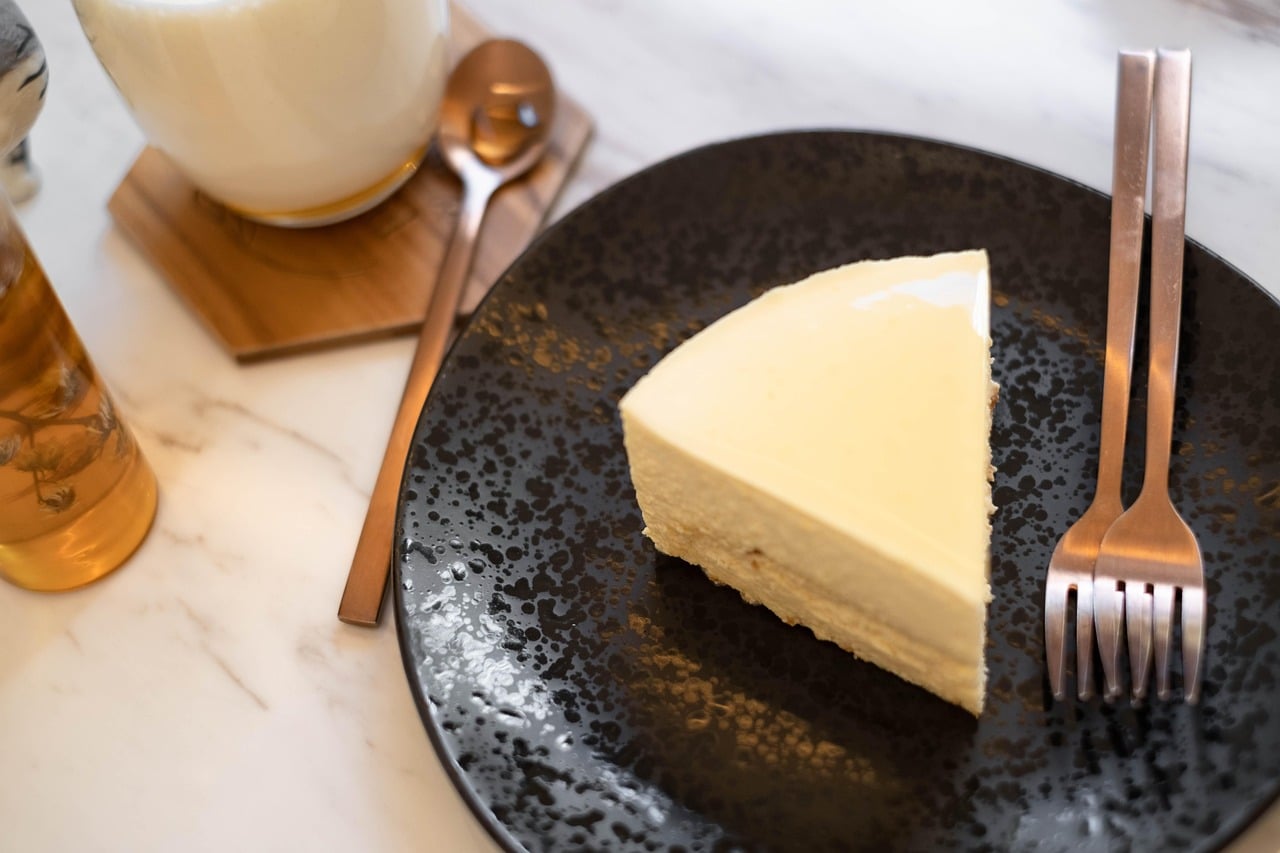
A tall New York cheesecake is the version many bakers picture first, and for good reason. It is rich, dense and smooth, with a flavor that leans heavily on cream cheese rather than fruit or mix-ins. The crust is usually graham cracker based, pressed firmly into the bottom of a springform pan so the filling stays the star.
What sets this style apart is its texture. New York cheesecake is typically baked and often finished with sour cream or heavy cream in the batter, which gives the slice a plush, velvety feel. A gentle bake matters here, because too much heat can cause the top to puff, crack and dry out before the center is fully set.
This is also one of the most versatile bases to master. Serve it plain, top it with berries, spoon over cherry sauce or add a thin layer of sour cream topping for a classic deli style finish. One strong recipe in this lane gives you a polished dessert that works for birthdays, holidays and dinner parties.
Basque burnt cheesecake
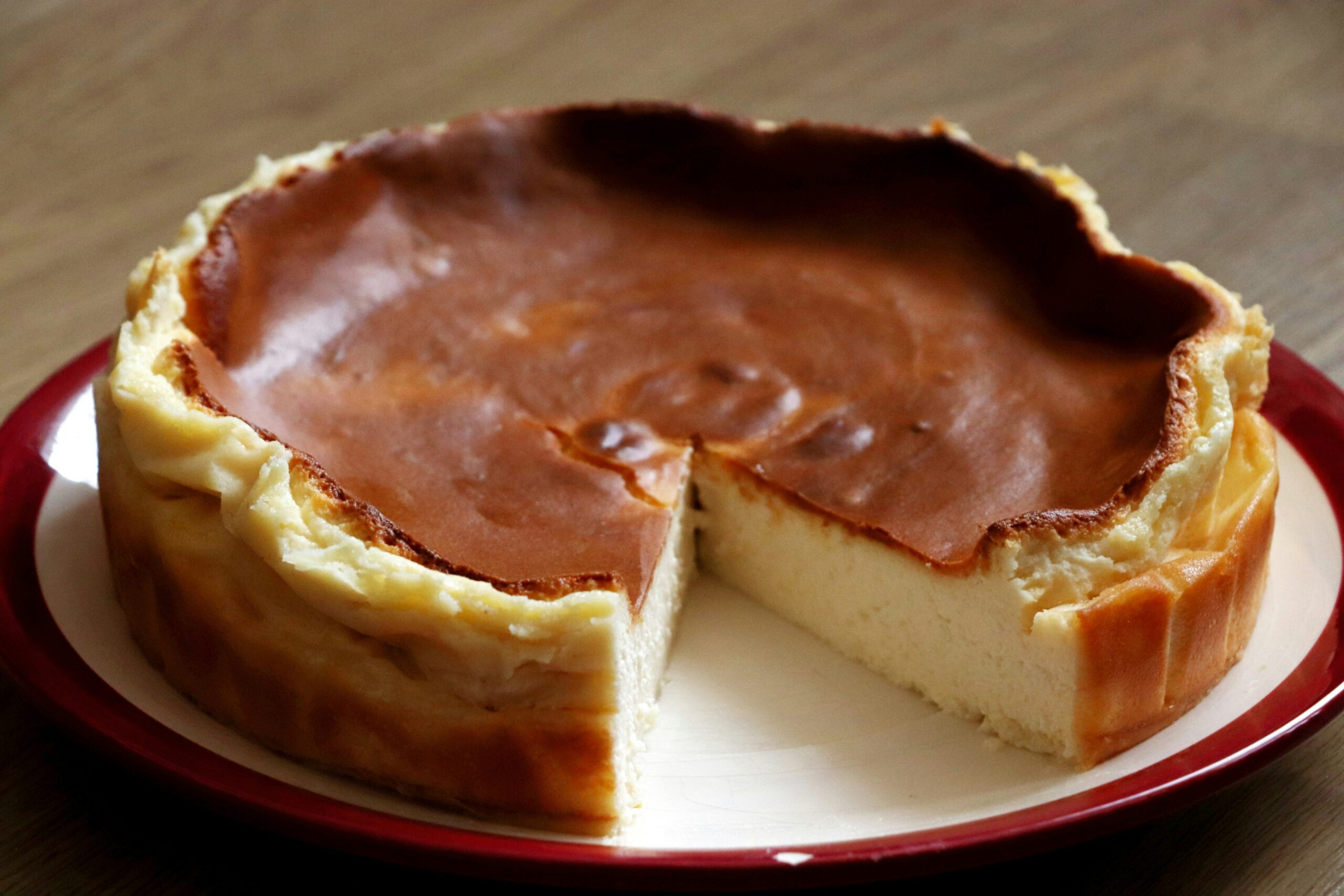
Basque burnt cheesecake looks dramatic, but its appeal is simplicity. This style is baked at a higher temperature than most cheesecakes, which deeply browns the top and edges while leaving the center soft and custardy. The dark surface is not a mistake, it is the signature.
The cake is usually baked in a parchment lined pan, often with the paper rising above the rim to catch the lofty batter. That casual, crinkled paper edge gives it a rustic look that photographs beautifully. Inside, the texture is lighter than classic New York cheesecake, almost somewhere between cheesecake and baked custard.
It is a smart choice for bakers who want impact without fussy decoration. There is no need for a fruit topping, piped border or flawless top. When sliced, the contrast between the bronzed exterior and creamy middle does all the visual work, and the caramelized flavor adds depth that plain vanilla cheesecakes do not have.
No bake strawberry cheesecake
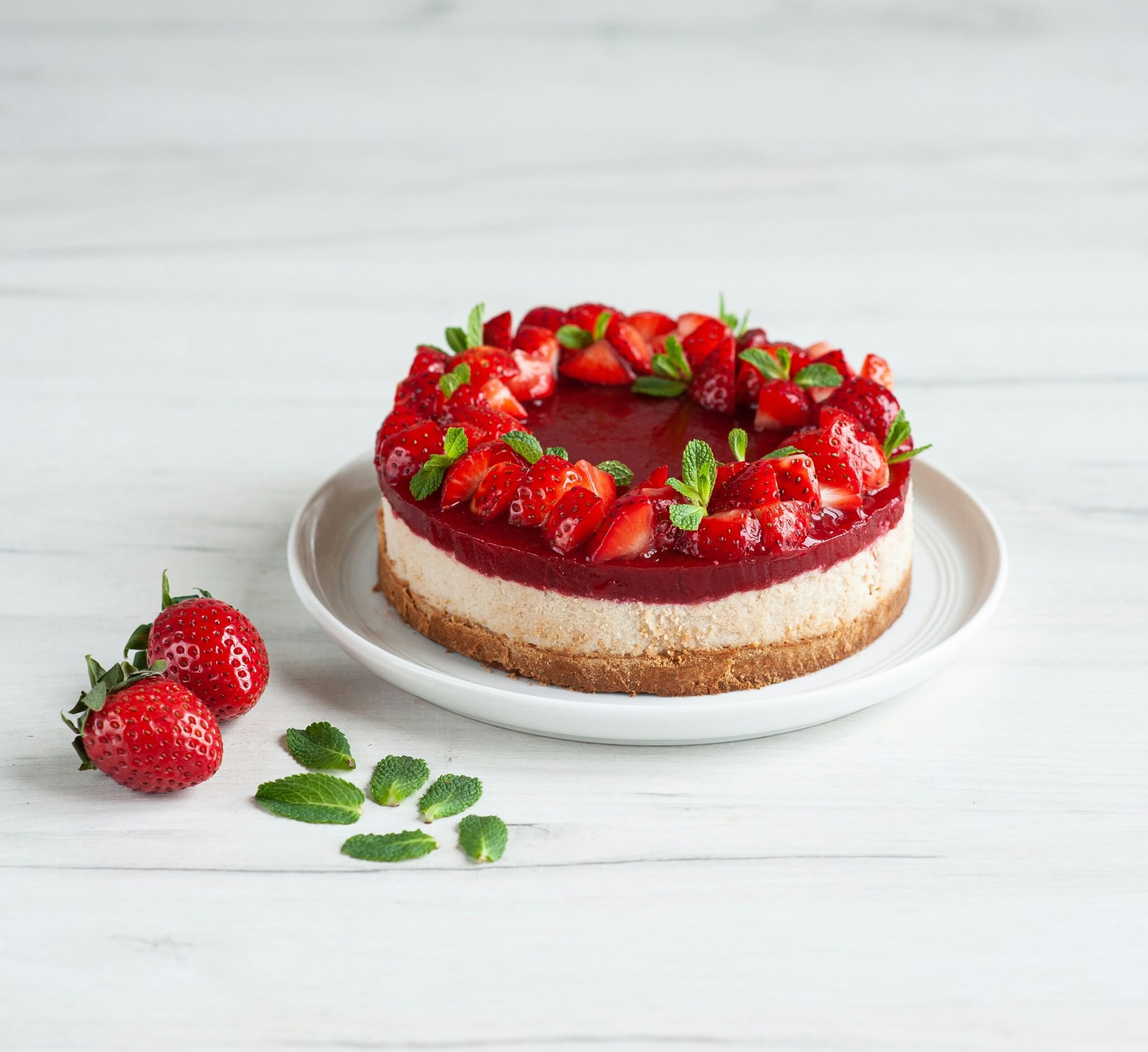
No bake strawberry cheesecake earns its place by solving two common problems at once. It avoids oven timing and water bath worries, and it delivers a bright fruit flavor that feels especially right in warm weather. The filling is usually built from cream cheese plus whipped cream or whipped topping for lift.
Because there are no eggs and no baking step, texture depends on chilling and on the balance of dairy ingredients. A good version slices cleanly after enough refrigerator time but still feels mousse-like on the fork. Fresh strawberries can be folded into the filling, layered on top or cooked briefly into a glossy sauce.
This style also reads as generous and crowd friendly. The pale pink filling and berry topping make it look festive with very little extra effort. If you want a cheesecake that feels lighter than a dense baked slice, this is often the one guests reach for first.
Lemon cheesecake bars
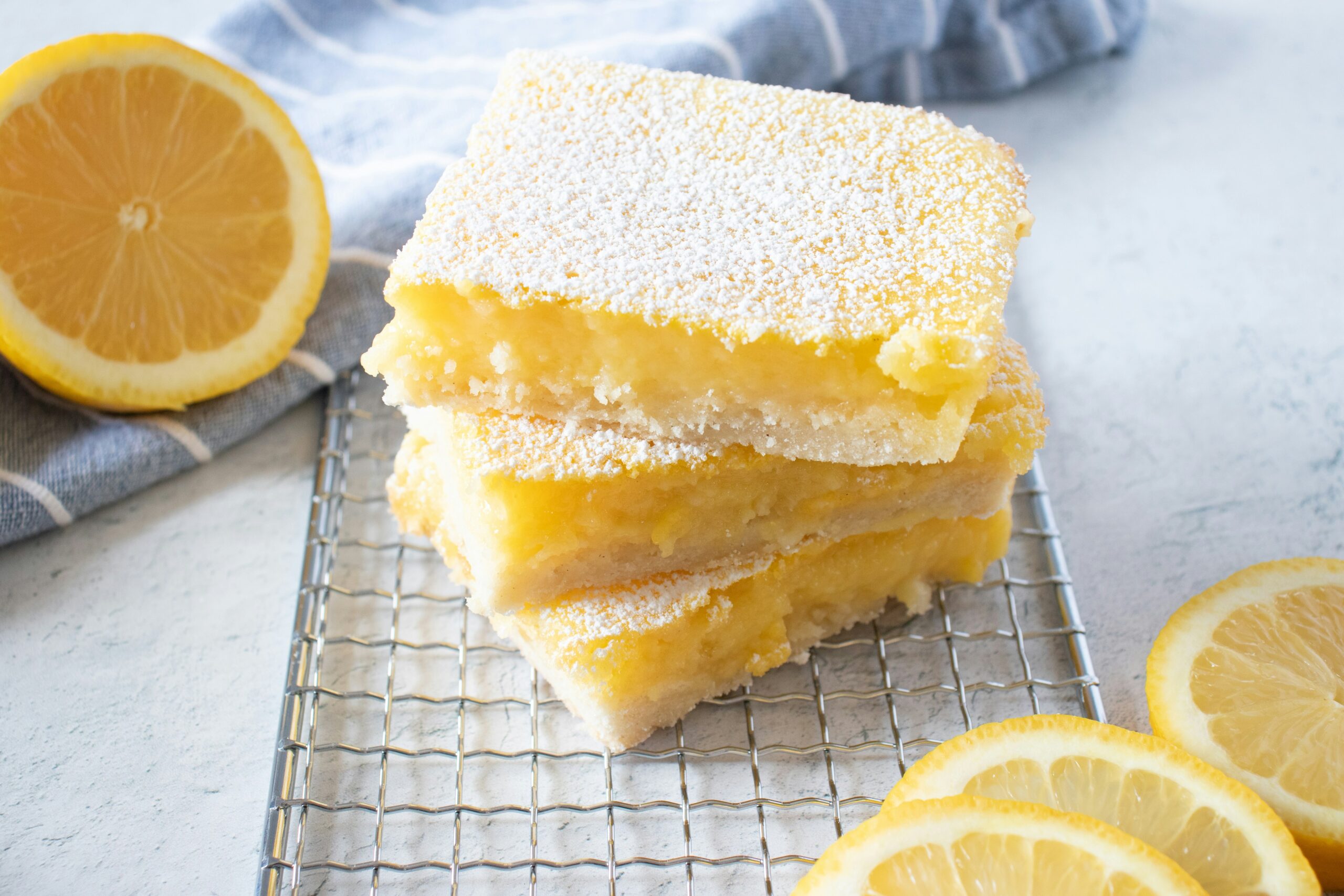
Cheesecake bars are the practical cousin of a full round cake, and lemon is one of the clearest ways to make them shine. The citrus cuts through the richness of cream cheese, giving each square a cleaner finish. That balance is useful when serving cheesecake as part of a larger dessert table.
Bars also simplify portioning. Instead of unmolding and slicing a tall cake, you chill the slab, lift it from the pan and cut neat rectangles or squares. A shortbread or graham crust works well here, and the filling can carry both lemon juice and zest for a fuller citrus flavor.
What makes lemon bars especially smart is their flexibility. They can be dressed up with whipped cream and thin lemon slices or kept simple with a plain top. Either way, they bring the structure of cheesecake with a brighter profile, which helps them stand out next to chocolate heavy desserts.
Mini cheesecakes
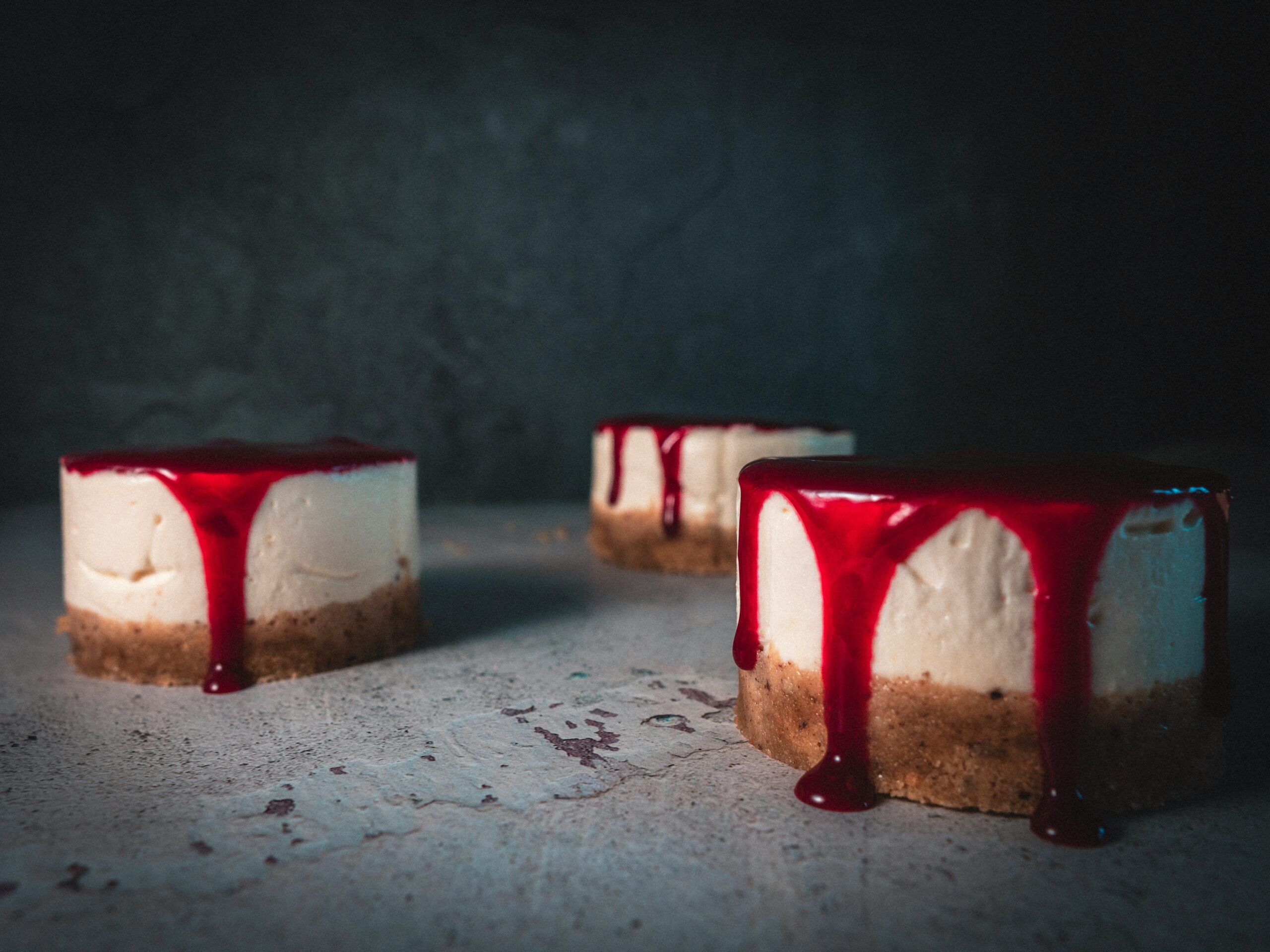
Mini cheesecakes solve a social problem that full cakes do not always handle well. People often want a small, complete dessert, especially at showers, potlucks or holiday buffets. Individual portions make that easy, and they look thoughtful without requiring advanced decorating skills.
Most mini versions are baked in muffin tins lined with paper cups or made in small removable bottom pans. A cookie crumb crust goes in first, then a quick cream cheese batter. Because the portions are small, they cool faster and are less likely to crack than a large cheesecake.
They also welcome variety. One batch can be split and topped in different ways, such as berries, caramel, chocolate ganache or crushed cookies. That gives the dessert tray more visual interest and lets hosts offer choice without baking several full sized cheesecakes, which is part of what makes minis feel clever.
Chocolate cheesecake
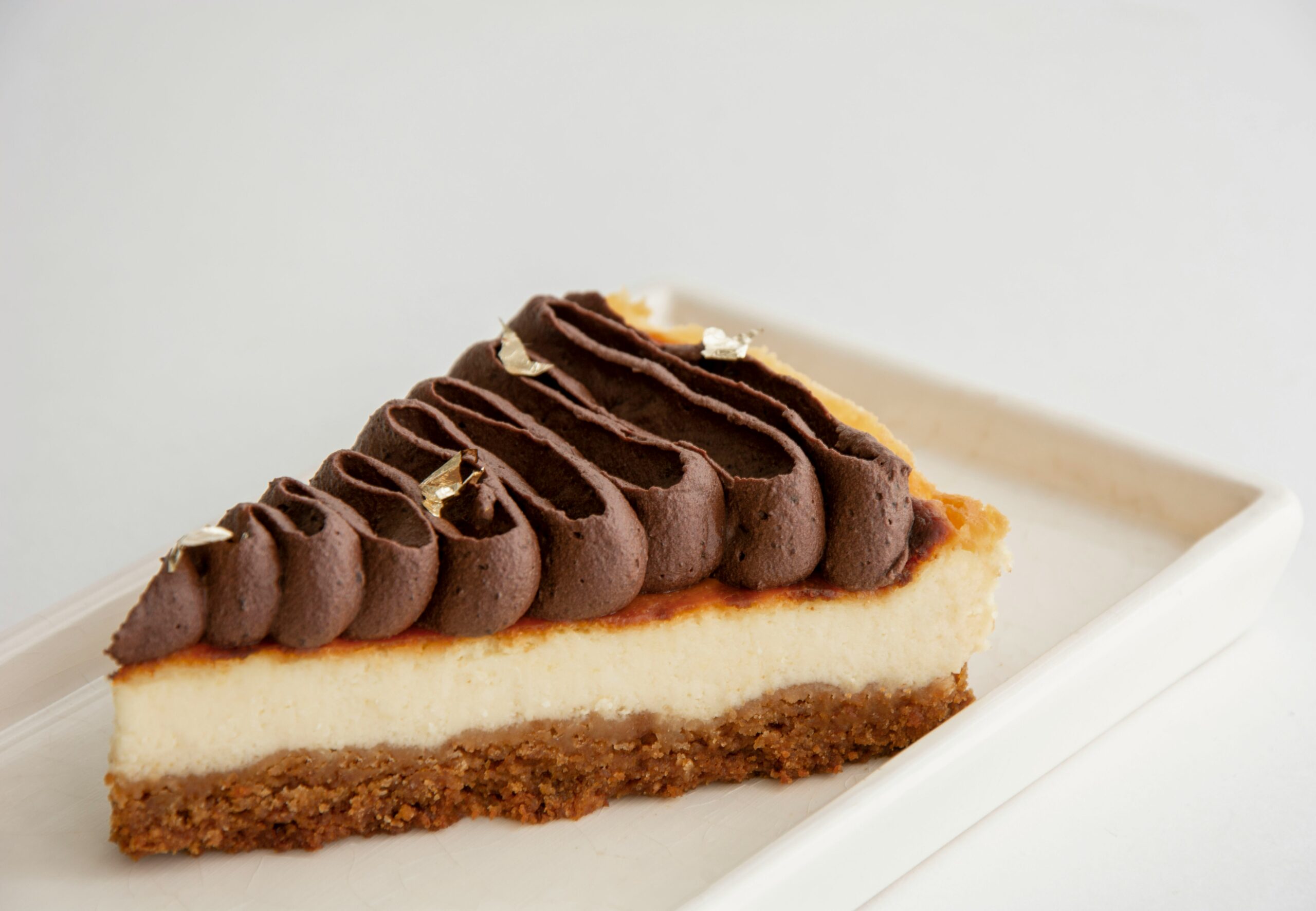
Chocolate cheesecake leans into indulgence, but the best versions keep structure and balance in mind. Melted chocolate, cocoa powder or both can be used in the filling, and each choice changes the result. Melted chocolate usually adds more density and richness, while cocoa brings a darker, more direct chocolate note.
Crust choice matters here more than many people expect. Chocolate cookie crumbs create a deeper, almost sandwich-cookie base, while graham crackers make the filling stand out more clearly. Toppings can stay restrained, with whipped cream or chocolate curls, because the filling itself already carries most of the flavor.
This is the cheesecake to bring when the dessert table needs contrast. Against fruit pies and vanilla cakes, a deep brown, glossy slice offers something more intense. It still keeps the familiar tang of cream cheese, which prevents it from tasting like plain chocolate pie in a thicker form.
Pumpkin cheesecake
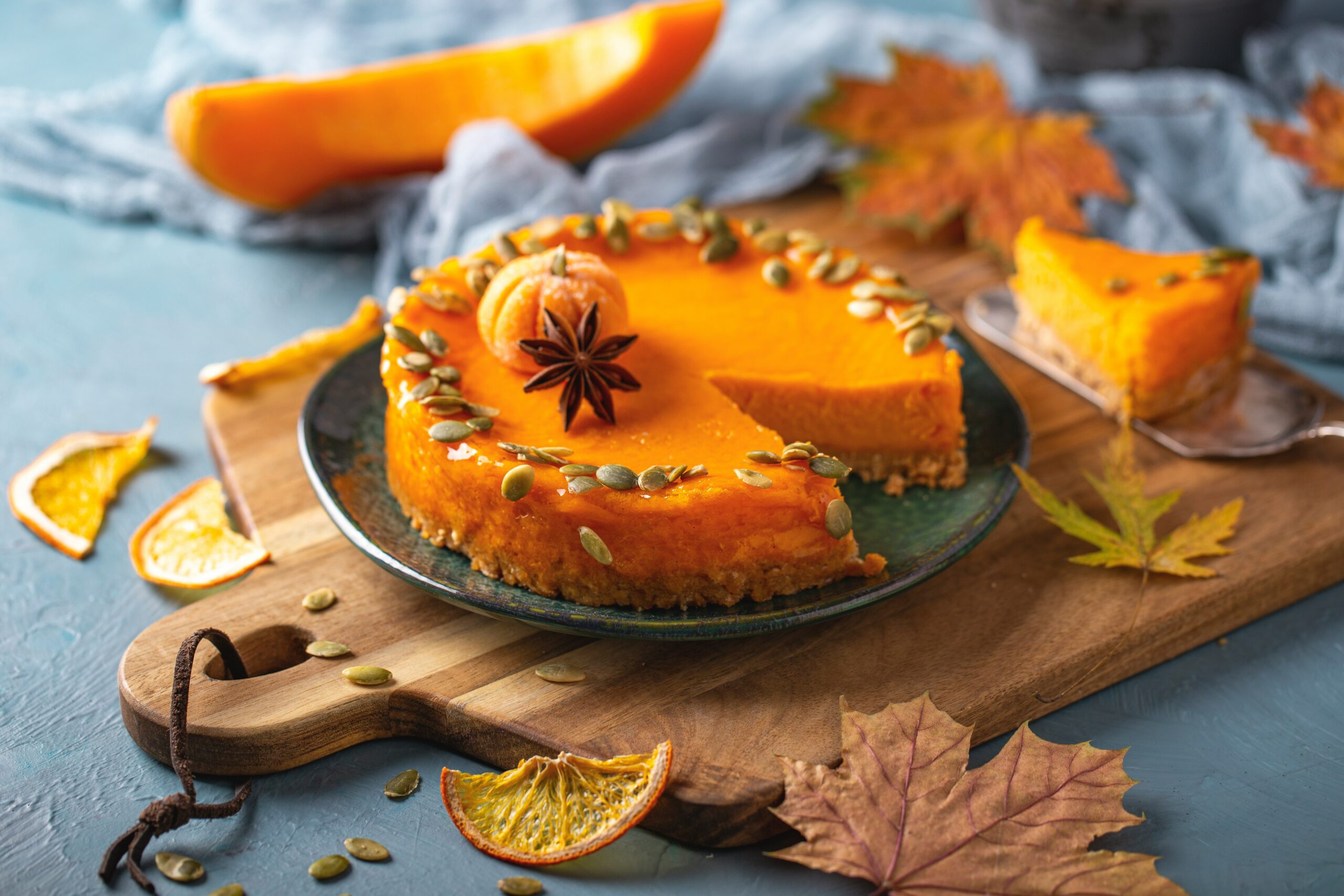
Pumpkin cheesecake bridges two classic desserts, and that is a big part of its appeal. It combines the creamy body of cheesecake with the warm spice profile many people associate with pumpkin pie. Cinnamon, ginger, nutmeg and cloves are common additions, though recipes vary in how boldly they season the filling.
Texture is especially important in this style because pumpkin puree adds moisture. A good recipe accounts for that so the cake stays firm enough to slice while still tasting silky. Gingersnap or graham crusts are common partners, and both add a subtle spiced note before the filling even hits the palate.
Visually, it has built in seasonal appeal. The warm orange color looks at home on a fall table, and a topping of whipped cream or candied pecans is often enough to finish it. For holiday hosts, it can satisfy guests who like both pie and cheesecake without making two separate desserts.
Oreo cheesecake
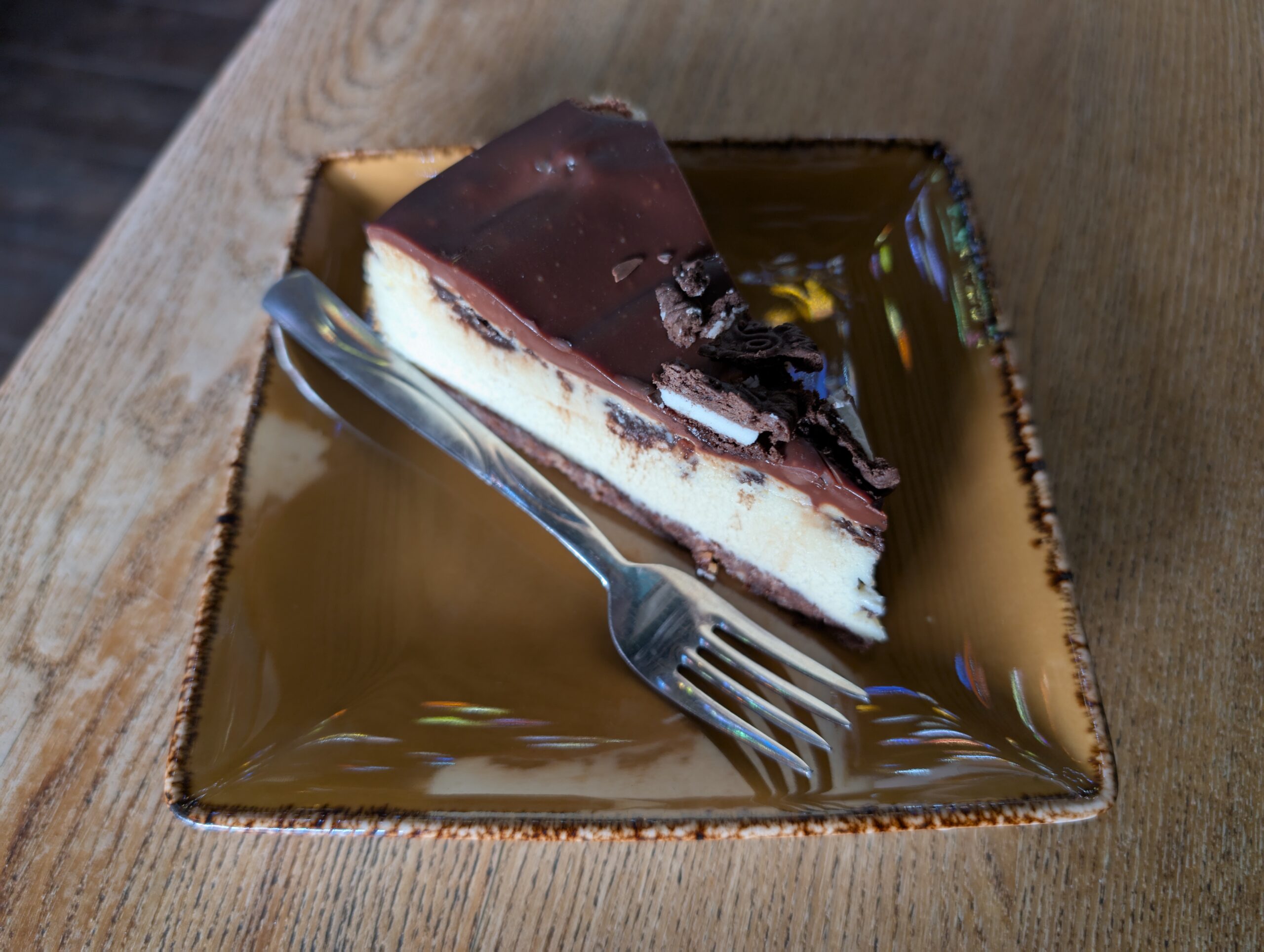
Oreo cheesecake works because it doubles down on texture. You get a crumbly chocolate cookie crust, a creamy filling and often extra cookie pieces folded into the batter. That mix makes each bite feel layered, even before any topping is added.
The cookies also bring a familiar flavor that keeps the dessert approachable. Not everyone has strong opinions about fruit sauces or specialty ingredients, but most guests understand cookies and cream immediately. That recognition makes Oreo cheesecake an easy win for birthdays and casual celebrations.
There is room for polish, too. Whole or halved cookies on top, a ring of whipped cream or a drizzle of chocolate can make it look bakery ready. Even so, the real strength is that it feels playful without sacrificing the richness people expect from cheesecake.
Ricotta cheesecake
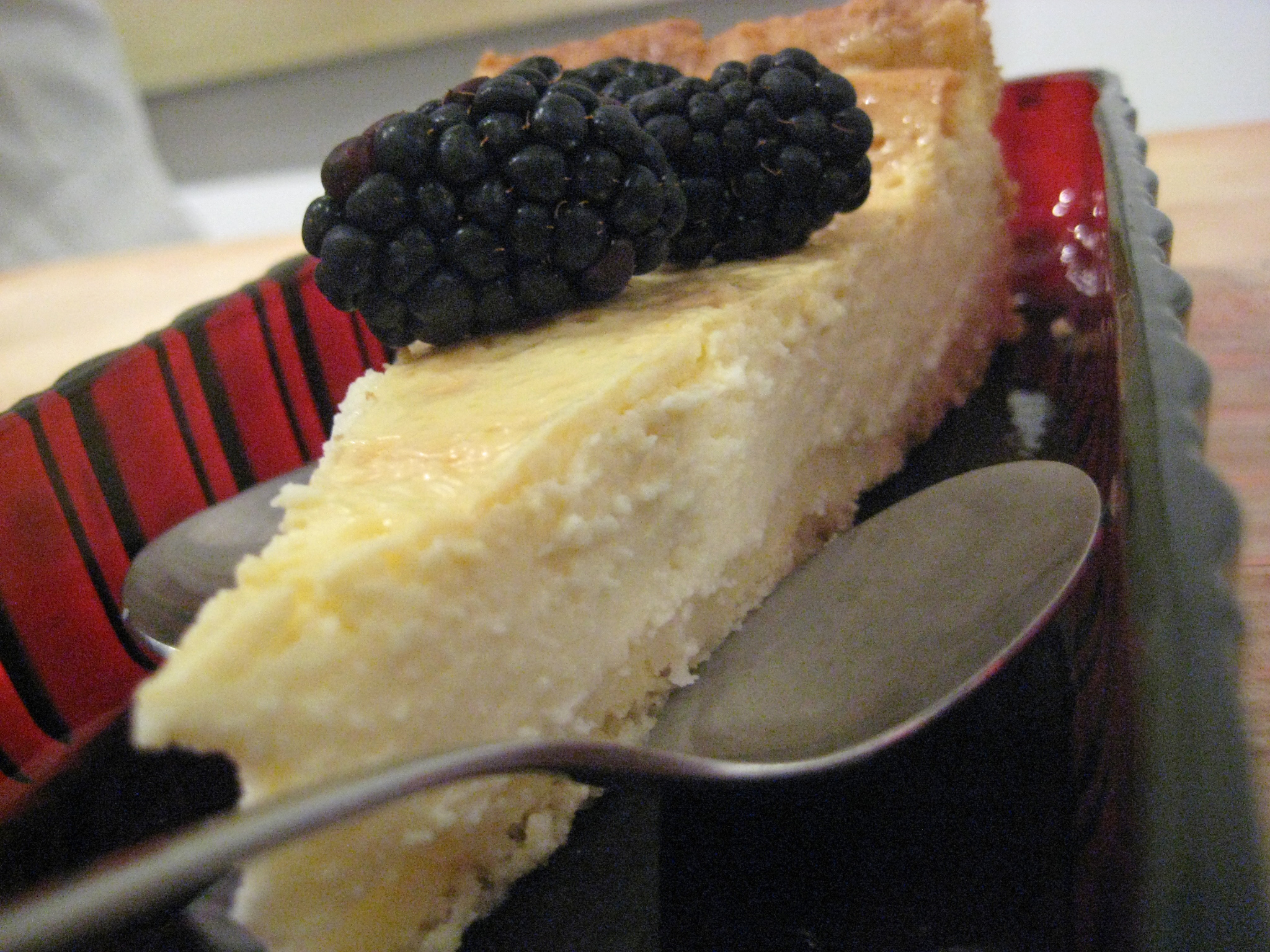
Ricotta cheesecake offers a different idea of richness. Instead of the dense, tight crumb associated with cream cheese heavy cakes, it tends to bake up lighter and slightly more open in texture. That gives each slice a gentler feel, even when the flavor is still clearly dairy rich.
This style has roots in Italian baking traditions, where ricotta appears in many sweets. Some recipes use only ricotta, while others combine it with cream cheese for a more familiar body. Citrus zest, vanilla and a little honey are common partners because they highlight ricotta's mild, fresh flavor.
It is a strong choice when you want cheesecake that feels elegant rather than heavy. A dusting of powdered sugar or a spoonful of macerated fruit is often enough. The result is less about dramatic toppings and more about a clean, refined slice that stands on its own.
Japanese soufflé cheesecake
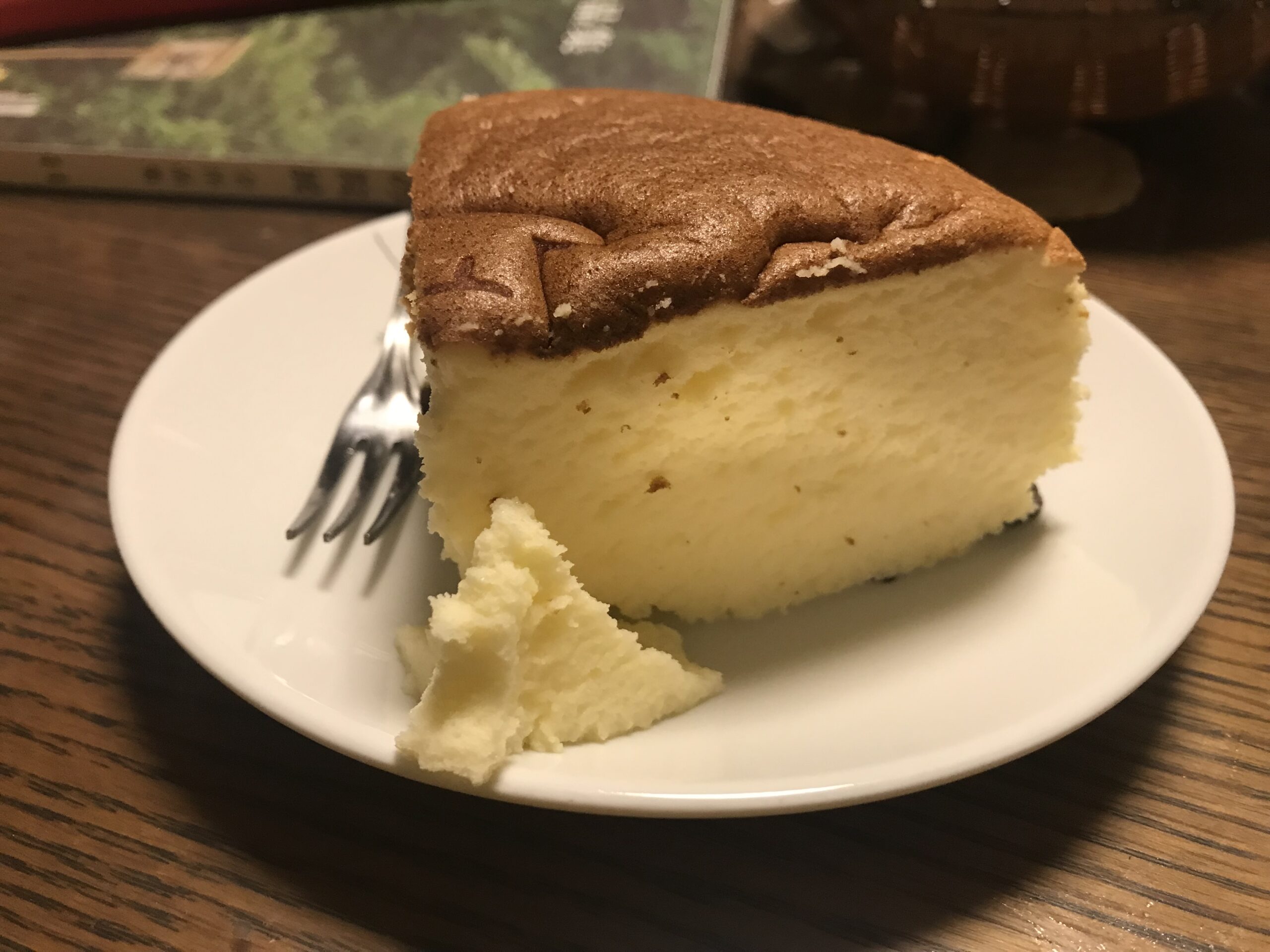
Japanese soufflé cheesecake is all about air. It combines the tang of cheesecake with the lift of a sponge, creating a cake that jiggles softly and feels lighter than its height suggests. That texture comes from whipped egg whites folded into the batter, which requires a gentler hand than standard cheesecake mixing.
The appearance is part of the appeal. These cakes are often tall, pale and neatly risen, with a fine crumb that looks almost cloudlike when cut. A water bath is commonly used to help the cake bake evenly and stay tender rather than dry or cracked.
For many home bakers, this is the showpiece project. It looks highly technical, yet the ingredient list is usually quite short. When it works, the payoff is distinct from every other style here, because it lands somewhere between cheesecake, chiffon cake and custard.
Salted caramel cheesecake
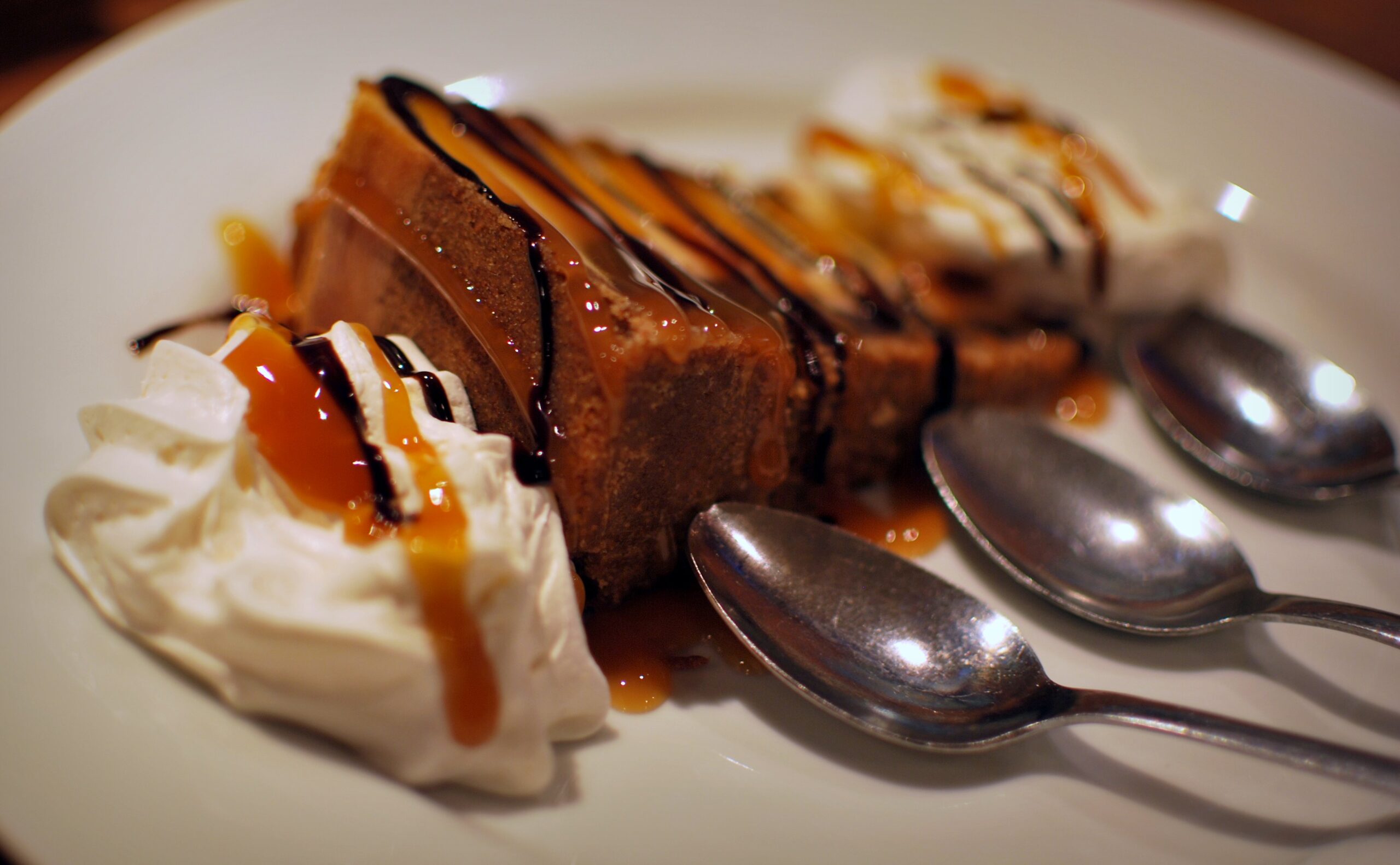
Salted caramel cheesecake earns attention by balancing sweet, tangy and lightly bitter notes. Caramel alone can read as one dimensional if it is too sugary, but salt sharpens the flavor and keeps the richness in check. Against a cream cheese filling, that contrast becomes the whole point.
There are several ways to build it. Some recipes swirl caramel into the batter, some pour it over the chilled cake and some add a caramel layer under whipped topping. A crust made from graham crackers or vanilla wafers keeps the base neutral so the topping can lead.
This is a reliable option for people who want a dinner party dessert that looks finished with minimal decoration. A glossy caramel top already looks polished. Add a few flakes of salt and perhaps a small dollop of whipped cream, and the cake feels composed rather than overly busy.
Cherry topped cheesecake
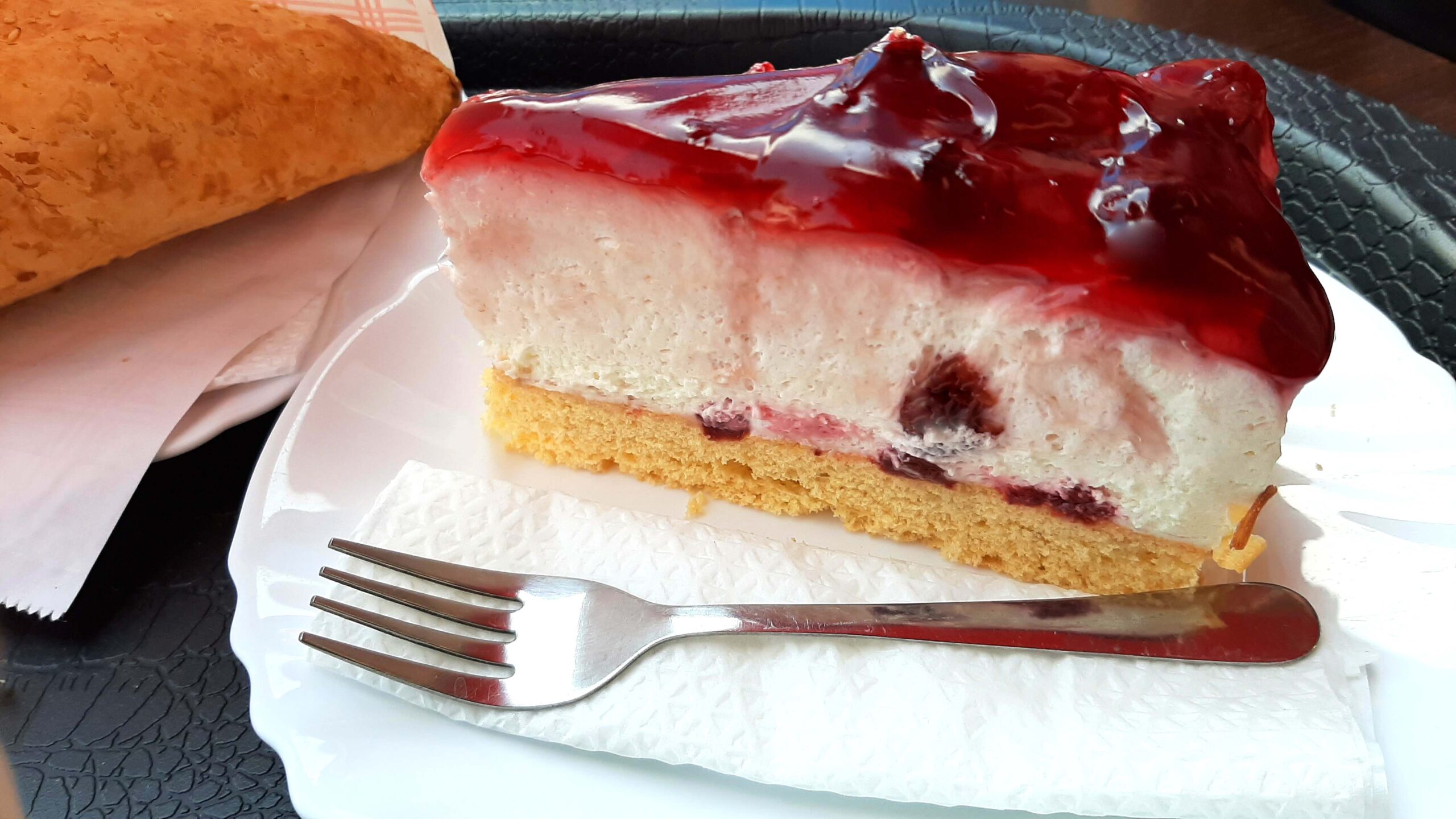
Cherry topped cheesecake closes the list because it captures the classic diner and bakery image many people know best. The visual formula is simple, a creamy pale cheesecake under a bright red layer of cherries or cherry sauce. That contrast has stayed popular because it is clear, nostalgic and appetizing.
The topping can come from fresh cooked cherries when they are in season or from a prepared cherry mixture when convenience matters more. Either way, the fruit adds acidity and color to a rich base. It also covers minor surface cracks, which makes it useful as well as attractive.
As a final cheesecake to master, it is hard to beat for familiarity and crowd appeal. It looks celebratory, slices cleanly and pairs a classic cream cheese filling with a fruit topping people instantly recognize. Sometimes looking like a dessert genius starts with making the standard version exceptionally well.

Leave a Reply