
Casseroles earned their place in Canada's potluck culture because they traveled well, fed a roomful of people, and could be assembled from practical pantry staples. These 12 dishes capture the mix of regional traditions, immigrant influences, and convenience cooking that shaped community tables across the country.
Tourtière
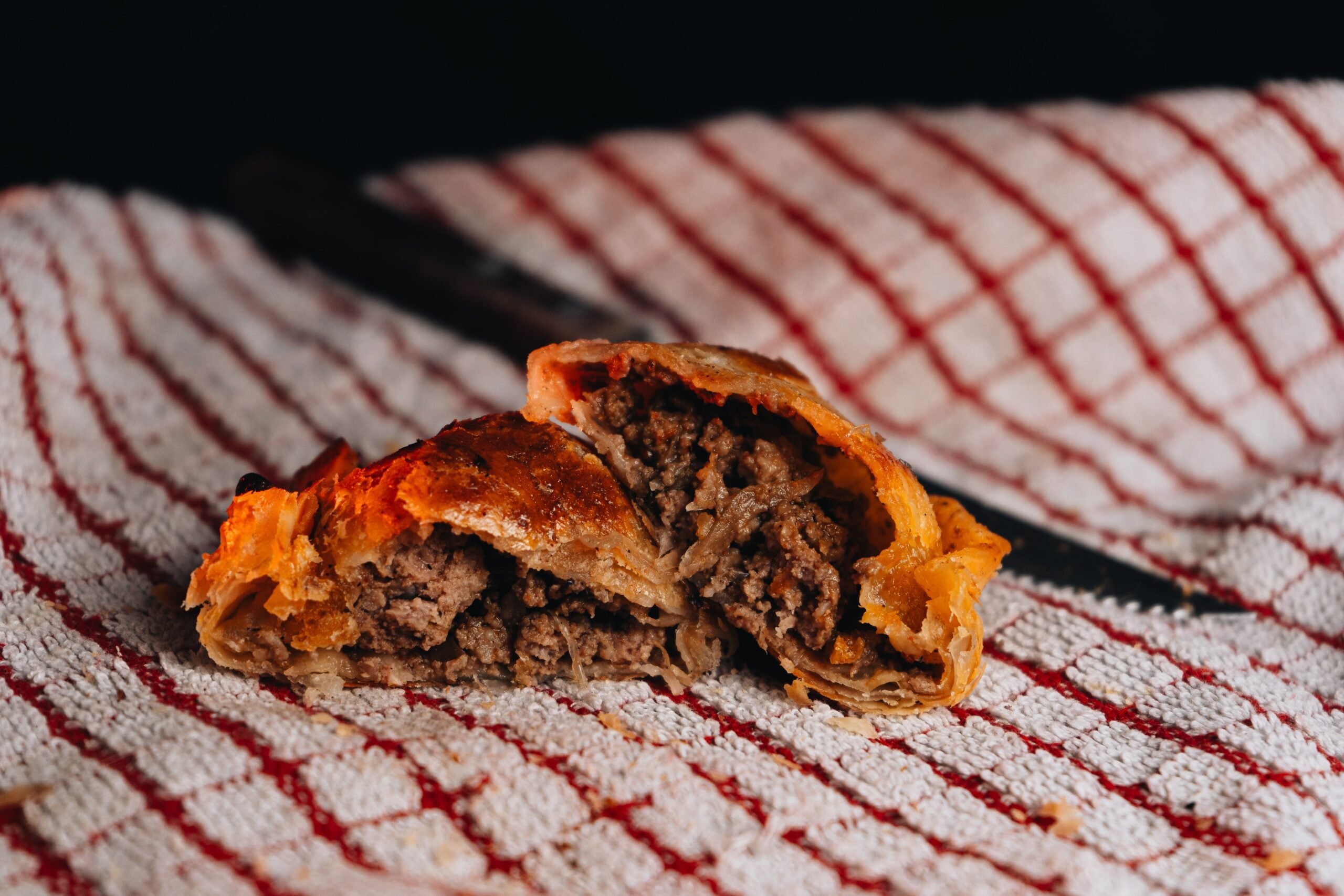
Few dishes signal a French Canadian gathering faster than tourtière cooling beside the coats at the door. This meat pie, most closely associated with Quebec, became a natural potluck staple because it could be baked ahead, sliced neatly, and served warm or at room temperature.
Classic versions are filled with minced pork, beef, veal, or a mix of meats, seasoned with onion and warm spices such as cinnamon, cloves, and allspice. In the Saguenay Lac-Saint-Jean region, tourtière can also refer to a much deeper pie filled with cubed meats and potatoes, which shows how one casserole style can hold very different local identities.
At holiday season potlucks, especially around Christmas and New Year's, tourtière was as much a ritual as a meal. It offered a sturdy, filling centerpiece that could stretch to feed many guests, which explains why it kept showing up at parish halls and family basements for generations.
Shepherd's pie
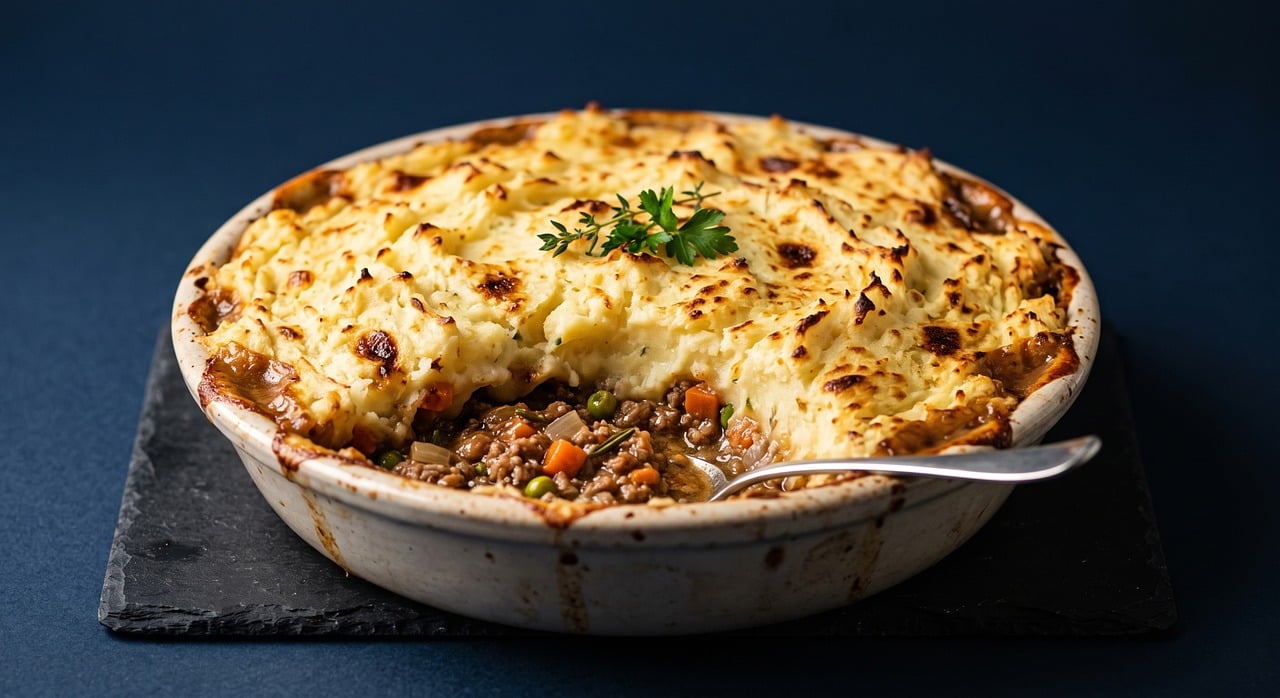
In much of Canada, shepherd's pie often means what French Canadians call pâté chinois: a tidy layer of ground beef, canned corn, and mashed potatoes. It is one of the clearest examples of a casserole built for economy, using inexpensive ingredients that were easy to keep on hand.
Its appeal at potlucks was practical. The meat provided substance, the corn added sweetness, and the mashed potato topping insulated the dish so it stayed warm on the buffet longer than many other mains. It also reheated well, which mattered when several casseroles were waiting their turn near the oven.
The name can cause confusion because British style shepherd's pie is traditionally made with lamb, while cottage pie uses beef. In Canadian homes, though, the beef and corn version became so familiar that it turned into a comfort food category of its own.
Tuna noodle casserole
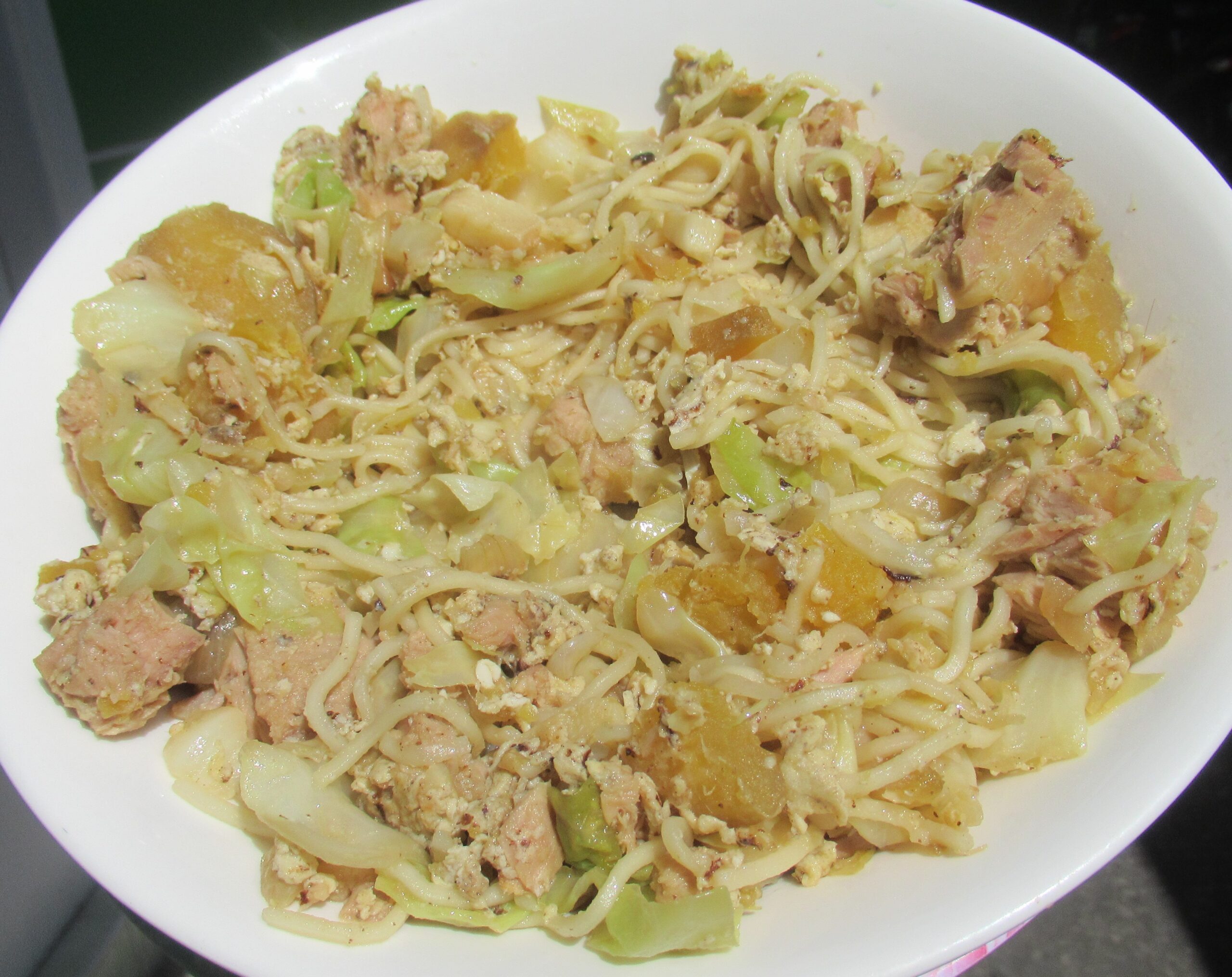
There was a period when a casserole made with canned tuna, egg noodles, canned soup, and crushed chips or breadcrumbs felt almost guaranteed to appear on the potluck table. Tuna noodle casserole fit the midcentury rhythm of Canadian home cooking, where convenience products promised speed and consistency.
Its popularity rose with the wider spread of canned cream soups and packaged noodles, both heavily marketed in North America after the Second World War. For busy families, the formula was hard to beat: protein from the pantry, starch that filled people up, and a creamy sauce that held everything together.
At church suppers, this dish succeeded because it was mild, familiar, and affordable. Home cooks could also adapt it easily with peas, celery, mushrooms, or cheddar, which meant one basic template produced many household versions without losing the recognizable look people expected.
Scalloped potatoes with ham
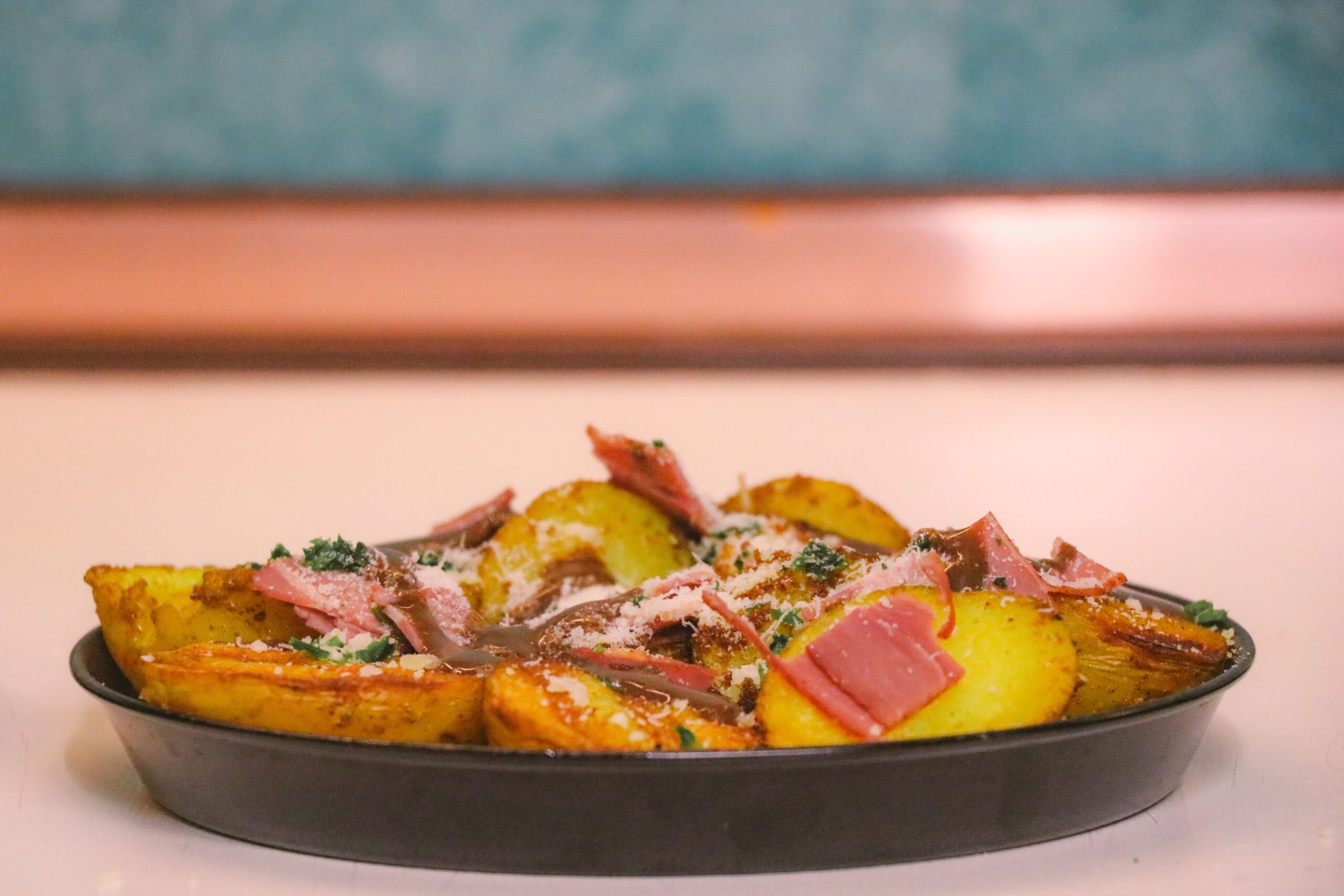
Scalloped potatoes with ham bridged side dish and main course, which made it especially useful for a potluck where no one could predict exactly what others would bring. Thin slices of potato baked in a creamy sauce with diced ham gave cooks a hearty dish that still felt simple and unfussy.
In many Canadian kitchens, it was also a thrifty answer to leftovers. Holiday ham could be stretched into another meal, and potatoes were among the cheapest staples in the house. Layering the two in a casserole dish turned remnants into something substantial enough for a crowd.
The texture mattered as much as the flavor. When baked properly, the top browned, the edges turned rich and soft, and the center stayed spoonable but structured. That balance helped the dish hold its own on a table crowded with salads, buns, pickles, and desserts.
Cabbage roll casserole
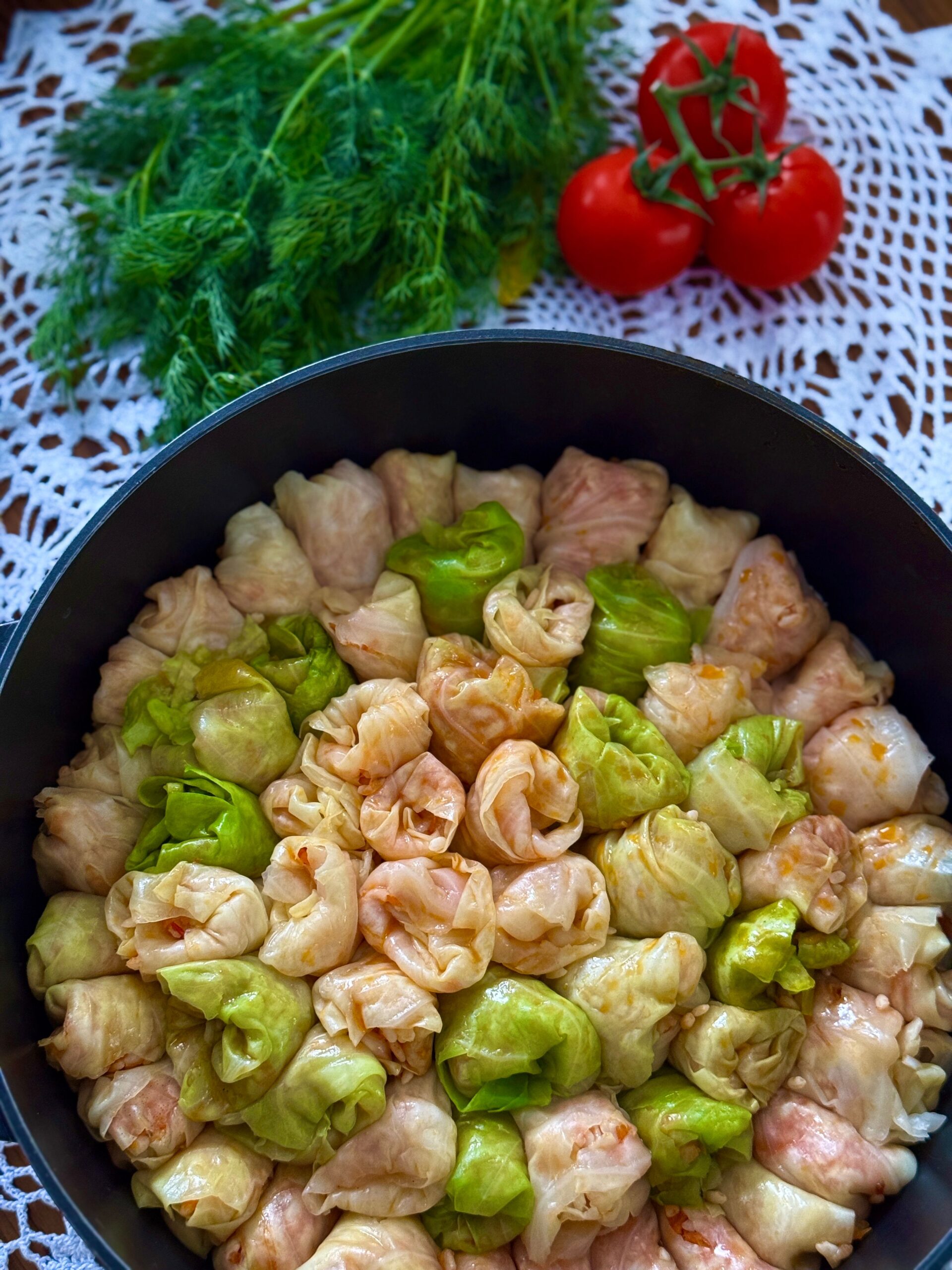
Cabbage rolls came to Canada with Eastern and Central European immigrant communities, and the casserole version made the same flavors easier to serve to a crowd. Instead of rolling each leaf by hand, cooks could layer chopped cabbage, ground meat, rice, and tomato sauce in a baking dish.
That shortcut made a real difference for fundraisers, funeral lunches, and large family gatherings where time mattered. The casserole kept the sweet sour tomato profile and the satisfying mix of meat and rice, but it cut down on labor without losing the comfort people associated with the original dish.
It also reflects how prairie and urban Canadian cooking often blended heritage recipes with practical adaptation. In places with strong Ukrainian, Polish, and Hungarian influences, cabbage roll casserole became a familiar compromise between tradition and the demands of feeding many guests.
Hash brown casserole
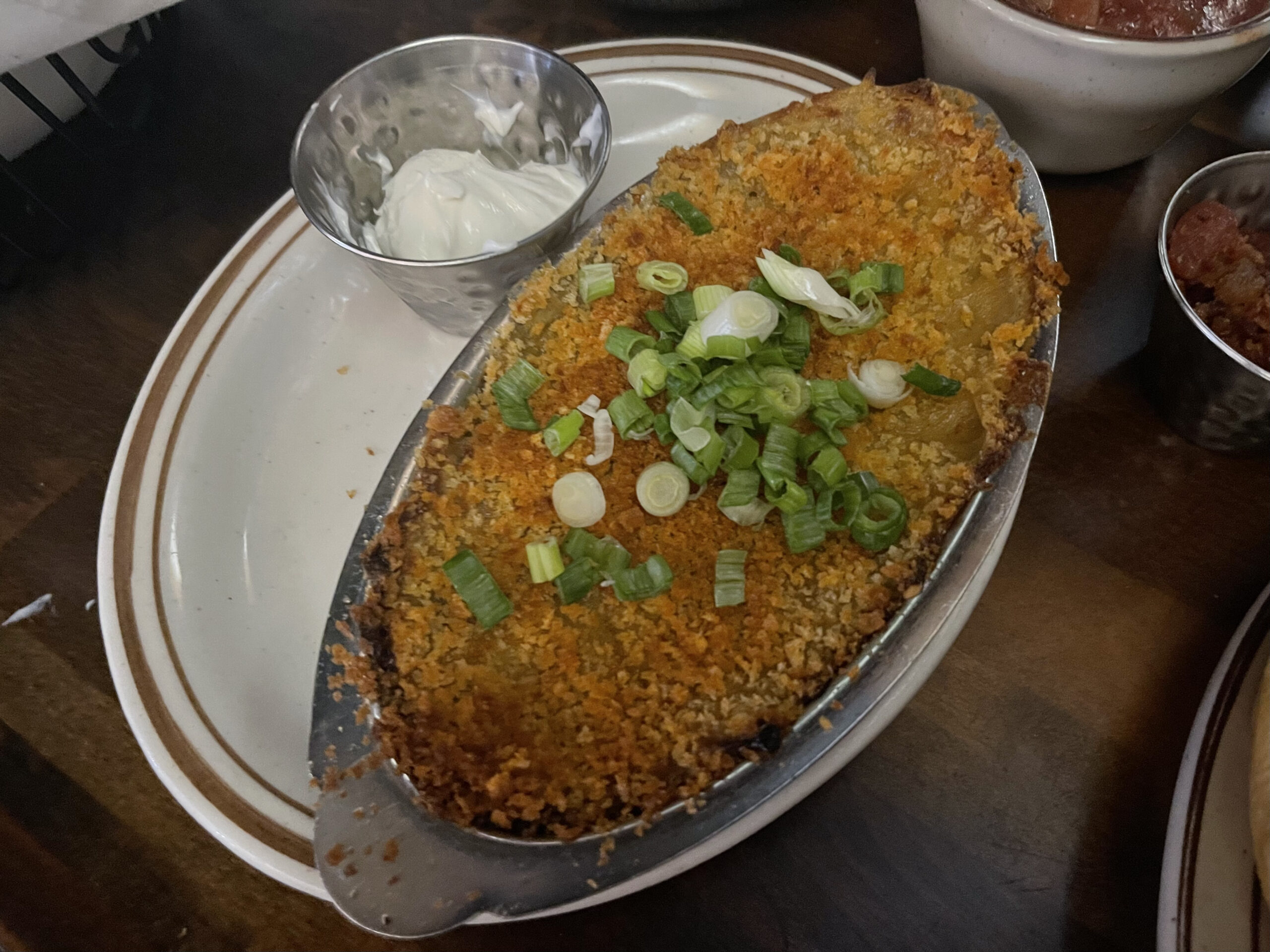
Hash brown casserole speaks to the later potluck era, when frozen convenience foods moved from novelty to routine. A typical version combines frozen shredded or cubed potatoes with sour cream, canned soup, cheese, and a crumbly topping, often made from crushed cornflakes or buttered crumbs.
The dish gained traction because it was easy to mix, easy to scale up, and reliably crowd pleasing. Frozen potatoes removed the peeling and shredding step, which saved time for cooks making food after work for school events, office lunches, or community suppers.
Though strongly associated with American casserole culture too, the dish found a home in Canada for the same reason so many baked dishes did. It was warm, rich, inexpensive by the serving, and sturdy enough to survive transport through winter weather without falling apart.
Baked macaroni and cheese
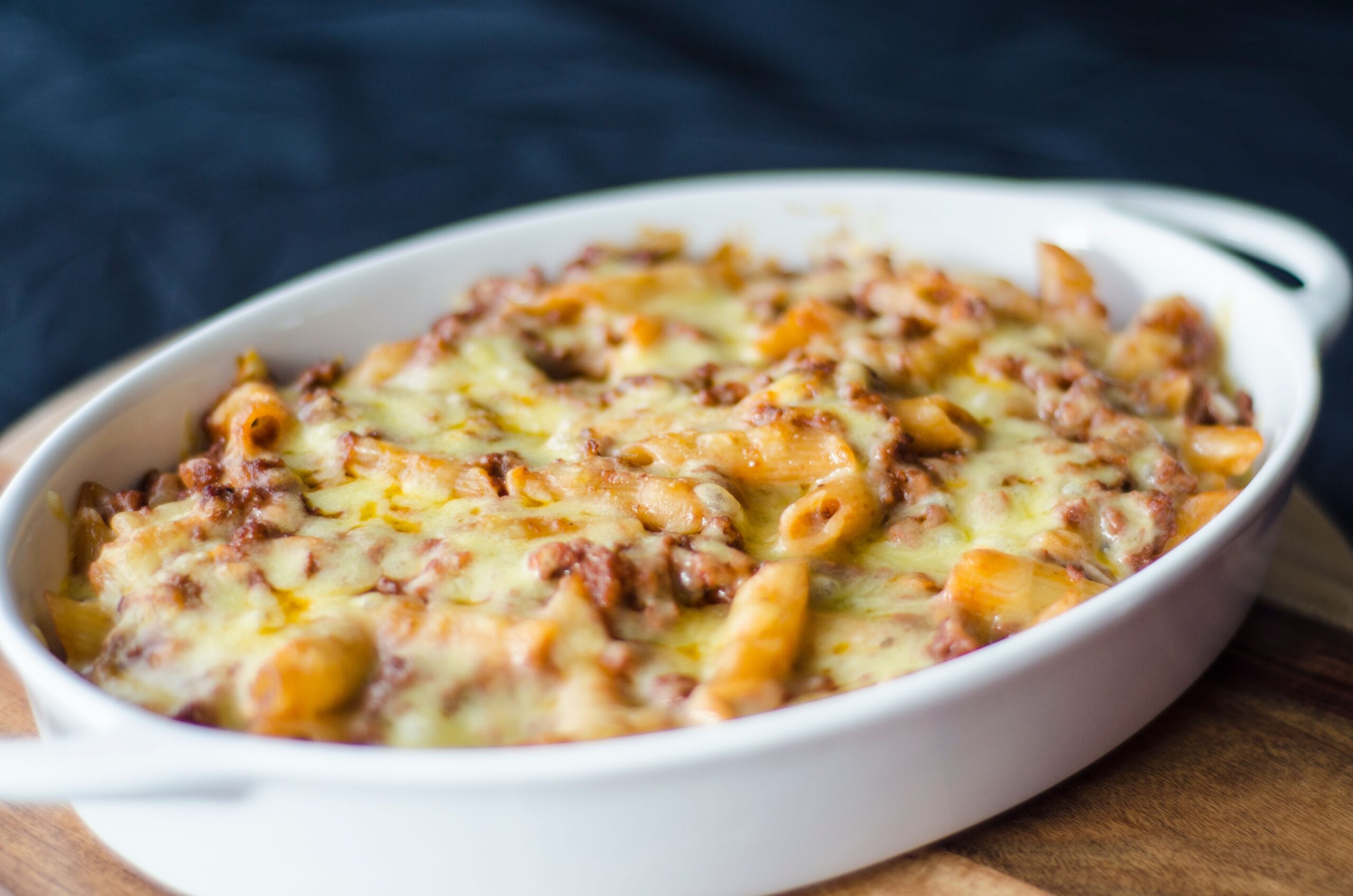
Baked macaroni and cheese had one major advantage at potlucks: nearly everyone would eat it. Children recognized it immediately, adults accepted it as comfort food, and cooks could make it plain or sharpen it with mustard, onion, or extra old cheddar depending on the crowd.
In Canada, cheddar has long been central to home style macaroni casseroles, giving the dish a sharper profile than some stovetop boxed versions. A baked top of toasted crumbs or browned cheese added contrast, which made the casserole feel more complete and more festive than a quick weeknight bowl.
It also worked well beside baked beans, cold cuts, salads, or roast meats, so it slipped easily into almost any menu. That flexibility is a big part of why it remained a dependable church basement standard for so many years.
Baked beans casserole
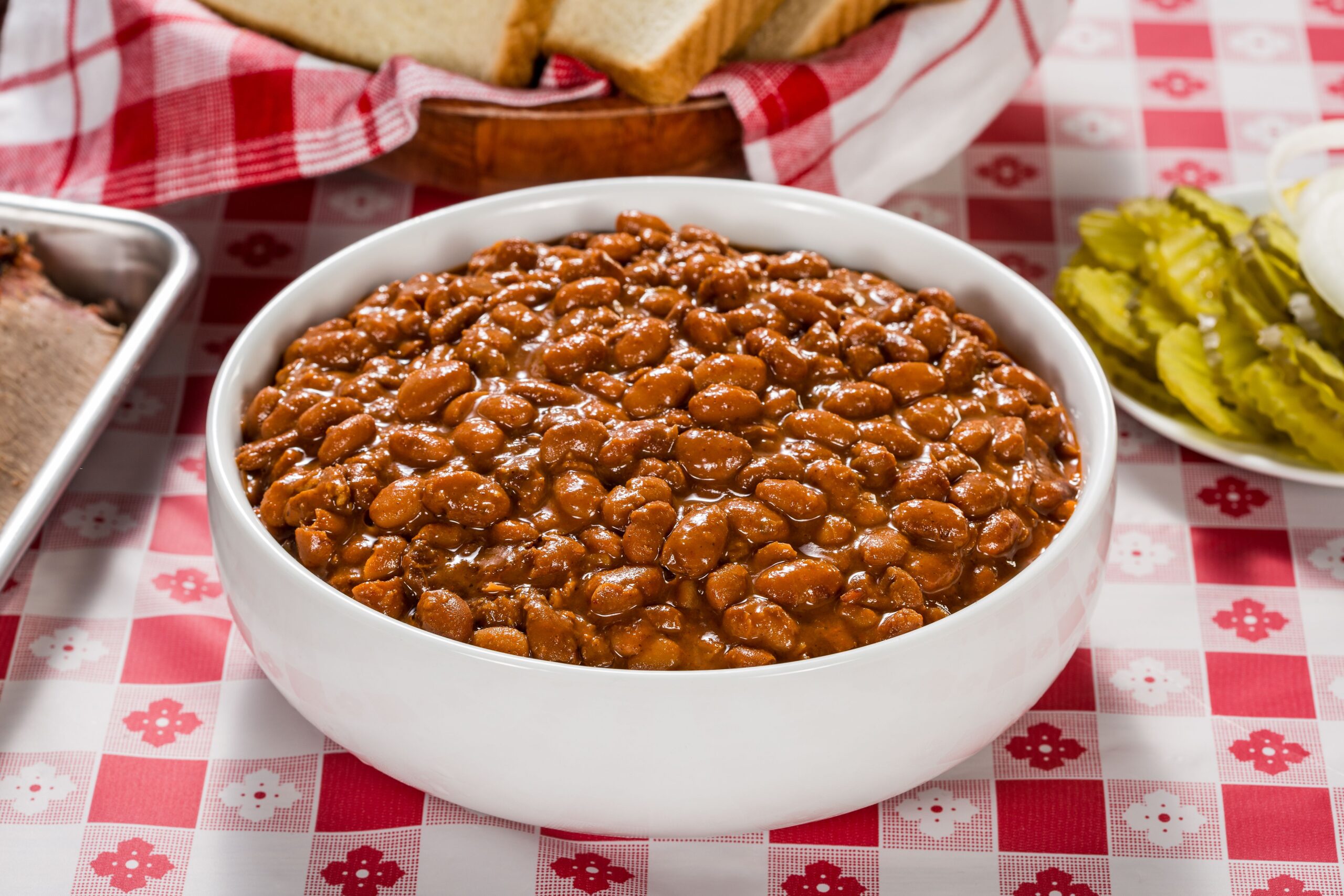
Baked beans have deep roots in Eastern Canada, especially in Quebec and the Maritimes, where slow cooked bean dishes have long been part of family and community meals. In casserole form, they often appeared enriched with bacon, salt pork, onion, molasses, or brown sugar.
For potlucks, baked beans solved several problems at once. They were cheap to make in volume, they held heat remarkably well, and they paired with almost everything on the table, from sandwiches to casseroles to pie. A spoonful could act as a side dish or, with bread, as a simple meal.
The flavor profile also carried history. Indigenous foodways, French colonial cooking, and British tastes all shaped bean traditions in Eastern Canada, which helps explain why this humble casserole had staying power far beyond its modest ingredient list.
Corn casserole
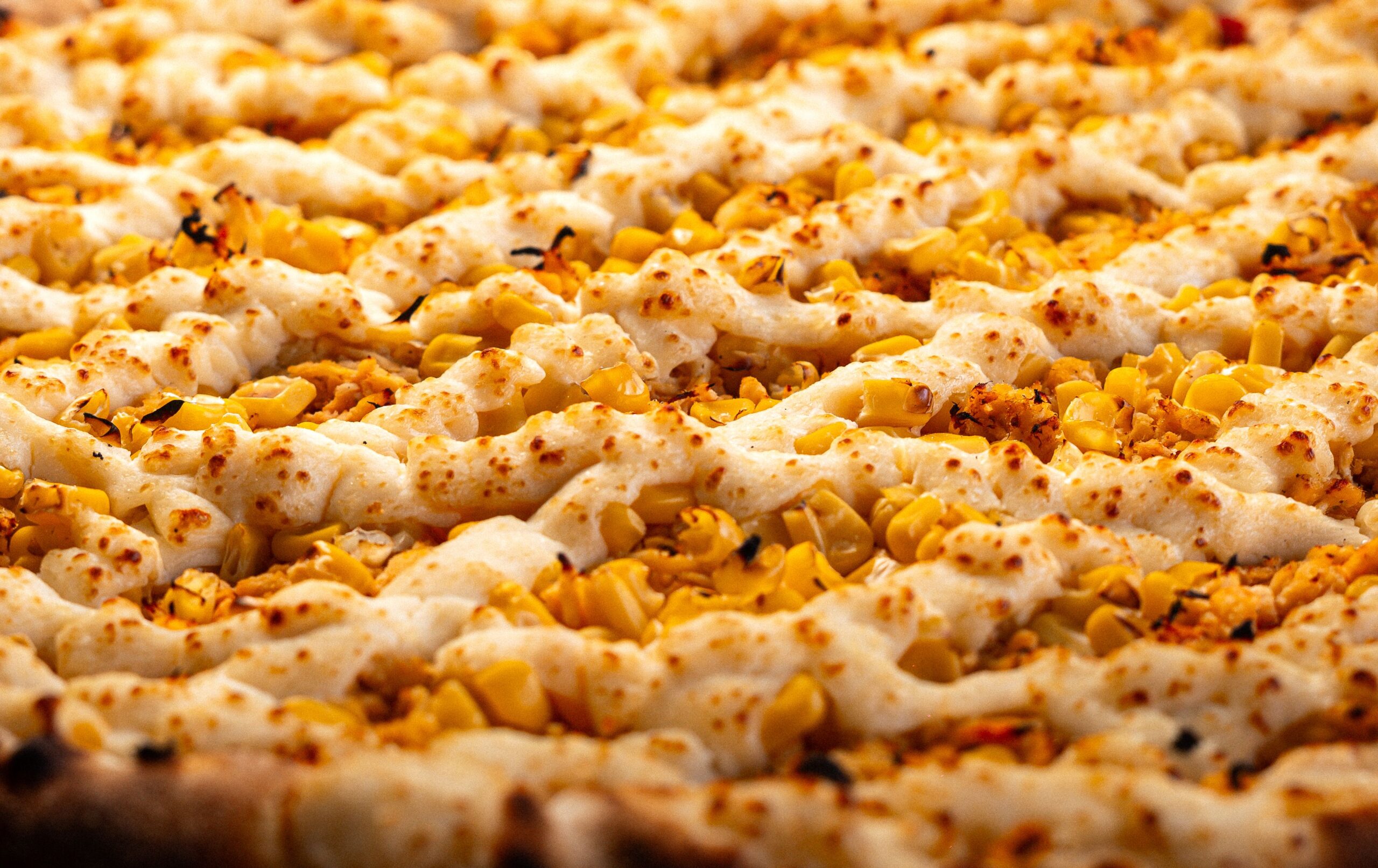
Corn casserole occupied the softer side of the potluck table, somewhere between spoon bread, pudding, and side dish. In many home versions, canned corn or creamed corn was mixed with eggs, butter, and a starch such as flour or cornmeal to create a baked dish with a custardy center.
Its popularity came from familiarity and ease. Corn was sweet, gentle, and acceptable to cautious eaters, while the casserole itself required little knife work and no expensive ingredients. That made it useful for large holiday gatherings and community meals where cooks needed dependable volume.
It also brought visual variety to the buffet. Among the browns and creams of many classic casseroles, a golden corn bake added color, which helped it stand out even when the ingredient list was simple and the seasoning intentionally restrained.
Turkey tetrazzini
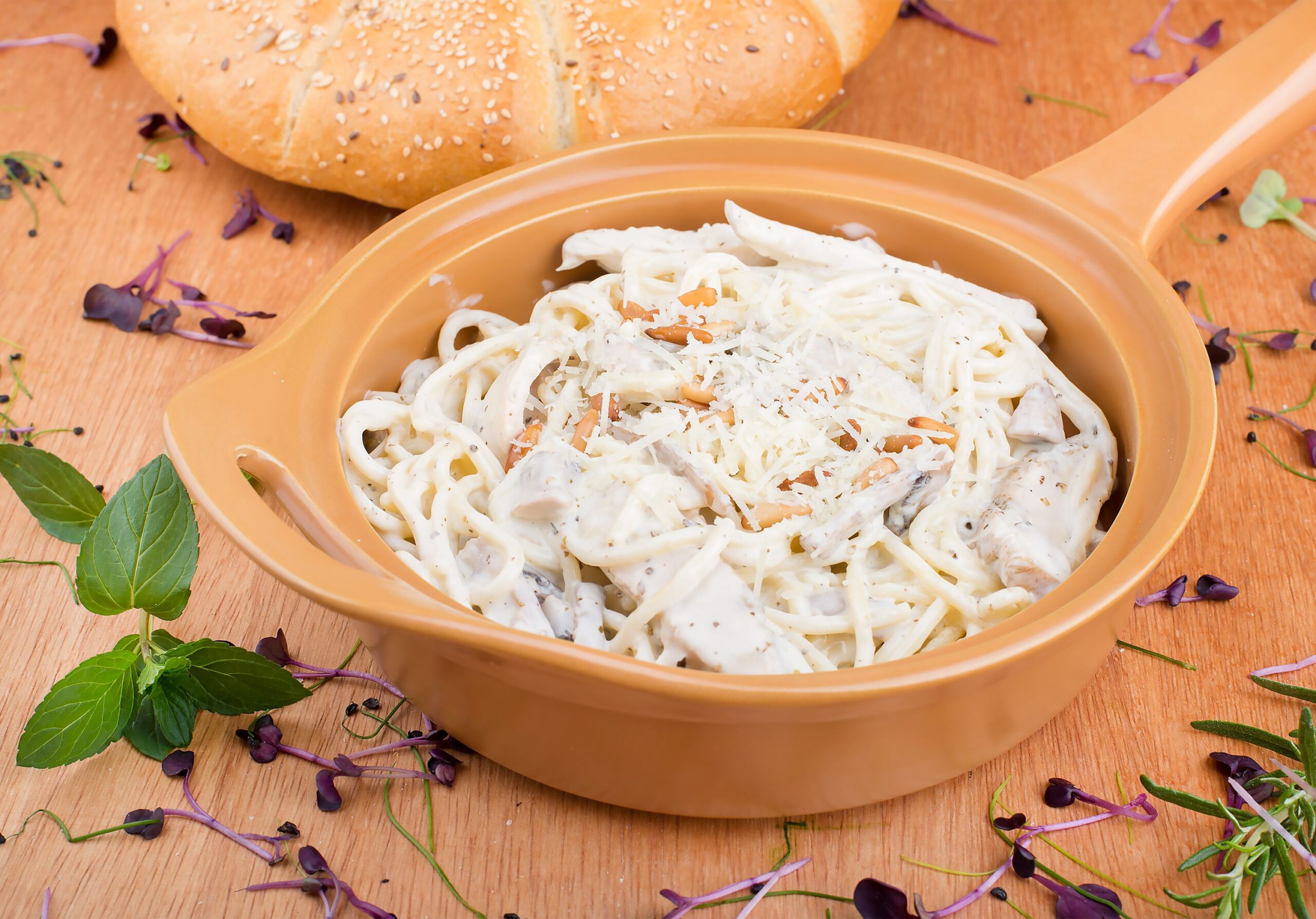
Turkey tetrazzini often showed up after Thanksgiving or Christmas, when roast bird leftovers needed a second life. The casserole usually combined cooked turkey with spaghetti or another pasta, mushrooms, and a creamy sauce, then finished with cheese or crumbs before baking.
Its name sounds grander than its pantry logic. Like many successful potluck dishes, it transformed leftovers into something that felt new, substantial, and worth sharing. That made it appealing in an era when home cooks were expected to be resourceful and waste as little as possible.
Because it could be assembled in advance and baked just before serving, tetrazzini fit the social rhythm of holiday entertaining. It was practical enough for a church supper, but elegant enough in name and presentation to feel slightly special on the table.
Lasagna
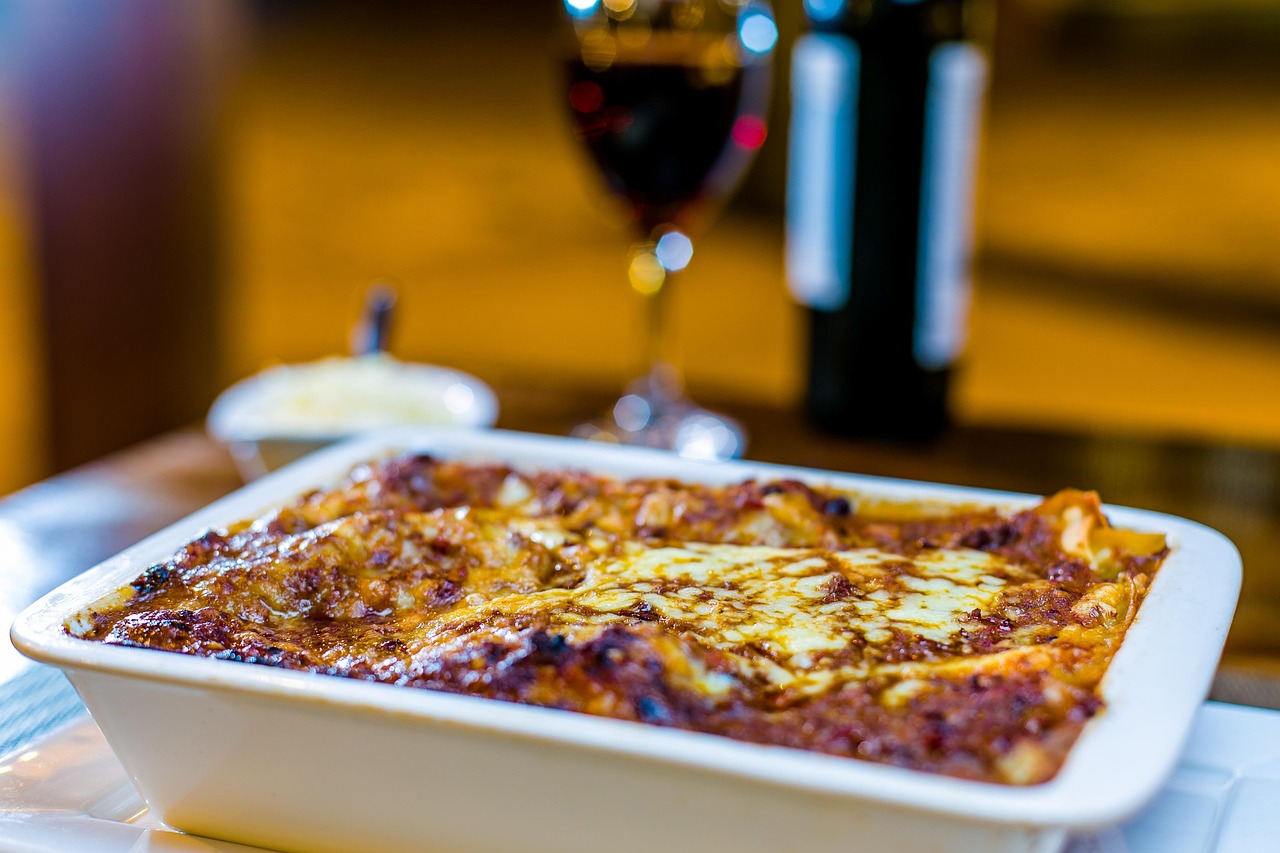
Lasagna became a Canadian potluck mainstay as Italian food moved from restaurant treat to home kitchen standard. Layered pasta, meat sauce, and cheese offered exactly what a casserole needs to succeed: clear portions, rich flavor, and enough structure to travel without collapsing.
Its rise also reflects immigration and changing grocery shelves. As more Canadians embraced pasta as an everyday staple, ingredients such as dried lasagna sheets, canned tomatoes, and mozzarella became easier to find, making a once more ambitious dish increasingly practical for home cooks.
At potlucks, lasagna signaled generosity. It was rarely the cheapest option on the table, but it fed many people and often arrived in a deep foil pan built for sharing. By the late 20th century, it had become one of the most dependable crowd anchors in the room.
Green bean casserole
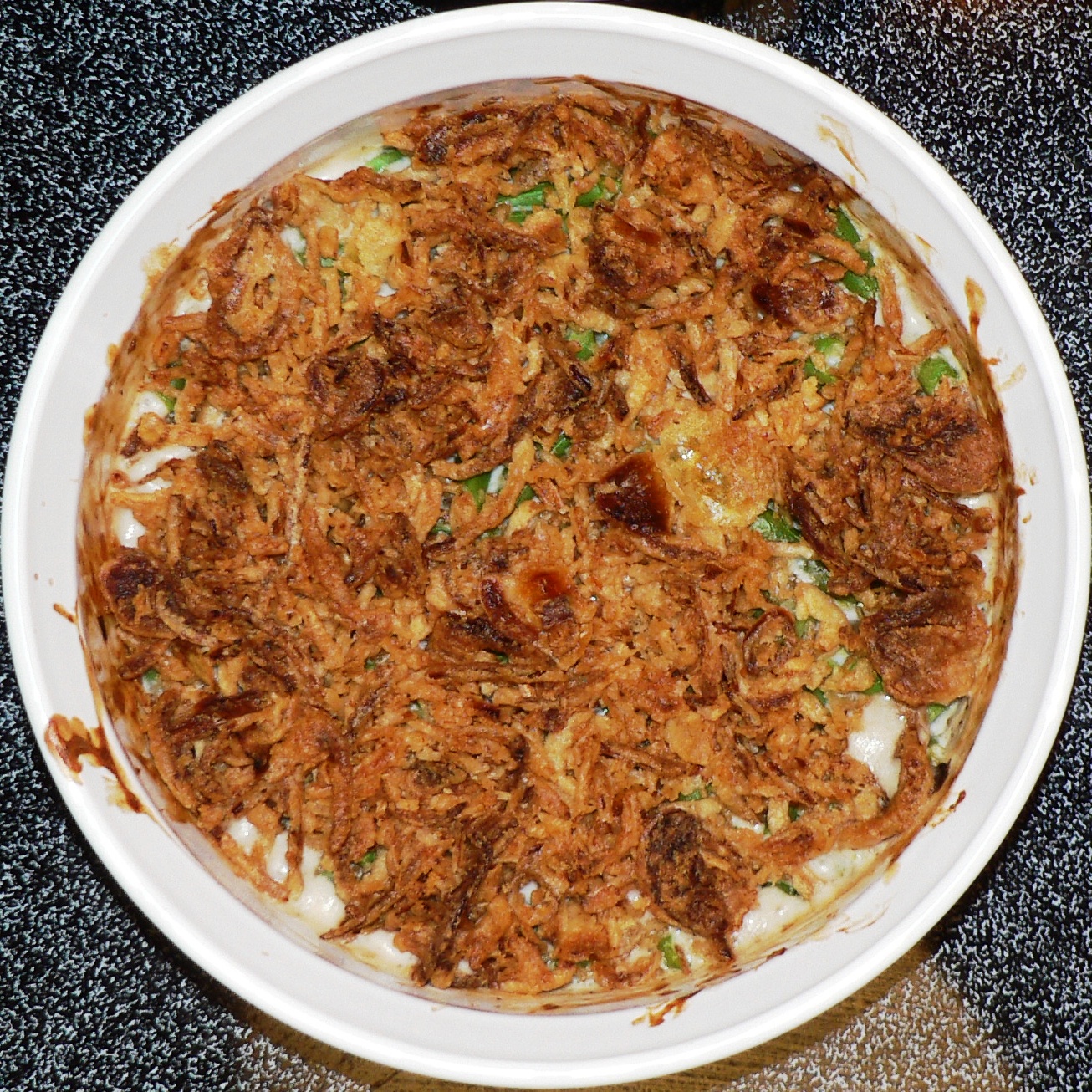
Green bean casserole may be closely tied to American midcentury cooking, but it also found a steady place in Canadian potluck culture, especially at holiday meals and community dinners shaped by the same convenience food trends. Green beans, canned soup, and fried onion topping made for a recognizable formula.
The dish offered something many casserole tables needed: a vegetable side that still felt comforting and rich. It let cooks present greens in a form that matched the creamy, baked style of the rest of the menu, which likely helped it win over people who might skip plain vegetables.
As a closing note in Canada's potluck story, green bean casserole captures a larger truth. Potluck food was rarely about culinary purity. It was about generosity, practicality, and dishes sturdy enough to feed a crowd with warmth and very little fuss.



Leave a Reply