
A kitchen sink can handle more than most people think, but it is not built for everything. Some everyday liquids seem harmless at first, yet they are among the most common causes of stubborn clogs, bad odors, plumbing damage, and sewer trouble.
Cooking grease and frying oil
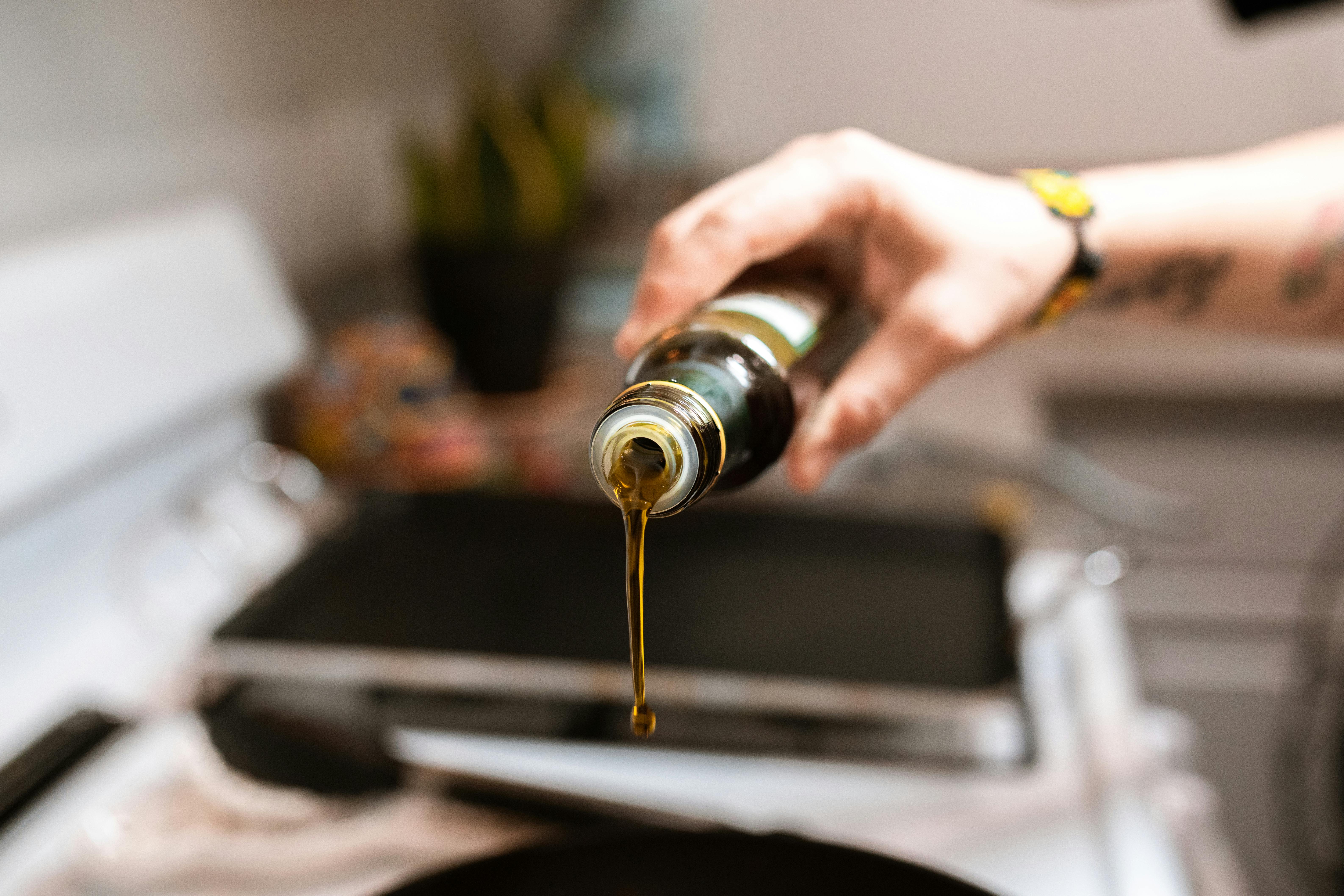
It often slides into the drain looking harmless, which is exactly why grease causes so many plumbing emergencies. Bacon fat, chicken drippings, pan grease, and used frying oil may be liquid while hot, but they cool quickly once they enter the pipe. When that happens, they thicken and cling to the pipe walls.
Over time, that greasy film traps crumbs, coffee grounds, soap residue, and other debris. The result is a narrowing pipe that drains more slowly with each use. Municipal sewer systems face the same problem on a larger scale, where grease combines with wipes and other waste to form huge blockages known as fatbergs.
The safest approach is to let grease cool, pour it into a container, and throw it away once solid. Small amounts can be wiped from pans with paper towels before washing. If you cook with large volumes of oil, many communities offer recycling options for used cooking oil.
Butter, shortening, and melted animal fat

These fats seem softer than heavy frying oil, but they behave in much the same way inside plumbing. Melted butter, lard, duck fat, beef tallow, and shortening all lose their fluid texture as temperatures drop. Once they cool in pipes, they begin coating the interior like wax.
That waxy layer is especially troublesome in older homes with rougher pipe surfaces. Even a thin film can catch starches, vegetable scraps, and soap scum. A 2024 pattern noted by drain specialists is that repeat clogs often trace back not to one big mistake, but to regular small pours of melted fat after cooking.
A simple habit change makes a big difference. Scrape plates and roasting pans into the trash or compost where appropriate, and collect rendered fat in a jar. If you save animal fat for cooking, strain it and refrigerate it instead of sending it into the drain.
Creamy sauces, gravies, and dairy-heavy liquids

A silky sauce can be rough on plumbing. Gravy, alfredo sauce, cheese sauce, cream soup, melted ice cream, and similar liquids contain fat, protein, and starch, which makes them much more clog-forming than plain water-based leftovers. As they cool, they thicken and leave residue behind.
Dairy compounds can also create unpleasant odors as they break down. If that residue sticks in the trap or along the pipe, bacteria feed on it and produce sour smells that are hard to ignore. In a warm kitchen, the odor can linger and make the sink area seem dirty even after cleaning.
The better option is to pour leftover sauces into the trash after they cool or absorb them with paper towels. Larger amounts can be stored in a container and discarded with solid waste. Rinsing a bowl is fine, but dumping half a pot of gravy into the sink is asking for trouble.
Coffee grounds mixed with liquid
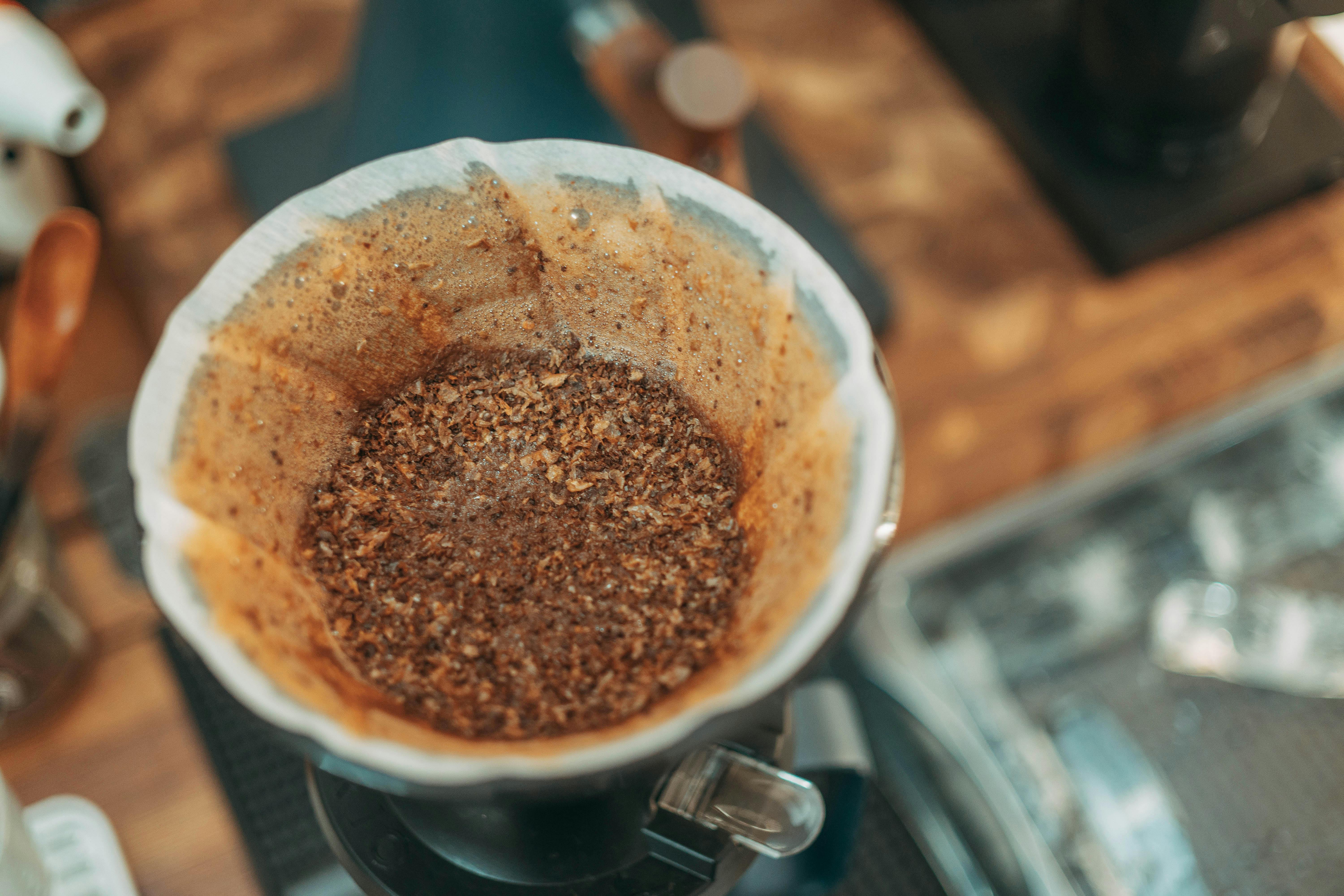
Coffee itself is not usually the issue. The problem is the wet grounds that travel with it. Many people assume grounds are small enough to wash away safely, but they do not dissolve in water. Instead, they clump together and settle in bends, traps, and rough sections of pipe.
Coffee grounds become even more problematic when they meet grease. The mixture turns into a dense, sludgy mass that plumbers regularly find in kitchen drain cleanouts. Grounds can also add to garbage disposal wear by creating a gritty buildup that does not move through the system as easily as expected.
A smarter choice is to dump used grounds into the trash, compost, or garden applications where suitable. If a few specks rinse off a mug, that is minor. What matters is avoiding the routine habit of washing a whole filter, French press sludge, or espresso puck residue down the drain.
Starchy cooking water from pasta, rice, and potatoes
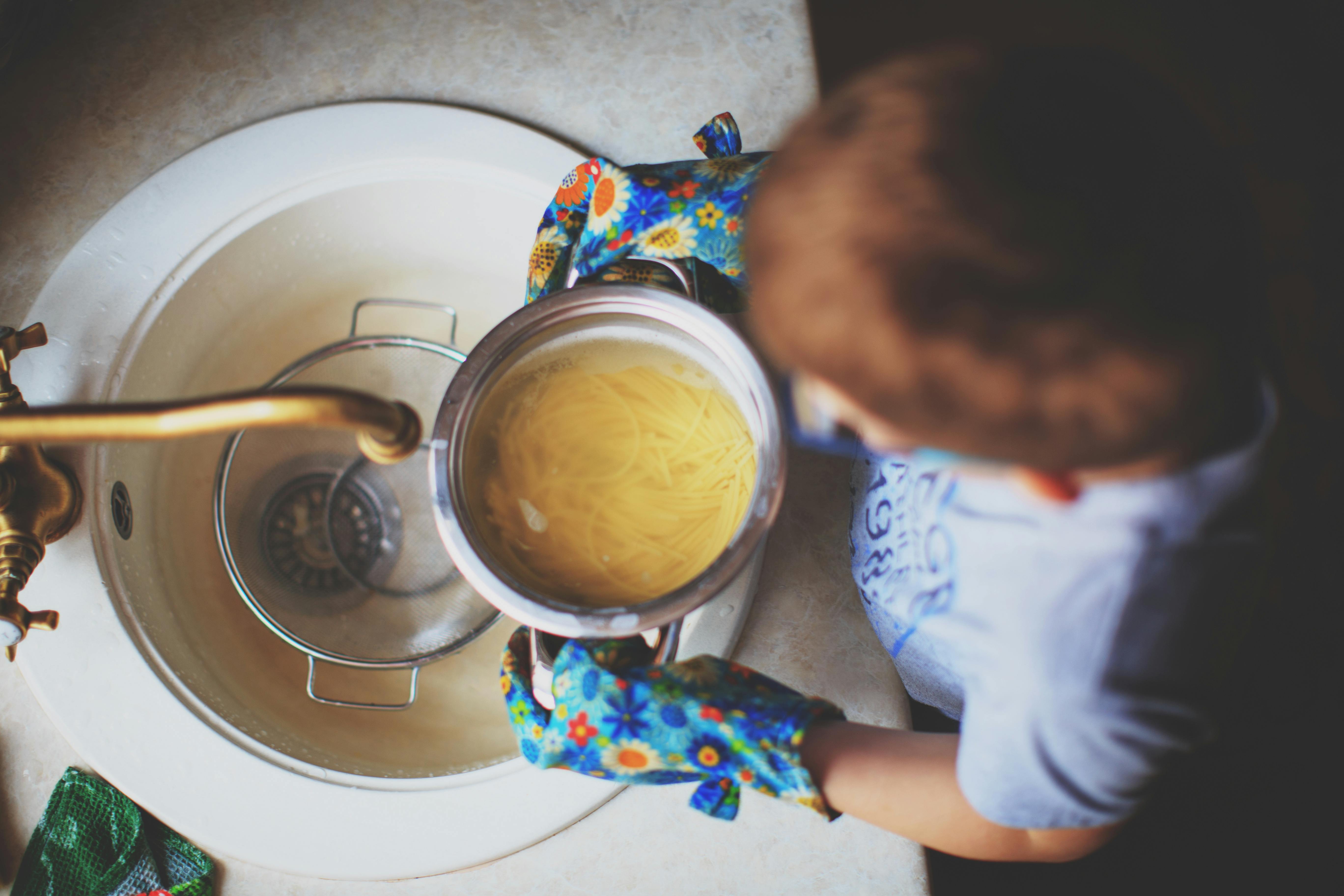
This one surprises many people because it looks like ordinary hot water. In reality, pasta water, rice rinse, and potato boiling liquid contain suspended starch that turns sticky as it cools. That starch can coat pipes and contribute to the same kind of buildup that makes drains sluggish.
Rice is especially deceptive because leftover grains often tag along with the water. Once inside plumbing, rice can swell and collect in traps or partially blocked sections. Potato residue creates another issue, as it can become gluey and bind with fats and soap deposits already lining the drain.
If you need to discard starchy water, let it cool and pour it outside only where appropriate and allowed, or strain out solids first and dispose of them properly. Small residual amounts are manageable, but draining large pots of cloudy starch-heavy water into the sink should not be routine.
Harsh chemical cleaners and solvents

The label may promise fast results, but many strong chemicals create a different kind of plumbing problem. Paint thinner, mineral spirits, degreasers, solvent-based cleaners, and similar liquids can damage certain pipe materials, release dangerous fumes, or react with other substances already in the drain.
There is also a wastewater issue. Treatment plants are not designed to handle every household chemical that people might pour down the sink. Some compounds pass through treatment systems poorly, while others can disrupt the biological processes used to break down sewage safely and efficiently.
Instead of using the sink as a disposal route, store leftover chemicals in their original containers and take them to a household hazardous waste collection site. For clogs, mechanical methods like plunging or snaking are often safer. Even many liquid drain openers can do more harm than people realize.
Paint, stain rinse water, and finishing liquids
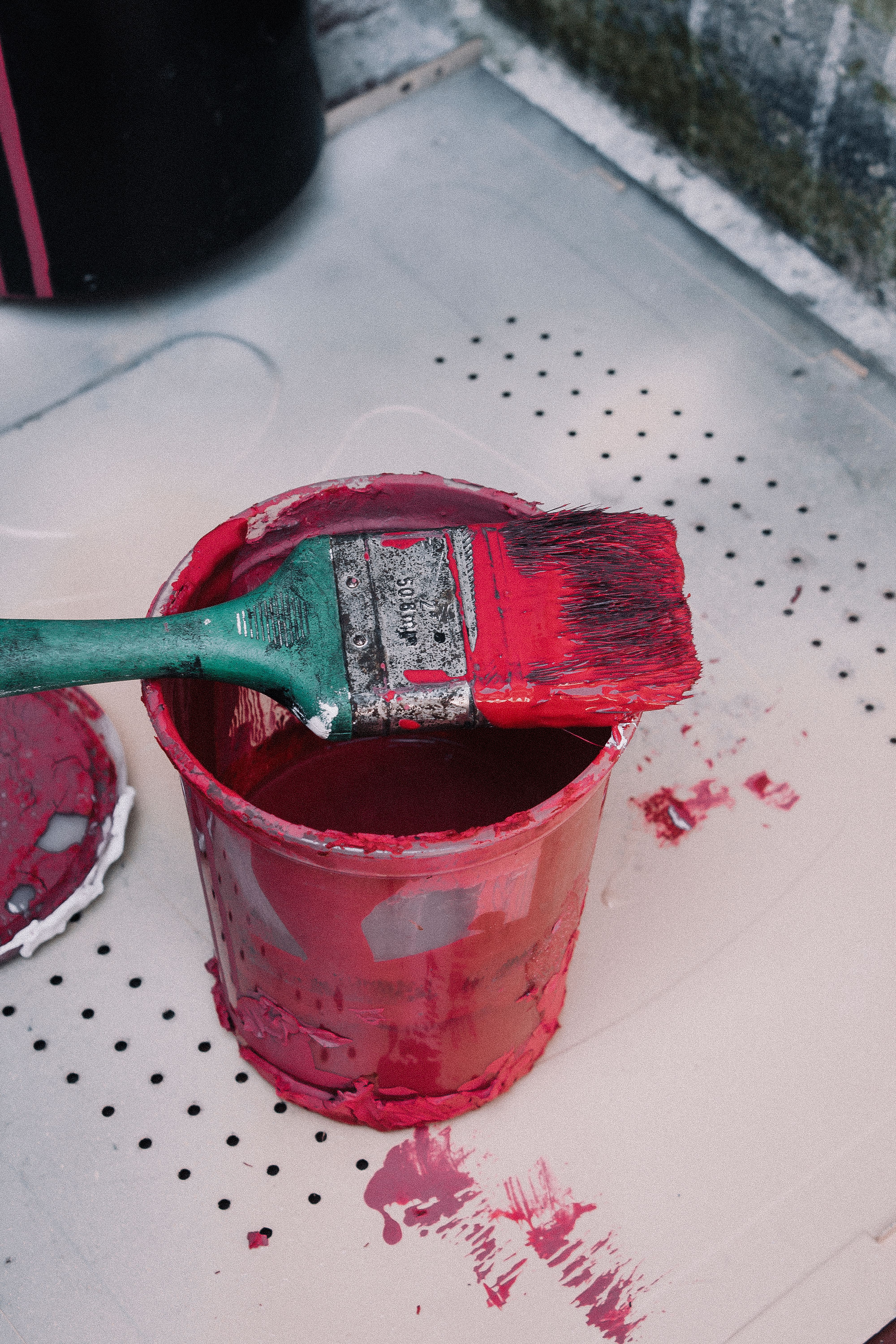
A brush rinsed after a project can send more than tinted water into your plumbing. Paint particles, binders, varnish residue, wood stain, shellac, and sealers often contain solids that settle out and coat the drain. Once dry, those materials can harden into a stubborn interior film.
Latex paint is sometimes described as less hazardous than oil-based paint, but that does not make it sink-safe. Even water-based finishes contain polymers and pigments that should not enter household drains in meaningful amounts. According to waste management guidance in many cities, leftover paint should be dried out or handled through approved disposal programs.
The practical rule is simple. Wipe brushes first, use minimal rinse water, and dispose of project waste according to local instructions. Never pour half-used paint, stain, or murky cleanup buckets into the kitchen sink, where solids can settle and create long-term buildup.
Marinades, brines, and salty leftover liquids
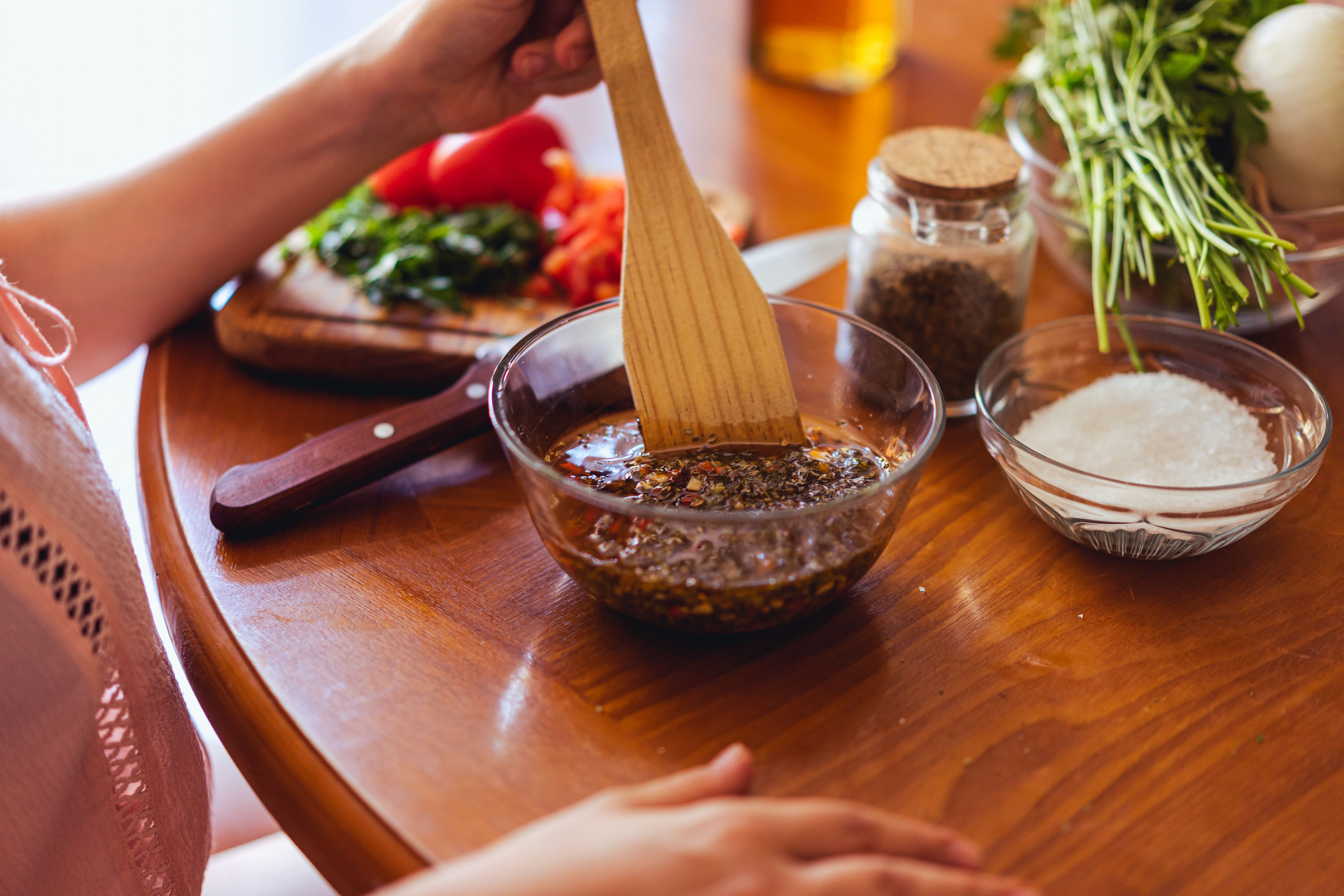
These leftovers seem thin and easy to wash away, but they often carry hidden trouble. Marinades and brines can contain oil, sugar, spices, honey, syrup, and tiny food fragments. That combination leaves residue behind and can feed odor-causing bacteria in the drain and trap.
Very salty liquids pose another concern, especially over time. High-salt waste is not ideal for septic systems and can contribute to corrosion in some plumbing environments or fixtures. If the liquid also includes raw meat juices, pouring it down the sink can spread bacteria around the basin and faucet area through splashing.
A better habit is to cool the liquid and discard it in the trash inside a sealed container if the amount is significant. Then disinfect any surfaces that contacted raw meat marinade. A quick rinse from a bowl is one thing, but a large batch should stay out of the drain.
Sugary drinks, syrup, and cocktail leftovers
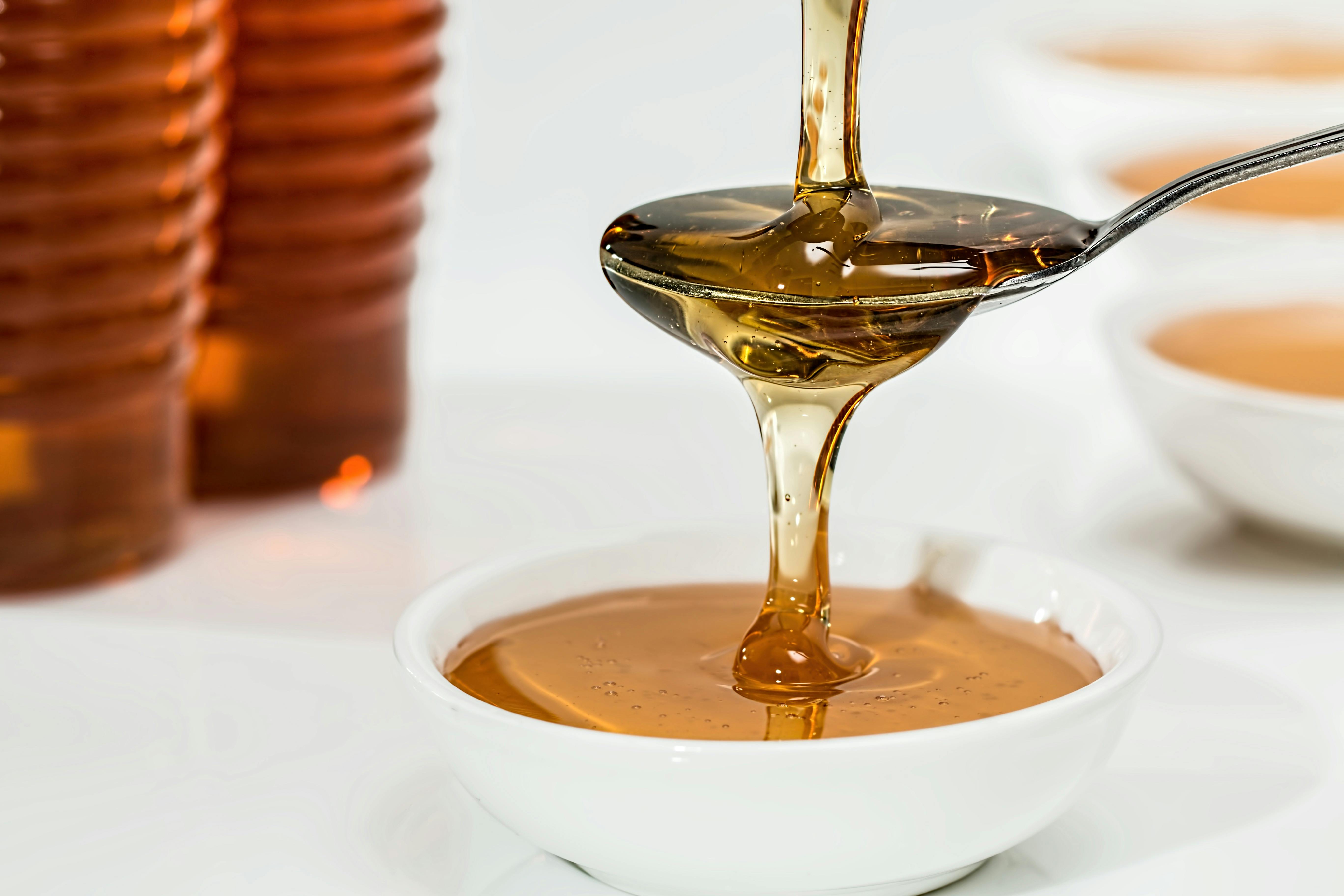
Sweet liquids do more than make the sink sticky. Soda, juice concentrate, melted slush, pancake syrup, simple syrup, and unfinished cocktails can leave a tacky film inside drain components. That residue catches other particles and supports microbial growth that leads to sour or fermented odors.
Sugary liquids are also a pest magnet. Fruit flies, drain flies, ants, and cockroaches are drawn to the residue they leave behind, especially in warm kitchens. If the sticky layer develops near the strainer, garbage disposal splash guard, or trap, it can become a repeating hygiene problem rather than a one-time mess.
It is usually best to pour excess sugary beverages into the trash in absorbent material or dispose of them gradually in safer ways if local guidance permits. Then rinse containers separately. The key is avoiding regular heavy pours that leave a sweet coating in the plumbing system.
Raw egg mixtures and protein-heavy scraps in liquid
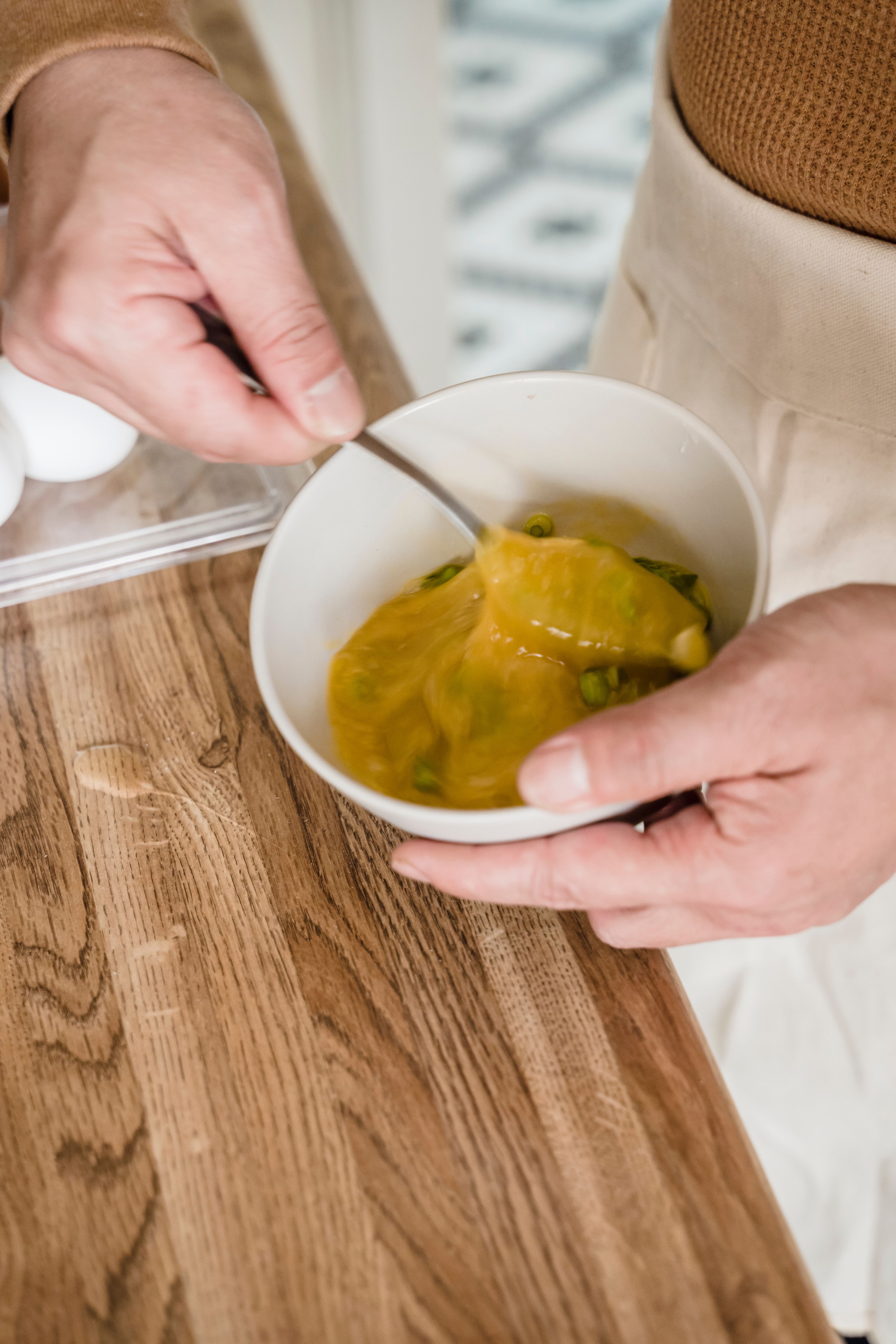
Egg wash, beaten eggs, and protein-rich leftovers can behave unpredictably in a drain. Eggs turn sticky when they dry and can cling to pipe surfaces, especially when mixed with flour, batter, or dairy. Once there, they catch other debris and help form dense organic buildup.
Protein-heavy liquids from meat prep, canned seafood, or blended leftovers can create a similar issue. As these materials decompose, they produce strong odors that are difficult to flush away completely. In homes with slower drains, that smell can rise back through the sink and make the whole kitchen feel unpleasant.
Dispose of raw egg residue and heavy protein scraps in the trash whenever possible. Wipe bowls and pans before rinsing them. That small step removes the bulk of the material before it has a chance to settle into the trap or combine with grease farther down the pipe.
Medication liquids and vitamin solutions
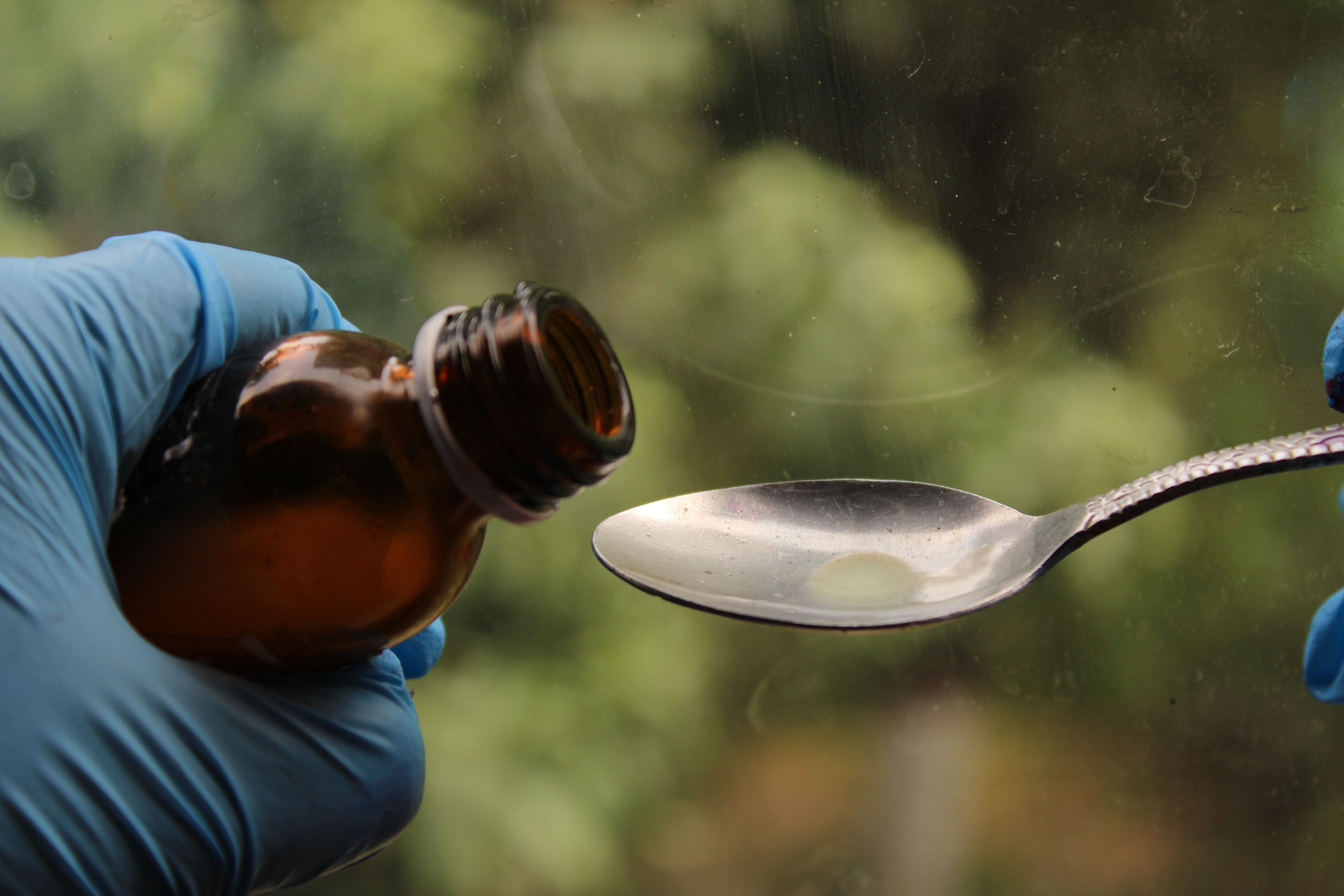
It is easy to think that a little liquid medicine will disappear harmlessly into the system, but wastewater experts strongly caution against it. Expired cough syrup, liquid antibiotics, dissolved supplements, and tonic-like health mixtures can introduce biologically active compounds into waterways after treatment.
Standard treatment plants do not always fully remove pharmaceuticals. Research over the past decade has repeatedly found traces of medications in rivers and lakes, where they may affect fish, aquatic organisms, and broader ecosystems. Septic systems are even less appropriate for handling these substances because they are not designed to filter medicinal compounds.
The safest option is to use drug take-back programs or follow pharmacist guidance for disposal. If no take-back option exists, many health authorities recommend specific household disposal steps rather than flushing or draining. The kitchen sink should never become a shortcut for getting rid of unwanted medicine.




Leave a Reply