
Technology is no longer just something that sits on a desk or in a pocket. It now shows up at breakfast, follows us through grocery aisles, and often helps decide what lands on the dinner table.
That makes eating a useful place to see how digital tools are changing daily life. Some of these shifts save time, some encourage new habits, and some subtly change how we choose, order, and share food.
Delivery apps and the rise of the at home restaurant meal
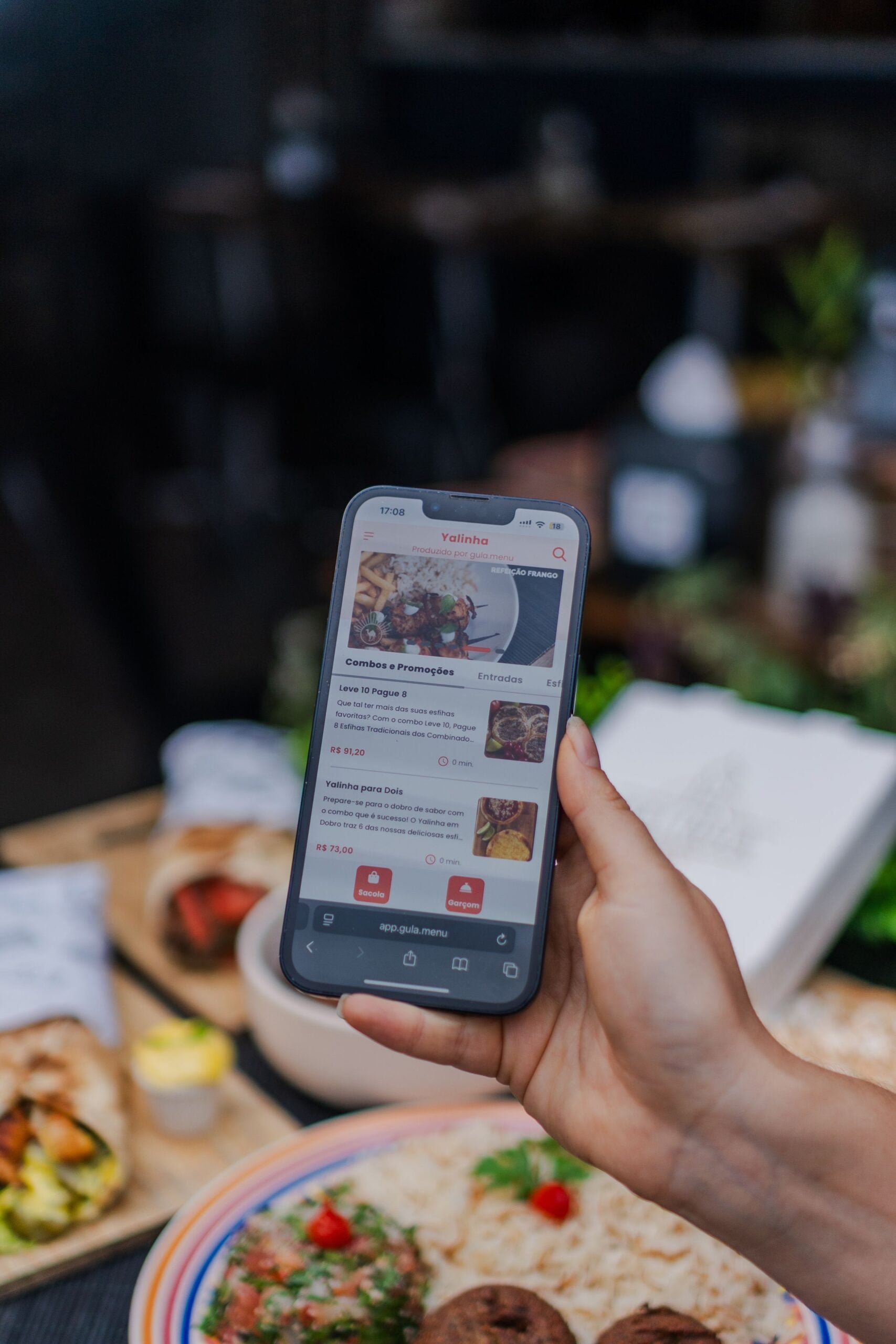
A restaurant meal used to depend on going out, calling in an order, or picking up takeout. App based delivery turned that into a few taps, making restaurant food feel almost as accessible as whatever is already in the fridge.
That convenience changes more than location. It can shape timing, too, because people can postpone decisions until the last minute and still get dinner delivered quickly. Many apps also remember past orders, saved addresses, and favorite items, which reduces friction and makes repeat choices more likely.
The result is a new kind of routine. Eating from local restaurants is no longer tied as tightly to weekends or special occasions. For many households, it has become part of an ordinary weeknight pattern.
Grocery pickup and the new way people shop for staples
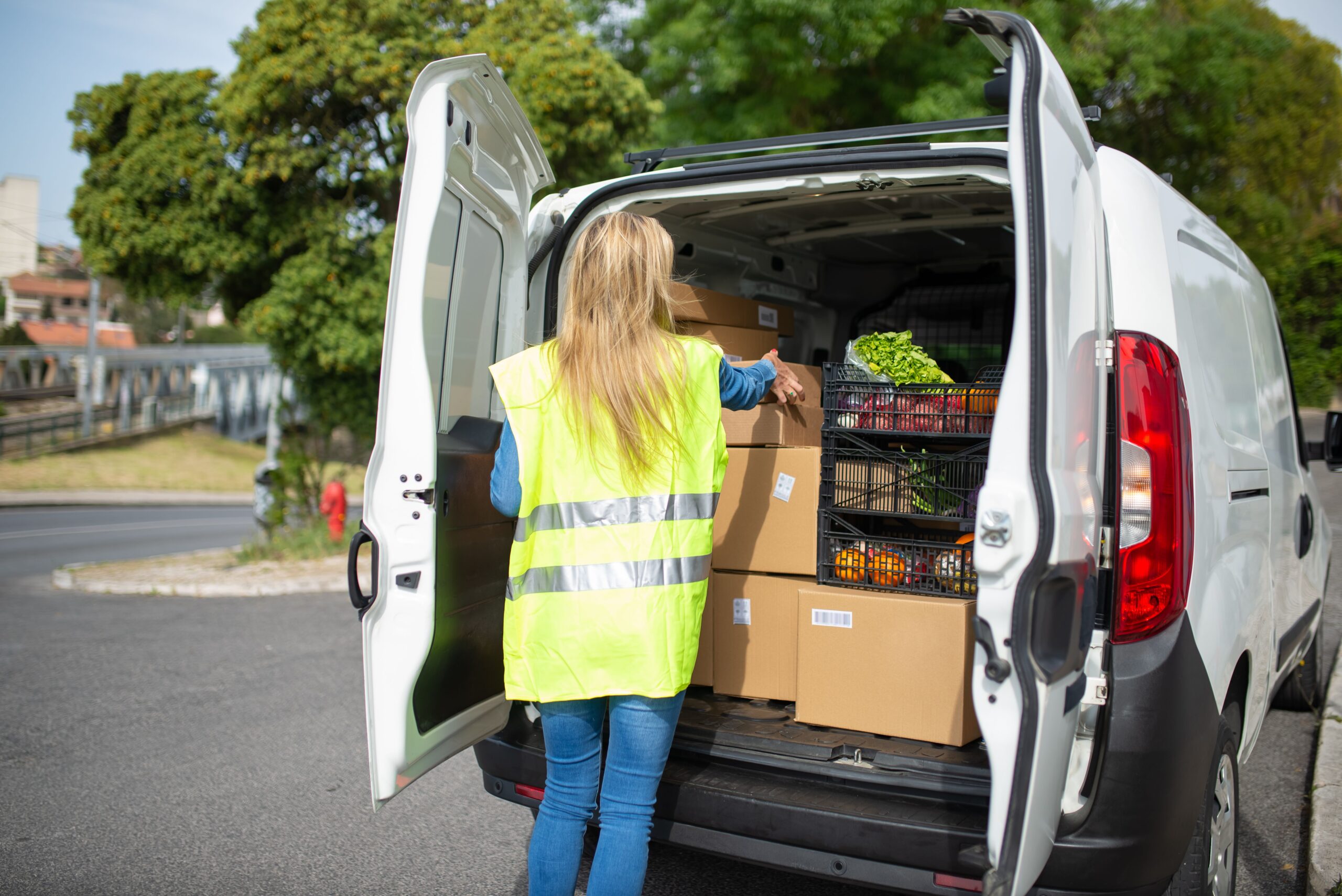
Online grocery ordering changed one of the most repetitive food tasks: buying basics. Instead of walking every aisle, shoppers can search for milk, rice, eggs, or produce directly and schedule pickup or delivery.
That shift affects buying behavior in subtle ways. Search bars encourage people to shop with a list, while the screen can reduce spur of the moment purchases that happen near end caps, bakery counters, or checkout lanes. At the same time, digital suggestions can steer people toward substitutes, larger sizes, or promoted brands.
For busy families, the biggest change may be predictability. Grocery pickup can turn a long errand into a short stop, making it easier to keep kitchens stocked and meal plans on track during crowded work and school weeks.
Meal kits that turn cooking into a guided routine
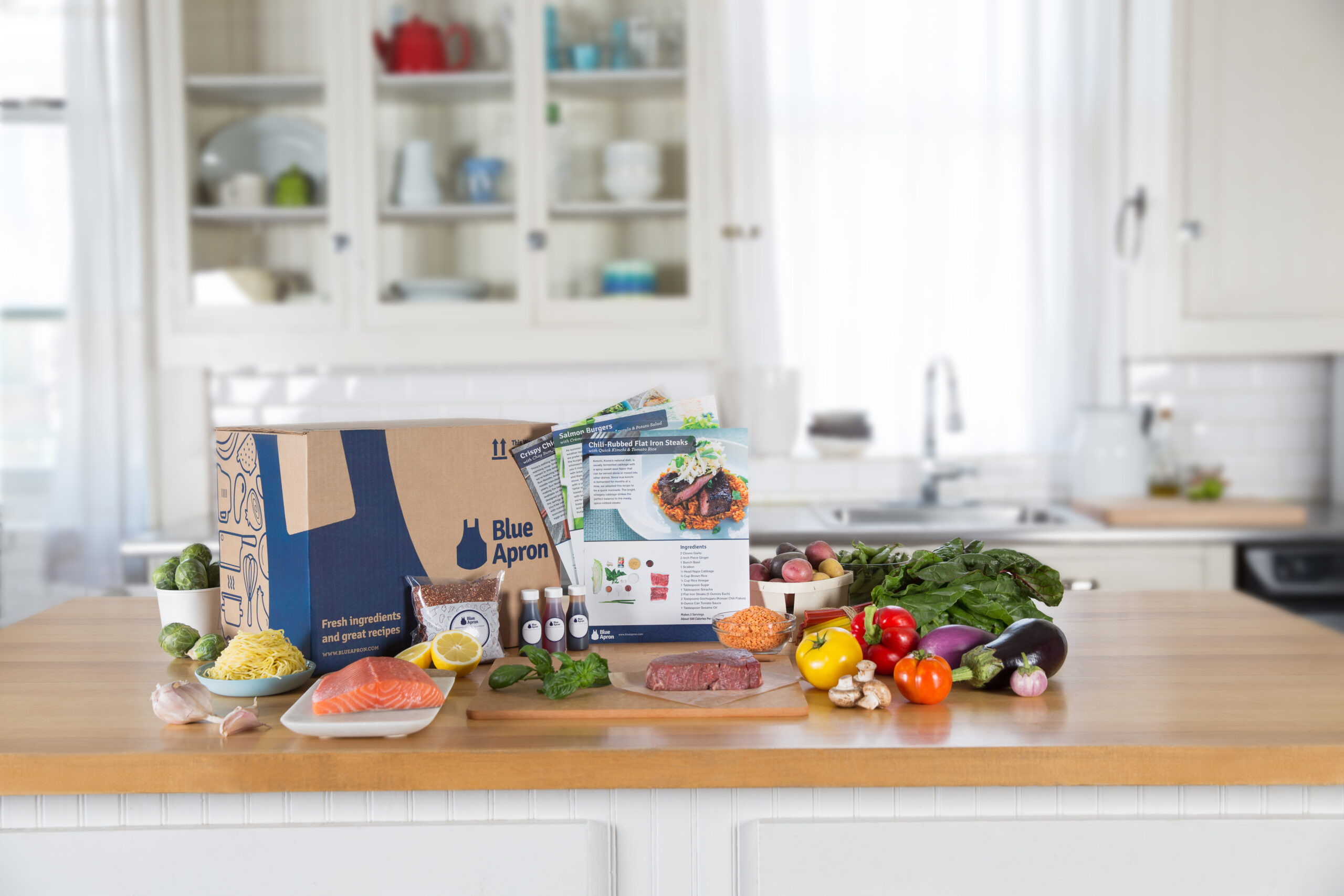
Meal kits sit in an interesting middle space between takeout and scratch cooking. They deliver preportioned ingredients and step by step recipes, which lowers the planning burden without removing the act of cooking itself.
That structure can gently change eating habits. People may try vegetables, sauces, grains, or spice blends they would not have chosen on their own. Because ingredients arrive measured, kits can also reduce the guesswork that makes weeknight cooking feel difficult or wasteful.
Another quiet effect is confidence. Repeating simple techniques, like roasting vegetables or making a pan sauce, can help less experienced cooks build skills. Over time, technology supported food services can make home cooking feel more manageable instead of more intimidating.
Smart kitchen appliances that make timing easier
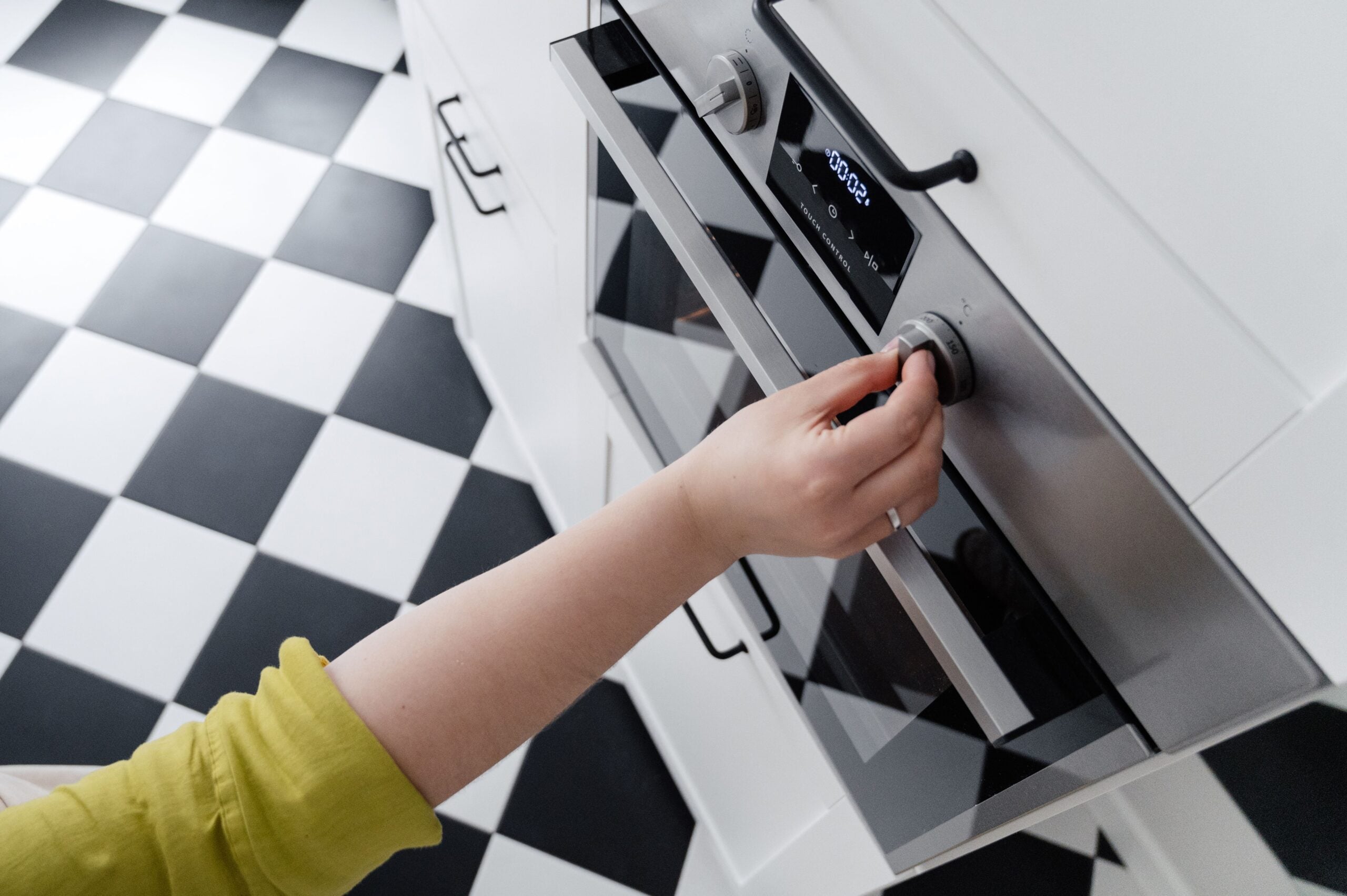
Connected kitchen tools promise convenience, but their most practical effect is often better timing. A smart oven, multicooker, or coffee maker can be controlled by app, preset to a routine, or monitored remotely while someone finishes other tasks.
That matters because many food choices are really time management choices. If breakfast can be started automatically or dinner can cook with less active attention, home prepared meals become easier to fit into an already full day.
These tools can also reduce small cooking errors. Alerts about preheating, timers, and temperature settings help users avoid overcooking or forgetting what is on the stove. In everyday life, that kind of support can mean fewer abandoned cooking plans.
Digital menus that influence what people order
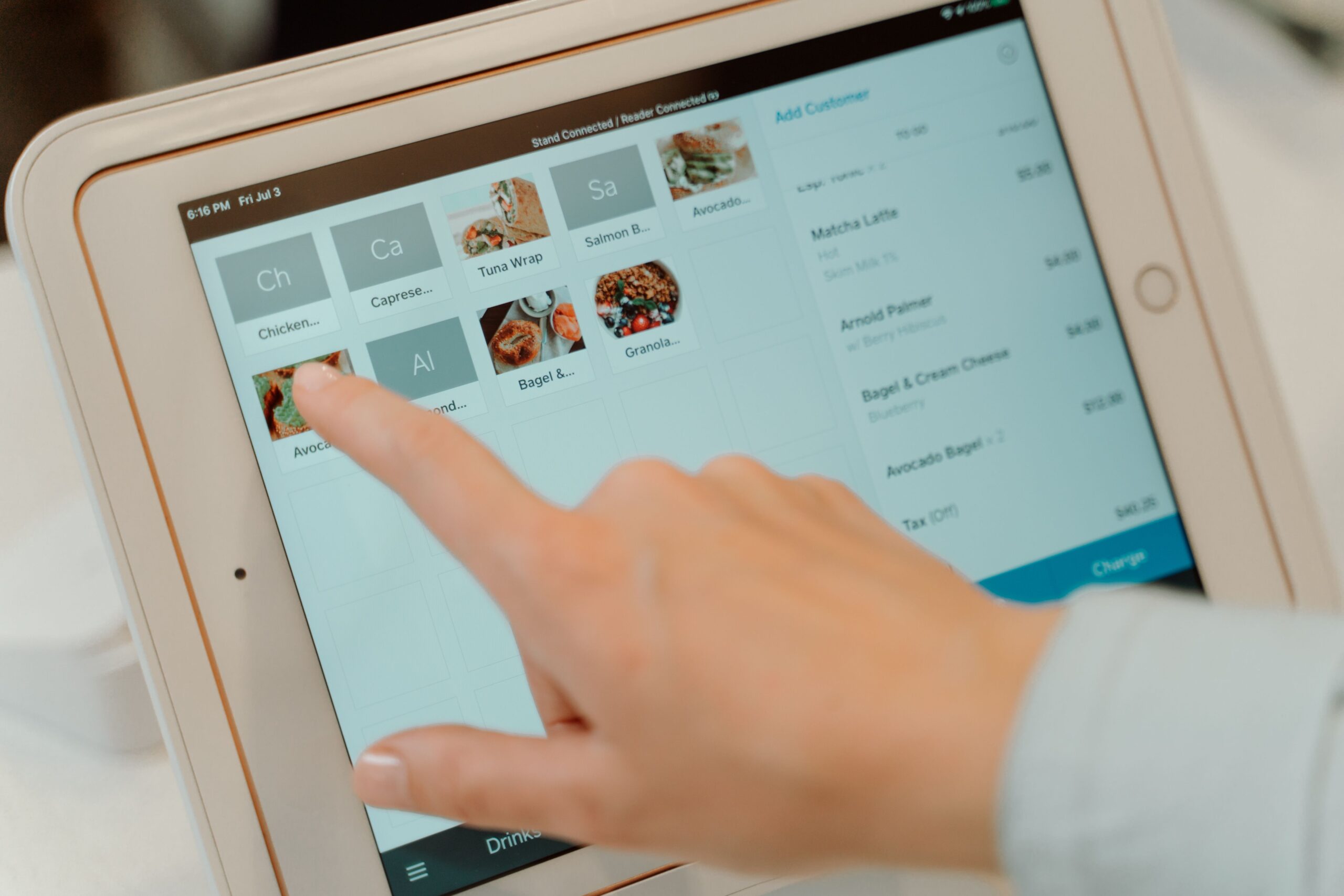
The menu used to be a printed object that changed slowly. Now, in many restaurants, it is a screen, a tablet, or a QR code linked to a live digital menu that can be updated at any time.
That flexibility gives restaurants room to highlight specials, swap sold out items, and feature photos more easily. For diners, those details can affect decisions, especially when pictures, allergen notes, or ingredient descriptions make an unfamiliar dish feel easier to choose.
Digital menus also change pace. People can browse longer, compare options more carefully, and sometimes order directly from the table or their phones. Eating out becomes a little more self directed, with technology shaping the path from curiosity to purchase.
Social media trends that turn meals into shared moments
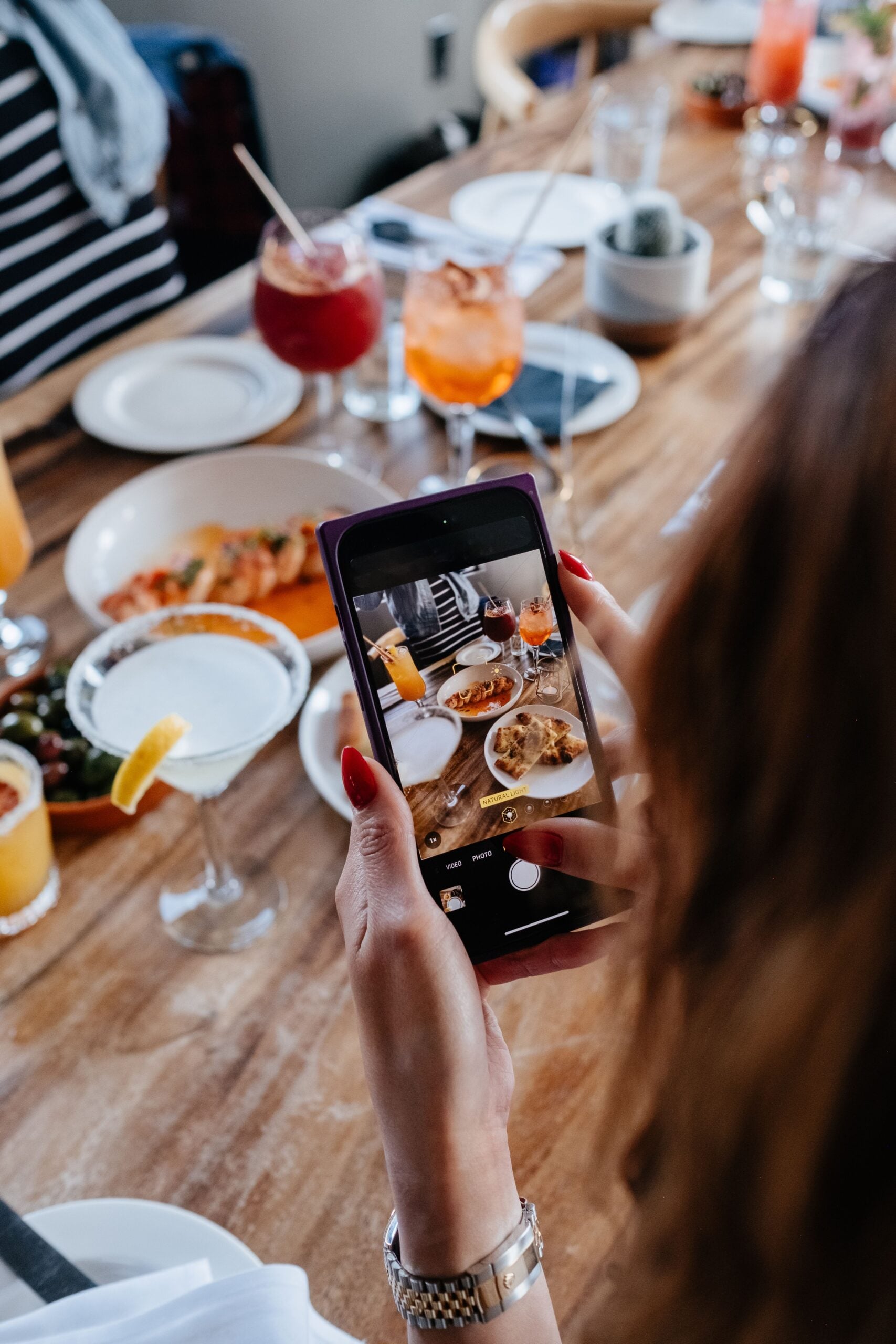
Food has always been social, but platforms built around photos and short videos have changed the speed and scale of that sharing. A home cook, cafe, or snack brand can suddenly influence what thousands of people want to try.
This affects everyday eating in practical ways. Recipes spread fast, ingredient demand can spike, and ordinary meals are more likely to be styled, filmed, or discussed. People may choose a colorful drink, a neatly plated lunch, or a dramatic cheese pull partly because it looks shareable.
The deeper shift is cultural. Meals are no longer just eaten and remembered. They are documented, compared, and folded into online identity, which can shape tastes as much as hunger does.
Wearables and apps that turn eating into data
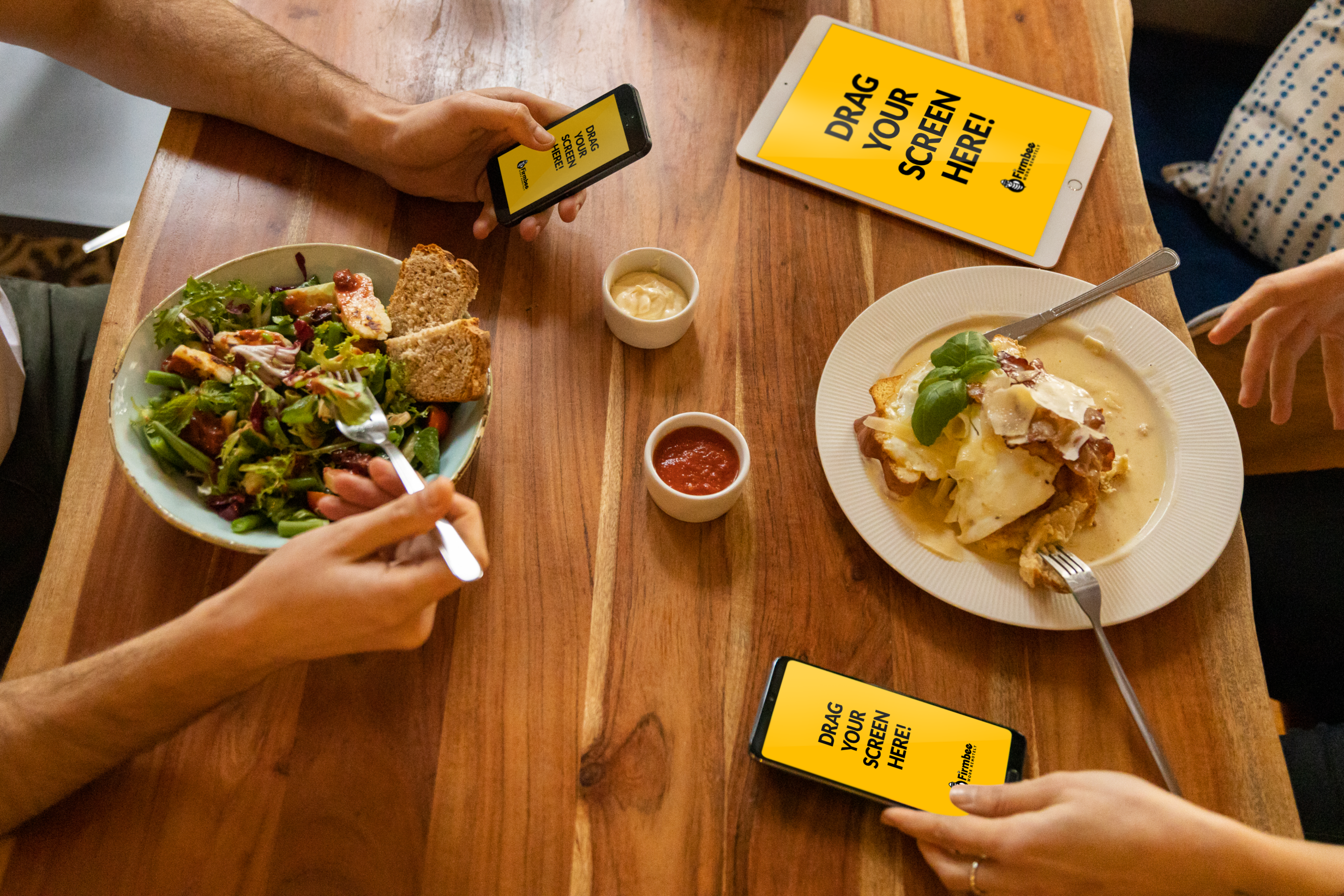
For some people, eating is becoming something they track with the same tools used for sleep, steps, and workouts. Phone apps and wearable devices can log meals, estimate calories, record water intake, or remind users to eat at certain times.
This can increase awareness, especially for people trying to notice patterns in energy, hunger, or portion size. Looking back at a digital food log may reveal skipped breakfasts, repeated late night snacking, or reliance on convenience foods during stressful weeks.
At the same time, data can change the tone of eating. Meals may feel more measured and intentional, but also more quantified. Technology does not just record food choices, it can alter how people think about those choices in the first place.
Fridge cameras and smart inventory tools that reduce waste
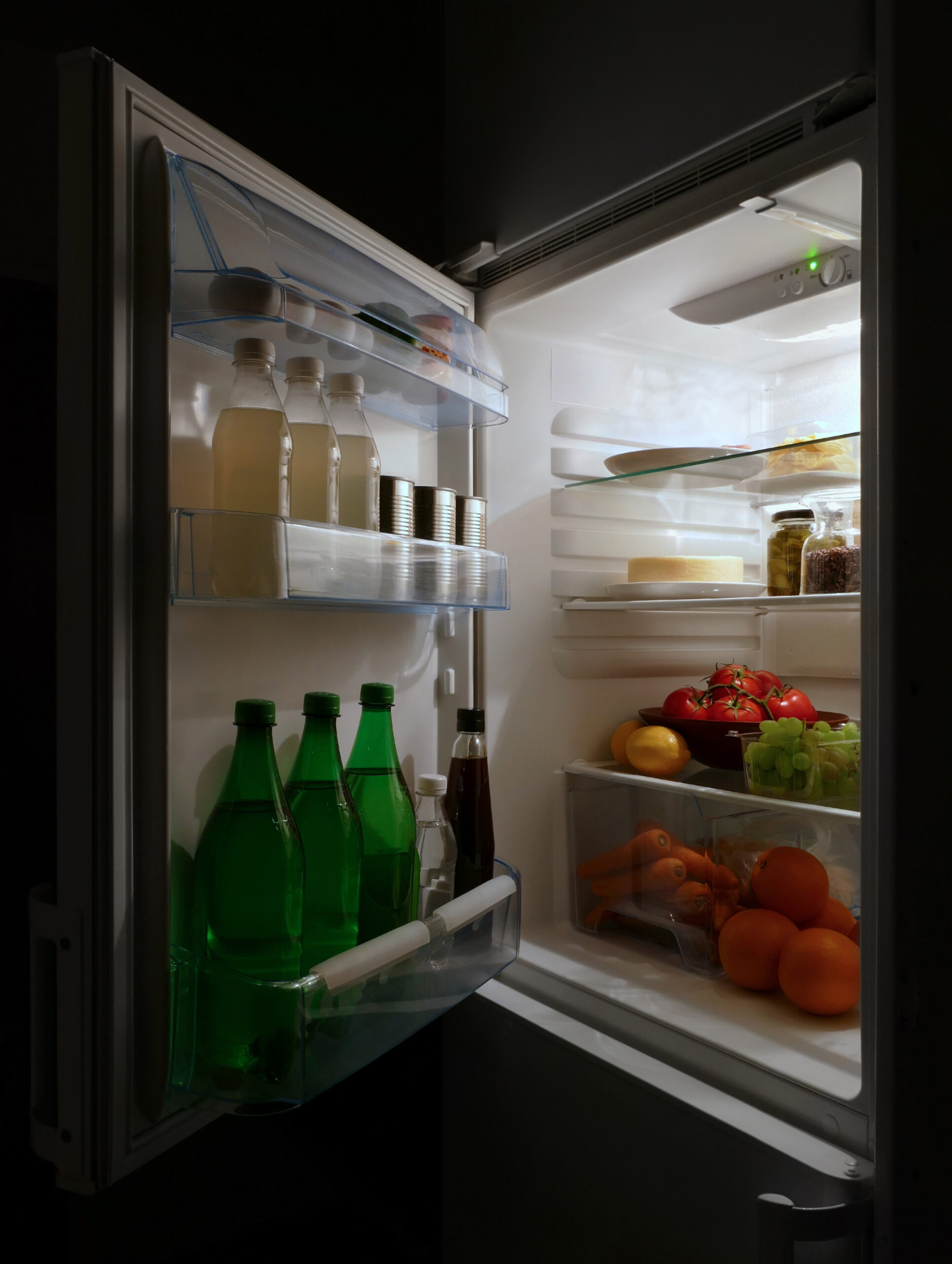
One of the most ordinary frustrations in home eating is forgetting what is already in the kitchen. Smart fridges and pantry tracking apps try to solve that by helping people see or record what they have before shopping or ordering more.
That simple visibility can change meal planning. If leftovers, vegetables, or open jars are easier to check, they are less likely to be ignored until they spoil. Some tools also send reminders about expiration dates or suggest recipes based on available ingredients.
The habit shift is small but meaningful. Instead of buying first and figuring it out later, households can plan around what is already on hand. That can save money, cut waste, and make everyday cooking a bit more efficient.
Personalized recommendations that narrow and expand choices
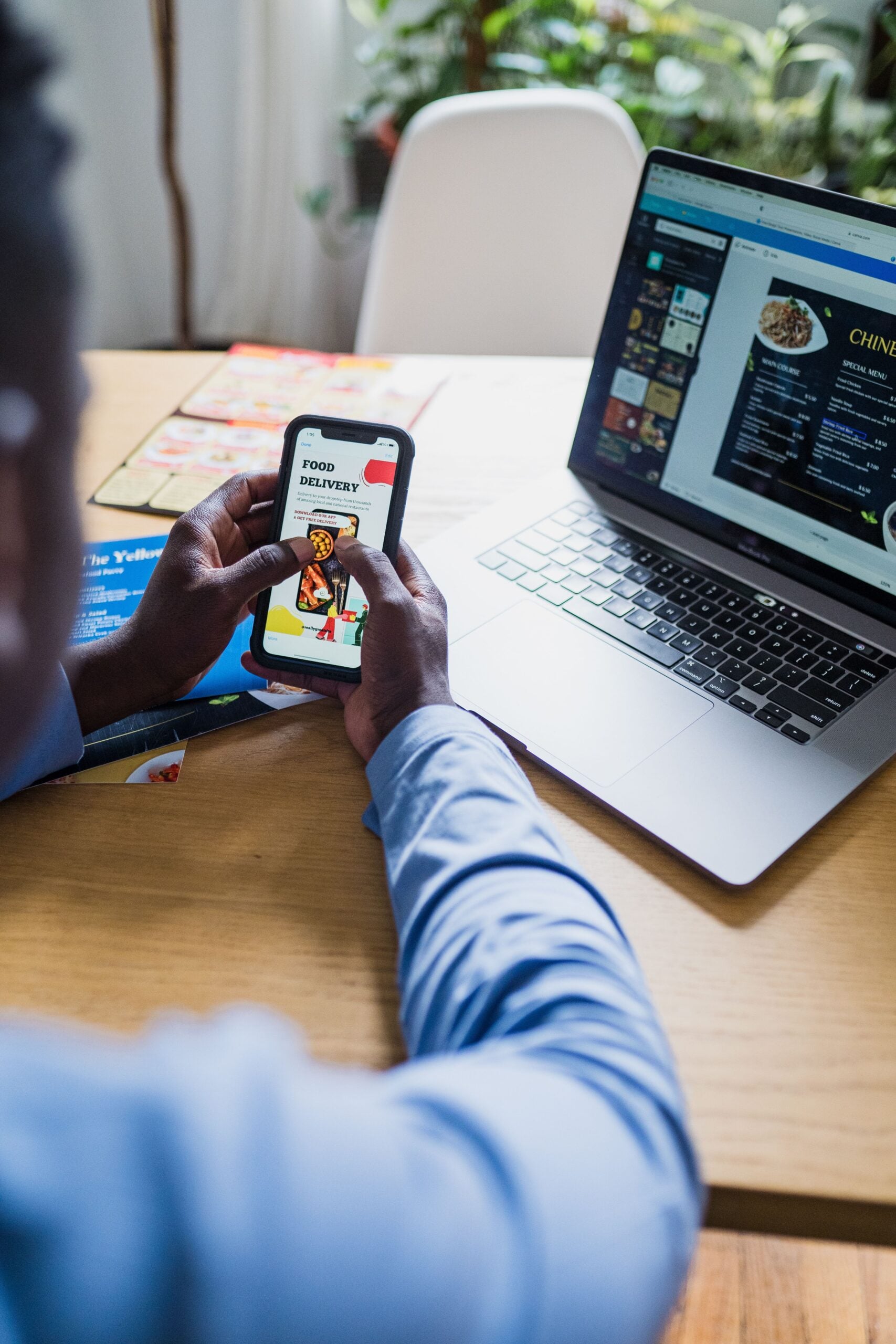
Recommendation systems are now part of food life, even when people barely notice them. Delivery apps suggest restaurants, grocery platforms promote items based on past carts, and streaming style personalization is becoming common in food retail.
This has two opposite effects. It can narrow choices by repeatedly surfacing familiar cuisines, brands, and dishes, making routines more predictable. But it can also introduce people to new products that fit established preferences, like a new yogurt, sauce, or plant based meal.
In both cases, algorithms become quiet participants in decision making. The old question of what to eat is increasingly answered with a curated list shaped by previous clicks, purchases, and habits.
Contactless payment and self checkout that speed up food decisions
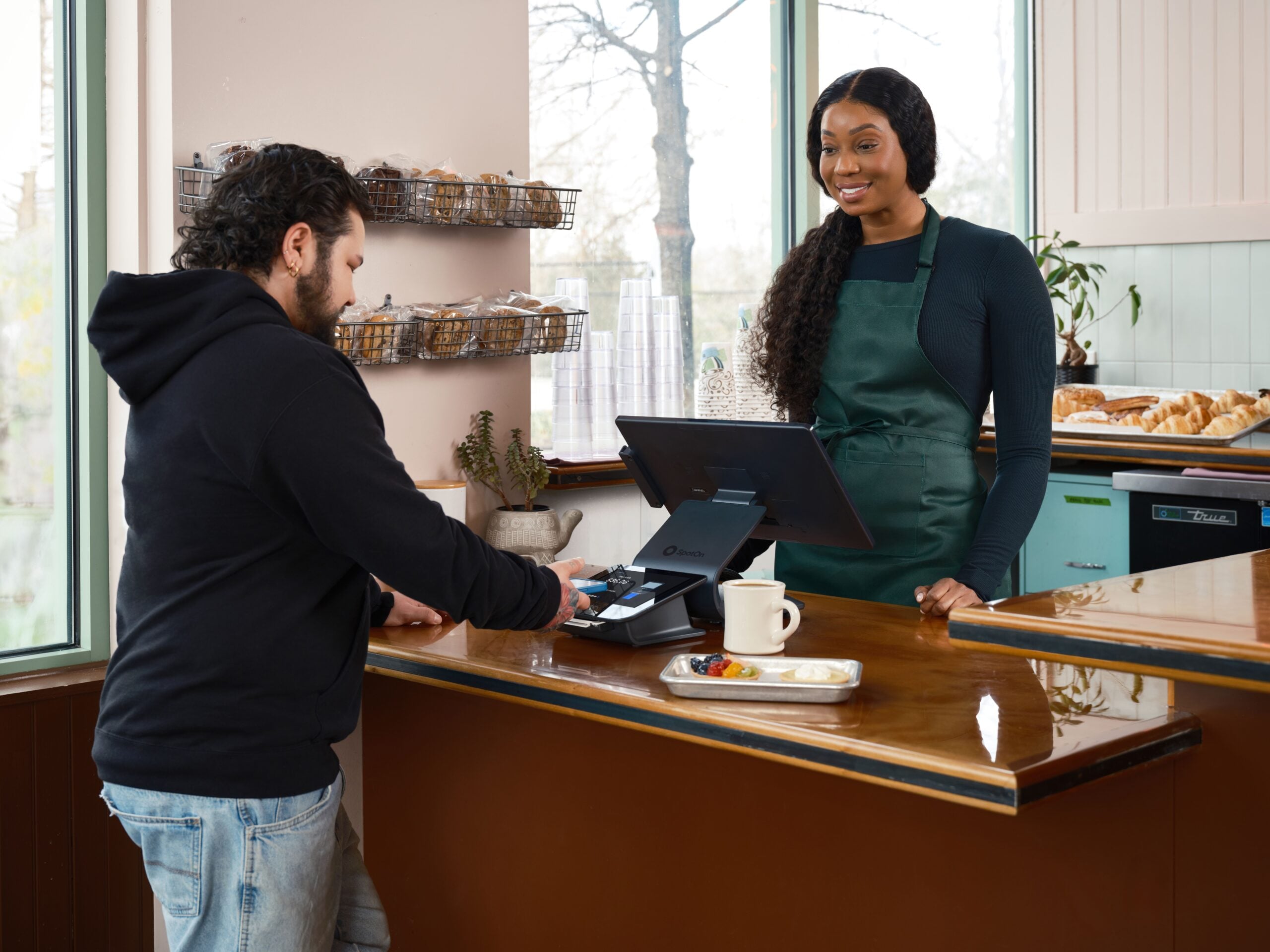
Sometimes the biggest behavioral shift comes at the final step. Contactless cards, mobile wallets, kiosk ordering, and self checkout have reduced the friction between wanting food and paying for it.
That speed matters because small barriers can shape choices. When payment is nearly instant, grabbing a coffee, adding a snack, or buying lunch can feel easier and more routine. In fast casual restaurants, kiosks also let people customize orders without feeling rushed at a counter.
The broader effect is subtle but lasting. Food purchases increasingly happen in a smoother digital flow, from browsing to payment. As that flow gets easier, eating decisions can become faster, more frequent, and more embedded in the rhythm of daily life.




Leave a Reply