
Some food cities dominate the national conversation, but plenty of smaller or less-hyped places are doing remarkable work on the plate. This gallery focuses on 10 U.S. cities where local specialties, immigrant traditions and strong restaurant cultures create meals worth planning around.
Tucson, Arizona

Tucson stands apart because its food story starts with agriculture, not trend-chasing. The city became the first U.S. destination named a UNESCO City of Gastronomy, recognition tied to more than 4,000 years of farming in the region and ingredients shaped by the Sonoran Desert.
That history shows up in everyday eating. You will see flour tortillas, chiles, mesquite, tepary beans and dishes influenced by Mexican and Native traditions across the city. The Sonoran hot dog is the most famous quick bite, a bacon-wrapped dog loaded with beans, onions, tomato, mustard, mayo and jalapeño sauce.
What makes Tucson feel local is how naturally old and new fit together. A meal here can move from a classic carne seca plate to polished seasonal cooking built around desert ingredients, and both feel rooted in place.
Providence, Rhode Island
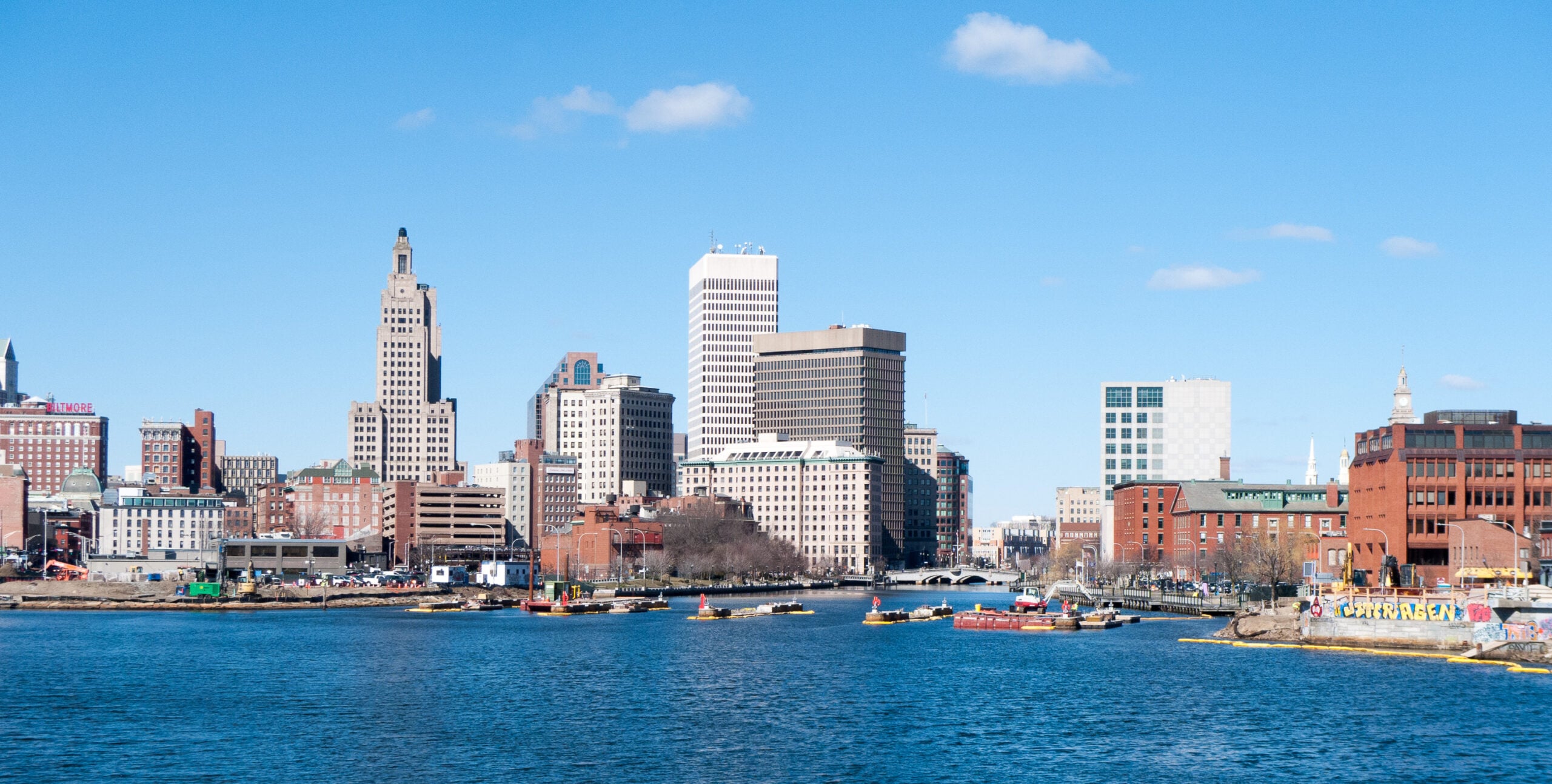
Providence has one of the most interesting food scenes in the Northeast because it punches far above its size. The city benefits from proximity to the Atlantic, deep Italian American influence on Federal Hill and a steady flow of new talent connected to Johnson and Wales University.
Seafood is the easy starting point, but it is hardly the whole picture. Locals argue over the best stuffies, clear chowder and clam cakes, while neighborhood bakeries turn out pizza strips, zeppole and bread that reflects generations of family recipes.
Providence also rewards diners who like variety in a compact area. Cambodian, Dominican, Portuguese and West African restaurants add range and depth, making the city feel broader and more exciting than outsiders often expect.
Richmond, Virginia

Richmond's food appeal comes from its balance. It has the grounding of Southern cooking, the energy of a growing independent restaurant scene and a willingness to reinterpret tradition without sanding off the edges.
You can still find excellent biscuits, pimento cheese, smoked meats and fried chicken, but the city has grown beyond any single category. Chefs are drawing on Virginia's farm network, river city history and changing population to build menus that feel current without becoming generic.
One reason locals stay loyal is value. Richmond often delivers the quality and creativity people associate with bigger East Coast markets, but in a setting where neighborhood spots still feel approachable and repeat visits are part of the culture.
Albuquerque, New Mexico

In Albuquerque, one ingredient shapes the city's identity more than any other: chile. New Mexico's famous question, red or green, matters here because the answer changes the meal, from breakfast burritos and enchiladas to cheeseburgers and stew.
The city's food reflects centuries of exchange among Native, Spanish and Mexican traditions. Blue corn, posole, sopaipillas and slow-cooked carne adovada appear on menus across price points, giving visitors a strong sense of place even in casual settings.
Albuquerque also excels at everyday comfort food. This is the kind of city where a roadside diner, a family-run New Mexican restaurant and a modern brewery kitchen can all serve memorable plates tied to local ingredients and habits.
Buffalo, New York

Buffalo gets reduced to wings, but that shorthand misses the depth of its food culture. Yes, the city is serious about chicken wings, and locals care about texture, heat and proper blue cheese, but Buffalo's table is much larger than one bar staple.
The city's industrial and immigrant history helped shape a distinctive comfort-food canon. Beef on weck, a roast beef sandwich on kummelweck roll, is one local benchmark. So are fish fries, pierogi, sponge candy and Friday-night tavern traditions that still structure neighborhood life.
Buffalo also benefits from cross-border influence and a strong sense of local loyalty. Restaurants that would be headline-makers elsewhere often become dependable institutions here, the kind of places residents casually mention because they assume everyone already knows.
Portland, Maine
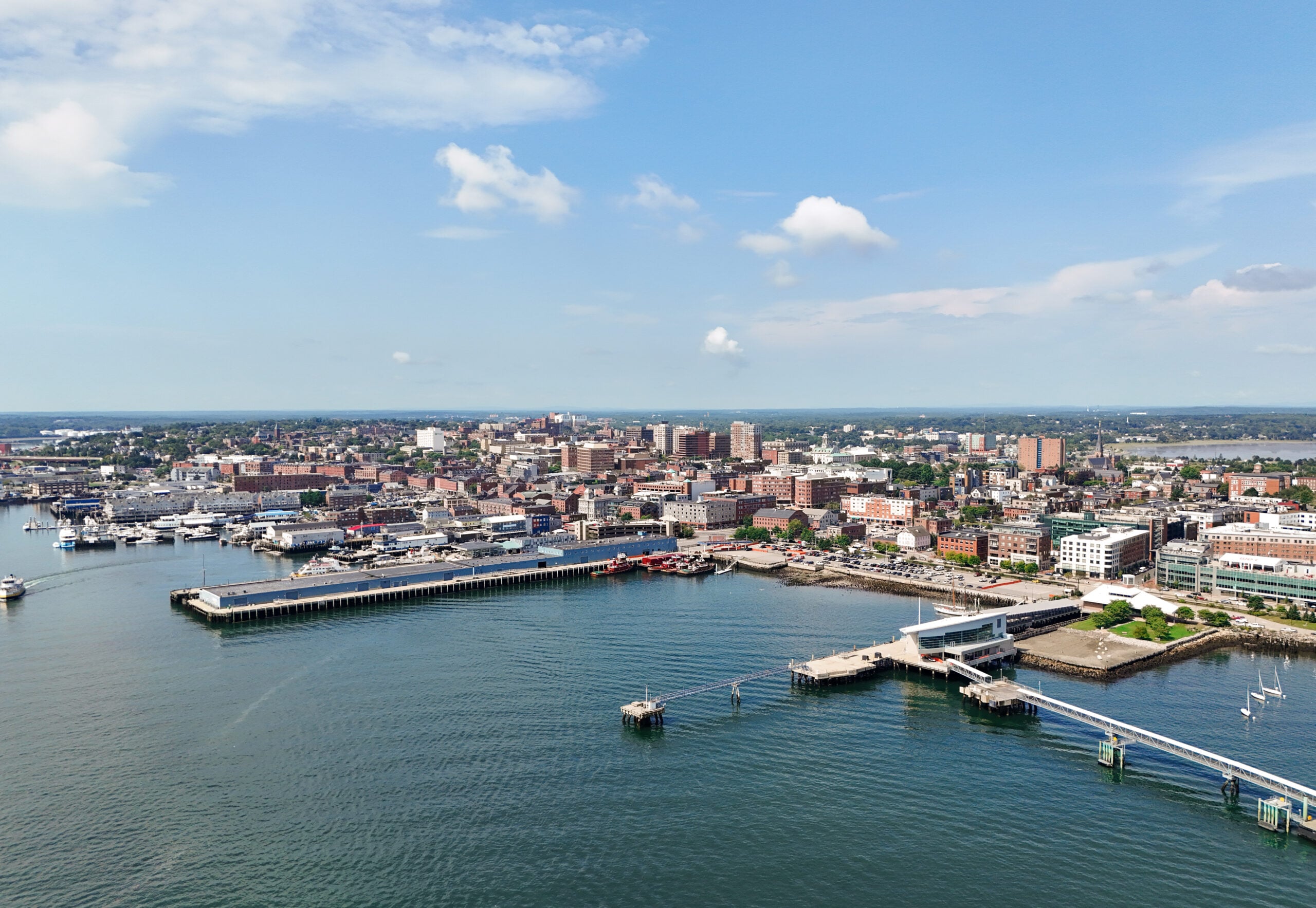
Portland, Maine, has become better known in recent years, but it still feels underrated compared with larger coastal food destinations. Its biggest strength is concentration: a small city packed with serious bakeries, seafood counters, coffee roasters and ambitious restaurants.
Lobster matters, but locals know the city is not just about lobster rolls. Oysters, mussels, hake and scallops reflect Maine's cold waters, while menus often spotlight potatoes, grains and seasonal produce from nearby farms. The result is seafood with context, not just branding.
Portland's scale helps the dining scene feel personal. Cooks, fishers and farmers operate in close orbit, and that closeness shows in menus that shift with weather, catch and harvest rather than chasing a fixed idea of what tourists expect.
San Antonio, Texas

San Antonio's food deserves more national attention because its culinary identity is both historic and lived-in. This is a city where Tex-Mex is not a novelty category but part of daily life, shaped by generations of Mexican, Tejano and regional Texas cooking.
Puffy tacos are the signature order many outsiders seek out first. Their crisp, airy shells are distinctly local, but they are only one piece of the picture. Barbacoa, tamales, pan dulce, charro beans and breakfast tacos all help define how the city eats.
What stands out most is continuity. San Antonio still supports old-school cafes, neighborhood bakeries and market stalls alongside newer chefs who treat heritage dishes with respect instead of turning them into abstractions.
Cincinnati, Ohio

Cincinnati has a food identity that feels unmistakably its own, which is rarer than it sounds. The city's famously polarizing chili, seasoned with a blend that often includes cinnamon and served over spaghetti or hot dogs, tends to grab headlines first.
That dish matters because it reflects Cincinnati's immigrant history, especially influences that came through Greek and Macedonian restaurateurs. But the city's food culture is broader, with goetta, a sausage-and-grain breakfast staple, standing as another local marker with deep regional roots.
Cincinnati also rewards eaters who like old institutions and newer energy in the same weekend. Findlay Market anchors that blend, giving shoppers access to long-running vendors, butchers and specialty producers that keep the city's food traditions visible and active.
Honolulu, Hawaii

Honolulu is often framed as a vacation food city, but locals know it as one of the country's richest places to eat across cultures. Native Hawaiian, Japanese, Chinese, Filipino, Korean and Portuguese influences all shape what ends up in markets, lunch counters and restaurants.
Plate lunch culture is central because it tells a labor and migration story, not just a comfort-food one. Rice, macaroni salad and proteins like kalua pork or teriyaki beef became a practical, filling format tied to plantation-era communities and shared habits.
Then there is the everyday range. Poke, saimin, malasadas and shave ice may be familiar names now, but in Honolulu they still belong to a deeper local food system that residents return to far beyond the tourist strip.
New Orleans, Louisiana

New Orleans is not exactly unknown, but as a food city it is still underestimated by people who reduce it to a few famous dishes. The real strength here is the way everyday eating carries layers of French, Spanish, African, Caribbean and Vietnamese influence.
Gumbo, po' boys, crawfish and beignets are only the starting line. Neighborhood corner stores, old-line Creole restaurants and newer spots serving Vietnamese crawfish or Senegalese cooking show how the city's food culture keeps evolving without losing its backbone.
It makes a fitting close because New Orleans teaches the larger lesson of this list. Great food cities are not defined only by fame. They are defined by memory, community and dishes that still mean something to the people who eat them regularly.



Leave a Reply