
Food recalls rarely stay neatly inside one border. When Cyclospora infections climb in the United States, Canadians have good reason to pay attention to what is moving onto grocery shelves.
Bagged salad mixes deserve an early look

Leafy greens are often the first category experts examine during a Cyclospora surge because they are eaten raw and handled extensively before packaging. If contamination happens in the field, during washing, or during packing, there is no cooking step at home to kill the parasite.
U.S. salad mixes can reach Canadian stores quickly, especially during seasons when domestic supply is tighter. Romaine, iceberg, spring mix, and chopped kits all move through large distribution systems, which can make traceback difficult if multiple farms feed one package line.
Public health agencies have repeatedly investigated fresh produce during Cyclospora outbreaks, including greens and mixed vegetable products. That does not mean every imported salad is unsafe, but it does mean consumers should read labels carefully, watch recall notices, and take date codes seriously.
Fresh cilantro has a long history in outbreak probes
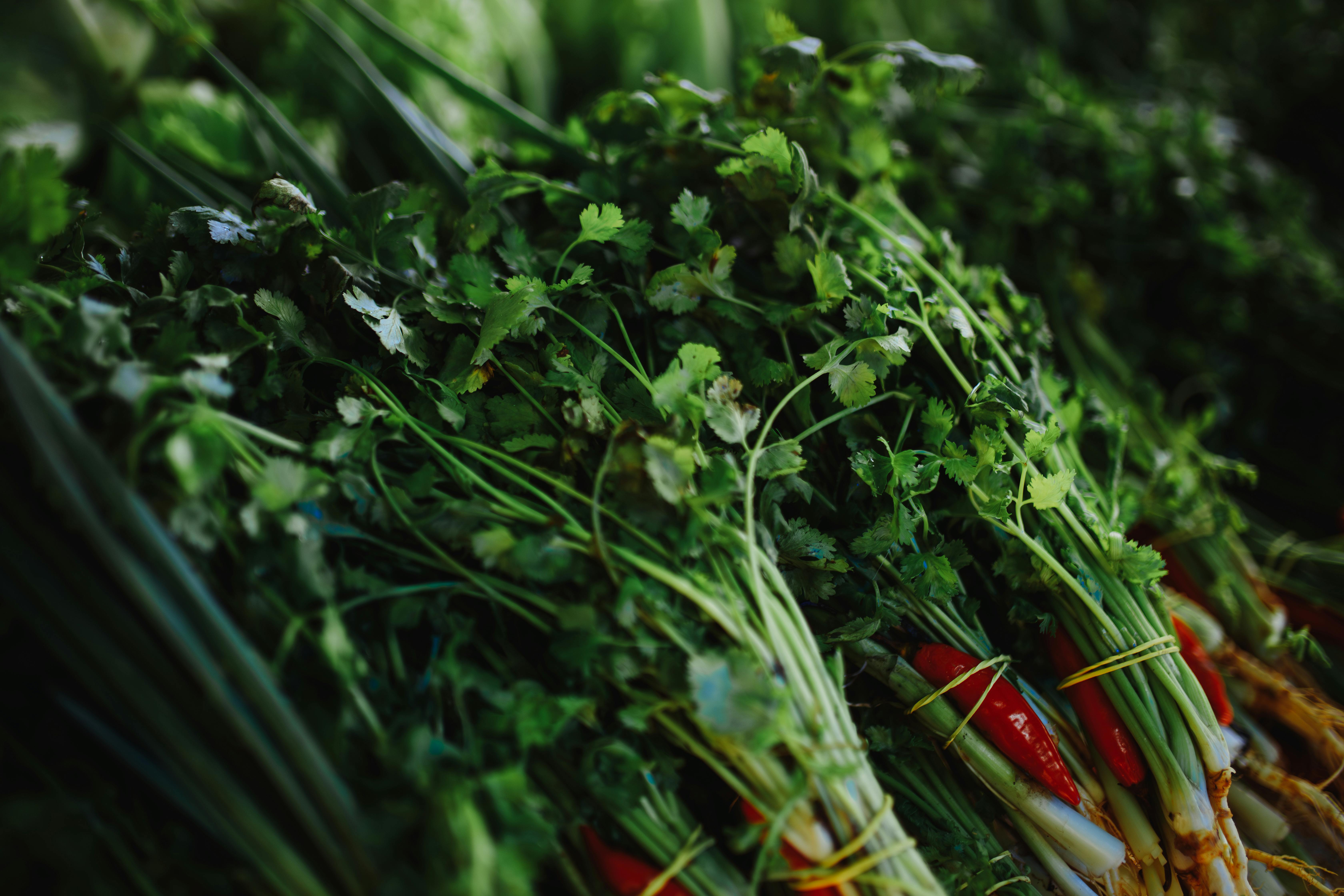
Cilantro stands out because it has been linked to several Cyclospora investigations over the years in North America. Its delicate leaves are usually eaten uncooked, and its fine structure can make thorough cleaning at home less effective than many shoppers assume.
For Canadians, the issue is not cilantro itself but where it came from, how it was grown, and whether it was mixed into prepared foods before sale. A single bunch used in salsa, salad, slaw, or garnish can spread exposure across many servings.
U.S. imports containing cilantro can include meal kits, deli sides, and restaurant-made items that do not always highlight every ingredient up front. That makes it worth checking prepared food labels and asking questions at fresh counters when outbreak news is active.
Basil can be a quiet carrier in prepared foods

Basil does not get as much public attention as lettuce, yet it appears in many raw applications that bypass heat entirely. Pesto, pasta salad, pizza finishing toppings, and deli sandwiches can all include fresh basil that was never cooked long enough to reduce risk.
Because basil bruises easily, large-scale washing and handling can be inconsistent across supply chains. Small leaves and tight bunches also create places where contamination can remain if water quality or worker hygiene breaks down at earlier stages of production.
Canadians often buy U.S. basil as fresh clamshell herbs or consume it inside ready-made products assembled in either country. During an outbreak, that makes ingredient awareness especially important, since the herb may be present even when it is not the main selling point.
Raspberries remain important even when no recall is active
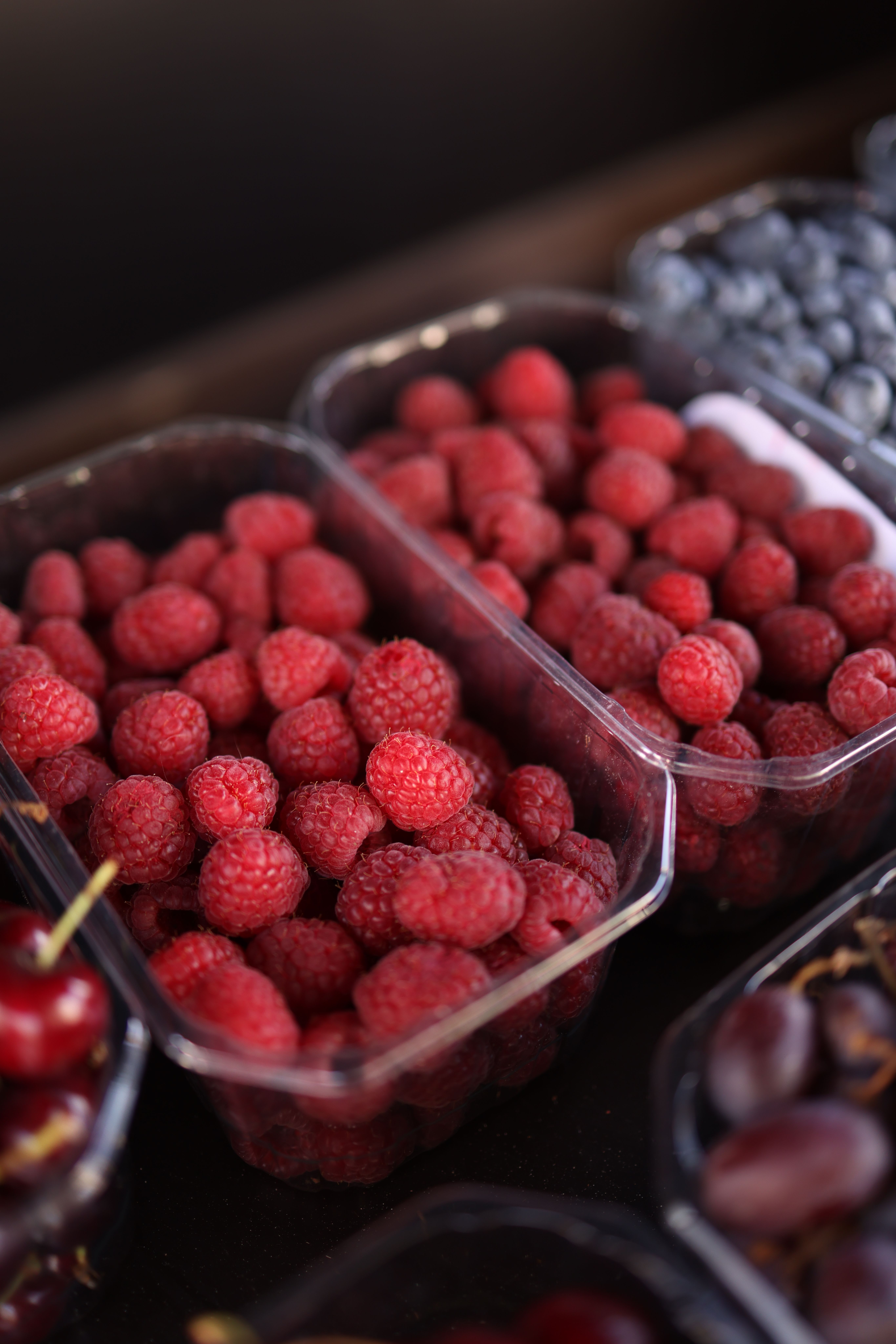
Cyclospora became widely known in part because of high-profile outbreaks tied to imported raspberries in the 1990s. Food safety systems have improved since then, but berries remain vulnerable because they are fragile, often hand-harvested, and almost always eaten without cooking.
Fresh raspberries from the United States can enter Canada in substantial volumes during peak summer demand. Their many crevices make them harder to rinse effectively, and washing can shorten shelf life, which sometimes leads consumers to skip this step until just before eating.
Risk does not mean certainty, and most berries are perfectly fine. Still, when Cyclospora cases are rising, raspberries are one of the products epidemiologists keep in mind because they fit the broader profile of moist, delicate produce consumed raw and distributed quickly.
Blackberries and mixed berries also warrant attention
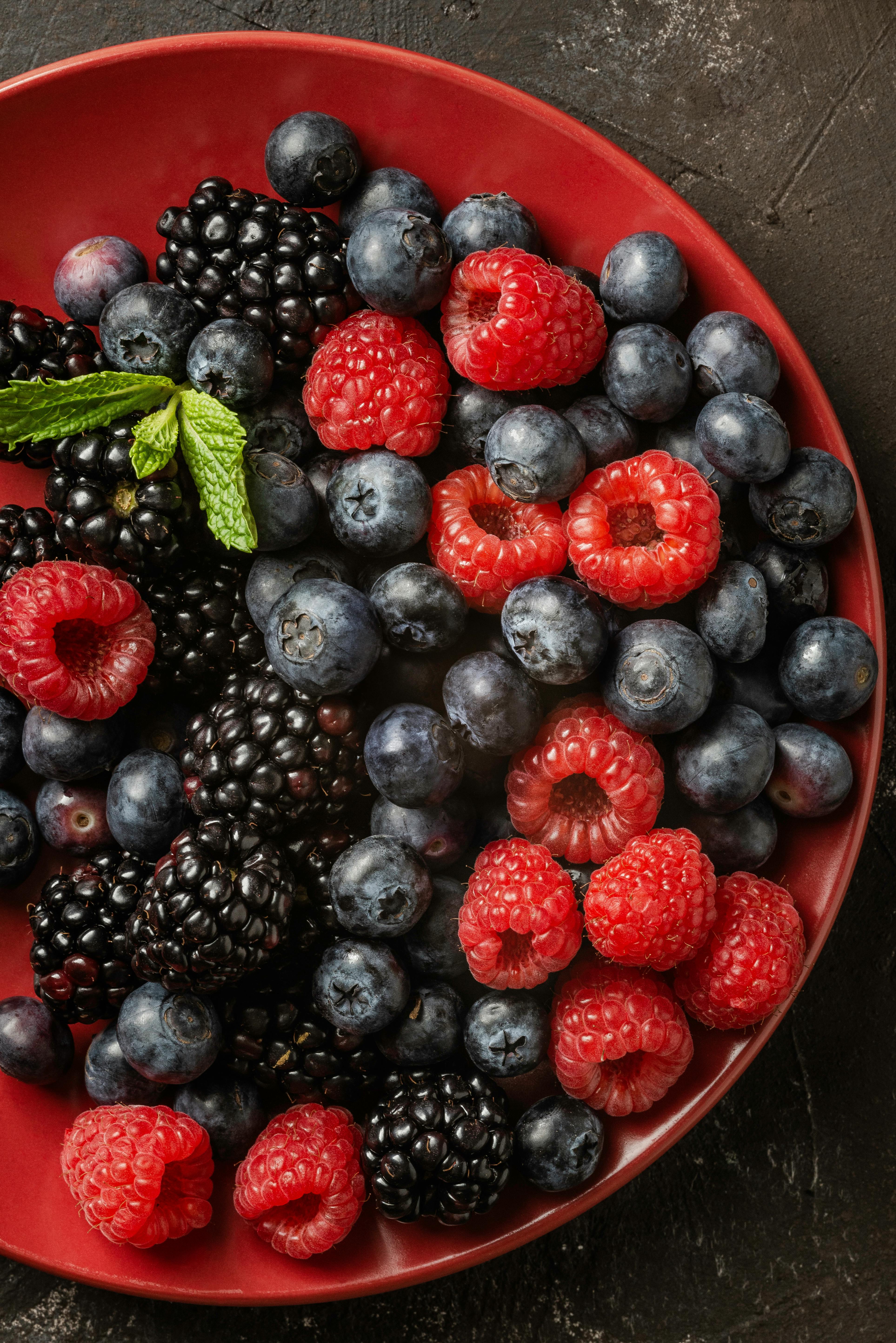
The practical concern with blackberries is similar to raspberries, but mixed berry packs create an added challenge. When several fruit sources are combined in one clamshell, tracing a contamination point becomes more complicated for regulators, retailers, and consumers alike.
Many Canadian shoppers buy berries for smoothies, yogurt bowls, lunch boxes, and desserts with little additional handling. If berries are blended raw, any contamination present is spread through the whole drink, and there is still no kill step to lower the hazard.
According to foodborne illness experts, outbreak investigations often focus on foods with broad distribution and short shelf lives because those patterns can produce dispersed cases. Mixed berry products fit that pattern, which is why they deserve extra notice during any expanding Cyclospora event.
Snow peas and snap peas can be overlooked
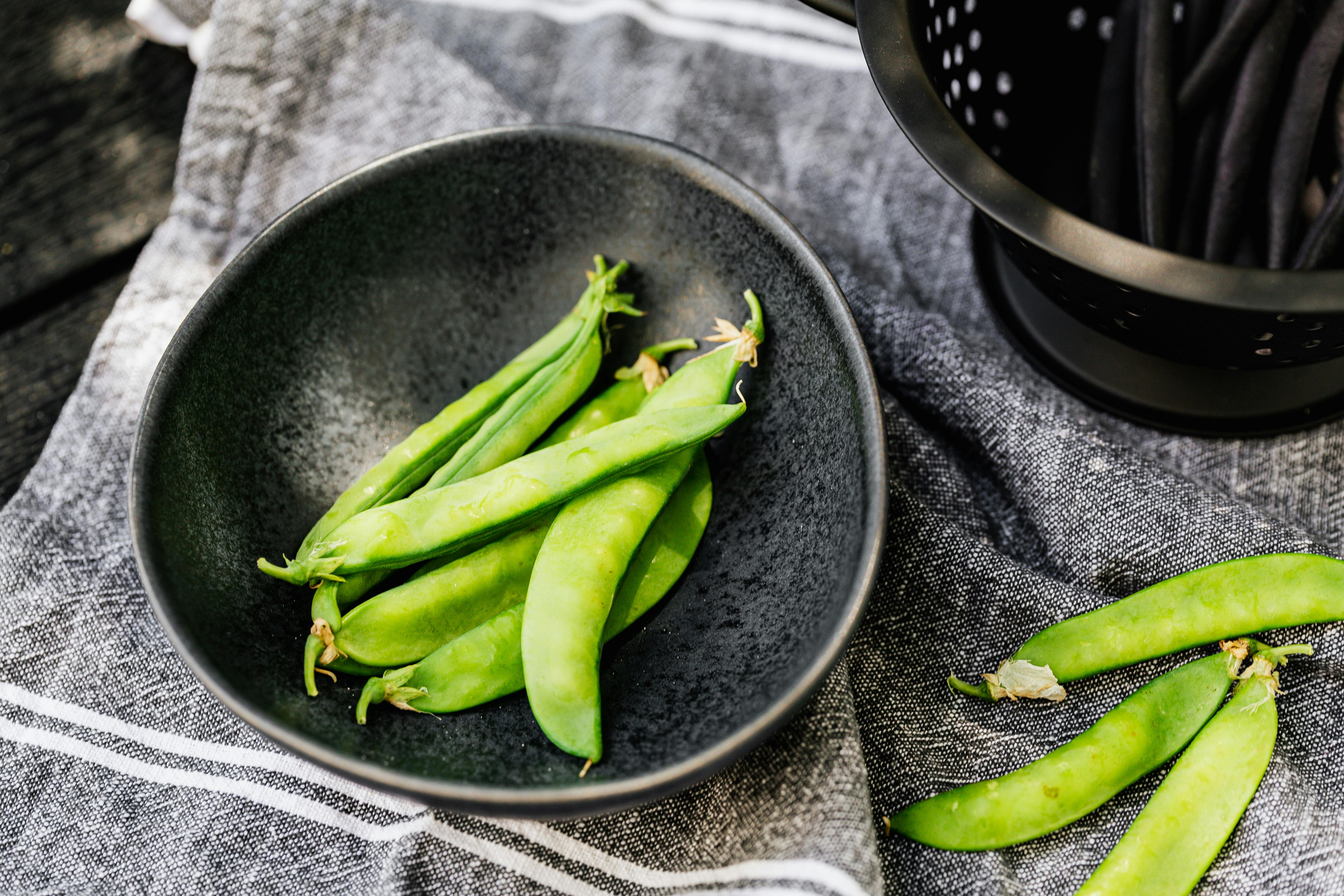
Peas often look safer to consumers because they seem enclosed in a pod, but snow peas and snap peas are usually eaten whole. That means the outer surface, which may contact irrigation water, soil, harvesting containers, and processing equipment, is part of the final bite.
These vegetables also turn up in salads, party trays, and stir-fry kits that people may nibble raw before cooking. If a consumer assumes the product will be heated later, they may be less cautious about storage, rinsing, or cross-contamination on cutting boards.
Imports from the U.S. can be especially relevant when packaged vegetables are repacked, relabeled, or folded into mixed produce assortments. In outbreak conditions, products that travel through several handling points deserve closer scrutiny, and peas often fall into that category.
Vegetable trays and party platters raise a different risk

Sometimes the highest-risk item is not a single vegetable but a convenience product combining many of them. Party trays can include broccoli, cauliflower, carrots, celery, peppers, snap peas, and dip, all assembled in one package that may contain ingredients from multiple suppliers.
If one component is contaminated, the shared tray can transfer moisture and organisms across the rest of the contents. That creates a larger exposure footprint than one loose produce item purchased on its own, especially at offices, gatherings, and family events where many people share.
Canadians buying U.S.-assembled trays should pay close attention to recall announcements because these products are distributed widely and consumed quickly. They are also easy to overlook in the fridge, long after shoppers have thrown away the outer label with the lot information.
Fresh-cut fruit deserves caution, especially in mixes
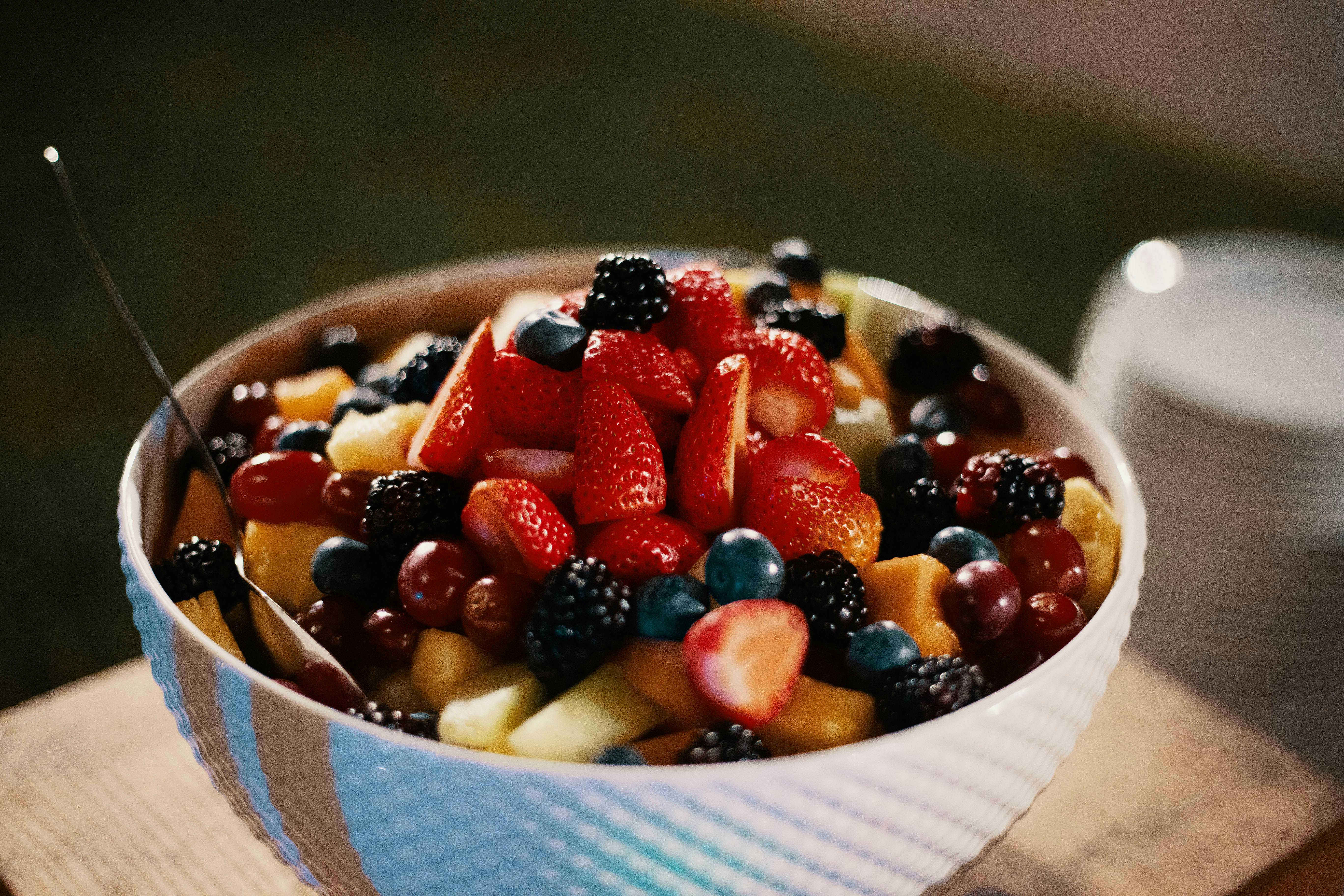
Fresh-cut fruit is popular because it saves time, but every extra cutting and packing step adds another chance for contamination. Melon, pineapple, strawberries, and grapes may not be the classic Cyclospora examples, yet fruit mixes share the same raw, ready-to-eat risk pattern.
Cut surfaces release moisture and sugars that support spoilage and can complicate storage conditions if refrigeration slips. Once fruit is cubed or sliced, contamination from knives, gloves, bins, or conveyor surfaces can spread much more widely than with whole fruit.
For Canadian consumers, U.S. fruit cups and grocery-prepared bowls are worth watching when any produce-linked outbreak expands. The issue is less about one specific fruit than the convenience format itself, which increases handling and combines products from more than one source.
Deli salads can hide imported produce in plain sight

Potato salad, pasta salad, bean salad, and couscous salad may seem unrelated to Cyclospora at first glance. The hidden issue is that many of these products include raw herbs, chopped green onions, celery, peppers, peas, or leafy garnish imported through U.S. supply chains.
Prepared deli foods also present a memory problem during outbreak investigations. People rarely remember every spoonful they sampled from a supermarket case, and ingredient lists for clerk-served items can be less visible than those on sealed retail packages.
That matters because Cyclospora symptoms often begin about a week after exposure, sometimes longer, making food recall difficult. When case numbers climb, experts frequently urge consumers to think beyond headline foods and consider prepared items that contain multiple raw produce ingredients.
Restaurant toppings, salsas, and meal kits may be the sleeper issue

One of the easiest ways contaminated produce reaches consumers is through foods that are not sold as produce at all. A taco topping, side salsa, herb garnish, salad kit, or ready-to-cook meal can contain imported raw ingredients that blend into the final dish.
Meal kits are particularly worth watching because they combine preportioned vegetables, herbs, sauces, and garnishes from several supply streams. If one small ingredient is contaminated, customers may not connect a later illness to a product that looked fresh, sealed, and professionally assembled.
For Canadians, the smartest response is not panic but sharper attention. Check recall alerts, keep packaging until the food is eaten, wash produce where appropriate, refrigerate promptly, and be alert to prolonged diarrhea, loss of appetite, fatigue, or stomach cramps after eating high-risk fresh foods.




Leave a Reply