
Food culture has shifted in ways that are easy to notice at the table. For many baby boomers, what stands out is not just a favorite dish, but the routines, prices and social habits that once made everyday eating feel simpler and more communal.
Family dinners at a set hour

For many boomers, dinner was less flexible and more central. A set mealtime often meant most of the household sat down together, usually at home, usually with the same basic expectation that everyone would be present unless work or school made it impossible.
That ritual has weakened over time. The Bureau of Labor Statistics has shown long term changes in work schedules, commuting and time use, all of which affect when people eat. More meals now compete with shift work, activities, delivery apps and screens.
What boomers often miss is not only the food itself, but the structure. A roast, casserole or pot of soup could anchor the evening. The meal created a daily meeting point, and that sense of routine is harder to find in a culture built around convenience and constant motion.
Neighborhood diners

The classic local diner offered something that chain restaurants and app based ordering do not easily replace. It was affordable, familiar and steady, the kind of place where the coffee kept coming and the waitress might know regulars by name.
Boomers came of age when diners and luncheonettes were still common fixtures in many towns and city neighborhoods. Those places served as informal community centers as much as restaurants, especially for breakfast and late night meals.
Many independent restaurants now face higher labor, rent and food costs. The National Restaurant Association has repeatedly noted how thin restaurant margins can be. What boomers miss is the low pressure ease of a booth, a short menu, and a place where eating out did not feel rushed, branded or expensive.
Reasonably priced restaurant meals
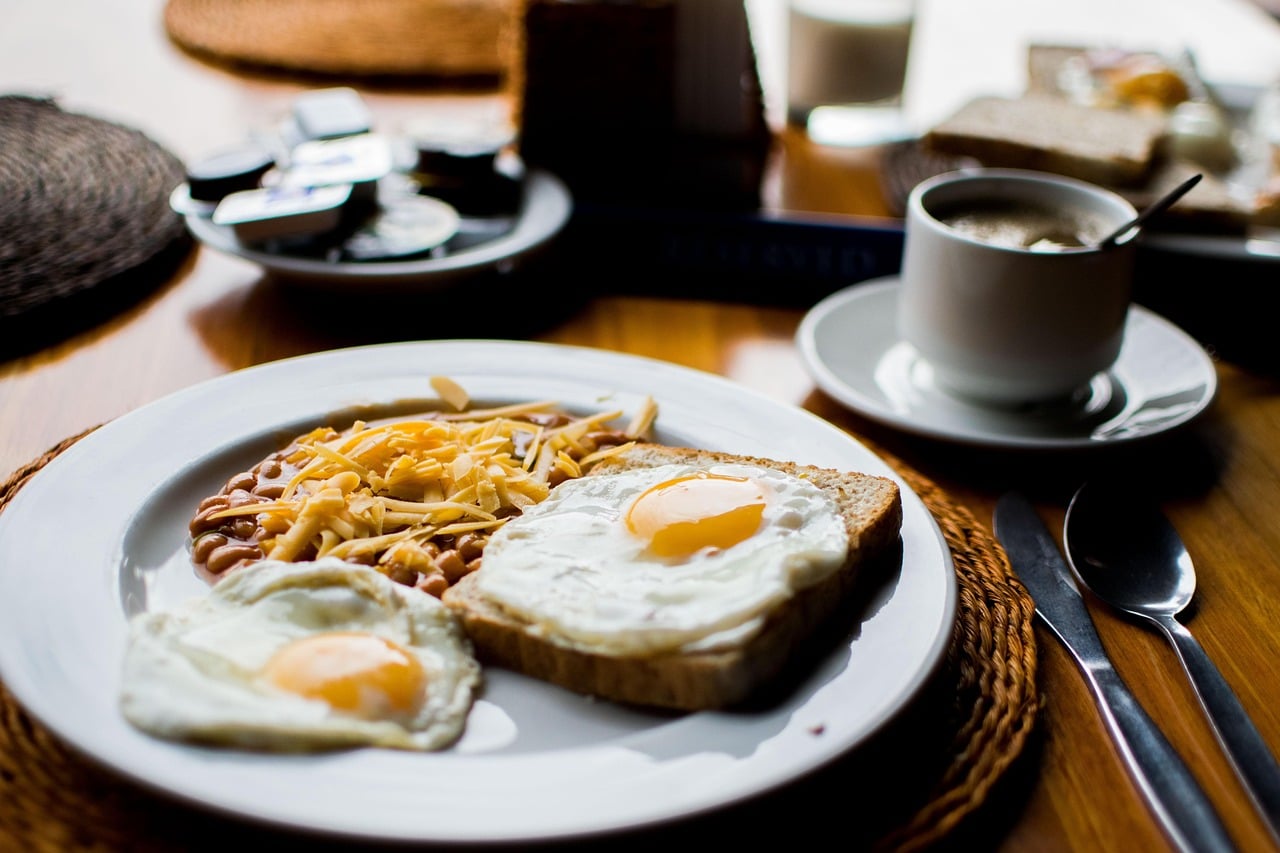
Sticker shock is one of the biggest differences older diners notice. Restaurant prices have risen sharply over time, and recent inflation made that gap feel even wider for people who remember when a casual meal out was a modest treat rather than a budget decision.
The Consumer Price Index has documented major increases in food away from home over the decades. Menu prices reflect wages, rent, utilities, insurance and ingredient costs, not just restaurant profit.
Boomers often miss the era when coffee, pie, a burger or a full breakfast felt accessible to almost anyone. The complaint is not simple nostalgia. It reflects a real shift in how much of a household budget restaurant meals can consume, even before tax and tip are added.
Full service grocery stores with butcher counters
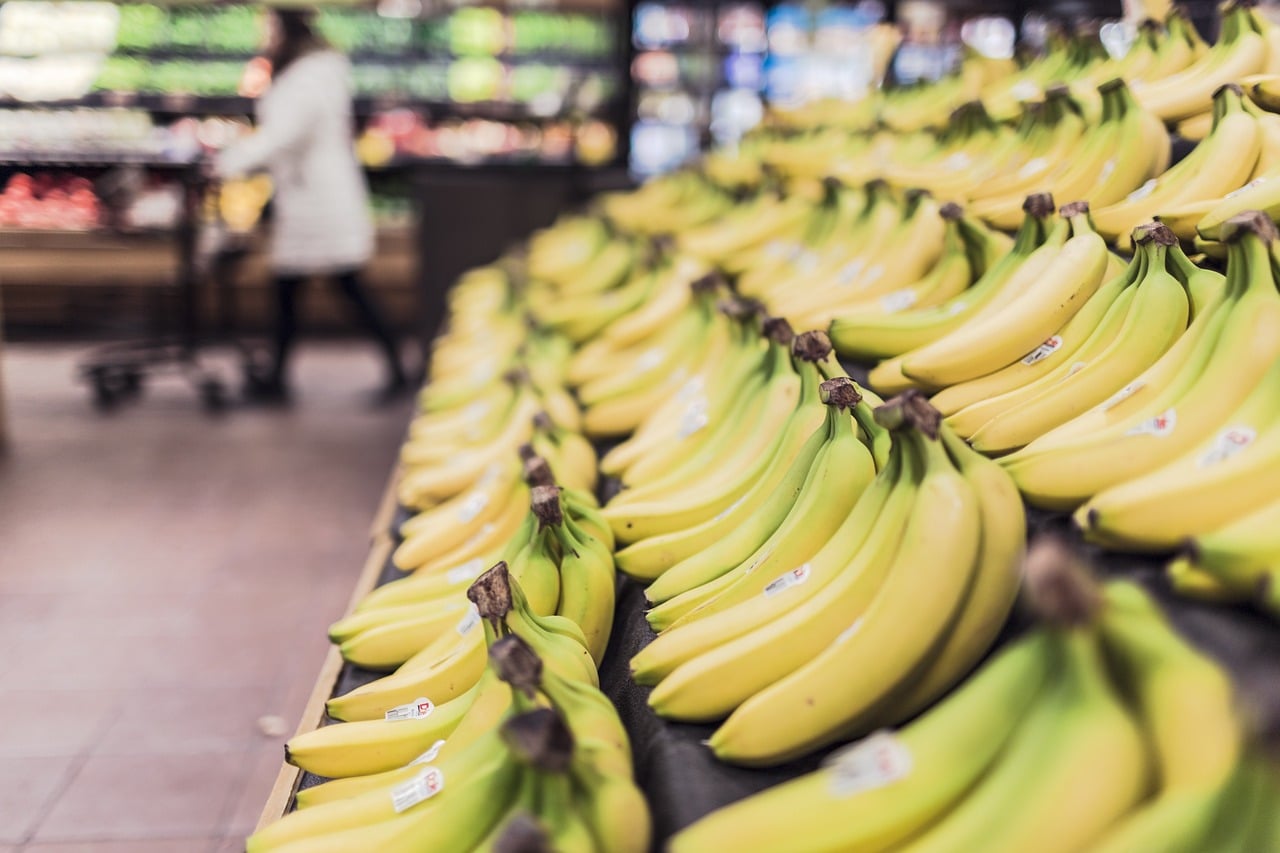
Shopping used to involve more conversation. Many boomers remember grocery stores with working butcher counters, bakery staff and clerks who could trim meat, suggest a cut or answer questions without sending shoppers to a screen or a label.
That kind of service still exists, but it is less universal. Consolidation in grocery retail and pressure to control labor costs have changed staffing models. More stores rely on prepackaged meat, self checkout and centralized production.
What gets missed is the confidence that came with human help. A butcher could explain the difference between chuck and sirloin or recommend something affordable for a family meal. The food itself mattered, but so did the knowledge passed across the counter.
Seasonal produce that actually felt seasonal
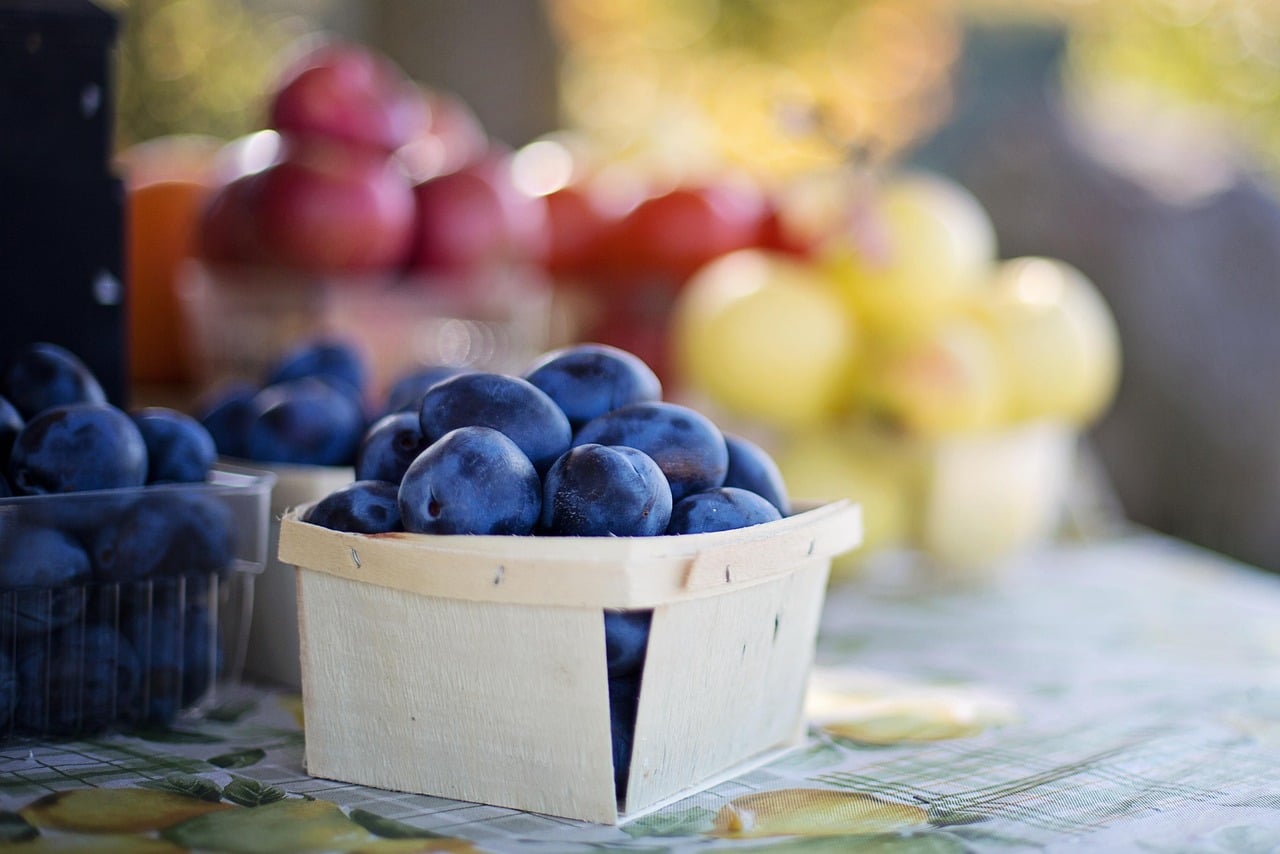
One quiet change in modern eating is that many fruits and vegetables are available almost all year. Global supply chains made that possible, and the USDA has long documented how imports help keep produce on shelves in every season.
For boomers, that convenience can come with a tradeoff. When tomatoes showed up mainly in summer and citrus peaked in winter, the calendar shaped anticipation. The first local corn, peaches or strawberries of the season meant something because they were not constant.
Many older shoppers miss that rhythm. Seasonal eating once gave produce a stronger sense of place and time, and often better flavor because it spent less time in storage or transit. Abundance increased, but the feeling of waiting for a harvest often faded.
Home cooking from basic ingredients
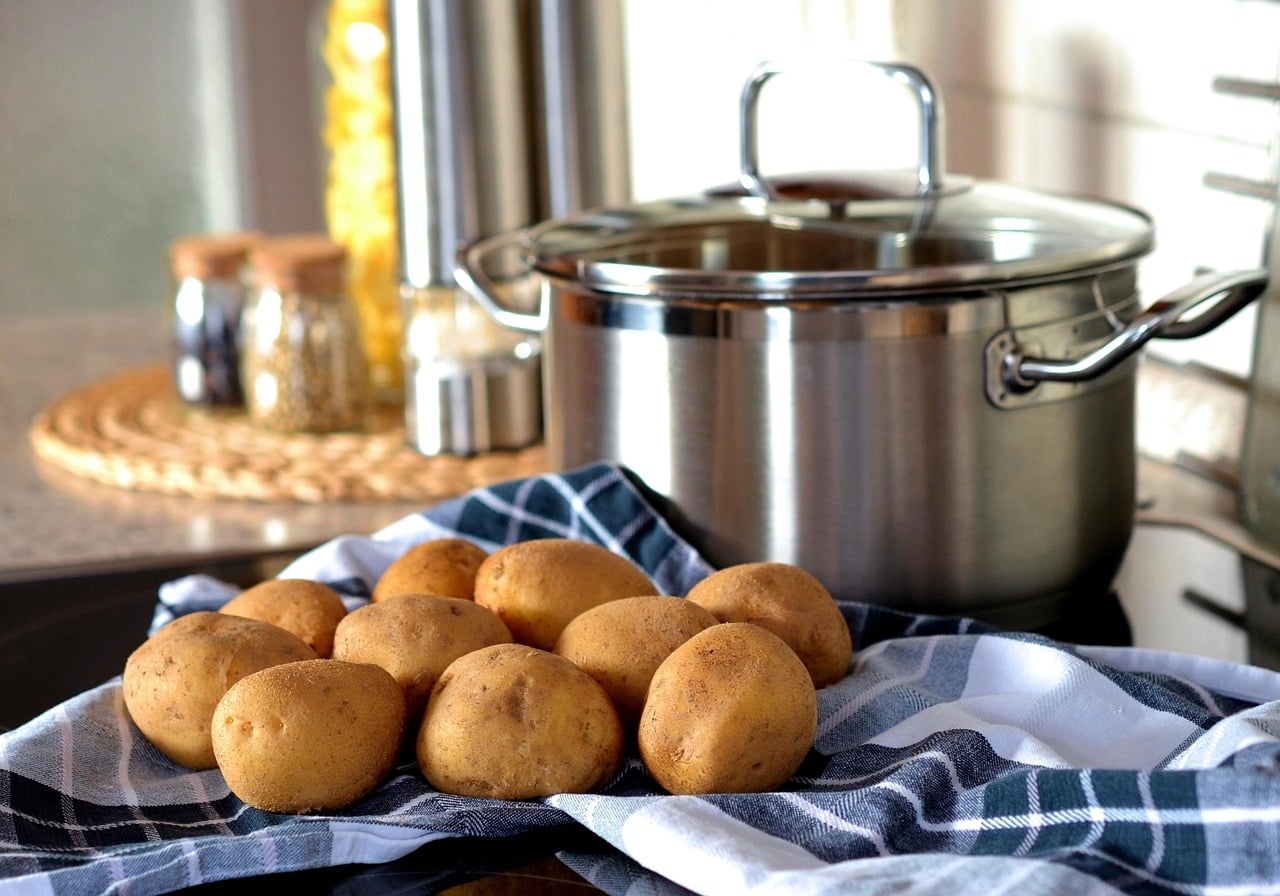
Plenty of boomers remember kitchens where dinner started with flour, potatoes, onions or a roast, not a meal kit or a prepared tray. Cooking from scratch was not always romantic, but it was a normal skill built into daily life.
Today, packaged convenience saves time, and for many families it is practical. The USDA has noted long running shifts in food spending and preparation habits, including greater reliance on foods prepared away from home or partly prepared in advance.
What boomers miss is the connection between effort and result. A pot of beans, homemade meatloaf or apple pie carried a sense of thrift and know how. Those dishes also taught younger generations what meals cost in labor, not only in dollars at checkout.
Church suppers and potlucks
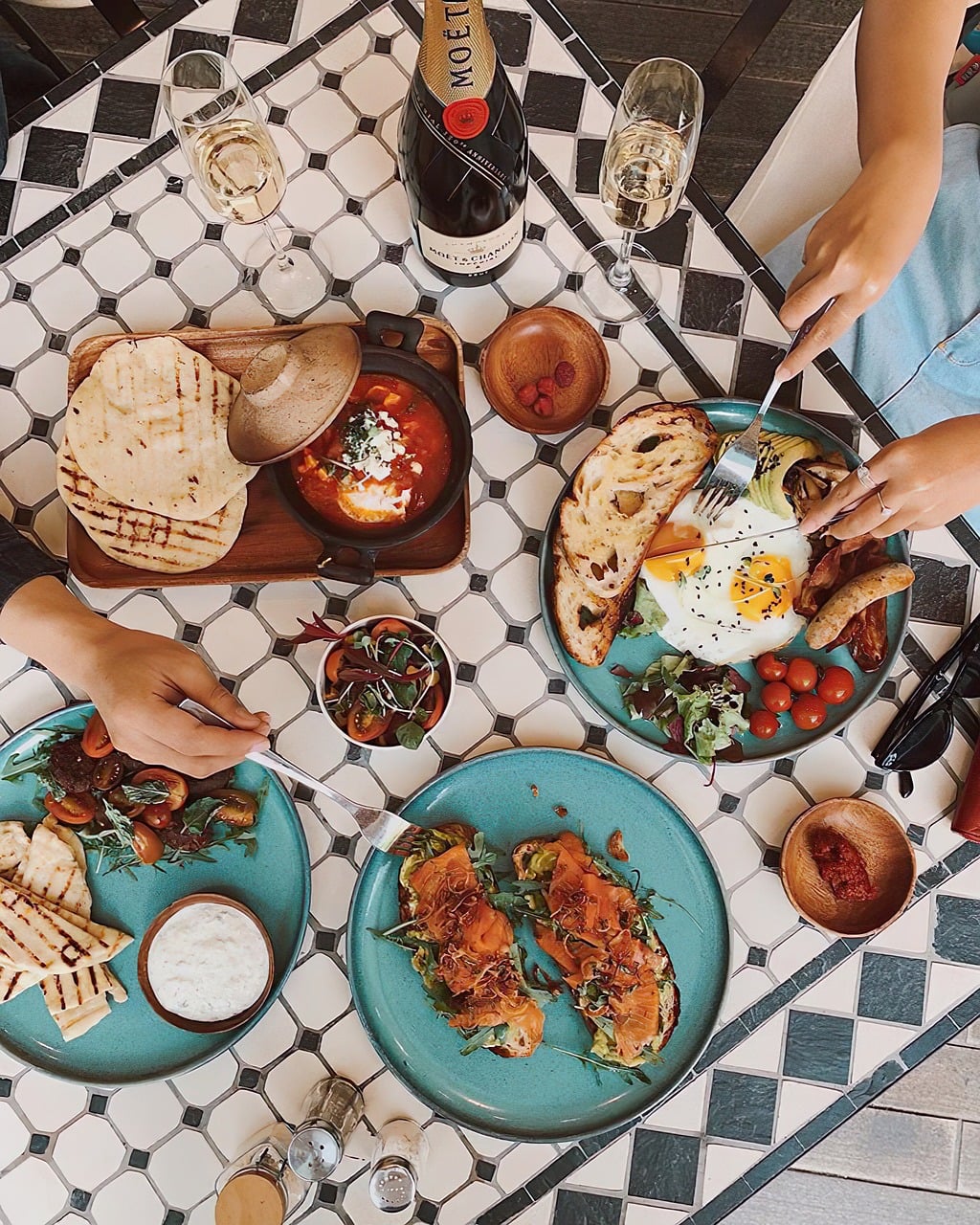
Some of the most memorable meals were not in restaurants at all. Church basements, union halls, school cafeterias and community centers once hosted potlucks and suppers that turned eating into a shared local event.
These gatherings mattered because they blended food with belonging. One family brought baked beans, another brought a gelatin salad, another showed up with fried chicken or sheet cake. The table became a map of a neighborhood's habits and heritage.
Boomers often miss that form of low cost togetherness. Modern social life can be more fragmented, and catering or takeout often replaces homemade dishes. The loss is not only culinary. It is the fading of meals where recipes, gossip, generosity and tradition all traveled together.
Smaller portions and simpler menus
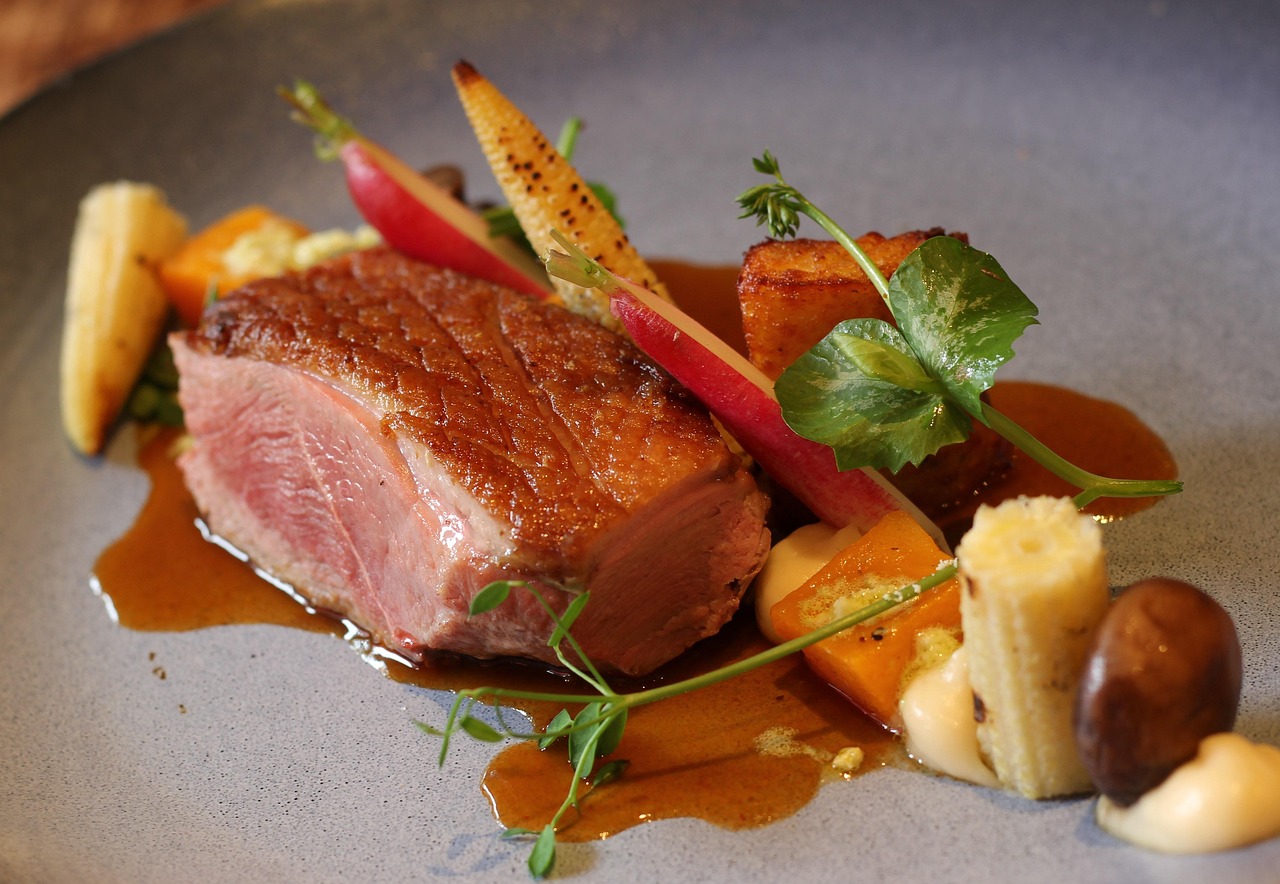
Bigger is not always better at the table. Many boomers remember restaurant menus that were shorter and portions that were closer to a standard meal, not a platter built for leftovers, photos or upselling.
Over time, portions expanded across parts of the food industry, especially in casual dining and fast food. Researchers and public health experts have long linked larger portions with changes in expectations about what a normal serving looks like.
What older diners often miss is restraint. A sandwich, soup and slice of pie could feel complete without turning into an all day calorie load. Simpler menus also made choices easier, and they gave restaurants more room to do a few things consistently well.
Less processed snack food

The snack aisle tells a story about change. Boomers grew up with packaged snacks too, but many remember a food culture in which treats were less constant, less engineered and less woven into every part of the day.
Modern snack foods are designed for convenience and shelf life, and often for a highly appealing mix of salt, sugar and fat. Public health agencies have warned for years that diets high in ultra processed foods can crowd out more nutritious choices.
What gets missed is not some perfect past, but a different balance. An apple, popcorn, peanut butter crackers or homemade cookies felt like a snack. Today, constant grazing and heavy processing can make it harder to tell where meals end and snacking begins.
Eating without phones at the table
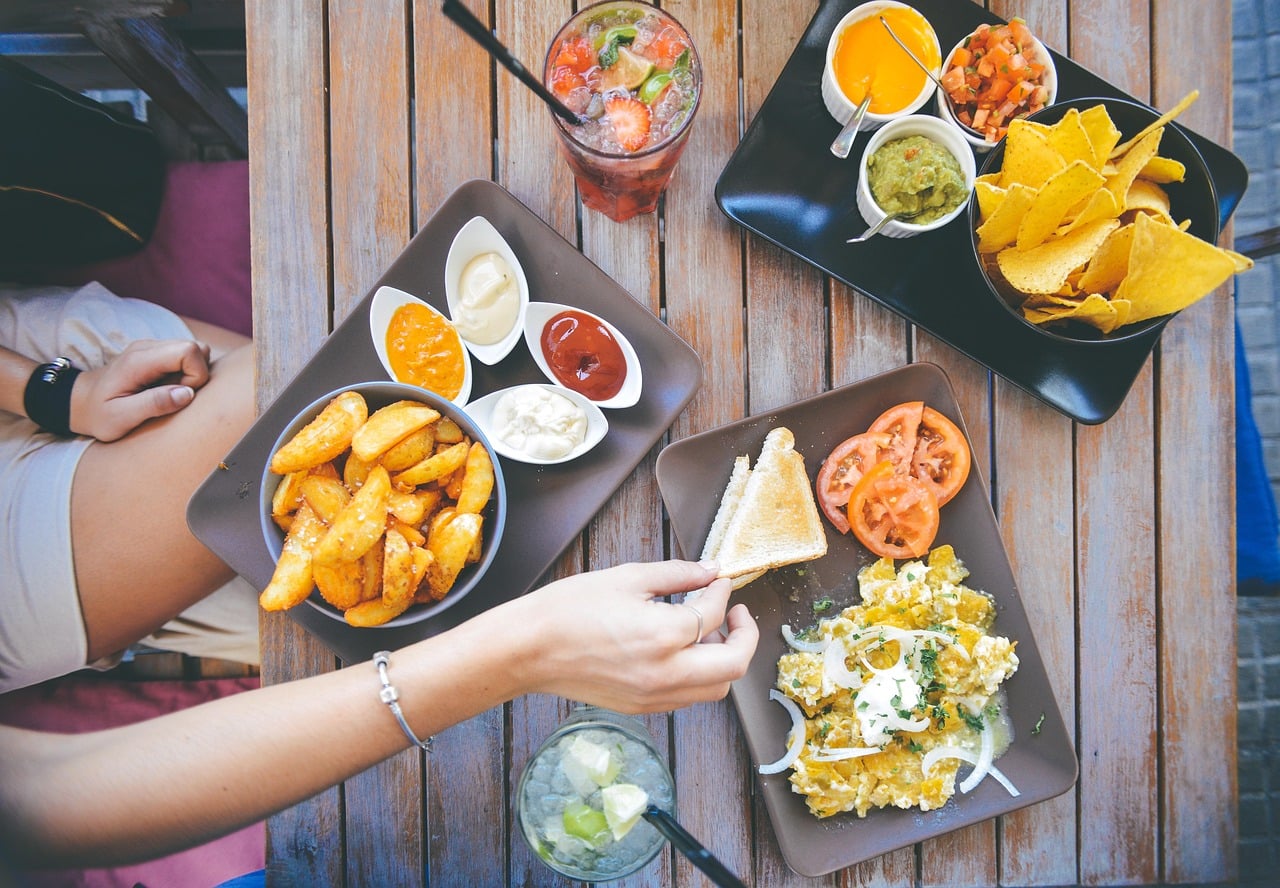
One of the biggest changes in food culture has little to do with recipes. It is the presence of phones during meals, whether at home, in restaurants or even in school and workplace cafeterias.
Boomers often remember the table as a place for uninterrupted conversation, or at least a place where the main distraction was the television in the next room. Now a meal can compete with texts, videos, work alerts and social feeds.
What they miss is attention. Sharing food once demanded fewer interruptions, which made meals feel longer and sometimes more meaningful. The dishes might have been simpler, but the experience was often fuller because the people at the table were more fully there.




Leave a Reply