
Thanksgiving dinner can look timeless, but the menu has changed a lot over the centuries. These 10 staples became holiday standards for different reasons, including seasonal harvests, cookbook influence, industrial food trends and the pull of family ritual.
Roast turkey
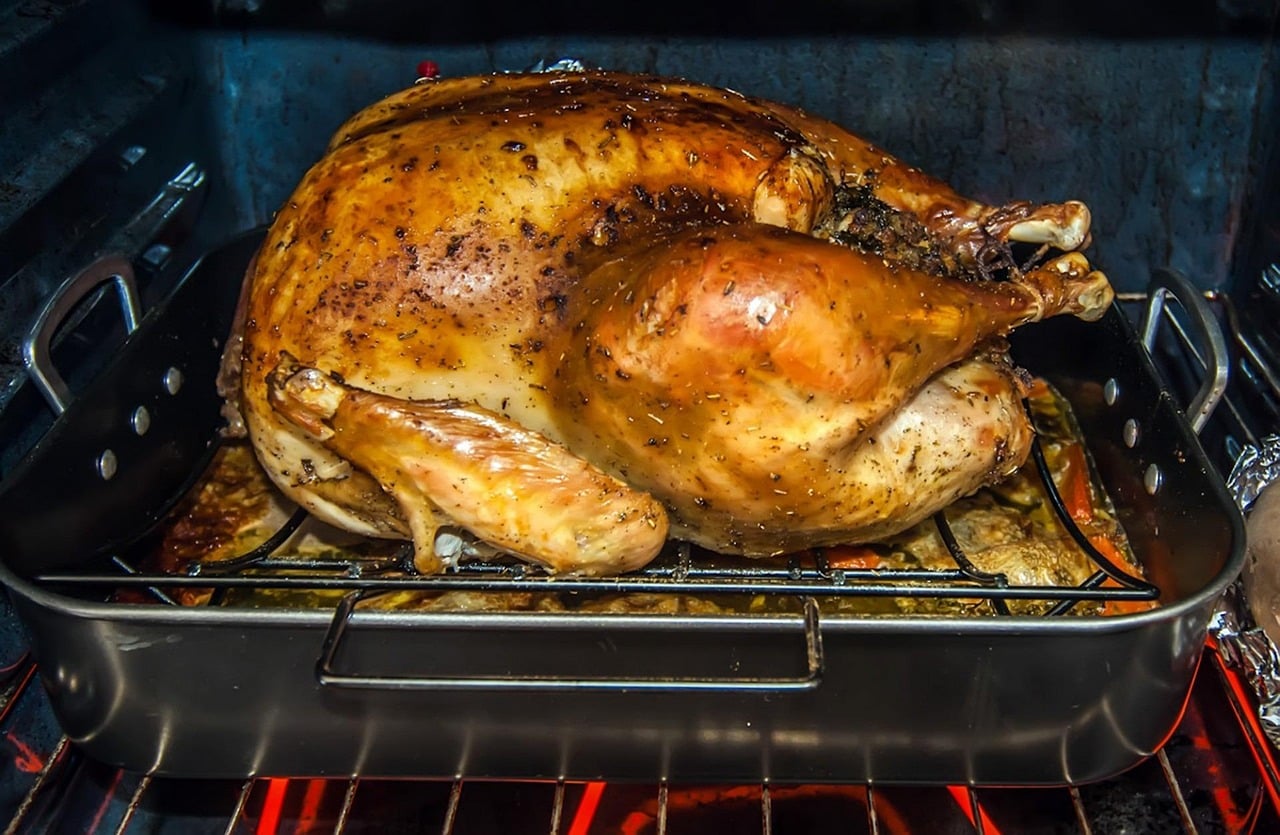
Turkey feels like the centerpiece now, but it was not always the only possible main dish. Early Thanksgiving meals varied by region and household, and historian accounts of 19th century celebrations show tables that might include beef, pork, goose or chicken alongside local game.
Turkey rose because it fit the occasion so well. A large bird could feed a crowd, which mattered for a holiday built around extended family and guests. It was also widely available on American farms by the 1800s, and unlike dairy cows or laying hens, turkeys were raised mainly for meat, making them easier to reserve for a feast.
Its hold on the holiday strengthened as Thanksgiving became more nationally standardized in the 19th century. Sarah Josepha Hale, an editor who campaigned for a national Thanksgiving, described turkey-centered holiday meals in her writing and cookbooks. Once Thanksgiving became a national holiday in 1863, a more consistent image of the "proper" dinner spread more widely.
By the 20th century, roast turkey had become the expected star, helped by newspapers, magazines and later television. The bird's size, symbolism and practicality kept it there. Even households that bend the rules often measure the meal against the image of a browned turkey arriving whole at the table.
Stuffing
Stuffing is older than Thanksgiving by many centuries. Cooks in ancient Rome recorded recipes for filling birds, and the technique survived because it stretched ingredients and added flavor to roasted meat.
At the American Thanksgiving table, stuffing found a natural home inside or beside turkey. Bread was a practical base because stale loaves could be revived with broth, herbs and aromatics like onion and celery. That made the dish both economical and adaptable, two traits that helped it spread across regions and income levels.
Regional habits gave stuffing its many identities. In parts of the Northeast, oyster stuffing became a holiday favorite, reflecting coastal foodways and a time when oysters were abundant and inexpensive. In the South, cornbread dressing often replaced wheat bread, showing how local grains and traditions shaped the same basic idea.
The modern split between "stuffing" and "dressing" is partly about cooking method and partly about language. Many families use the words interchangeably, though dressing often means a version baked outside the bird. Food safety guidance from the USDA has also pushed more cooks toward baking it separately, but the dish remains central because it tastes like thrift turned into comfort.
Mashed potatoes
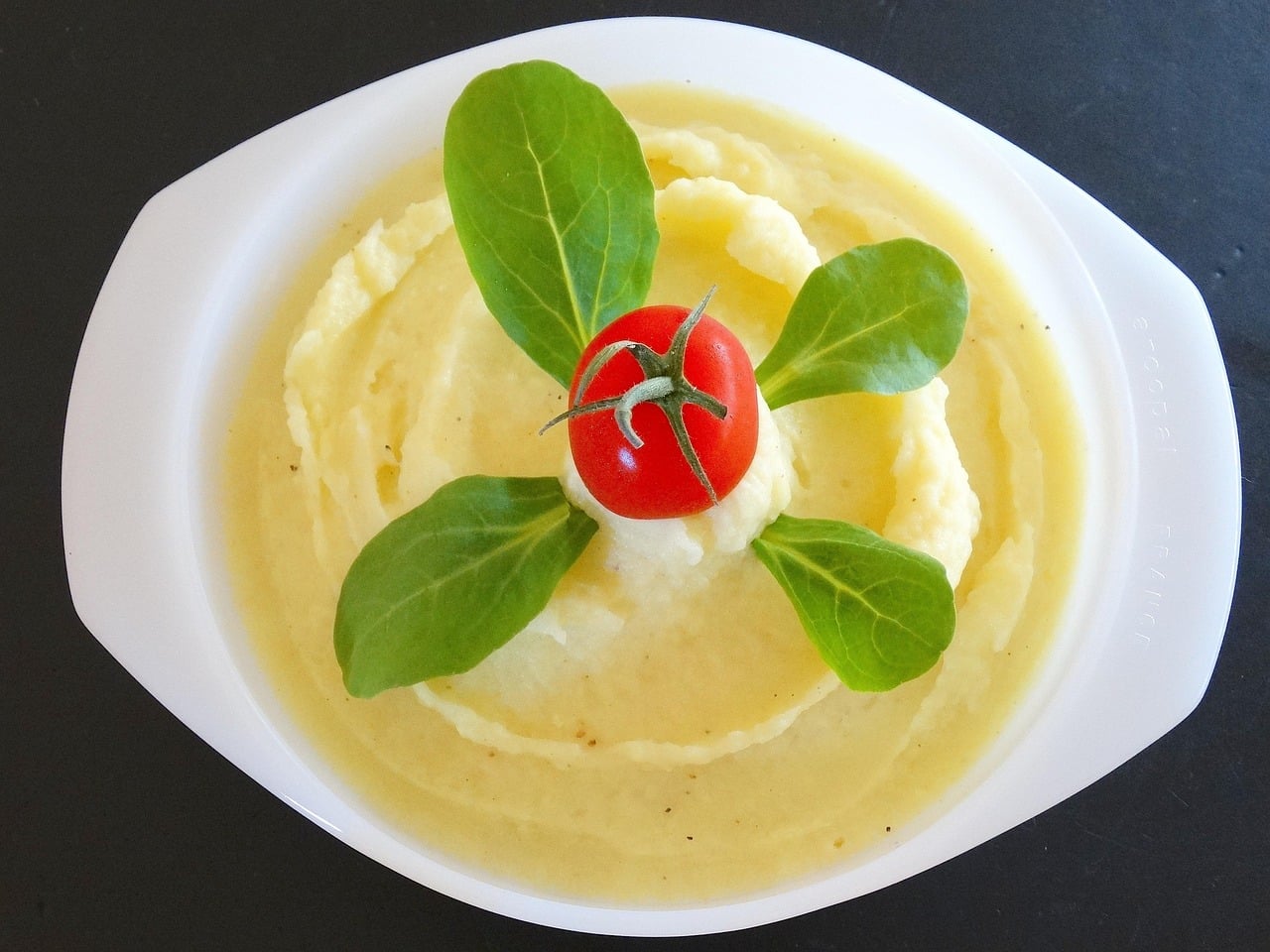
Mashed potatoes seem inevitable now, yet potatoes are not native to the Thanksgiving story most people picture. They originated in the Andes and became common in North America only after wider adoption through European trade and agriculture.
Their rise at the holiday table came down to texture, affordability and scale. Potatoes were relatively inexpensive, easy to store and simple to prepare in large quantities. Once mashed with butter and milk or cream, they created a soft, rich counterpoint to roasted meat and savory gravy.
Cookbooks in the 19th and early 20th centuries helped normalize mashed potatoes as part of formal dinners and holiday spreads. They also paired neatly with another Thanksgiving staple, gravy, giving the plate a reliable place for drippings transformed into sauce.
Mashed potatoes stayed because they are both plain and personal. One family folds in roasted garlic, another insists on ricing the potatoes for a smoother texture, and another leaves them chunky. Their role is not dramatic, but few dishes do more to make the meal feel full, warm and familiar.
Gravy
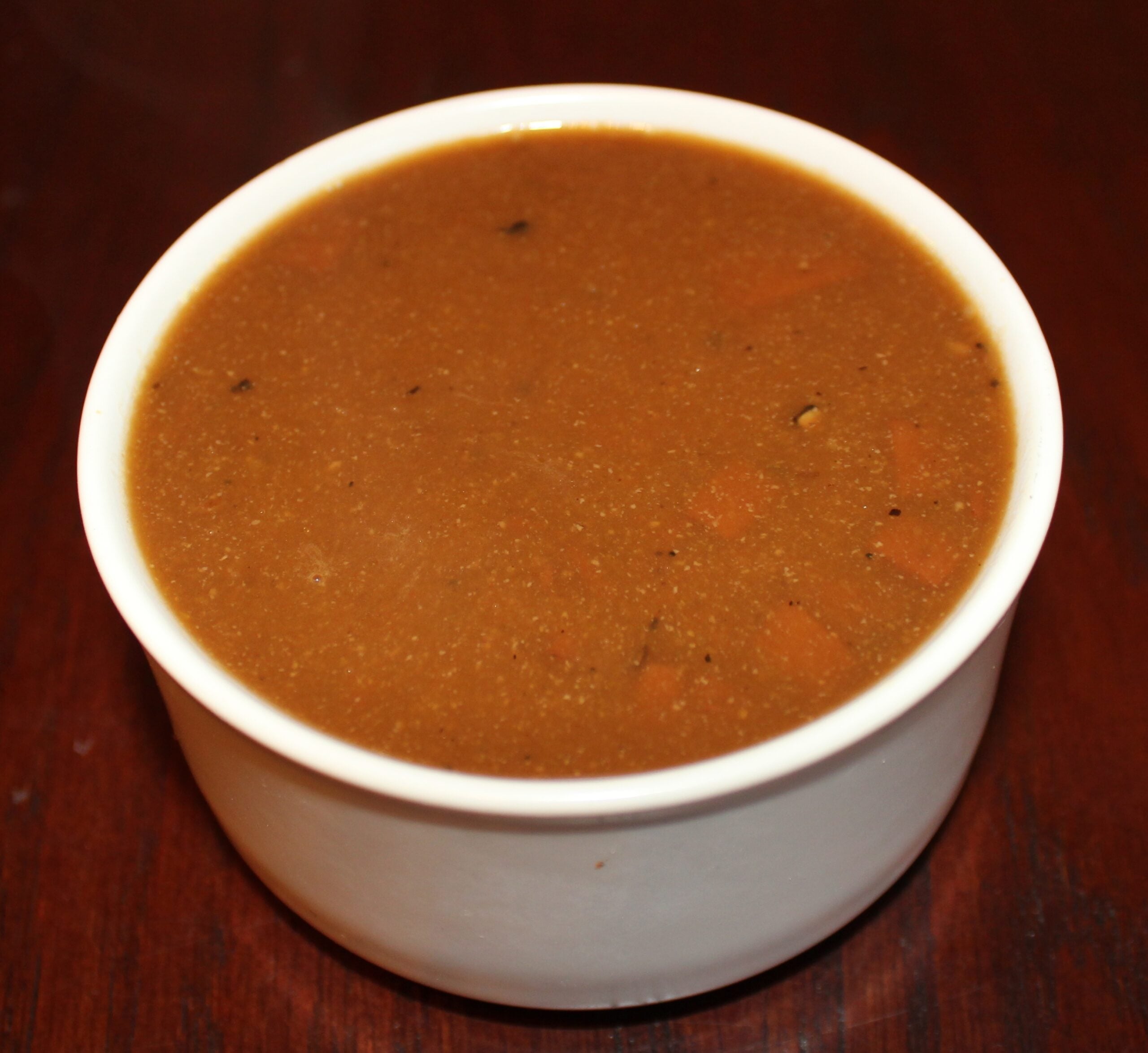
Gravy may look like a finishing touch, but it solves one of the meal's oldest problems: roast meats can be dry. By turning pan drippings into sauce, cooks added moisture and flavor while wasting less of the bird.
That thrift matters to its history. In home kitchens, gravy made practical use of what the roast gave back, usually fat, browned bits and stock. A little flour could turn those drippings into something that tied the plate together, especially over turkey, potatoes and stuffing.
Its place at Thanksgiving strengthened as the meal became more codified around roast turkey. The larger the bird, the more useful gravy became, especially if breast meat cooked longer than ideal. Generations of cooks learned that a glossy ladle of gravy could smooth over a lot.
Gravy also carries the flavor of the whole meal in one spoonful. It tastes like the roasting pan, the herbs and the stock pot at once. That concentrated flavor is why the dish feels essential, even though it is technically a byproduct of the main event.
Cranberry sauce
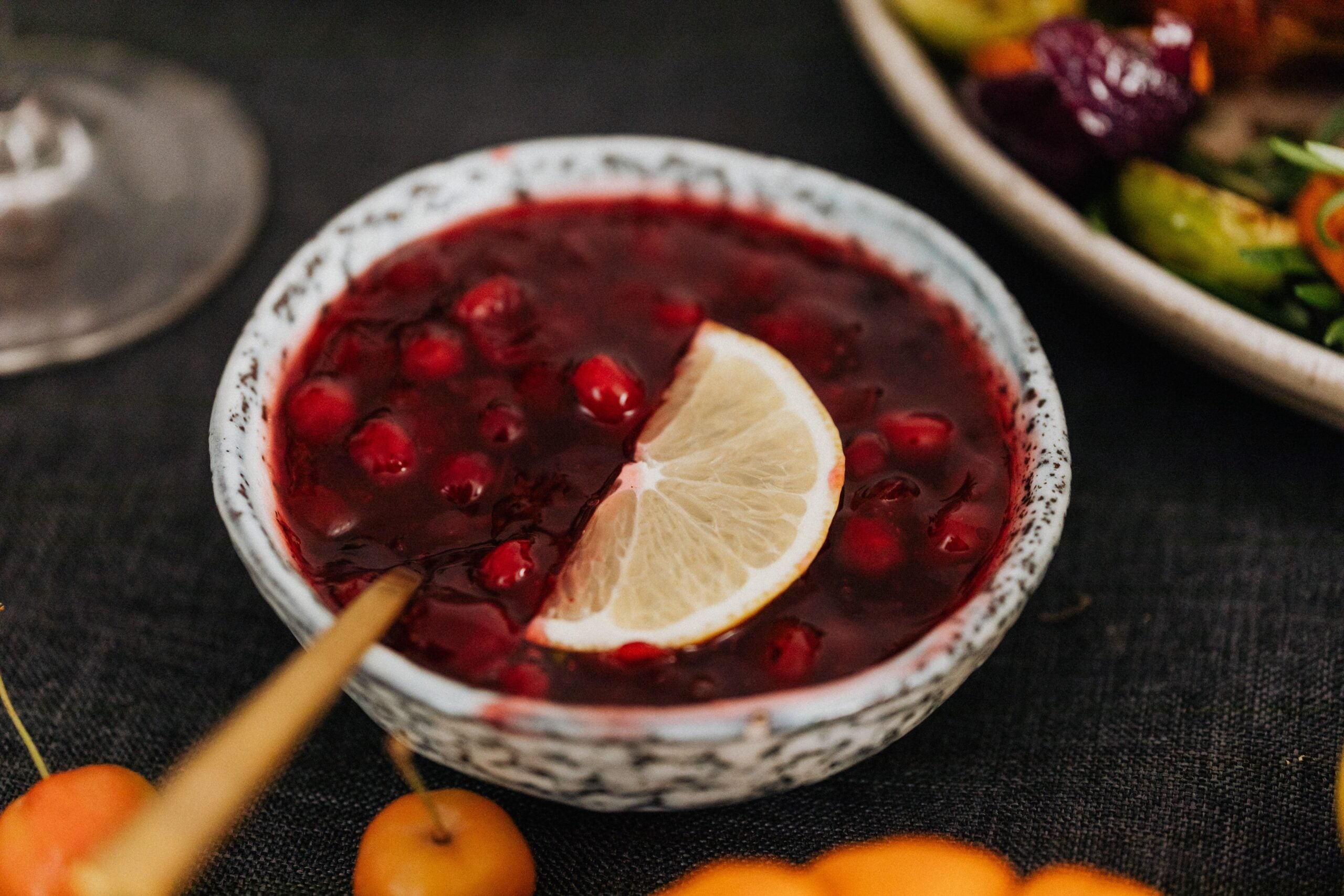
Cranberry sauce brings the sharpest contrast on the table. Its sweet tart flavor cuts through rich foods, which helps explain why it stayed while other relishes came and went.
Cranberries are one of the few fruits native to North America, and Indigenous peoples used them long before the modern holiday menu took shape. They were eaten fresh and dried, and also mixed with pounded meat and fat in foods such as pemmican. That long local history gave cranberries an obvious seasonal claim in the Northeast.
By the 19th century, printed Thanksgiving menus often paired turkey with cranberry preparations. Their timing helped too, since cranberries are harvested in the fall. In the 20th century, canned cranberry sauce made the dish even more durable by offering a consistent, easy option that could be sliced straight from the can.
The sauce's staying power comes from balance and memory. Some families simmer whole berries with orange peel, while others want the ridged canned version and nothing else. Both forms persist because the dish does a specific job better than almost anything else on the plate.
Sweet potatoes
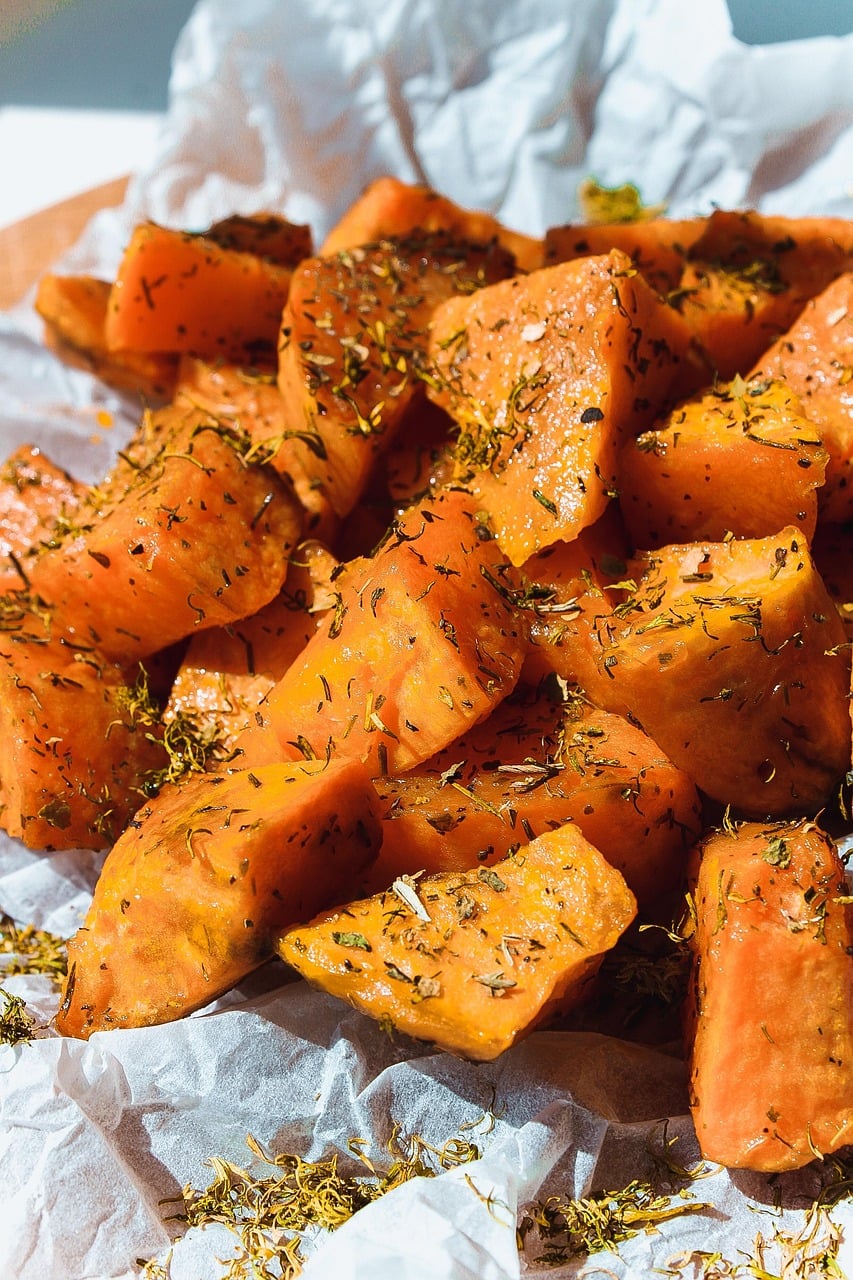
Sweet potatoes tell a regional story that became national. In the South, they had long been an important crop and a familiar part of home cooking, which made them a natural candidate for holiday meals.
They also fit Thanksgiving's love of contrasts. Their earthy sweetness worked beside salty turkey and savory stuffing, and cooks could prepare them mashed, baked or in casseroles. By the late 19th and early 20th centuries, recipes for candied sweet potatoes were appearing in American cookbooks and newspapers.
The marshmallow-topped version came later and reflects the power of food marketing. In 1917, a booklet created to promote Angelus Marshmallows included a recipe for sweet potatoes baked with marshmallows on top. That combination may sound whimsical, but it helped fix a more dessert-like form of the dish in the holiday imagination.
Today, the debate over brown sugar and pecans versus marshmallows says a lot about family tradition. However they appear, sweet potatoes stayed because they connect harvest season, regional identity and the American habit of turning vegetables into comfort food.
Green bean casserole
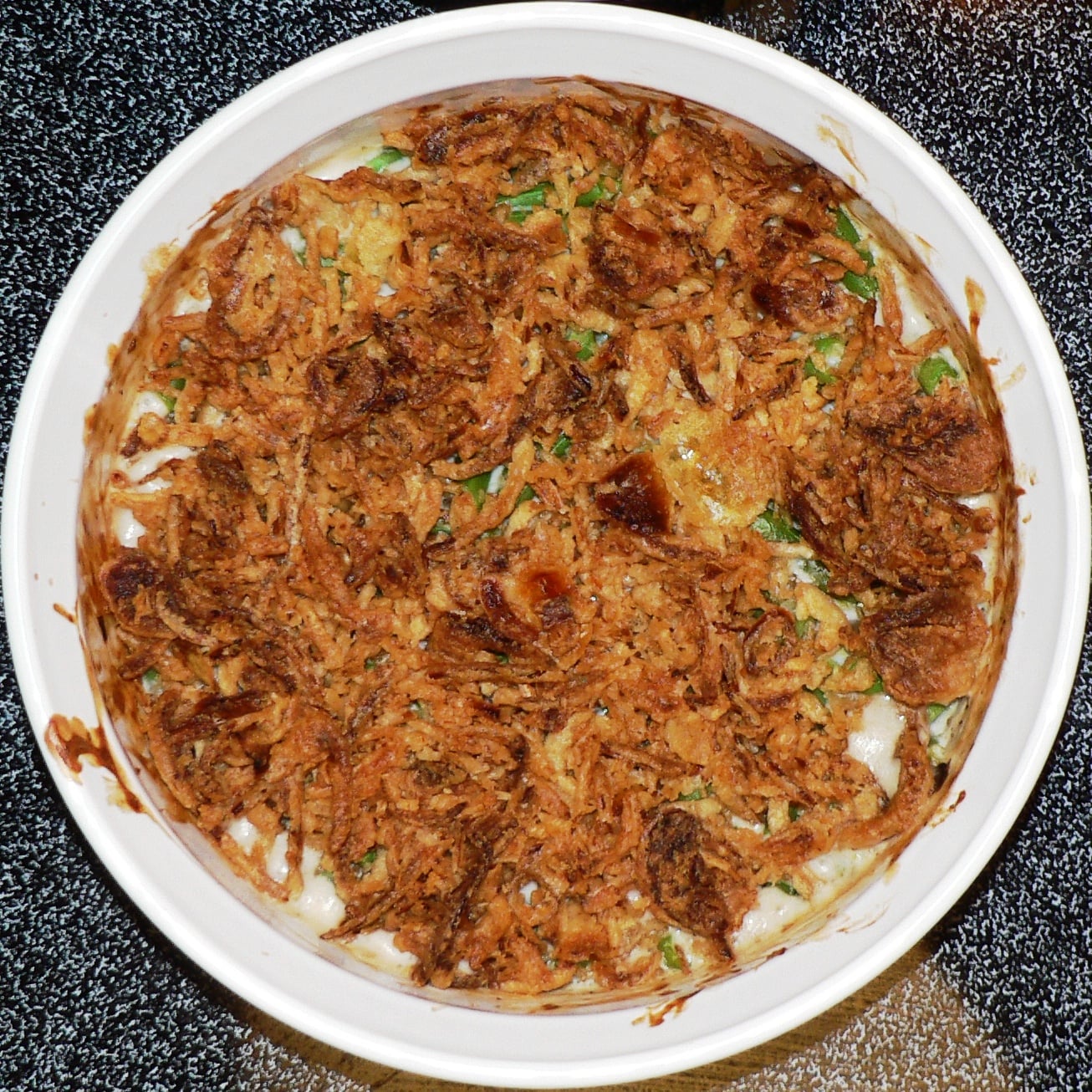
Green bean casserole is younger than many dishes on the table, but few are more firmly tied to midcentury Thanksgiving. It was created in 1955 by Dorcas Reilly in the Campbell Soup Company test kitchen.
The recipe was designed for convenience. It used ingredients many households already had or could easily buy, including condensed cream of mushroom soup, canned green beans and canned fried onions. That made it affordable, fast and approachable for home cooks who were feeding a crowd.
Its success shows how processed foods reshaped American holiday cooking after World War II. Companies published recipes that doubled as product marketing, and busy families adopted them because they reduced labor without giving up the idea of a homemade meal. Green bean casserole fit that moment perfectly.
It endured because it delivers exactly what Thanksgiving often rewards: creaminess, crunch and nostalgia in one dish. Even households that cook from scratch all year may make an exception for this casserole, because its appeal is tied as much to memory as to flavor.
Dinner rolls
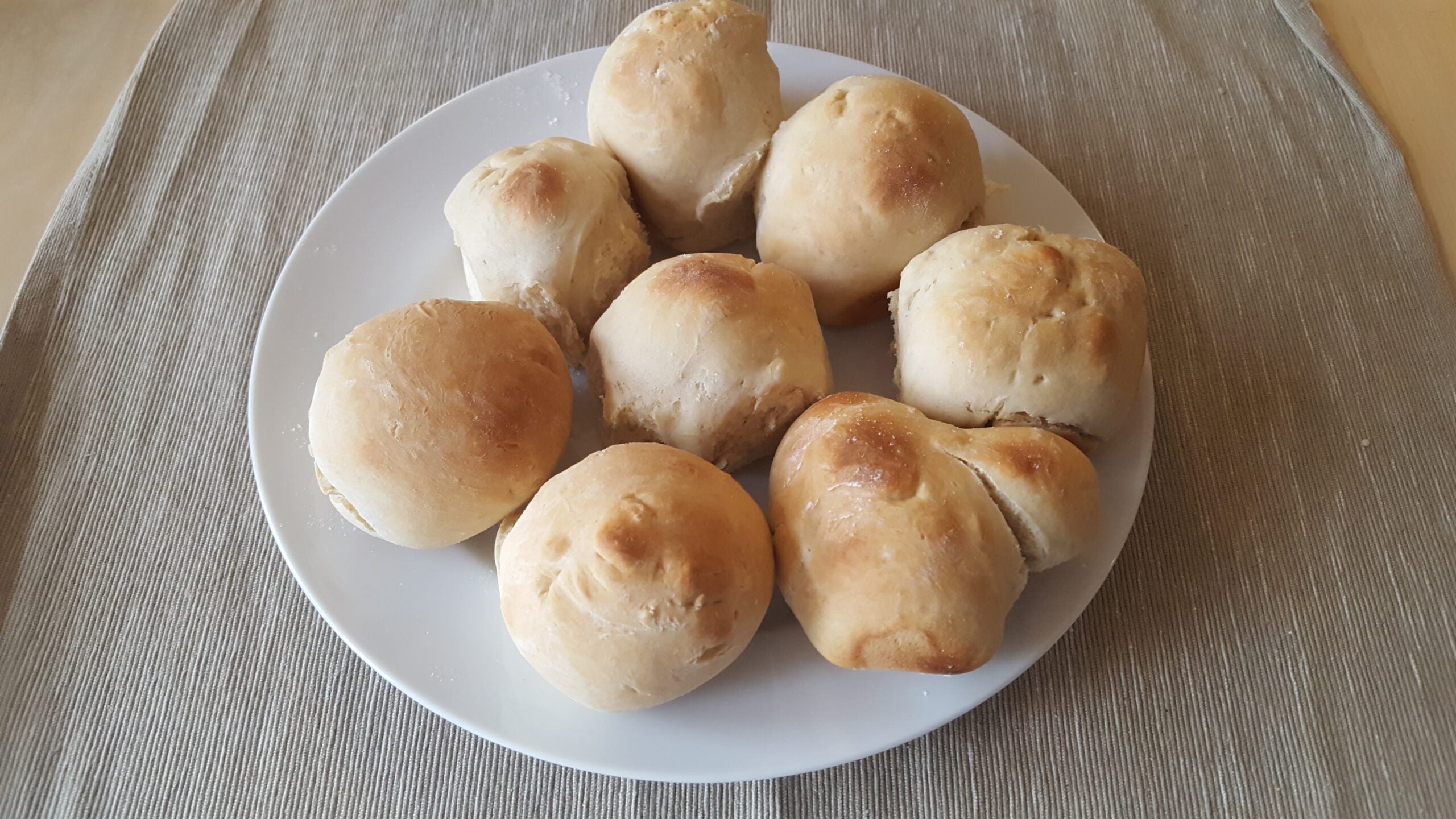
Dinner rolls are easy to overlook, but they reveal how Thanksgiving became a feast of abundance. Bread has long signaled hospitality, and a basket of warm rolls adds the feeling that there is more than enough to go around.
They also serve a practical role. Rolls can stretch the meal, catch gravy and provide a neutral bite between richer foods. In large gatherings, they help feed extra guests without much fuss, which makes them useful as well as symbolic.
Their exact form varies widely. Some families bake Parker House rolls, a style associated with 19th century American hotel dining. Others bring cloverleaf rolls, biscuits or soft white pan rolls, depending on region and custom. The common thread is not one specific recipe but the expectation of fresh bread on a special table.
That flexibility explains their staying power. Rolls do not need to be dramatic to matter. They make leftovers into small sandwiches, give children something familiar to reach for, and quietly reinforce the sense of generosity that defines the holiday meal.
Pumpkin pie
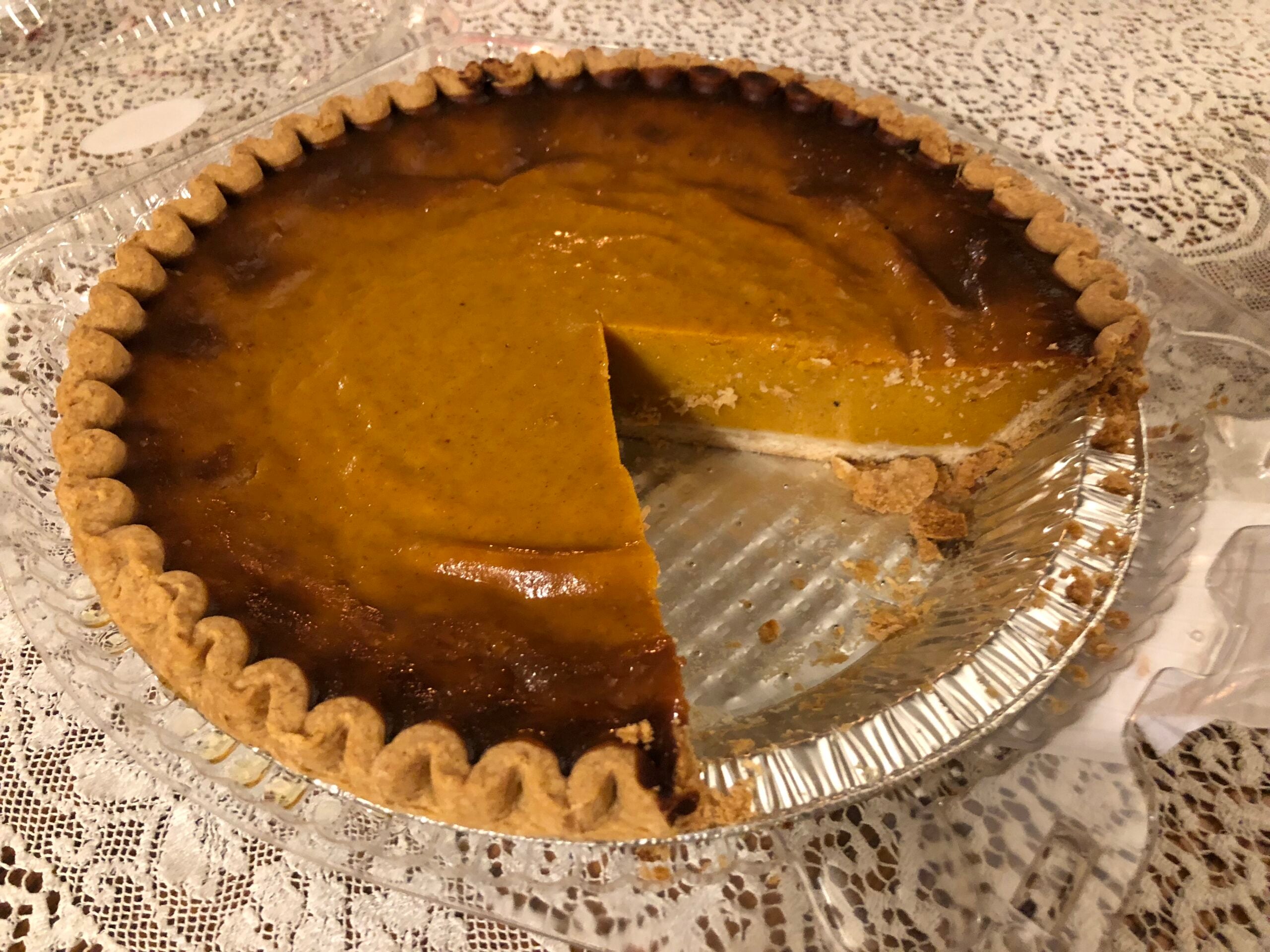
Pumpkin pie feels deeply old American, though the modern version took time to develop. Pumpkins and squashes were widely grown in North America, but early colonial cooking often used them in stews, boiled dishes or baked custards rather than in the pie most people know now.
The pie gained ground as wheat flour, sugar and dairy became more available, making pastry and custard fillings easier to produce. By the 19th century, pumpkin pie was appearing regularly in Thanksgiving writing and menus, helped again by Sarah Josepha Hale, who included it in descriptions of the ideal holiday feast.
Its seasonal logic is strong. Pumpkins are harvested in the fall, store well and turn into a spiced dessert that feels tied to cooler weather. Cinnamon, ginger, nutmeg and cloves gave the pie a flavor profile that many Americans came to associate specifically with autumn.
Pumpkin pie also became easier to standardize in the 20th century through canned pumpkin. That convenience mattered. The dessert stayed at the center of Thanksgiving because it combines harvest symbolism, pantry practicality and a taste many people read as the end point of the meal.
Pecan pie
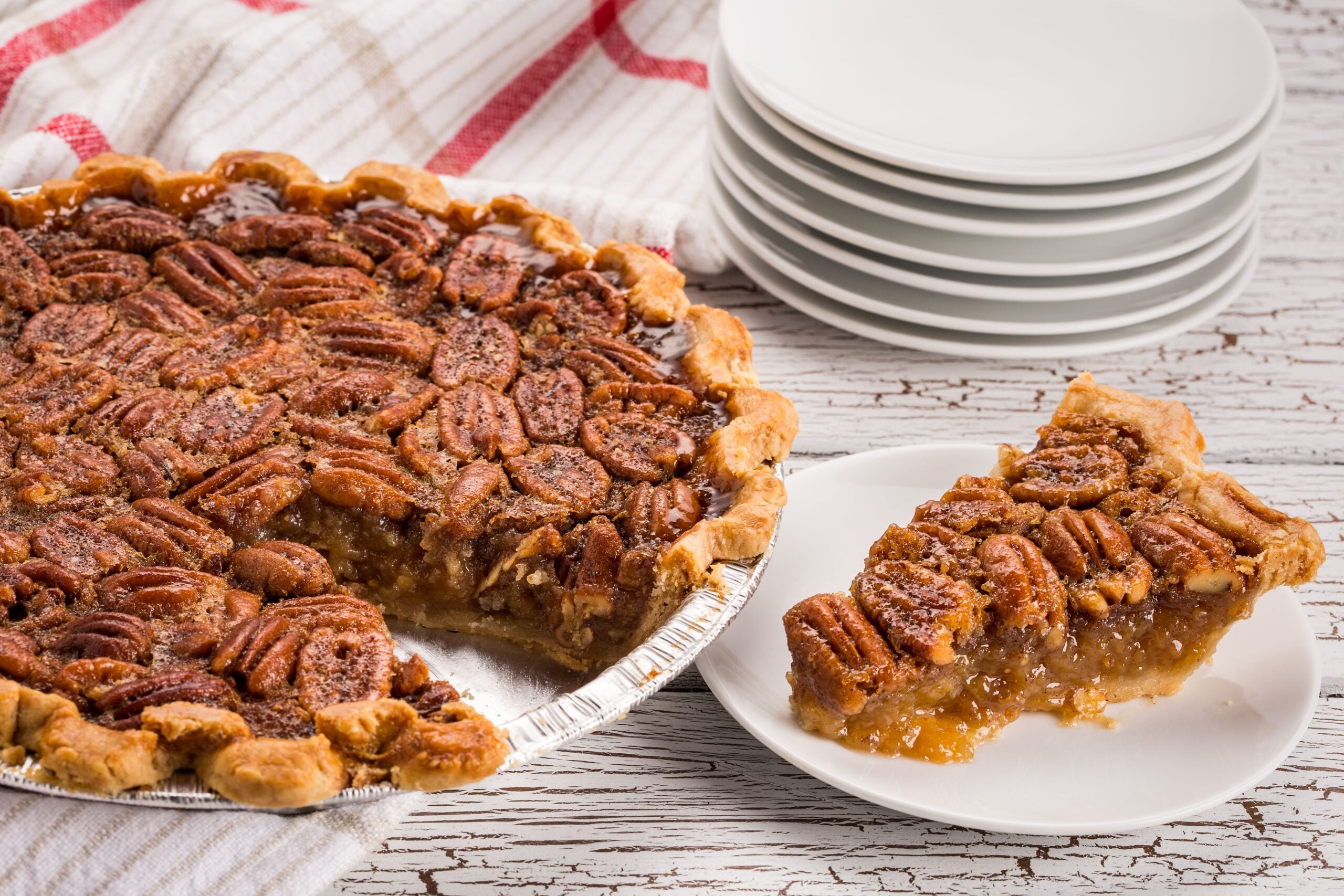
Pecan pie is a fitting closer because it shows how Thanksgiving traditions keep evolving. Pecans are native to North America and especially associated with the South, where the nut became a natural ingredient for holiday baking.
The pie itself is a more modern standard than pumpkin pie. Recipes resembling today's version spread in the early 20th century, and the dessert's popularity grew alongside the wider use of corn syrup, which gave the filling its glossy, sweet set. Over time, it became a regular feature of Southern Thanksgiving tables and then far beyond them.
Its appeal is straightforward but distinctive. Pecan pie offers crunch, caramel notes and a richness that contrasts with the softer, spiced profile of pumpkin pie. On dessert tables, the two often work as complements rather than rivals.
That pairing says something important about Thanksgiving itself. The holiday menu is not a frozen relic from one moment in history. It is a collection of dishes that earned their places through seasonality, commerce, migration and the simple force of repetition.




Leave a Reply