
The food choices most of us make feel personal, even spontaneous. In reality, a growing share of those decisions is being nudged by software, sensors, screens and logistics tools that work in the background long before a meal reaches the table.
Delivery app home screens

The first thing many diners see is not a menu, but a ranked list. Delivery apps often sort restaurants and dishes using factors like location, delivery time, promotions and past ordering behavior, which means convenience and visibility can shape appetite before taste does.
That quiet filtering matters. A place that appears near the top is simply more likely to get tapped, while a dish marked with a discount or fast delivery promise can feel like the easiest choice after a long day.
Personalization adds another layer. If someone repeatedly orders salads, sushi or burgers, an app may continue surfacing similar options, narrowing the range of foods they seriously consider. The result is not a ban on variety, but a soft push toward the familiar.
Grocery store loyalty apps

Saving money at the supermarket now often runs through a phone. Loyalty apps can deliver digital coupons, personalized discounts and reminders based on what a shopper has bought before, turning the weekly grocery trip into a guided experience.
That guidance can change baskets in subtle ways. A shopper who opens an app for one coupon may end up noticing a deal on yogurt, frozen pizza or snack bars that was not on the original list. Price signals have always mattered, but app-based offers can make them more precise and more frequent.
Retailers benefit from that precision because purchase histories help target promotions. For shoppers, the upside is convenience and savings. The tradeoff is that the foods highlighted most often may be the ones that match a retailer's promotion strategy, not necessarily the broadest range of choices.
Smart shelves and digital price tags
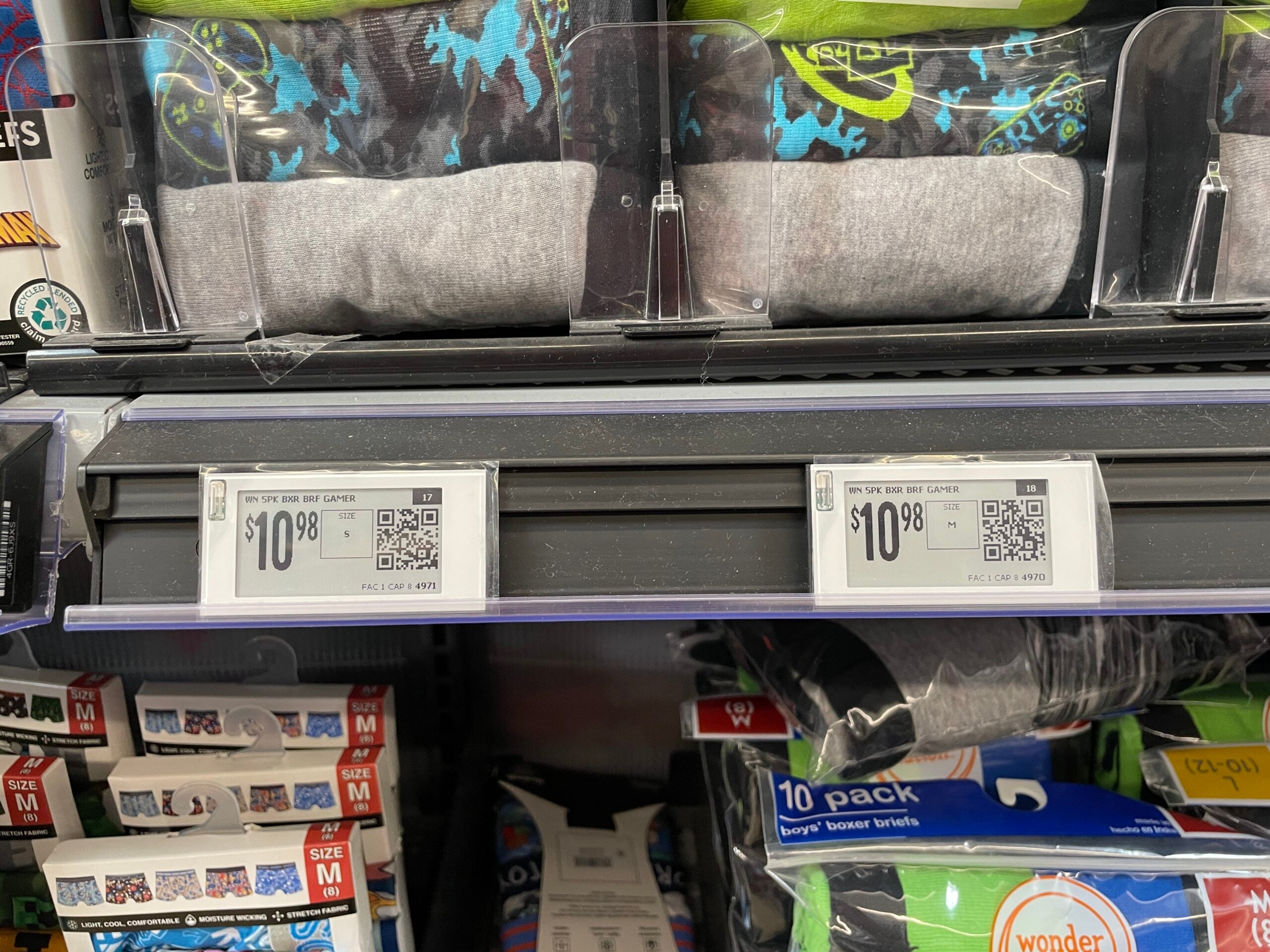
Paper shelf labels used to change slowly. Digital price tags let stores update prices and promotions much faster, sometimes across entire departments, which can influence shoppers at the exact moment they are comparing products.
That flexibility can help stores respond to supply shifts, seasonal demand or excess inventory. If berries need to move quickly or a certain cereal is being promoted chainwide, digital tags make it easier to push that message instantly and consistently.
For customers, the effect is often psychological as much as financial. Bright labels, time-limited discounts and clearly displayed per-unit pricing can steer attention toward one item over another. Many people still believe they are simply choosing what looks best, even when the shelf itself has been carefully optimized.
Restaurant recommendation algorithms

Choosing a place to eat increasingly starts with a feed of ratings, sponsored listings and map results. Recommendation systems on search engines, review platforms and reservation apps can determine which restaurants get noticed first.
This is powerful because most people do not scroll endlessly. They tend to consider the first few credible options, especially when those options have strong star ratings, recent photos and easy booking tools. Visibility becomes part of the meal decision.
The system is not neutral. Reviews can reward trend-driven dishes, photogenic plating and familiar cuisines that attract frequent posting, while smaller or less digitally polished businesses may get less attention. In that way, software can shape not only where people eat, but also which kinds of food gain momentum in a city.
Social media food trends
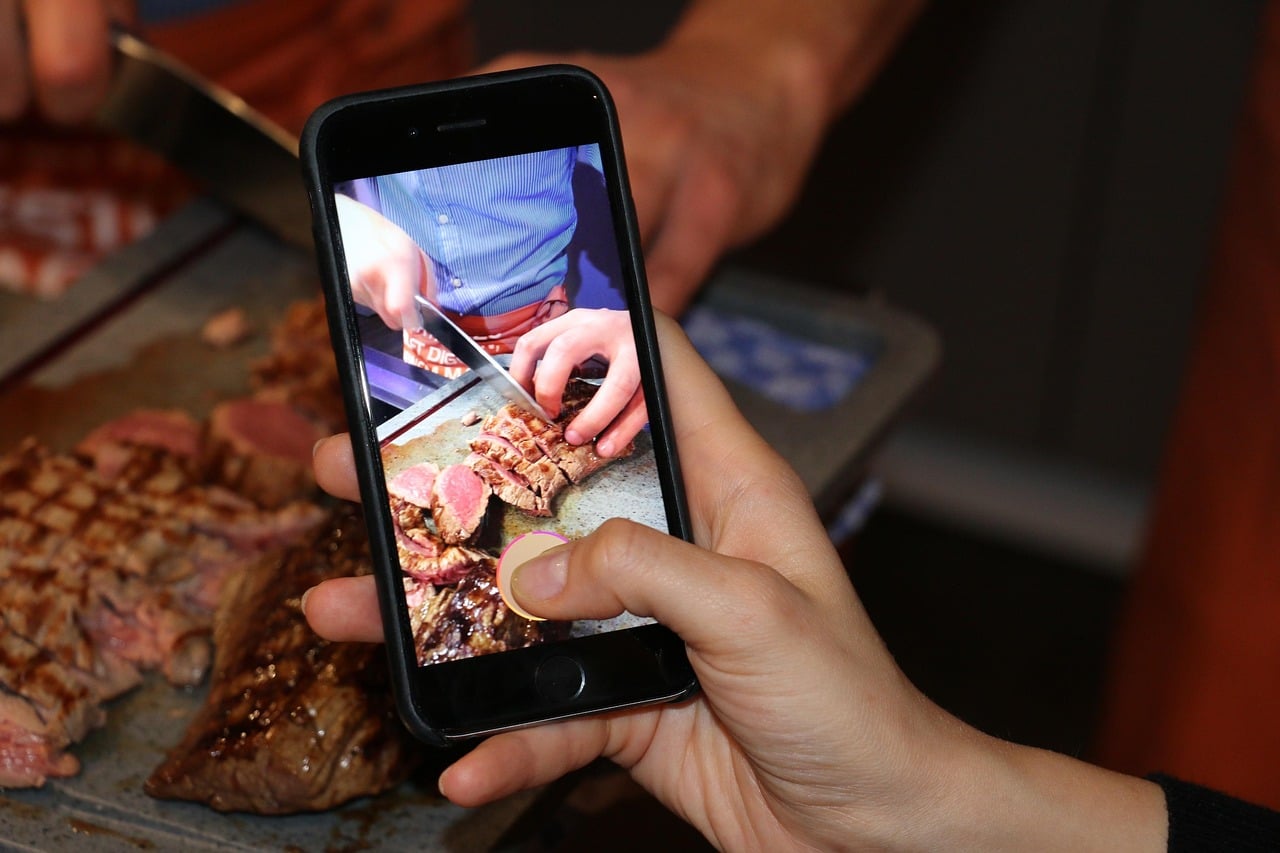
Some foods now spread less by word of mouth and more by camera roll. A viral drink, sandwich or dessert can move from one creator's post to millions of screens in days, turning a niche item into a mainstream craving.
The visual format matters. Bright colors, cheese pulls and layered textures perform well in short videos and photos, so foods that look dramatic often gain an edge over dishes that may be delicious but less striking on screen.
That can ripple into real purchasing. Cafes, grocers and chains often respond to online demand with limited-time specials or copycat versions, giving consumers more chances to buy what they just watched someone else eat. Trend cycles that once took years can now move in weeks.
Subscription meal kits
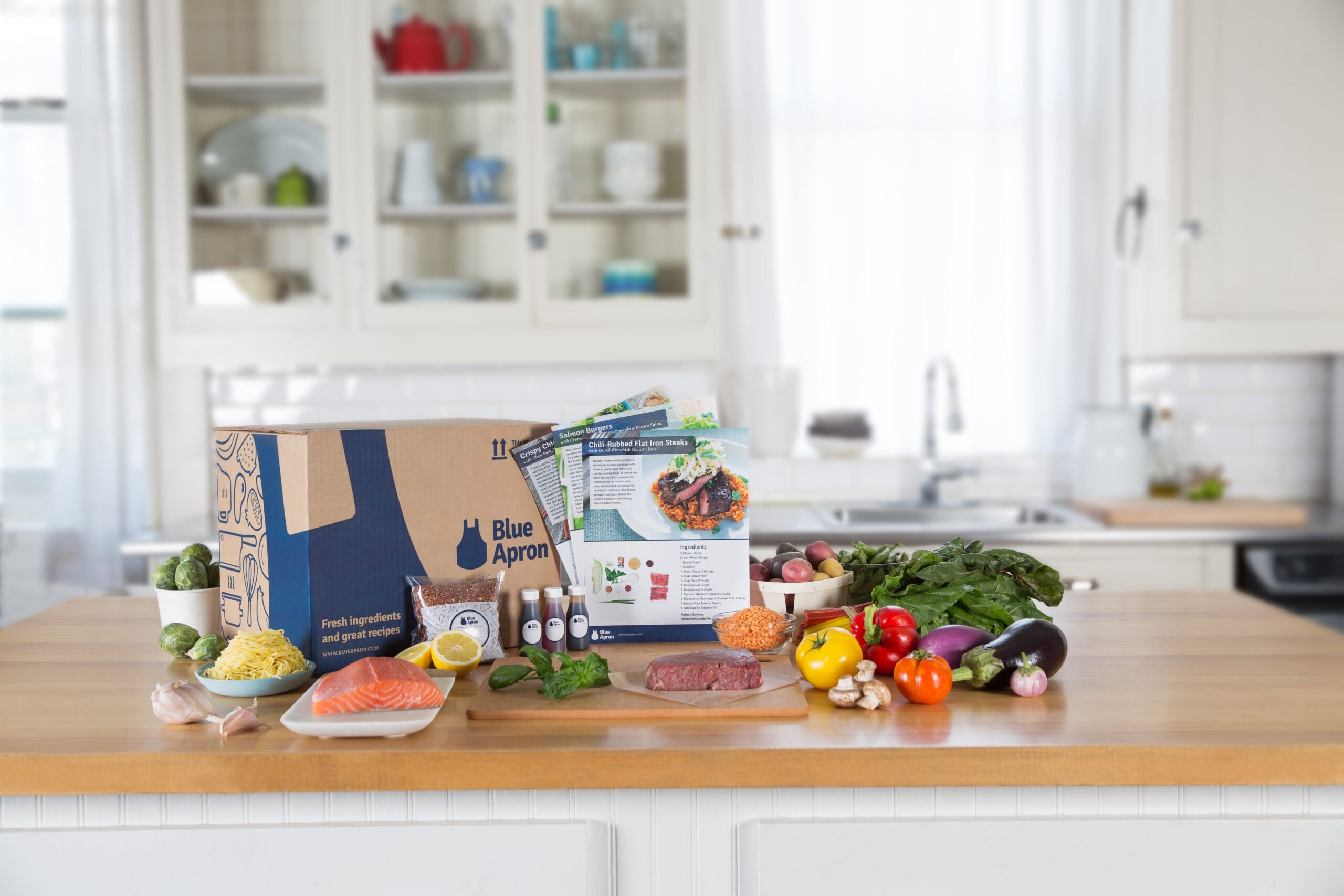
Meal kits do more than save time. They package dinner as a set of preselected recipes, measured ingredients and clear steps, which reduces the number of decisions a household has to make on a busy night.
That convenience changes behavior. People may cook dishes they would not have planned on their own because the ingredients are already portioned and the recipe feels manageable. A spice blend, sauce or vegetable that seemed intimidating in the store can feel approachable in a kit.
The larger effect is about habit formation. If a service repeatedly introduces grain bowls, sheet-pan dinners or globally inspired sauces, it can broaden a customer's idea of what belongs in a normal weeknight rotation. Tech is not just delivering food, it is structuring home cooking choices.
Smart fridges and kitchen devices
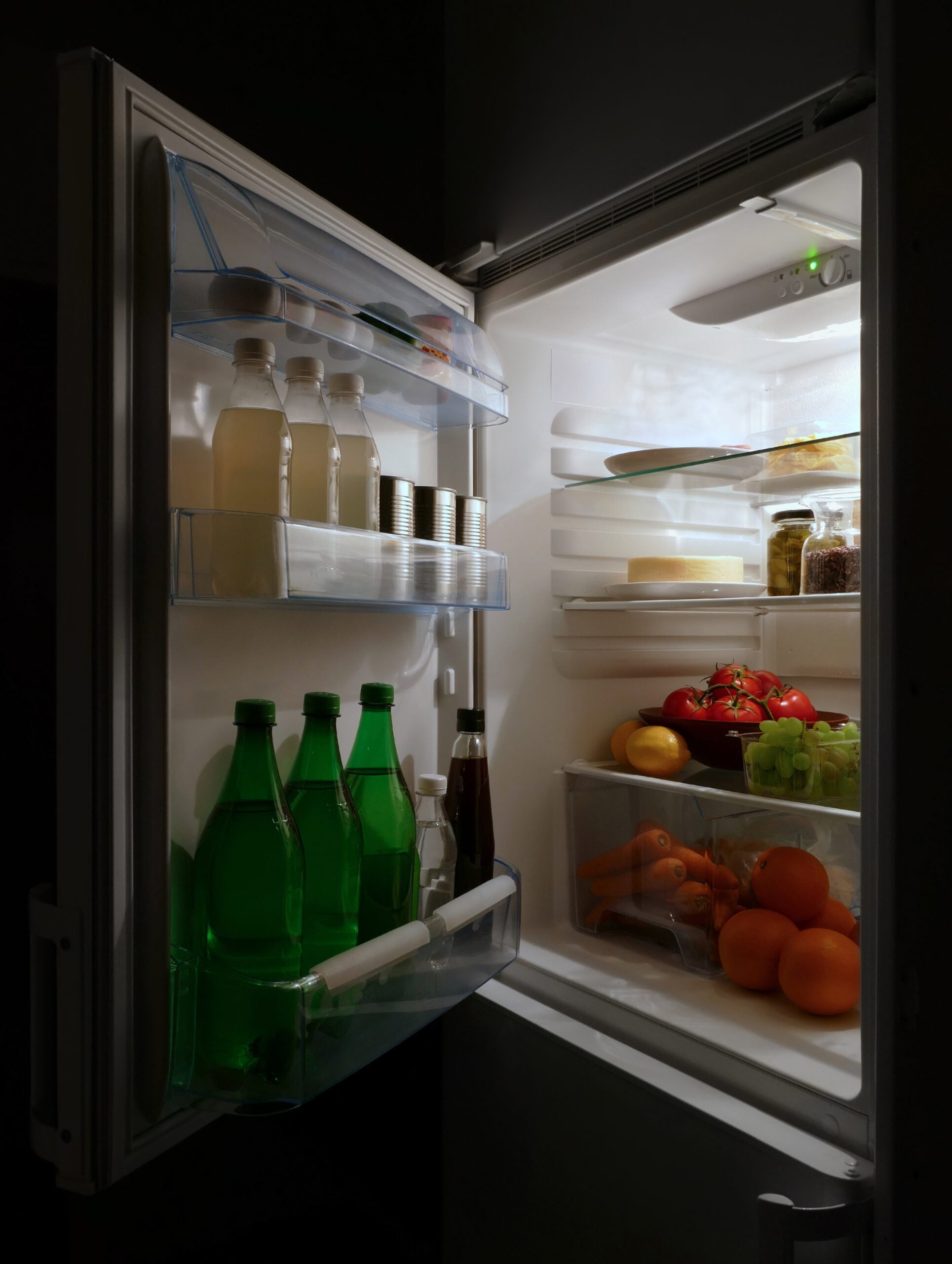
A connected kitchen can quietly influence what gets eaten first. Smart fridges, inventory apps and other kitchen tools are designed to track what is on hand, suggest recipes and send reminders before food expires.
That sounds simple, but timing changes choices. If a device highlights spinach, chicken or yogurt that should be used soon, dinner may be built around those items instead of takeout or a fresh shopping trip. Waste reduction becomes a menu signal.
Some tools also learn routine patterns. If a household regularly uses milk, eggs or coffee pods at a certain pace, reminders can prompt replenishment before anyone feels out of stock. Over time, that can reinforce repeat purchases and keep the same staple foods circulating through the kitchen.
Drive-thru menu boards
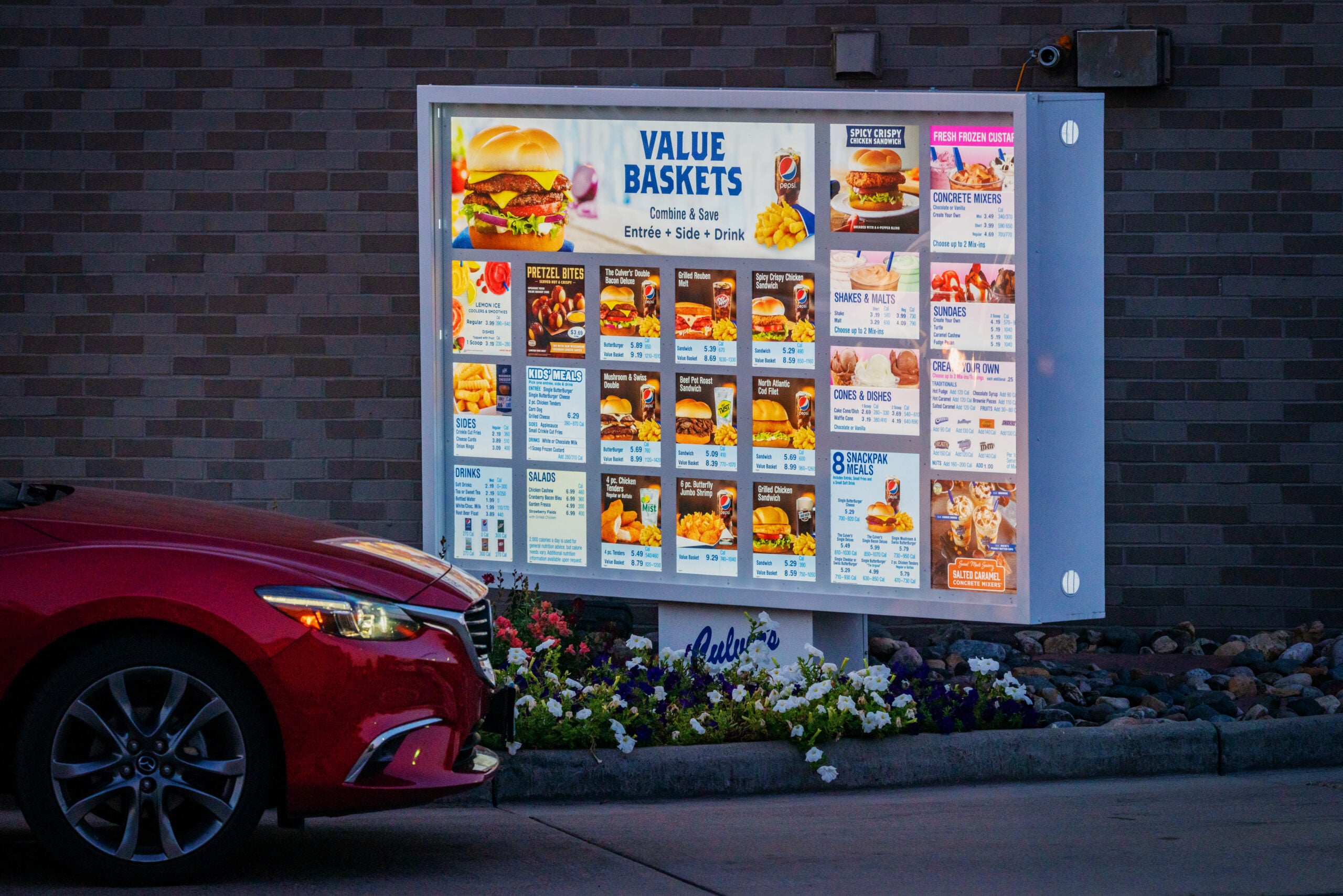
The modern drive-thru is increasingly digital. Menu boards can change by time of day, feature promotional items prominently and present high-margin combinations in a visually controlled format built for quick decisions.
That speed matters because many customers order under pressure. With cars behind them and only seconds to choose, they are more likely to pick the combo, upgrade the size or add the limited-time item placed front and center on the screen.
Restaurants have long designed menus strategically, but digital boards make it easier to swap messages across locations and dayparts. Breakfast sandwiches in the morning, cold drinks in the afternoon and desserts after dinner can all be emphasized when customers are most likely to say yes.
Online grocery search results
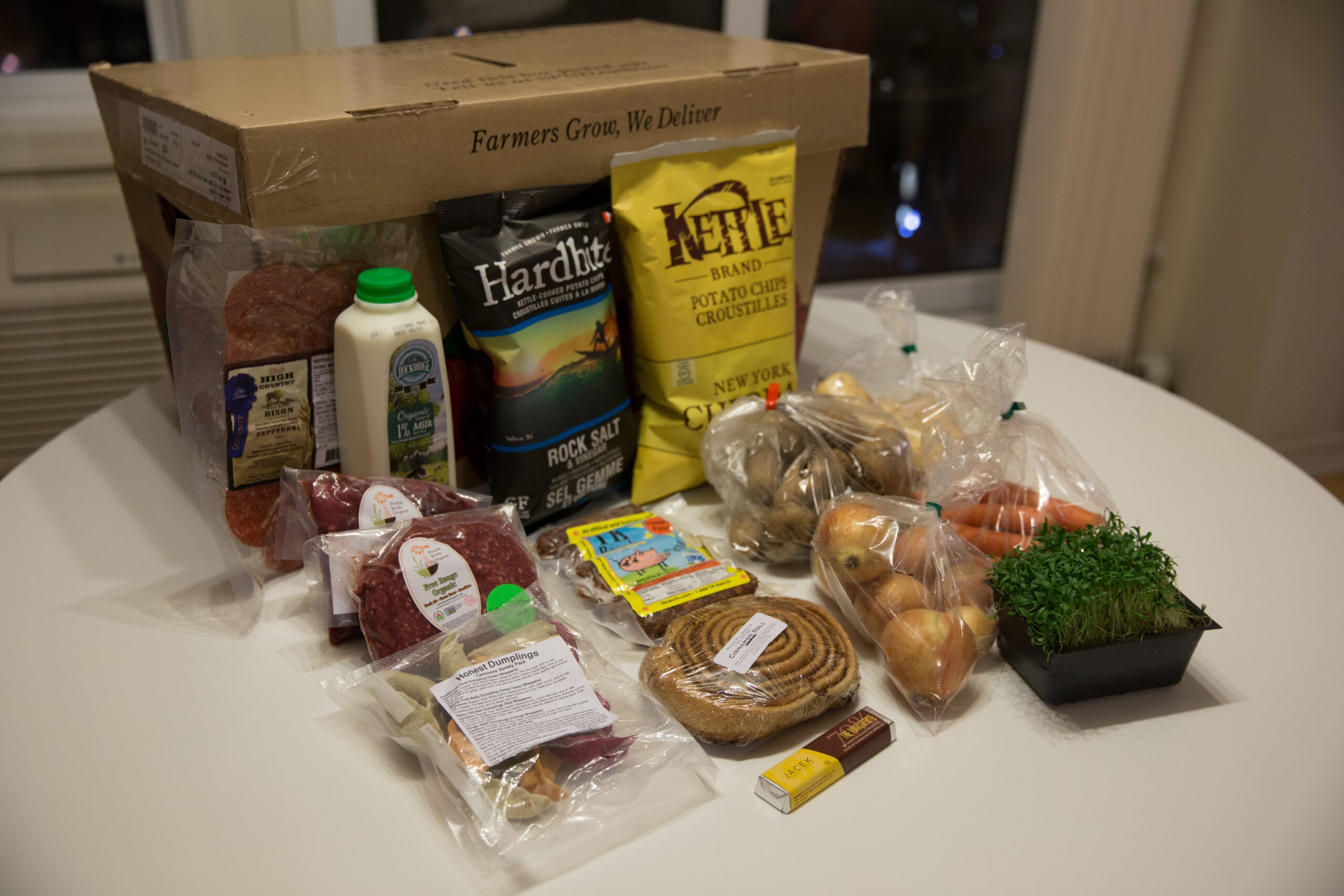
Typing "bread" or "snacks" into an online grocery site feels straightforward, but the results are usually organized by more than simple relevance. Sponsored placements, stock levels, prior purchases and retailer priorities can affect what appears first.
That matters because many shoppers buy from the first page of results. If a familiar brand, a store label or a promoted item is easiest to find, it has a clear advantage over products buried farther down the list.
Online search also narrows discovery. In a physical store, people pass produce, bakery smells and endcap displays that may inspire an unplanned choice. On a screen, shopping becomes more direct, and the foods surfaced by the system gain a stronger hand in shaping the final cart.
Food labels powered by QR codes
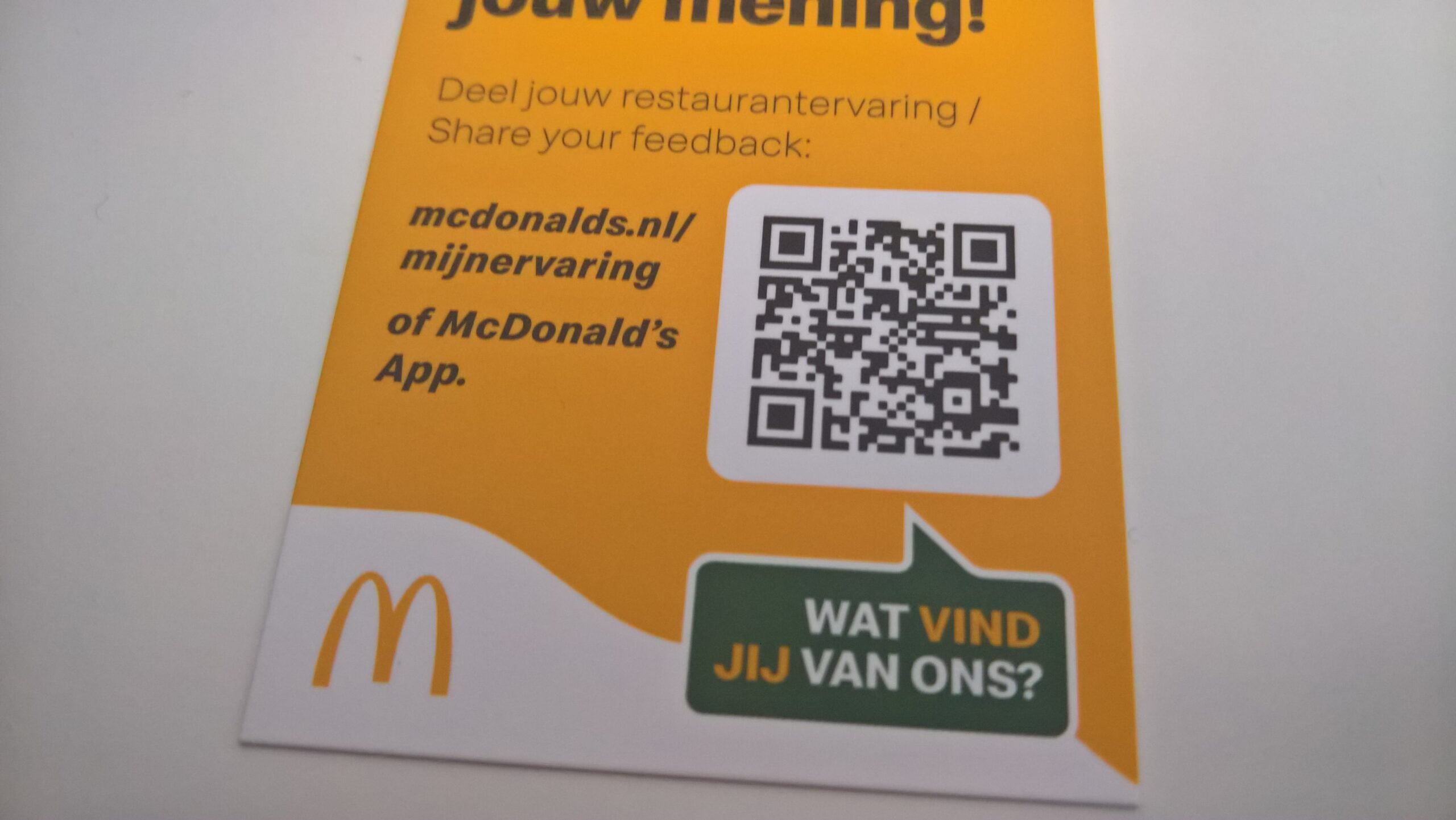
The label on a package no longer ends at the package. QR codes now give shoppers a quick path to recipes, sourcing details, nutrition information and brand storytelling that can affect how a product is perceived.
For some buyers, that extra layer builds trust. A coffee bag that explains origin or a sauce jar that links to serving ideas can make an item feel more transparent and more useful than a similar product with less information visible at the shelf.
The surprise is how much that changes a simple decision. A shopper scanning one code may learn how to cook with an ingredient, where it came from or why it costs more. In a crowded aisle, information itself becomes part of the flavor appeal.




Leave a Reply