
Good store-bought coffee has become much easier to find, but not every bag on a supermarket shelf is built the same way. The brands here earn attention because they emphasize higher grade beans, traceable sourcing, respected growing regions, or quality-focused roasting that gives everyday shoppers a better shot at a truly satisfying cup.
Stumptown Coffee Roasters
Stumptown helped make grocery store coffee feel more like specialty coffee. The brand built its reputation on direct trade relationships and coffees with clear origin information, which is often a strong sign that the beans themselves matter as much as the roast.
Its better-known bags, including Hair Bender and single-origin offerings, are typically made from Arabica beans sourced from places such as Latin America, Africa, and Indonesia. Arabica is generally considered the more premium species compared with robusta because it tends to offer more sweetness, acidity, and aromatic complexity.
What also separates Stumptown is roast discipline. The company aims to preserve flavor character rather than roast everything to a uniform dark profile. That means shoppers can actually taste differences from one region to another, which is exactly what premium beans are supposed to deliver.
Intelligentsia Coffee
Intelligentsia built its name on transparency long before that became a common grocery store talking point. Its Direct Trade program focuses on buying coffee from specific producers and regions, giving consumers a clearer connection between the bag in hand and the farms behind it.
That sourcing model matters because premium beans are not only about altitude or variety. They are also about careful picking, sorting, and processing after harvest. Intelligentsia has long highlighted those factors, especially in its Black Cat line and rotating single-origin releases.
In practical terms, this means the coffee often shows distinct tasting notes instead of a generic roast flavor. For shoppers, that is one of the easiest ways to spot quality. When a brand trusts the bean enough to showcase origin character, it usually signals better raw material from the start.
Peet's Coffee
Peet's is one of the most recognizable names in American coffee, and it has held onto a quality-first reputation for decades. While the company is closely associated with darker roasting, its premium standing comes from the beans it selects before roasting ever begins.
Peet's states that it buys high grown beans from leading coffee-producing regions, and many of its blends rely on 100 percent Arabica coffee. High elevation often matters because slower-growing coffee cherries can develop denser beans and more concentrated flavor.
A bag like Major Dickason's Blend is popular partly because it delivers consistency, which is harder to achieve than it sounds. Consistency at scale requires disciplined sourcing and blending. For shoppers who want a richer, darker profile without dropping into low-grade bitterness, Peet's remains a solid premium pick.
Blue Bottle Coffee
Blue Bottle's supermarket presence brought a minimalist specialty coffee style into mainstream retail. The company is known for emphasizing freshness and for offering blends and single-origin coffees that appeal to drinkers who want nuance rather than just strength.
Premium beans show up here in the brand's sourcing approach and in the way its coffees are roasted to highlight structure and sweetness. Bags often identify origin or blend components clearly, which gives buyers a more useful picture of what they are getting.
That attention to detail is especially important with lighter roasts, where weak beans have nowhere to hide. Blue Bottle's coffees tend to present crisp acidity, floral notes, or chocolate depth in a cleaner way than mass-market brands. That kind of clarity usually starts with better beans, not better marketing.
Lavazza
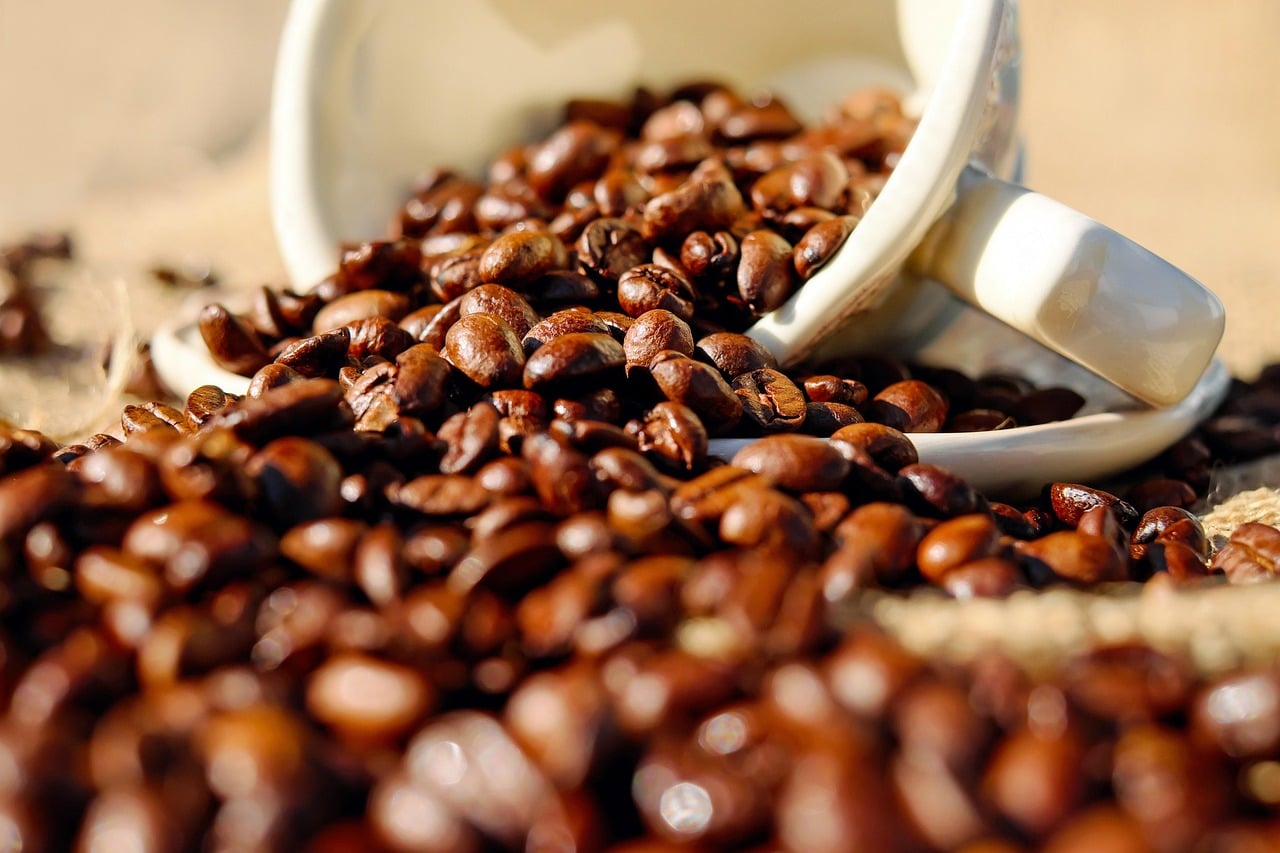
Lavazza proves that premium coffee does not have to come only from small American roasters. The Italian company has been blending coffee since 1895, and many of its better-known supermarket offerings rely on carefully selected Arabica beans from Central and South America.
Its premium ranges, including Super Crema and Qualità Oro, are especially well known among home espresso fans. Qualità Oro is often marketed as 100 percent Arabica, a detail many buyers look for when they want a smoother and more aromatic cup.
Lavazza's strength is balance. Rather than chasing novelty, it focuses on producing polished blends with reliable body and aroma. That makes it appealing for shoppers who want premium bean quality with a more traditional Italian profile, especially for espresso drinks and moka pot brewing.
Counter Culture Coffee
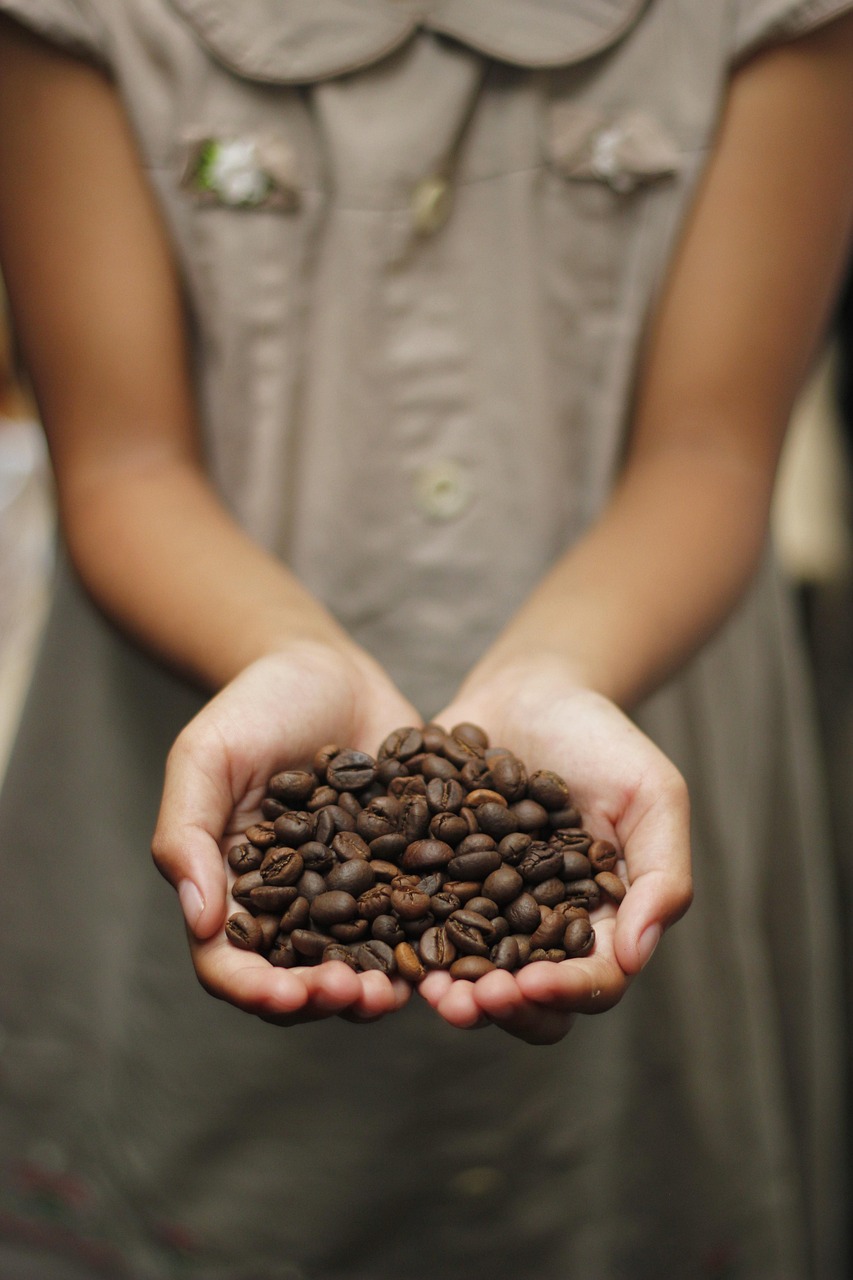
Counter Culture has long been respected in specialty coffee circles for making sourcing and education central to its identity. In a grocery setting, that matters because shoppers are often trying to separate truly premium coffee from brands that simply use upscale packaging.
The company regularly shares information about farm relationships, regions, and seasonal coffees. That kind of transparency tends to go hand in hand with stronger green coffee standards, including careful selection of lots that can stand on their own without heavy roasting to cover flaws.
Its approachable blends, such as Big Trouble, help bridge the gap between everyday drinking and specialty quality. The result is coffee that feels easy to enjoy but still carries the fruit, sweetness, and balance people expect from premium beans grown and processed with care.
Illy
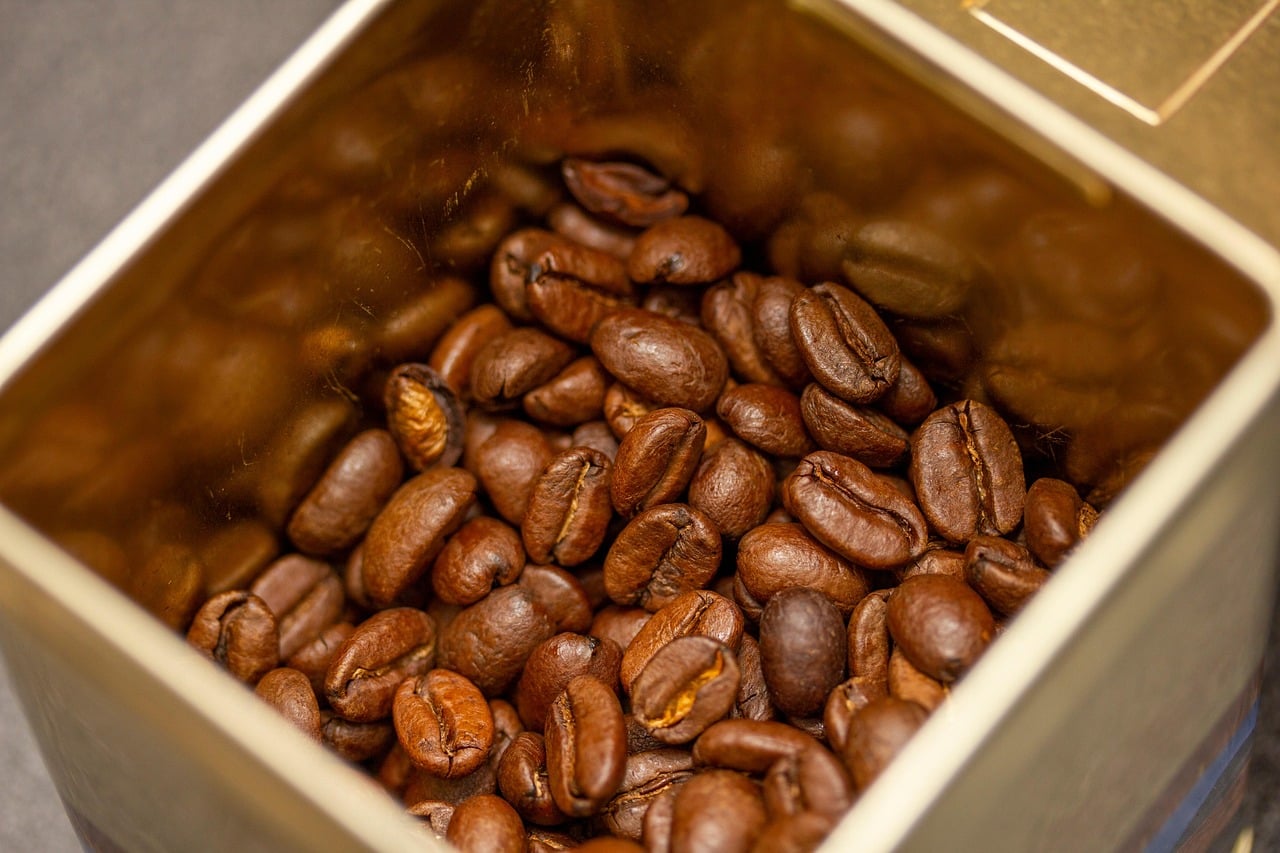
Illy has a very specific premium identity, and it starts with bean selection. The company is known for using 100 percent Arabica coffee and for maintaining unusually strict standards for consistency, which is a major reason it became a trusted name in cafes as well as supermarkets.
Rather than offering a huge range of wildly different profiles, Illy focuses on a signature style that is smooth, balanced, and refined. That approach depends on sourcing quality beans that can be blended into a stable flavor year after year.
For many home brewers, Illy is a practical premium option because it is easy to find and easy to brew. The coffee is often less about chasing rare microlots and more about polished execution. Sometimes premium means complexity, but sometimes it means almost no mistakes in the cup.
Equal Exchange
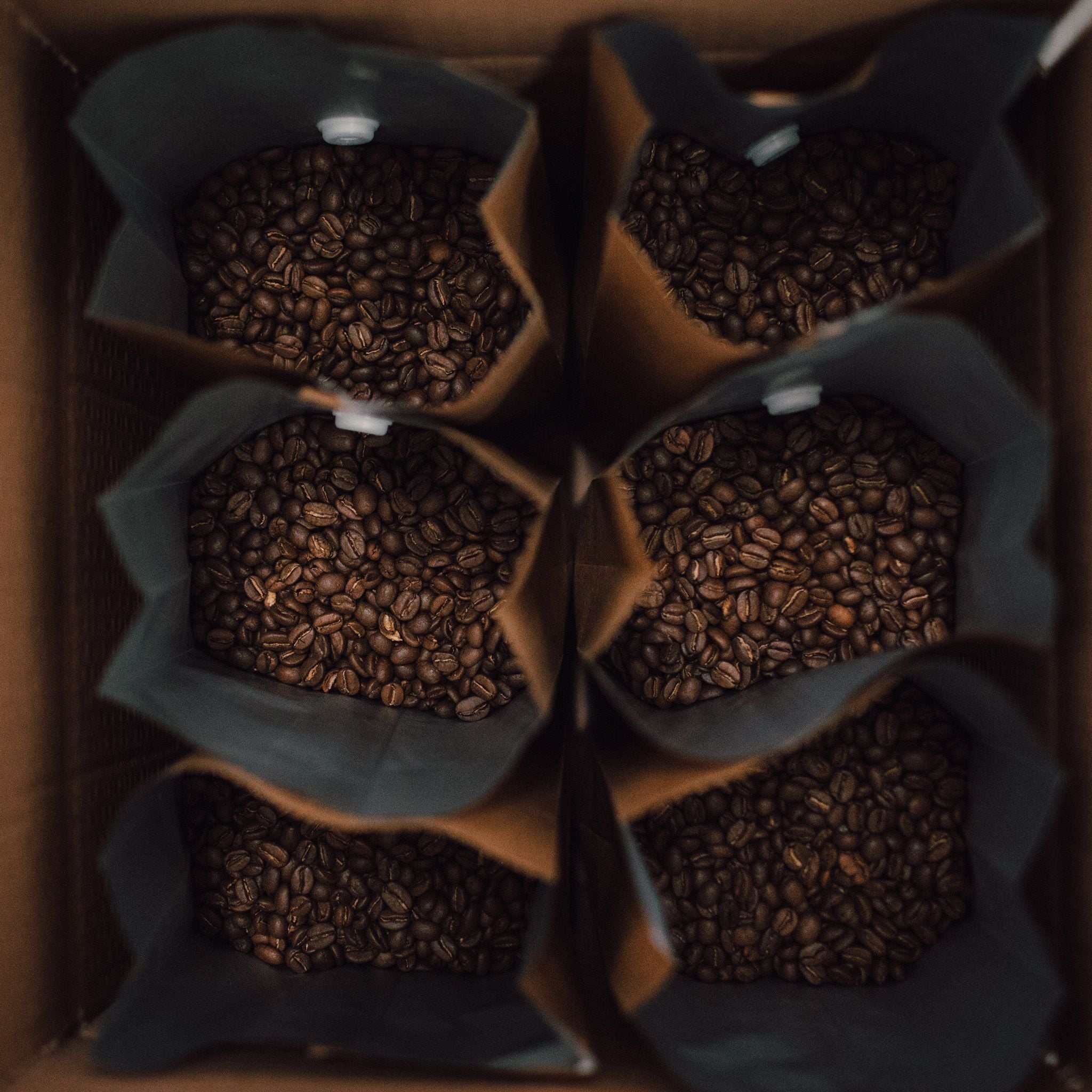
Equal Exchange stands out because its premium credentials are tied to both cup quality and producer relationships. The worker-owned company is widely known for fair trade and organic coffees, but those labels alone are not the whole story.
The brand also offers coffees from respected origins, including Latin America and Africa, and frequently highlights cooperative partnerships. Premium beans often come from producers who are paid enough to invest in better harvesting and processing, so ethical sourcing can support better flavor over time.
In the cup, Equal Exchange coffees are often straightforward, balanced, and well developed rather than flashy. That makes them especially appealing to shoppers who want a coffee with substance and sourcing integrity. A premium bean story is stronger when quality and accountability move together.
Allegro Coffee
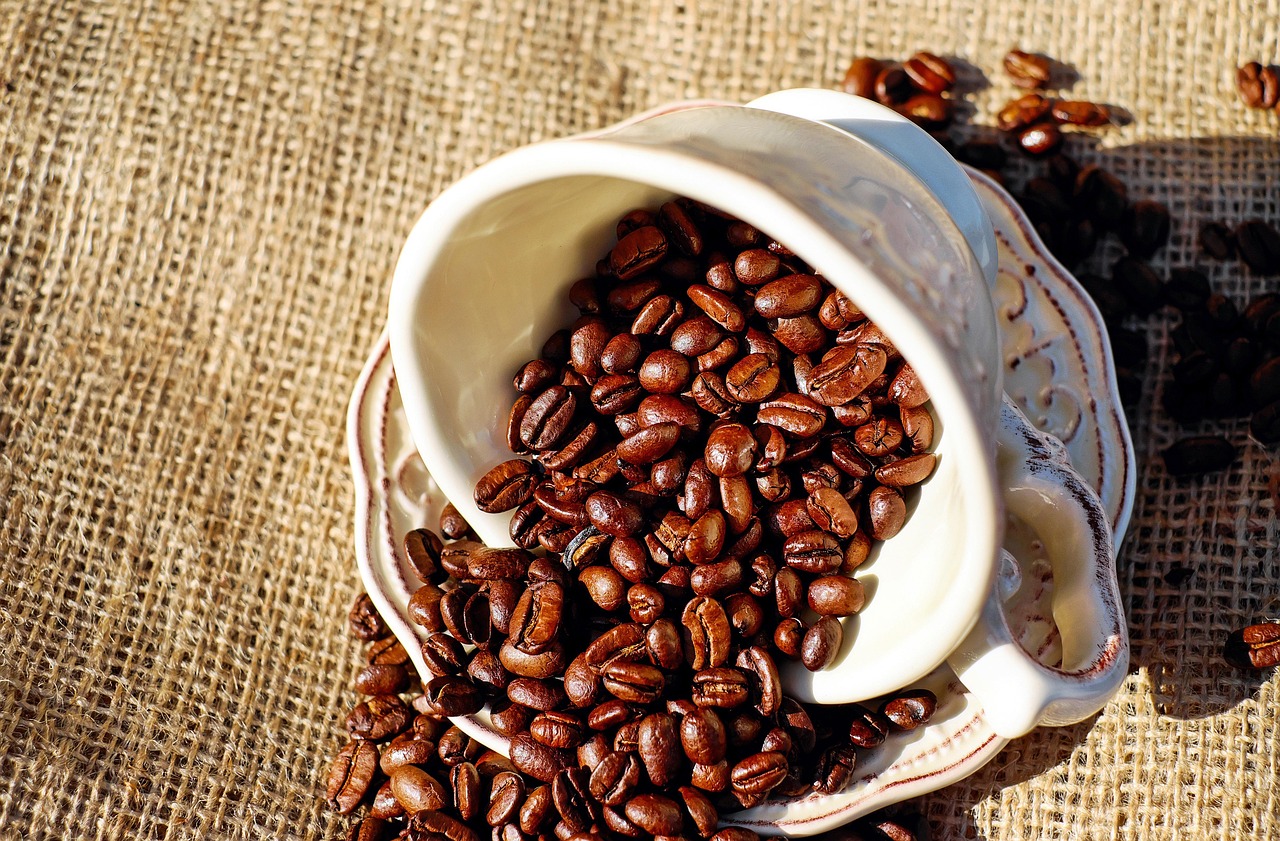
Allegro is closely associated with Whole Foods Market, and its best coffees lean into the values many quality-focused shoppers already look for. The brand features organic options, single-origin selections, and blends that identify sourcing with more care than typical supermarket coffee.
That matters because premium beans usually benefit from being treated as agricultural products, not anonymous commodities. When origin is highlighted, consumers can better understand expected flavor traits, from nutty and cocoa-rich Latin American coffees to brighter East African profiles.
Allegro's lineup can be a smart entry point for buyers who want something more elevated without jumping straight into niche roasters. The brand's strongest bags show that grocery store coffee can still offer freshness, distinction, and a sense that the bean itself was the starting point.
Starbucks Reserve
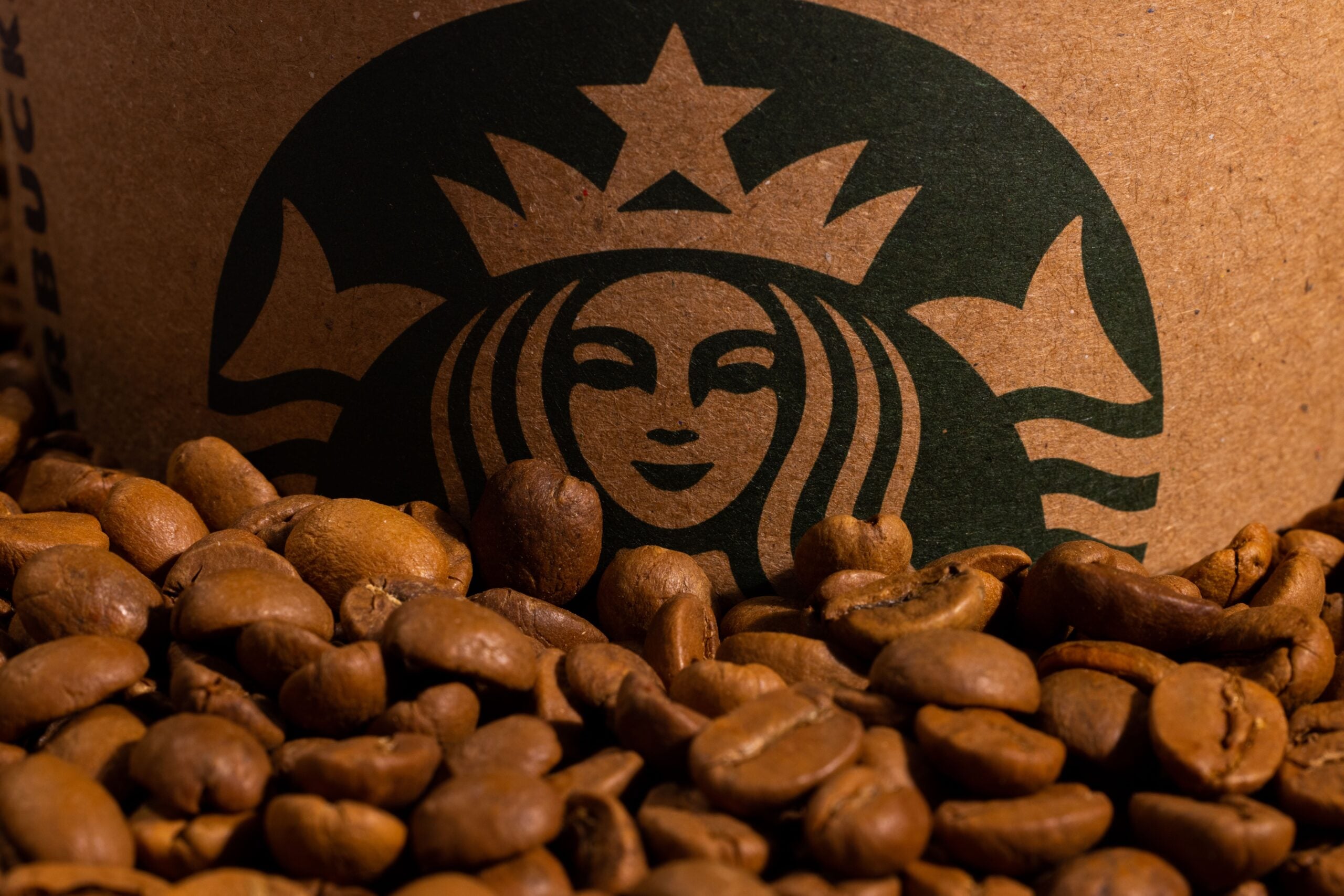
Regular Starbucks grocery coffee is familiar, but Starbucks Reserve is the company's clearer premium lane. It focuses on small-lot coffees, distinct origins, and more selective releases that aim to spotlight the bean rather than rely only on the roast profile.
That shift is significant because Starbucks is often associated with darker roasting. In the Reserve line, the company gives more space to regional differences and to coffees from notable producing countries such as Costa Rica, Ethiopia, and Colombia, depending on the release.
For mainstream shoppers, Reserve can be an accessible bridge into premium coffee. It comes from a brand they already know, but it offers a more origin-driven experience. When found in stores, it is one of the easier ways to buy a more carefully positioned bean without visiting a specialty shop.


Leave a Reply