Soul food is more than a collection of recipes. It is a living tradition shaped by history, resourcefulness, regional taste, and the steady rhythm of family gatherings. From simmering greens to a pie cooling on the counter, these kitchen staples tell stories that are passed down one pan, one plate, and one Sunday meal at a time.
Mixed Greens on the Stove
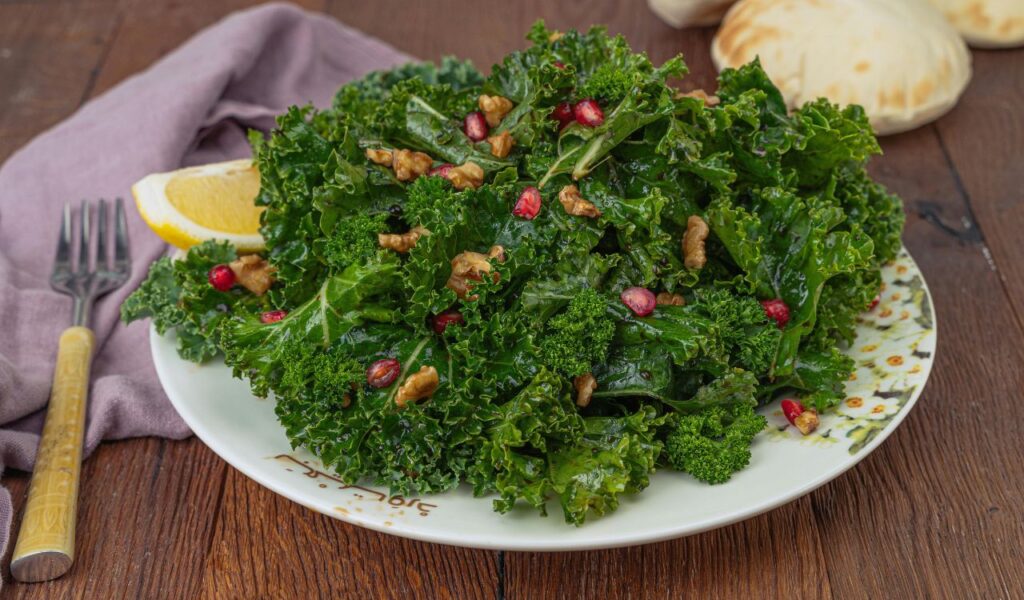
A pot of greens often starts with patience. Collards, mustard, turnip greens, cabbage, or kale are cleaned carefully, chopped down, and cooked low and slow until they turn silky and deeply savory.
What lands in the pot usually reflects family roots. According to food writer Charla L. Draper, some households lean toward kale on the East Coast, while Southern families may prefer turnip or mustard greens. The seasoning can shift too, with broth, smoked meat, garlic, and pepper giving each batch its own signature.
This is the kind of dish that fills the kitchen before anyone sits down. It tastes of care, time, and the kind of home cooking that rarely hurries.
Cornbread Beside Every Plate

Cornbread is more than a side. In many homes, it is the expected companion to greens, beans, and any meal with pot liquor worth soaking up. A hot skillet and a well-loved recipe can make it feel almost ceremonial.
Some families like it sweet, others insist on a savory crumb with a crisp edge. Draper notes that box mixes such as Jiffy can bring a sweeter profile, while buttermilk cornmeal mixes often lean less sweet. Either way, the debate is part of the tradition.
What matters most is that familiar square or wedge on the plate. It is humble, dependable, and deeply tied to the rhythm of family meals.
Black-Eyed Peas for Good Luck
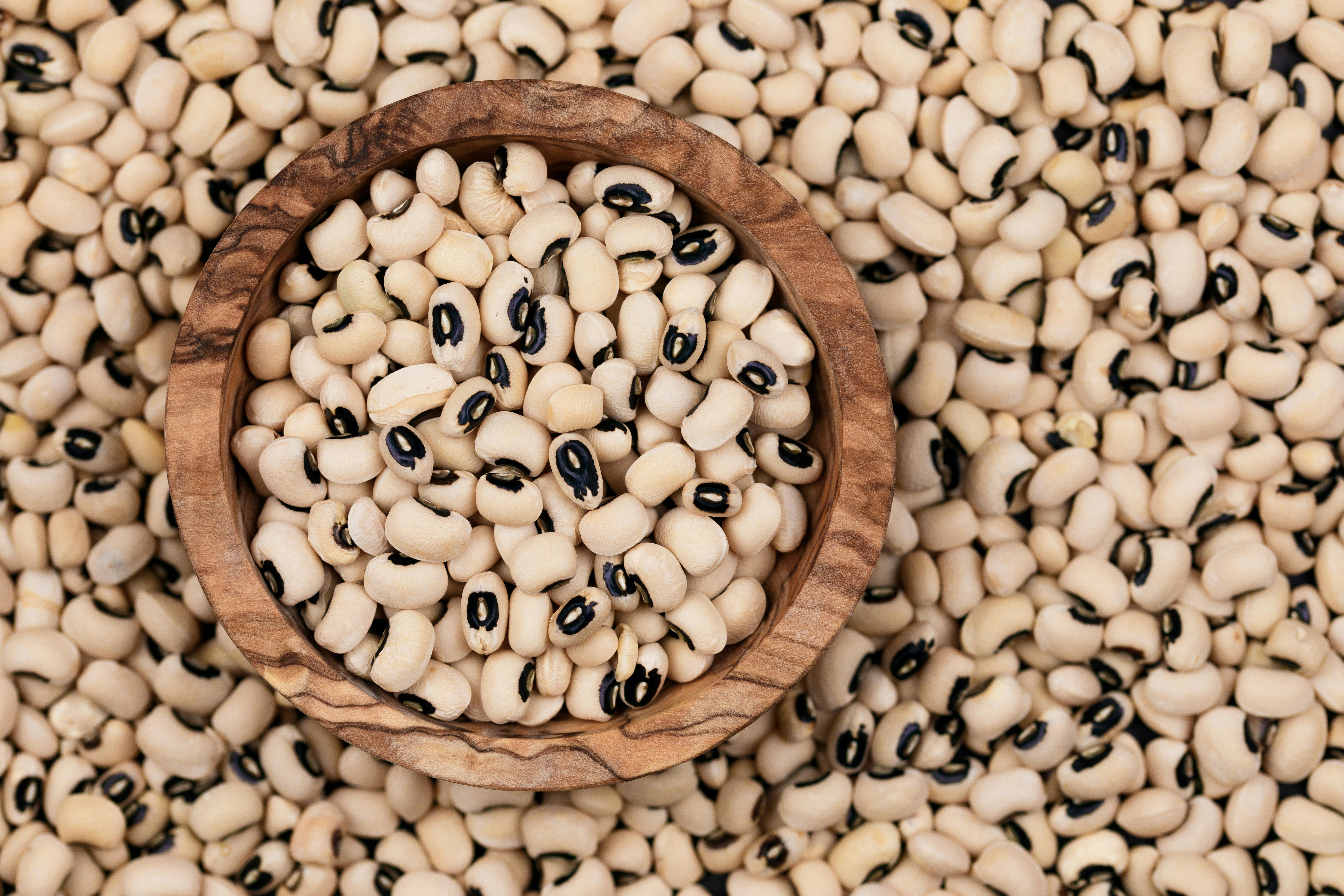
Few foods carry symbolism as clearly as black-eyed peas. In many families, they are a New Year tradition, served with hope that the months ahead bring luck, stability, and abundance.
The method matters here. Dried peas are often soaked overnight, then simmered with seasoned broth, ham hocks or ham, garlic, and a little heat until tender. Draper also points out a practical truth that experienced cooks know well: old beans may never soften properly, so checking freshness is part of cooking wisely.
Even outside January, black-eyed peas remain a staple with staying power. They are hearty, affordable, and rooted in a long tradition of making simple ingredients feel deeply satisfying.
Baked Ham That Lasts for Days

A baked ham has always been one of those smart centerpieces that does more than anchor one meal. It arrives at the table glossy and celebratory, then keeps giving long after the first slices are served.
Draper highlights what so many home cooks understand instinctively: ham stretches. Sunday dinner becomes Monday casserole, then sandwiches, then broth from the bone. In a family kitchen, that kind of economy is not just practical. It is a cooking philosophy shaped by thrift and imagination.
The flavor also works hard. Salty, smoky, and rich, ham seasons nearby dishes almost by association. It turns leftovers into opportunities, which is one reason it remains such a trusted staple.
Fried Chicken Done the Patient Way
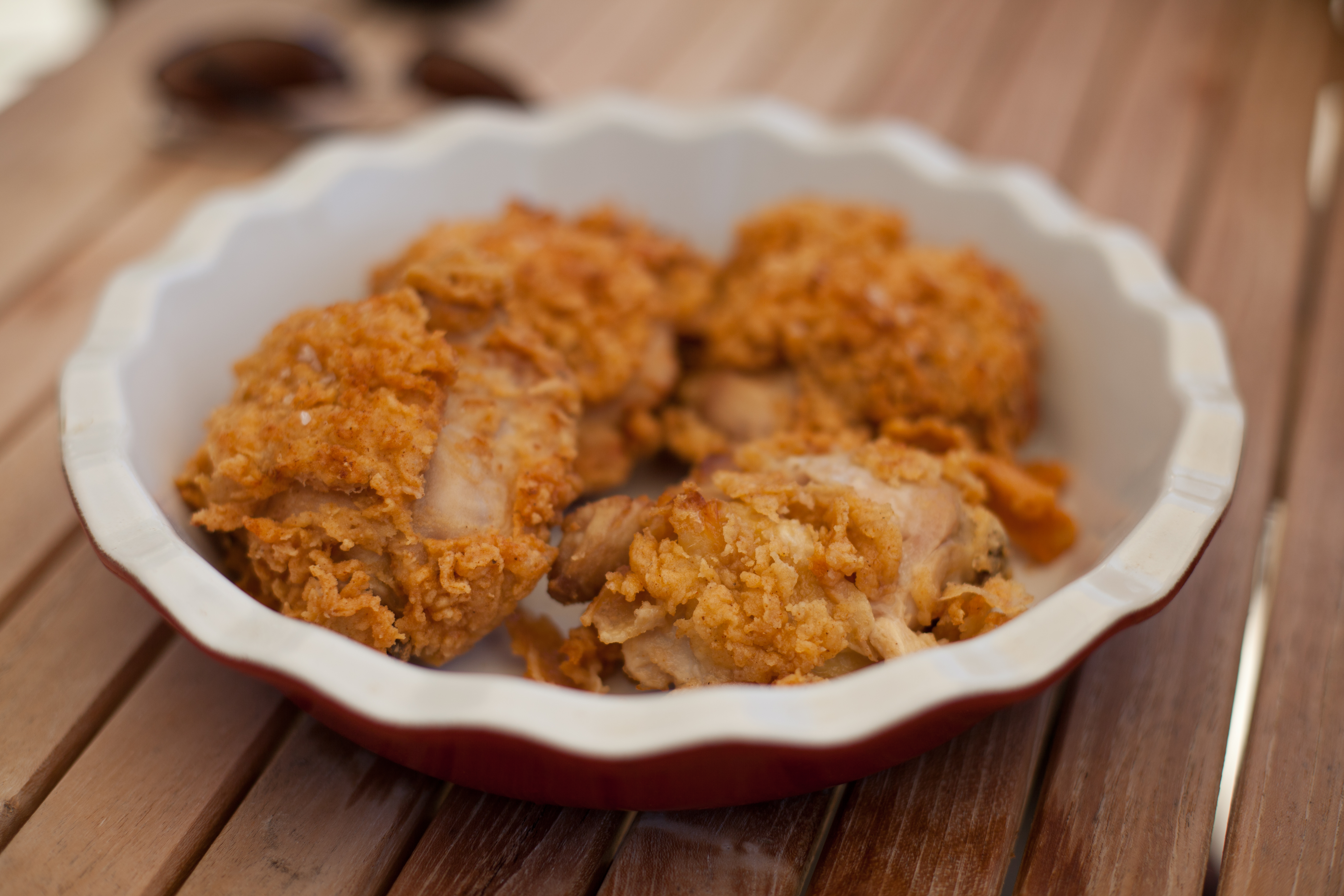
Fried chicken is the dish that can quiet a room for a second. When it is done right, the crust crackles, the meat stays juicy, and the smell alone feels like a homecoming.
There are countless family methods, but the underlying idea is simple: treat the chicken well before it ever hits the oil. Draper favors an overnight buttermilk brine, then a coating of flour, cornmeal, paprika, and salt. That approach builds flavor and helps create the tender interior that makes great fried chicken memorable.
This is not fast food in the family-kitchen sense. It is a dish that rewards attention, and that is exactly why it still holds such pride of place on the table.
Macaroni and Cheese with a Real Crust
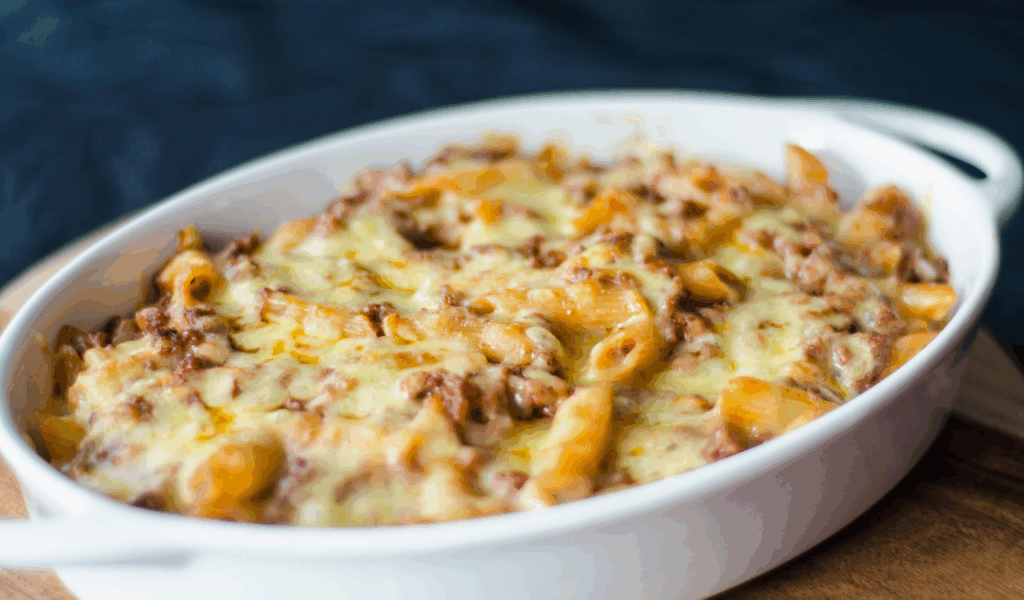
Macaroni and cheese may be the most passionately defended dish at any soul food gathering. Every family seems to have a version, and every cook has opinions about what belongs in the pan.
Some recipes keep it simple with one cheese, while others build layers with several kinds for extra richness. Draper describes a baked style that includes al dente pasta, cheese, eggs, evaporated milk, and time in the oven until the top forms that prized crust. Then comes the hardest part: letting it rest before serving.
That waiting period says a lot about the dish itself. Good macaroni and cheese is not rushed. It is structured, rich, and meant to arrive at the table with confidence.
Potato Salad with Family Opinions

Potato salad has a way of turning a cookout or holiday meal into a quiet contest of loyalty. Everyone has a favorite version, and most people can tell you exactly what should or should not be in it.
For many home cooks, the essentials include hard-cooked eggs, celery, seasoning, and a creamy binder such as mayonnaise or Miracle Whip. Draper notes that the potato itself changes the experience, whether you choose buttery Yukon golds, red potatoes, or leave the peel on for texture and added fiber.
What makes the dish enduring is its familiarity. Served chilled beside hot mains, potato salad brings contrast, comfort, and just enough personality to spark conversation at every gathering.
Okra Prepared with Know-How

Okra tends to divide the room, but in skilled hands it proves why it has earned a lasting place in soul food cooking. Its texture can thicken a pot beautifully, and when prepared well, it becomes far more versatile than skeptics expect.
Draper points to a useful kitchen trick: acidity helps tame okra's silkier consistency. A splash of vinegar or another acidic ingredient can sharpen the flavor and soften the texture many people resist. Fried okra, okra salad, or okra cooked with corn and tomatoes all show a different side of the ingredient.
At its best, okra represents practical wisdom. It is seasonal, adaptable, and closely tied to cooks who know how to coax the best from every vegetable.
Rib Tips with Backyard Energy
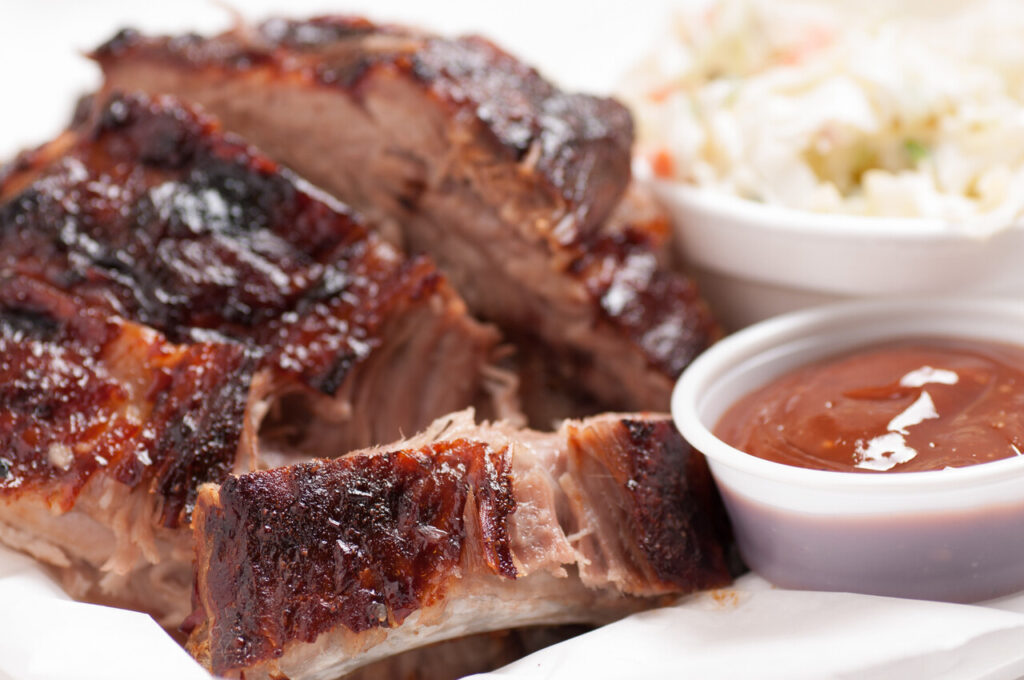
Rib tips bring a messier, smokier kind of joy to the soul food table. They are the dish that asks for extra napkins, good sauce, and enough time to eat without rushing.
Draper notes their strong connection to Chicago, where rib tips grew from a smart use of a cut once overlooked. That history matters. Like so many beloved soul food dishes, rib tips reflect resourcefulness, turning what others dismissed into something craveable and crowd-pleasing.
Preparation varies, but the spirit stays the same. Grilled and coated with barbecue sauce, they can lean tangy with vinegar or sweeter with tomato. Either way, they arrive with bold flavor and a sense of occasion.
Sweet Potato Pie Cooling on the Counter
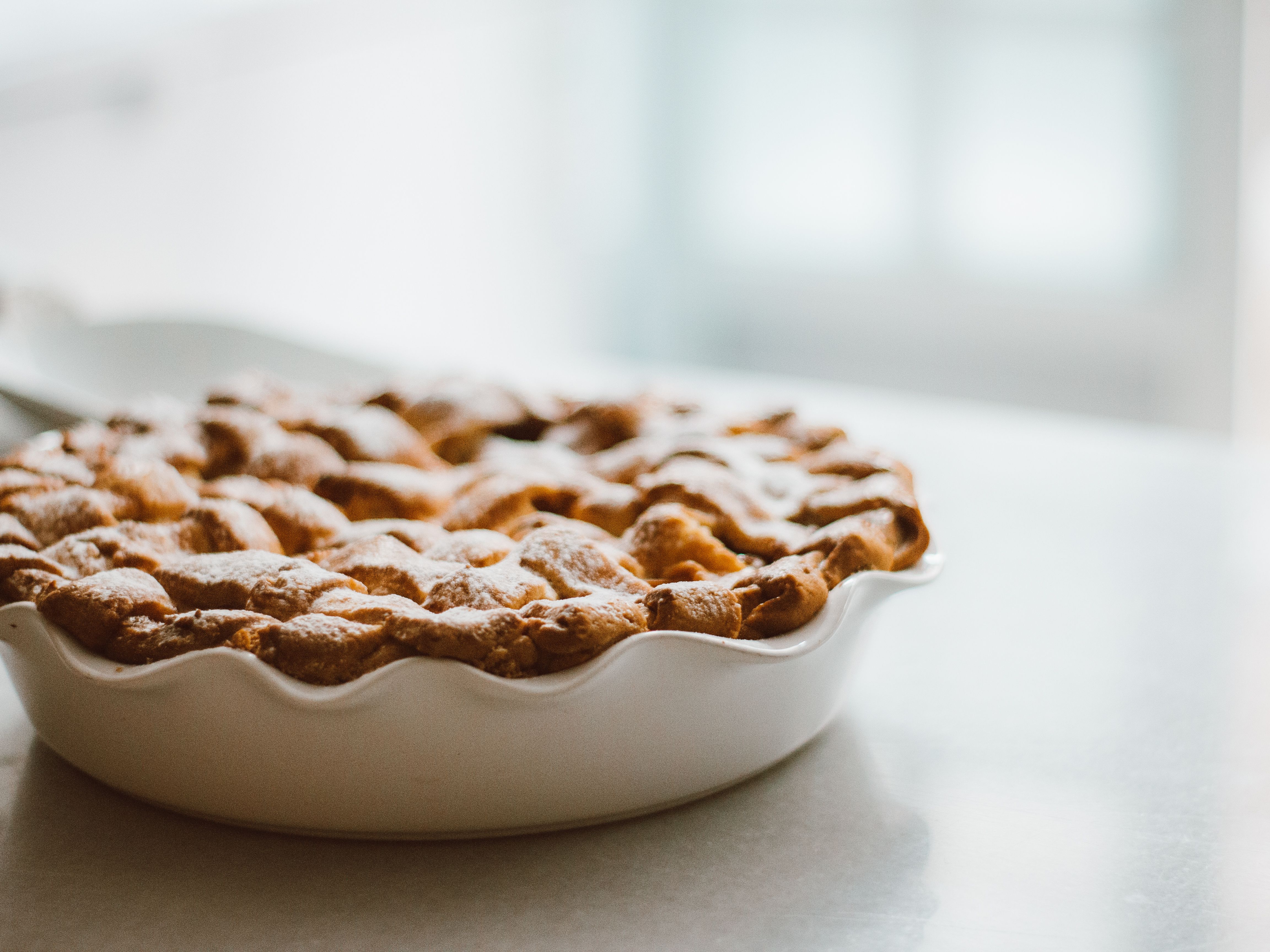
Sweet potato pie closes the meal with warmth rather than flash. It is sweet, spiced, and deeply familiar, the kind of dessert that feels most at home when it is made for a crowd and allowed to disappear one calm slice at a time.
Draper recommends roasting the sweet potatoes instead of boiling them for fuller flavor, then blending them with butter, eggs, milk, and spices. Just as important is the cooling time. A pie cut too soon will not set properly, which is why experienced bakers know the final step is often restraint.
That cooling pie on the counter is a tradition in itself. It signals that the meal is nearly complete and dessert is worth waiting for.