
Some snacks disappear quietly, but their memory never really leaves. In Canada, the 1970s produced a lineup of treats that shaped childhood cravings and convenience-store culture.
Hostess Potato Chips
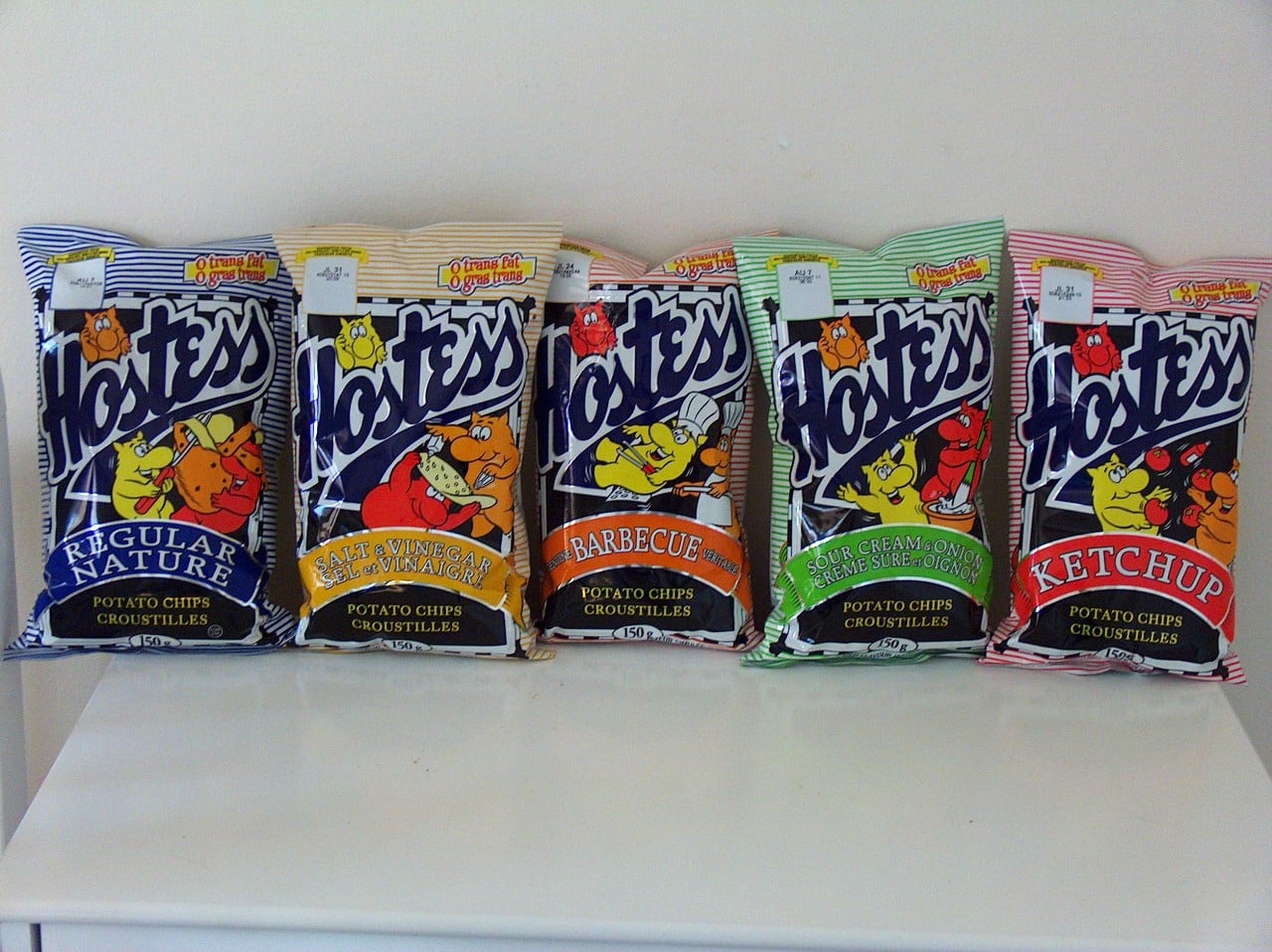
Few snacks say 1970s Canada quite like a crinkly bag of Hostess Potato Chips. Long before the brand identity changed, Hostess was a dominant name in Canadian chip aisles, and its mascot, the Goblin, was instantly recognizable to schoolkids from British Columbia to Newfoundland.
What made Hostess memorable was its broad flavour range at a time when the market was still relatively simple. Salt and vinegar and barbecue were becoming staples, but even the plain chips had a distinct crunch and heavier seasoning than many rivals. The chips felt made for hockey nights, road trips, and backyard parties.
The brand's power came from visibility as much as taste. Hostess sponsored promotions, prizes, and sports tie-ins that made a simple snack feel like part of everyday Canadian life. For many families, grabbing a bag at a gas station or corner shop was practically a weekend ritual.
Although the name later vanished from shelves after corporate rebranding, older Canadians still refer to them as Hostess chips. That staying power says a lot. Some products disappear completely, but Hostess survived in memory because it was never just a chip. It was part of the country's snack vocabulary.
Hickory Sticks
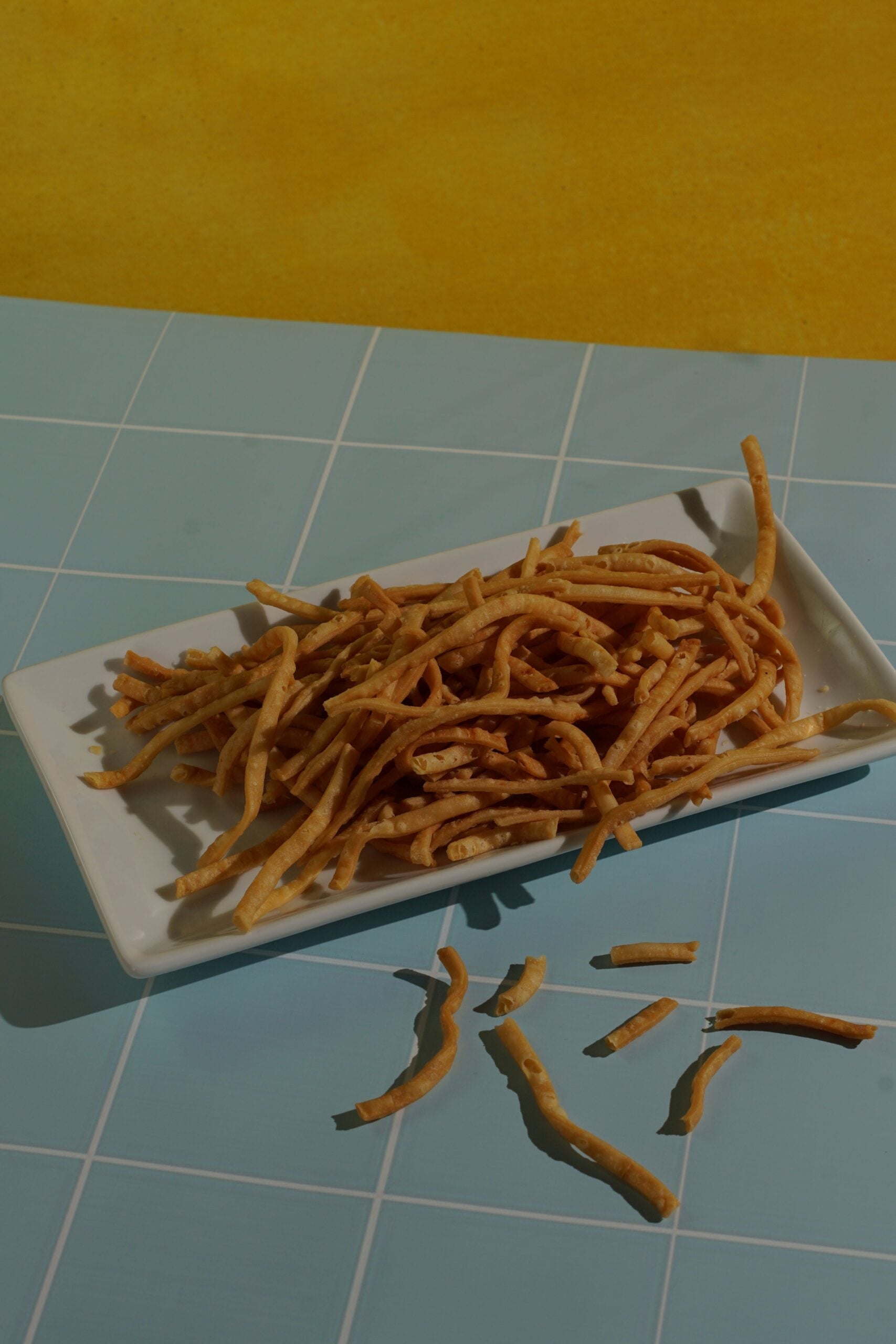
There was something oddly sophisticated about Hickory Sticks, even though they were really just shoestring potato snacks in a bag. Their thin cut, deep savoury seasoning, and tidy shape made them feel different from standard chips, almost like a grown-up snack kids loved stealing from the pantry.
The flavour profile is what made them stand out in the 1970s. Smoky, salty, and unmistakably onion-forward, Hickory Sticks packed far more punch than their modest appearance suggested. They were the kind of snack that left a scent on your fingers and a taste that lingered long after the bag was empty.
They also fit perfectly into Canadian habits around sharing and snacking. A small bag could be eaten in a car, at a hockey arena, or during a school lunch break without much mess. That portability helped make them a lunchbox regular in many households.
Unlike some vintage snacks, Hickory Sticks never fully disappeared, but their peak cultural presence belongs to an earlier era. In the 1970s, they felt distinctive rather than nostalgic. Today, they serve as one of the clearest surviving links to the snack preferences of that decade.
Humpty Dumpty Party Mix
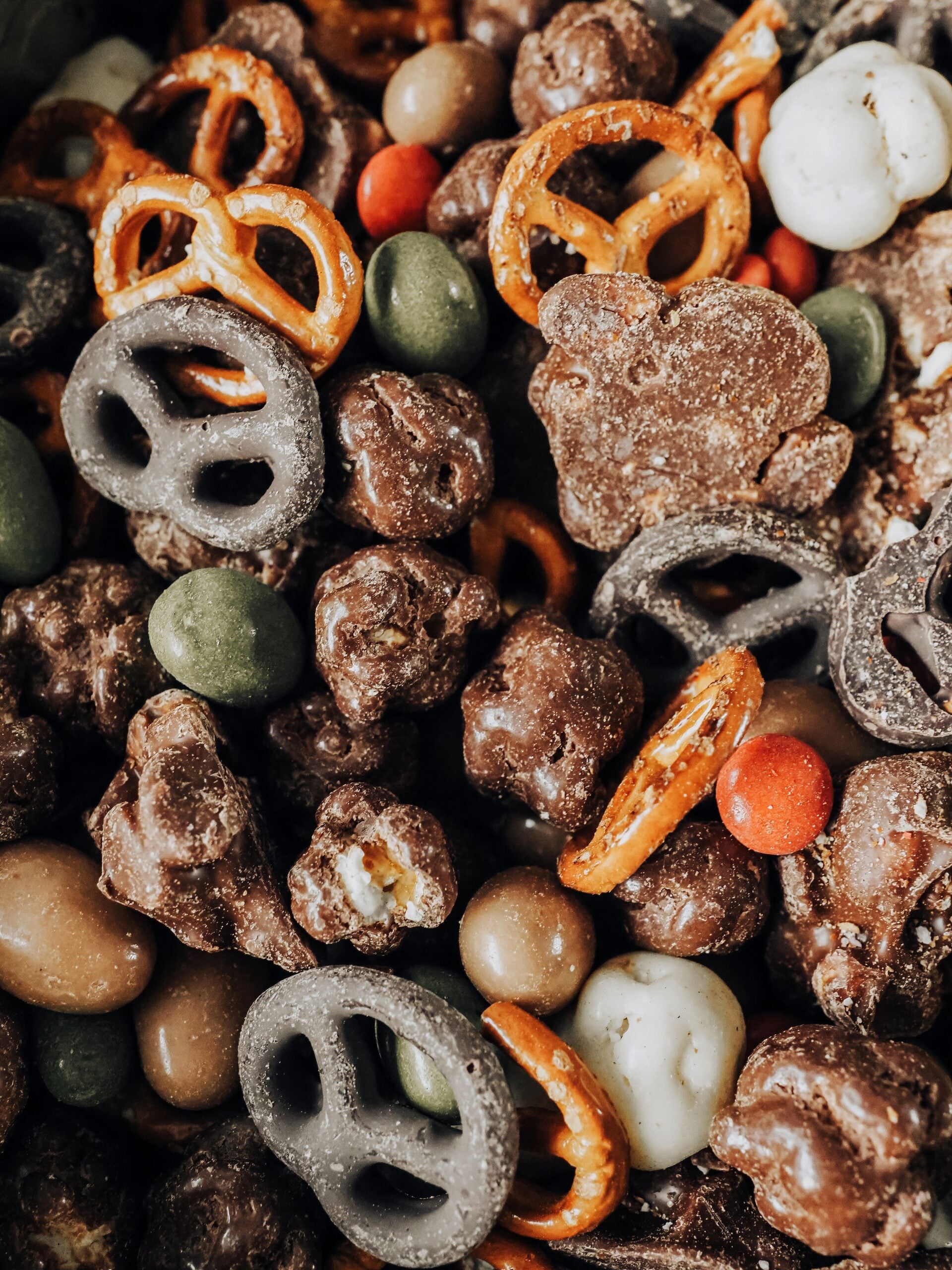
If one snack captured the spirit of casual entertaining in 1970s Canada, it was Humpty Dumpty Party Mix. This was not a subtle food. It was a loud, salty, crunchy blend built for coffee tables, rec rooms, and family card nights where bowls were passed around until every last pretzel stick was gone.
The appeal was variety. Instead of offering one texture or one flavour, Party Mix gave snackers a little bit of everything, from cheese-flavoured bits to corn snacks and pretzels. That mix-and-match quality felt modern at the time, especially as packaged foods were becoming more playful and convenience-focused.
Humpty Dumpty was especially strong in Atlantic Canada and parts of Quebec and Ontario, where the brand built enormous loyalty. Its products were tied closely to local identity, and Party Mix became one of those dependable purchases people made for get-togethers without even thinking twice.
Today, many Canadians remember the name before they remember the exact ingredients, which is telling. Party Mix was not just about what was in the bowl. It represented a style of snacking that defined the decade: communal, casual, and proudly a little over the top.
Wagon Wheels
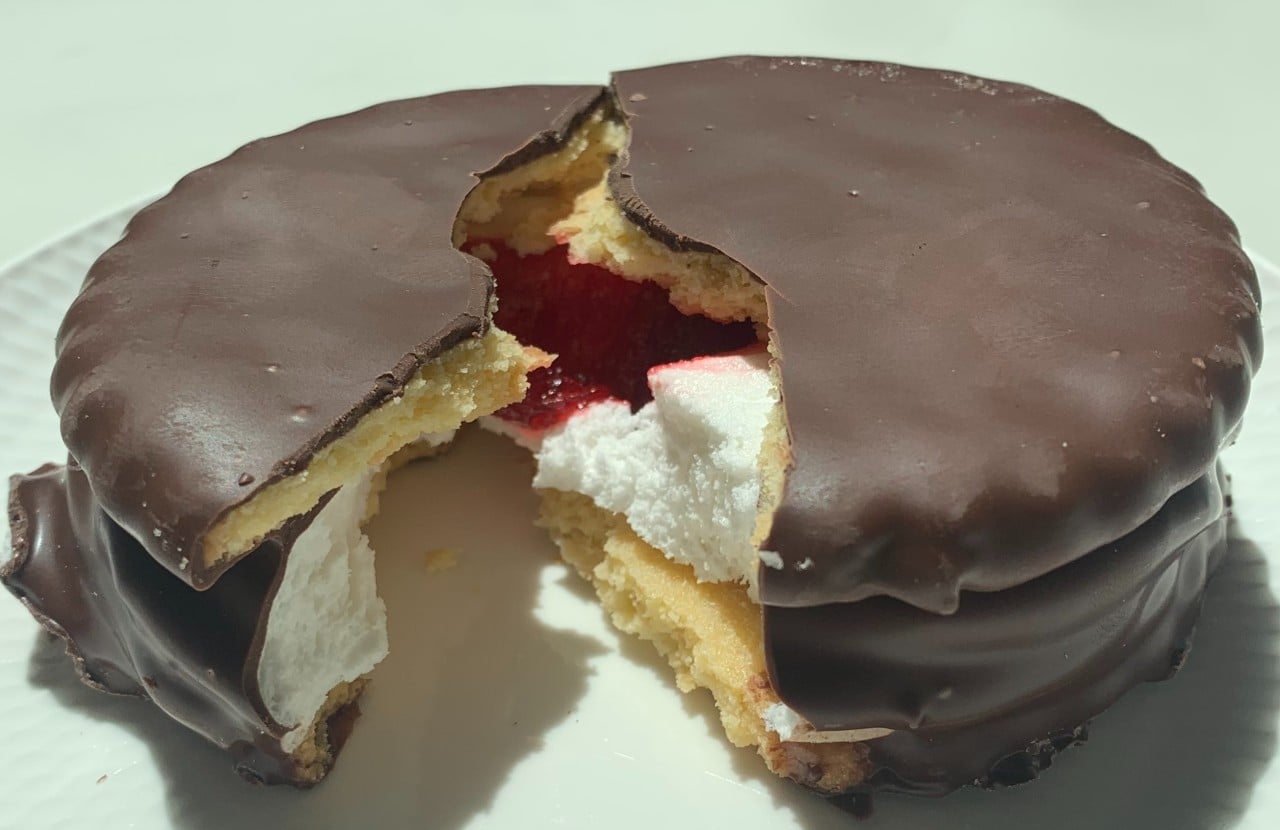
Some snacks were built to feel larger than life, and Wagon Wheels fit that description perfectly. These round marshmallow-and-jam cookies covered in chocolate looked oversized in a child's hand, which was part of their appeal. They felt like a serious treat rather than a quick bite.
The combination was unapologetically rich. Soft marshmallow, sweet filling, biscuit layers, and a chocolate coating created a texture contrast that made the product memorable. In an era when lunchbox desserts were often simple, Wagon Wheels offered something that felt more theatrical and indulgent.
Though often associated with British roots, Wagon Wheels found a strong following in Canada during the 1970s. They matched the period's taste for portable sweets with bold branding and a frontier-style image that resonated with kids. The name itself helped sell a sense of adventure.
For many Canadians, Wagon Wheels are remembered less as a daily staple and more as a coveted occasional reward. That may be exactly why they lasted in memory. Scarcity often strengthens nostalgia, and a chocolate-covered cookie that felt this substantial was never easy to forget.
Jos Louis
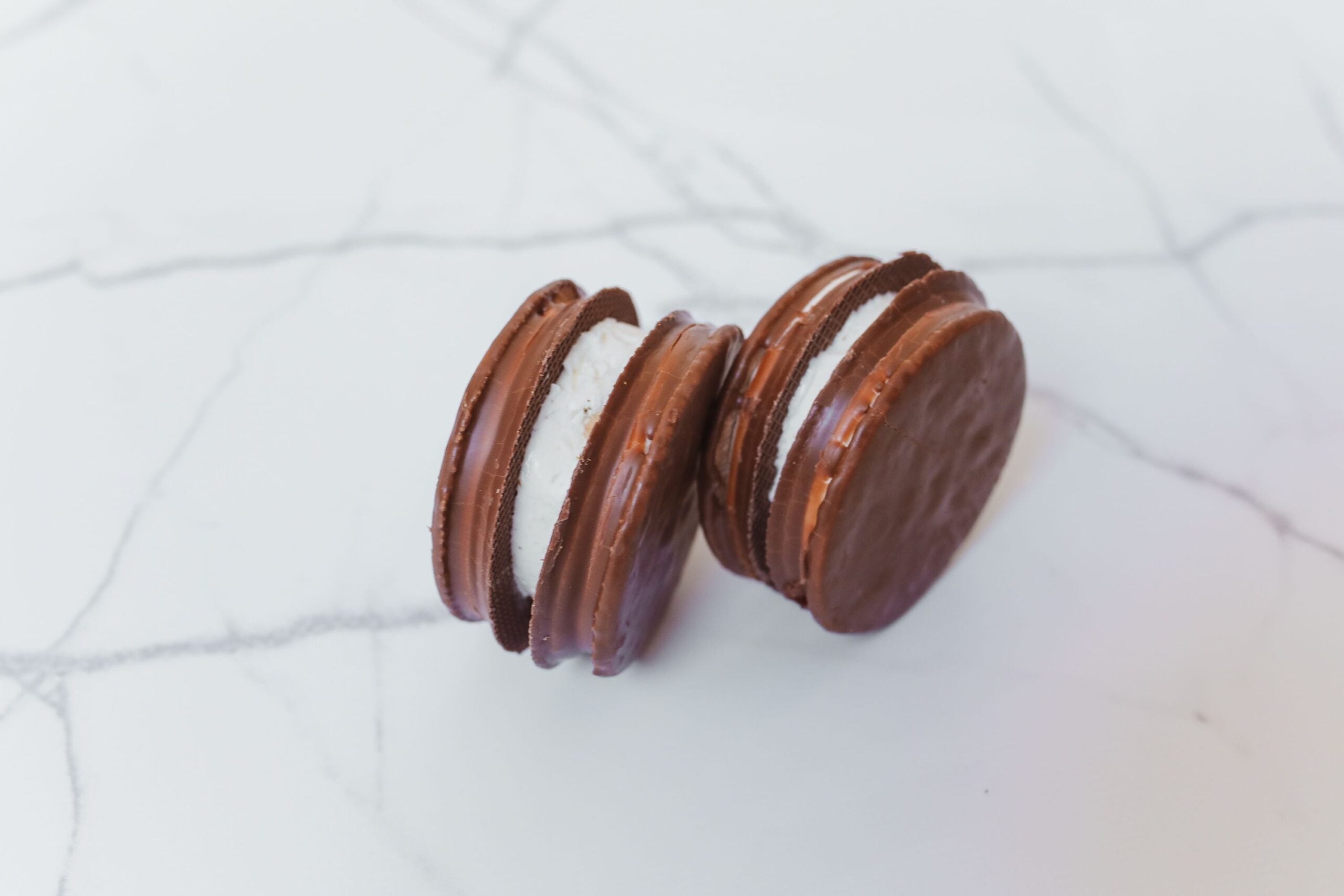
No list of retro Canadian snacks is complete without Jos Louis, the iconic cake that became a cultural institution in Quebec and well beyond. Created by Vachon, this cream-filled chocolate snack cake was already popular before the 1970s, but the decade cemented it as a national lunchbox mainstay.
Its formula was simple but effective: two round chocolate cakes, a creamy centre, and a glossy chocolate coating. The texture was softer and denser than many competing snack cakes, which gave Jos Louis a more satisfying feel. It was sweet, but it also had a certain richness that made it distinctive.
What made Jos Louis especially important was its place in French-Canadian food culture. Vachon products carried deep regional loyalty, and their expansion helped introduce Quebec-made treats to a broader national audience. In many homes, Jos Louis was not a novelty. It was a dependable household favourite.
Even now, the snack remains one of Canada's most recognizable packaged desserts, but its strongest nostalgic power comes from the 1970s and 1980s. That was the era when individually wrapped cakes became symbols of convenience, modernity, and a little bit of everyday indulgence.
Ah Caramel!
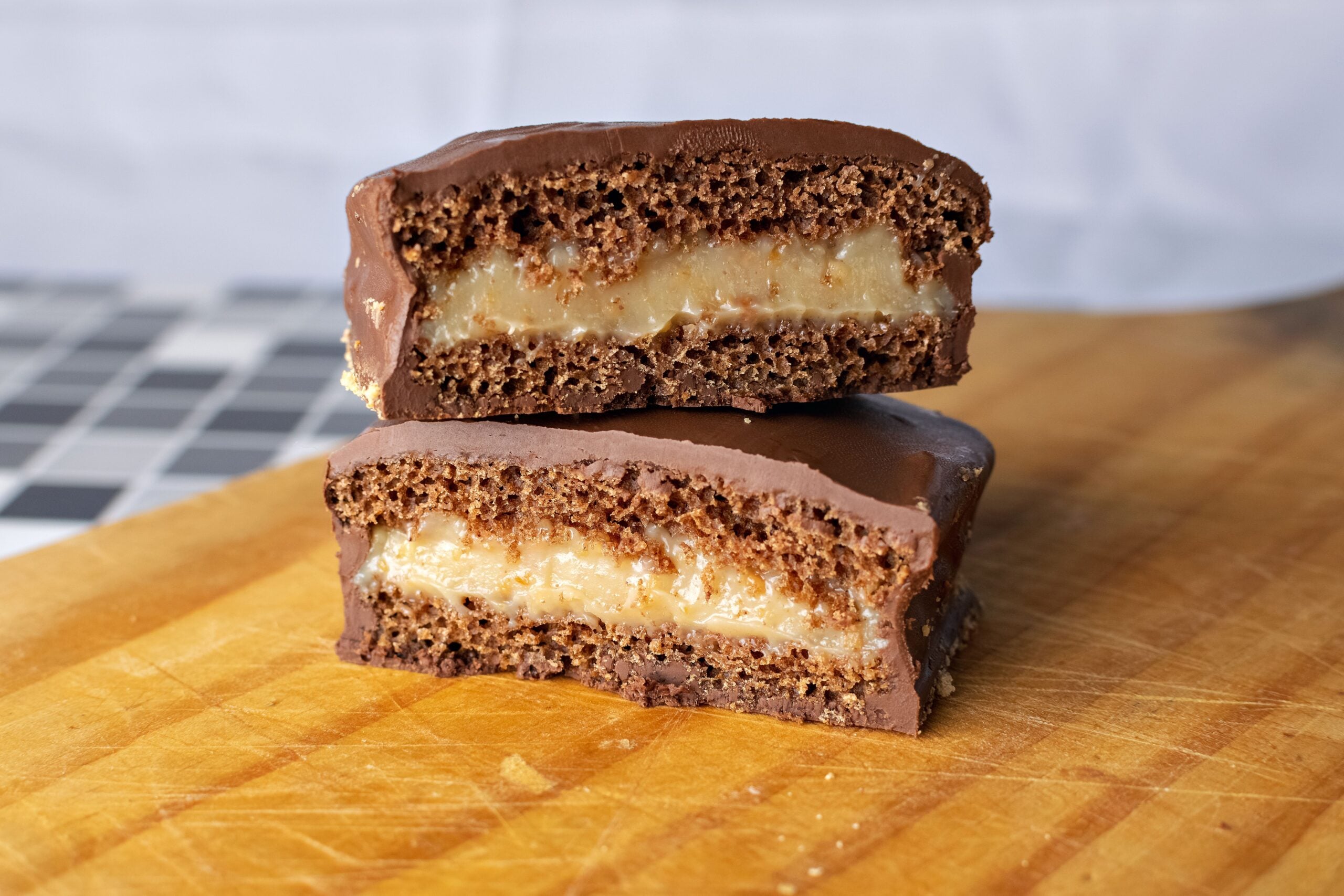
At first glance, Ah Caramel! looked almost too simple to stand out. Yet this Vachon creation earned a lasting place in Canadian snack history by leaning fully into one thing people rarely resist: soft cake paired with thick caramel filling and a chocolatey top.
The snack had a denser, more dessert-like quality than many mass-market cakes of its time. Biting into one delivered a gooey centre that felt richer than standard cream-filled alternatives. For children, that sticky caramel made it exciting. For adults, it often felt like a bakery-style treat in packaged form.
Like other Vachon products, Ah Caramel! benefited from strong regional affection and family familiarity. In Quebec especially, these snacks were staples in school lunches and kitchen cupboards. Their reliability mattered. People bought them not because they were trendy, but because they consistently delivered the flavour expected.
Though better known in some parts of the country than others, Ah Caramel! represents the kind of regional classic that defined Canadian snacking in the 1970s. Not every iconic food had coast-to-coast fame. Sometimes a snack became legendary simply by being deeply loved where it mattered most.
Canadian Smarties
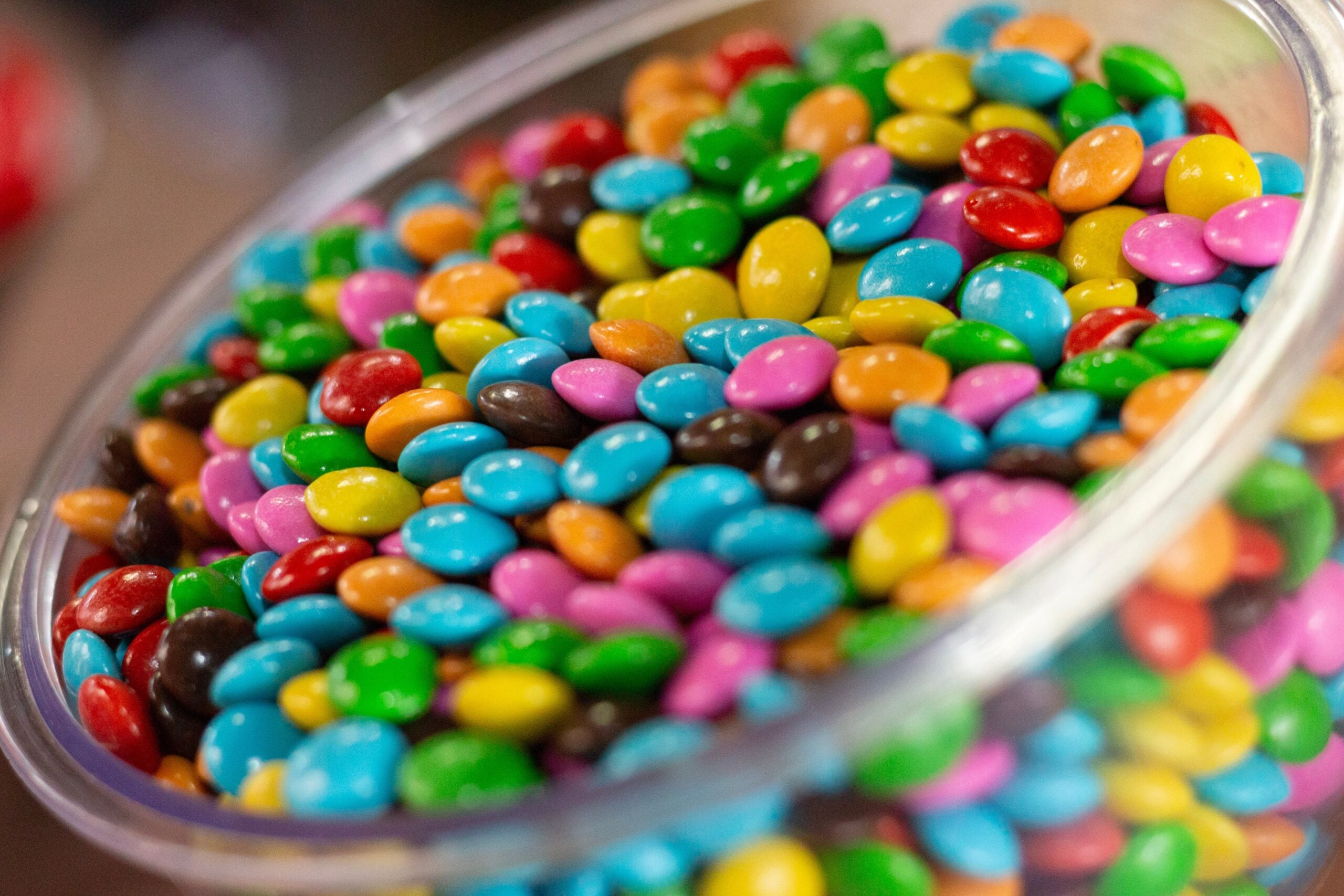
In Canada, Smarties were never the chalky tablet candies found elsewhere. They were candy-coated milk chocolate pieces, and in the 1970s they were a fixture at birthday parties, movie outings, and corner-store candy counters. Their bright colours gave them instant shelf appeal.
Part of their charm was how many ways they could be eaten. Some kids sorted them by colour, others bit through the shell first, and many poured the whole box into a hand at once. That little rectangular package was practical, recognizable, and perfectly designed for impulse buying.
Smarties also benefited from smart advertising and a strong family-friendly image. By the 1970s, they had already secured a firm place in Canadian confectionery culture. They were sweet without feeling excessive, making them a common choice for parents looking for a manageable treat.
Unlike more fragile retro brands, Smarties remained relevant across generations, which can sometimes hide just how vintage they really are. But their 1970s presence was especially strong. In that decade, they were not simply another candy. They were one of the defining tastes of Canadian childhood.
Lik-M-Aid Fun Dip
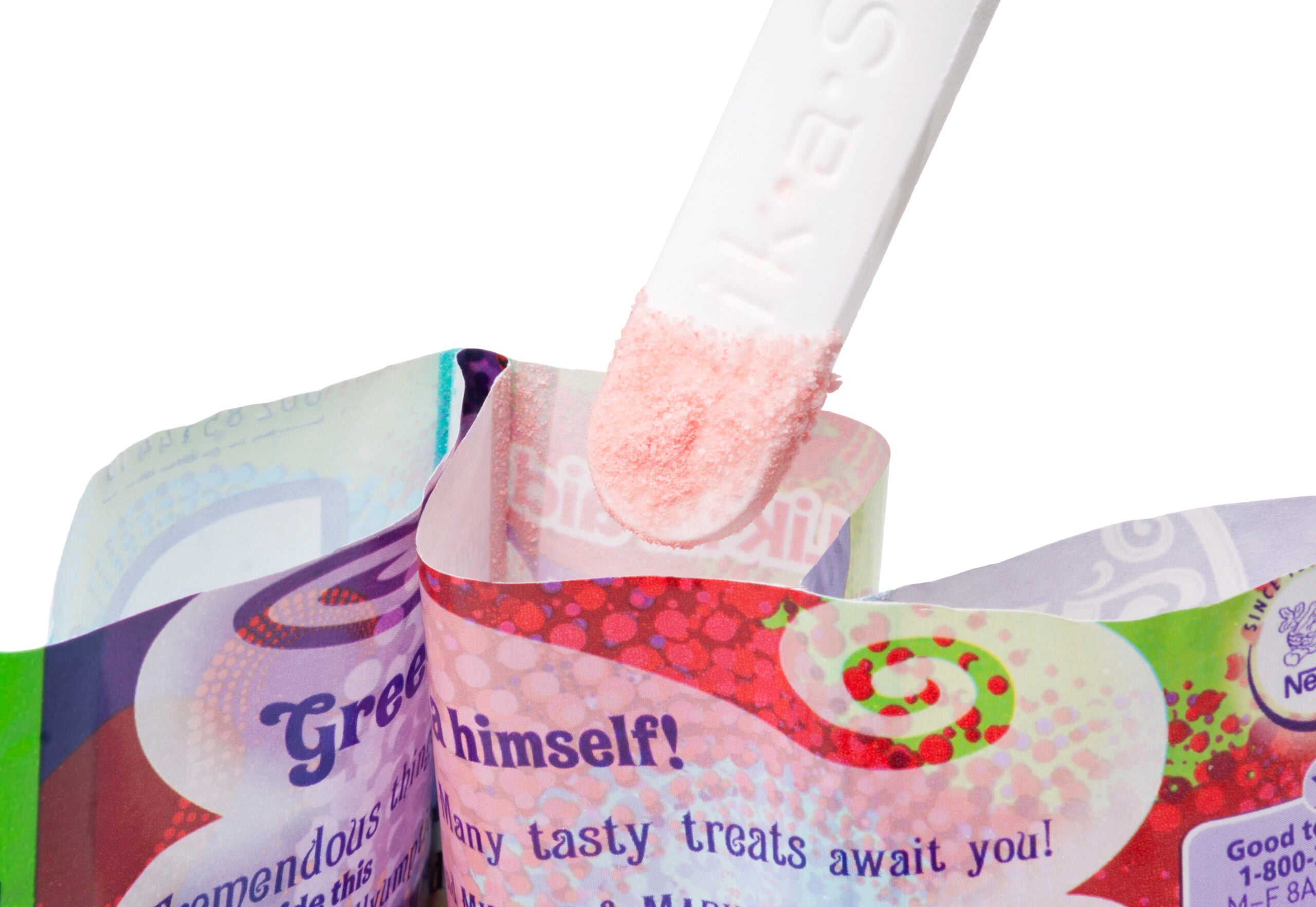
Some snacks were as much activity as food, and Lik-M-Aid Fun Dip perfectly captured that idea. The product combined flavoured sugar powder with a candy stick used for dipping, turning a simple sweet into a hands-on ritual that felt almost mischievous to children.
Its appeal in the 1970s came from novelty. Candy was becoming more interactive, more colourful, and more theatrical, and Fun Dip fit that shift exactly. The sharp sweetness, dyed powders, and edible dipping stick made it feel less like traditional candy and more like an event in a pouch.
Canadian kids embraced that play factor, especially in an era when convenience stores were packed with low-cost treats designed for small allowances. Fun Dip stood out because it encouraged slow eating and experimentation. You could mix flavours, lick the stick, or dump the last of the sugar straight into your mouth.
Adults may have seen it as messy, but that was part of the thrill. Not every retro snack was admired for craftsmanship or ingredients. Some earned their place through pure fun, and Fun Dip remains a perfect example of how 1970s snack culture often blurred the line between eating and play.
Caramilk Bars
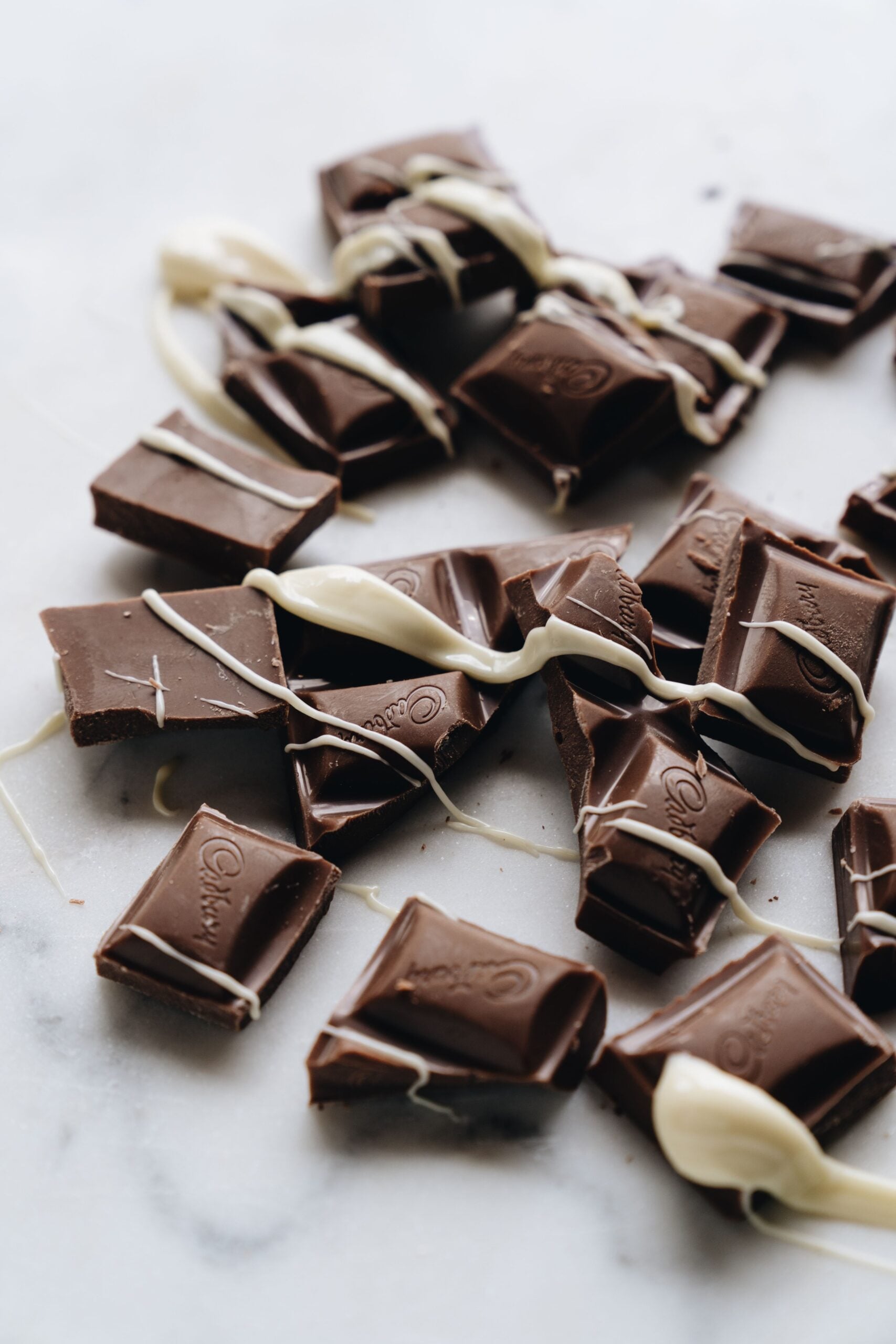
Mystery helped sell plenty of candy in the 1970s, and few products leaned into that better than the Caramilk bar. Made of milk chocolate squares filled with flowing caramel, it became famous not just for taste but for the long-running question of how the caramel got inside.
That marketing worked because the product itself delivered. The chocolate shell gave way to a smooth, sweet centre that felt more luxurious than an ordinary candy bar. It was messy in the best way, especially on warm days, and that tactile quality made it memorable.
Caramilk also fit a wider trend in 1970s confectionery toward texture-driven indulgence. Consumers were drawn to products that combined softness, sweetness, and surprise in a single bite. A plain chocolate bar could satisfy, but a filled bar offered more drama and stronger brand identity.
For Canadians who grew up in that era, Caramilk was less of a novelty than a standard of the candy aisle. That familiarity is exactly why it deserves a place here. It was so common, so dependable, and so good that people often forget how much it defined the period.
Fizzies
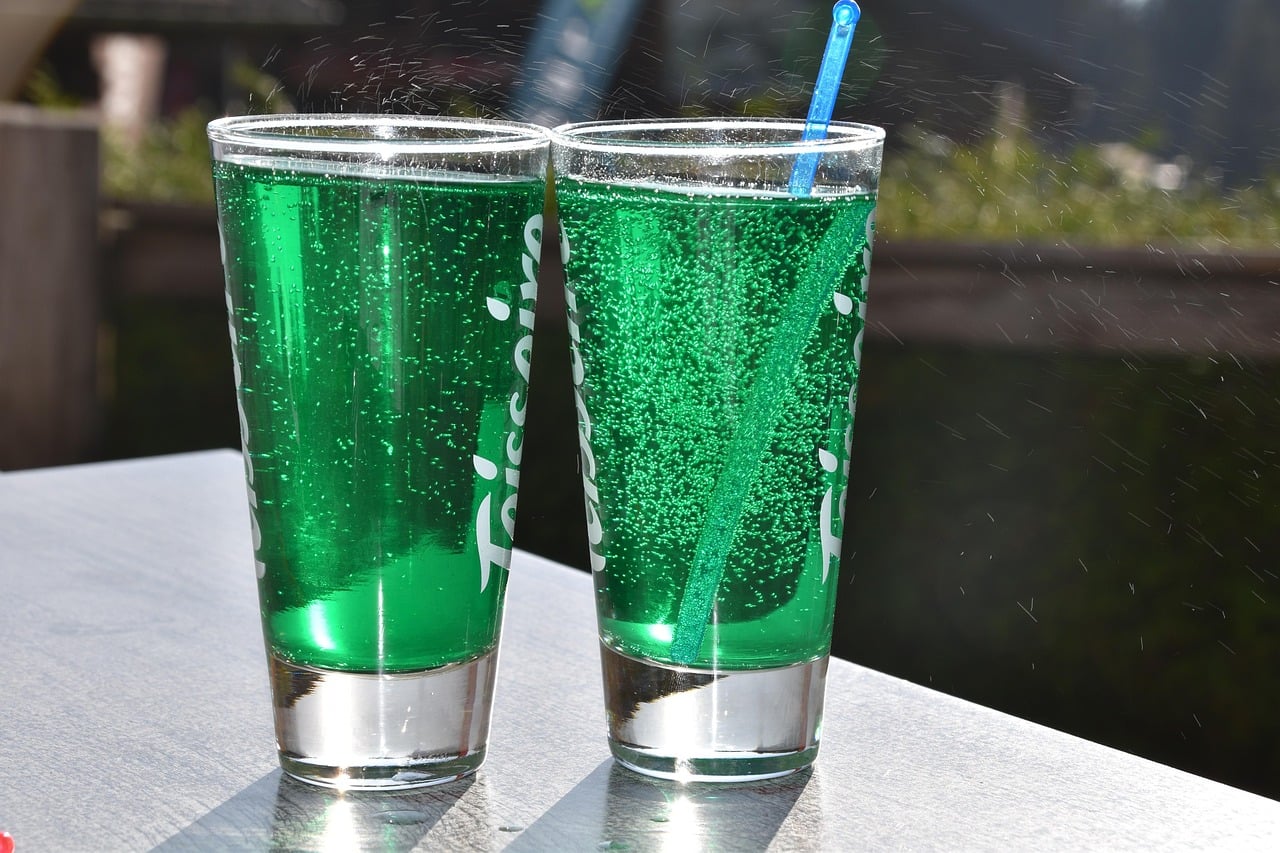
Before energy drinks and flashy vitamin waters, there were Fizzies, the effervescent drink tablets that turned an ordinary glass of water into a brightly coloured sweet beverage. In 1970s Canada, they felt futuristic, almost like a science experiment that happened to taste like candy.
The appeal was obvious. Kids could drop a tablet into water and watch it bubble, dissolve, and transform the drink before their eyes. That bit of chemistry made Fizzies more exciting than many bottled soft drinks, especially at home where preparation was part of the fun.
Parents, meanwhile, often saw them as a practical pantry item. They were compact, inexpensive, and easy to store. In an age shaped by convenience foods and product innovation, Fizzies fit neatly into a household culture that valued novelty but also wanted affordable treats for children.
Fizzies eventually faded from mainstream prominence, but they remain one of the most vivid examples of retro snack culture in Canada. They captured the optimism of the era, when packaged food was expected to entertain as much as nourish, and when a fizzy tablet could feel almost magical.



Leave a Reply