
The 1960s were a boom time for packaged snacks, but not every product stuck around long enough to become a household name. Some now survive only in old magazine ads, supermarket trade coverage, package collections and the memories of people who spotted them once and never again.
Nabisco Shindig
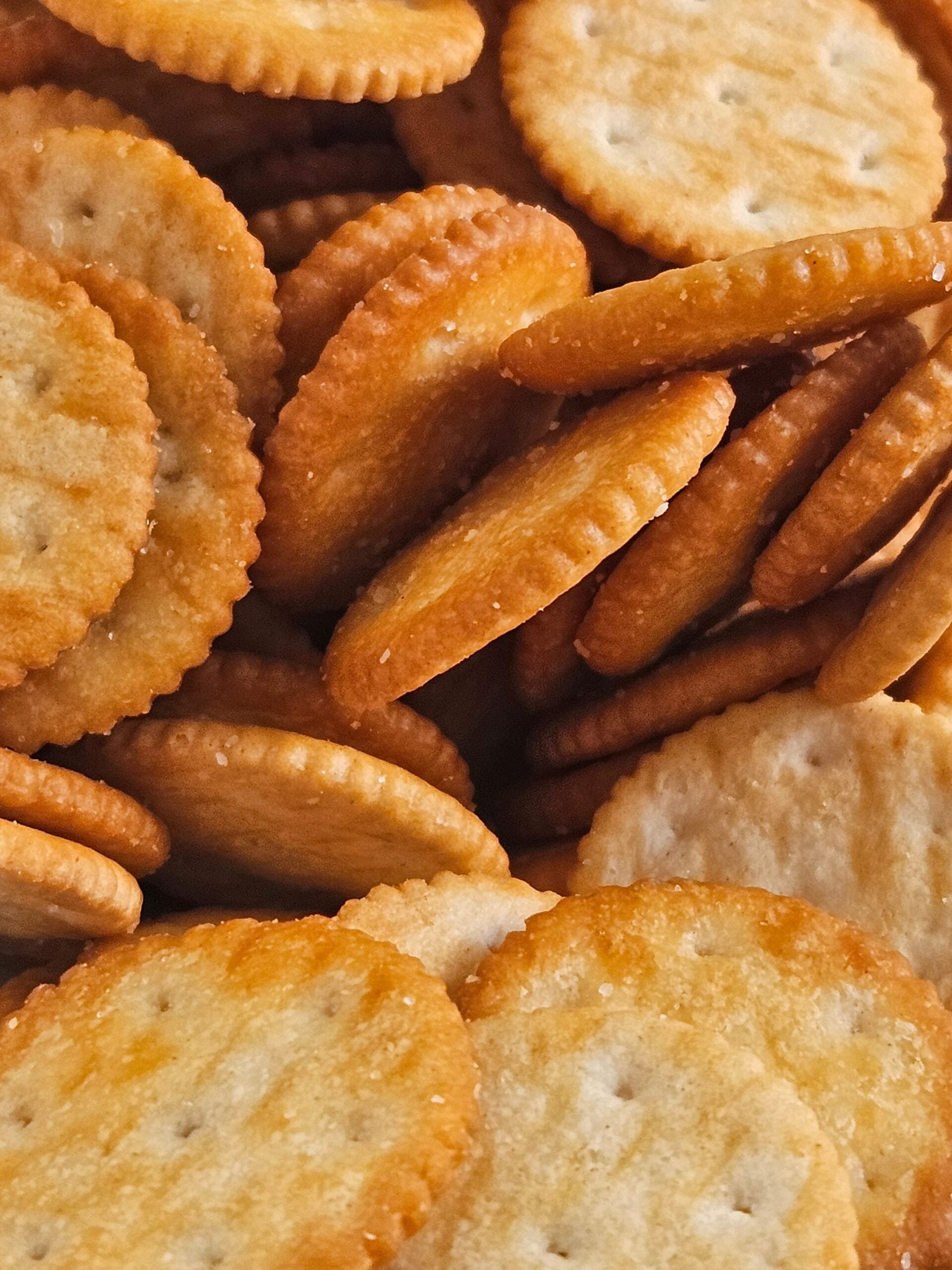
Few snack names sound more like the 1960s than Shindig. Nabisco introduced this line as a party style snack mix, part of a growing push to turn casual entertaining into something companies could package and sell.
Shindig stood out because it fit neatly into a decade obsessed with convenience. Instead of mixing nuts, crackers and cereals at home, shoppers could buy a ready made blend designed for serving in a bowl at gatherings.
Today, food historians are still interested in products like Shindig because they mark the moment when the modern snack mix became a supermarket category. Original boxes are scarce, and surviving references tend to come from period advertisements rather than from the product itself.
Frito Lay Ruffles Cheddar and Sour Cream prototypes
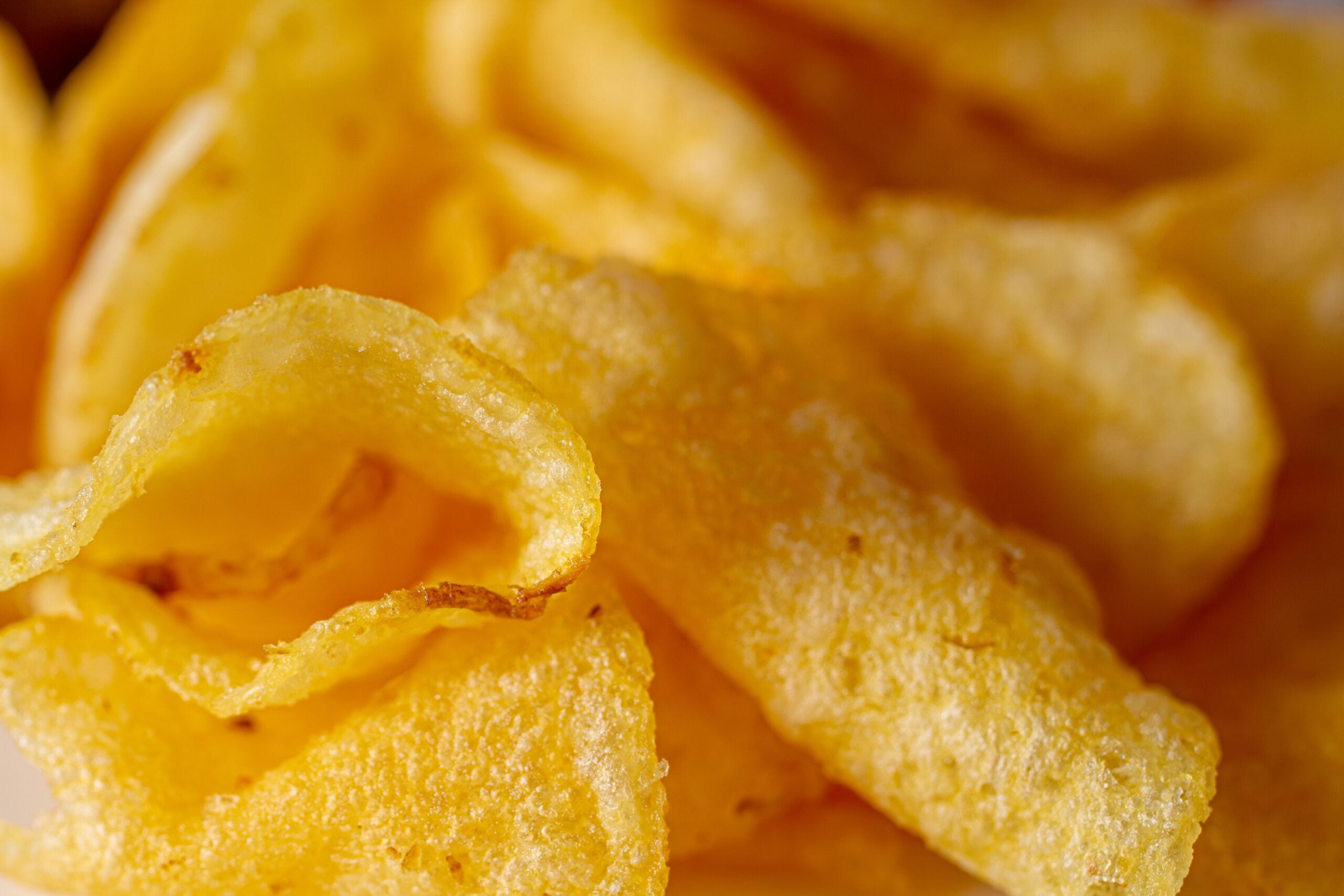
Some rare snacks are hard to find because they were sold briefly. Others are elusive because they seem to have existed in test form before most shoppers ever saw them widely. Early flavored potato chip experiments from the 1960s fall into that second category.
Ruffles dates to the 1950s, but the 1960s were when major snack companies began pushing harder into seasoned varieties. Trade reporting from the era shows how quickly companies were trying new flavors as national distribution expanded.
That matters to historians because many early flavor tests left only thin paper trails. Packaging mockups, regional promotions and distributor memories can point to products that never became long running national staples, making them some of the hardest snack artifacts to document.
Planters Cheese Balls
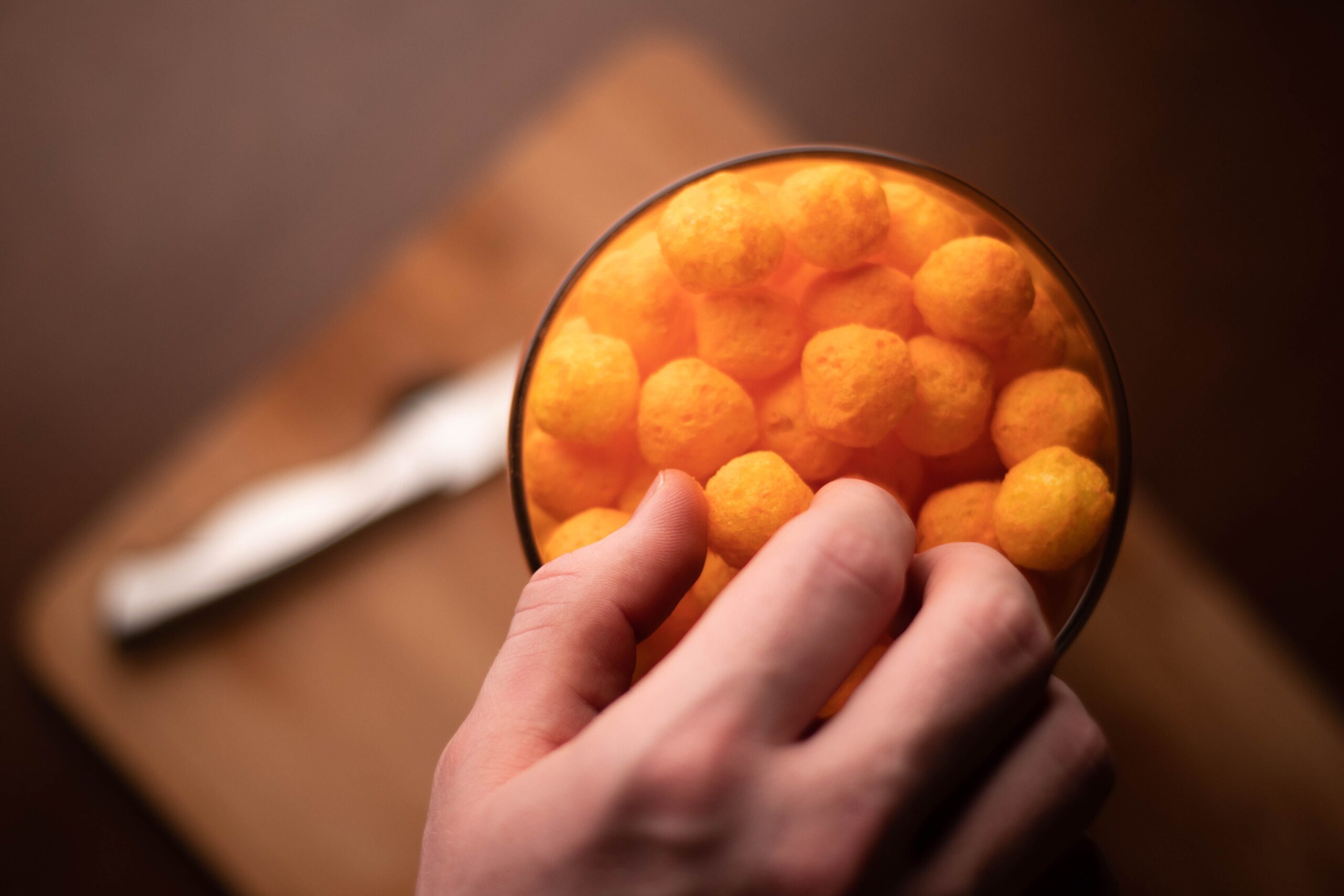
Long before giant canisters of cheese balls became a familiar sight, companies were already experimenting with puffed, cheese coated snacks. Planters, known mainly for nuts, was among the brands that pushed into adjacent snack territory during the 1960s.
That kind of move was common in the decade. As supermarkets gave more space to packaged snacks, brands with strong recognition looked for ways to branch out into new forms that still matched changing tastes for salty, ready to eat foods.
Food historians keep chasing early versions because the products often changed shape, recipe or ownership over time. A surviving 1960s package can show details later versions dropped, including serving language, graphics and how the brand wanted shoppers to see the snack.
Ritz Bits sandwiches before Ritz Bits existed
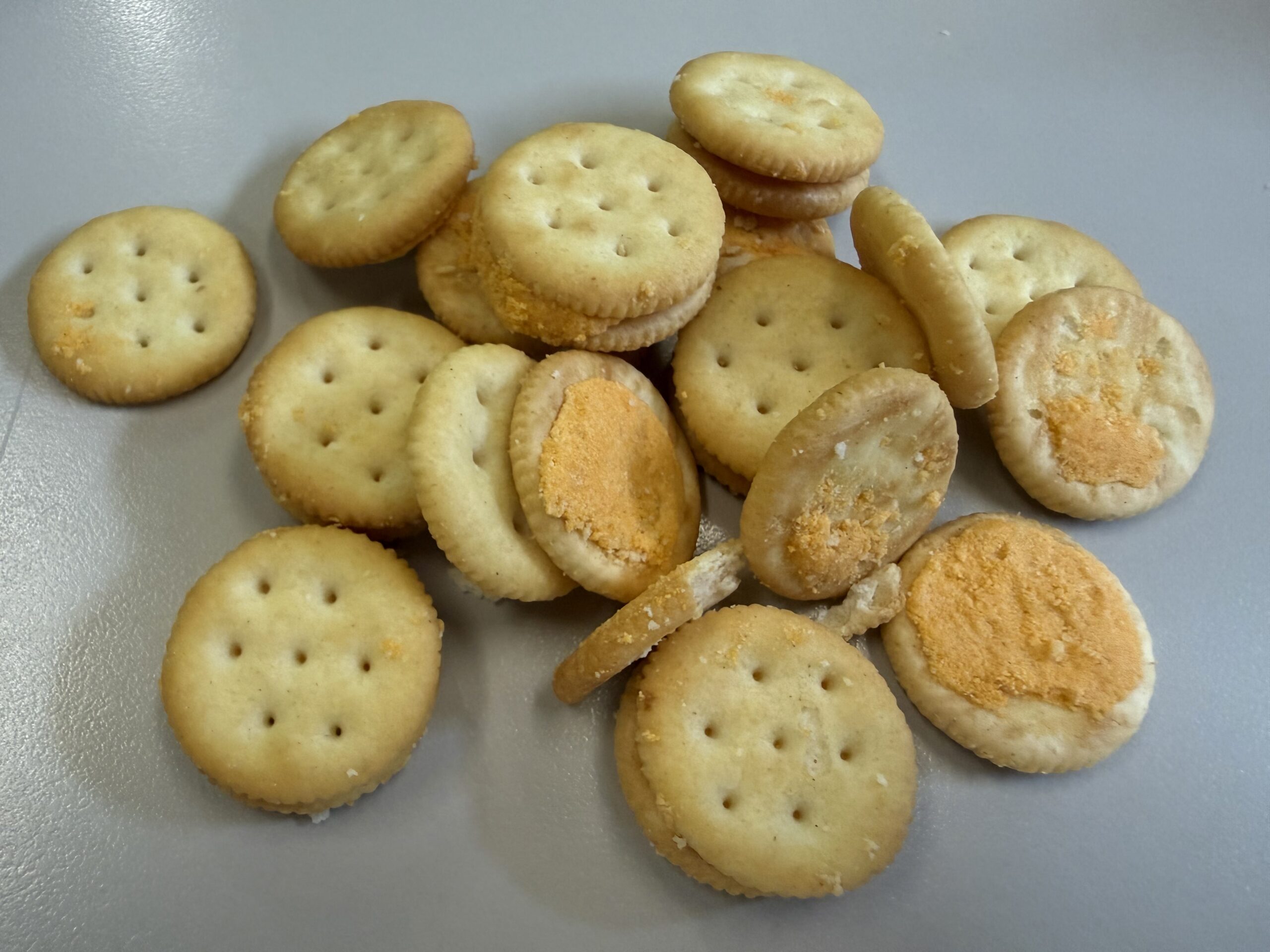
Sometimes a missing snack is really a missing format. Nabisco spent the 1960s extending the Ritz name, and historians often look for short lived sandwich cracker experiments that may have paved the way for later bite size versions.
The value here is not just nostalgia. Products like these show how companies tested familiar brands in smaller, more portable forms as lunchboxes, vending sales and car travel became more important to snack marketing.
Because many of these experiments were regional or temporary, collectors often find references before they find the actual box. That gap between printed evidence and physical survival is exactly what makes the hunt so interesting to researchers.
Burry's Fudge Town cookies
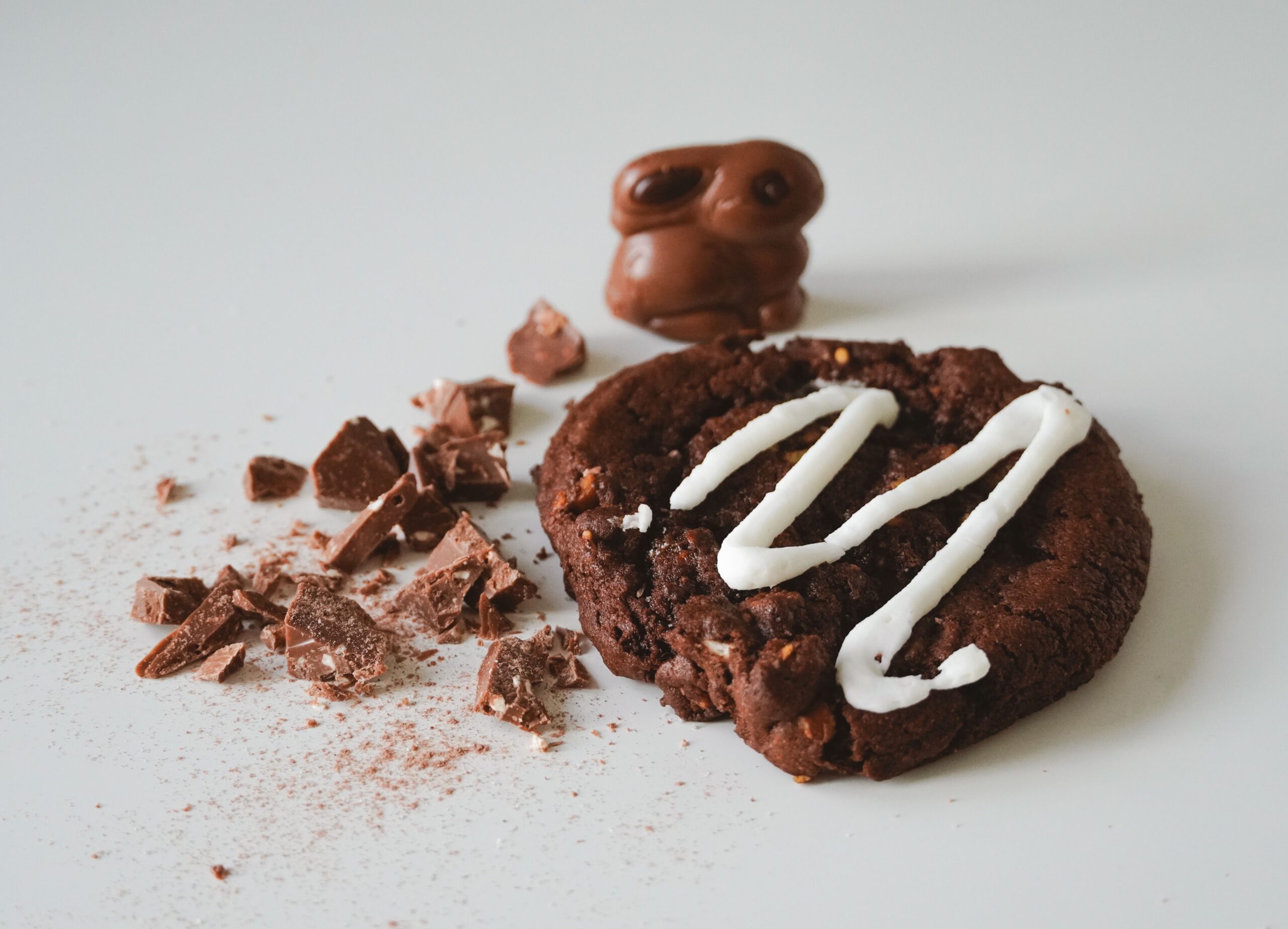
Burry was once a major name in American cookies, but it does not hold the same place in public memory as Oreo or Chips Ahoy. That makes some of its 1960s products especially attractive to food historians and package collectors.
Fudge Town cookies are remembered for their chocolate heavy profile and for the way they fit into the decade's fascination with indulgent packaged sweets. They were the kind of supermarket treat that felt modern, branded and ready for impulse buying.
The problem is survival. Burry changed over time, and many of its old packages were thrown away because few people imagined they would become pieces of food history. Today, clear 1960s examples are much harder to find than the better known cookie brands of the same era.
Hostess Chocodiles from early national expansion
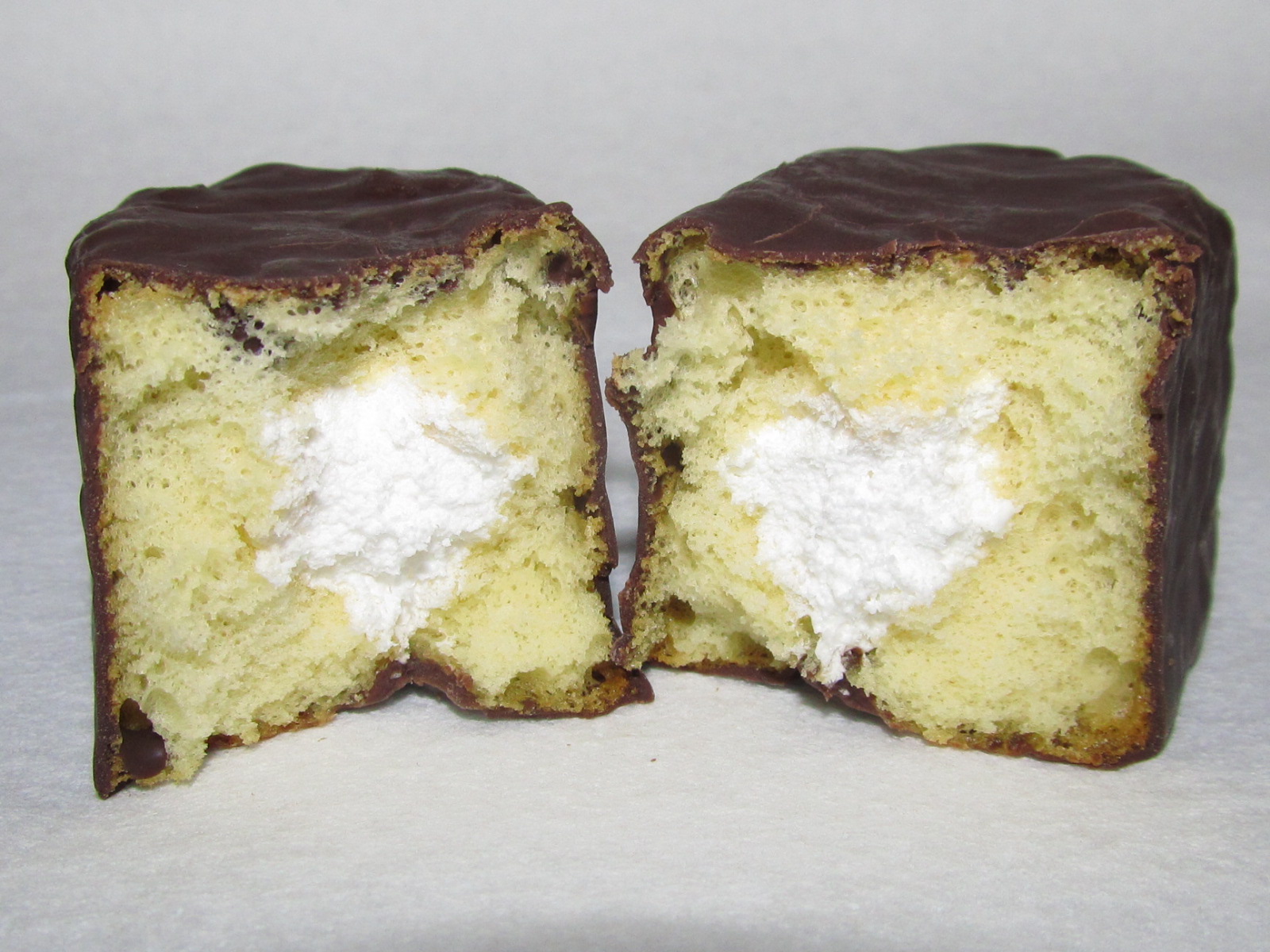
A lot of rare snack hunting comes down to geography. Chocodiles, the chocolate covered cousin of the Twinkie, are famous now among snack fans, but for years their distribution was uneven, which makes early examples especially tricky to trace.
In the 1960s, regional rollout mattered. A snack could be beloved in one city and nearly unknown in another, depending on bakery networks, trucking routes and what local stores decided to stock.
That patchwork is why historians value dated wrappers, bakery displays and newspaper ads. They help map when a product was available and where, giving a fuller picture of how snack culture spread before every launch became a national media event.
Marathon bar in its early years
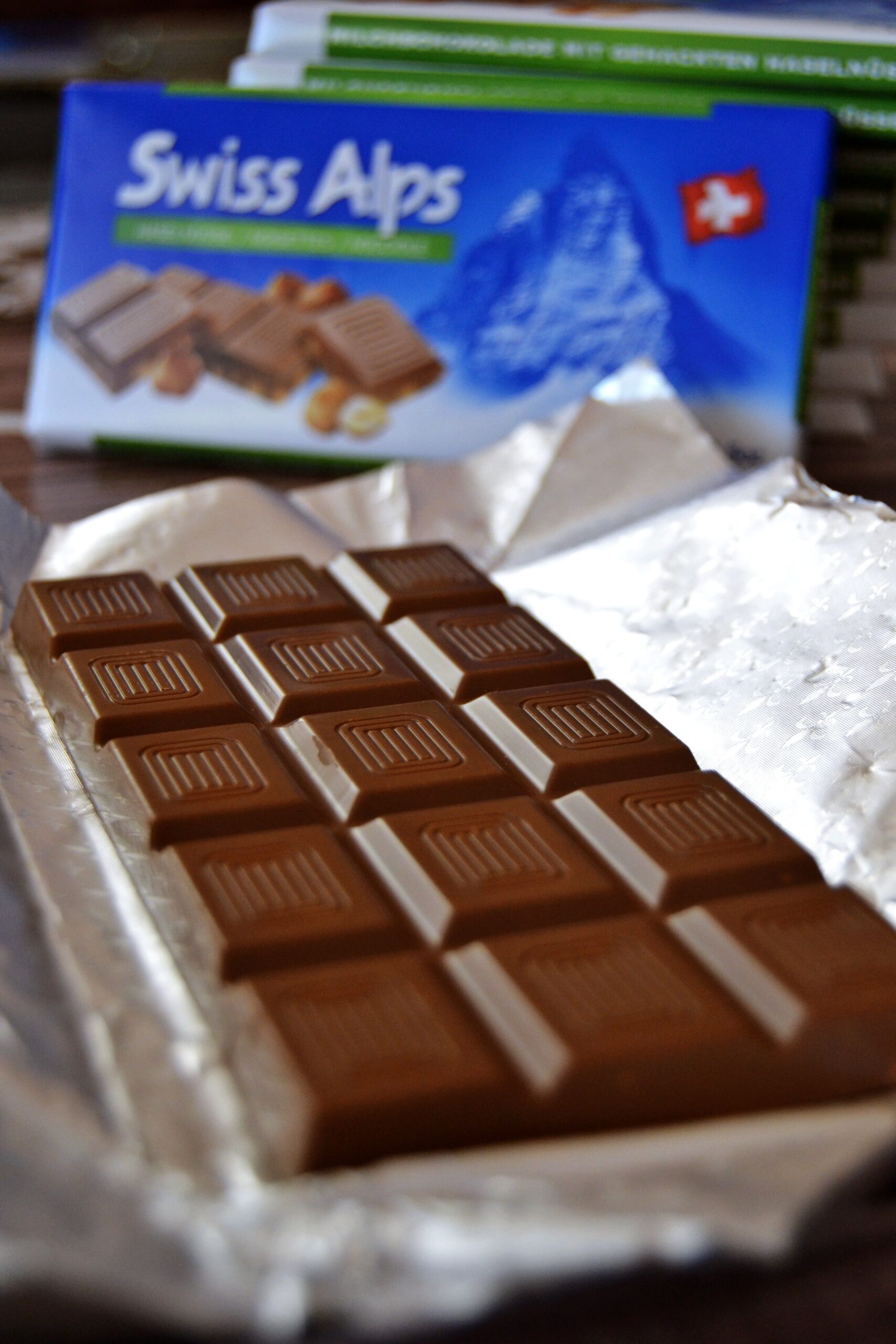
The Marathon bar is usually remembered as a 1970s candy, but its roots are tied to a period when American confectionery companies were aggressively testing shape, texture and branding. That late 1960s development story is part of the hunt.
What made the bar memorable was its long braided caramel form covered in chocolate. It looked different from standard candy bars, and that visual novelty mattered at a time when shelf appeal was becoming a stronger sales tool.
Historians look for the earliest packaging and promotional material because they reveal how companies introduced unfamiliar candy ideas to mainstream shoppers. Those launch details often disappear first, even when the product itself lingers in memory.
Munchos in their first generation
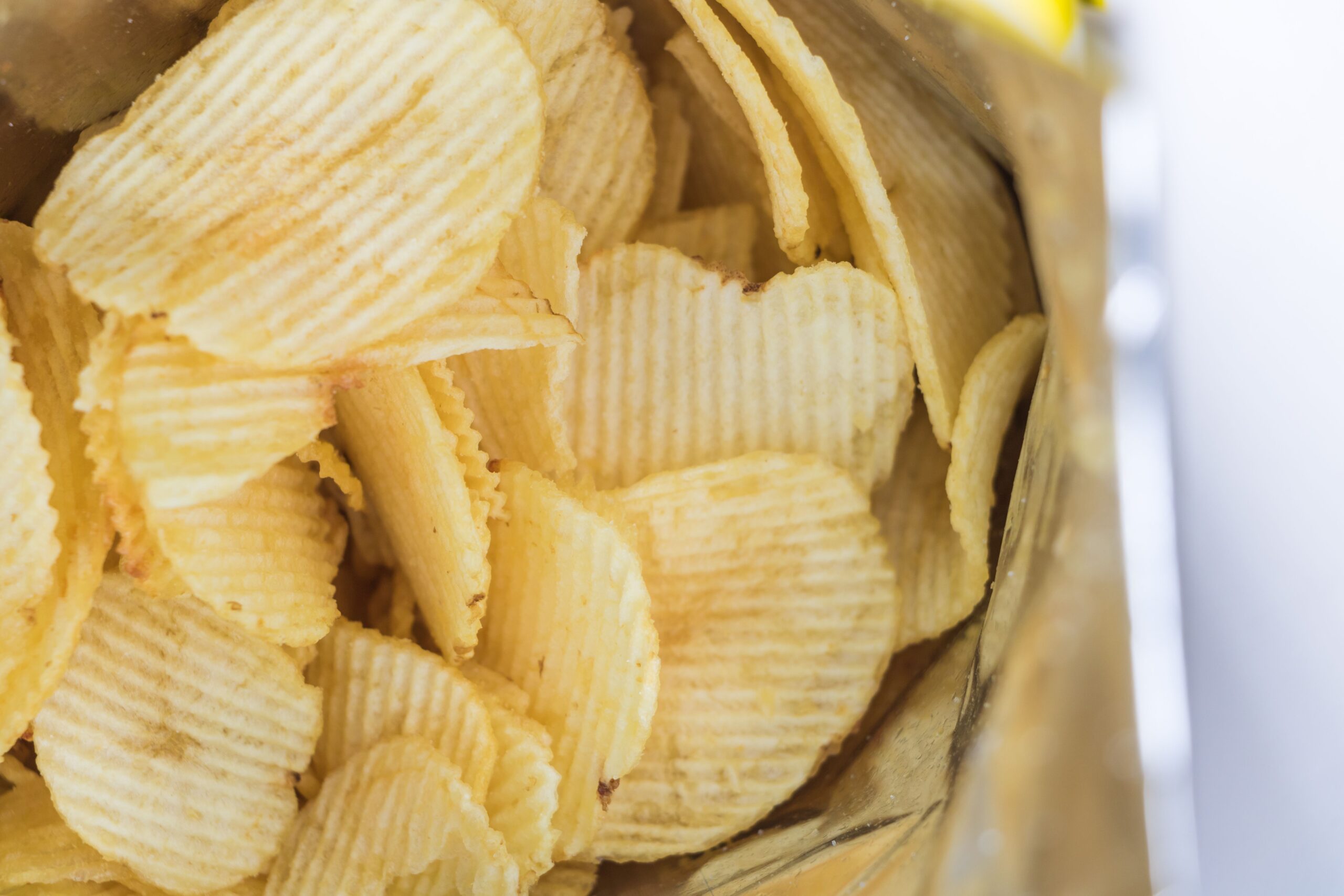
Potato based crisps have a long history, but Munchos represented a different branch of snack development. Instead of standard sliced chips, they were formed from processed potato ingredients, a sign of how food technology was reshaping snack aisles.
That made them part of a bigger 1960s story. Manufacturers were increasingly willing to sell texture as innovation, promising uniformity, crunch and engineered appeal rather than just a better version of a homemade food.
Early Munchos materials are now sought after because they capture that shift so clearly. The first generation packaging and ads help explain when consumers began embracing snacks designed in factories from the ground up, not just prepared there.
Keebler Pizza Chips
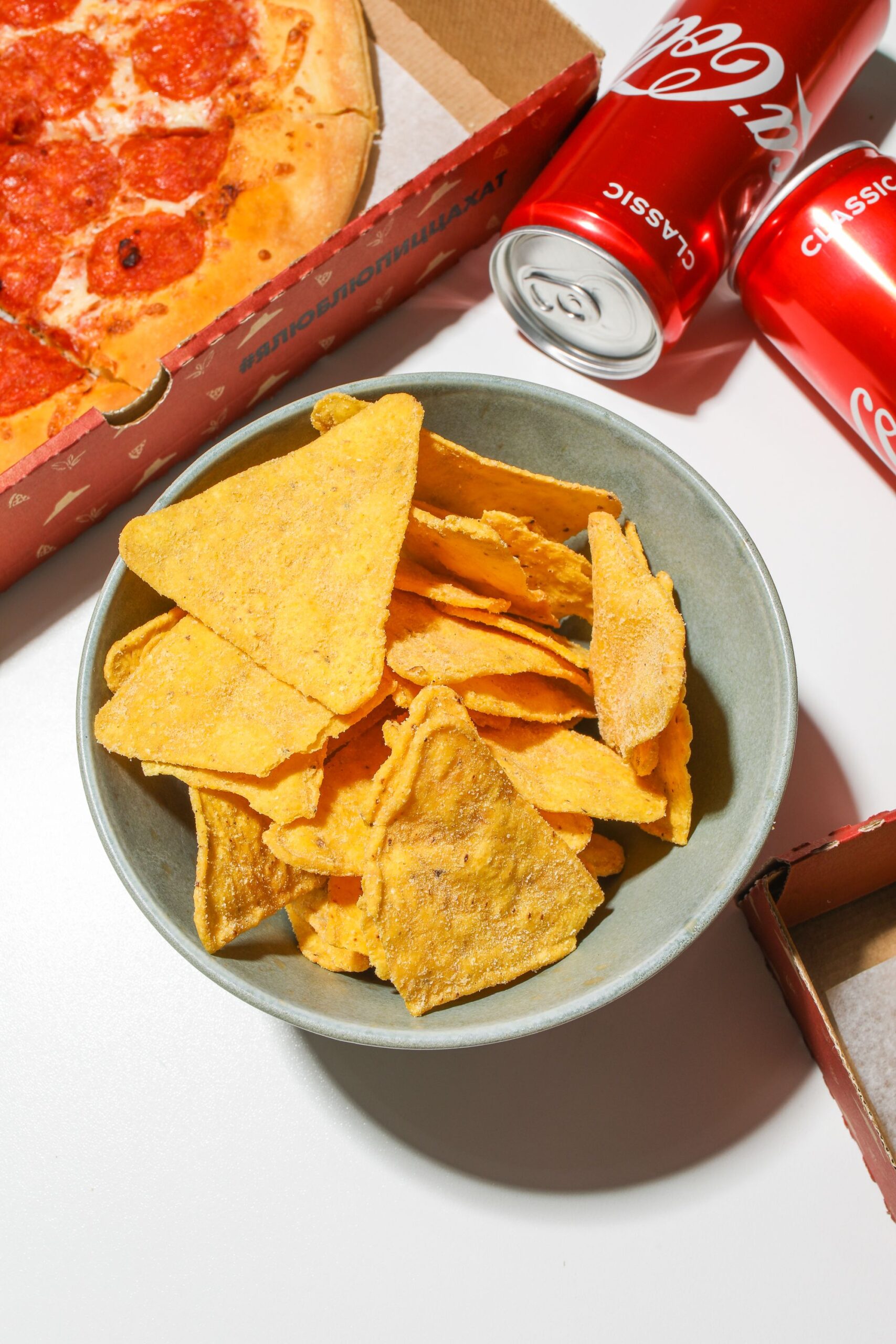
Pizza flavored snacks became common later, but the idea had real novelty in the 1960s, when pizza itself was still becoming a mainstream American supermarket flavor. That is one reason Keebler Pizza Chips keep coming up in collector circles.
The snack reflects how quickly companies noticed changing tastes and tried to translate full meals into portable, shelf stable forms. Tomato, cheese and spice seasoning offered a familiar hook while still feeling modern and slightly adventurous.
For historians, products like this document more than a single brand. They show how snack makers borrowed from restaurant trends and regional foods, then repackaged them for national sale in boxes and bags that now rarely survive.
Space Food Sticks
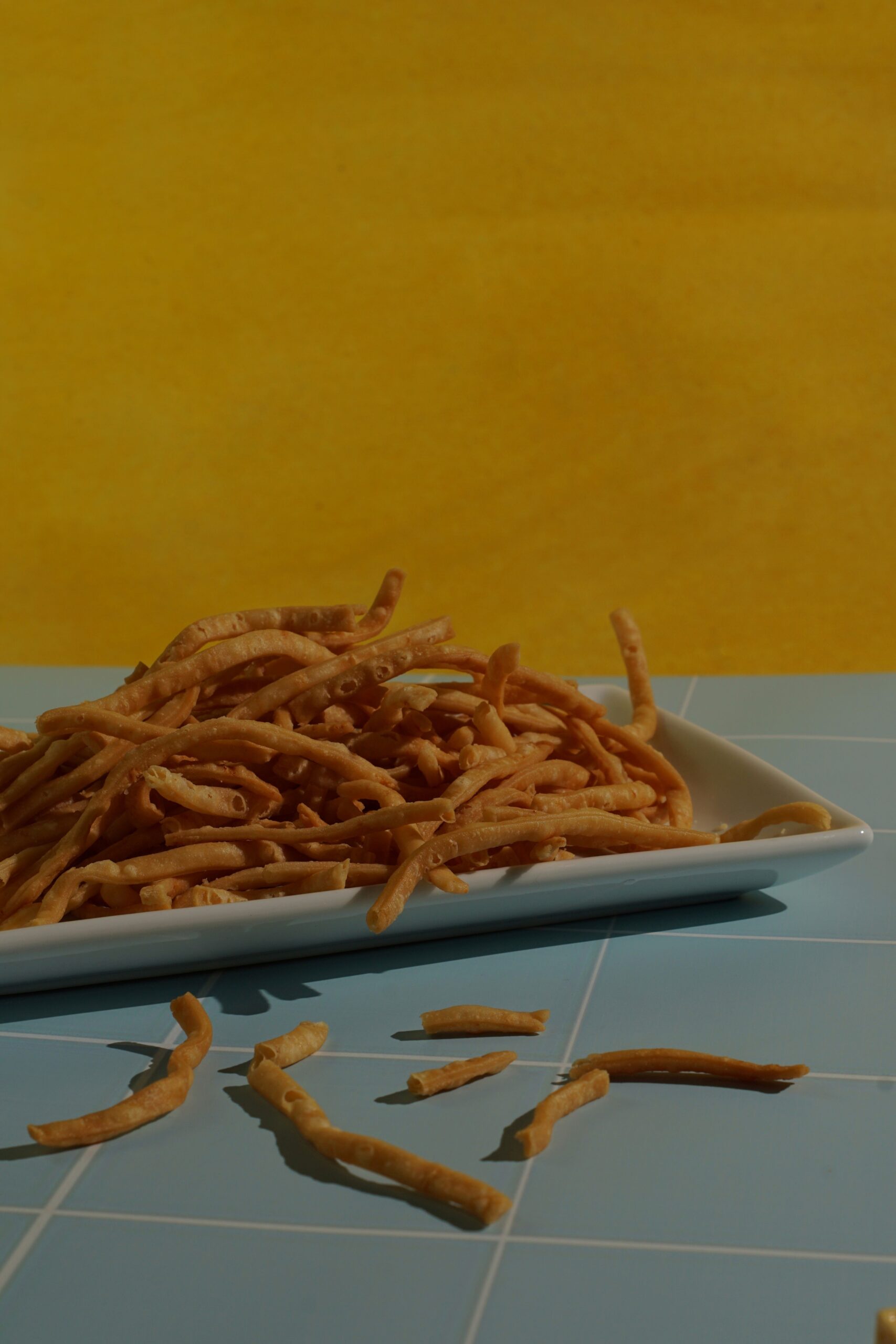
If one snack captures the mood of the 1960s, it is Space Food Sticks. Developed during the space race era, they connected everyday eating with the public fascination surrounding astronauts, capsules and futuristic living.
The product was created by Pillsbury and promoted as a food of tomorrow, even though it was built for ordinary consumers rather than actual missions. That mix of science branding and supermarket practicality is what still makes it so revealing.
Collectors and historians continue hunting early examples because they embody the decade so completely. A surviving box is not just snack packaging. It is a small record of how companies turned national excitement about space into something people could toss into a lunchbox.

Leave a Reply