
Some kitchen advice survives for generations because it sounds sensible, not because it consistently works. These common cooking tips are still everywhere, but food science shows many of them are oversimplified, misleading or just plain wrong.
Sear meat to lock in juices
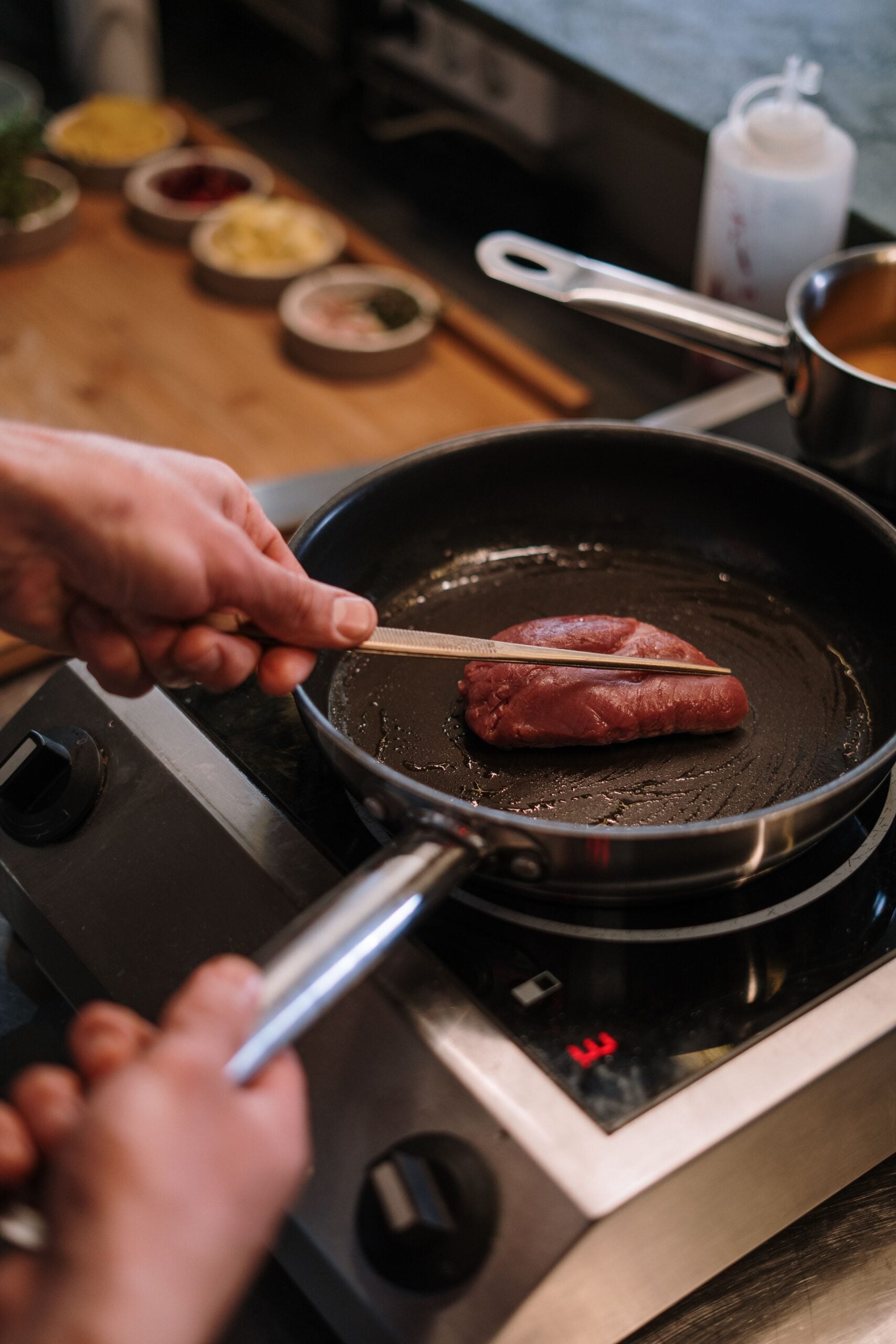
It is one of the most repeated cooking tips around, and it sounds convincing. A hard sear creates a flavorful brown crust, so it is easy to assume it also seals moisture inside the meat.
Food scientists have pushed back on that idea for a long time. Harold McGee notes that searing does not create a waterproof barrier, and experiments have shown seared meat can lose as much moisture as unseared meat. What searing really does is drive the Maillard reaction, the browning process that creates deep roasted flavors and an appealing crust.
That means searing is still worth doing, just for the right reason. If you want juicier meat, temperature control matters more. Pulling a steak or roast at the right internal temperature and letting it rest will do far more for moisture than any attempt to "seal" the surface.
Rinse raw chicken before cooking
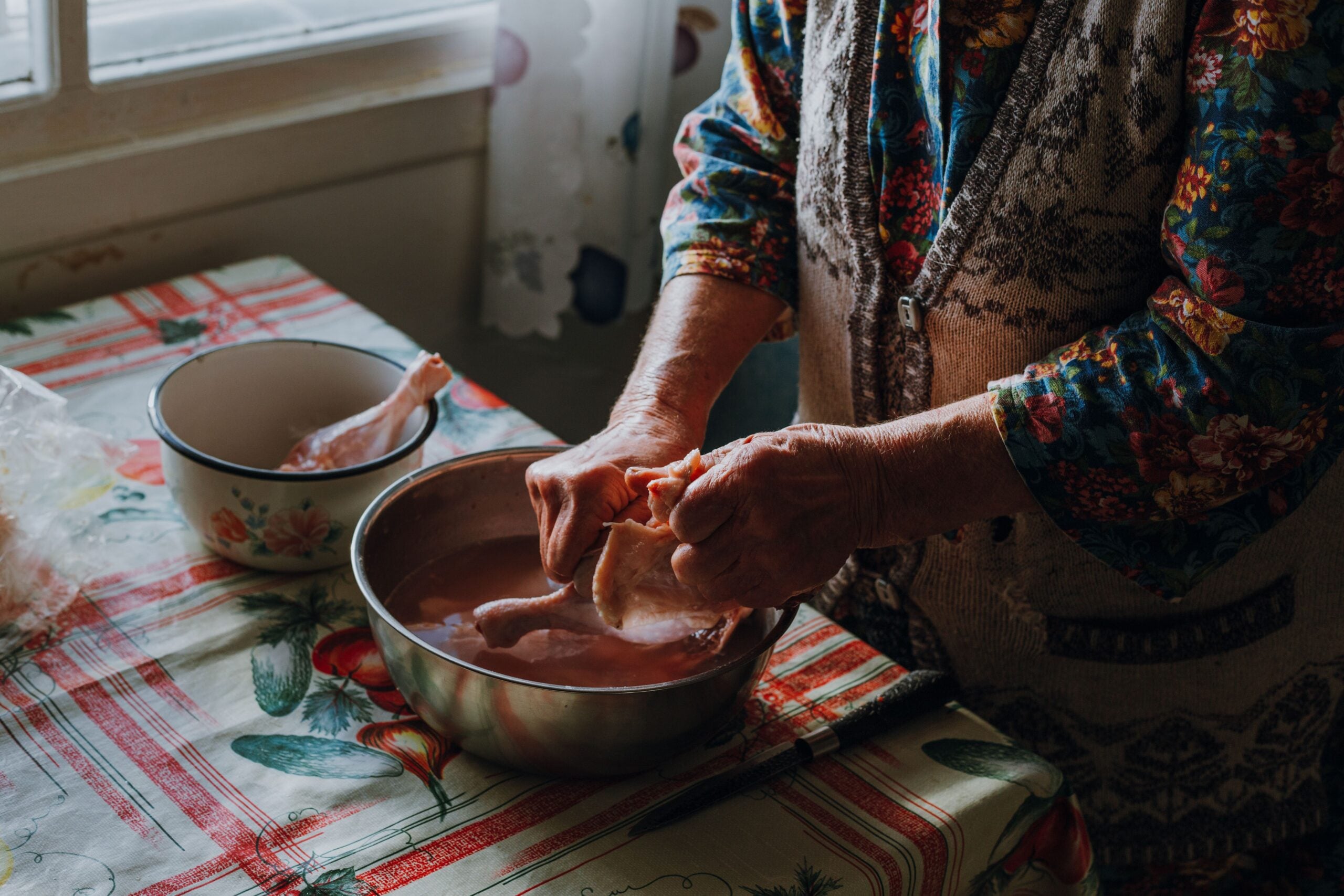
This advice used to be common in home kitchens, especially from cooks who felt washing chicken made it cleaner. In reality, rinsing raw poultry increases the chance of spreading bacteria around your sink, counter and nearby utensils.
The USDA and the Centers for Disease Control and Prevention both advise against washing raw chicken. Water does not remove pathogens in any meaningful way, but splashing can move bacteria such as Salmonella and Campylobacter onto surfaces where they can contaminate other foods.
The safer approach is simpler. Cook chicken to a safe internal temperature of 165 F, and focus on preventing cross contamination by washing hands, sanitizing surfaces and keeping raw poultry away from ready to eat foods. In this case, the "cleaner" step can make your kitchen less safe.
Add oil to pasta water so noodles do not stick
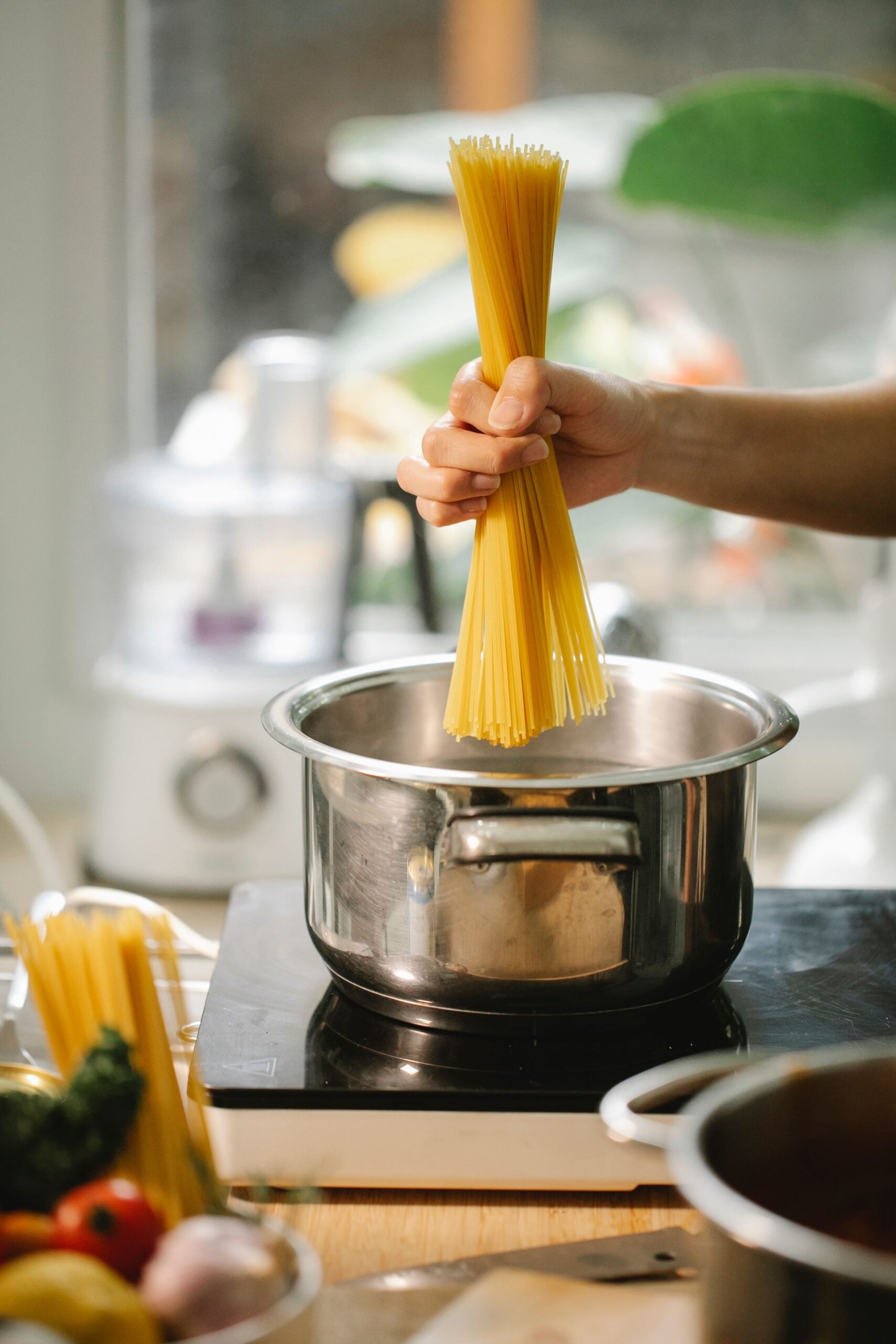
This tip is popular because it seems like common sense. If oil reduces sticking in a pan, many people assume a spoonful in boiling pasta water will coat the noodles and keep them separate.
Science and kitchen tests say otherwise. Oil floats on top of water, so it has very little contact with the pasta while it cooks. Serious Eats and other test kitchens have found that stirring the pasta during the first minute or two is much more effective, because that is when starch on the surface is most likely to make noodles cling together.
There is also a downside. If some oil does coat the pasta after draining, sauce may cling less effectively. The better method is to use enough water, stir early, and save a little starchy pasta water to help sauce bind to the noodles.
Salt makes water boil faster
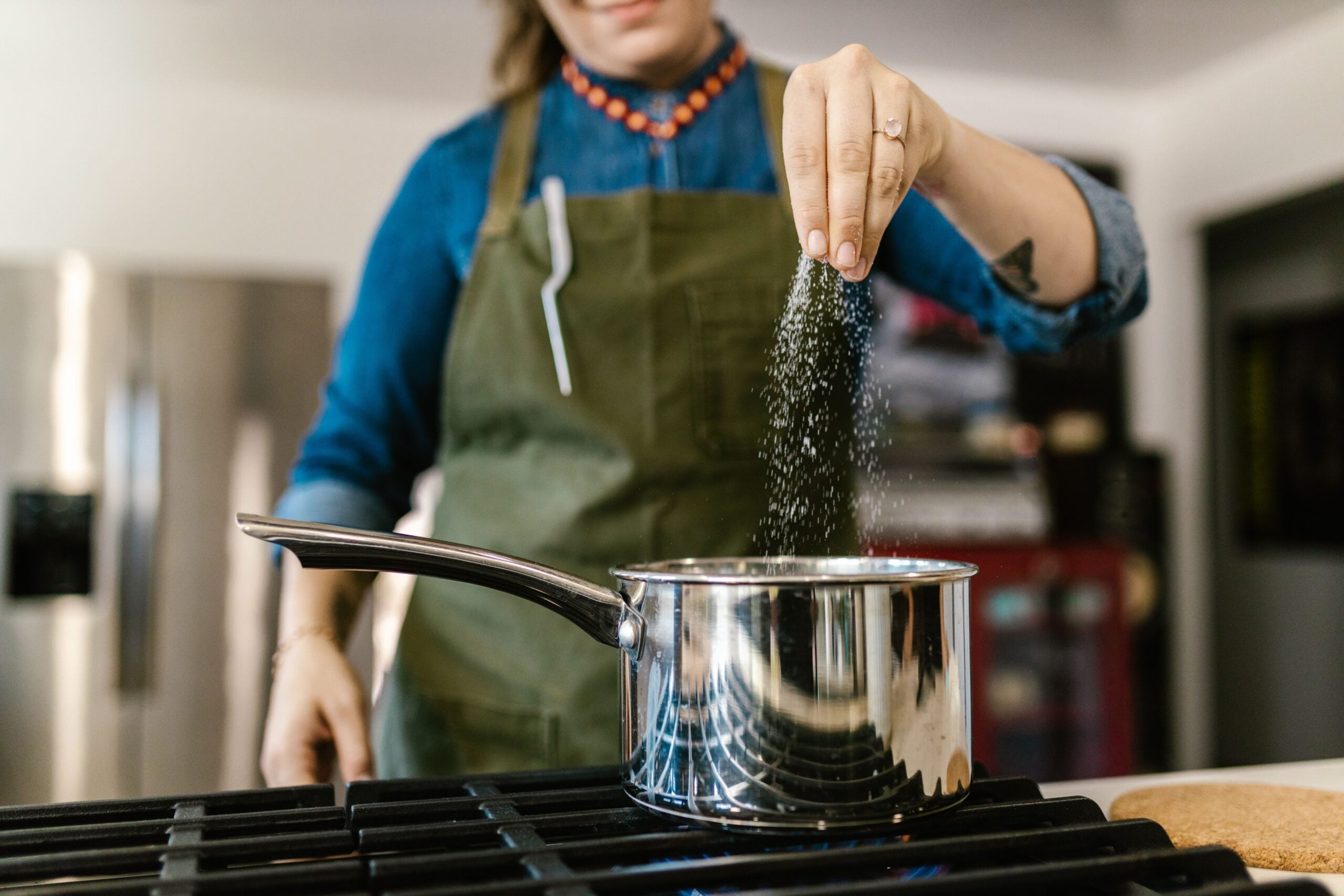
This tip contains a tiny grain of truth, but not enough to make it useful in most kitchens. Dissolved salt does raise the boiling point of water, which means the water must actually get slightly hotter before it starts to boil.
In normal cooking quantities, that change is very small. The effect is not enough to speed up dinner in any noticeable way, and in fact the higher boiling point technically means salted water can take a little longer to reach a full boil. What salt does reliably improve is flavor, especially for pasta, potatoes and vegetables.
So salting water is still a good move, just not as a time saving trick. Think of it as seasoning, not acceleration. If speed matters, using a lid to trap heat is far more effective than reaching for the salt cellar.
Mushrooms should never be washed
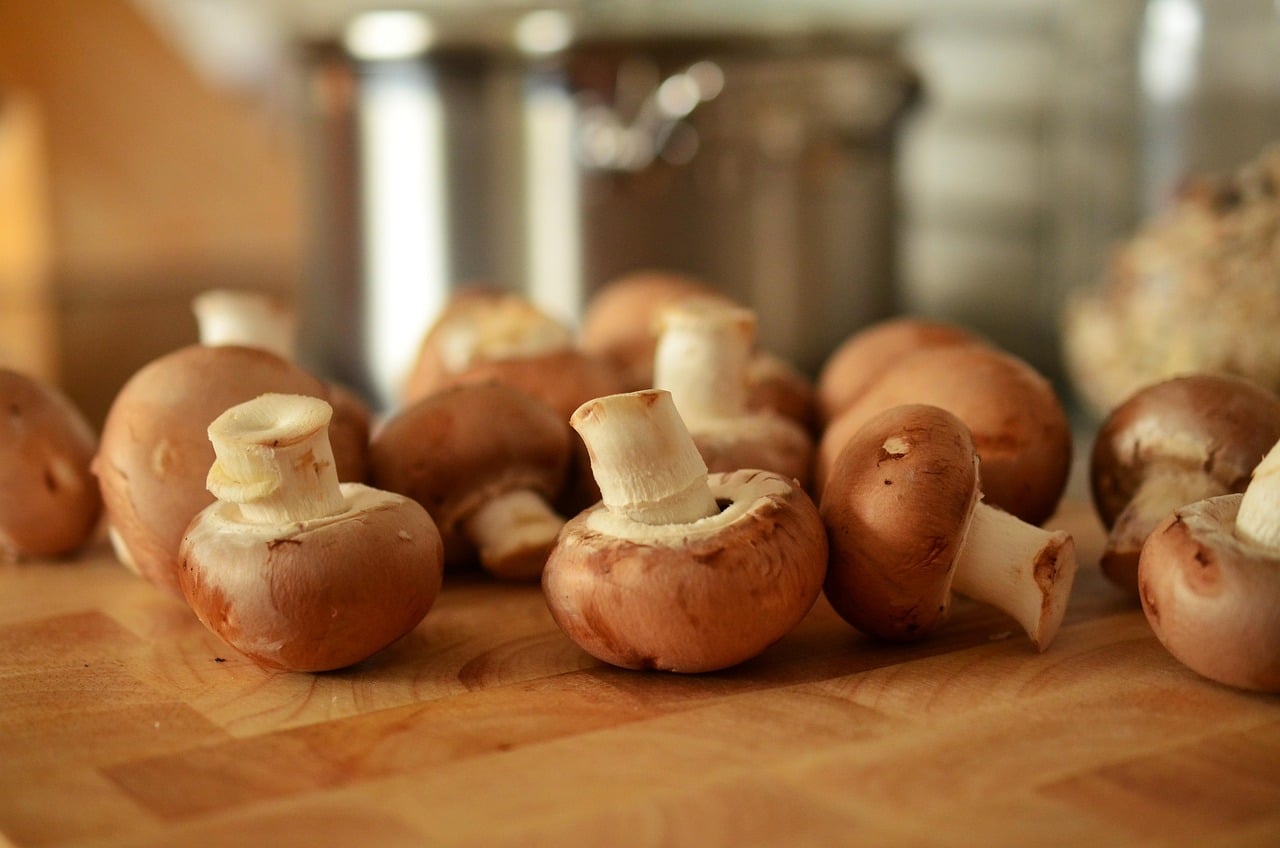
Many cooks are taught to wipe mushrooms with a damp towel because mushrooms "soak up water like sponges." That warning has enough intuition behind it to stick, but tests have shown it is exaggerated.
McGee and several kitchen labs have noted that whole mushrooms absorb only a limited amount of water during a quick rinse. Because mushrooms are already high in water, a brief wash does not usually ruin them. What matters more is what happens next in the pan.
If you crowd wet mushrooms into a skillet, they steam before they brown. If you give them enough space and heat, they can still cook off surface moisture and develop good color. A fast rinse is often more practical than painstaking wiping, especially when mushrooms are visibly dirty.
You must soak dried beans overnight
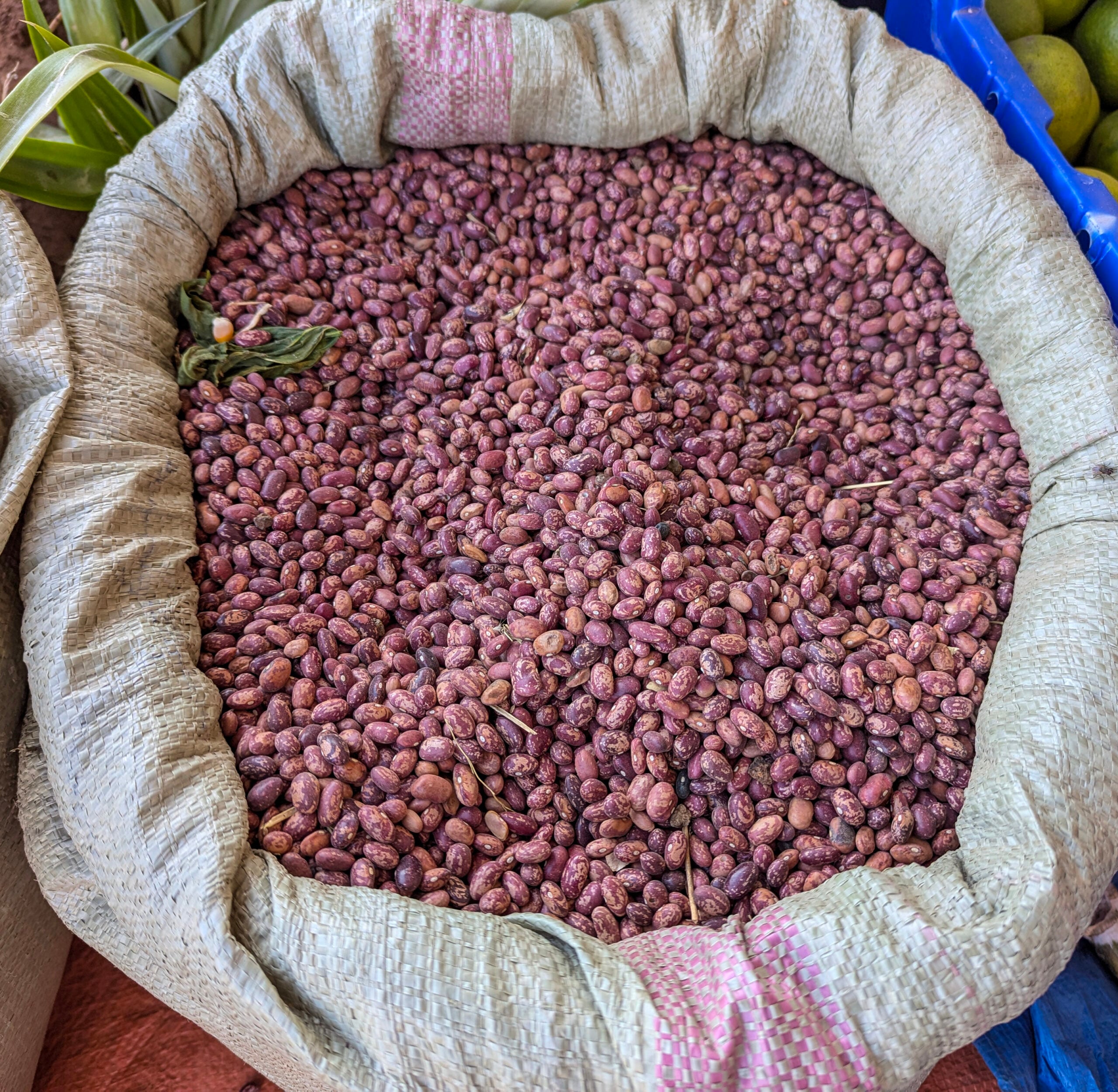
This advice is everywhere because soaking can be useful. It shortens cooking time and can help beans cook more evenly. But "must" is too strong, and it scares people away from cooking dried beans at all.
The Bean Institute and many test kitchens note that unsoaked beans can still cook perfectly well, especially with a longer simmer or pressure cooker. Some varieties, particularly fresher beans, soften without much trouble. Soaking is a tool, not a law.
There are a few nuances worth knowing. Old beans can stay stubbornly firm, and very hard water or acidic ingredients can slow softening. If you forgot to soak, though, dinner is not doomed. A quick soak, pressure cooking or simply allowing more time can all get the job done.
A rolling boil is best for all vegetables
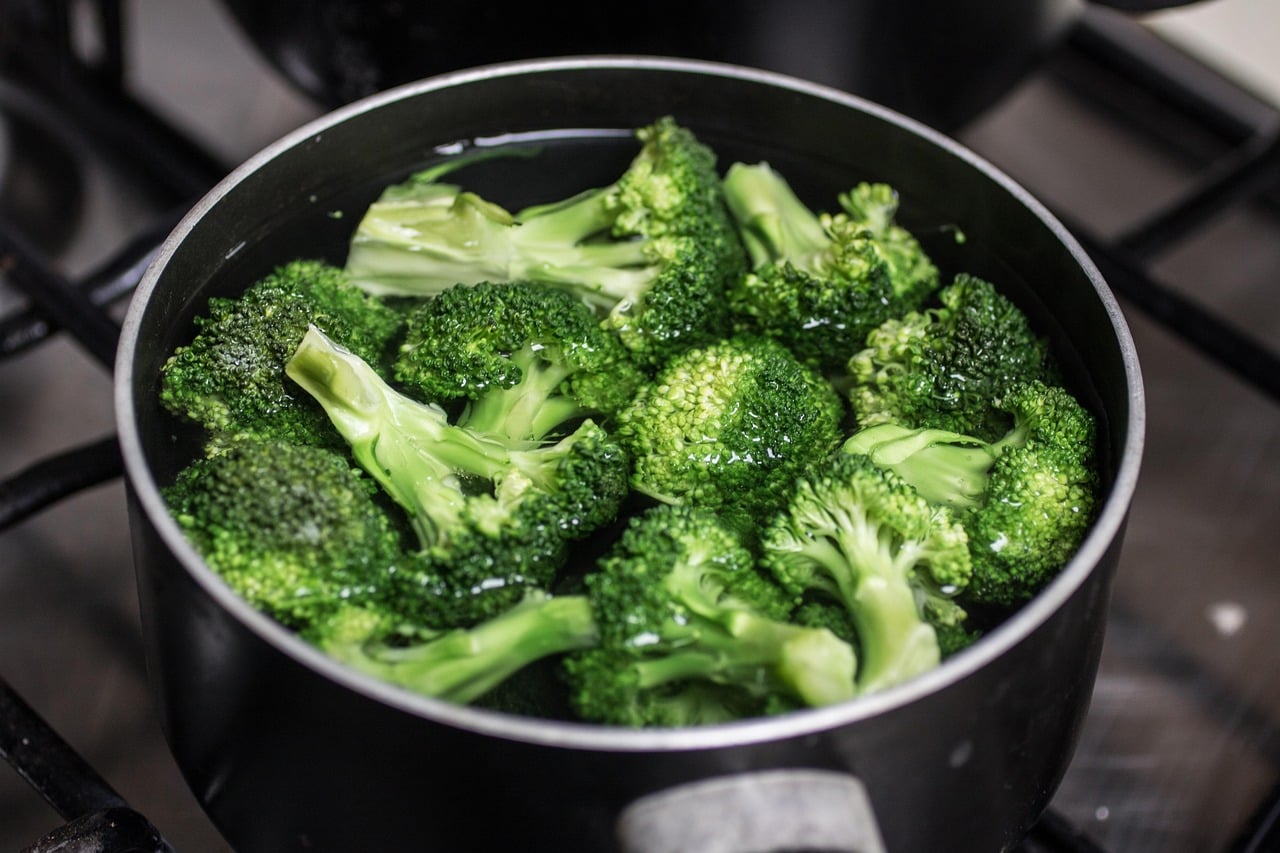
The image of vegetables churning away in a pot looks energetic, but vigorous boiling is not automatically better. For many vegetables, especially delicate green ones, a violent boil can lead to broken texture, diluted flavor and nutrient loss into the water.
A gentler simmer or quick blanch often works better. Broccoli, green beans and asparagus benefit from brief cooking that preserves color and crispness. Food scientists point out that overcooking weakens plant cell walls and dulls chlorophyll, which is why bright vegetables can turn olive drab.
This does not mean boiling is wrong across the board. Potatoes and hearty roots can handle it well. The real lesson is that heat should match the ingredient. Stronger is not always smarter, and vegetables usually reward precision more than force.
Flip meat only once
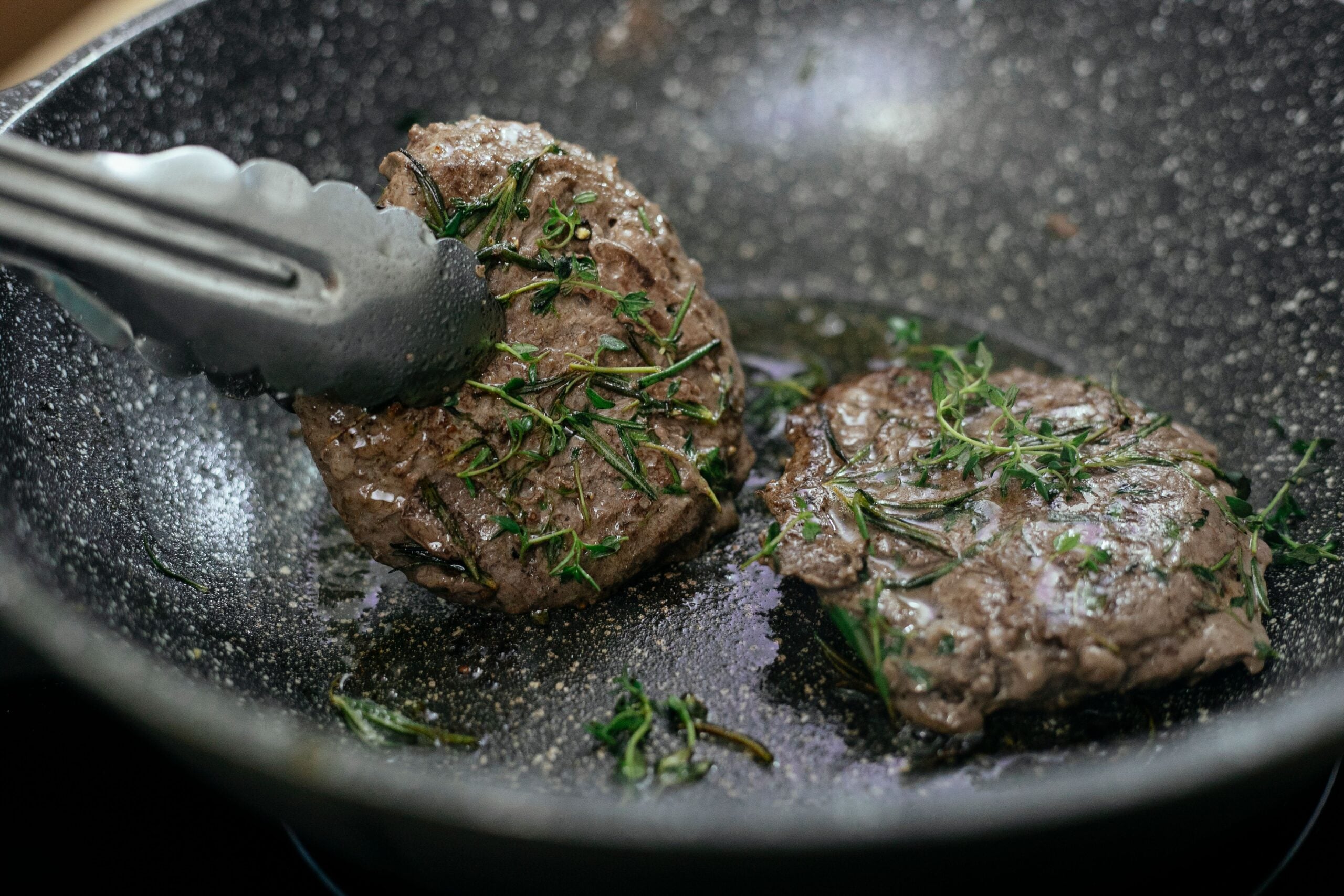
This rule is often presented as a mark of serious cooking. Leave the steak alone, the advice goes, or you will ruin the crust and lose juices. It sounds disciplined, but repeated flipping is not the enemy many cooks imagine.
J. Kenji López Alt and other testers have shown that flipping steaks more frequently can help them cook more evenly. Turning every 30 seconds to 1 minute reduces the temperature gradient between the outside and center, which can mean less overcooked meat beneath the crust.
A good sear still depends on dry surfaces and sufficient heat, not on a single dramatic flip. If the meat releases easily from the pan or grill, the crust is forming. The once only rule is less science than tradition, and tradition is not always the best thermometer.
Always bring meat to room temperature before cooking
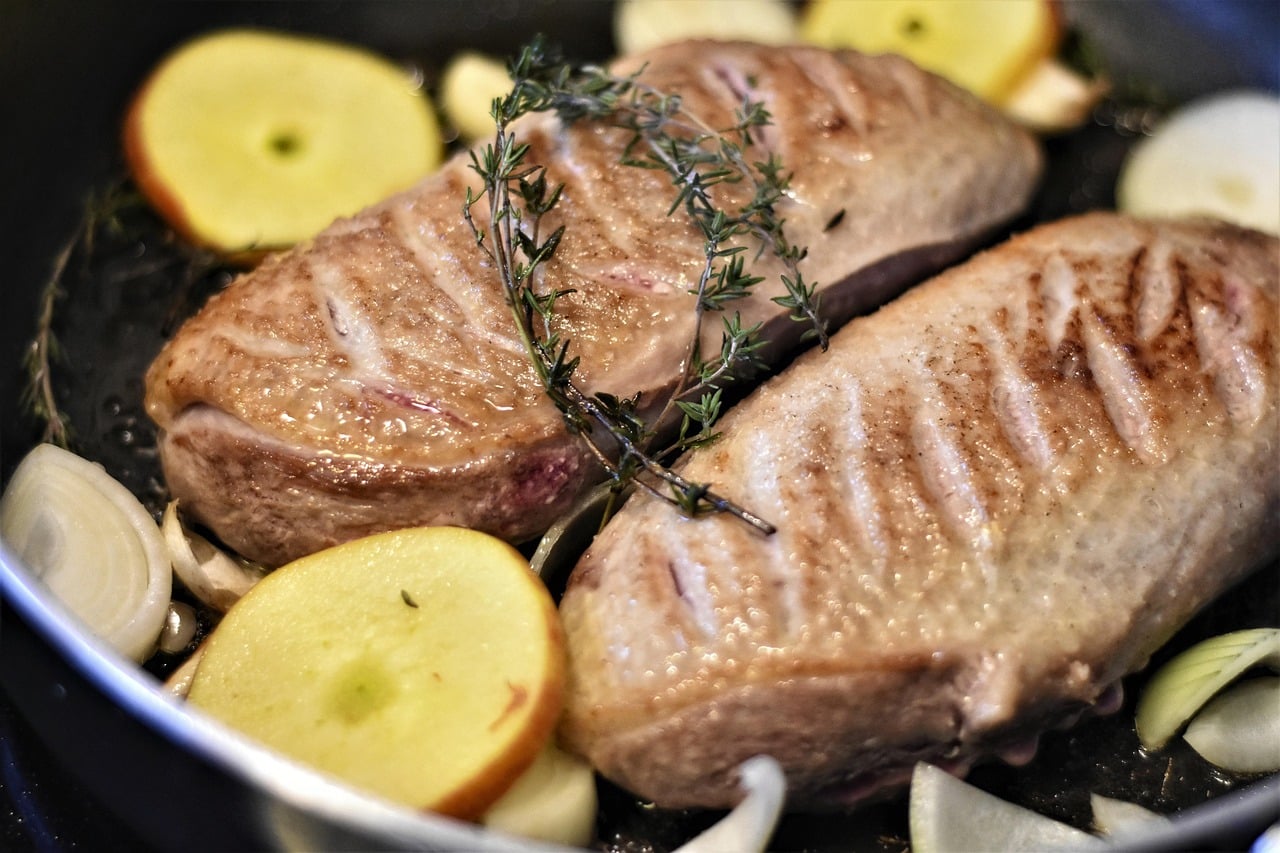
This tip is meant to promote even cooking, but the science is underwhelming. In most home kitchens, leaving a steak or roast out for 20 to 60 minutes does not warm the center very much at all.
Serious Eats has tested this directly and found that the interior temperature rises only modestly during typical counter rests. Meanwhile, extra time at room temperature can increase food safety concerns, especially for larger cuts left out too long. The improvement in evenness is often far smaller than people expect.
If your goal is better browning, drying the surface matters more than warming the middle. Pat the meat dry, salt it appropriately, and cook with the right heat. For many cuts, careful technique beats countertop waiting.
Never salt eggs before scrambling
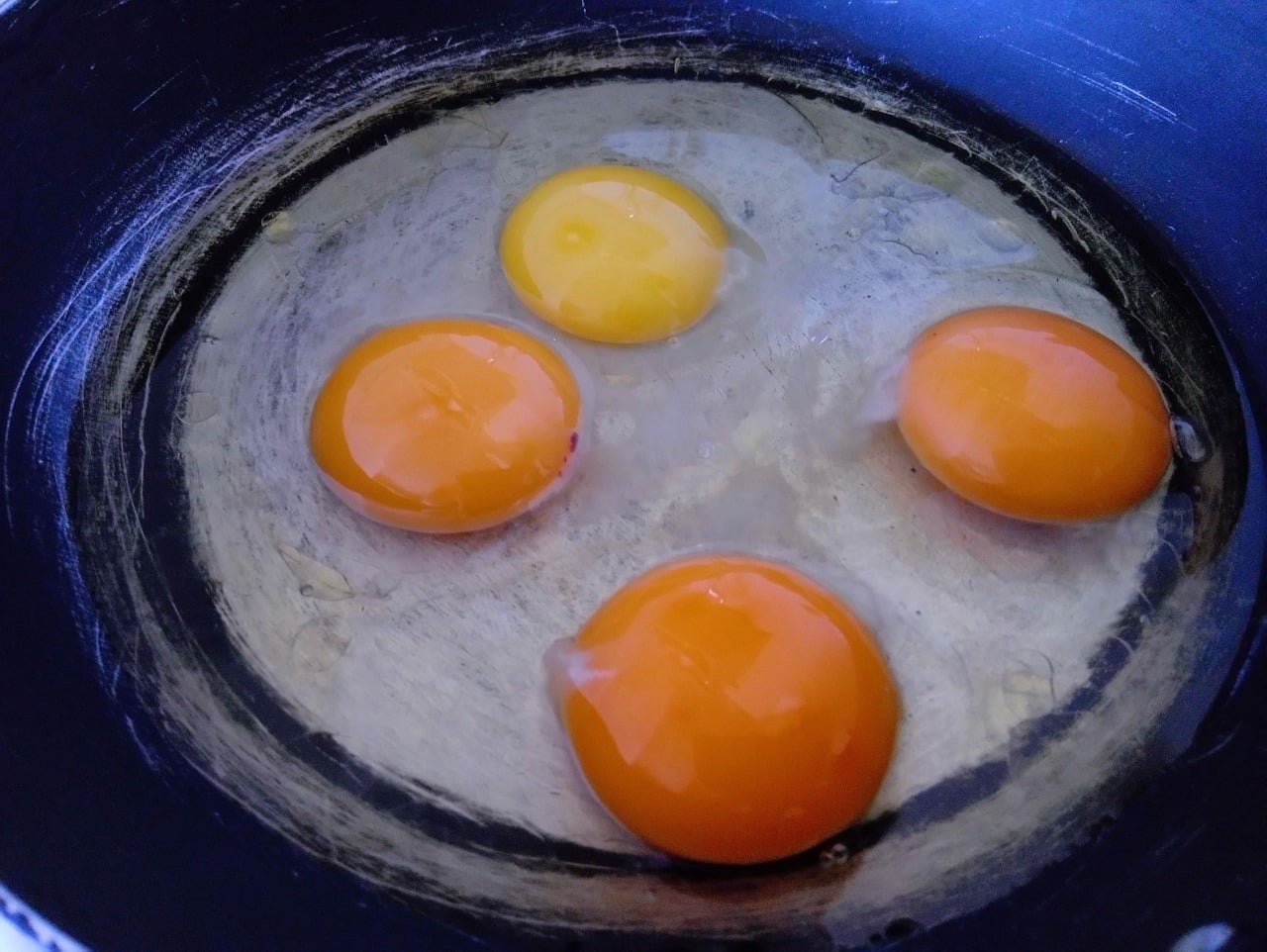
Some cooks believe salt toughens eggs if added too early, so they wait until the curds are set. Food science points in a different direction. Salt can actually help scrambled eggs stay more tender by affecting how egg proteins bond as they cook.
Kenji López Alt and other recipe developers have explained that salting eggs shortly before cooking can produce softer, more evenly seasoned curds. The effect is not magic, but it does undercut the idea that early salt automatically makes eggs rubbery.
Texture still depends on overall technique. Moderate heat and stopping before the eggs fully dry out matter more than the exact second the salt goes in. But if you prefer to season the eggs before they hit the pan, science gives you permission to ignore the old warning.

Leave a Reply