
Thanksgiving cooking gets more interesting when familiar dishes borrow ideas from chefs who know how to balance comfort and surprise. These 10 recipes connected to Top Chef Canada offer exactly that, from polished takes on turkey dinner staples to desserts that feel special enough for a holiday table.
Turkey with brown butter and sage
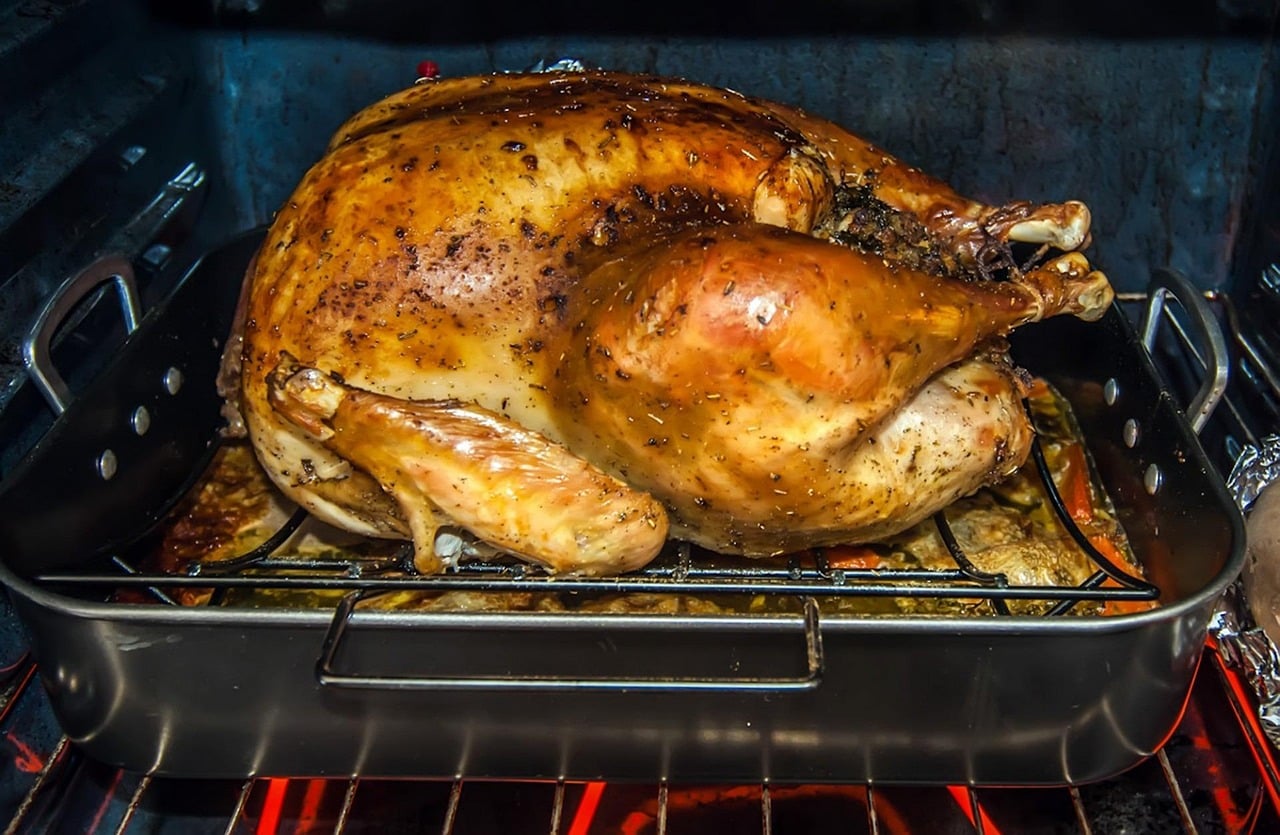
A classic Thanksgiving turkey does not need to be reinvented to feel fresh. One of the smartest chef moves is to deepen the flavor with brown butter, which brings a toasted, nutty note that works naturally with sage.
This style of roast bird fits the holiday especially well because it keeps the flavor profile familiar. Sage, butter and crisp skin are exactly what many people want, but the brown butter adds more complexity than plain melted butter ever could.
The practical appeal is just as strong. Butter helps the skin brown, and herbs tucked over and under the skin perfume the meat as it roasts. For home cooks, that means a bird that looks dramatic in photos and still tastes grounded in tradition.
It is also easy to build the rest of the meal around it. Pan drippings can turn into gravy, and the turkey pairs cleanly with rich sides like stuffing, mashed potatoes and squash. If you want one chef-style centerpiece that still reads as Thanksgiving, this is the one.
Root vegetable gratin
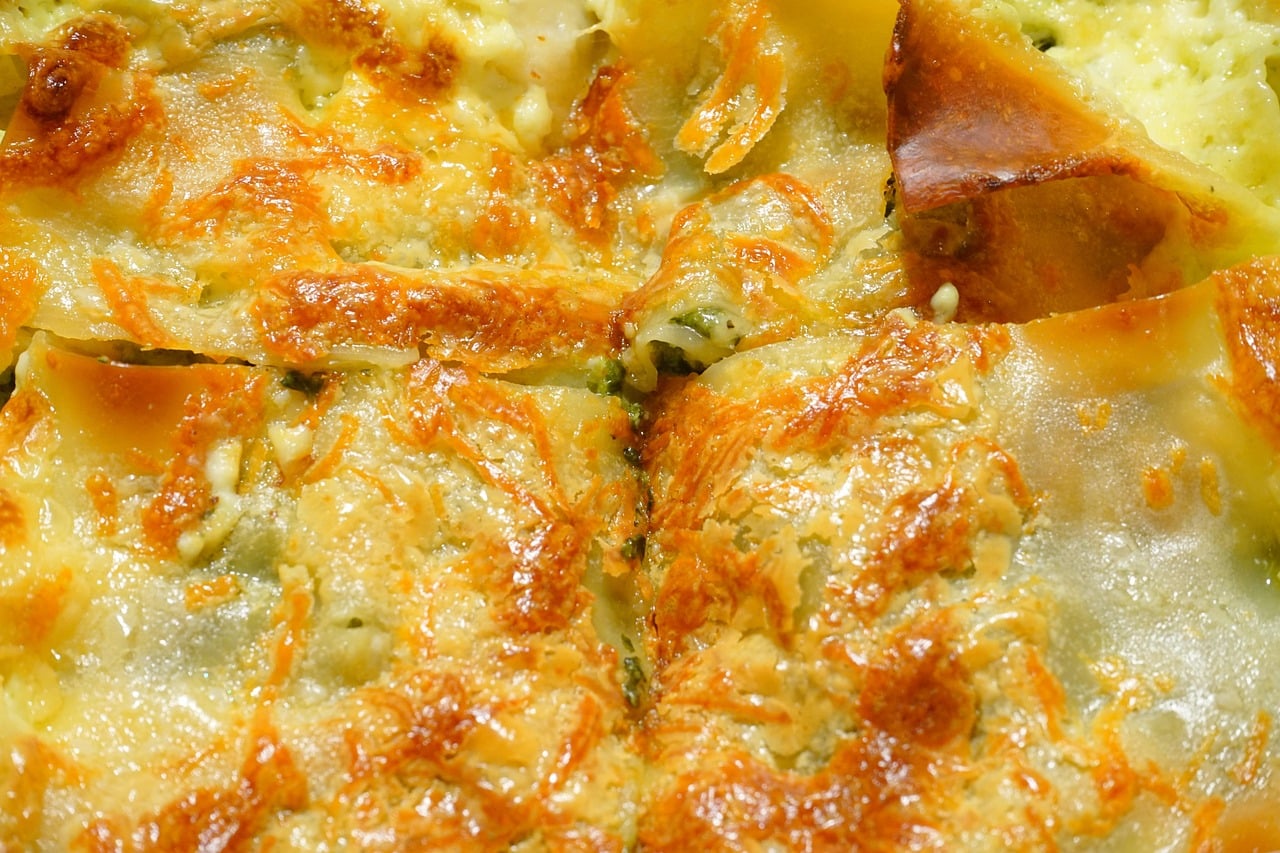
Some Thanksgiving sides are about comfort first, and a root vegetable gratin does that job beautifully. Layers of potato, sweet potato, parsnip or celery root baked with cream and cheese give the table something rich, crisp-edged and deeply seasonal.
What makes the dish feel chef driven is the balance of textures. The top turns golden and slightly crunchy, while the center stays soft and almost spoonable. A mix of root vegetables also keeps the flavor from becoming flat, since each one brings a different kind of sweetness or earthiness.
This is the sort of side that earns its space next to turkey because it can be made ahead and reheated well. That matters on Thanksgiving, when oven timing often decides whether dinner feels calm or chaotic.
It also photographs beautifully, which suits a gallery like this one. A gratin fresh from the oven, with browned spots across the surface and visible layers at the edge of the dish, looks generous and celebratory before anyone even takes a bite.
Brussels sprouts with bacon and maple
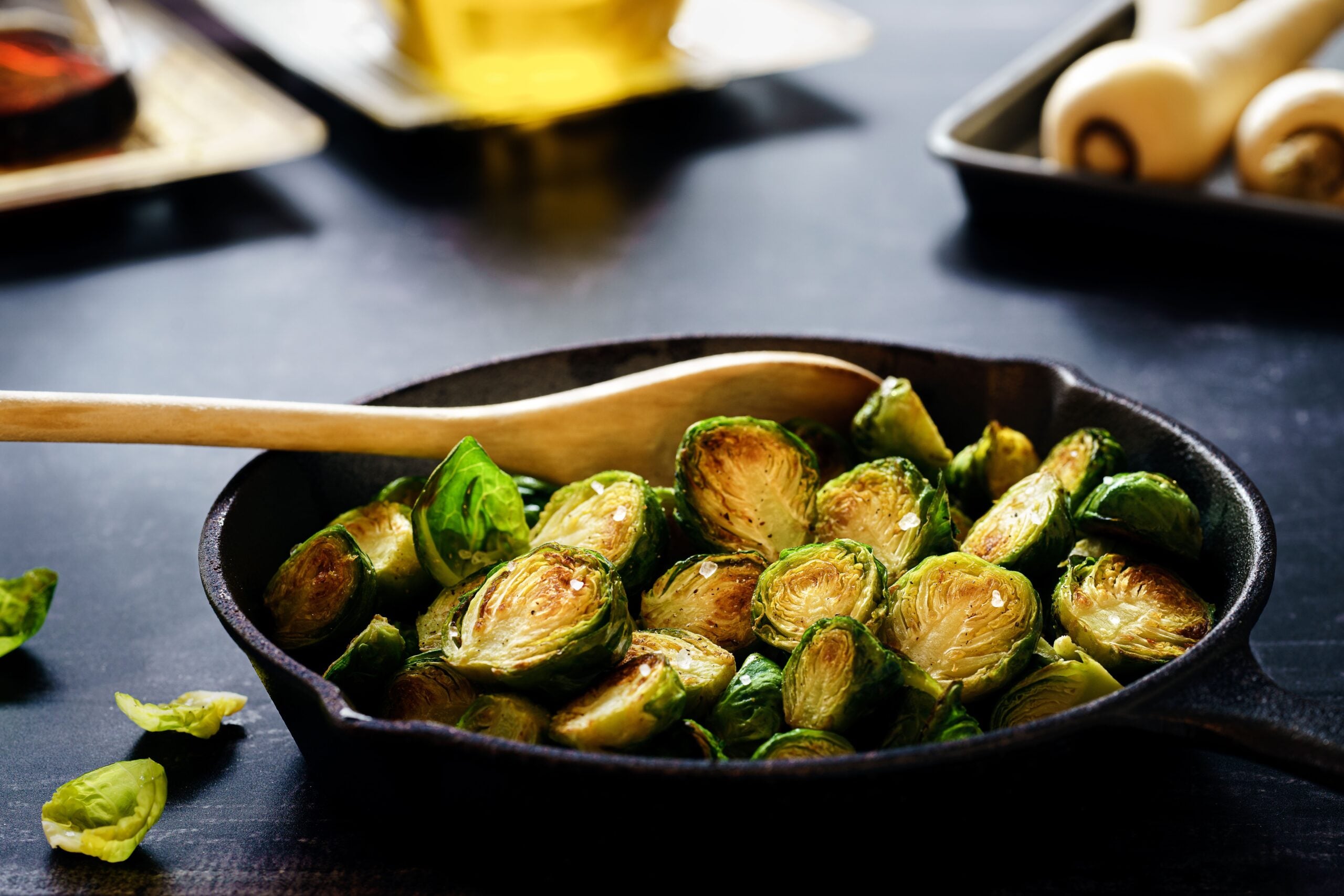
Brussels sprouts often become the side that wins over people who say they do not like Brussels sprouts. The secret is a combination Canadians know well, bitterness balanced with smoky bacon and a touch of maple sweetness.
This pairing works because each ingredient pulls the sprouts in a useful direction. Bacon brings salt and fat, maple softens the vegetable's sharper edge, and roasting gives the cut sides caramelized color. Instead of tasting stern or sulfurous, the sprouts come out savory and slightly sweet.
For Thanksgiving, that balance is ideal. Rich holiday plates need a vegetable with personality, not just something green placed on the table out of duty. Brussels sprouts can stand up to turkey, gravy and stuffing while still adding freshness.
There is also visual appeal here. Crisp bacon pieces, glossy sprouts and a light maple glaze create a side dish that looks as festive as it tastes. It feels current, but not trendy in a way that would seem out of place at a family meal.
Wild mushroom stuffing
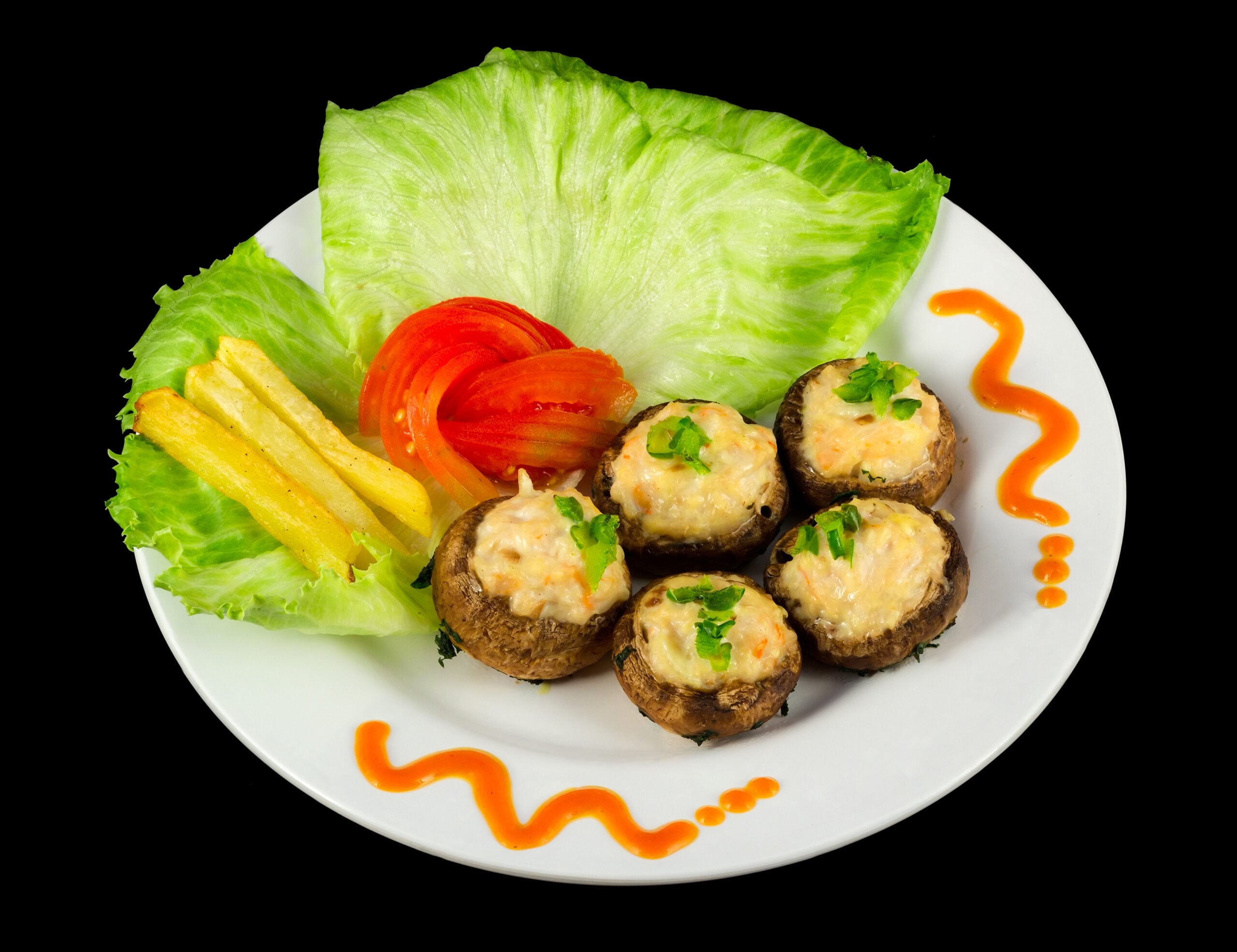
Stuffing is where many cooks have room to be a little bolder. A wild mushroom version gives the dish a deeper, woodsy flavor that still feels right at home with roast turkey and autumn produce.
Mushrooms bring natural savoriness, often described as umami, the deep taste that makes foods feel especially satisfying. When they are cooked down with onion, celery, herbs and bread, they turn a humble pan of stuffing into something that tastes layered and almost meaty.
This kind of recipe is especially useful if you are feeding a mix of meat eaters and vegetarians. It has enough intensity to feel substantial on its own, so it does not read like a compromise side dish.
It also connects neatly to the season. Thanksgiving falls at a time when mushrooms, herbs and rustic bread all feel appropriate, and the aroma alone does a lot of work. In photo form, a spoon breaking into a crisp topped pan of stuffing is hard to beat.
Cranberry chutney
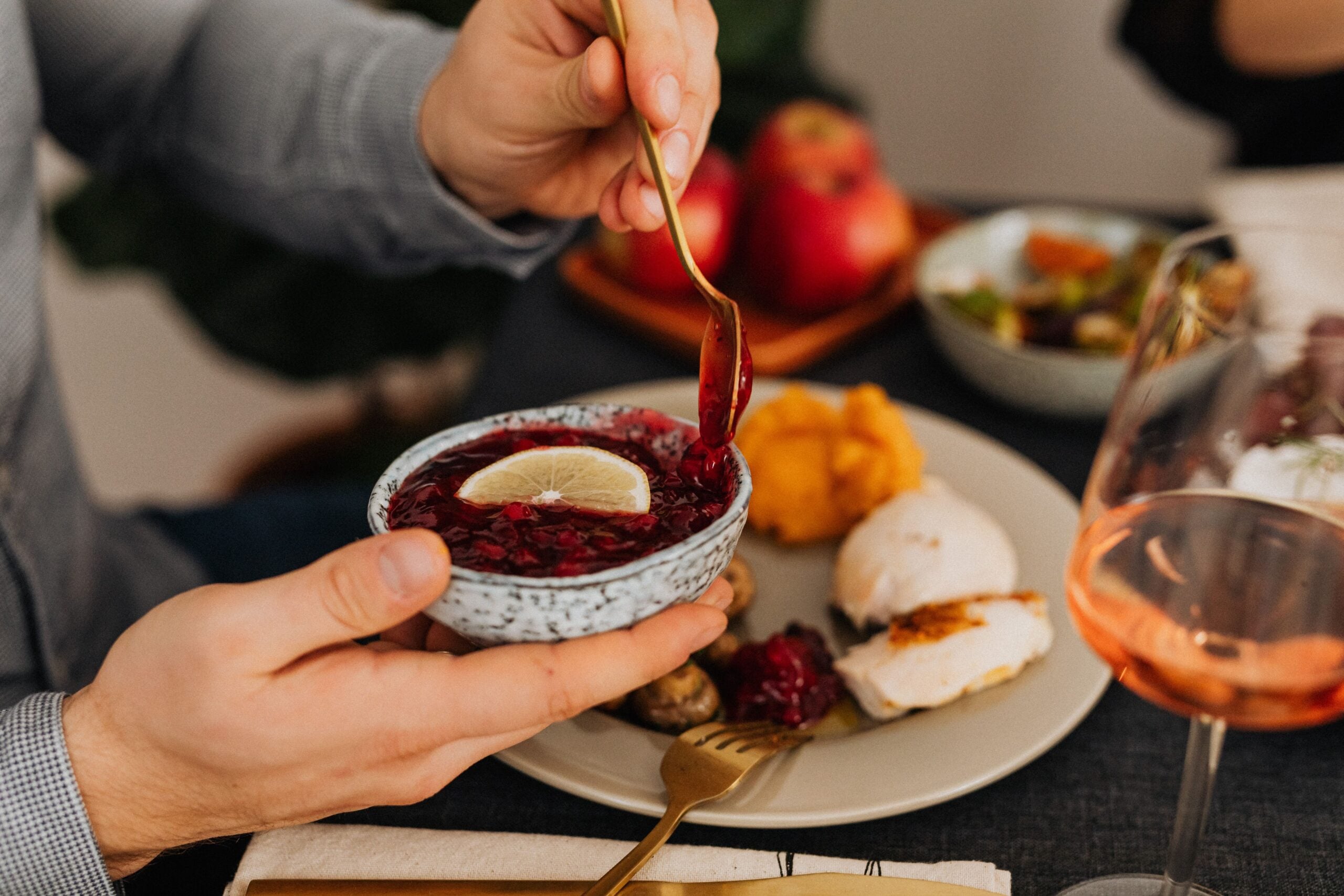
Cranberry sauce can do more than add sweetness to the plate. A cranberry chutney, with ingredients like onion, ginger or warm spices, gives Thanksgiving a sharper, more layered condiment that cuts through rich food.
The big advantage is contrast. Turkey, gravy and buttery sides can make a meal feel heavy if every component leans soft and rich. Chutney adds acidity, texture and a little sparkle, which keeps each bite from tasting the same as the last.
This is also one of the easiest ways to bring chef thinking to a holiday menu. A small shift in technique and seasoning turns a standard side into something more memorable, without asking the cook to master a difficult method.
It earns its place visually too. Cranberries cook into a jewel toned mixture that looks striking in a bowl or spooned onto a plate. Next to beige and brown Thanksgiving classics, that color does a lot to wake up the table.
Roast squash with brown butter
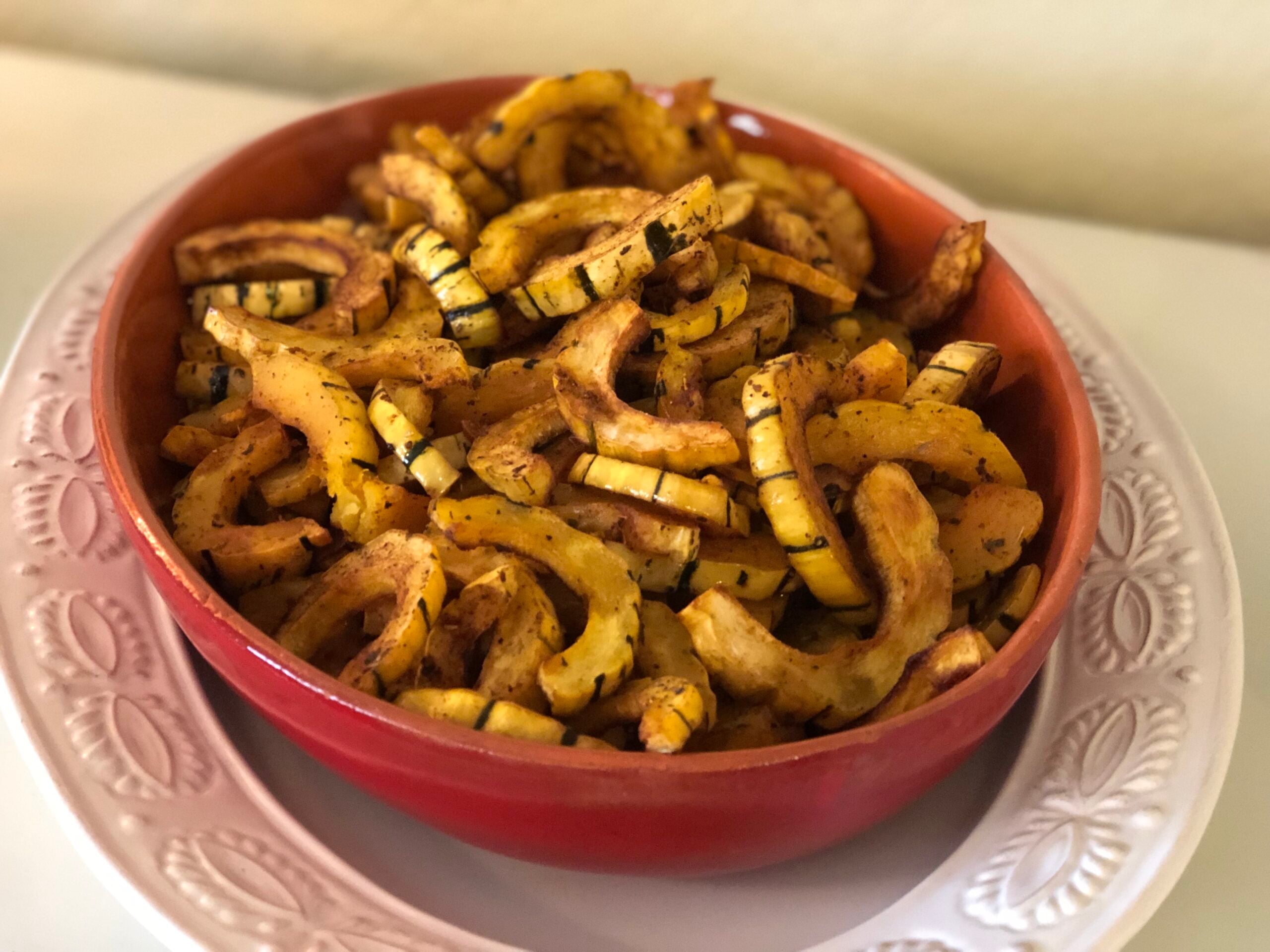
Roast squash captures the sweeter side of Thanksgiving, but it does not need much to become special. Brown butter is again a smart finishing touch, especially with varieties like butternut or acorn squash that caramelize well in the oven.
The appeal starts with contrast. Squash is soft and naturally sweet, while brown butter adds toasted notes that stop the dish from veering into dessert territory. Herbs, nuts or a little acidity can make it even more balanced, but the core idea is simple and strong.
For many families, squash is already a holiday staple, which makes this an easy upgrade rather than a risky departure. It keeps the ingredient list manageable while still giving the impression of a carefully considered side.
In a gallery of Thanksgiving recipes, this is a natural middle point because it is both practical and elegant. Deep orange flesh, blistered edges and glossy butter create an image that feels warm, seasonal and very much at home in late fall.
Mashed potatoes with roasted garlic
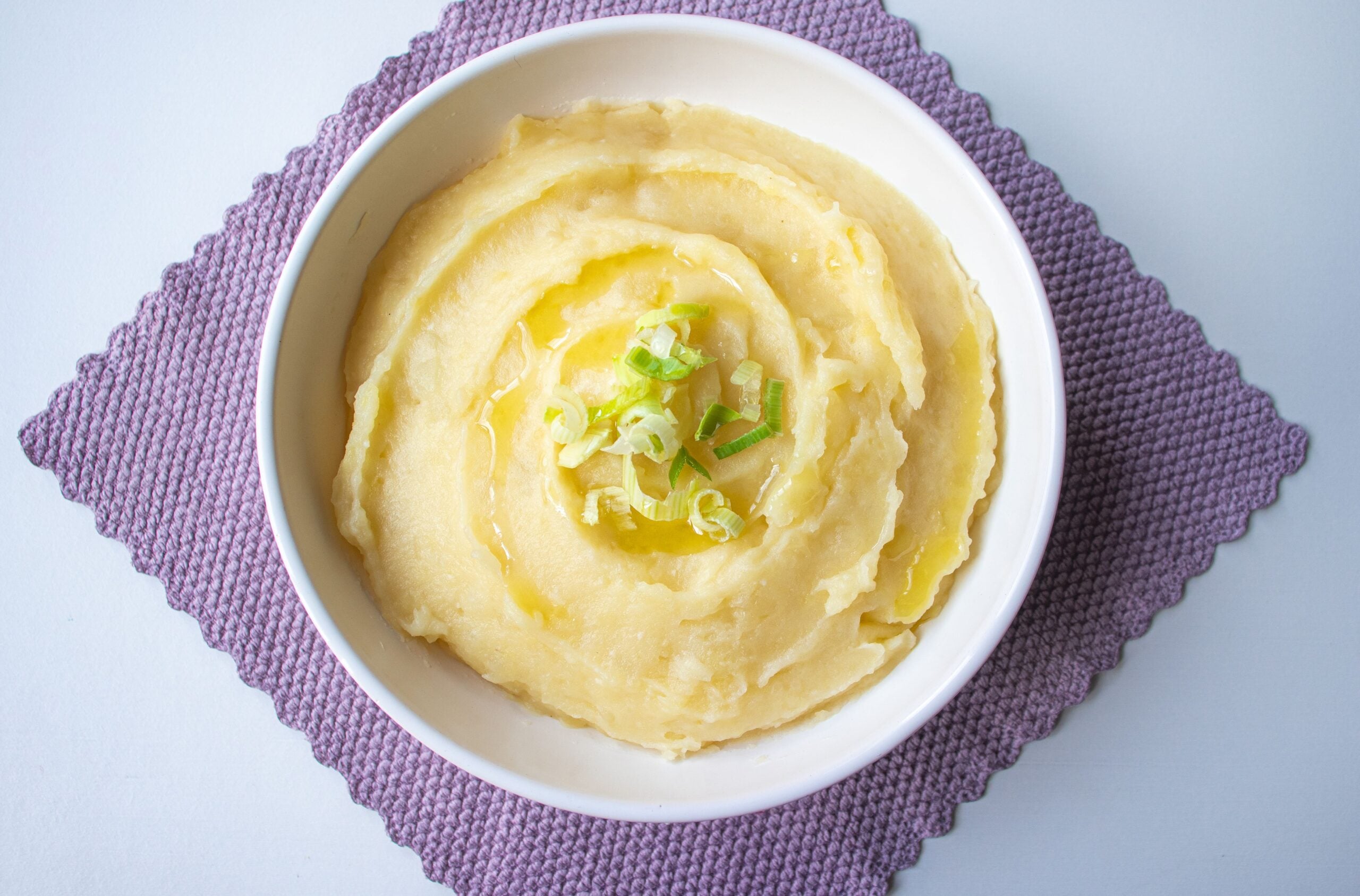
Mashed potatoes are often the first dish people reach for, so improving them matters. Roasted garlic is a gentle, effective upgrade because it adds sweetness and depth without overpowering the buttery comfort people expect.
Raw garlic can taste sharp, but roasting changes it completely. The cloves soften and turn mellow, almost spreadable, so they blend smoothly into potatoes and enrich the flavor rather than dominate it.
This matters on Thanksgiving because mashed potatoes sit near the center of the meal. They catch gravy, support turkey and calm down stronger flavors from tart cranberries or assertive vegetables. A chef style version still needs to be generous and familiar, and roasted garlic does exactly that.
The dish also looks good in a simple way. A large bowl with soft peaks, butter melting into the top and a spoonful already taken tells the whole story. Not every holiday recipe needs dramatic plating to be effective.
Charred carrots with herbs
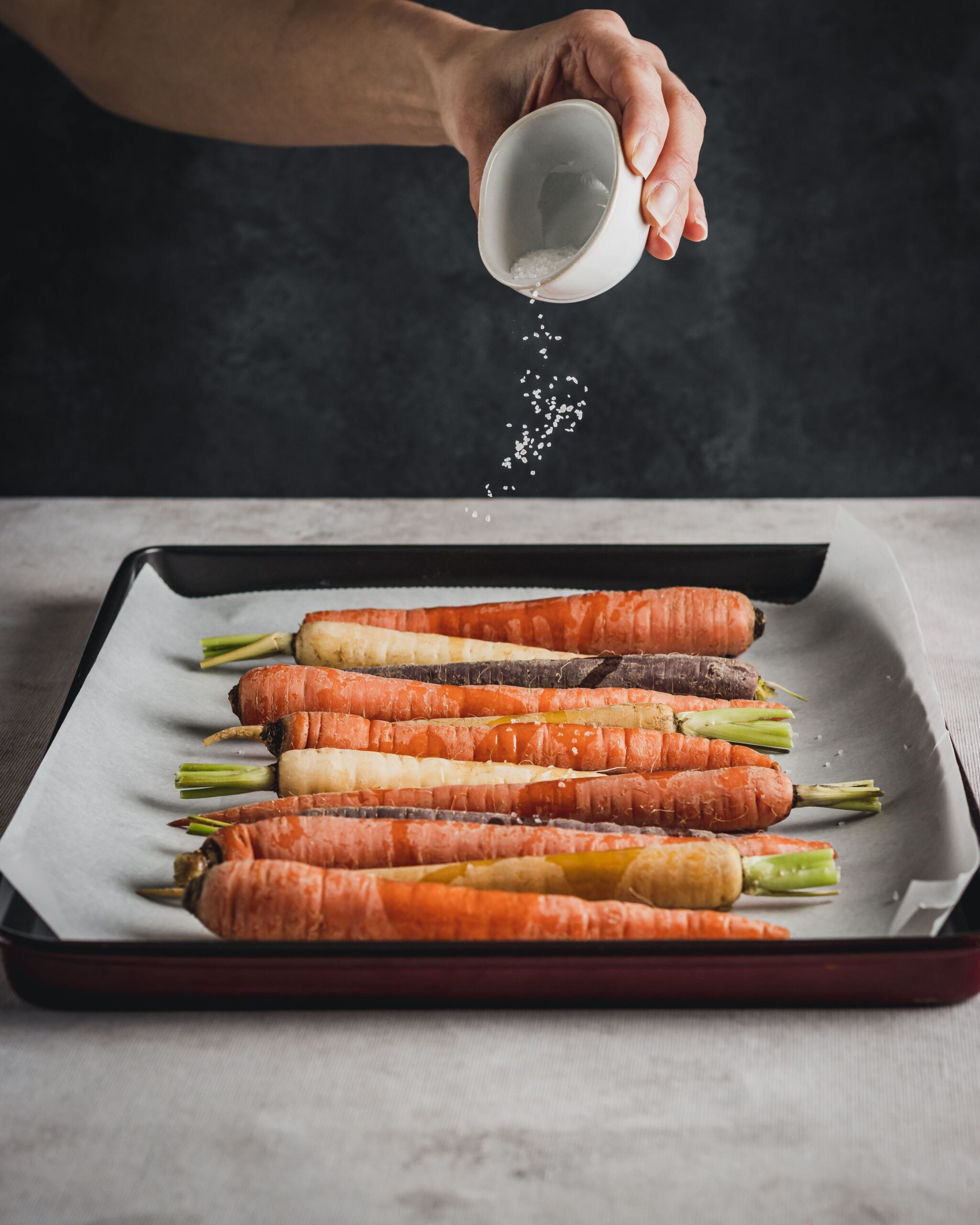
Carrots are often treated as an afterthought, but charring gives them more presence. High heat concentrates their sweetness and adds dark edges, which helps a basic vegetable feel worthy of a Thanksgiving spread.
This is the kind of move many restaurant chefs rely on. Rather than burying vegetables in heavy sauces, they use strong roasting or charring to build flavor directly. Fresh herbs added at the end keep the dish from tasting one note.
For holiday menus, carrots bring an important kind of brightness. Their color stands out, and their sweetness complements turkey and savory sides without copying them. They are also usually welcome with both kids and adults, which is no small advantage on Thanksgiving.
In image terms, this slide has plenty to offer. Long roasted carrots with blistered spots, a scatter of green herbs and maybe a dollop of yogurt or labneh create a plate that feels modern, but still seasonal and approachable.
Apple tart
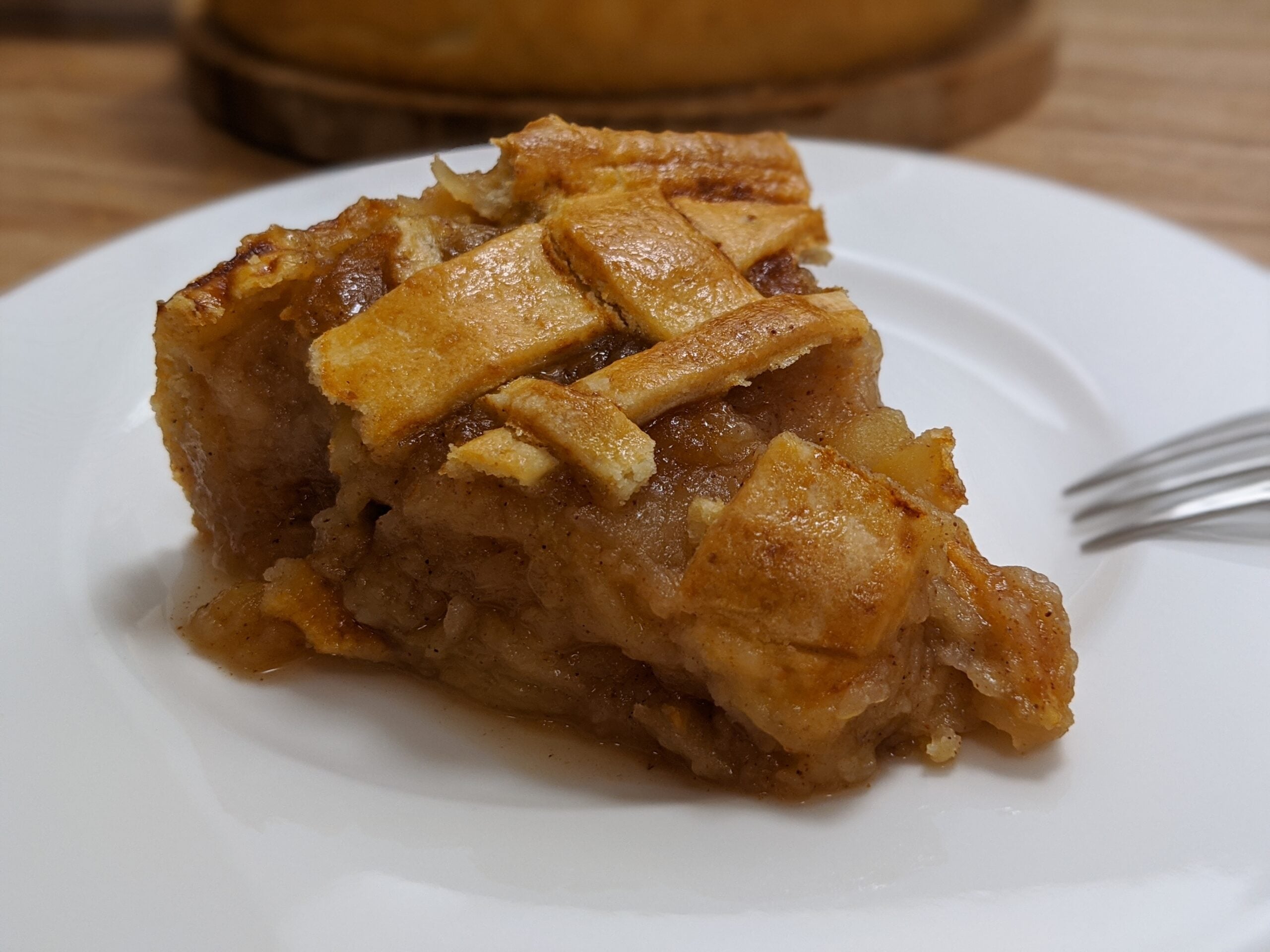
Apple pie may be the better known ending, but an apple tart can feel more refined while using many of the same flavors. Thin slices of apple arranged across pastry create a dessert that looks precise without requiring complicated ingredients.
The payoff is in texture. A tart often has crisper pastry and a more concentrated apple layer than a deep pie, so each bite feels balanced rather than bulky. Cinnamon, butter and sugar still keep it firmly in Thanksgiving territory.
This is also a helpful dessert for cooks who want something that can be presented neatly. Slices tend to hold their shape better, which makes serving easier if you are feeding a group after a large meal.
Visually, it delivers exactly what a holiday dessert should. Glossy baked apples, golden pastry and perhaps a little cream on the side make a strong closing image. It suggests celebration, but with a lighter touch than some heavier finales.
Pumpkin dessert with whipped cream
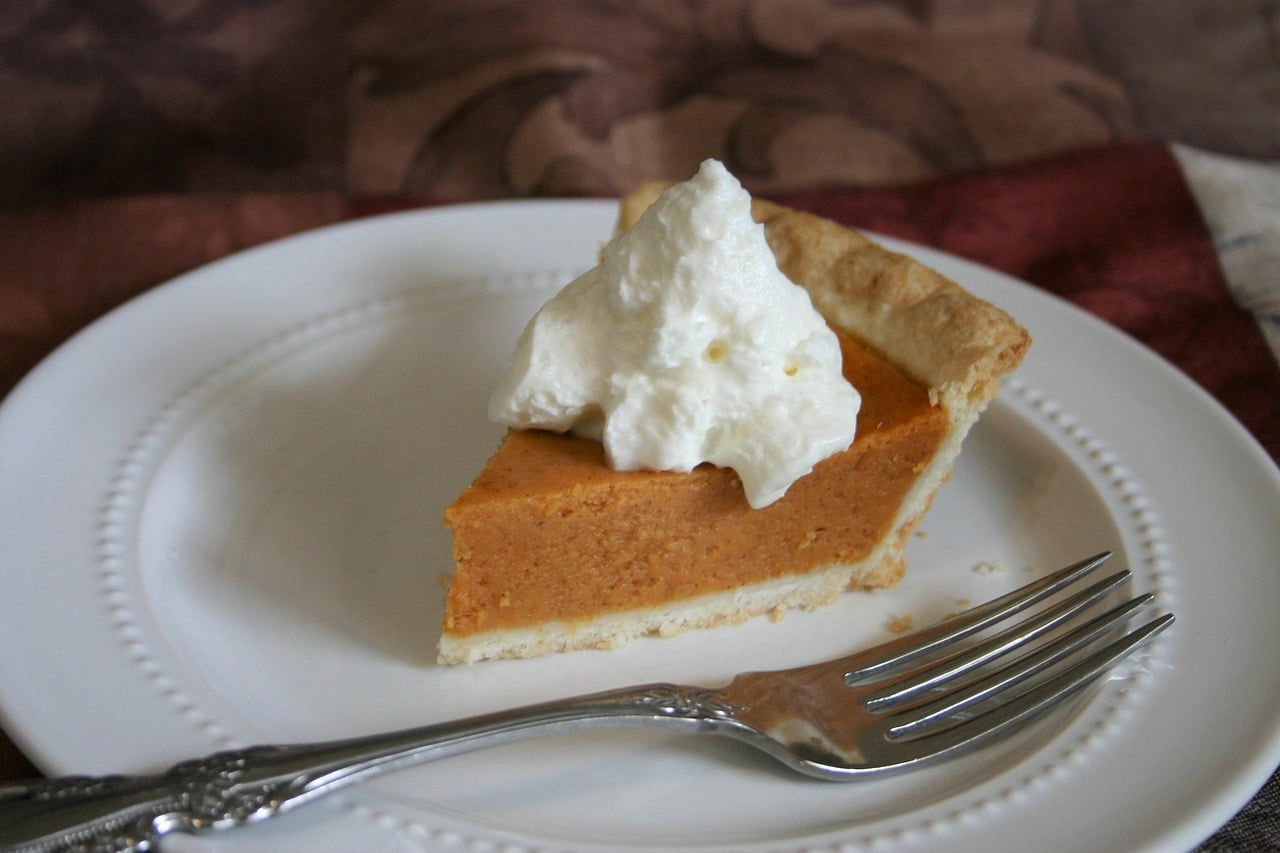
A Thanksgiving menu feels complete when pumpkin shows up somewhere, and a pumpkin dessert brings that expectation full circle. It could take the form of a tart, a cake or a more plated restaurant style sweet, but the familiar flavor is what matters most.
Pumpkin works so well at the end of the meal because it carries spice gracefully. Cinnamon, ginger, nutmeg and clove give it warmth, while whipped cream adds cool richness that keeps the dessert from feeling dense.
That combination has lasting holiday appeal. It is comforting, recognizable and easy to pair with coffee after dinner, yet it can still look polished enough to reflect a Top Chef Canada influence.
As a final slide, it lands in the right place emotionally. Thanksgiving is about tradition as much as novelty, and pumpkin dessert honors that. A well plated serving with a cloud of whipped cream offers a satisfying finish that feels celebratory and familiar at once.



Leave a Reply