
Canada's soups tell a practical story about weather, work and migration. Across the country, cooks built warming bowls from what was close at hand, from Atlantic seafood to Prairie root vegetables, and those local habits still define regional cooking today.
French Canadian pea soup
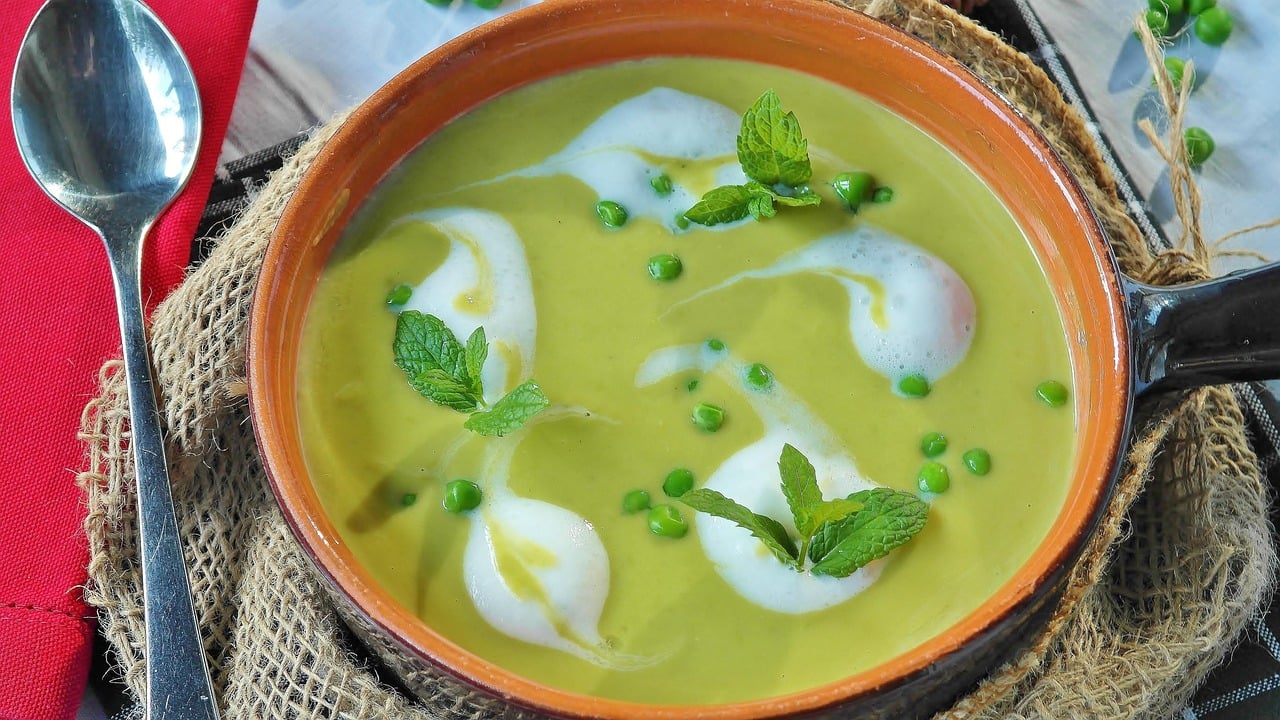
A bowl of French Canadian pea soup says a lot about Quebec's rural past. The classic version is built on yellow split peas, onion, celery and herbs, often with salt pork or a ham bone for depth. It is thick, plainspoken and deeply tied to the cooking of French settlers, who relied on dried legumes because they stored well through long winters.
The soup is widely linked to the cuisine once known as habitant cooking, a term used for the food traditions of French Canadian farming families. In that setting, split peas were practical, affordable and nourishing. The result was a meal that could feed a household with ingredients that kept in the pantry or smokehouse.
Today, the soup still appears in Quebec homes, diners and sugar shacks. Some versions are smooth, while others keep the peas more intact, but the regional identity is unmistakable. It remains one of the clearest examples of how preservation, seasonality and French settlement shaped Canadian comfort food.
Newfoundland fish broth
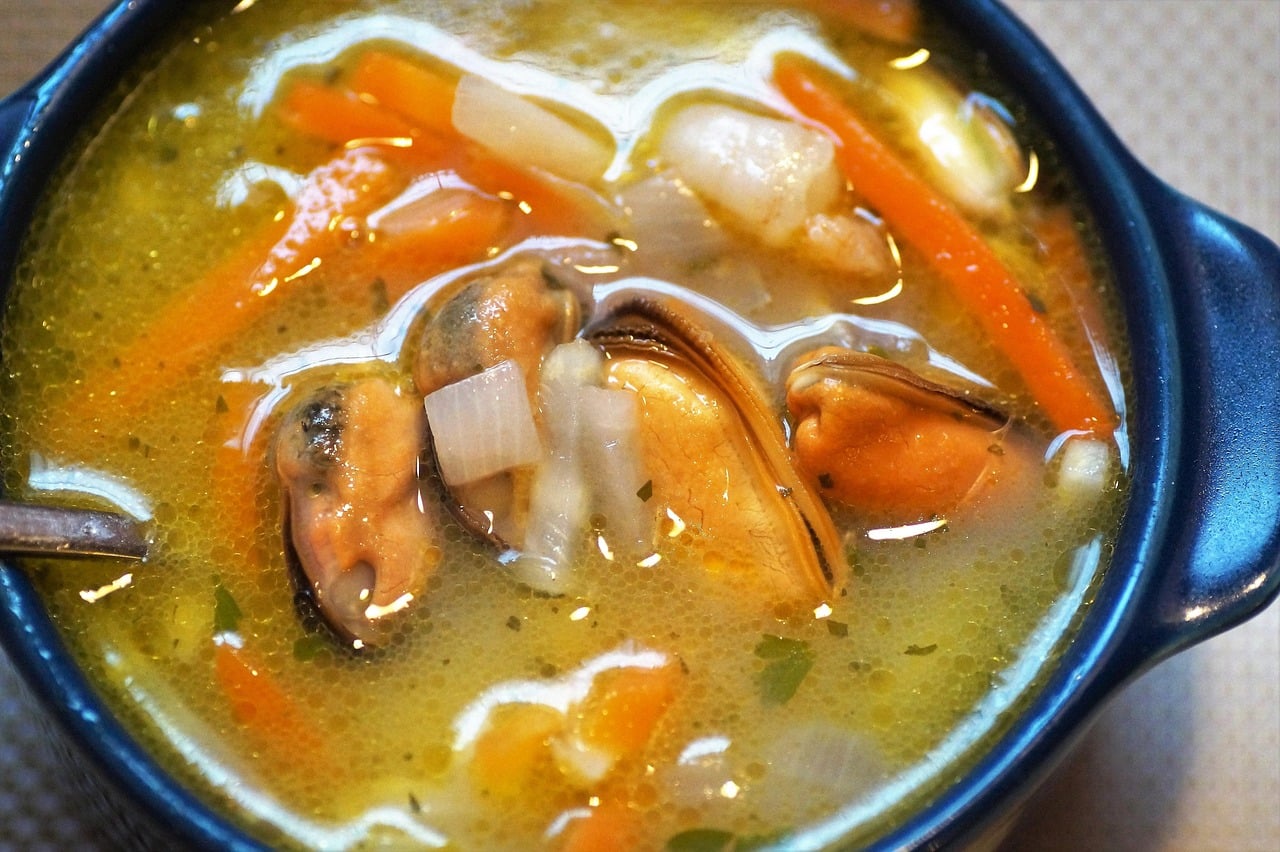
In Newfoundland and Labrador, soup often begins with the sea. Fish broth, sometimes made with cod heads, collars or other bony parts, reflects a coastal cooking tradition shaped by thrift and the old salt cod economy. Rather than waste useful pieces, cooks turned them into clear, savory broths flavored with onion, root vegetables and simple seasoning.
This kind of soup reveals how deeply cod once structured daily life in the province. For generations, fishing communities built meals around what boats brought in and what could stretch to feed families. A light broth made from fish scraps was not a lesser dish. It was a skilled way to draw flavor and nutrition from every part of the catch.
The bowl also captures the spare style of outport cooking, where ingredients were limited and practicality mattered. Potatoes, turnip and sometimes hard bread gave the soup body. What looks modest in a photograph carries a larger story about Atlantic livelihoods, preservation and resourcefulness at the edge of the North Atlantic.
Nova Scotia seafood chowder

Nova Scotia seafood chowder is richer than many Canadian soups, but its roots are just as local. The province's shoreline helped make haddock, clams, scallops, lobster and mussels common kitchen ingredients, and chowder became a natural way to bring several of them together. Cream or milk often softens the briny edge, while potatoes make it filling enough for a full meal.
This soup reflects a region where fishing and coastal trade shaped both home cooking and public food culture. Chowder appears in restaurants across Atlantic Canada, yet its strongest identity remains tied to communities where seafood is not a luxury item but part of everyday life. The ingredients vary by catch, season and budget, which is part of the tradition.
Its popularity also shows British and Irish influence in Atlantic cooking. Chowders have deep roots in maritime foodways on both sides of the ocean. In Nova Scotia, that history met local shellfish and fish stocks, producing a bowl that feels specific to the province even as it belongs to a larger North Atlantic family.
New Brunswick fiddlehead soup
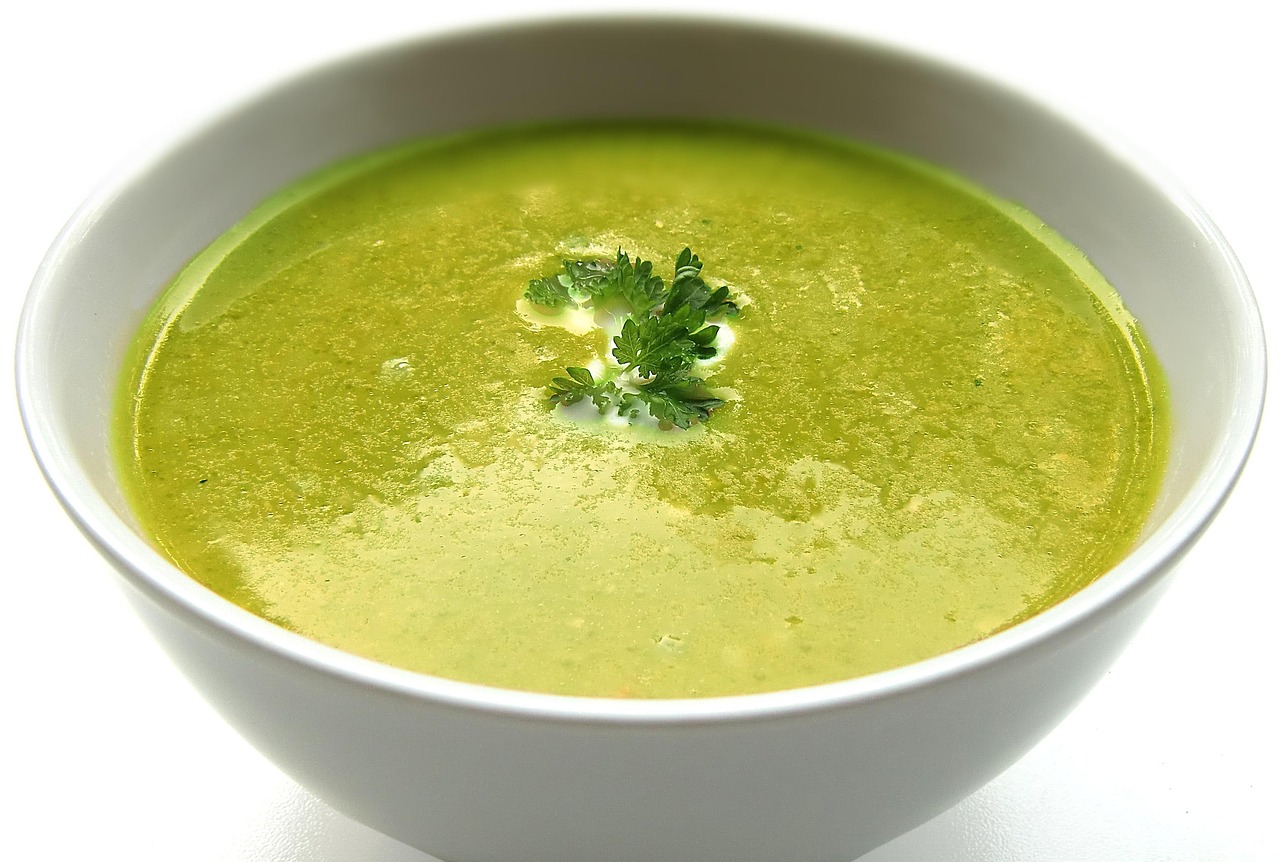
Few soups look more tied to spring than fiddlehead soup from New Brunswick. Fiddleheads are the tightly coiled young fronds of the ostrich fern, harvested for only a short season, and the province is especially associated with them in Canadian food culture. Their grassy, slightly earthy flavor gives soup a fresh note after a long winter of stored foods.
The ingredient has strong regional resonance because fiddleheads are one of the country's most recognizable wild foods. In New Brunswick, cooks have long treated them as a seasonal marker, often pairing them with stock, onion, cream or potatoes. The result is a soup that feels less about heaviness and more about the first green growth of the year.
This bowl also points to a broader Canadian habit of cooking from foraged ingredients. Fiddleheads need careful preparation and should not be eaten raw, which makes their use part of a learned local knowledge. In soup form, they express the relationship between landscape, season and the culinary identity of the province.
Ontario cream of wild leek soup

Ontario's cream of wild leek soup draws on one of the province's best-known spring ingredients. Wild leeks, often called ramps, grow in deciduous forests and have a stronger flavor than cultivated leeks, somewhere between onion and garlic. When blended into a soup with stock and cream, they create a vivid green bowl that tastes unmistakably of early spring.
The soup's significance lies in the way it connects urban restaurant culture with older foraging traditions. In Ontario, ramps became especially visible through farmers markets and seasonal menus, but they were valued long before that by Indigenous communities and local harvesters who understood where and when to find them. The ingredient carries both trend appeal and deeper regional history.
It also reflects a modern version of local Canadian cooking, one that celebrates short harvest windows. Because wild leek patches can be damaged by overpicking, the soup now sits within a conversation about sustainable foraging. That gives the dish a contemporary regional meaning, rooted not just in flavor but in stewardship of place.
Prairie borscht
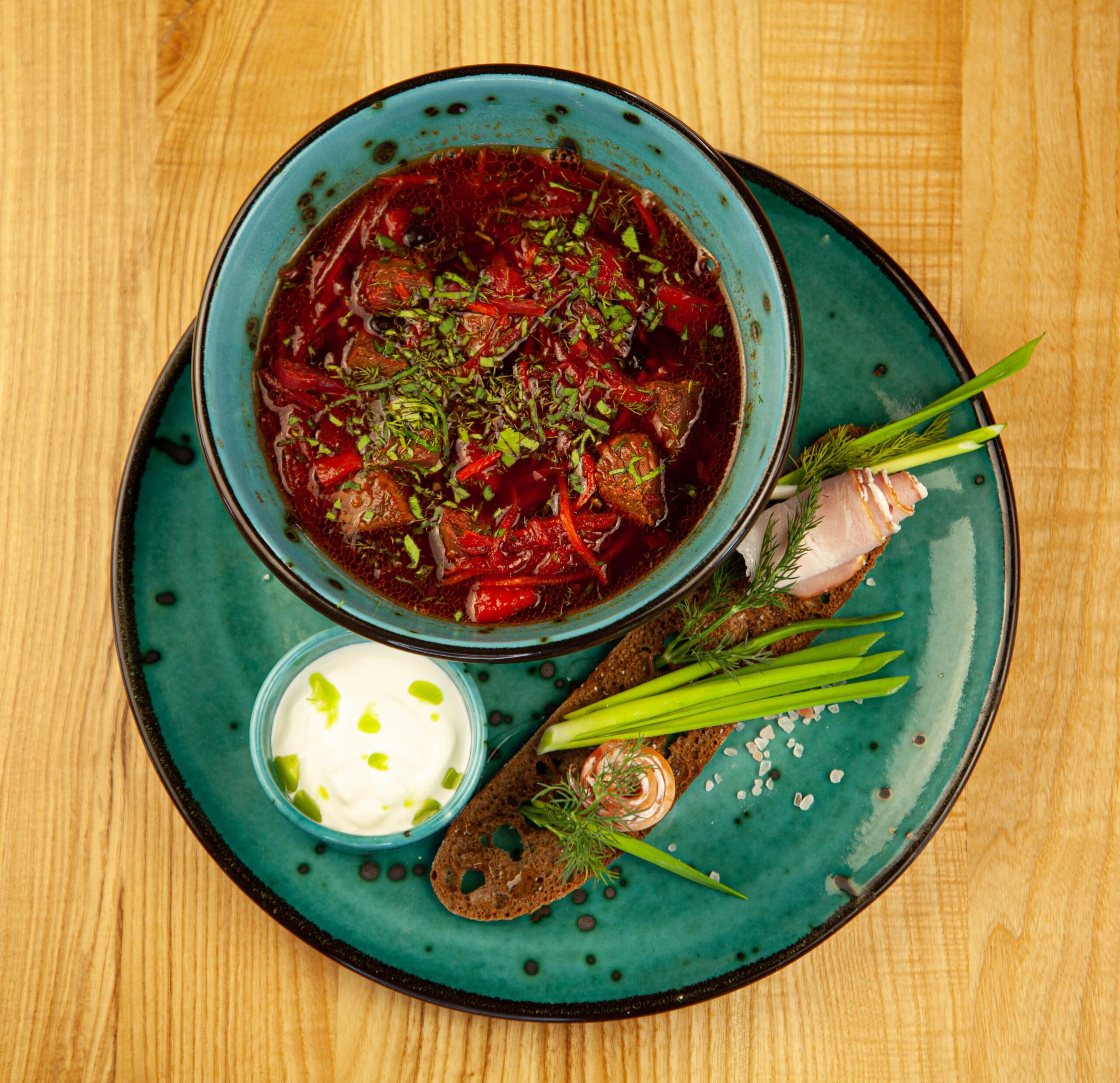
On the Prairies, soup often tells the story of immigration, and borscht is one of the clearest examples. Ukrainian settlers brought beet soup traditions to Manitoba, Saskatchewan and Alberta, where the dish took on local variations. Some versions are meatless and bright with beets and cabbage, while others include beef, dill, potatoes or sour cream.
The soup became part of Prairie cooking because it fit the region's agricultural reality. Beets, cabbage, onions and potatoes grew well, stored reliably and could feed large families through cold months. In farming communities, that made borscht both familiar and practical, a daily food rather than a ceremonial one.
Its regional identity is especially strong in places shaped by Eastern European settlement. Church halls, community suppers and family tables helped keep the soup central to local life. In the Prairies, borscht is not just a borrowed recipe. It is a record of how immigrant foodways became part of the Canadian regional mainstream.
Manitoba golden boy soup

Golden boy soup is one of Manitoba's most distinctive comfort foods, recognizable by its clear chicken broth and small yellow noodles known as golden boy noodles. The dish is especially associated with Winnipeg and with Jewish home cooking in the province. It is simple in appearance, yet strongly tied to a local community and a specific pantry staple.
The soup's roots point to Jewish immigration to the Prairies and the food businesses that helped communities maintain familiar tastes in a new environment. Packaged golden boy noodles became a recognizable regional product, and the soup they anchor turned into a standard cold-weather meal. Its appeal lies in warmth, digestibility and a homemade feel.
Unlike heavier cream soups, this one depends on restraint. A good broth, tender noodles and sometimes carrots, celery or dill are enough. That simplicity is part of its staying power. In Manitoba, golden boy soup shows how a community tradition can become part of the wider food identity of an entire province.
Alberta beef barley soup
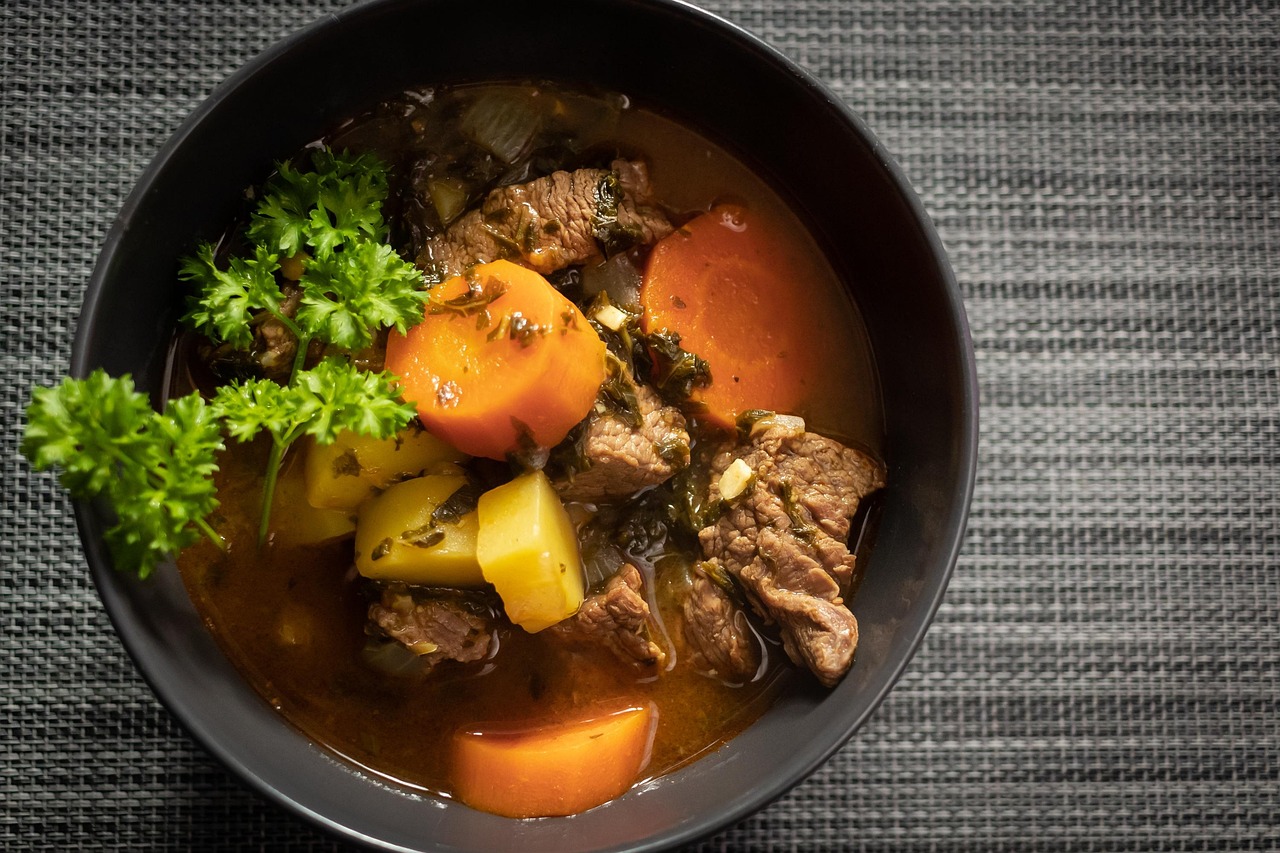
Alberta beef barley soup reflects the province's close association with cattle ranching and grain production. Beef gives the soup its backbone, while barley adds chew and staying power. Together with carrots, onion and celery, the ingredients create a bowl that feels built for a colder interior climate and for a region where livestock agriculture has long been economically important.
This is the kind of soup that makes sense in a province shaped by ranch country. Alberta's beef industry helped define its public image, and home cooking naturally absorbed that strength. Barley also suits the Prairie setting, where hardy grains have long been central to farming landscapes and food systems.
The soup does not belong to Alberta alone, but the pairing of beef and barley feels especially at home there. It expresses a regional preference for robust, practical cooking, food designed to satisfy after outdoor work or winter travel. In that sense, the bowl captures both the economy and the climate of the province.
British Columbia salmon chowder
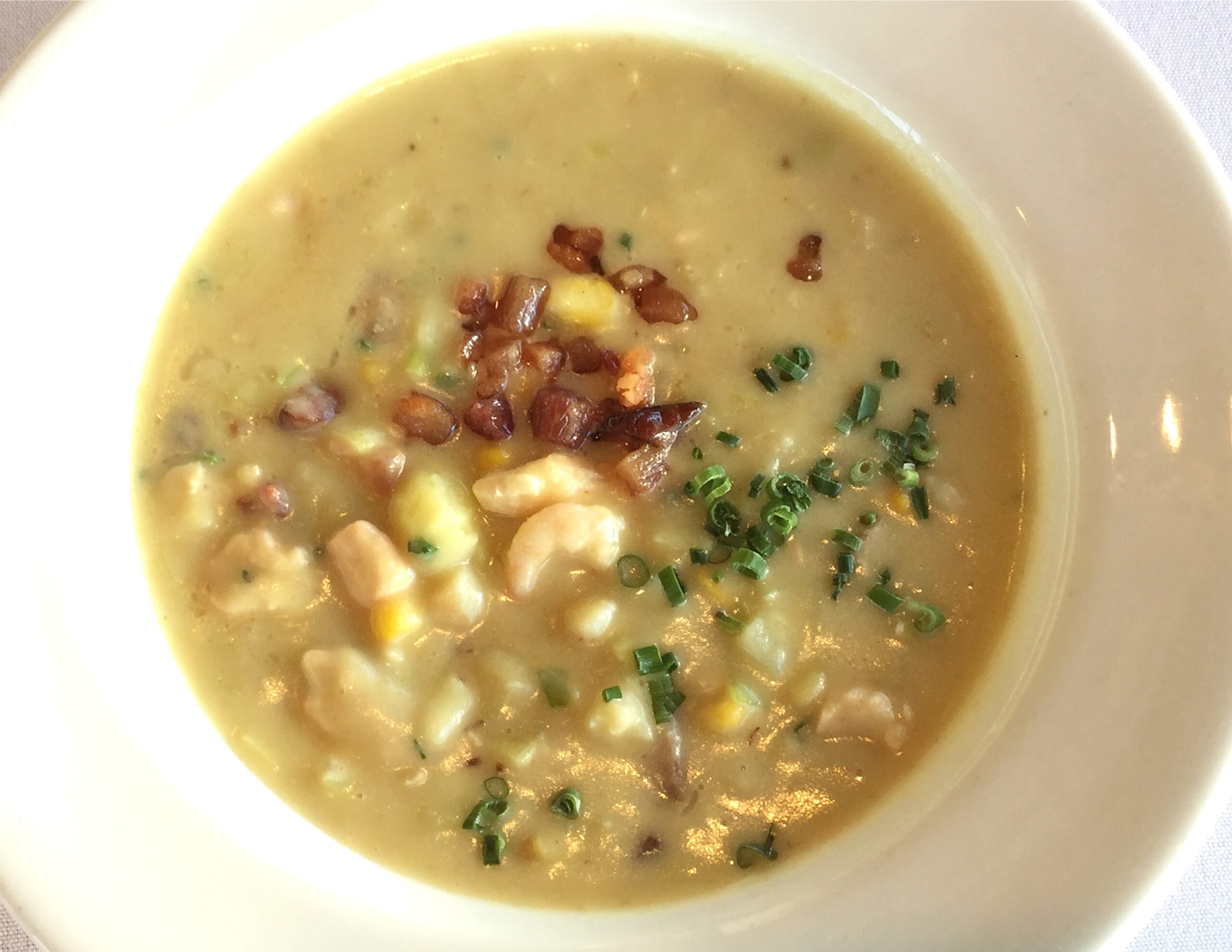
British Columbia salmon chowder brings together one of the province's most important fish and a style of soup that can handle richness without burying flavor. Pacific salmon, whether fresh or leftover cooked fillets, gives the chowder its identity. Potatoes, onion, celery and cream or milk often round it out, creating a dish that feels coastal but substantial.
The regional story here is bigger than one recipe. Salmon has long been central to the foodways of Indigenous peoples on the Pacific coast, and later to commercial fishing and the province's broader culinary identity. A chowder format reflects settler influences, but the fish at its center is unmistakably tied to British Columbia's waters and river systems.
Because salmon runs are seasonal and culturally significant, the soup also hints at the relationship between ecology and cuisine. In British Columbia, a salmon dish is never just about flavor. It carries associations with place, harvest and stewardship, which give even a familiar chowder a distinctly regional meaning.
Caribou soup in the North
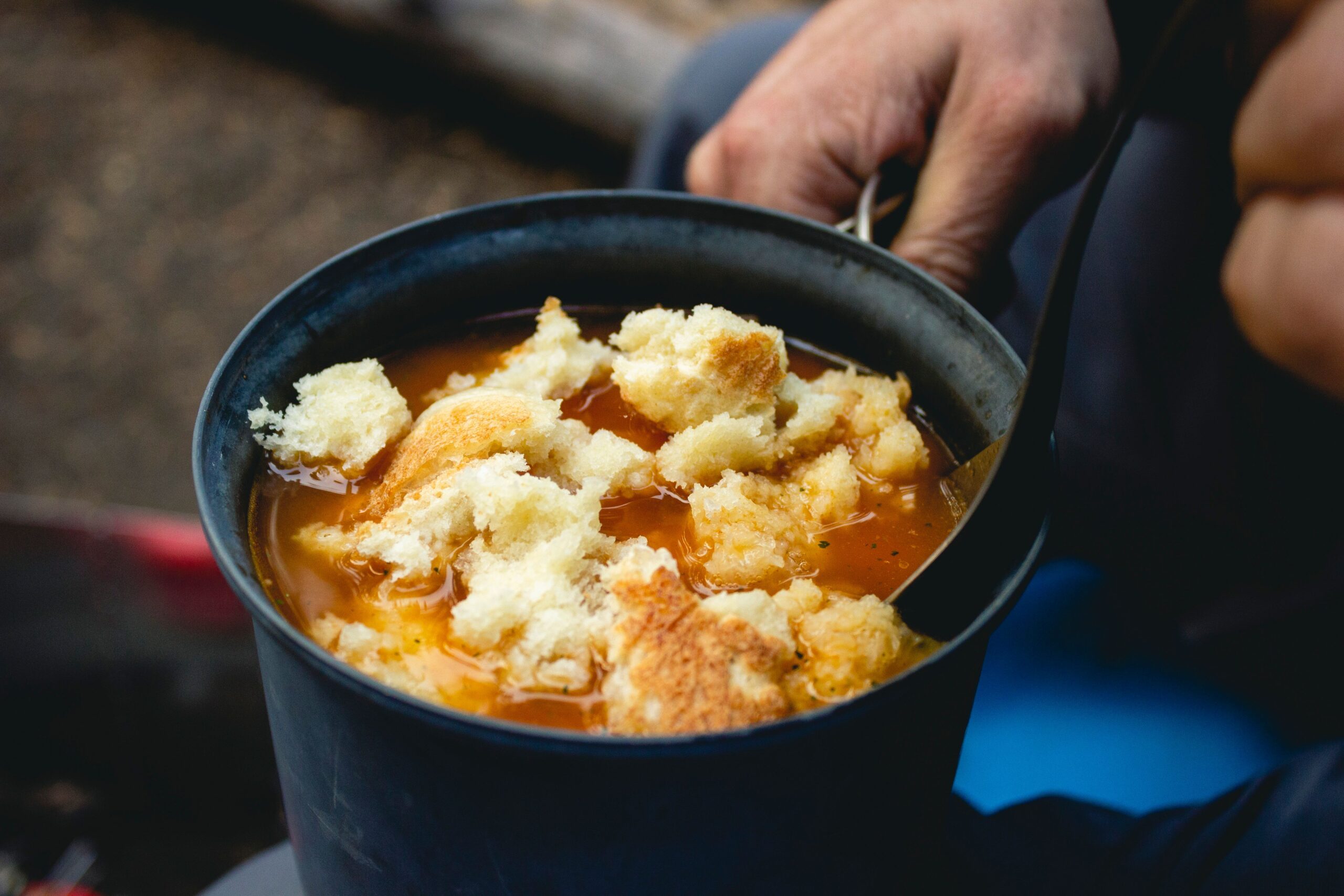
In northern Canada, caribou soup speaks to a food tradition shaped by land, mobility and survival in severe climates. Caribou has long been a vital source of nourishment for many Indigenous peoples across the North, including Inuit and Dene communities, and soup is one practical way to use meat, bones and available vegetables together.
The exact recipe varies by region and household, which is part of the point. Northern soups are often less fixed than southern restaurant dishes because they respond to harvest conditions and what is accessible at a given time. Broth may be enriched by marrow and meat, with simple seasonings that let the main ingredient remain central.
Ending with caribou soup brings Canada's regional story into its largest landscapes. This is a bowl defined not by abundance in the market sense, but by knowledge of migration, hunting and respect for animal use. It shows that Canadian soup traditions are not only colonial or immigrant in origin. They are also deeply Indigenous and northern.




Leave a Reply