
Great restaurant trips are rarely just about reservations. They are about a chef's point of view, a city's food culture and the one or two dishes people talk about long after the flight home. These 10 restaurants have all earned major international recognition, and each offers a distinct reason to plan a meal around it.
Gaggan Anand
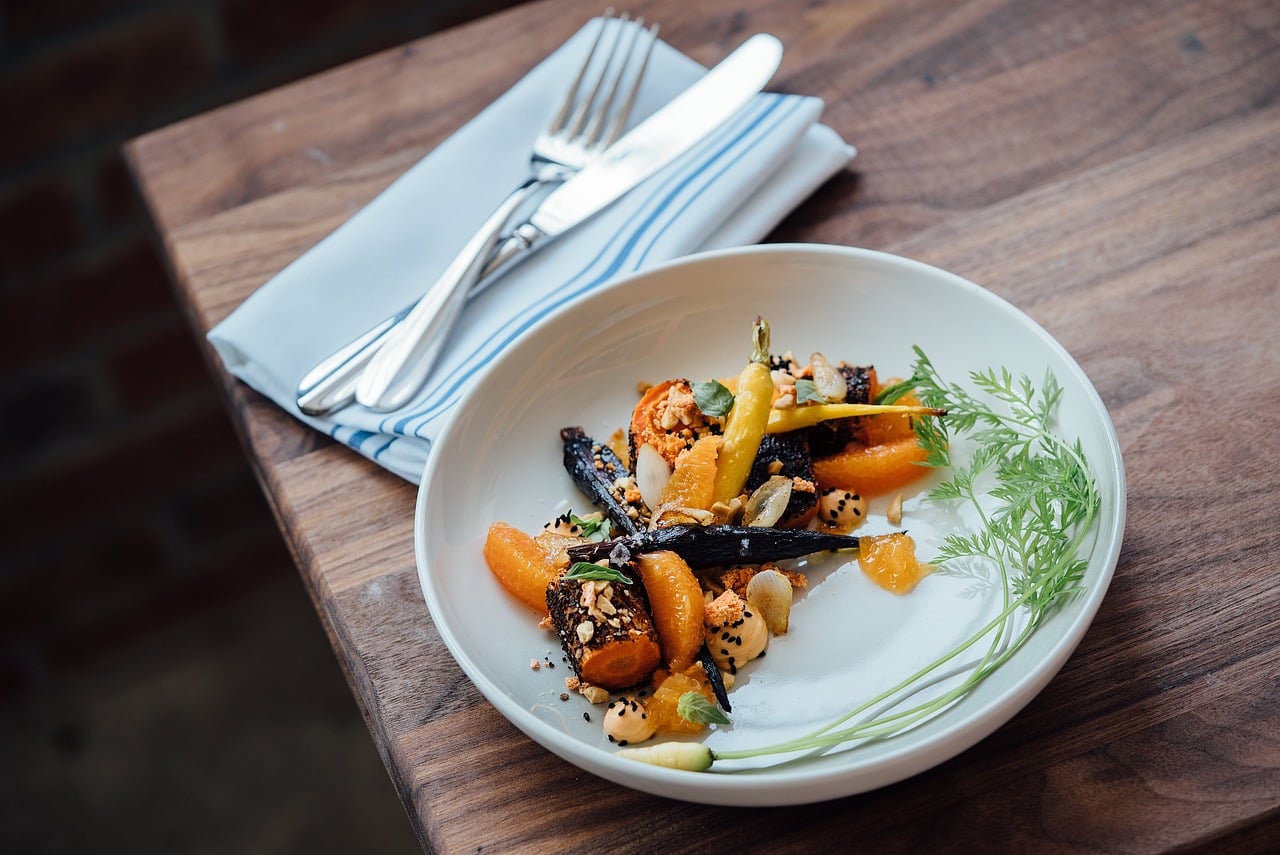
Bangkok rewards diners who like surprise, and Gaggan Anand has built its reputation on exactly that. The restaurant, led by chef Gaggan Anand, was named The Best Restaurant in Asia multiple times on Asia's 50 Best Restaurants list and returned to the top spot in 2023.
The meal is served as an extended tasting menu built around progressive Indian cooking. That means Indian flavors and references, but presented with modern technique, theatrical pacing and a playful style that can shift from precise bites to interactive moments. For travelers from Canada, the draw is not just prestige. It is the chance to see how a familiar culinary tradition can be completely reworked without losing its roots.
Central
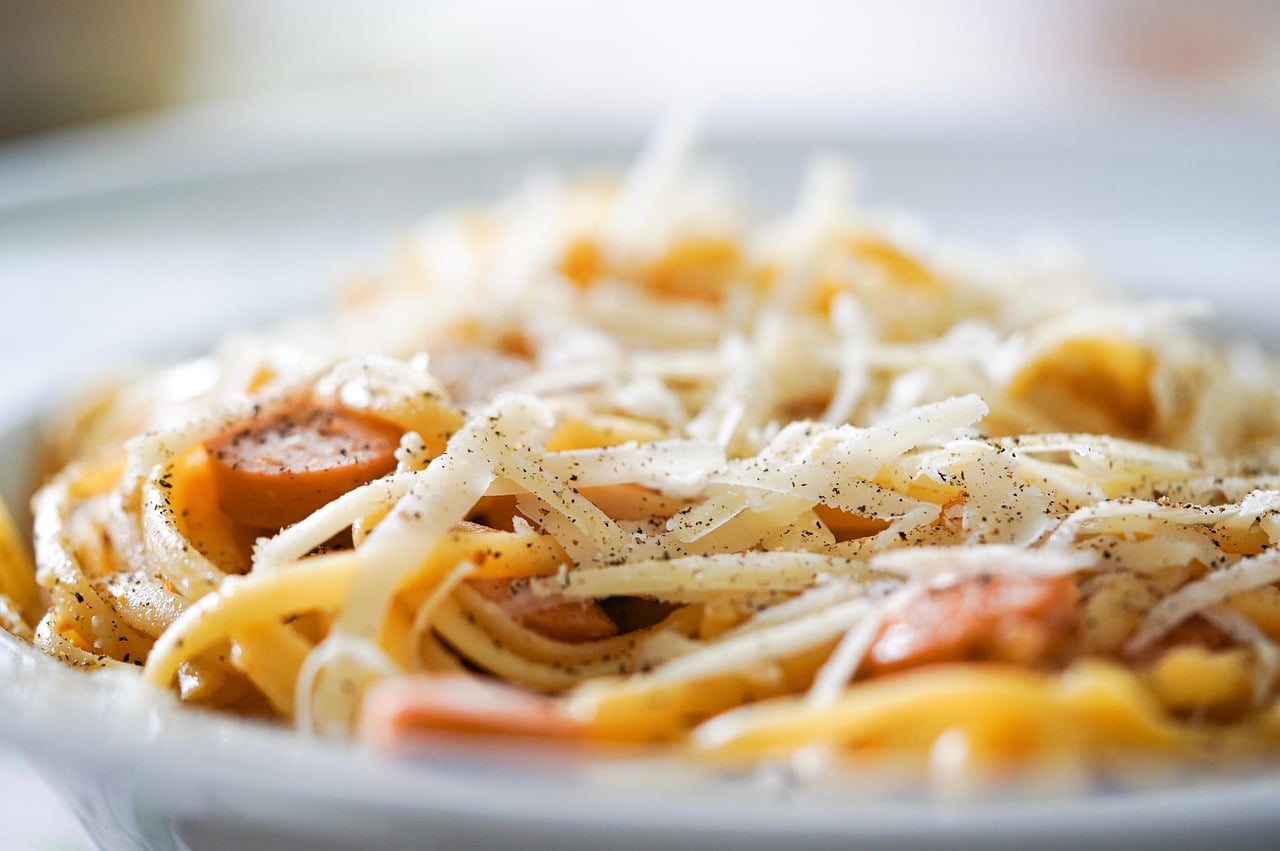
Some restaurants tell you about a country through recipes. Central in Lima tries to map Peru through altitude. Chefs Virgilio Martínez and Pía León have built the restaurant's tasting menus around ecosystems, with courses inspired by ingredients sourced from different elevations, from the Pacific coast to the Andes.
That structure is what makes Central easy to remember. It gives diners a clear frame for ingredients that may be new to them, including native tubers, grains, herbs and seafood. In 2023, The World's 50 Best Restaurants named Central No. 1 in the world. The restaurant's appeal goes beyond awards, because it turns biodiversity into something you can actually taste, one course at a time.
Osteria Francescana
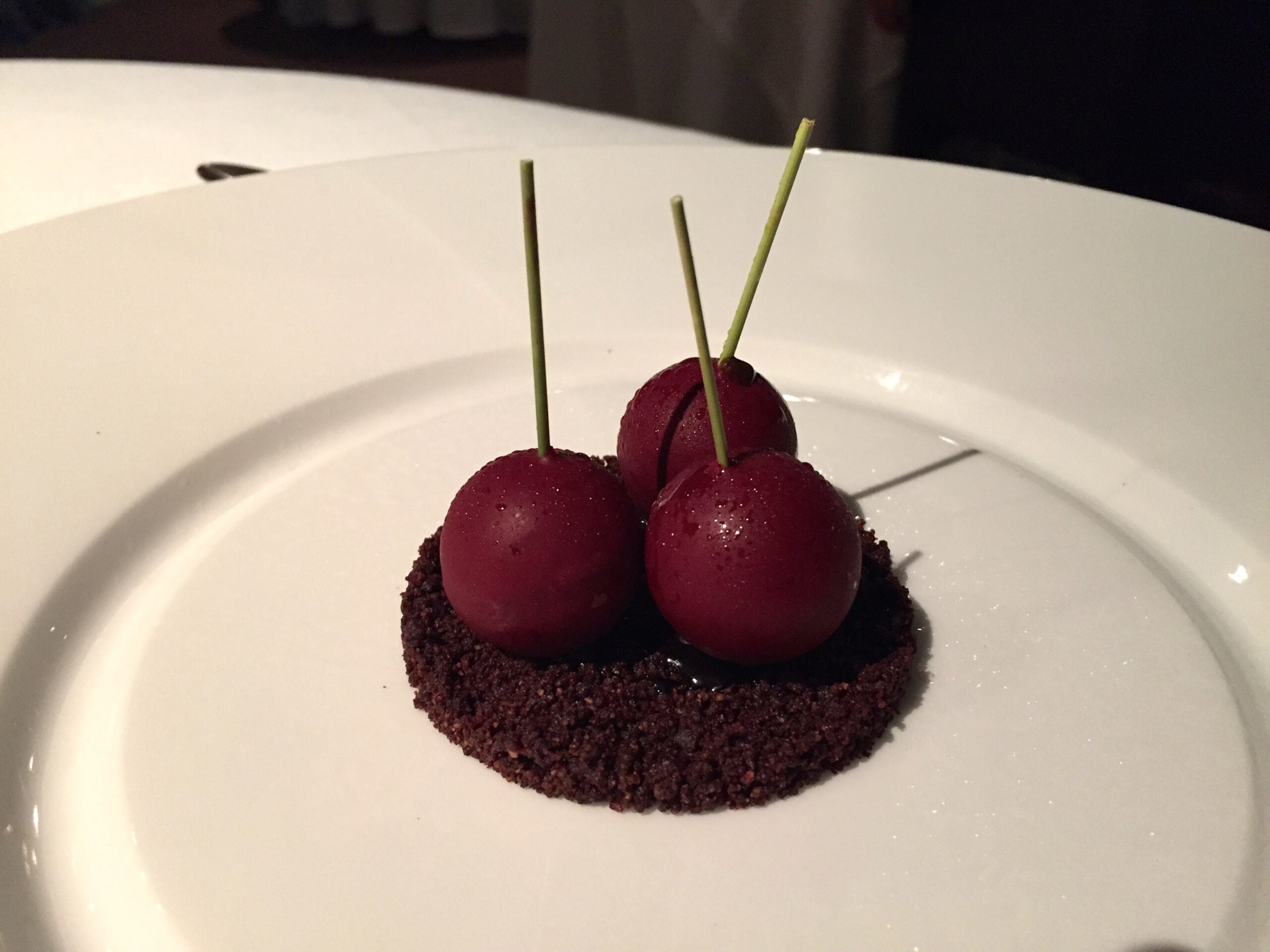
In Modena, Osteria Francescana shows how a restaurant can be deeply Italian without feeling locked in the past. Chef Massimo Bottura opened it in 1995, and over the years it became one of the defining names in fine dining, earning three Michelin stars and the No. 1 position on The World's 50 Best Restaurants list in 2016 and 2018.
Bottura's cooking often starts with the food culture of Emilia Romagna, then bends it into something more conceptual. One of the best-known examples is "Oops! I Dropped the Lemon Tart," a dessert inspired by an accident in the kitchen. That balance of craft, wit and regional identity is a big part of why the restaurant remains a reference point for travelers who want more than a classic tasting menu.
Asador Etxebarri
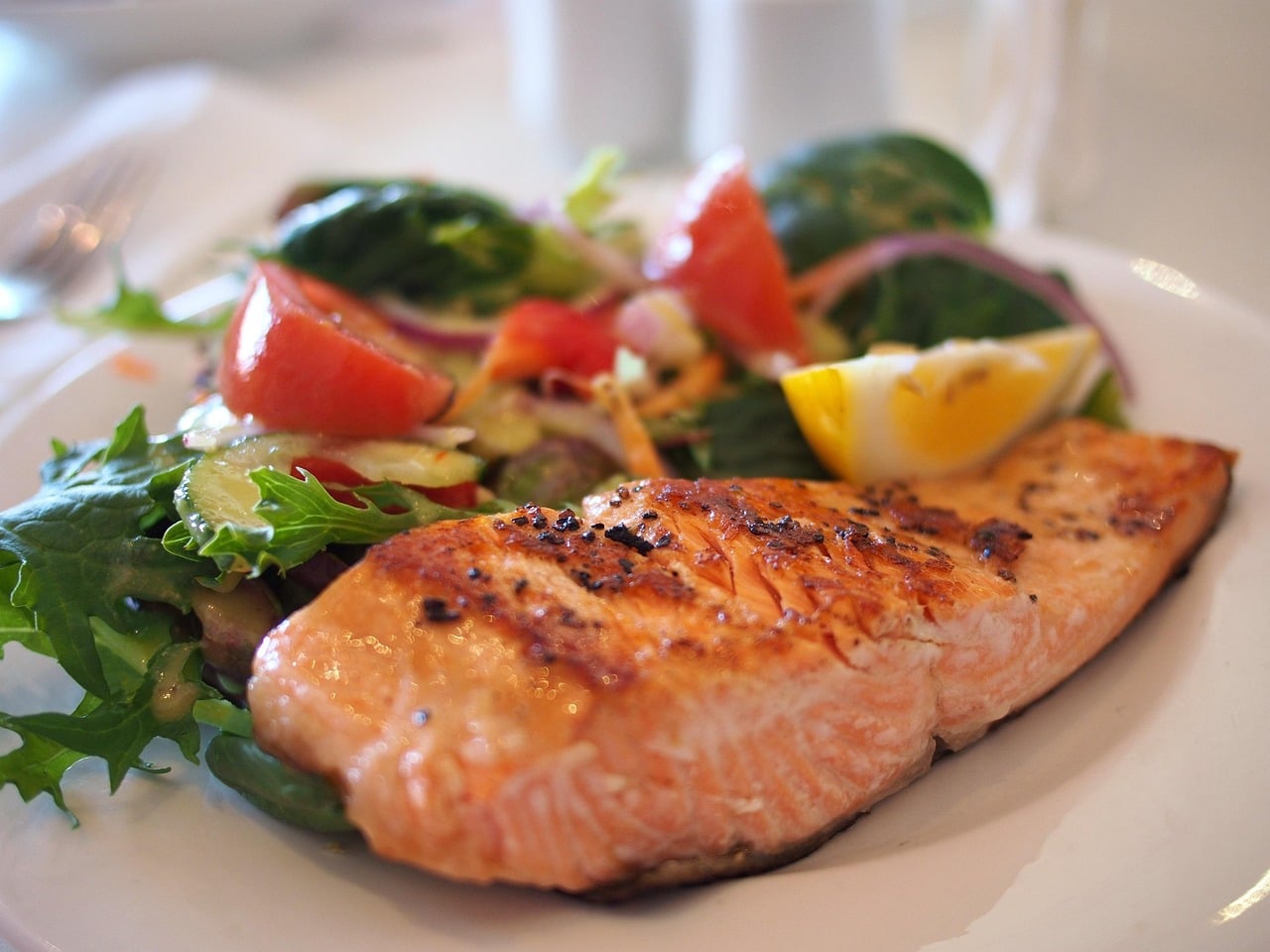
There are tasting menus built on technical complexity, and then there is Asador Etxebarri, which makes fire itself the main language. Located in Atxondo in Spain's Basque Country, the restaurant is led by chef Víctor Arguinzoniz and has become internationally admired for its highly refined approach to grilling.
What surprises many first-time diners is the range. Smoke and embers touch everything from seafood to meat to dairy, but the effect is usually subtle rather than heavy. Arguinzoniz is known for designing many of his own grills and tools to control heat with unusual precision. In 2022, The World's 50 Best Restaurants ranked Asador Etxebarri No. 2, reinforcing its status as a destination for people who care about technique as much as ingredients.
Noma
Few restaurants have shaped modern dining conversations like Noma in Copenhagen. Founded by chef René Redzepi, the restaurant became closely associated with New Nordic cuisine, a style that pushed chefs to focus on local ingredients, seasonality and preservation methods such as fermenting and pickling.
Noma was named The World's Best Restaurant several times by The World's 50 Best Restaurants and also held three Michelin stars. What makes it notable to the broader public is its influence. Techniques and ideas that once seemed unusual in Copenhagen spread through kitchens around the world. Even for diners who follow food closely, Noma has represented something larger than a single meal, a way of rethinking where ingredients come from and how a menu can reflect place.
Disfrutar
Barcelona has many celebrated dining rooms, but Disfrutar stands out for combining technical ambition with a sense of fun. The restaurant was opened by chefs Oriol Castro, Eduard Xatruch and Mateu Casañas, all formerly of elBulli, and it carries forward that legacy of experimentation in a more contemporary form.
Disfrutar was named No. 1 on The World's 50 Best Restaurants list in 2024. Menus often feature illusion, transformation and texture in ways that sound abstract until the plate arrives. A dish may look familiar, then behave differently than expected. That spirit keeps the meal from feeling academic. For traveling diners, it offers one of the clearest examples of how avant-garde cooking can still feel generous and engaging.
Maido
Lima appears more than once in major global dining conversations for a reason, and Maido helps explain why. Chef Mitsuharu Tsumura's restaurant focuses on Nikkei cuisine, the cooking tradition shaped by Japanese immigrants in Peru and their descendants. That blend brings together Peruvian ingredients and Japanese techniques in a style that feels both precise and vibrant.
Maido has been a regular presence near the top of Latin America's 50 Best Restaurants and was ranked No. 5 on The World's 50 Best Restaurants list in 2024. The tasting menu gives structure to the story, moving through dishes that showcase seafood, acidity, umami and careful presentation. For Canadian diners, it can be an especially clear introduction to a cuisine that is now globally influential.
Alchemist
Copenhagen's Alchemist is not designed as a standard dinner. Chef Rasmus Munk has described it as a holistic dining experience, and that phrase fits. The restaurant combines a lengthy multi-course menu with sound, lighting, projections and social commentary, turning the evening into something closer to immersive theatre.
Alchemist has two Michelin stars and has appeared on The World's 50 Best Restaurants list, but awards only explain part of its appeal. The bigger story is scale and intent. Dishes are used to open conversations about food systems, ethics and consumption, while still delivering exacting technique. Some travelers find it provocative, others moving, but few leave describing it as ordinary, which is a major reason it has become such a sought-after reservation.
Sukiyabashi Jiro

Some of the world's most talked-about restaurants became famous through spectacle. Sukiyabashi Jiro in Tokyo earned its reputation through concentration and discipline. The sushi restaurant is associated with Jiro Ono, whose approach to rice, fish and timing became widely known outside Japan through the documentary "Jiro Dreams of Sushi."
Its standing in food culture has long rested on craft rather than scale. The meal is intimate, focused and built around the idea that very small differences in temperature, knife work and sequence matter. Michelin's Tokyo guide once awarded the restaurant three stars, though it was later removed from the guide because it no longer accepted general public reservations. Its influence, however, remains far larger than the room itself.
Pujol

Mexico City's Pujol closes this list because it combines long-term influence with a strong sense of place. Chef Enrique Olvera opened the restaurant in 2000, and it has become one of the most recognized ambassadors for contemporary Mexican fine dining. Rather than treating Mexican cuisine as fixed, Pujol presents it as something living, regional and open to reinterpretation.
One of its best-known signatures is the mole madre, mole nuevo, a plate that pairs older mole with a fresher version to show continuity and change in a single dish. Pujol has held two Michelin stars in the Michelin Guide Mexico and has ranked prominently on The World's 50 Best Restaurants and Latin America's 50 Best Restaurants lists. For many travelers, it offers a memorable final answer to why destination dining still matters.




Leave a Reply