
Canadian diners are already comfortable moving from sushi to tacos to butter chicken in a single week. The next wave of dishes chefs often spotlight goes deeper, toward regional specialties with long histories, clear techniques and flavors that feel both new and familiar.
Jollof rice
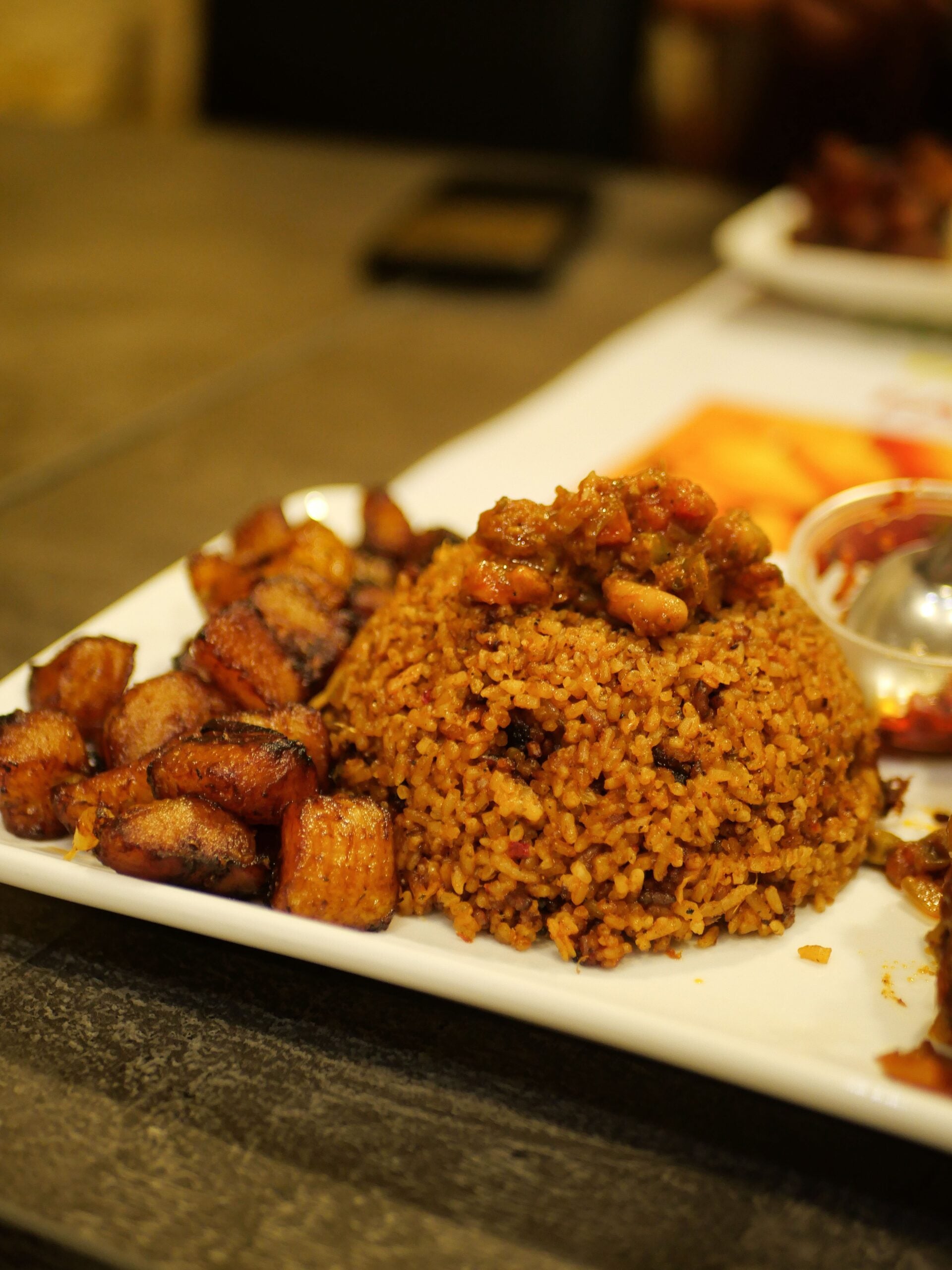
Few dishes create as much proud debate as jollof rice. Across West Africa, especially in Nigeria, Ghana and Senegal, cooks argue over style, seasoning and texture, and that passion is part of the appeal.
At its core, jollof is rice cooked in a rich tomato and pepper base, usually with onion, stock and spices. The goal is not simply red rice. A good version balances sweetness from tomato, heat from chilies and savory depth from slow cooking, with grains that stay separate instead of turning soft.
Chefs often point to jollof because it is comforting, shareable and deeply tied to celebration. It can be served with chicken, fried plantain, fish or vegetables, which makes it adaptable for many Canadian kitchens while still delivering a very distinct flavor profile.
Khachapuri
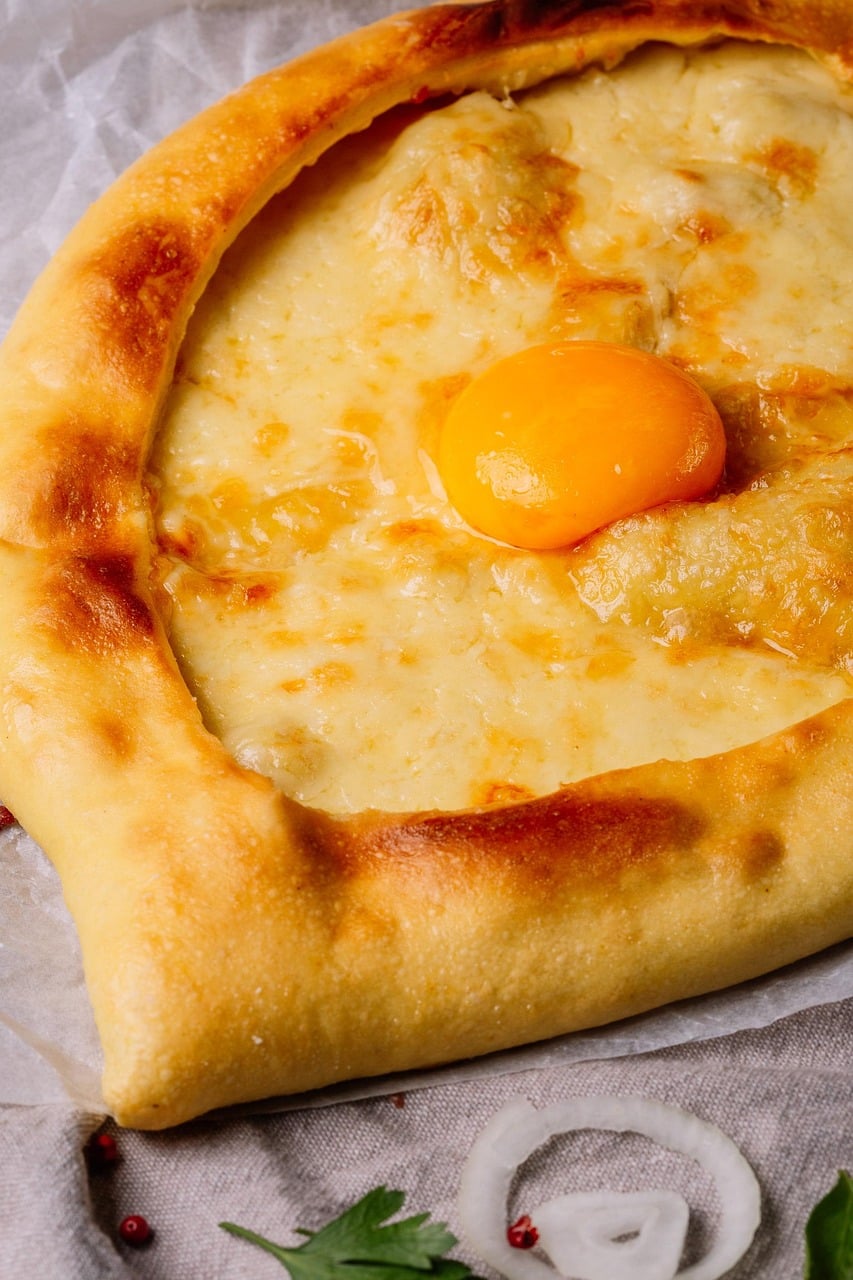
Khachapuri, the cheese-filled bread from Georgia, has the kind of visual appeal that stops a room. One well-known style, adjaruli khachapuri, is shaped like a boat and finished with cheese, butter and an egg added near the end of baking.
The drama matters, but the taste is the reason chefs keep bringing it up. The bread should be chewy at the edge and soft in the center, ready to be torn and dipped into the molten filling. Stirring the egg and butter into the hot cheese creates a sauce-like middle that coats each piece.
For Canadians who already love pizza, grilled cheese and fresh bread, khachapuri is an easy leap. It feels familiar, yet the combination of shape, texture and table-side mixing makes it memorable in a completely different way.
Laksa
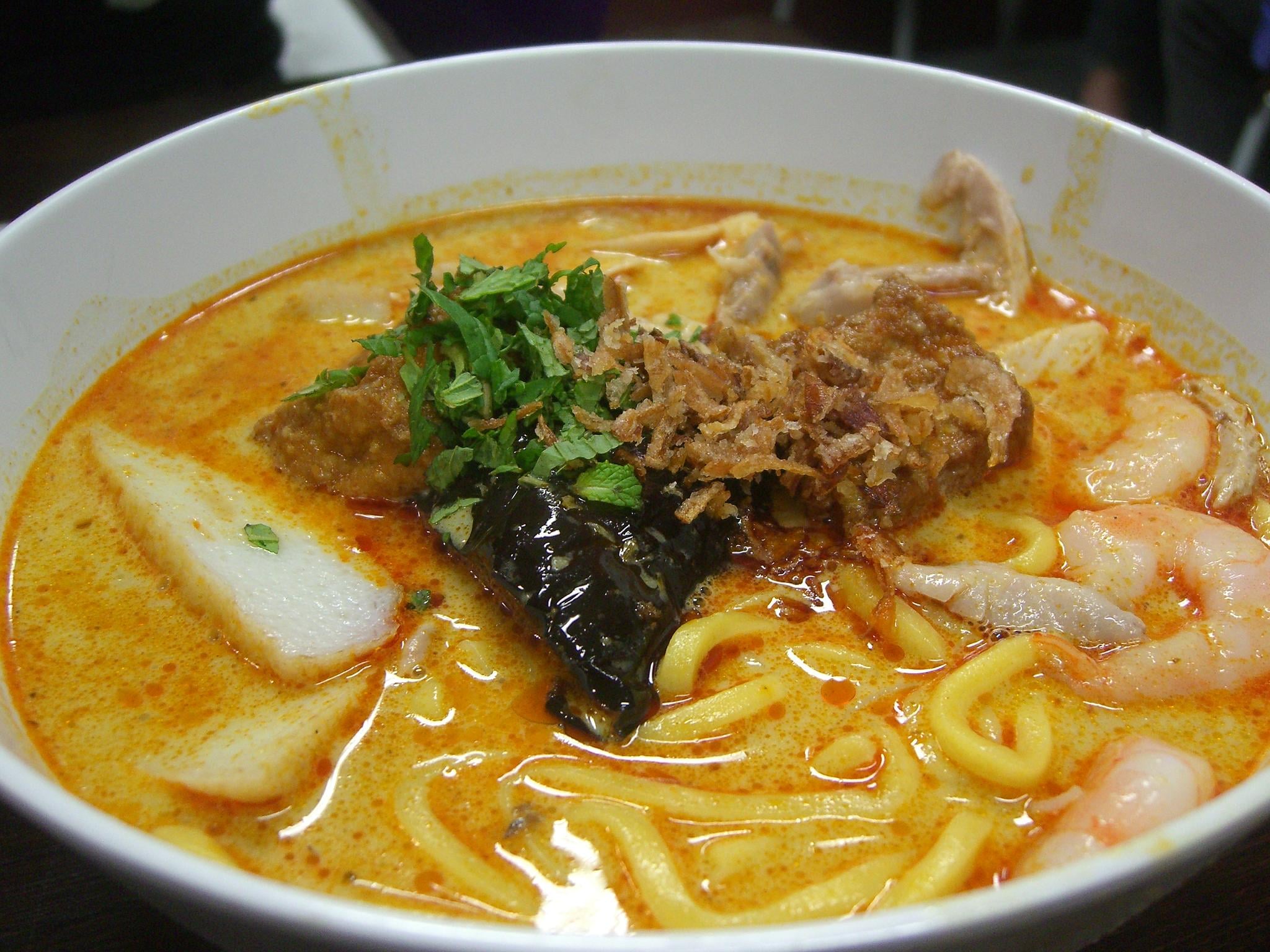
Laksa is a broad family of noodle soups found in parts of Southeast Asia, especially Malaysia and Singapore. The versions vary, but many chefs single out curry laksa for its layered broth, which combines coconut milk, aromatics and spice into something rich without feeling heavy.
A bowl usually includes noodles, often a mix of wheat noodles and rice vermicelli, along with toppings like tofu puffs, shrimp, chicken or fish cake. The broth does most of the work. It brings together chilies, garlic, lemongrass and other seasonings in a way that rewards slow sipping as much as quick bites.
Laksa stands out in Canada because it fits cold weather and modern eating habits at the same time. It is warming like a classic soup, but its fragrance and complexity offer much more range than a standard bowl of noodles.
Suya
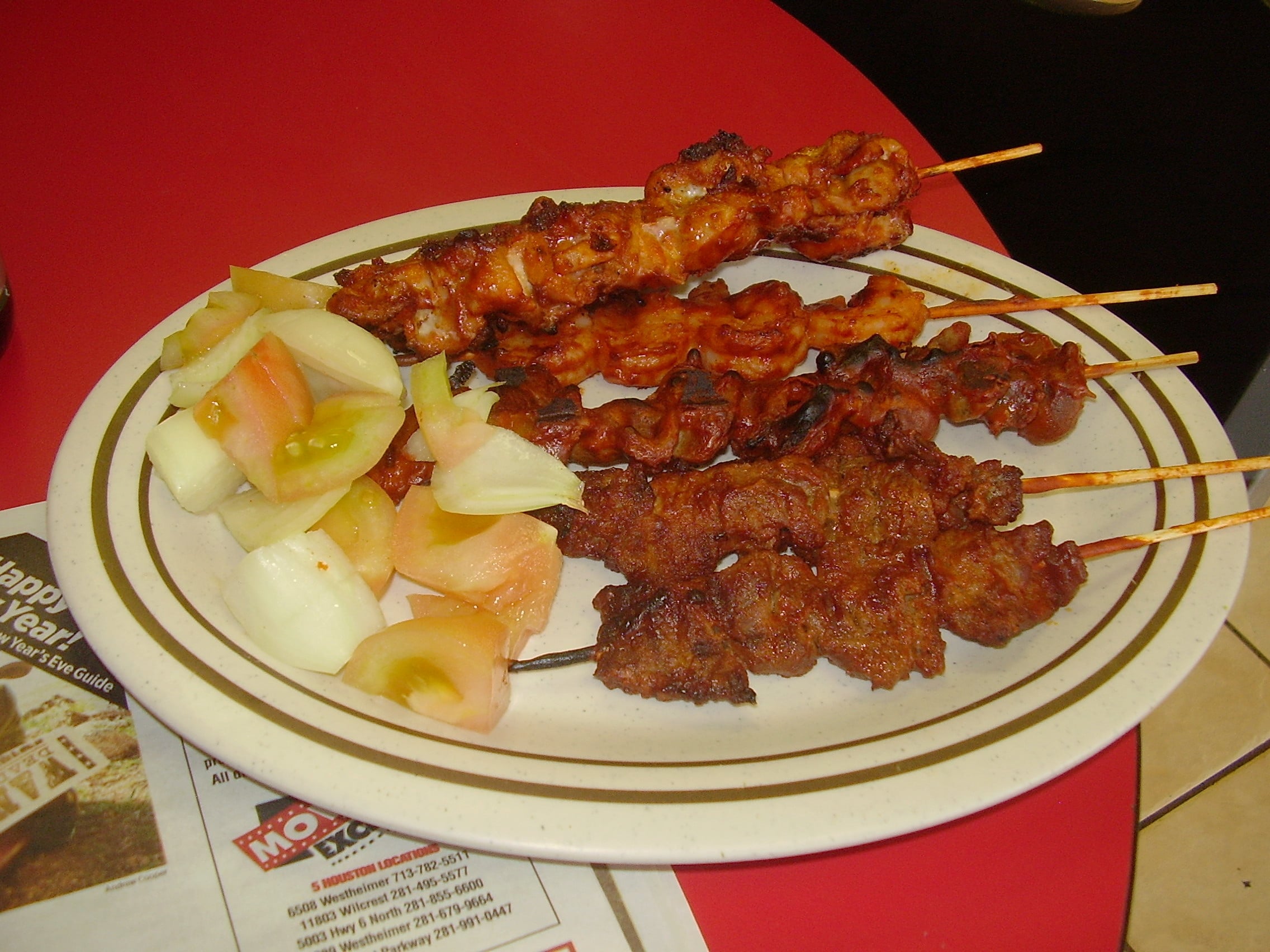
Suya shows how much flavor can come from a very direct idea. In Nigeria and across West Africa, thin cuts of meat are coated in a spice mixture and grilled, then served hot, often with sliced onion, tomato and a dusting of extra seasoning.
The defining element is the spice blend, commonly built around ground peanuts, chilies, ginger and other aromatics. That combination gives suya a nutty, smoky and spicy character that feels especially suited to open-fire cooking. It is bold, but not complicated to understand after one bite.
Chefs like to highlight suya because it works on several levels. It can be street food, party food or a restaurant small plate. In Canada, where grilling culture is strong, suya has a natural opening with diners who want something beyond standard skewers.
Arepas
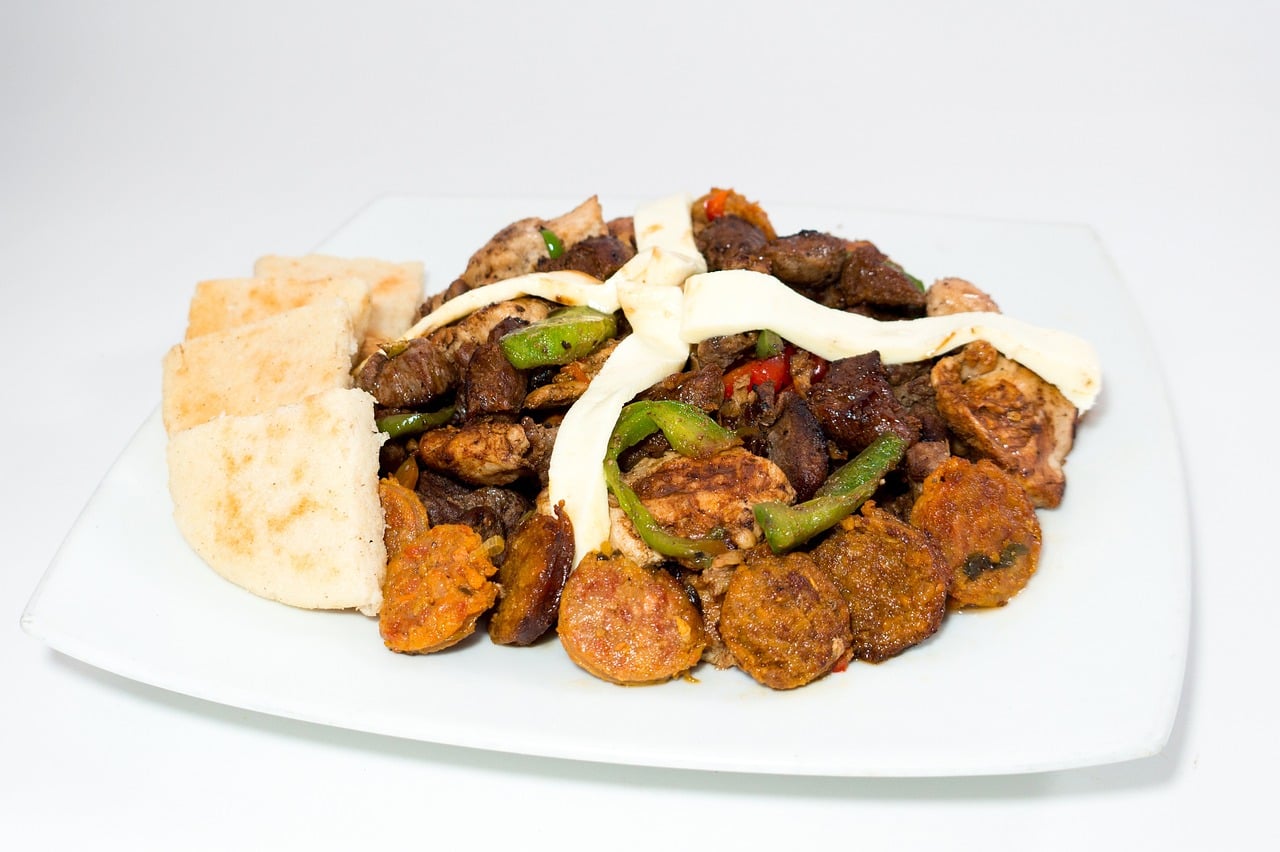
Arepas are a daily staple in countries including Venezuela and Colombia, yet many Canadians still know them only vaguely. Made from ground maize dough and cooked on a griddle, baked or fried, they can be split and filled or eaten plain alongside a meal.
Their texture is part of the charm. A good arepa has a crisp exterior and a tender center, which makes it useful in many roles, somewhere between bread, cake and sandwich. Fillings can range from cheese and beans to shredded beef, avocado or chicken salad.
Chefs often recommend arepas because they are approachable and versatile. They also reflect a distinct corn tradition that differs from both wheat bread and Mexican tortillas. That difference gives diners something genuinely new without asking them to learn an entirely unfamiliar way of eating.
Doro wat
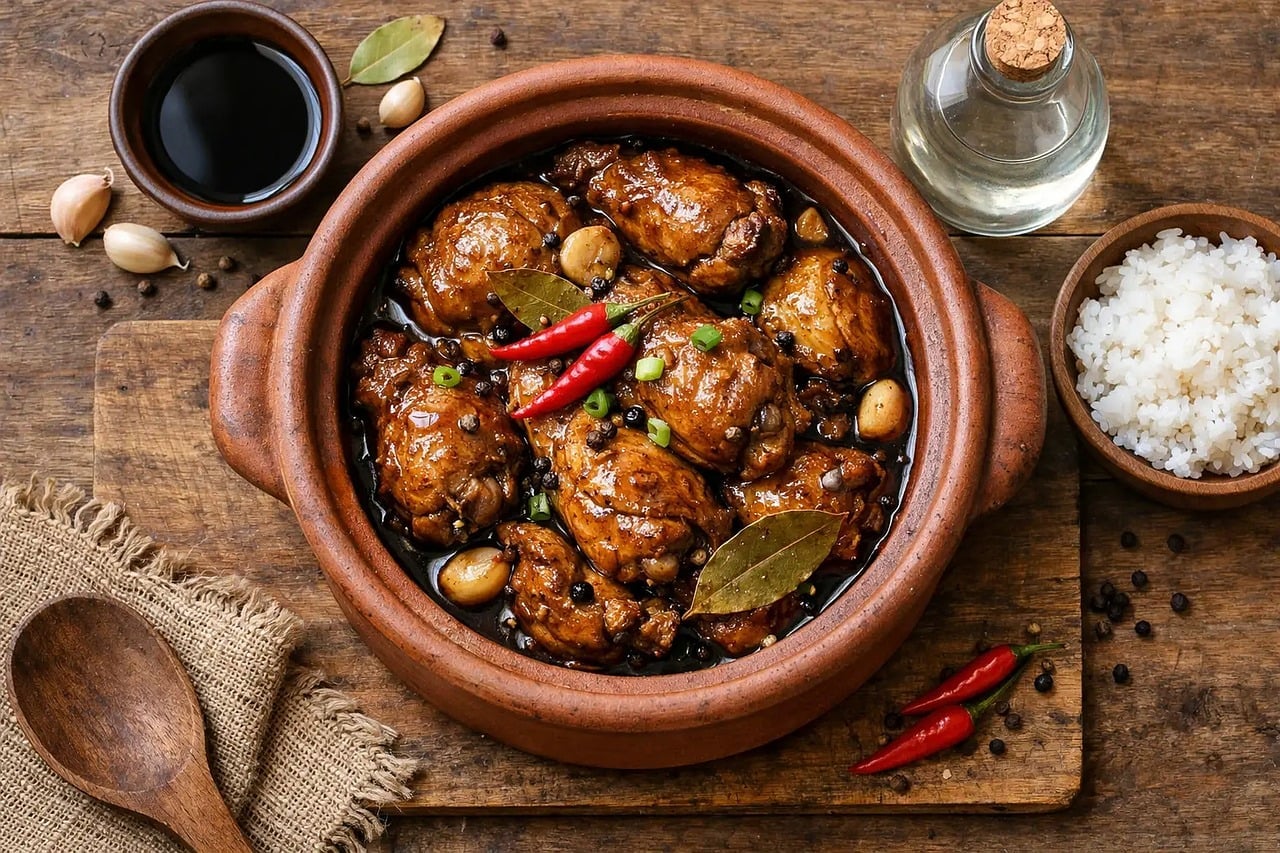
Doro wat is one of Ethiopia's best-known dishes, and chefs who admire slow-building flavor often mention it first. It is a chicken stew, but that plain description misses the patience behind it.
The base is built from onions cooked down for a long time, then enriched with niter kibbeh, a spiced clarified butter, and berbere, the warm, complex spice blend central to many Ethiopian dishes. The result is deep, concentrated and gently fiery rather than simply hot. Hard-boiled eggs are often added, absorbing the sauce as they sit.
Served with injera, the soft sour flatbread made from teff, doro wat becomes a full experience of texture and taste. For Canadians used to stews, the attraction is immediate, but the fermented bread and layered spice profile make the meal feel entirely its own.
Okonomiyaki
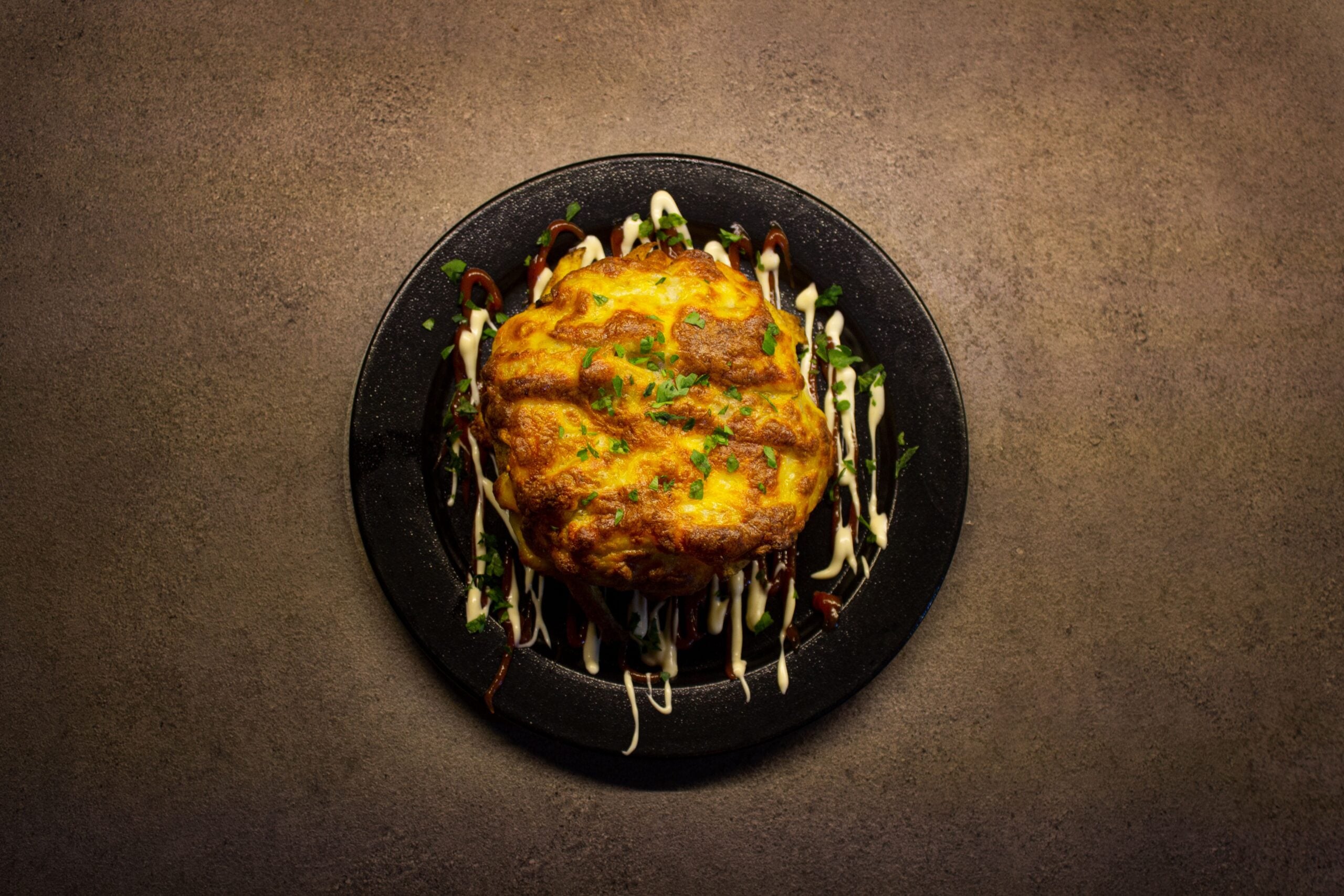
Okonomiyaki is sometimes described as a Japanese savory pancake, but that shorthand only gets you so far. In practice, it is a griddled dish made with batter, cabbage and assorted ingredients, then finished with sauces and toppings that add sweetness, salt and umami.
Regional styles matter. In Osaka, ingredients are usually mixed into the batter before cooking. In Hiroshima, layers often include cabbage, pork, egg and noodles. Both styles show why chefs admire the dish. It turns humble ingredients into something texturally complex, with crisp edges, a soft center and a lively top layer.
For Canadian diners, okonomiyaki offers comfort with a twist. It has the satisfying feel of diner food, but the combination of bonito flakes, mayonnaise and savory sauce creates flavors that are much more dynamic than the name pancake suggests.
Moqueca
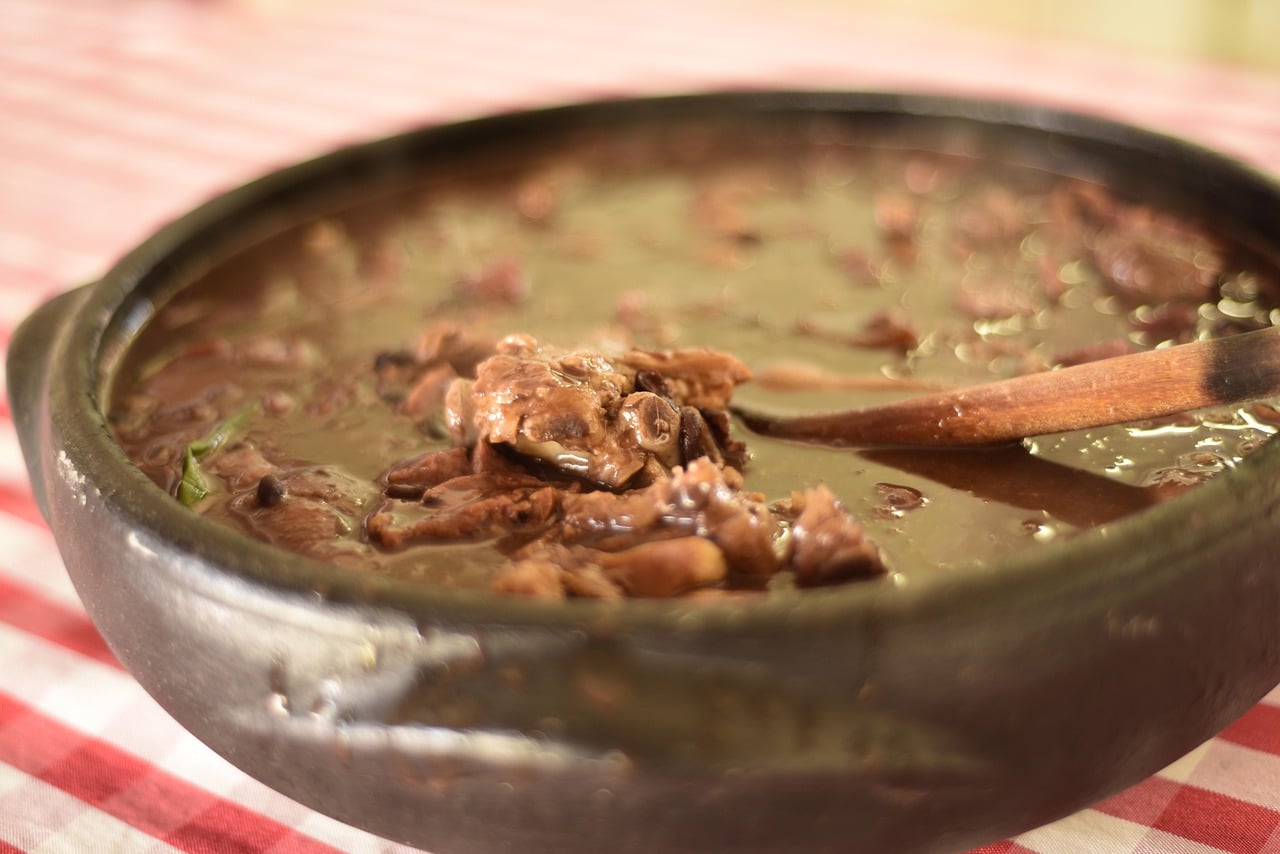
Moqueca is a Brazilian seafood stew that proves delicate dishes can still carry big flavor. Versions from different regions vary, but the most recognized forms combine fish or shellfish with onion, tomato, peppers, cilantro and a fragrant cooking liquid.
In Bahia, cooks often use dendê oil and coconut milk, which lend the stew its distinctive color and richness. The seafood is typically simmered just until done, so the final dish feels fresh and light despite its full taste. It is commonly served with rice, farofa and sometimes pirão, a porridge made with broth.
Chefs often point to moqueca as a smart fit for Canada because it highlights ingredients already familiar here, especially seafood. What changes is the seasoning logic, which brings brightness, creaminess and herbal notes into one pot without burying the fish.
Ceviche
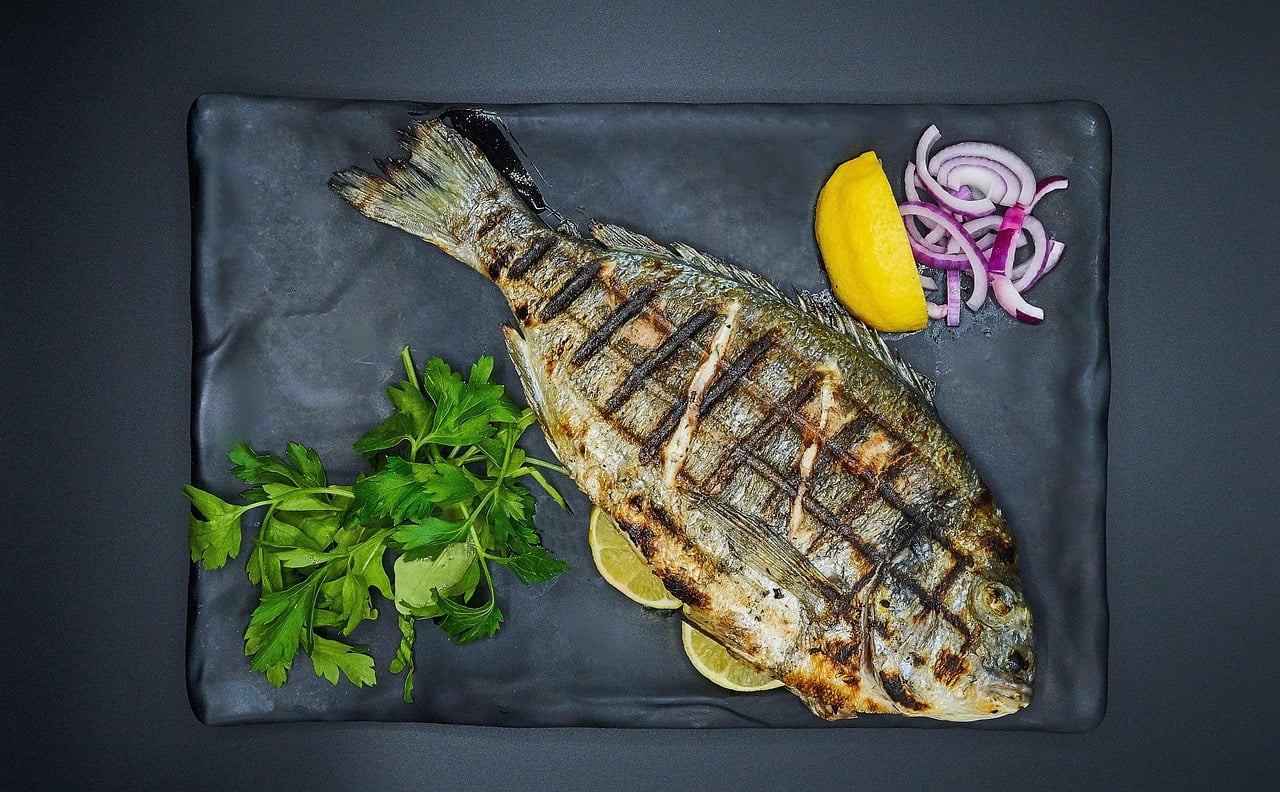
Ceviche has become more visible in Canada, but many chefs believe diners still have more to discover beyond the most basic versions. Found across Latin America in different forms, it generally features raw fish or seafood cured in citrus juice and mixed with seasonings.
The key is balance and timing. Citrus firms the surface of the fish, but it does not cook it in the way heat does. Onion, chili, herbs and sometimes corn or sweet potato bring contrast, while the fish should remain fresh-tasting and tender, never chalky or overwhelmed by acid.
What makes ceviche worth seeking out is its precision. Every element is exposed, so quality matters. For Canadians, especially in warmer months or in coastal cities, it offers a clean, vivid style of eating that feels both refreshing and serious.
Mantı
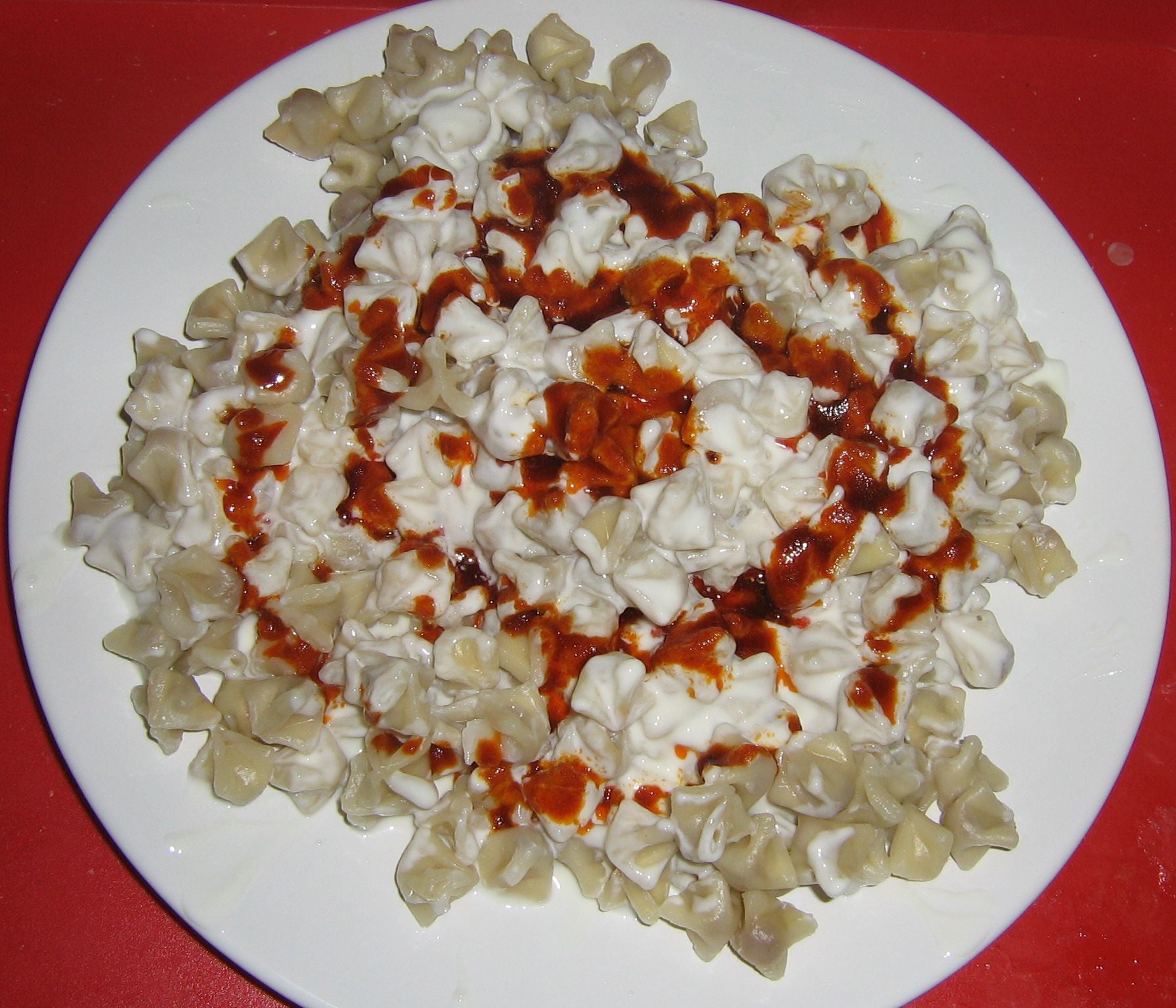
Mantı, small filled dumplings popular in Türkiye and nearby regions, make a strong closing case for how much detail can live in a compact dish. They are often stuffed with seasoned meat, boiled, then topped with garlicky yogurt and a butter sauce infused with spices such as Aleppo pepper or paprika.
The contrast is what wins people over. You get tender dough, savory filling, cool yogurt and warm spiced butter in the same bite. Some versions are deliberately tiny, turning the dish into a display of patience and craft as much as comfort.
Chefs frequently praise mantı because it bridges the familiar and the unexpected. Canadians already understand the appeal of dumplings, but the yogurt and butter finish changes the flavor structure completely, ending the meal on a note that feels rich, bright and memorable.



Leave a Reply