
Canada's food scientists, agricultural researchers and public policy groups broadly agree on the direction of travel: the foods of 2035 will need to use fewer resources, waste less and still fit the way people actually cook and eat. That points to a mix of familiar ingredients, new production methods and products designed to work in everyday meals, not just in laboratories.
Pea protein foods
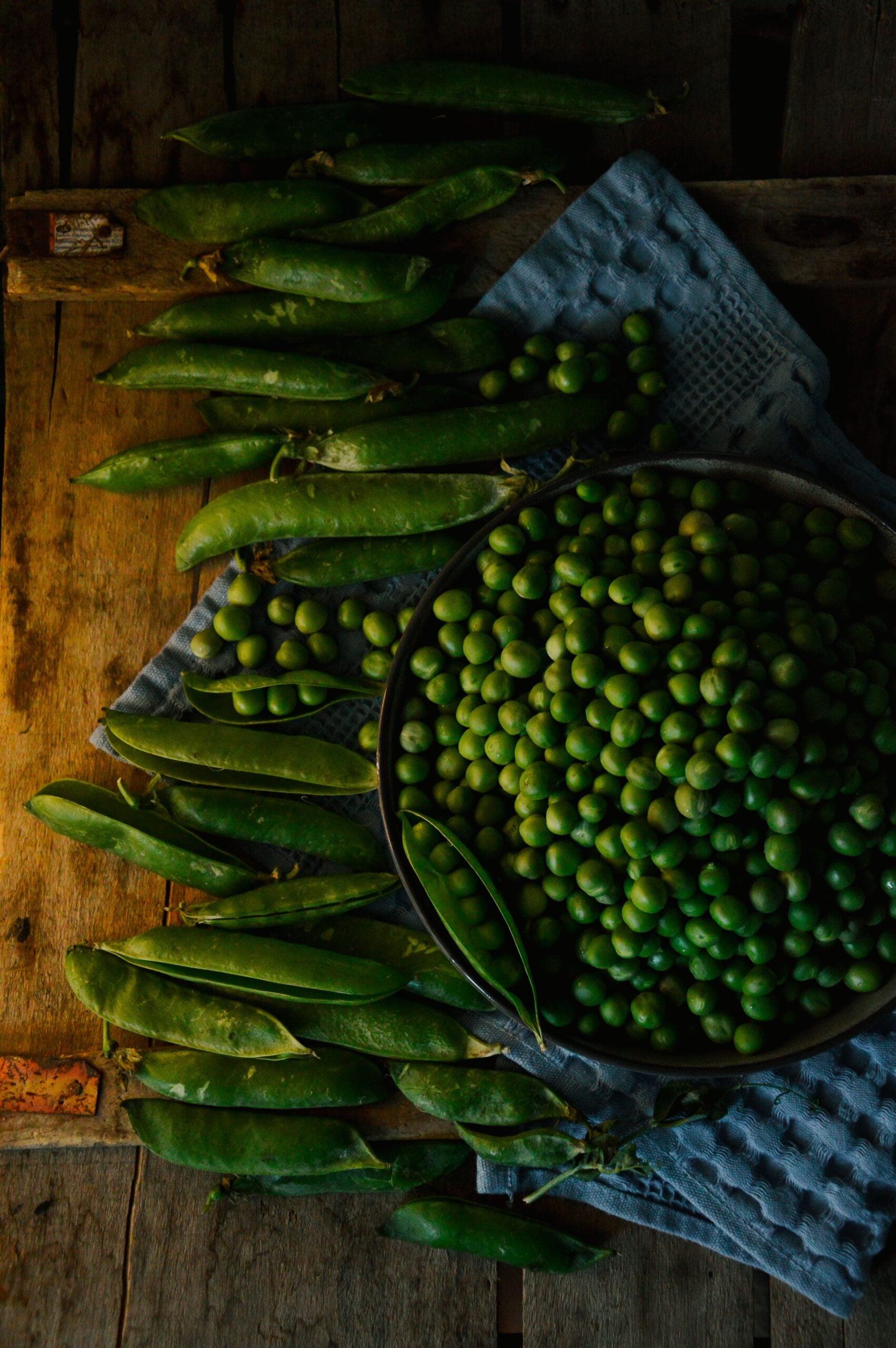
Yellow peas already have a strong foothold in Canada, and that matters because the country is one of the world's largest producers and exporters of pulses, including dry peas. Researchers and food companies keep returning to peas for a practical reason: they are high in protein, adapt well to meat alternatives, and fit crop rotations that help prairie soils.
In Canadian kitchens by 2035, pea protein is likely to show up less as a novelty burger and more as an ingredient woven into regular staples. Think higher protein pasta, breakfast drinks, bakery items and ready meals. Protein extraction is also improving, which can help reduce the bitter or beany notes that once turned some shoppers away.
The appeal goes beyond nutrition. Agriculture and Agri Food Canada has long highlighted pulses as crops that can support more sustainable production systems, especially because legumes help fix nitrogen in soil. That makes pea based foods one of the clearest examples of a future food that begins on Canadian farms and ends in ordinary home cooking.
Foods made with fava beans
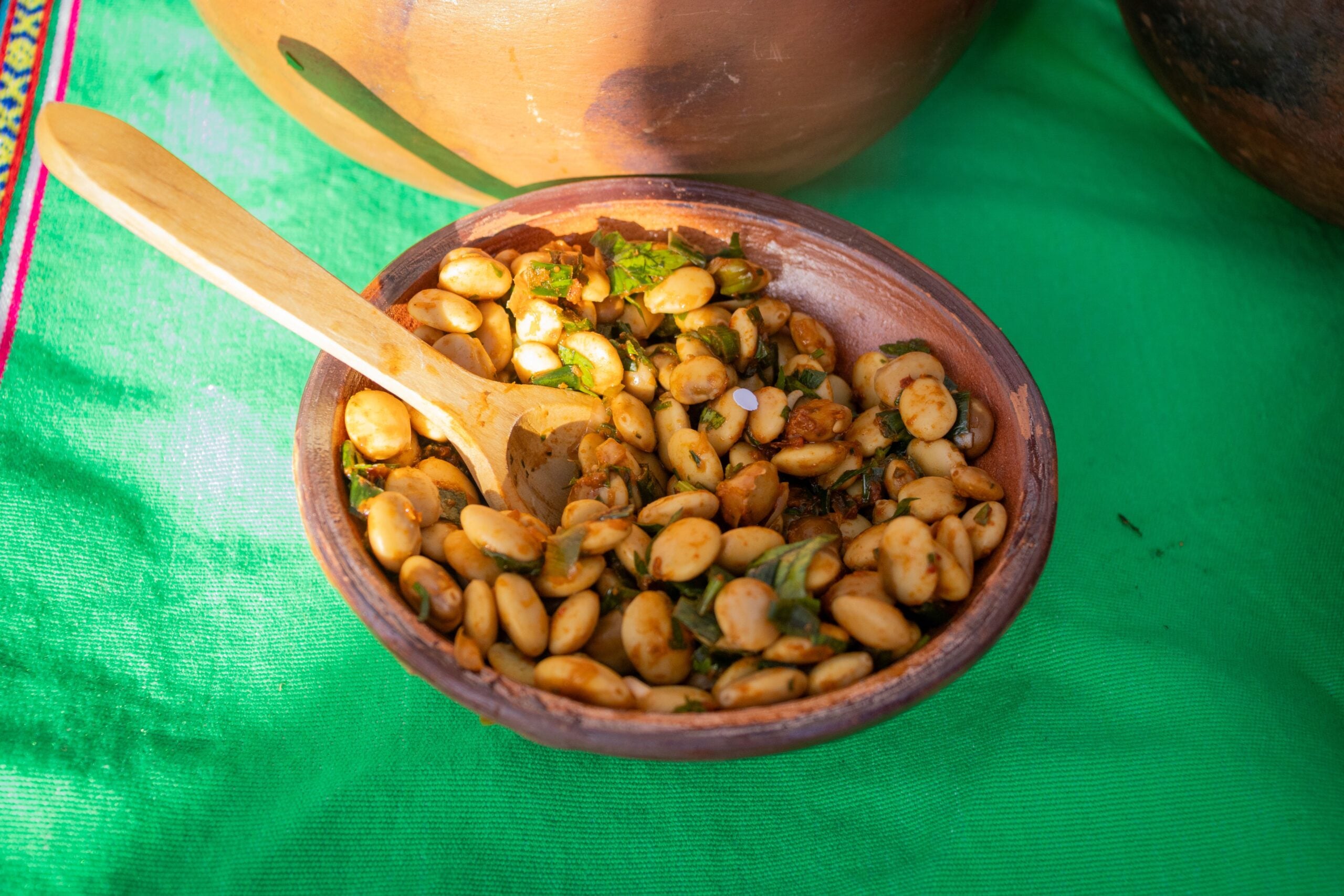
Fava beans, also called broad beans, are drawing more attention from plant protein researchers because they offer strong protein content and can grow in cool climates. For Canada, that is important. Crops that work well in northern conditions have a better chance of scaling into mainstream ingredients for flours, spreads and meat free products.
Scientists are also interested in fava beans because they can complement peas. Different plant proteins behave differently in recipes, and fava can help improve texture, foaming and emulsifying, which matters in products like dairy alternatives, baked goods and blended meat products. Those technical details shape what people experience at the table.
By 2035, fava ingredients may be most visible in foods that do not advertise themselves as futuristic at all. Pancake mixes, sandwich bread, snack bars and soups are easier entry points than highly processed novelty items. If consumers embrace them, it will likely be because the food tastes familiar first, not because the ingredient sounds new.
Oat based dairy alternatives
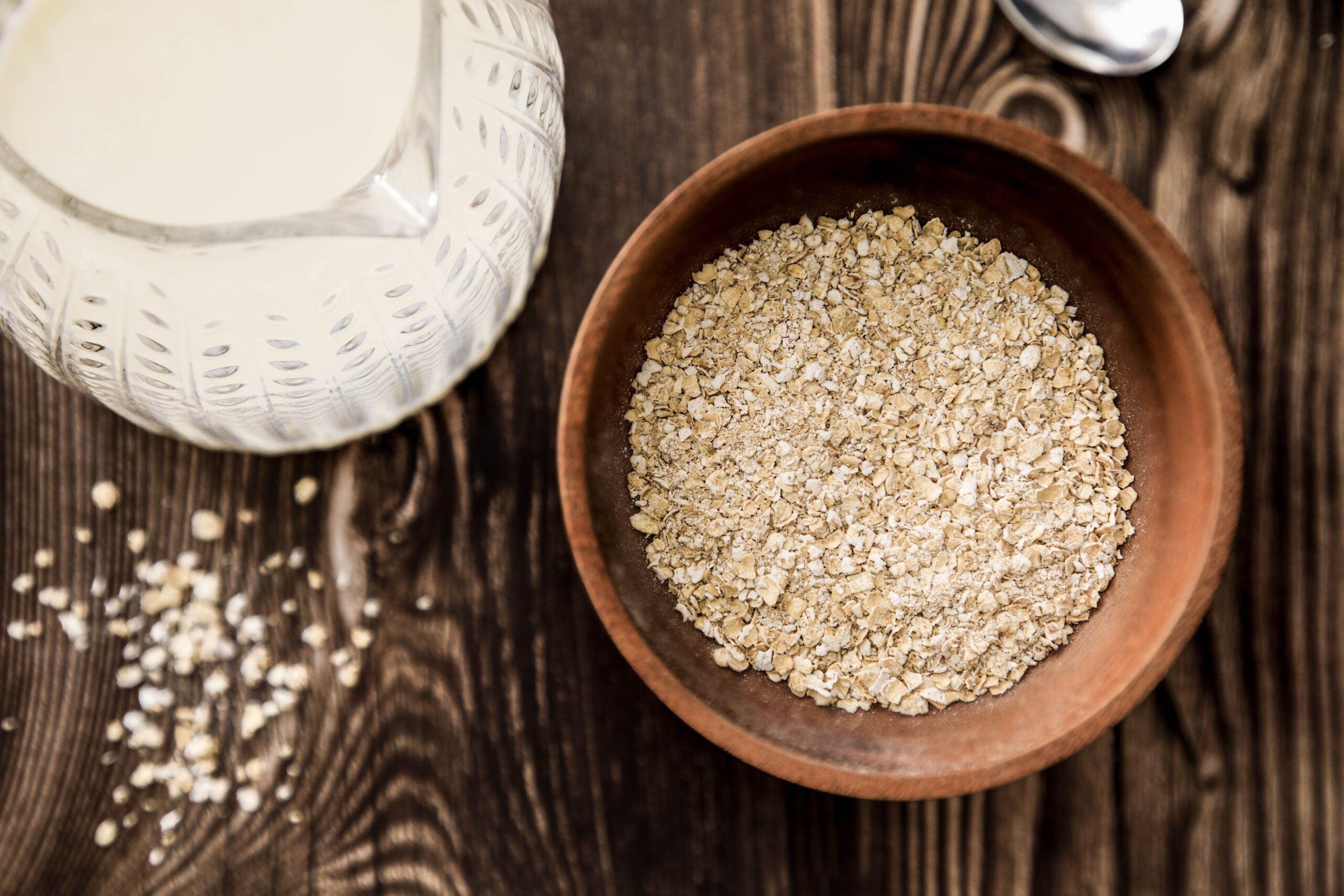
Oats make sense for Canada in a way some imported ingredients do not. They are already deeply familiar in Canadian breakfasts and baking, and the country produces substantial oat crops. That gives oat based drinks, yogurts and creamers an advantage: they can feel less like a replacement and more like an extension of something people already buy.
Food scientists also like oats because they bring more than branding. Their starches and soluble fibre can create a naturally creamy texture, which helps explain why oat beverages have grown quickly in grocery stores and cafes. In many products, that texture can reduce the need for extra gums or stabilizers.
What could change by 2035 is where oats show up. Instead of standing in a separate plant based aisle, oat ingredients may become part of blended dairy drinks, sauces, frozen desserts and convenience foods. The future version is not just a carton of oat milk. It is oats becoming a quiet workhorse in many refrigerated and shelf stable foods.
Seaweed and kelp ingredients
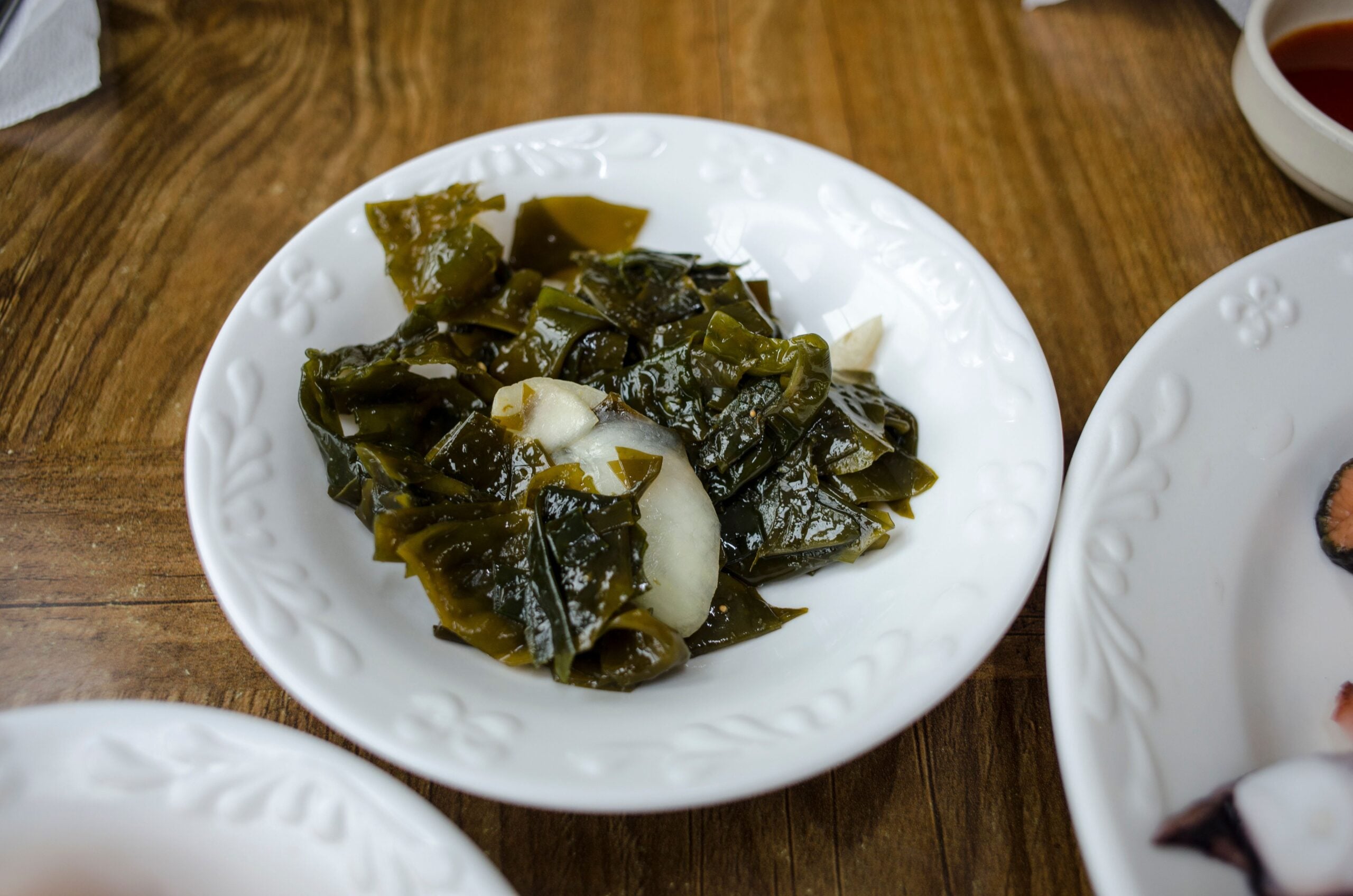
Seaweed still feels niche to many Canadian households, but scientists keep pointing to it for good reasons. It grows without farmland or freshwater, and edible species can provide minerals, fibre and compounds useful in food manufacturing. On Canada's coasts, kelp farming is also attracting interest as a form of marine agriculture with room to expand.
For home cooks, the first wave is unlikely to be a pile of seaweed salad on every dinner table. A more realistic path is seaweed as seasoning, broth base or ingredient in snacks, noodles and blended meat products. Even small amounts can add savoury depth, the taste many people describe as umami.
By 2035, seaweed may become normal partly because it solves multiple problems at once. It can add flavour, reduce reliance on some land based ingredients and support coastal food businesses. If adoption grows, expect the winning products to be the quiet ones, a soup stock, cracker or seasoning blend that slips easily into familiar routines.
Precision fermented dairy proteins

Precision fermentation sounds technical, but the kitchen outcome is easy to understand. Microorganisms such as yeast are programmed to produce specific proteins, including the whey or casein proteins associated with dairy. The result is not traditional milk from a cow, but it can deliver dairy like performance in foods such as cheese, yogurt and ice cream.
Scientists and food makers are watching this category because functionality matters. Many plant based cheeses still struggle to melt, stretch or brown like conventional cheese. Proteins made through fermentation could help close that gap. That is one reason experts see them as a serious contender for mainstream use, especially in prepared foods and food service.
In Canada, broad adoption will depend on regulation, price and consumer trust. Still, by 2035 these proteins could appear in hybrid products that combine familiar dairy expectations with newer production methods. The shift may be gradual, but it addresses a real consumer demand: better tasting alternatives that behave properly in cooking.
Cultivated meat ingredients

Cultivated meat is grown from animal cells rather than raised through conventional livestock production. It remains an emerging field, and it is not yet a routine grocery item in Canada. Even so, researchers keep it in future food conversations because it offers a different route to producing animal protein, especially for processed products where texture can be engineered more gradually.
The near term Canadian version may not be a whole steak. A more plausible first step is cultivated fat or cultivated meat blended into items like meatballs, dumplings or sauces. Those formats lower technical barriers while still delivering the flavour people associate with conventional meat.
Scientists also stress that timelines depend on cost, scale and regulatory approval. That makes 2035 an ambitious but not impossible horizon for limited kitchen presence. If it arrives, cultivated meat is likely to begin as a premium or specialty ingredient, then spread only if it proves competitive on taste, safety and price.
Insect protein powders and flours

Insects trigger a strong reaction in North America, which is exactly why this category is so interesting. Food scientists often note that acceptance rises when the ingredient is milled into flour or protein powder rather than presented whole. That changes the eating experience and makes it easier to use in pasta, crackers, bars or baking mixes.
Nutritionally, insects can provide protein and micronutrients, and they require far less space than conventional livestock. Researchers have examined species such as crickets for years as a possible efficient protein source. The challenge has never been only production. It has been cultural comfort and clear rules for safe commercial scaling.
By 2035, insect ingredients may still be far from universal, but they could become a normal niche in sports nutrition, emergency foods and sustainable snack brands. In Canadian kitchens, the most likely success story is the least dramatic one: a high protein flour blend that works in muffins or pancake batter without announcing itself loudly.
Mushroom mycelium foods
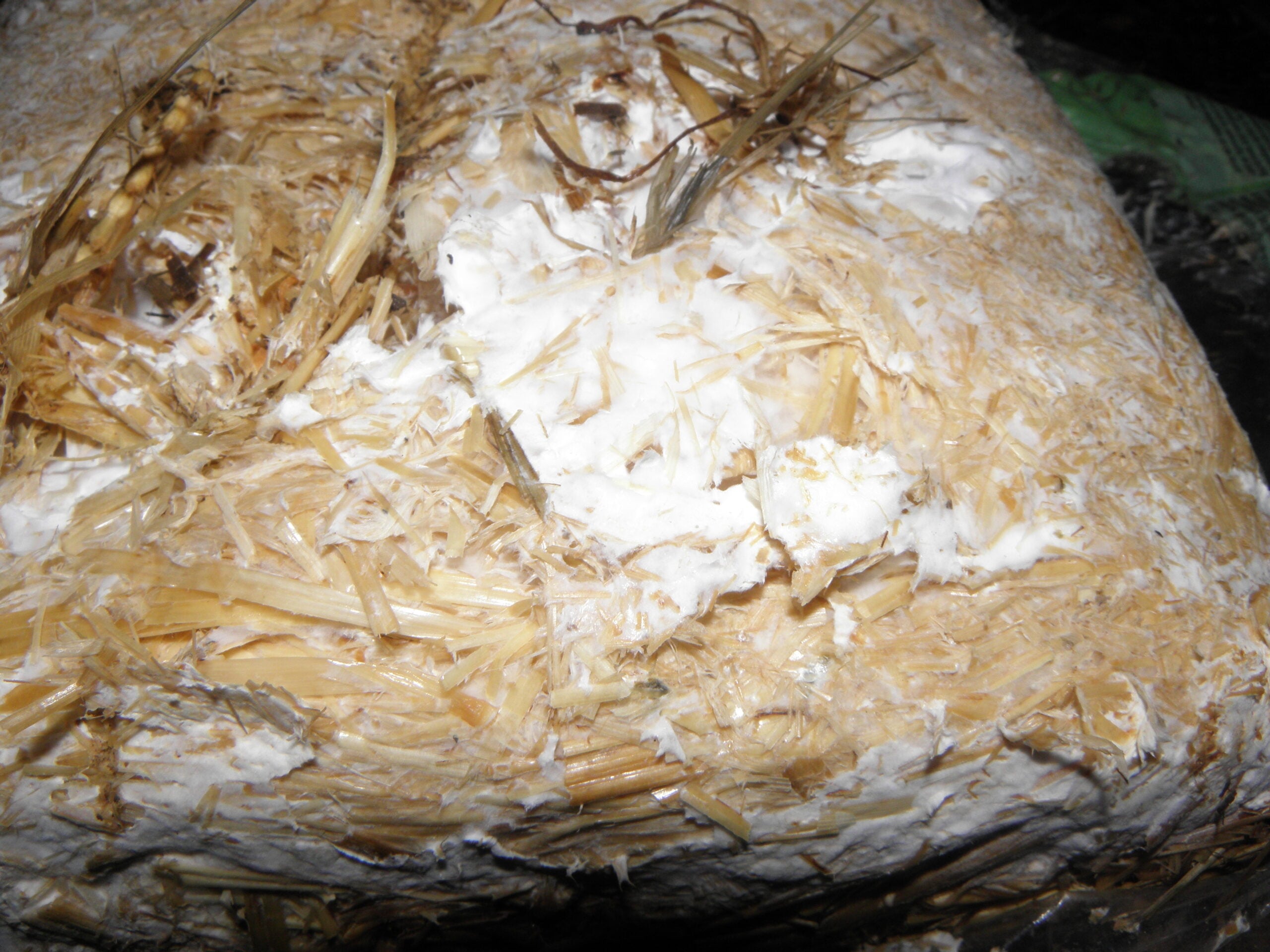
Mycelium is the root like structure of fungi, and it is becoming one of the most talked about new food platforms. Unlike whole mushrooms, mycelium can be grown in controlled conditions and shaped into fibrous textures that resemble meat. That makes it attractive to companies trying to build better cutlets, jerky and shredded fillings.
Scientists see promise here because mycelium can deliver texture with relatively simple ingredient lists. It also grows quickly, which appeals to developers looking for efficient production systems. Some products already use fungal biomass as the main ingredient, moving the category beyond concept and into stores and restaurant menus.
For Canadians, mycelium foods could matter because they bridge a familiar gap. Many consumers want to eat less meat but still want satisfying savoury meals. By 2035, mycelium may become common in frozen dinners, sandwich fillings and meal kits, especially if manufacturers keep the labels straightforward and the flavour recognizably comforting.
Upcycled food ingredients

Not every future food comes from a lab or a novel crop. Upcycled ingredients are made from parts of the food stream that might otherwise be wasted, such as spent grain from brewing, surplus produce or fruit pulp left after juicing. This category is gaining attention because it ties nutrition directly to waste reduction.
Researchers and industry groups have pointed out that food loss and waste remain major problems across the food system. Turning byproducts into flours, fibres or snack ingredients gives manufacturers another way to recover value. In practical terms, that can mean cookies made with spent grain flour or crackers enriched with vegetable pulp.
By 2035, upcycled ingredients may become one of the least controversial future foods because they are easy to explain. They do not ask people to adopt an unfamiliar species or production method. They simply make better use of what is already grown. In a Canadian kitchen, that could make them one of the fastest categories to feel ordinary.
Climate resilient grains and legumes
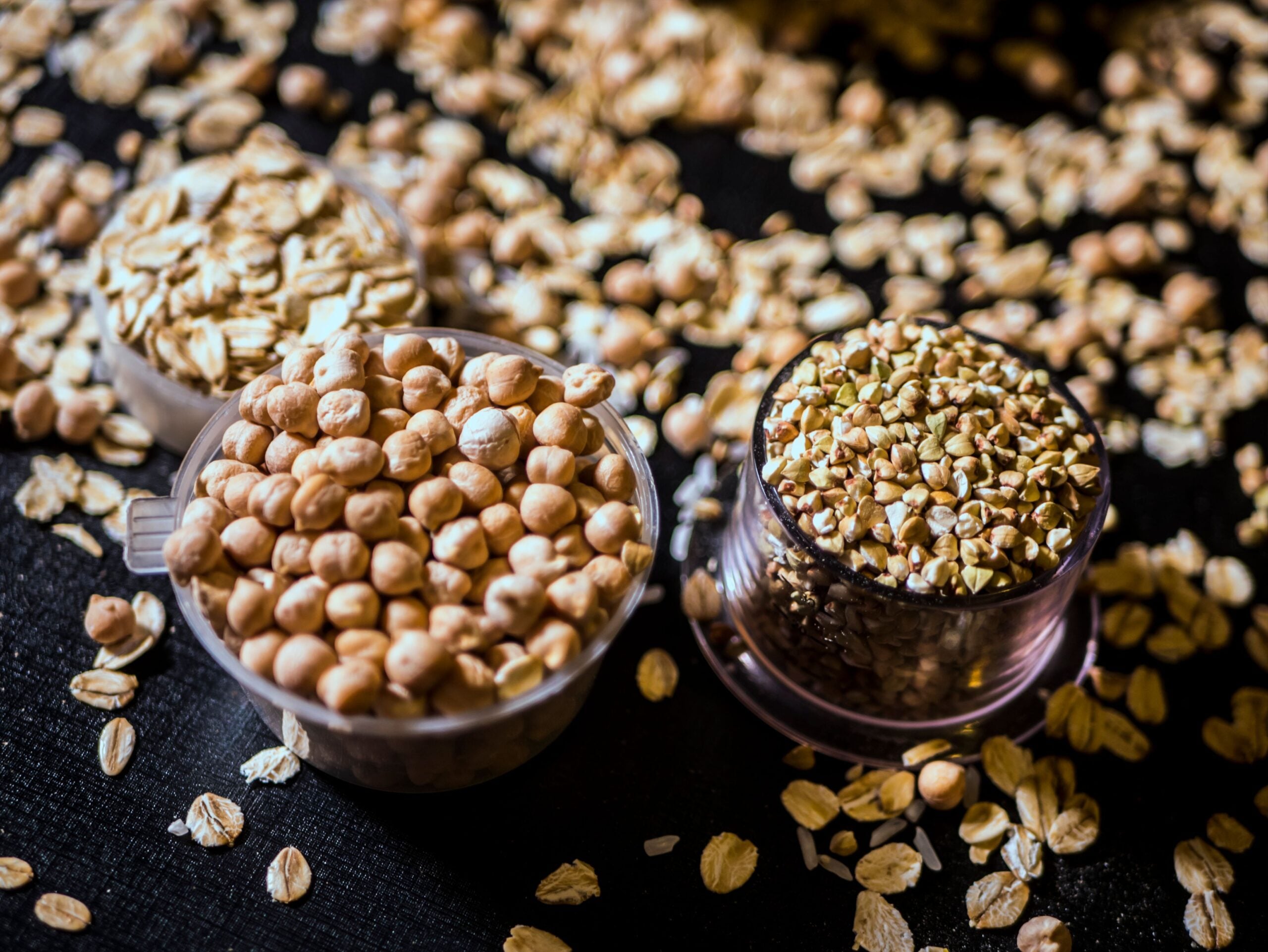
The most important future food may be the broadest one: crops bred or selected to handle a more volatile climate. Canadian researchers are closely focused on resilience traits such as drought tolerance, disease resistance and performance under temperature swings. Those traits shape what will actually be available to mill, process and cook in the coming decade.
This could mean more varieties of lentils, chickpeas, barley, oats and wheat designed for changing conditions in different parts of the country. It is a less flashy story than lab grown products, but probably a more immediate one. If crops cannot adapt, many other food innovations become harder to scale.
By 2035, climate resilient staples may be the real backbone of future Canadian kitchens. They can enter homes through bread, pasta, soup, cereal and side dishes with little fanfare. In many ways, this is the quiet ending to the whole story: tomorrow's food may look new in some cases, but in others it will simply be a tougher, smarter version of what Canadians already eat.




Leave a Reply