
The foods people treat as everyday staples are not guaranteed forever. Around the world, climate shocks, pests, disease, soil decline, and overuse are quietly putting some of our favorite ingredients at risk.
Coffee
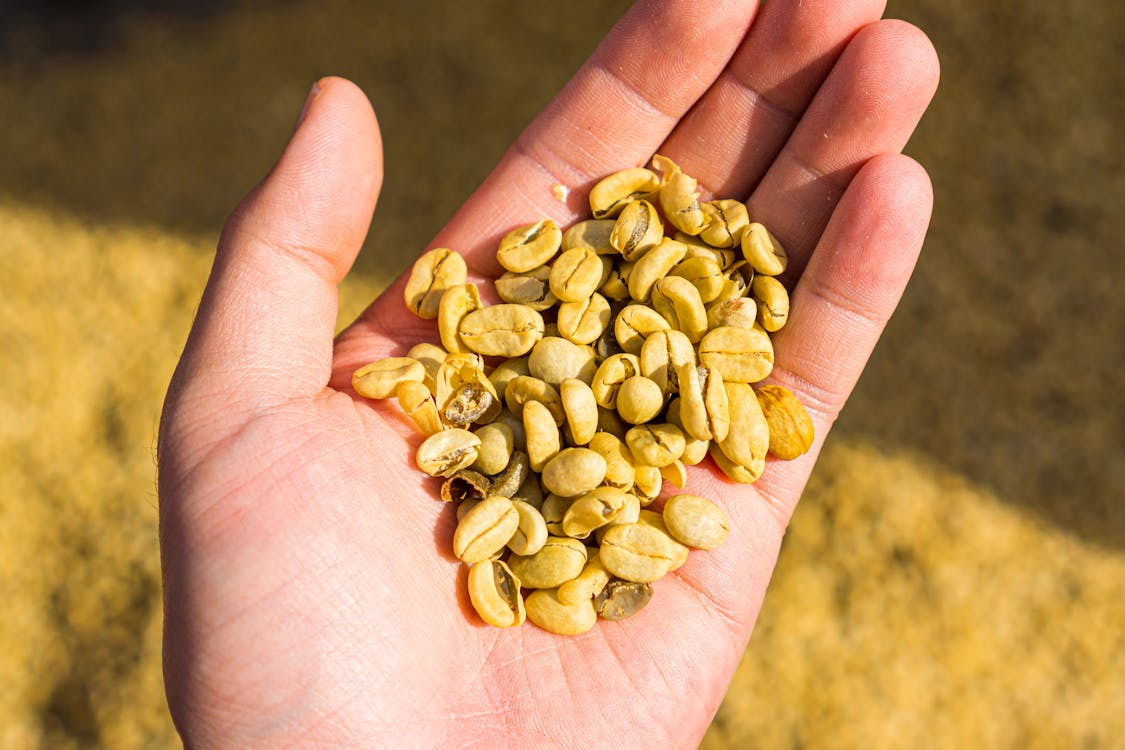
Few foods reveal climate pressure as clearly as coffee. Arabica, the species behind most premium coffee, grows best within a narrow band of temperatures and rainfall. When those conditions shift, yields fall and quality often declines.
Research cited by global agricultural agencies has warned that land suitable for coffee cultivation could shrink sharply by mid-century. Warmer nights, irregular rain, and longer droughts are already affecting major producers such as Brazil, Colombia, and Ethiopia. In some years, frost in one region and heat in another have hit supplies almost back-to-back.
Coffee also faces biological threats. Coffee leaf rust, a fungal disease, has damaged plantations across Latin America, while the coffee berry borer continues to spread in warmer conditions. Farmers can adapt with shade trees, higher-altitude planting, and hardier varieties, but these changes cost money and time many small growers do not have.
Chocolate
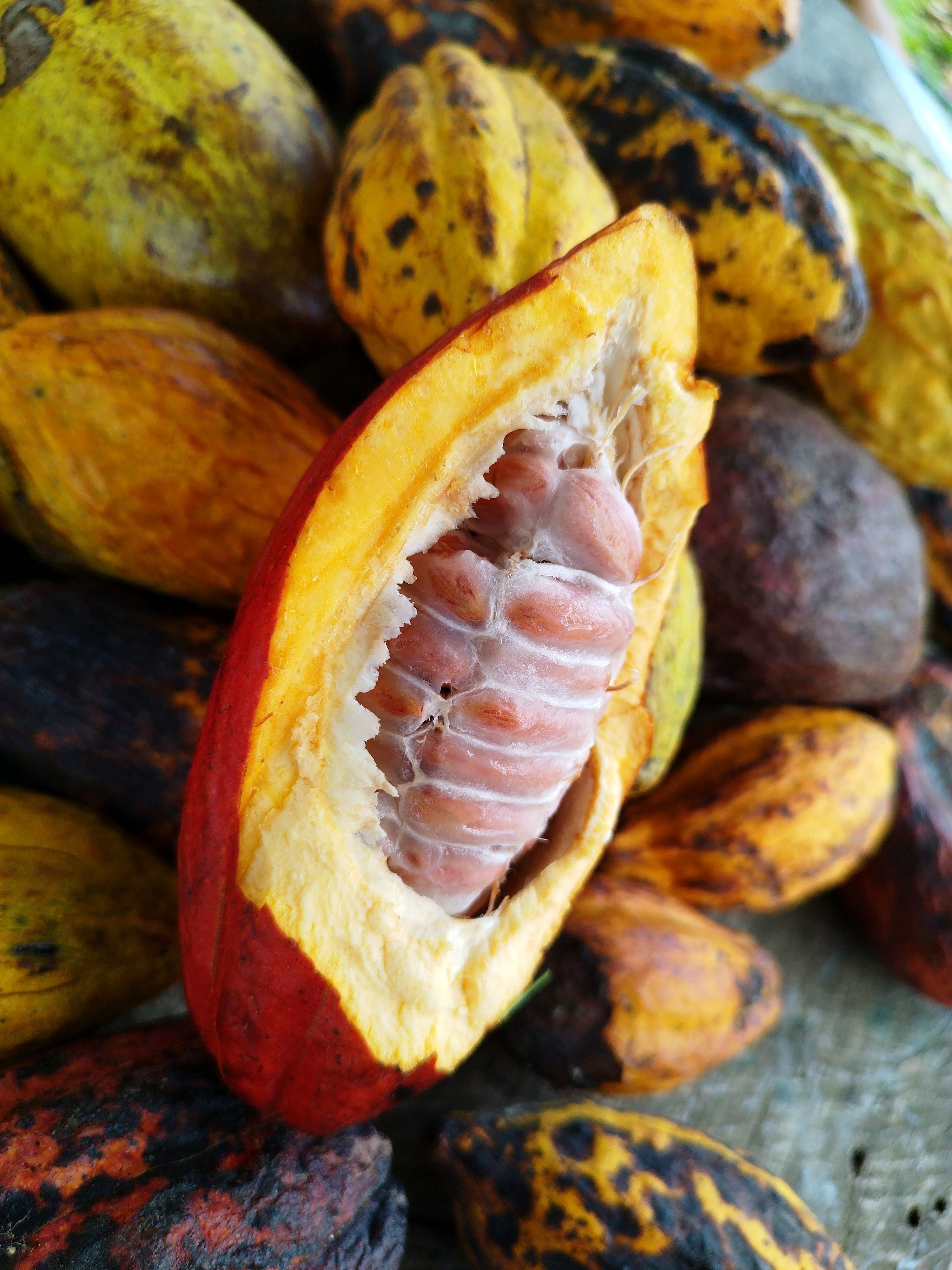
Chocolate begins with cacao, a crop that depends on humid tropical conditions that are surprisingly delicate. Most of the world's cacao comes from West Africa, especially Côte d'Ivoire and Ghana, where heat stress and shifting rainfall are becoming harder to manage.
Cacao trees do not simply need warmth. They need consistent moisture, healthy soils, and protection from strong temperature swings. Scientists have warned that even if rainfall remains similar in some areas, rising temperatures alone may make many current growing zones less suitable.
The crop is also vulnerable to disease and market pressure. Black pod disease, swollen shoot virus, and aging tree stocks have hurt output in several producing countries. Add deforestation concerns and low farm incomes, and the future of cheap, abundant chocolate looks much less secure than supermarket shelves suggest today.
Bananas
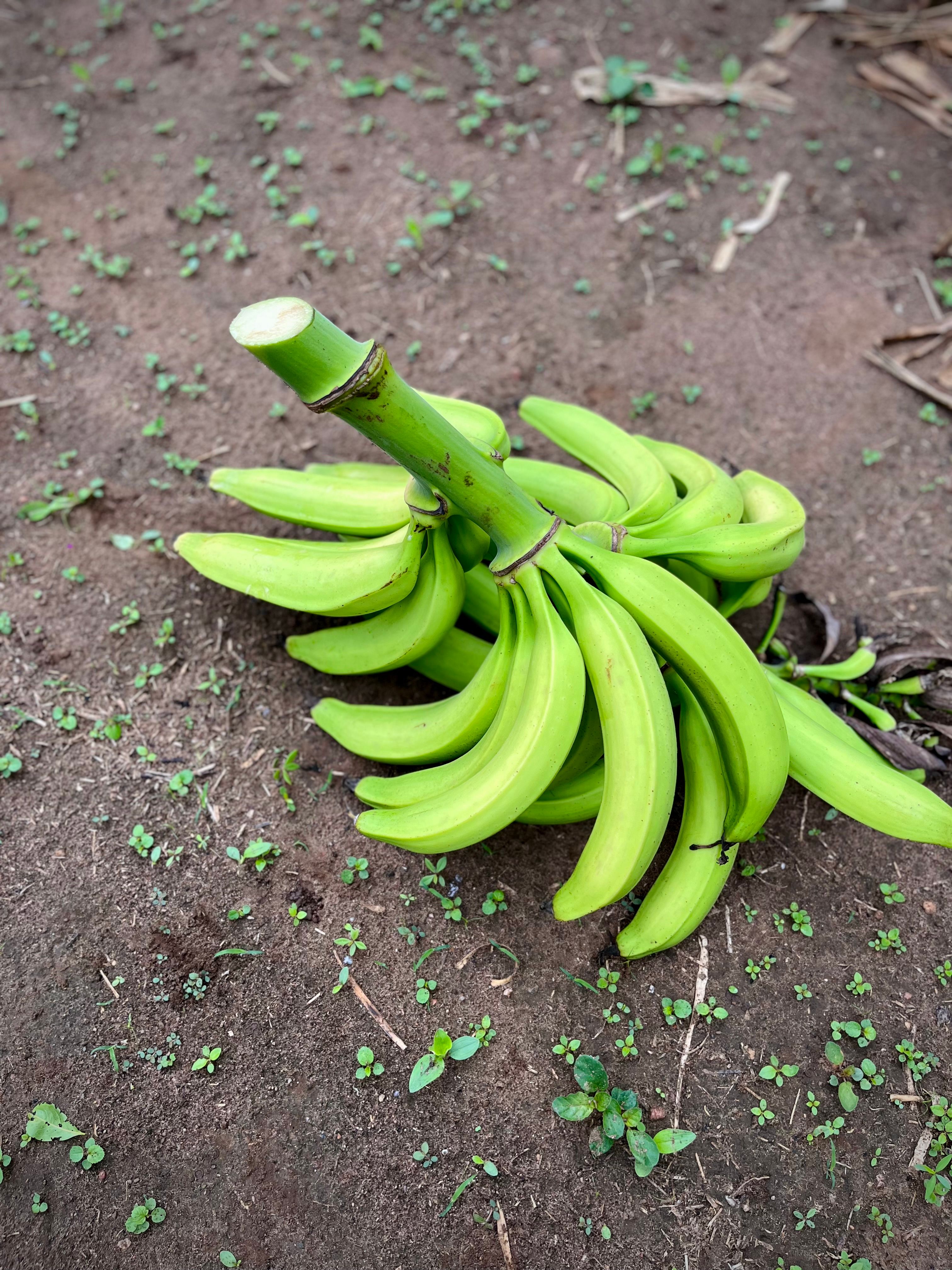
Bananas seem abundant because one type dominates global trade: the Cavendish. That dominance is exactly the problem. Because export bananas are genetically very similar, a single disease can threaten enormous parts of the supply chain at once.
The most serious danger is Tropical Race 4, a strain of Panama disease caused by a soil fungus. It has spread through parts of Asia, the Middle East, Africa, and Latin America, and once it contaminates soil, it can remain there for years. There is no easy chemical fix.
This is not the first time bananas have faced collapse. The Gros Michel variety once ruled international markets until an earlier strain of Panama disease largely wiped it out commercially. Scientists are working on resistant varieties, but replacing a global monoculture is slow, expensive, and politically complicated in many producing regions.
Wheat
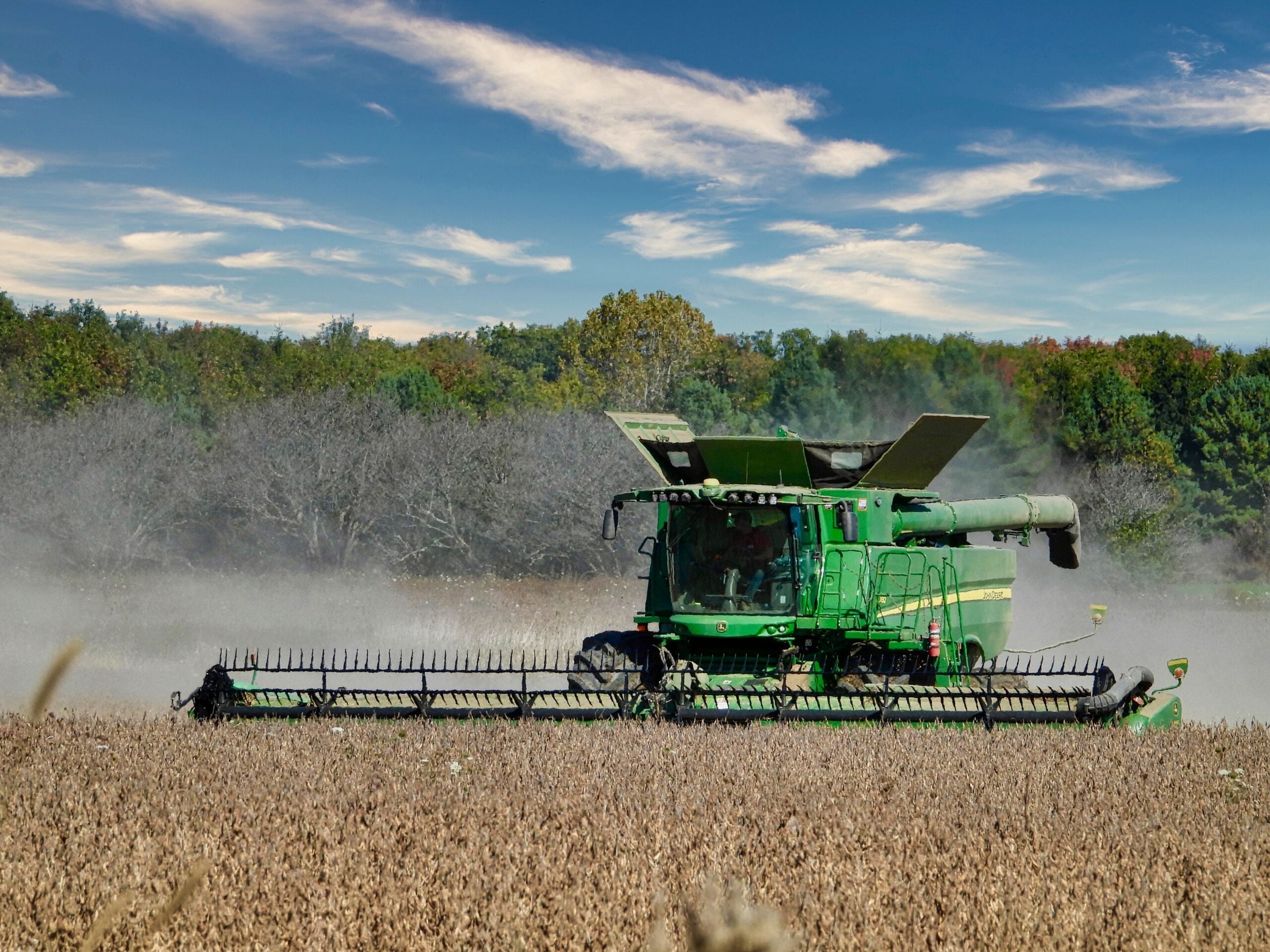
Wheat is one of humanity's core foods, but it is becoming harder to grow reliably in many places. Heat waves arriving during key growth stages can sharply cut yields, and drought has repeatedly hit major wheat-exporting regions in recent years.
A 2024 body of crop research continued to show that each incremental rise in temperature raises risk for staple grains, especially where irrigation is limited. In countries from India to parts of Europe and North America, unusual weather has brought lower harvests, quality problems, or export uncertainty.
Disease adds another layer of danger. Wheat rusts, including stem rust strains such as Ug99 and related variants, remain a serious concern for global food security experts. Wheat is unlikely to vanish worldwide, but in some regions it may become too risky or too costly to produce at the levels modern food systems expect.
Avocados
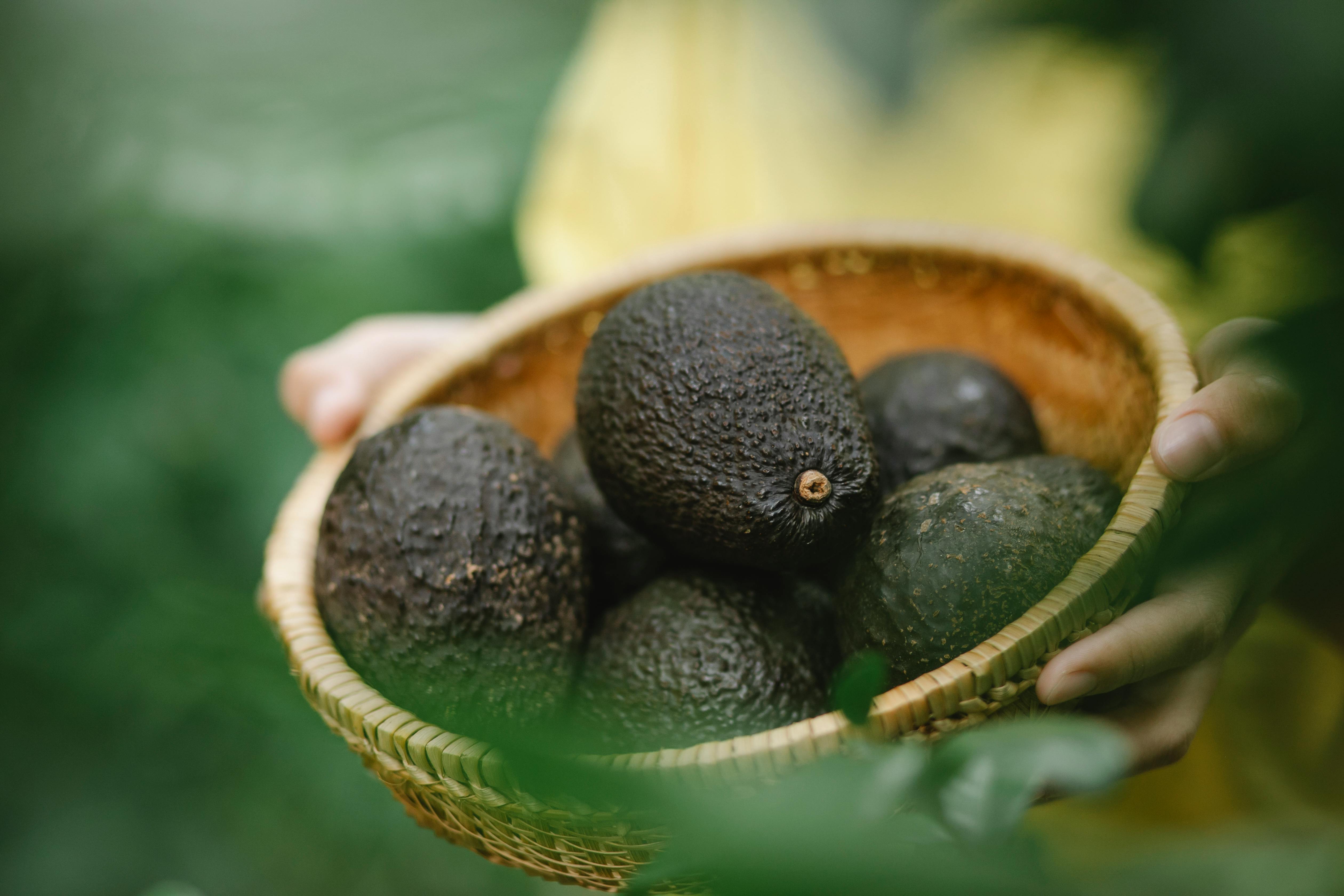
Avocados have become a symbol of modern demand, but they are also a water-intensive crop often grown in stressed landscapes. In parts of Mexico, Chile, and California, long dry periods and groundwater pressure have raised serious concerns about how sustainable large-scale production can remain.
The issue is not only water volume. It is where and when that water is used. In drought-prone regions, expanding orchards can intensify competition between farming, ecosystems, and household needs, especially when heat increases evaporation and trees require more support to maintain fruit size and quality.
Avocado production also faces wildfire risk, heat stress, and supply volatility. If extreme weather intensifies and water rules tighten, the fruit may not disappear globally, but it could become much more expensive and less available. For consumers, that would feel like a disappearance from everyday life.
Vanilla
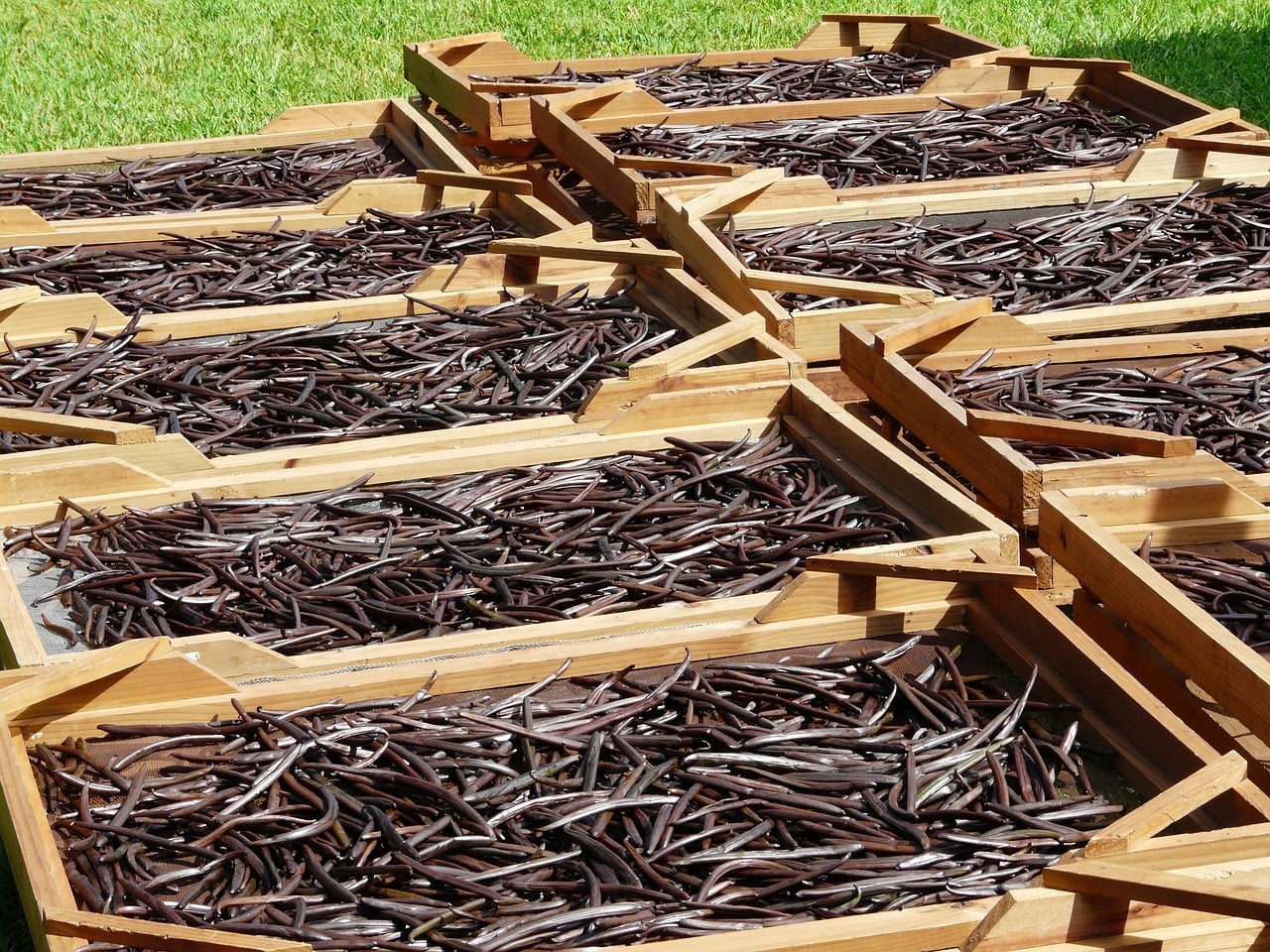
Vanilla is one of the world's most fragile flavor crops because true vanilla comes from an orchid with demanding growing conditions. Much of global supply comes from Madagascar, where cyclones and erratic weather can devastate harvests in a single season.
Vanilla is labor-intensive from start to finish. In many regions, flowers are pollinated by hand, and the beans then need months of careful curing. That means climate disruption is only part of the problem. Labor shortages, theft, and unstable prices also make production difficult for farmers and exporters.
When storms damage vines or flowering cycles shift, prices can spike dramatically. Food companies may replace natural vanilla with synthetic vanillin in many products, but that does not protect the traditional crop itself. Genuine vanilla could become even rarer, more expensive, and increasingly confined to niche markets.
Olive Oil
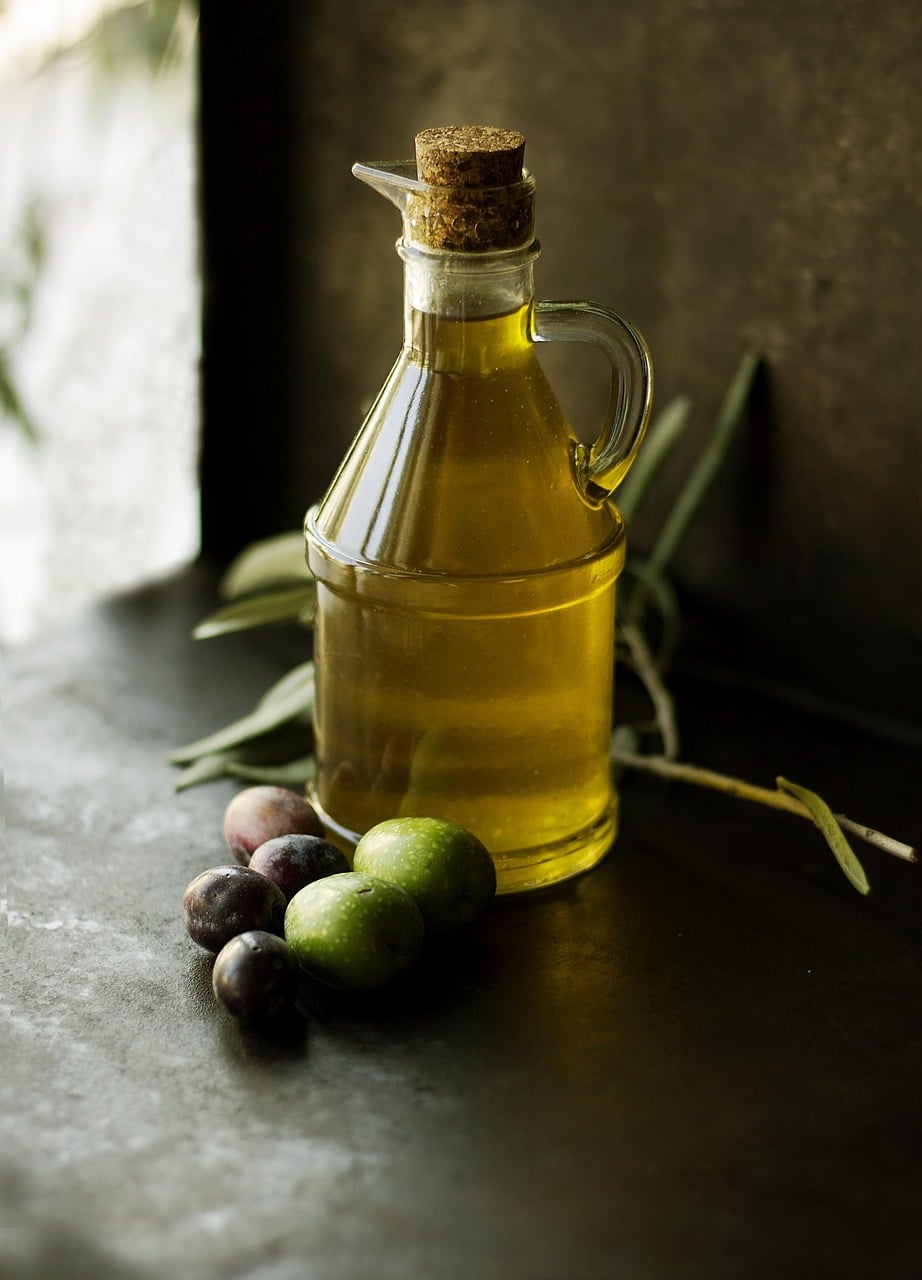
Olive trees are famous for resilience, yet even they have limits. Mediterranean countries, which dominate global olive oil production, have faced punishing combinations of heat, drought, and erratic rainfall that reduce both the size of the harvest and the amount of oil in each olive.
Spain offers a clear example. Recent poor harvests linked to severe dryness and extreme heat pushed olive oil prices sharply higher and strained supply across Europe and beyond. Producers have also dealt with unseasonal weather that interferes with flowering and fruit development, making output harder to predict.
There is also the threat of disease. Xylella fastidiosa, a destructive bacterial pathogen, has devastated olive groves in parts of Italy and alarmed growers elsewhere. Olive oil is not on the verge of extinction, but repeated climate shocks could make affordable, abundant extra virgin olive oil far less common.
Salmon

Wild salmon depend on cold, clean, well-oxygenated water and open migration routes. That makes them especially sensitive to warming rivers, habitat destruction, pollution, and dams. In several regions, salmon runs have already dropped far below historical levels.
In the North Pacific and North Atlantic, scientists have tracked major pressure from marine heat waves, changing prey availability, and disease stress. Warmer freshwater can be deadly for eggs and juveniles, while altered stream flows make spawning more difficult. Some populations are now so fragile that fishing restrictions have tightened sharply.
Farmed salmon helps supply demand, but aquaculture has its own limits. Fish feed costs, sea lice, disease outbreaks, and warming coastal waters all affect production. Salmon as a species will not disappear everywhere soon, but truly abundant salmon, especially wild salmon, is becoming harder to guarantee.
Honey

Honey itself is not disappearing because bees make less sweetness. It is at risk because pollinator systems are under strain. Honeybees and many wild pollinators face a combination of pesticides, habitat loss, parasites, disease, and climate disruption that weakens colonies and reduces resilience.
One of the best-known threats is the Varroa mite, which spreads viruses and can collapse unmanaged hives. Beekeepers have become more sophisticated in controlling infestations, but rising stress from poor forage and extreme weather makes colony health harder to maintain year after year.
A world with fewer healthy pollinators would not only affect honey production. It would ripple across fruits, nuts, and vegetables that depend on insect pollination. In that sense, honey is both a food at risk and a warning sign that agricultural ecosystems are becoming less stable.
Bluefin Tuna
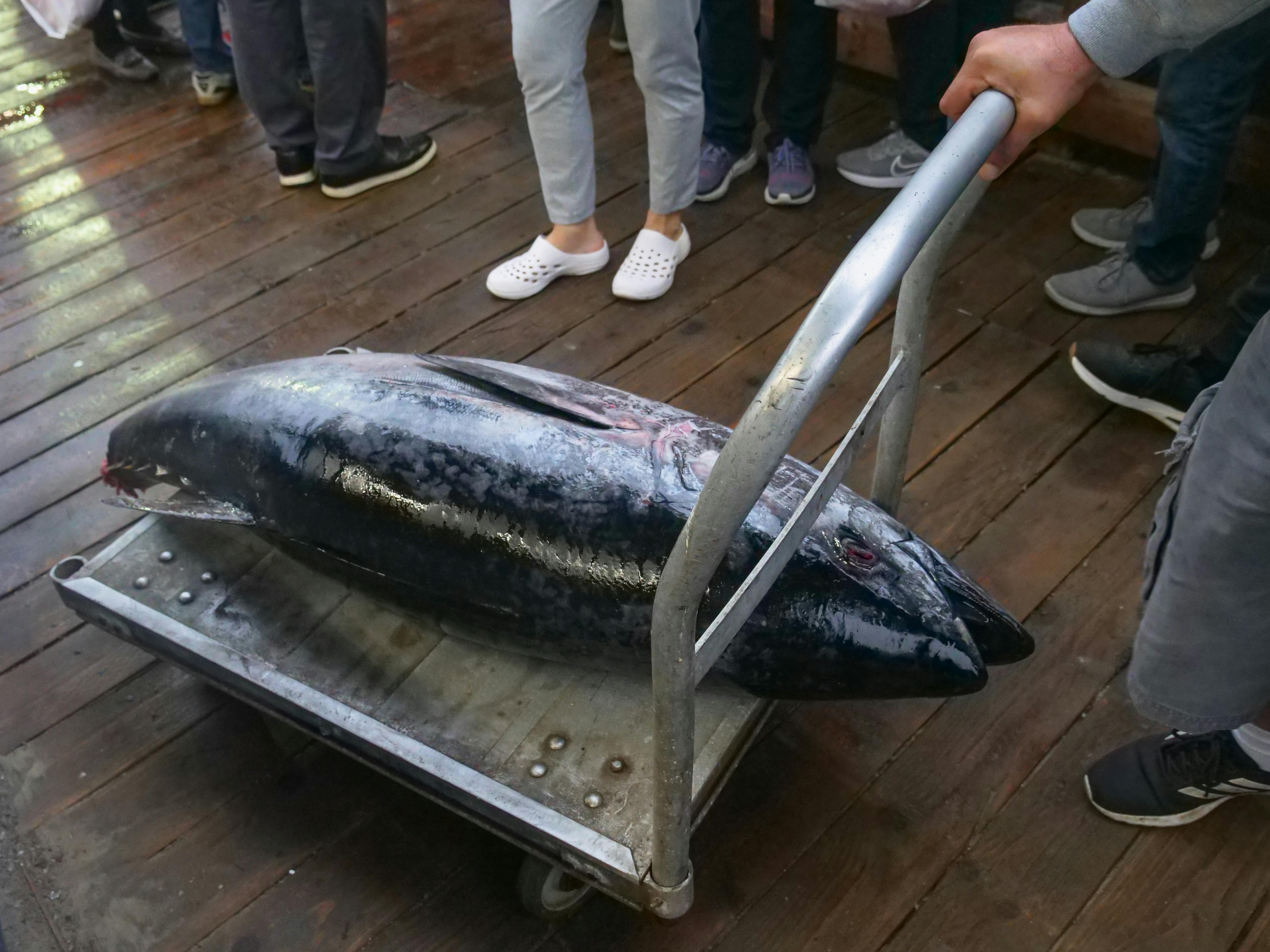
Bluefin tuna represents a different kind of disappearance risk: overexploitation. These fish are prized in global seafood markets, especially for high-end sushi, and decades of heavy fishing pushed several populations into serious decline before tighter controls began to help.
Conservation measures in some regions have improved outlooks, but recovery is fragile. Illegal fishing, bycatch, slow reproductive cycles, and shifting ocean conditions all keep pressure on the species. Because bluefin are apex predators that migrate across huge distances, managing them requires international discipline that is not always consistent.
Climate change further complicates the picture by altering ocean temperatures, prey distribution, and spawning behavior. Bluefin tuna may not vanish entirely, but they remain a clear example of how a luxury food can be driven toward scarcity. Without sustained protection, their comeback could easily reverse.




Leave a Reply