
The ultra rich can afford almost anything, but private chefs often say luxury is not just about price. In many wealthy homes, foods are ruled out for reasons that have more to do with health goals, sourcing, digestion, public image, and consistency than simple indulgence.
Caviar from uncertain sources

One of the clearest shifts in luxury dining is that expensive is not enough on its own. Private chefs who serve high net worth clients often say caviar is only welcome when its origin is fully documented, because quality can vary sharply between producers.
Chefs who work in affluent households frequently describe clients who want farm details, handling standards, and a clear supply chain before they approve roe. That caution reflects a broader concern about sustainability and fraud in the seafood trade, issues that have made some buyers wary of products with vague labeling.
In practice, that means questionable caviar is easier to ban than to explain. A tin may look extravagant, but if the source is murky, many chefs say it never reaches the table.
Bluefin tuna

For some wealthy diners, the most prestigious fish has also become one of the most complicated. Bluefin tuna remains a symbol of elite sushi counters, yet private chefs often report that clients reject it over sustainability concerns and the desire to avoid headline-grabbing excess.
Bluefin has faced years of scrutiny because of heavy fishing pressure and strong demand in luxury markets. That has pushed some households toward other species that feel easier to justify ethically, even if they cost less and carry less social cachet.
Chefs say this is where private luxury now looks different from old luxury. Instead of asking for the rarest fish in the room, some clients want a choice that signals restraint, environmental awareness, and control.
Foie gras
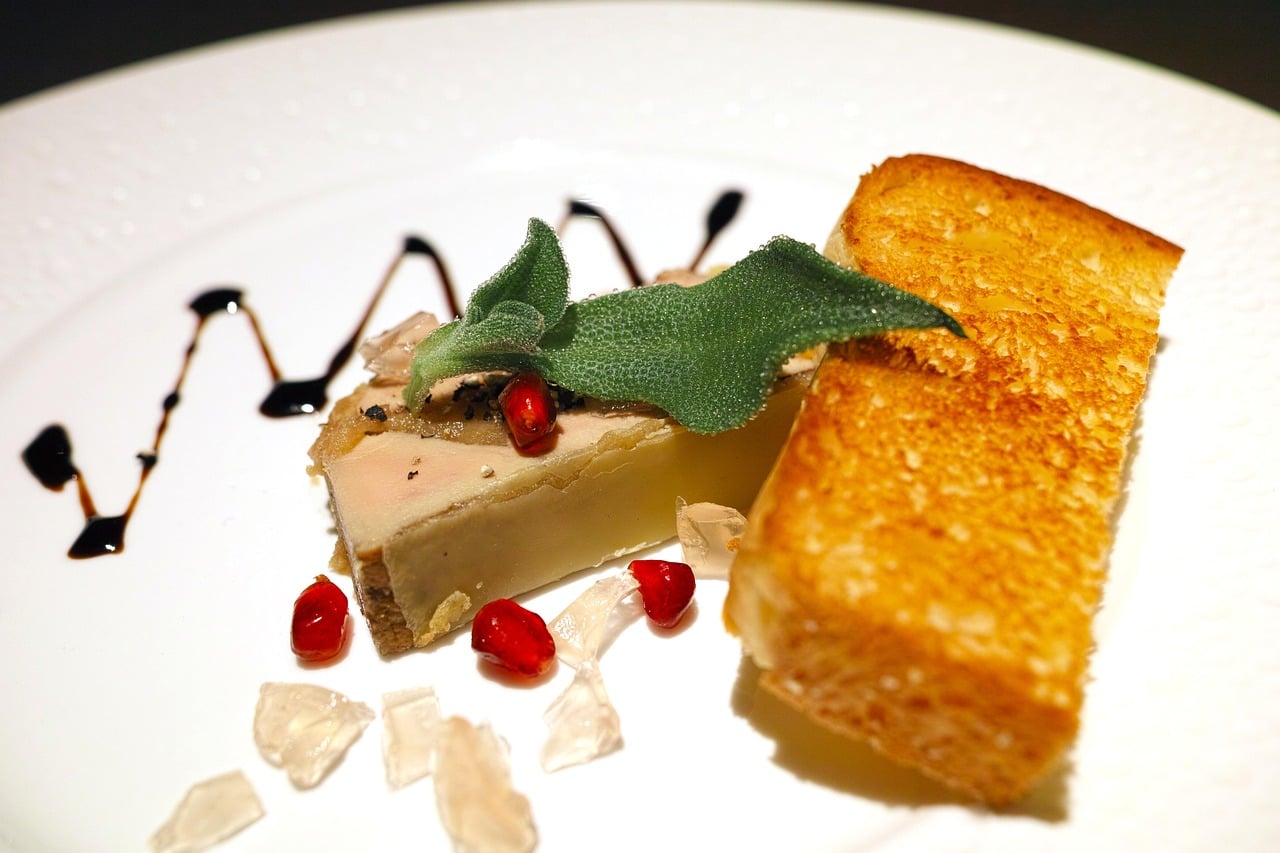
Few foods divide wealthy diners quite like foie gras. In private kitchens, chefs often say it is one of the first luxury ingredients to be removed when clients want menus that feel cleaner, less controversial, or more aligned with animal welfare concerns.
The dish still appears in high end dining, but it carries political and ethical baggage that many affluent families simply do not want in their homes. Bans and restrictions in some places have also helped turn foie gras into a food that can feel more troublesome than special.
For chefs, dropping it is usually simple. There are plenty of rich, silky alternatives, from mushroom preparations to refined pâtés, that deliver depth without the same level of debate.
White bread
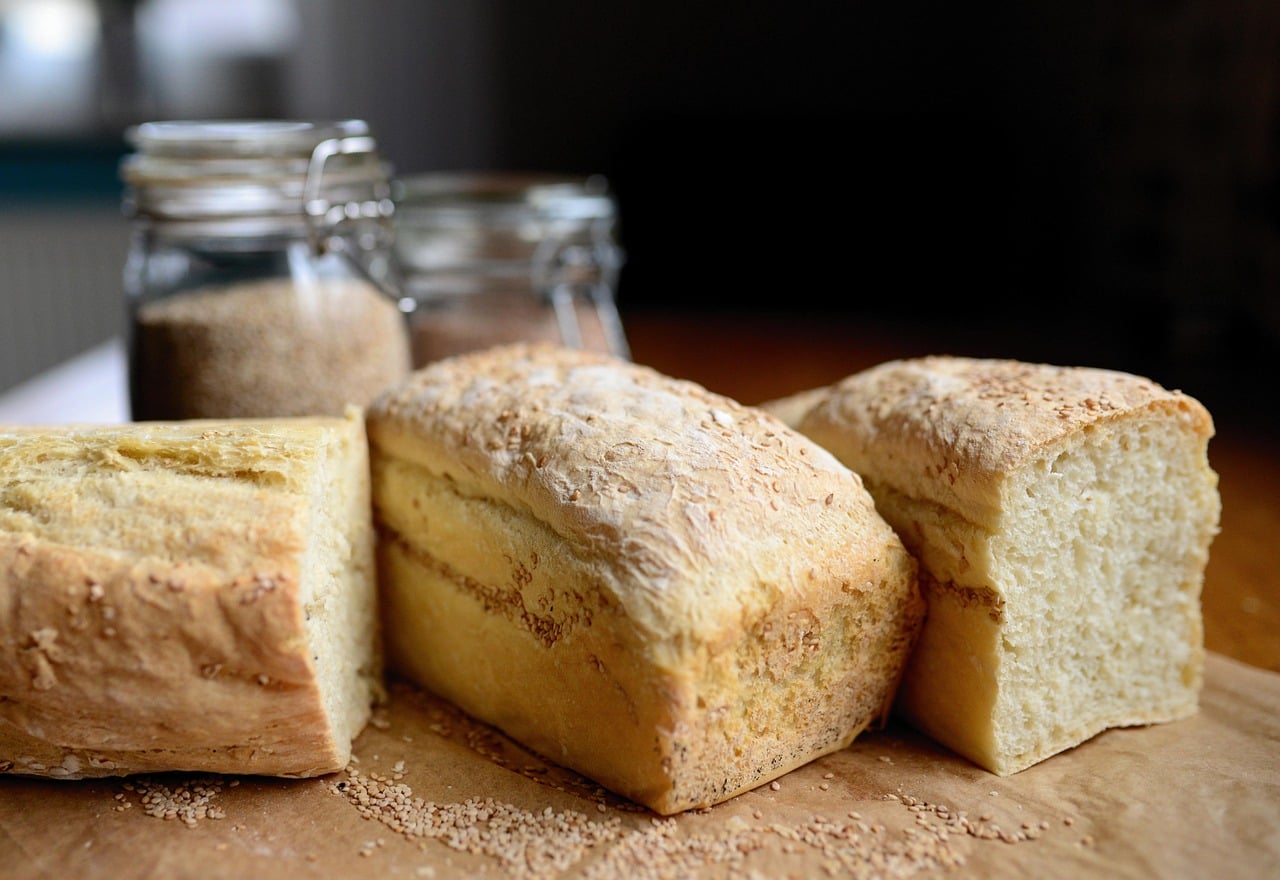
The plainest item on this list may be the one private chefs mention most often. In wealthy households focused on wellness, soft white bread is commonly avoided in favor of long fermented loaves, seeded breads, or portions tailored to a nutrition plan.
Chefs say this is less about trend chasing and more about blood sugar management, satiety, and digestion. Refined carbohydrates are often treated as an everyday compromise rather than a staple, especially when clients are training, traveling, or managing demanding schedules.
That does not mean bread disappears entirely. It usually means the bread that stays on the table has a stronger nutritional story and a more carefully controlled portion.
Conventional strawberries

Perfect looking berries can raise more suspicion than excitement in private kitchens. Strawberries are often cited by health conscious chefs and shoppers as produce worth sourcing carefully, because conventionally grown berries are frequently discussed in relation to pesticide concerns.
Among wealthy clients, this can translate into a simple rule: no out of season strawberries unless the farm and growing method are known. Appearance matters less than provenance, and chefs say many clients prefer smaller seasonal fruit with a clear origin over glossy imported boxes.
The result is a surprisingly strict approach to a food most people see as harmless. In elite homes, berries are treated like a product that needs vetting, not an automatic garnish.
Factory farmed salmon
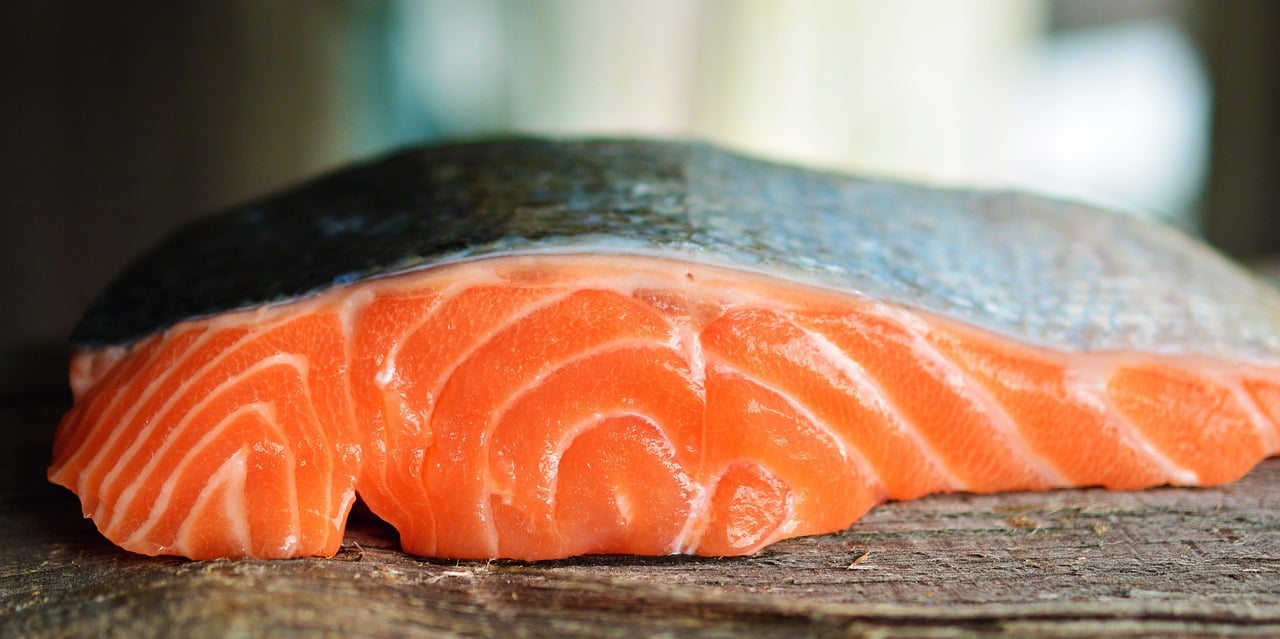
Salmon is popular across income levels, but private chefs often say clients have become choosy about which salmon they will accept. The issue is usually not salmon itself, but fish that seems overly standardized, poorly sourced, or disconnected from clear farming or harvesting practices.
Affluent households often ask whether salmon is wild or farmed, where it came from, and how it was raised. Some chefs say clients reject fish with soft texture, dull color, or excess fat lines, all of which they see as signs that quality may not match the price.
That selectiveness reflects a broader pattern. The wealthiest diners are not necessarily eating less seafood, they are demanding more transparency and turning down fish that feels generic.
Truffle oil

There is a reason many serious cooks roll their eyes at truffle oil. Private chefs often say sophisticated clients have little interest in it, partly because the flavor can feel overpowering and partly because many versions rely on aroma compounds rather than actual truffles.
In homes where ingredients are expected to taste real and precise, truffle oil can come across as a shortcut. A dish that smells strongly of truffle may impress at first, but chefs say clients who eat widely often prefer fresh truffle in season or no truffle at all.
This is one of the easiest status reversals in food. What once signaled luxury can now read as dated, synthetic, and heavy handed.
Sugary breakfast cereal

Luxury households often run on strict routines, and breakfast is usually one of the most managed meals of the day. Private chefs say sugary cereals are commonly excluded because they clash with fitness goals, sleep schedules, and efforts to avoid energy spikes early in the morning.
Instead, chefs describe breakfasts built around protein, fruit, yogurt, eggs, or grains with more fiber. The decision is often practical rather than puritanical, especially for clients balancing work, training, travel, and public appearances.
Cereal is not always banned forever, but brightly sweetened versions are rarely treated as a pantry staple. In many affluent homes, they are seen as food that works against the day before it begins.
Cheap vegetable oils

Sometimes the most invisible ingredients get the closest scrutiny. Private chefs often say clients ask detailed questions about cooking fats and may avoid low cost refined vegetable oils in favor of olive oil, avocado oil, ghee, or butter, depending on the dish.
These choices are tied to flavor, smoke point, and personal nutrition beliefs. In wealthy homes, oil is rarely treated as a neutral background item. It is part of the ingredient story, and clients may expect chefs to explain why one fat is used instead of another.
That level of attention can seem excessive, but it fits the logic of private dining. If every detail is supposed to be optimized, the cooking oil will not escape notice.
Mass market chocolate

The final surprise is dessert. Private chefs often say wealthy clients skip mass market chocolate not because they dislike sweets, but because they want better cacao, cleaner ingredient lists, and more distinctive flavor.
Chocolate in these homes is often judged the way wine or coffee is judged, by origin, percentage, texture, and finish. A familiar candy bar may offer nostalgia, but it rarely delivers the sensory experience clients expect when everything else on the table is carefully selected.
That makes chocolate a neat summary of how the ultra rich often eat. The line is not simply between cheap and expensive. It is between generic and specific, careless and curated.




Leave a Reply