
Plenty of foods that once read as status symbols now feel almost ordinary. Better farming, wider imports, restaurant trends and social media all helped turn these former luxuries into familiar favorites.
Avocado toast

Not long ago, avocado carried a more upscale image in much of the United States because it depended on specific growing regions and steady distribution. Then avocado supply expanded, especially through large production in Mexico and California, and prices became more approachable for many shoppers.
Avocado toast also benefited from restaurant culture. What began as a brunch menu marker at stylish cafes became easy to copy at home with bread, lemon, salt and olive oil. Its celebrity glow came from being photographed on fashionable breakfast tables, but the dish itself was always simple.
Now it is sold everywhere from coffee shops to airport counters. The shift shows how a food can lose its exclusive aura once ingredients become dependable, recipes stay easy and people decide the restaurant version is simple enough to make in their own kitchens.
Sushi

For many Americans, sushi once felt like a luxury meal tied to expensive Japanese restaurants in big cities. Part of that image came from imported fish, trained chefs and the idea that raw seafood required special skill and trust.
That changed as Japanese cuisine spread more widely and supermarkets began selling prepared rolls. Cooked options like California rolls also introduced new diners to sushi in a less intimidating form. The California roll itself became a bridge food, using familiar textures to ease people in.
Today sushi appears in grocery stores, school-adjacent lunch spots and grab-and-go coolers. High-end omakase still exists, but sushi no longer belongs only to celebrities or expense-account dinners. It became mainstream by adapting to local tastes while keeping enough of its original appeal to feel special.
Quinoa

Quinoa spent years in the American imagination as a niche grain linked to wellness culture, boutique groceries and expensive salad bowls. Its reputation had less to do with celebrities literally owning it and more to do with who could easily access and afford it when it first entered mainstream food retail.
As imports from Andean producers increased and more brands packaged it for large supermarket chains, quinoa became easier to buy. People also learned that it cooks much like rice, which removed some of the mystery. Its protein and fiber content helped it stand out in everyday meal planning.
Now quinoa is common in grain bowls, side dishes and weeknight dinners. What once looked like a trend food for affluent eaters became a pantry staple for many households, especially once shoppers saw it as practical rather than performative.
Greek yogurt
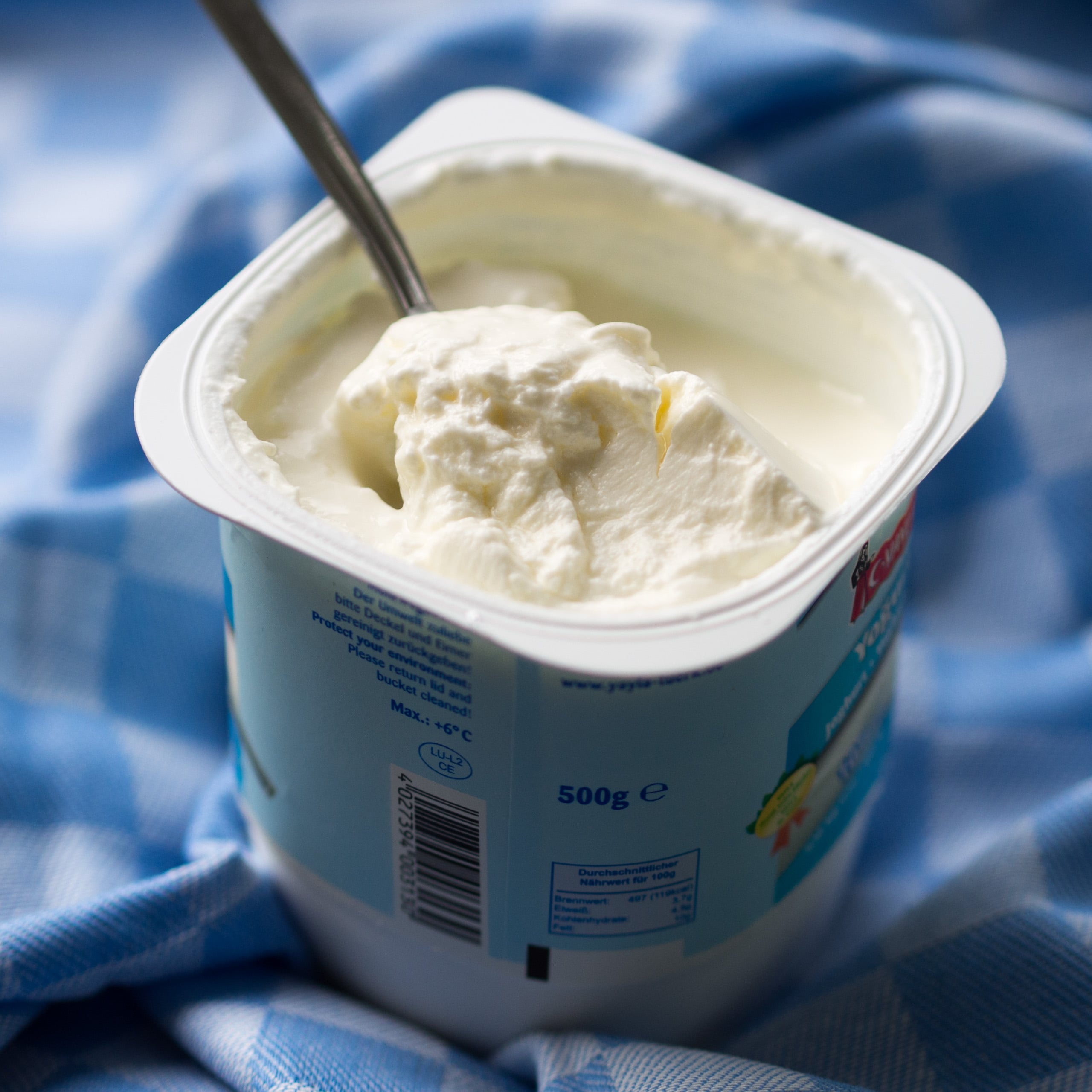
Greek yogurt used to occupy a premium corner of the dairy case, often priced above standard yogurt and marketed as a more sophisticated choice. Its thicker texture and tangy flavor gave it a specialty-food image, and early demand in the United States was closely tied to health-conscious shoppers.
Mass production changed that. As major dairy brands expanded their Greek yogurt lines, prices became more competitive and package sizes diversified. It also moved beyond breakfast, appearing in recipes as a substitute for sour cream, mayonnaise or heavy ingredients in dips and baked goods.
That versatility helped normalize it. Greek yogurt is now stocked in convenience stores, discount chains and school-friendly snack aisles. The product still trades on wellness appeal, but it no longer feels reserved for upscale fridges or celebrity diet plans.
Smoked salmon
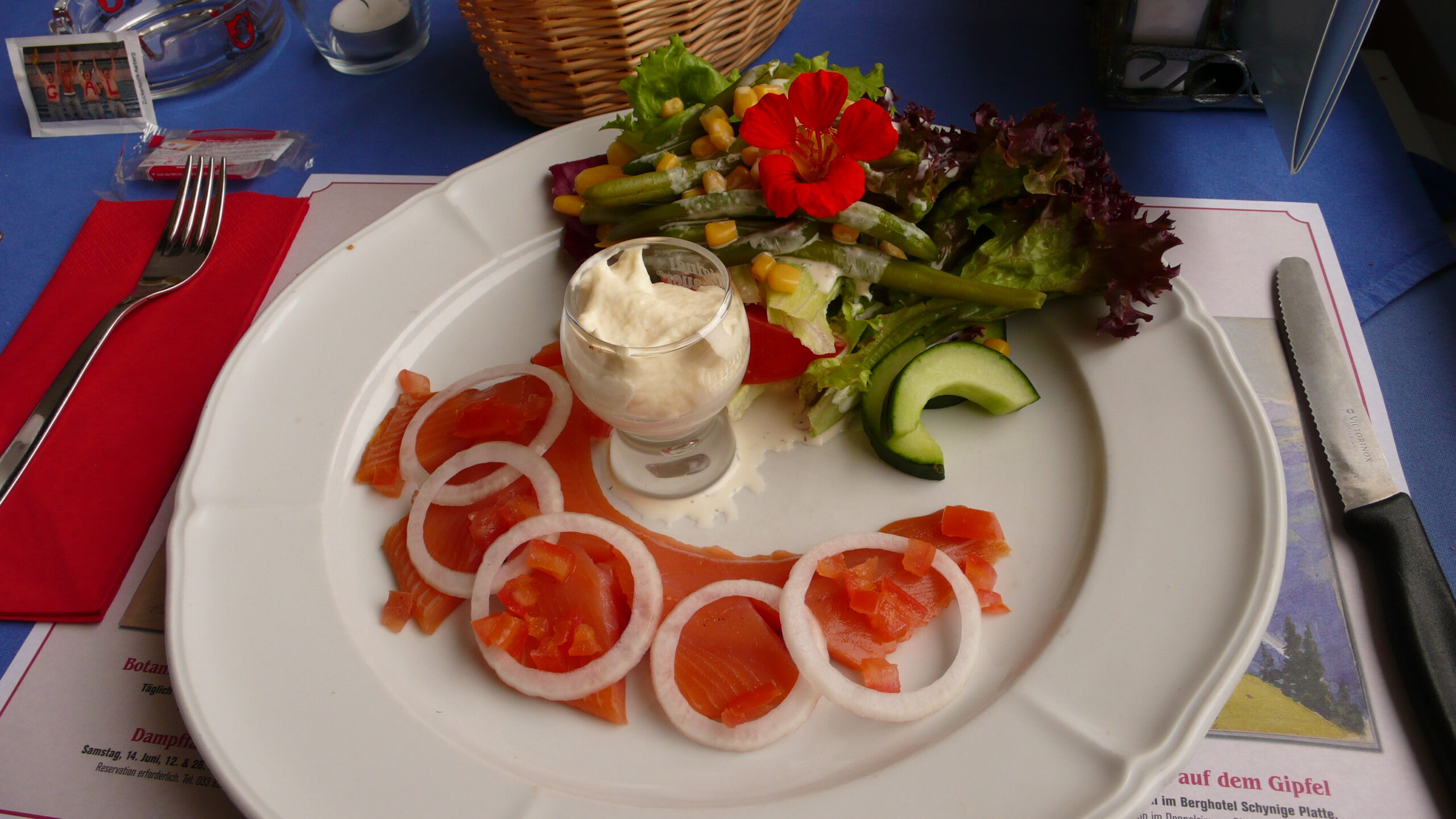
Smoked salmon long carried an image of luxury because salmon itself was costly, and smoking added labor, preservation skill and tradition. In hotels, brunch buffets and catered events, it often appeared as a sign that the host had spent generously.
Over time, wider salmon farming and broader retail distribution made smoked salmon easier to find in smaller portions. That mattered. Once shoppers could buy a modest pack rather than commit to a large platter, the product fit regular grocery budgets more easily.
Its uses also expanded. People put it on bagels, fold it into pasta, top scrambled eggs with it or add it to salads. Smoked salmon still suggests a treat, but it is no longer limited to celebrity green rooms or holiday spreads.
Matcha

Matcha once looked like a rarefied teahouse ingredient, associated with ceremony, specialty cafes and wellness circles willing to pay a premium. The finely ground green tea powder required explanation, and many people first encountered it in upscale drinks or desserts.
Its breakthrough came when cafes turned it into lattes, soft serve, cookies and bakery fillings. That format made matcha more approachable because people could try its grassy, slightly bitter flavor in familiar foods. Social media also helped, since its bright green color made it instantly recognizable in photos.
Now matcha appears in supermarket tins, chain coffee menus and home baking recipes. Ceremonial-grade matcha still occupies the high end, but the ingredient itself has crossed into ordinary life, where it works as both a daily drink and a weekend treat.
Artisanal cheese

Specialty cheese once felt tied to wealth, travel and polished dinner parties. Imported wheels and cave-aged varieties were sold in small counters with knowledgeable staff, and many shoppers treated them as occasional splurges rather than weekly groceries.
The market broadened as domestic cheesemakers expanded and supermarkets built better cheese sections. Instead of buying only processed slices or basic blocks, shoppers started seeing cheddar aged for years, creamy goat cheese and washed-rind varieties at regular stores. Sampling programs and cheese boards also demystified them.
That cultural shift mattered as much as price. Artisanal cheese became less about showing status and more about enjoyment and curiosity. It still includes premium products, but the idea of serving a cheese board at home no longer belongs only to celebrity hosts.
Cold brew coffee
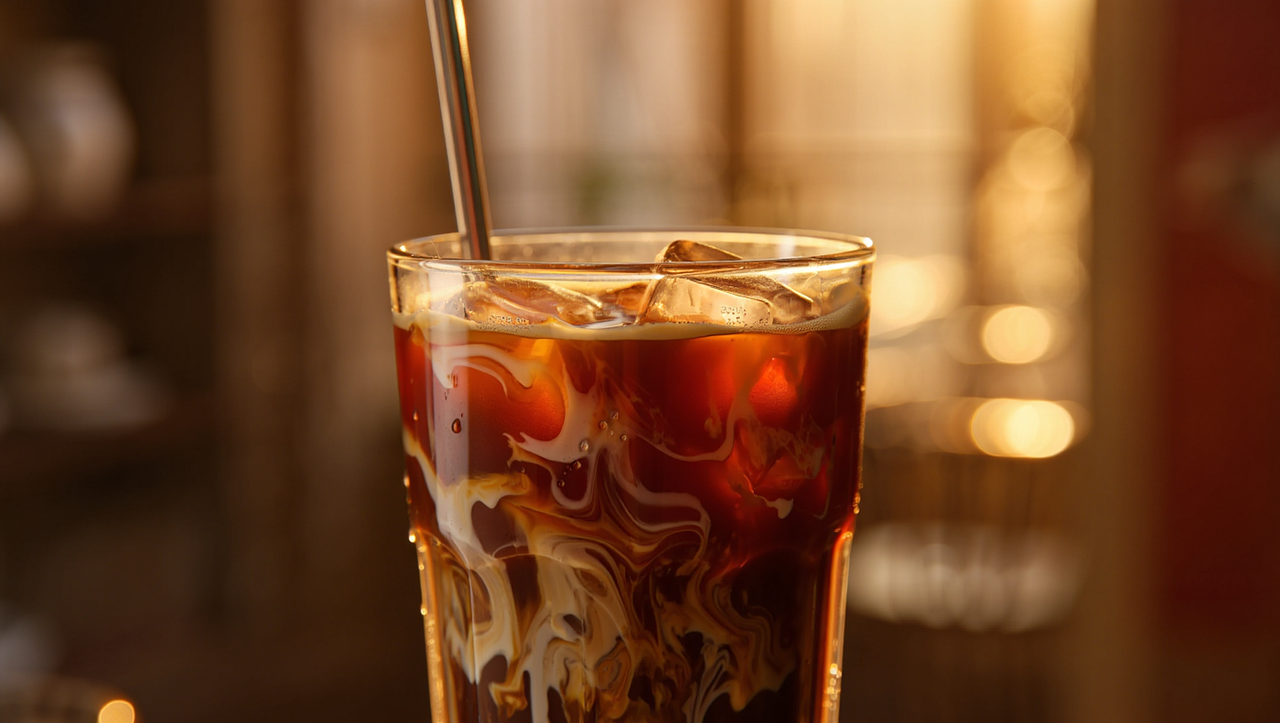
Cold brew first gained traction as a premium cafe drink, often sold in sleek bottles or poured over ice at a price well above regular coffee. Its appeal came from a smoother taste, lower perceived bitterness and a carefully branded image that fit upscale coffee culture.
Then bottled versions spread to supermarkets, warehouse clubs and convenience stores. Coffee chains taught customers what cold brew was, and home brewers realized it required time more than elite equipment. A jar, grounds and water could get the job done overnight.
That combination of aspiration and simplicity pushed it into the mainstream. Cold brew is still marketed as polished and modern, but it no longer signals exclusivity. It is now part of daily caffeine routines for commuters, students and anyone who likes a less sharp cup.
Poke bowls
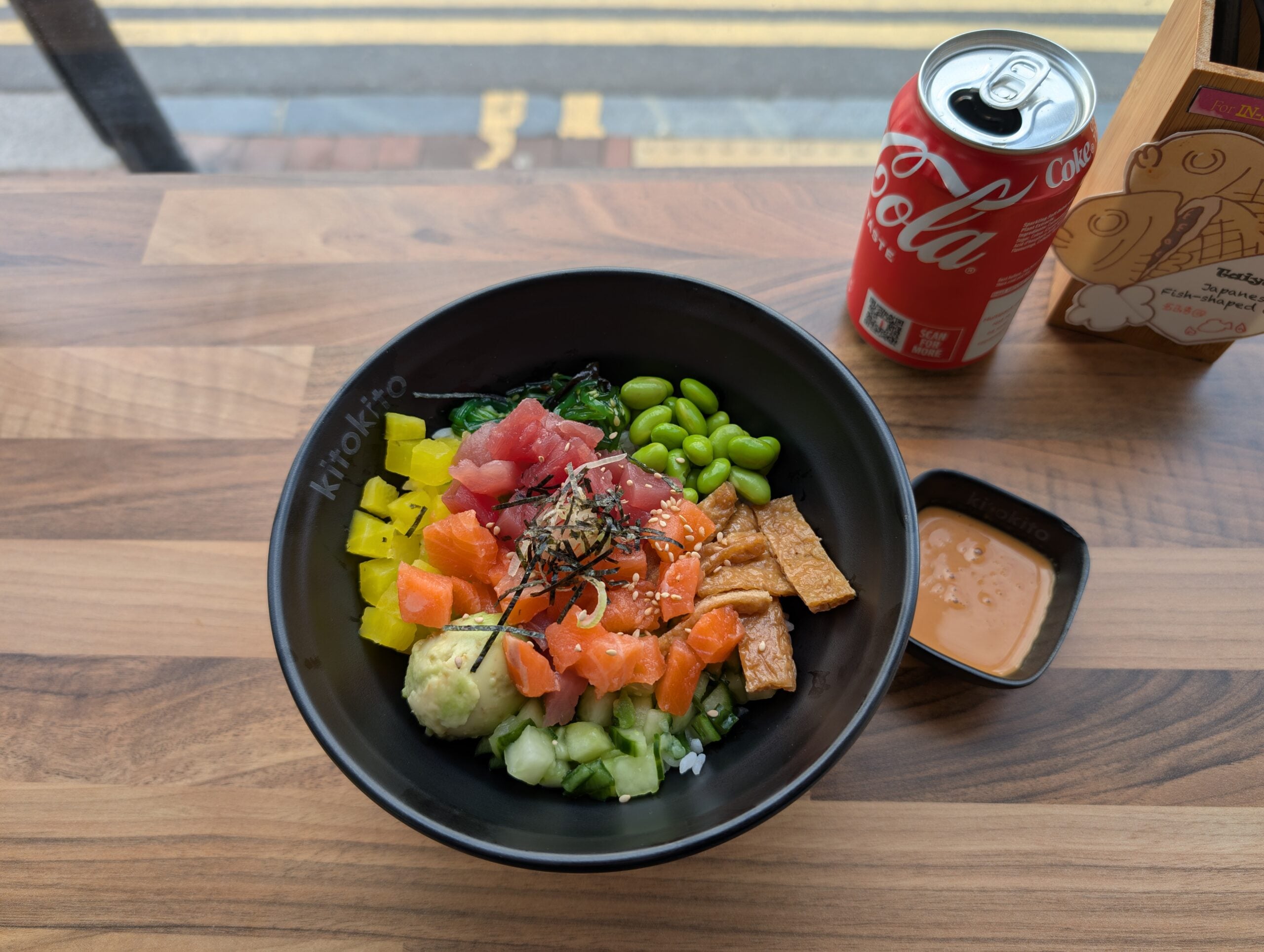
Poke, a Hawaiian dish centered on seasoned raw fish, was once far less visible on the mainland United States outside communities already familiar with it. When poke shops began opening in trend-focused urban areas, the bowls often carried a chic, influencer-friendly image.
Their rise followed a familiar pattern. Restaurants let customers customize bases, proteins, sauces and toppings, making poke feel both fresh and easy to personalize. That build-your-own model helped people approach raw fish in the same way they already approached salad or burrito bowls.
Now poke appears in chain concepts, grocery prepared-food sections and casual lunch spots. The most thoughtful versions still respect Hawaiian roots and ingredient quality, but the format itself has become a common meal choice rather than a marker of celebrity-adjacent dining.
Truffle fries
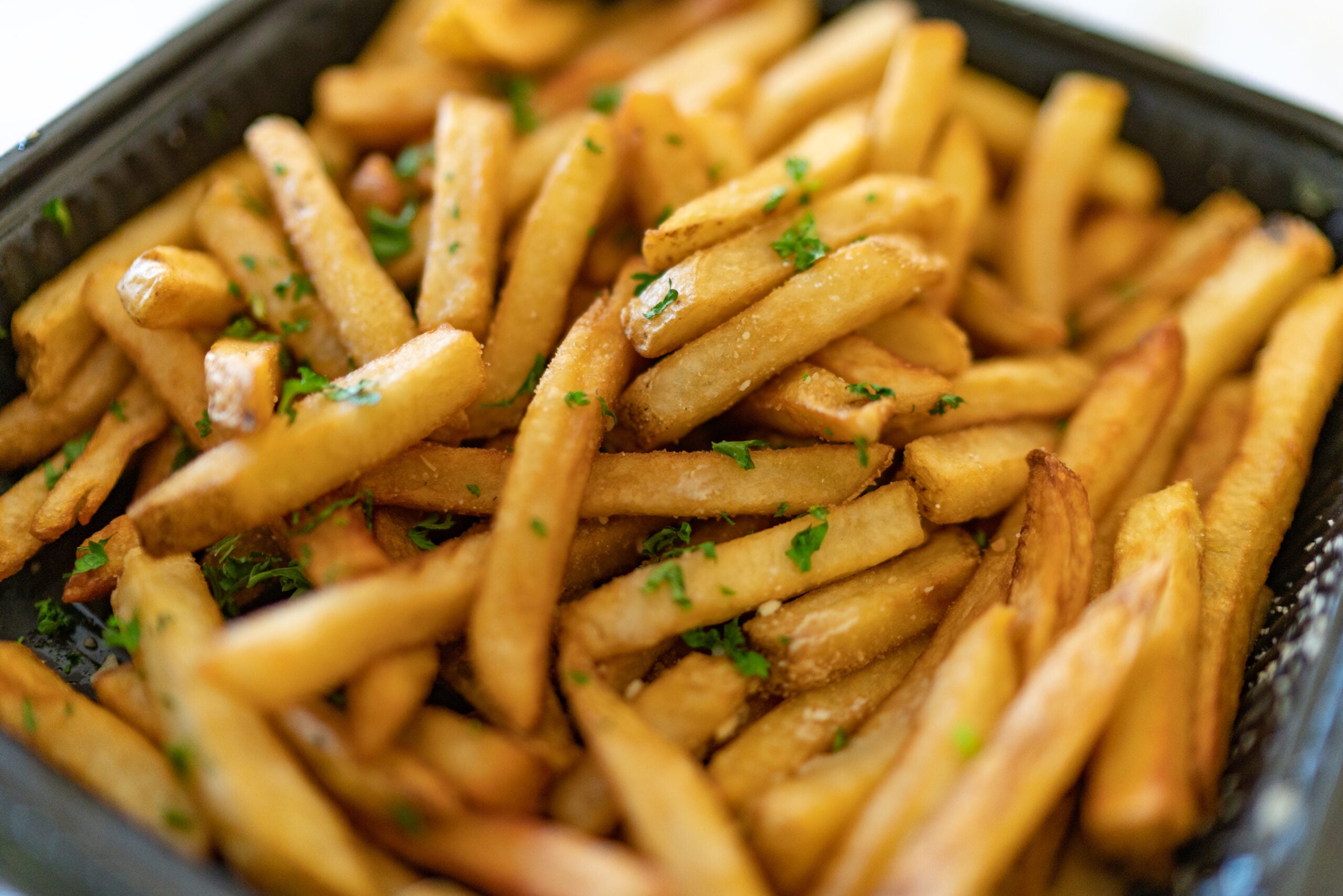
Few dishes capture the journey from luxury association to everyday indulgence like truffle fries. Real truffles remain expensive, rare fungi, which is why truffle-based dishes once belonged mostly to fine dining rooms and lavish restaurant tabs.
What changed was flavoring. Many restaurants began using truffle oil or truffle seasoning to deliver the aroma at a much lower cost than shaving fresh truffles over a plate. That made the experience available on gastropub menus, burger spots and casual chains.
The result is a food that still feels a little glamorous even when served in a paper-lined basket. Truffle fries close the gap between aspiration and accessibility, which is exactly how many once-exclusive foods became familiar to nearly everyone.




Leave a Reply