
Canadians have been rethinking how they buy food, and startups are responding with new ideas that go far beyond standard grocery delivery. This gallery looks at 10 companies that are changing the shopping experience through technology, cultural specialization, direct sourcing and less waste.
Odd Bunch
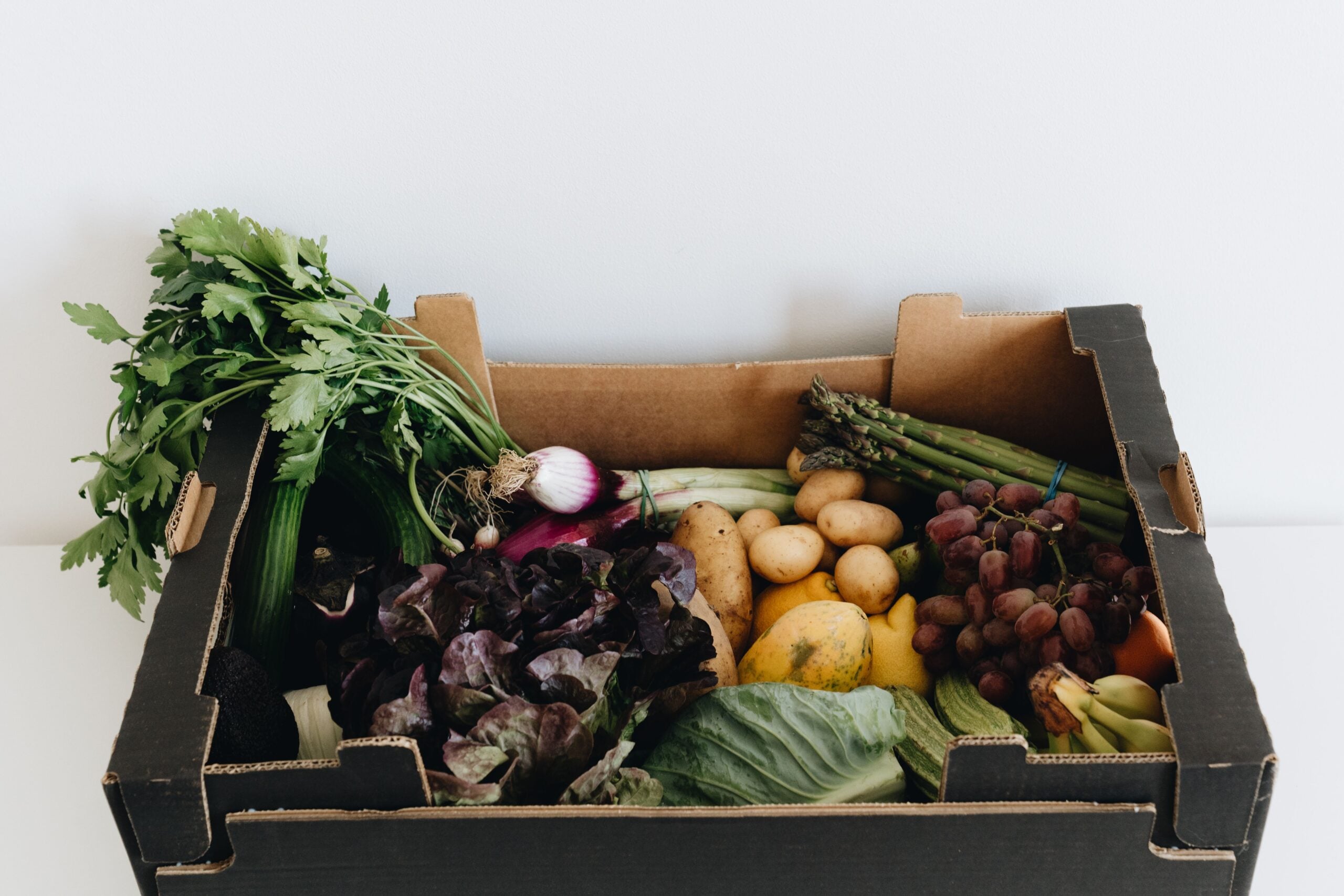
Ugly produce used to have a hard time reaching regular kitchens. Odd Bunch built its business around that gap by delivering fruits and vegetables that may look imperfect but are still good to eat.
The Toronto based company says it sources surplus and cosmetically imperfect produce and sells it at lower prices than many conventional options. That matters in a country where food inflation has pushed more shoppers to compare every weekly staple.
Odd Bunch has also turned a waste problem into a branding advantage. Instead of asking shoppers to accept second best, it presents imperfect produce as a smart, practical choice.
For many households, the appeal is simple. A box that saves money and keeps edible food from being discarded can change how people think about value in the produce aisle.
Voilà by Voila
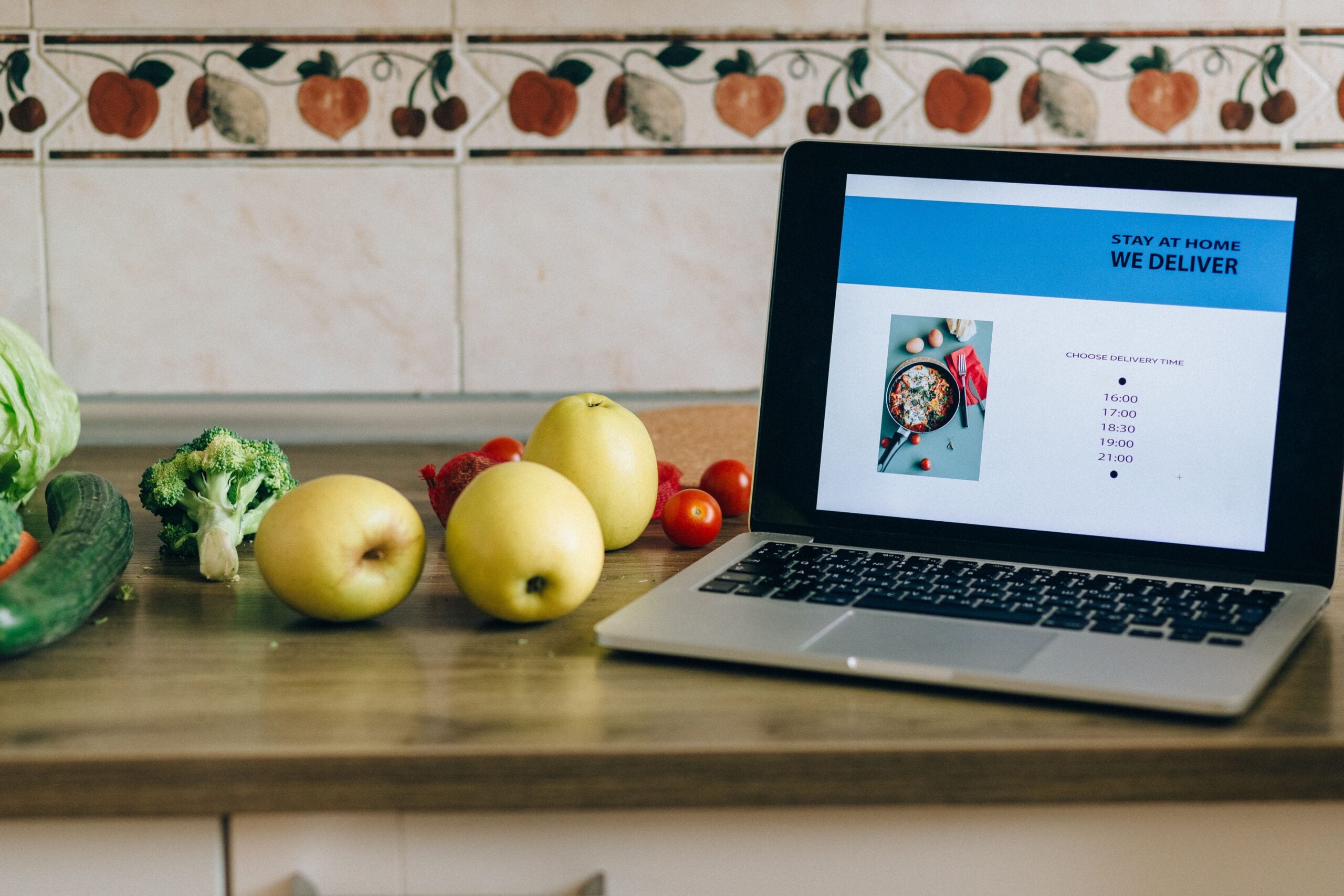
Some grocery shifts are less about what people buy and more about how the order gets built. Voilà, the e commerce grocery service launched by Sobeys parent Empire, brought warehouse automation into Canadian online grocery shopping.
The service uses highly automated customer fulfillment centres developed with Ocado, the British grocery technology company. In plain terms, many online orders are assembled in dedicated robotic facilities instead of picked one by one from store shelves.
That model can improve accuracy and product availability, especially for large weekly orders. It also gives Canadians a glimpse of a shopping system designed around digital baskets first, not physical aisles.
While Voilà is backed by a major grocer rather than a tiny newcomer, its tech led format has helped reset expectations. Faster picking, broad assortments and planned delivery windows have made online grocery ordering feel more like a mature retail channel.
Fresh City Farms
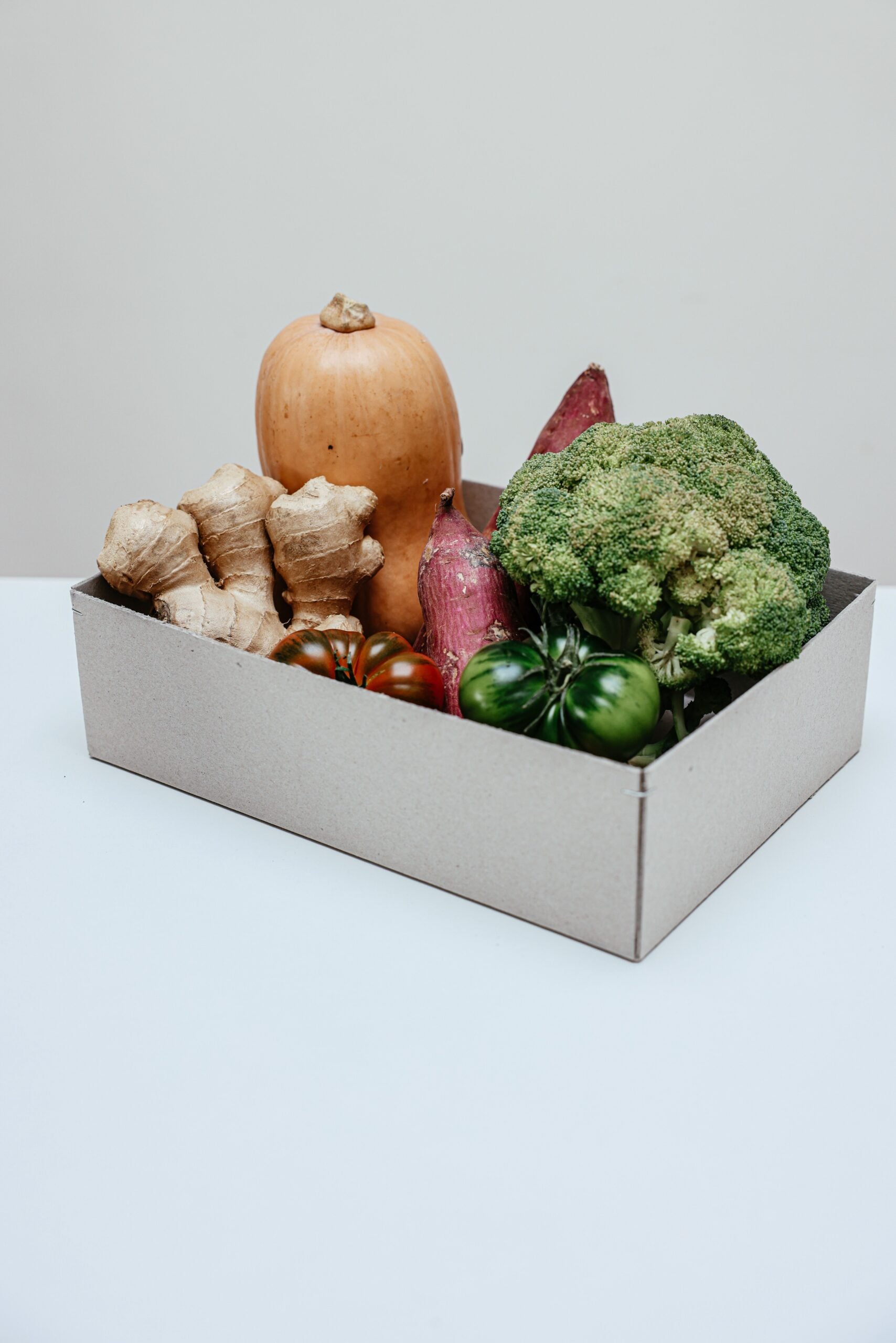
For shoppers who want food with a shorter path from farm to fridge, Fresh City Farms has offered an alternative model. The Toronto company combines local organic farming with a grocery delivery platform.
Its business grew from the idea that a weekly box could become the center of a broader shopping routine. Customers can order produce, pantry staples, dairy, meat and prepared foods through one system, with local sourcing as a core selling point.
That mix matters because convenience often decides whether values based shopping actually lasts. Fresh City did not just sell a farming story, it tried to make local food practical for busy households.
In the Canadian market, that approach helped normalize the idea that grocery shopping could be both digital and regional. It gave consumers a way to connect seasonal produce with an everyday order, not just a weekend farmers' market visit.
SPUD
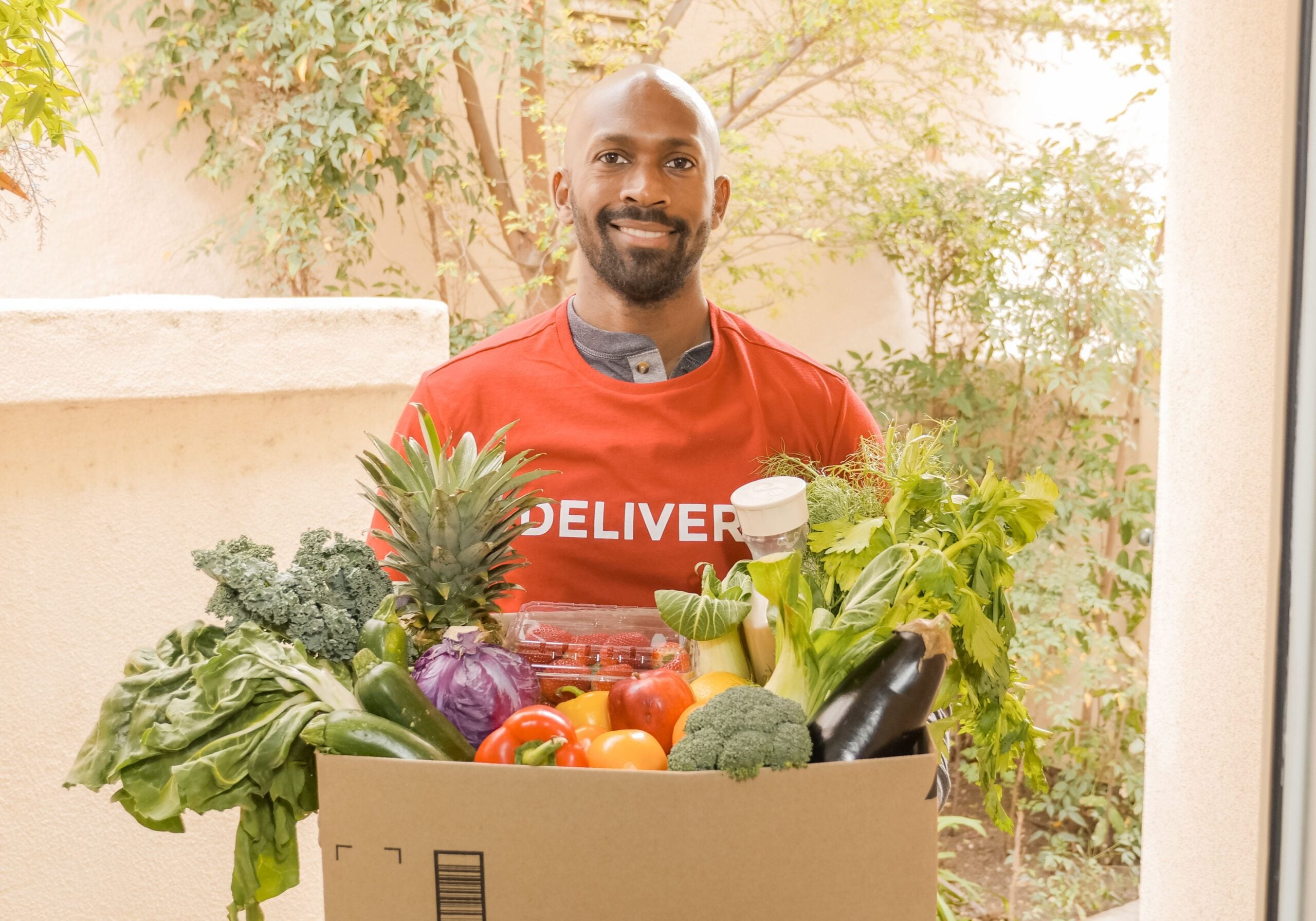
Long before grocery delivery became mainstream, SPUD was testing what online food retail could look like in Canada. The company, originally known as Small Potatoes Urban Delivery, built a customer base in Western Canada by focusing on home delivery and local products.
SPUD emphasized organic produce, responsible sourcing and reusable delivery bins. Those details helped define an early version of the values driven online grocery model that many newer companies now echo.
Its importance is partly historical. SPUD showed that shoppers would trust a digital service with fresh food, not just shelf stable goods, at a time when that idea was far less familiar.
The company also highlighted a key lesson for the sector. Grocery innovation is not only about apps and speed. Packaging systems, supplier relationships and route efficiency can shape how sustainable the whole experience feels to customers.
Inabuggy
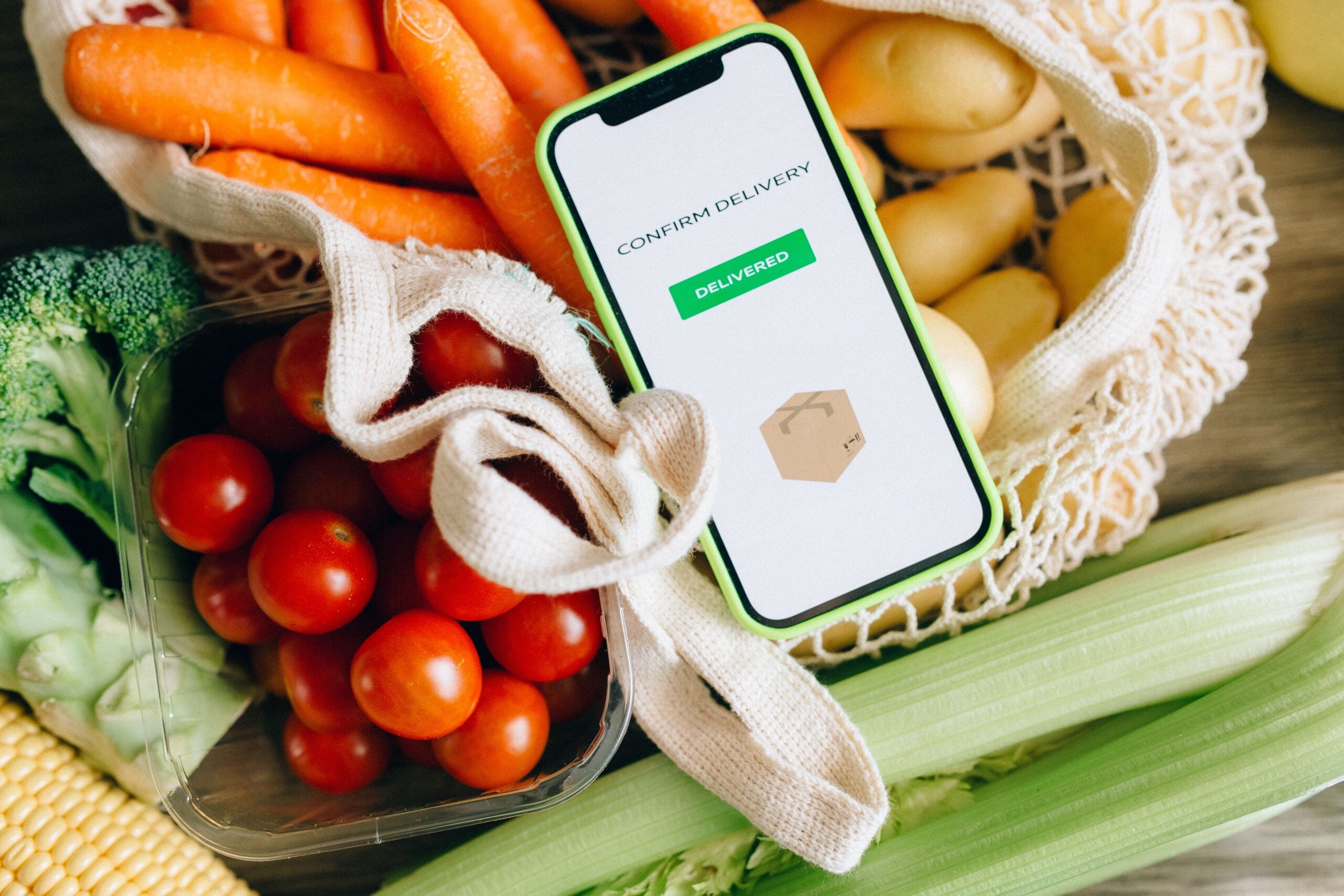
One of the clearest signs of grocery change is that consumers no longer expect one store to meet every need. Inabuggy built around that reality by offering on demand delivery from multiple retailers.
Founded in Toronto, the platform became known for giving shoppers access to stores including major grocers, specialty food retailers and warehouse clubs through one service. That widened choice in a way a single chain often could not.
For households juggling price, preference and availability, that flexibility is powerful. A family can compare stores, hunt for a specific product or restock from a favorite banner without making the trip.
Inabuggy helped push Canadian grocery toward a marketplace mindset. Instead of loyalty to one weekly stop, the service reflects a more fragmented, customized way of shopping where convenience includes retailer choice itself.
Mama Earth Organics
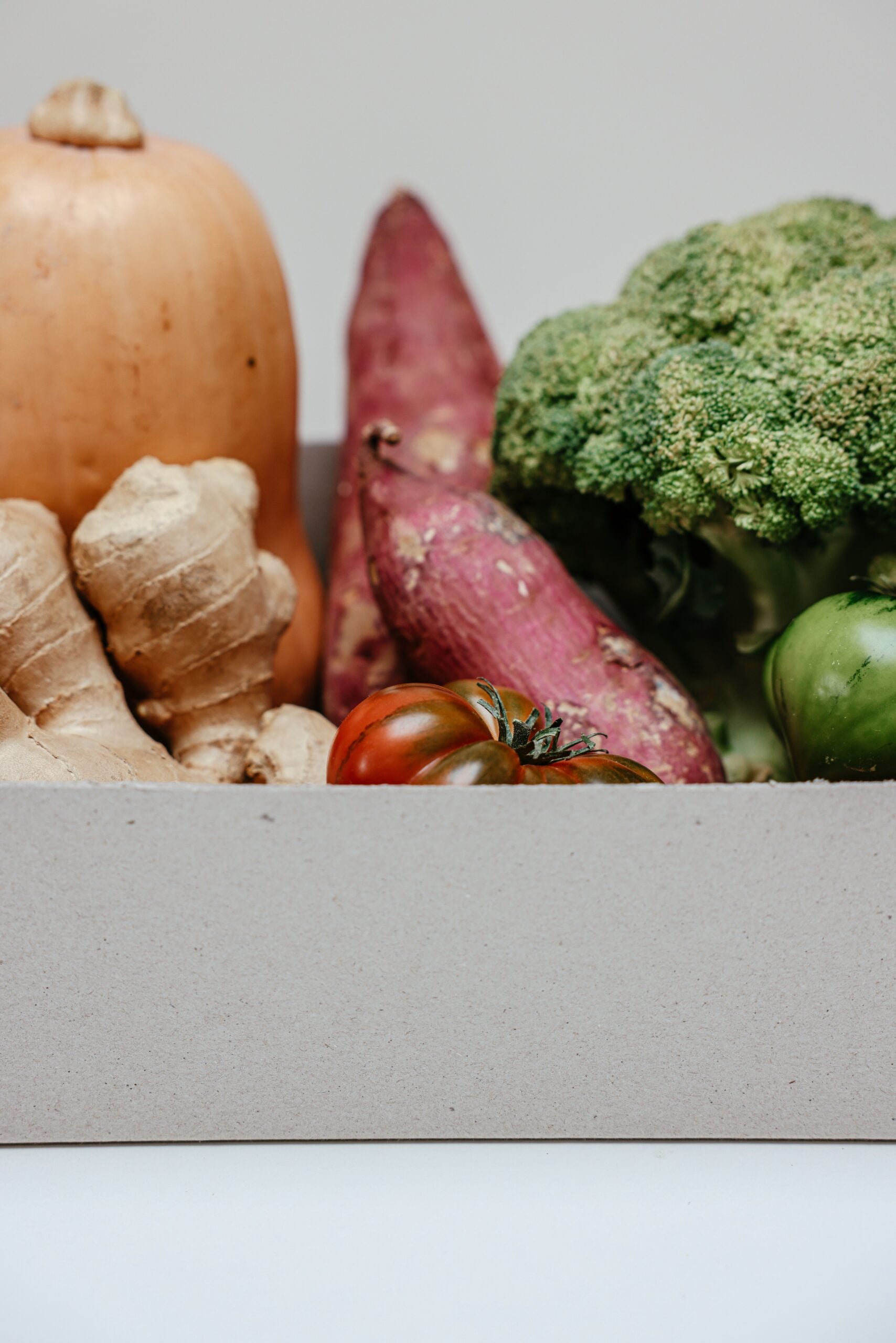
Some startups change habits by narrowing the distance between farm output and household planning. Mama Earth Organics, based in British Columbia, has focused on organic produce boxes and grocery delivery with an emphasis on local and seasonal food.
Produce box services work because they reduce decision fatigue. Shoppers do not need to inspect every apple or tomato in person, yet they still get a fresh assortment delivered to the door.
Mama Earth Organics has also reflected a larger shift in consumer priorities. Organic and local food, once treated as niche purchases, can now be built into a recurring household routine through subscription style ordering.
That matters in a country with long supply chains and strong seasonal swings. A service organized around harvest rhythms gives customers a different relationship with grocery shopping, one tied more closely to what growers actually have available.
WeCook

Not every grocery startup is selling raw ingredients. WeCook has built a business around ready made meals, tapping into the overlap between grocery shopping, meal planning and convenience.
The company offers prepared meals that can replace some of the weekly shop, especially for singles, couples and busy professionals. In practice, that means shoppers may buy fewer ingredients because part of dinner is already handled.
This model reflects a broader grocery reality. Many consumers are not just choosing where to shop, they are deciding how much cooking they want to do in the first place.
For Canadian food retail, companies like WeCook blur category lines. A prepared meal delivery service competes not only with restaurants and takeout, but also with supermarkets that depend on routine basket spending across meat, vegetables and pantry goods.
Goodfood
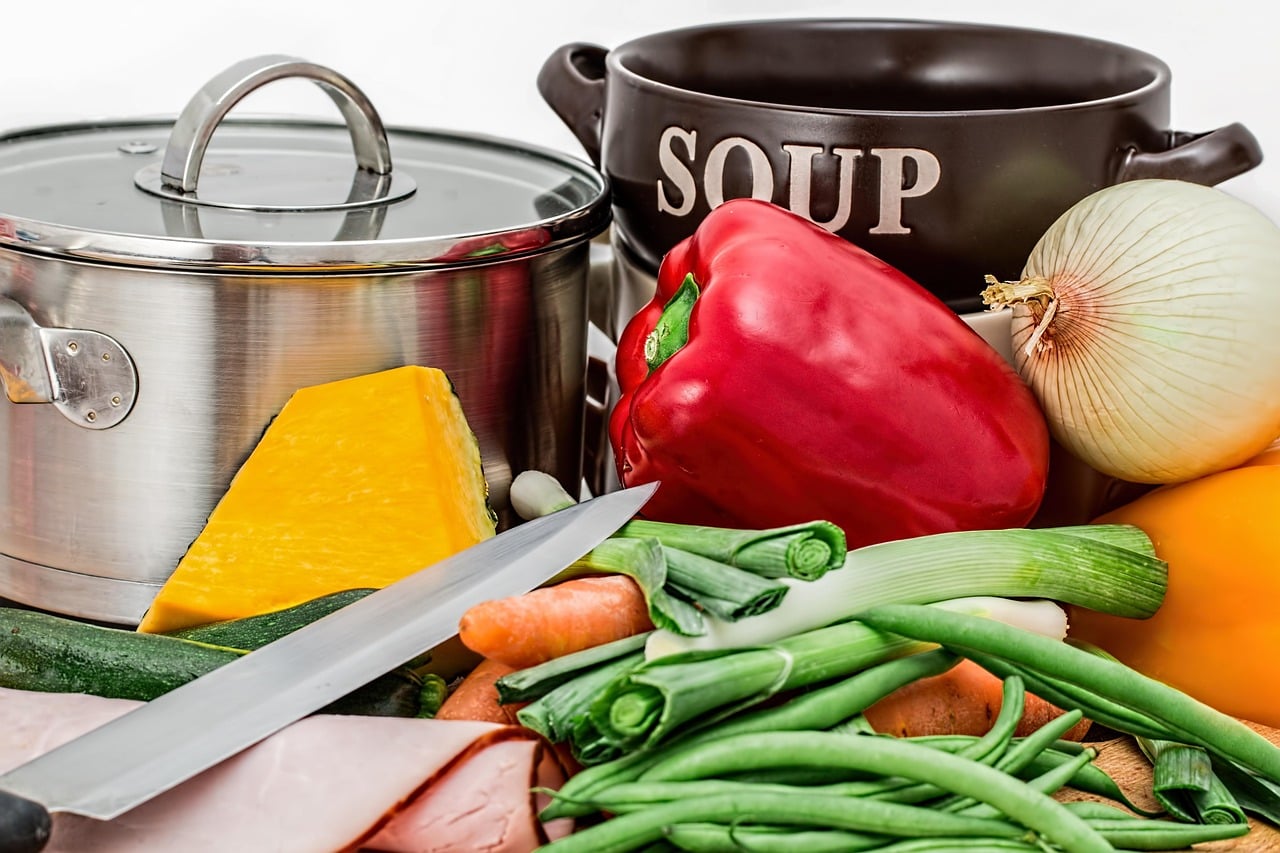
Few Canadian startups have become as closely linked with food delivery innovation as Goodfood. The Montreal based company popularized the meal kit format for many households by sending pre portioned ingredients and recipes directly to customers.
Meal kits changed the grocery equation in a specific way. They solved the dinner planning problem while still letting people cook, which set them apart from both restaurant delivery and traditional supermarkets.
Goodfood later expanded beyond kits into grocery items and prepared foods, showing how one entry point can lead into a broader food commerce platform. Once a company earns a place in the weekly routine, it can offer far more than a single box.
Its influence is easiest to see in expectations. Clear ordering interfaces, subscription convenience and exact portions have all shaped how Canadians think about efficiency in the kitchen and the grocery budget.
Cookit

Where some services emphasize speed, Cookit leaned into structure and flexibility. The Quebec based meal kit company built its reputation by giving customers a range of recipes and food choices designed for regular home cooking.
That matters because meal kits are often judged on how well they fit real life, not just how novel they seem. Choice, portion control and predictable preparation time can determine whether a customer stays with the service.
Cookit has been part of a wider trend in which grocery shopping becomes partly editorial. Instead of wandering aisles and deciding on the spot, households pick from curated meal options built around the week ahead.
In Canada, that model has special appeal for busy urban families. It reduces food waste, lowers impulse buying and turns the question of what to cook into a simpler planning task managed before the groceries even arrive.
Tre'dish
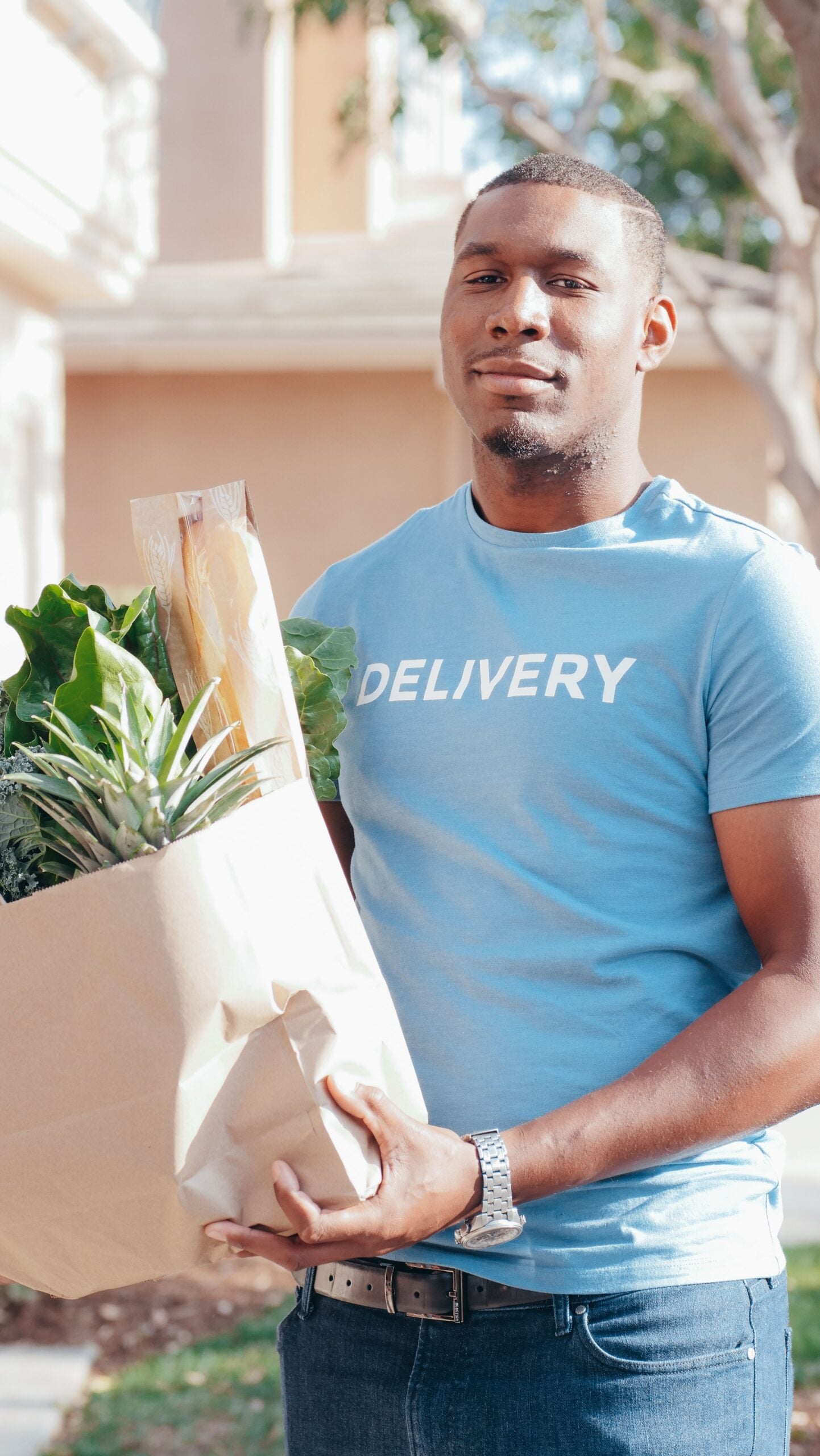
Some of the most interesting grocery ideas come from communities that mainstream retailers often underserve. Tre'dish has focused on African, Caribbean and other culturally specific foods through an online marketplace model.
For many shoppers, the challenge is not getting groceries delivered quickly. It is finding ingredients that local stores rarely stock or carry inconsistently, from pantry staples to specialty seasonings.
Tre'dish addresses that by centering products tied to cultural identity and everyday cooking traditions. That makes the service more than a convenience play. It becomes a way to improve access and visibility for foods that matter deeply in many Canadian homes.
As Canada's population grows more diverse, this kind of specialization is likely to matter even more. Grocery innovation is not only about faster delivery, but also about who gets seen, served and stocked.



Leave a Reply