
Some ingredients disappear from restaurant kitchens because tastes change. Others vanish because governments ban them, conservation rules tighten, or food safety science catches up with old habits.
These 10 ingredients all have a past in cooking, but modern chefs generally cannot use them in the way earlier generations did. In some cases the restriction is national, in others it depends on where the kitchen is located, but each one shows how law and science can reshape a menu.
Sassafras oil in root beer and kitchen extracts
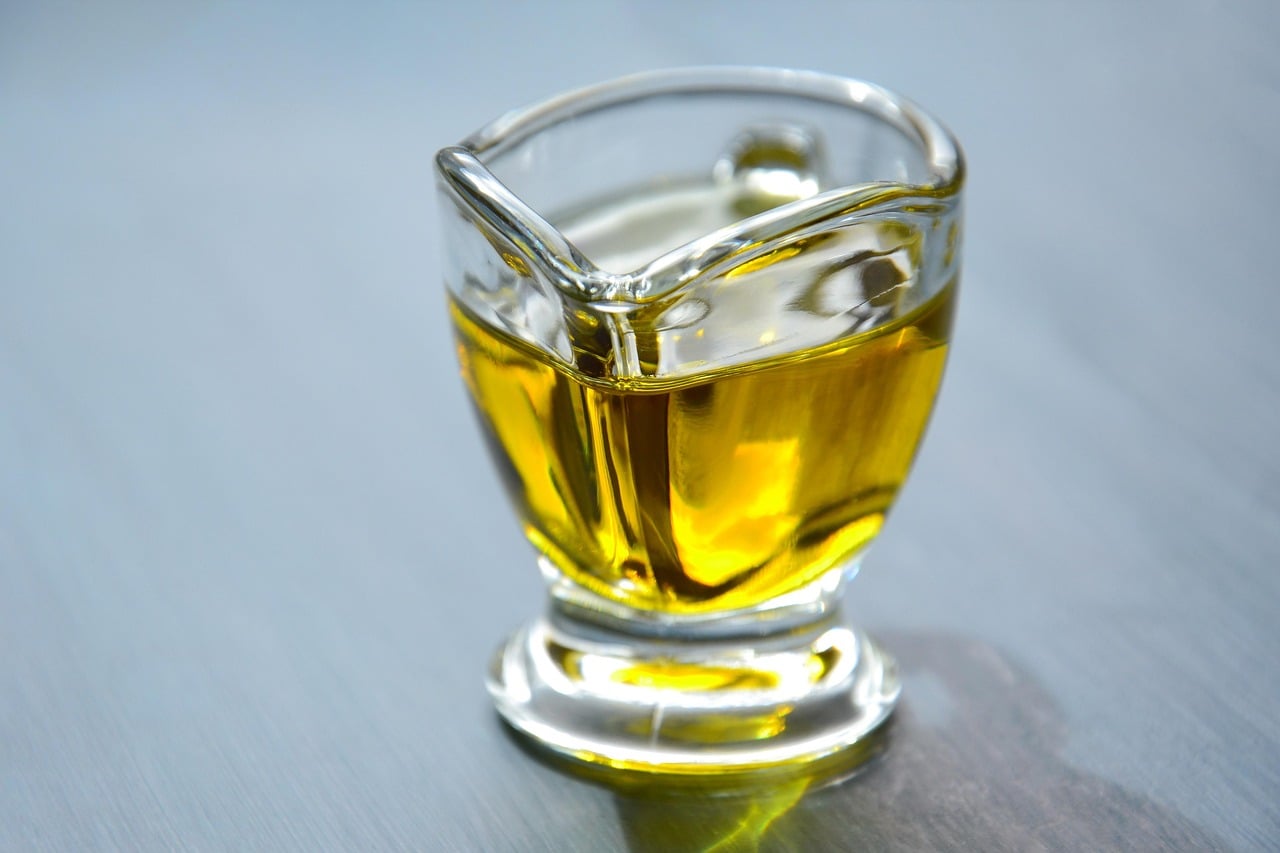
Sassafras once helped flavor teas, candies, and old-style root beer, and cooks also used it in homemade extracts. The problem is safrole, a natural compound in sassafras oil. The U.S. Food and Drug Administration banned safrole as a food additive in 1960 after animal studies raised cancer concerns.
That does not mean every part of the sassafras plant vanished from food culture. Filé powder, made from sassafras leaves, is still used in Creole cooking because the leaves do not contain the same problematic oil in the same way. But chefs cannot legally use sassafras oil or safrole-rich extracts as a flavoring the way earlier recipe writers once did.
Tonka beans
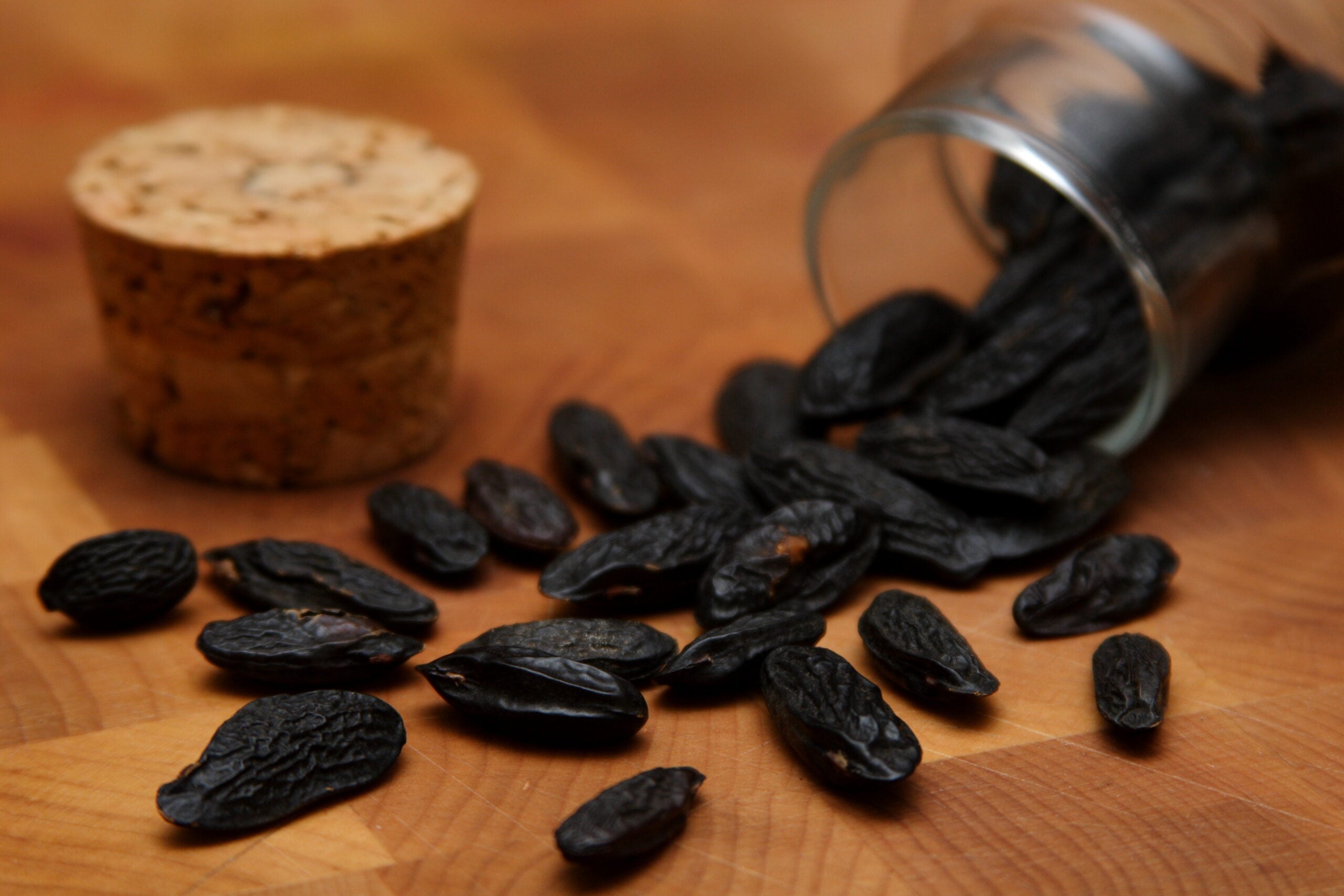
Tonka beans have an aroma that reminds many cooks of vanilla, almond, and cinnamon at once, which made them attractive to pastry chefs. In the United States, though, the FDA does not permit tonka beans in food because they contain coumarin. Large amounts of coumarin can be harmful to the liver.
The ban gave tonka beans an almost mythical reputation in some dining circles, especially during the era of boundary-pushing tasting menus. A chef in London or Paris might legally shave tonka over custard, while a chef in New York generally cannot. That gap makes tonka a useful example of how one ingredient can be fashionable abroad and off-limits in another major restaurant market.
Absinthe made with wormwood, in its old form
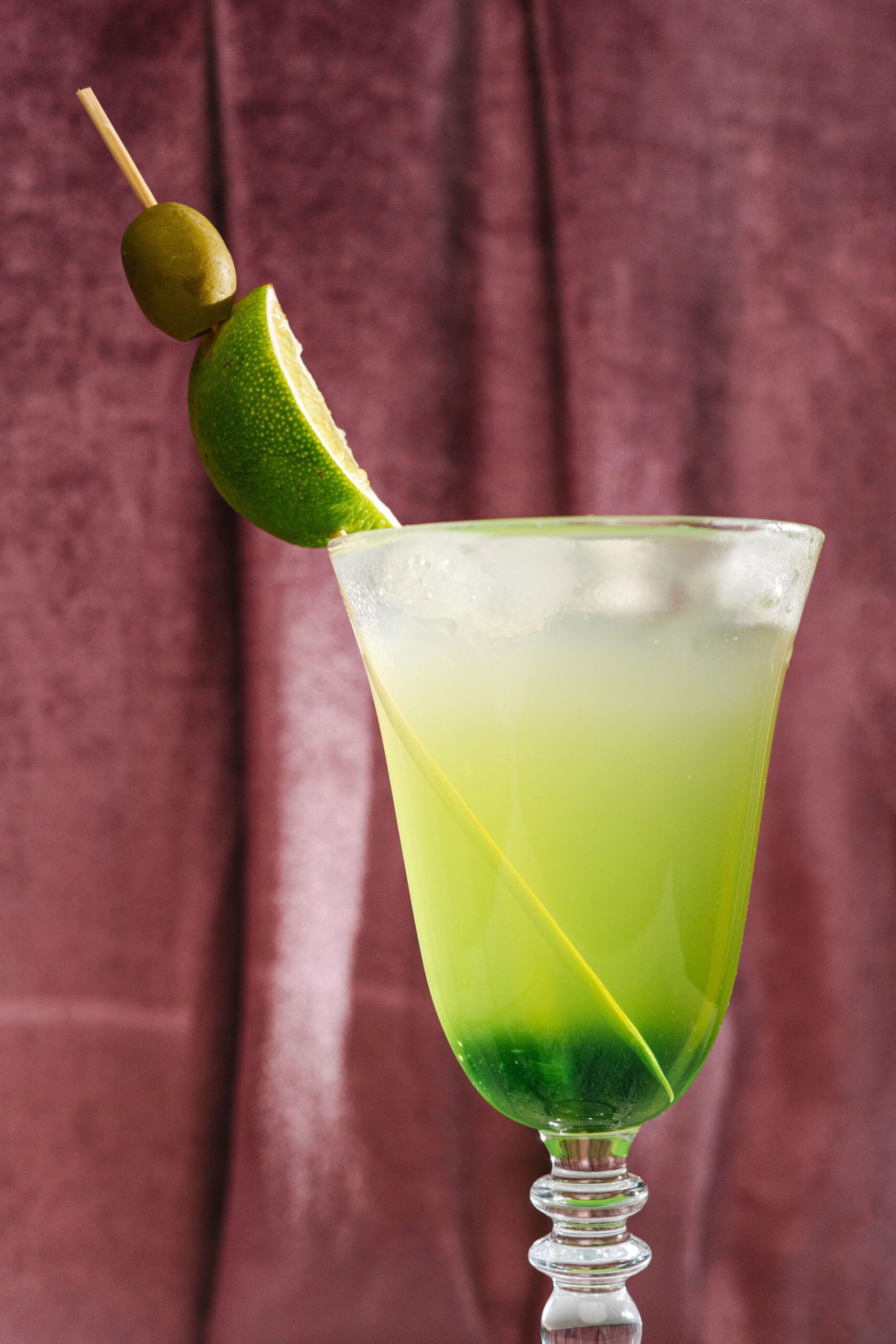
Absinthe carries a lot of legend, from Paris cafés to stories about artists and hallucinations. The more practical issue for chefs and bartenders was wormwood, and specifically thujone, a compound associated with old fears about the spirit. The FDA long treated absinthe as prohibited if it contained enough thujone to be considered unsafe.
Modern bottles sold legally in the United States must be thujone-free by the FDA standard, which means less than 10 parts per million. That matters in kitchens because chefs can cook with legal absinthe products, but not with the old-style versions once associated with the drink's notorious reputation. In other words, the historic ingredient survives only in a heavily regulated form.
Beluga caviar from the Caspian Sea
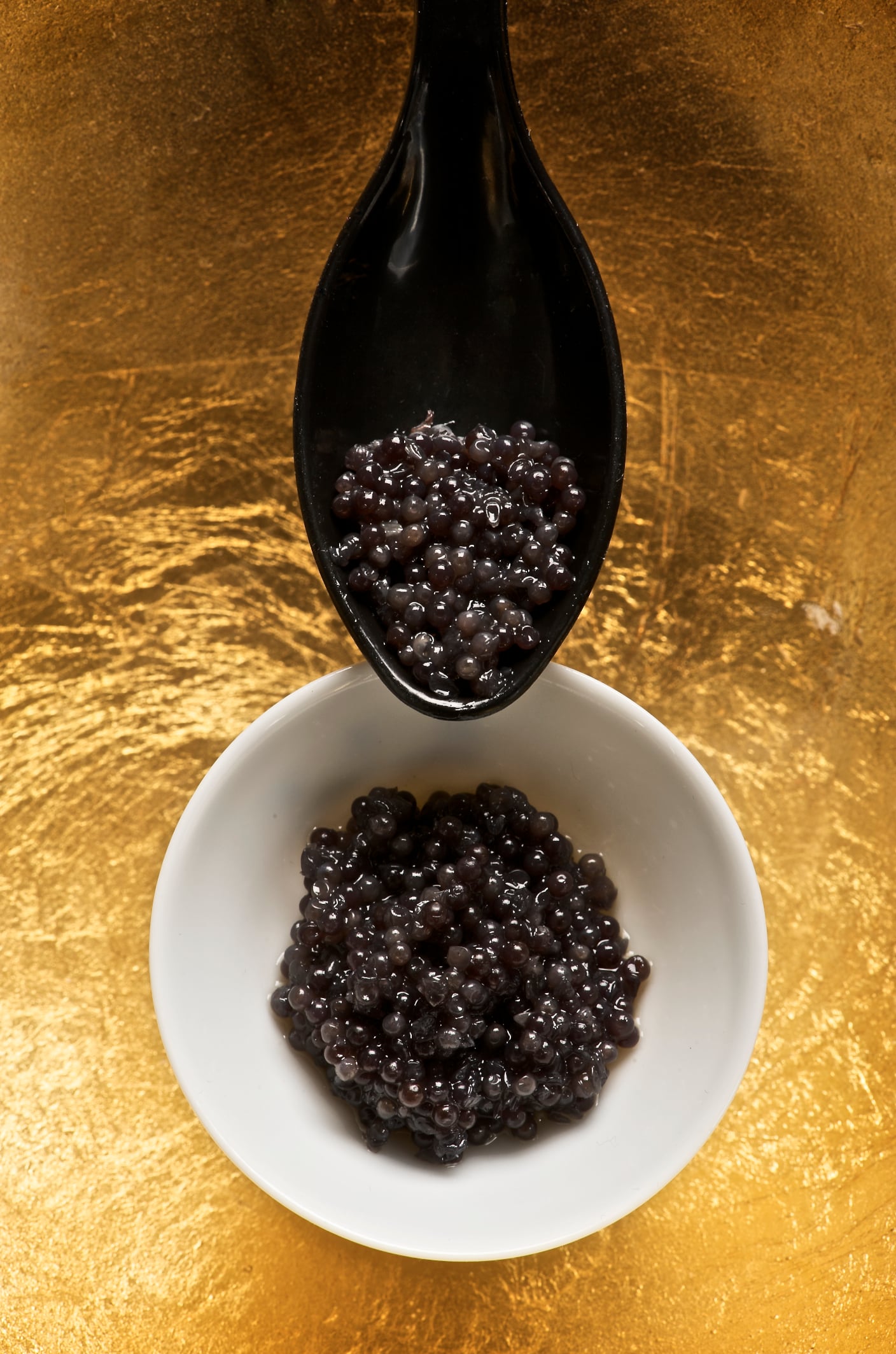
For luxury restaurants, beluga caviar was once one of the clearest status symbols on earth. In 2005, the U.S. Fish and Wildlife Service banned the import of beluga caviar and beluga sturgeon products from the Caspian Sea and Black Sea basin because of concerns about the species' decline and weak management of the fishery.
That move hit top-end menus directly. Chefs who wanted the prestige of true beluga had to turn to other caviars or, later, legal farmed alternatives where available under current rules. The broader lesson is simple: when an ingredient depends on a threatened wild species, conservation policy can remove it from even the richest dining rooms almost overnight.
Sea turtle eggs
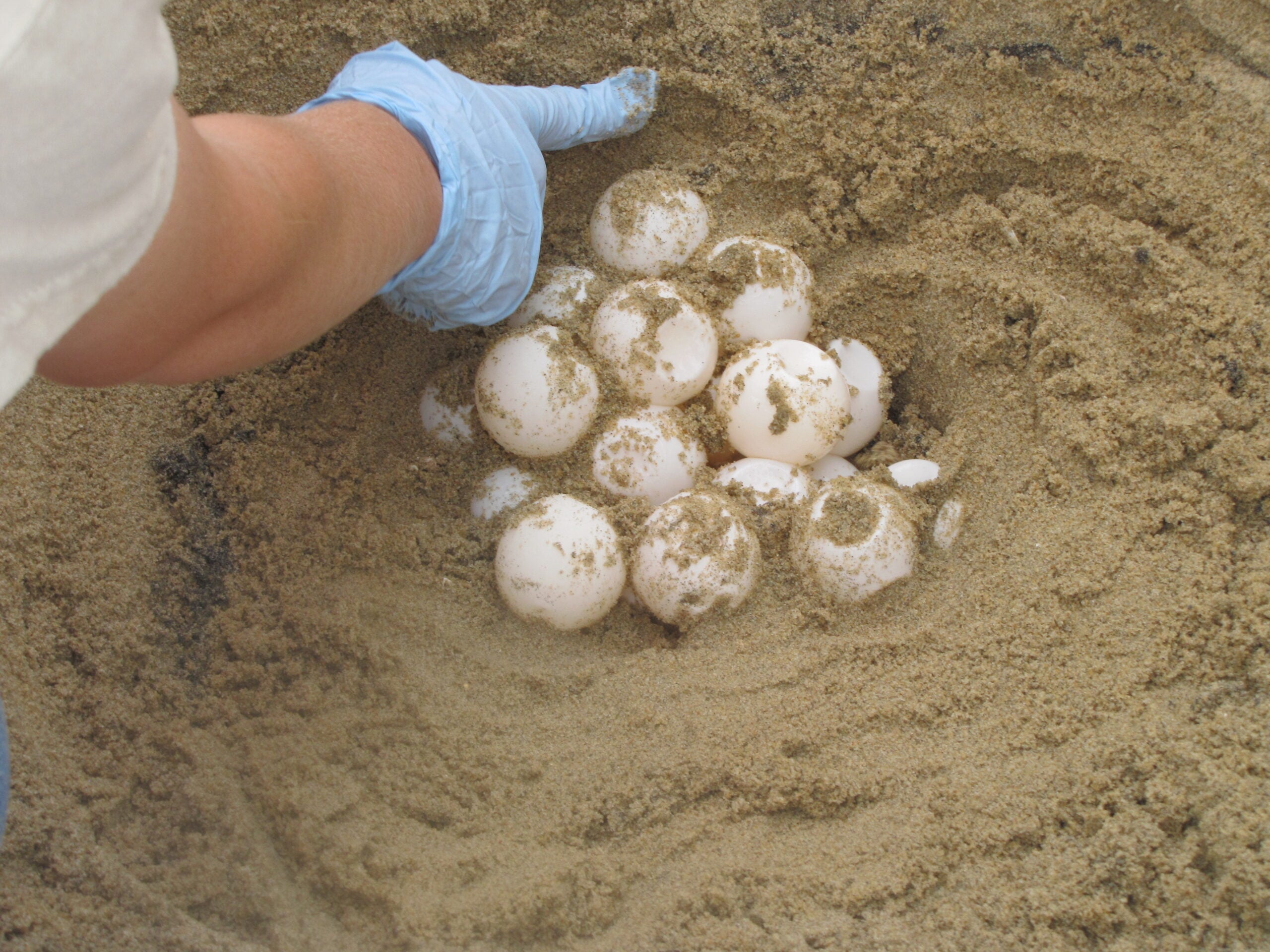
Sea turtle eggs have been eaten in parts of Asia, Latin America, and the Caribbean, and in some places they were once treated as delicacies or sold in local markets. Today, international protection is much stronger. Sea turtles are covered by the Convention on International Trade in Endangered Species of Wild Fauna and Flora, and all species of sea turtle are also protected under various national laws.
For chefs, that means sea turtle eggs are not a quirky heritage ingredient waiting for revival. They are part of a tightly protected wildlife story tied to poaching, population decline, and habitat pressure. A modern professional kitchen cannot simply claim tradition as a defense when the underlying species is protected.
Hákarl made from Greenland shark in restricted markets
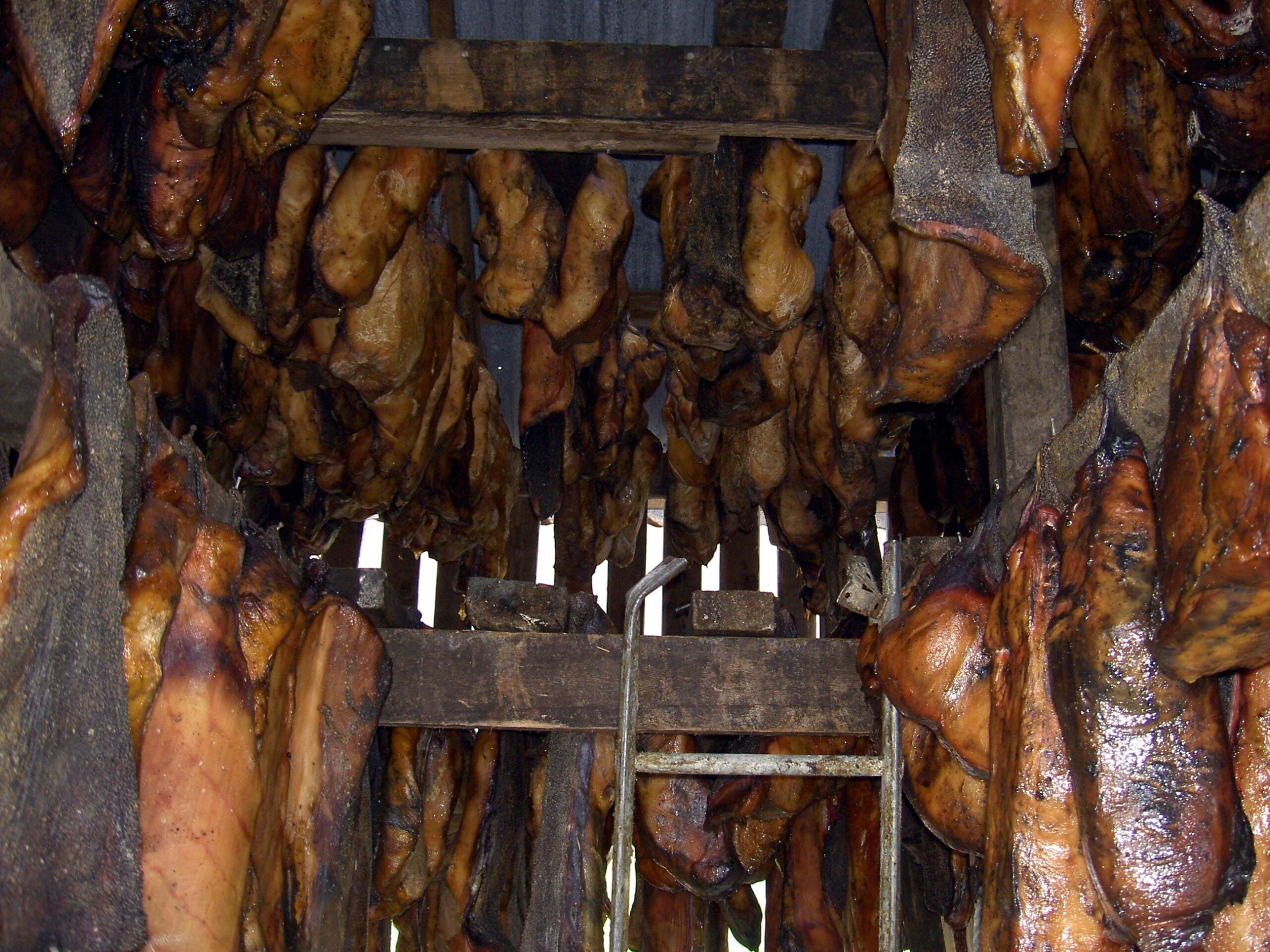
Fermented shark can still appear in Icelandic food culture, but the shark behind classic hákarl tells a more complicated legal story. Greenland shark meat is toxic when fresh because of high levels of urea and trimethylamine oxide, which is why it must be processed carefully before it is eaten. That alone makes it a difficult ingredient for most chefs.
On top of that, shark conservation and import rules complicate matters in many markets. A chef might be able to serve a traditional preparation in one place and face serious sourcing barriers in another. So while hákarl has not vanished from history, Greenland shark is far from a freely usable ingredient in the modern global restaurant trade.
Raw milk cheeses aged too briefly
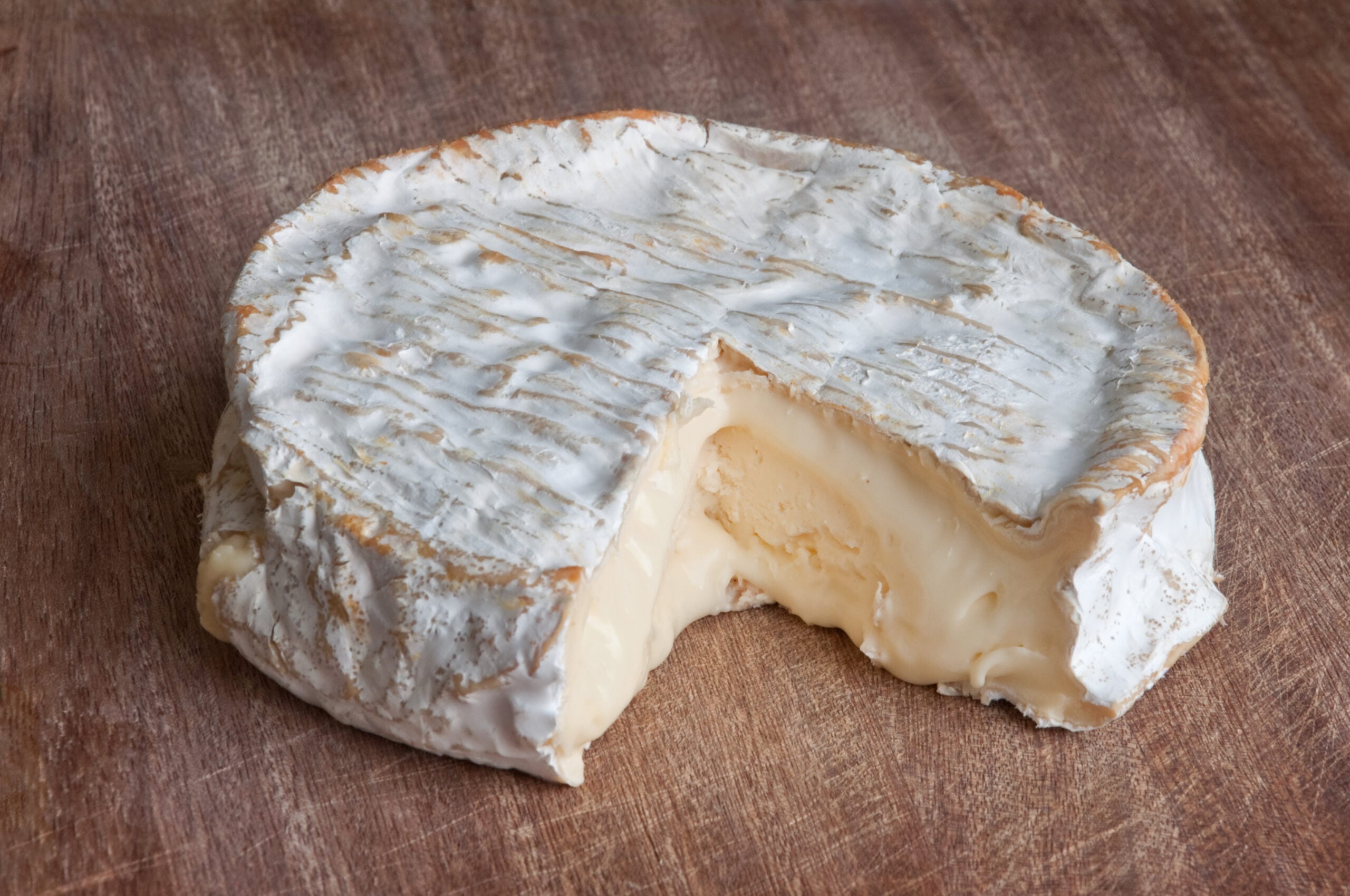
This is less a single ingredient than a once-common category of cheese making that many chefs cannot use. In the United States, the FDA requires raw milk cheeses to be aged at least 60 days at a temperature of not less than 35 degrees Fahrenheit. The rule is meant to reduce the risk of dangerous bacteria in cheeses made from unpasteurized milk.
That means a chef cannot legally serve a young raw milk Brie or Camembert produced in a way that falls outside those rules, even if similar cheeses are available in Europe. For diners, the difference may seem subtle. For chefs and importers, it changes what can appear on a cheese board and what must stay in a cellar overseas.
Horse meat in U.S. restaurant supply chains
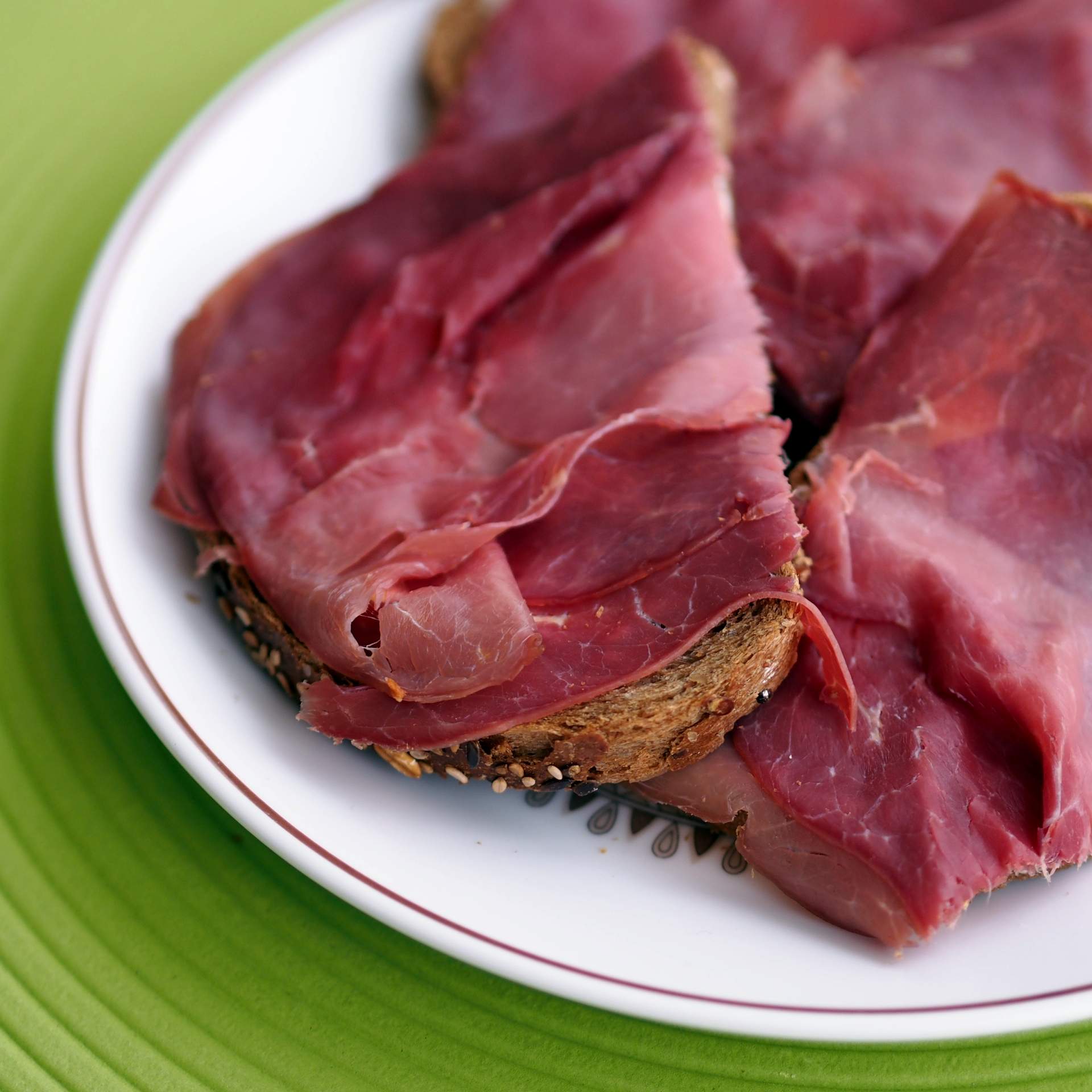
Horse meat is eaten in some countries, but in the United States it is effectively absent from mainstream restaurant kitchens. The key issue is federal inspection. Without USDA inspection, horse meat cannot be legally sold for human consumption, and Congress has repeatedly blocked funding for horse slaughter inspections.
That funding barrier has had the practical effect of shutting the domestic supply chain for chefs. A restaurant might talk about horse meat as a European tradition, but in the U.S. market it is not a realistic legal menu item. This is one of the clearest cases where an ingredient is not named in a simple nationwide ban, yet remains functionally unavailable to modern chefs.
Casu marzu
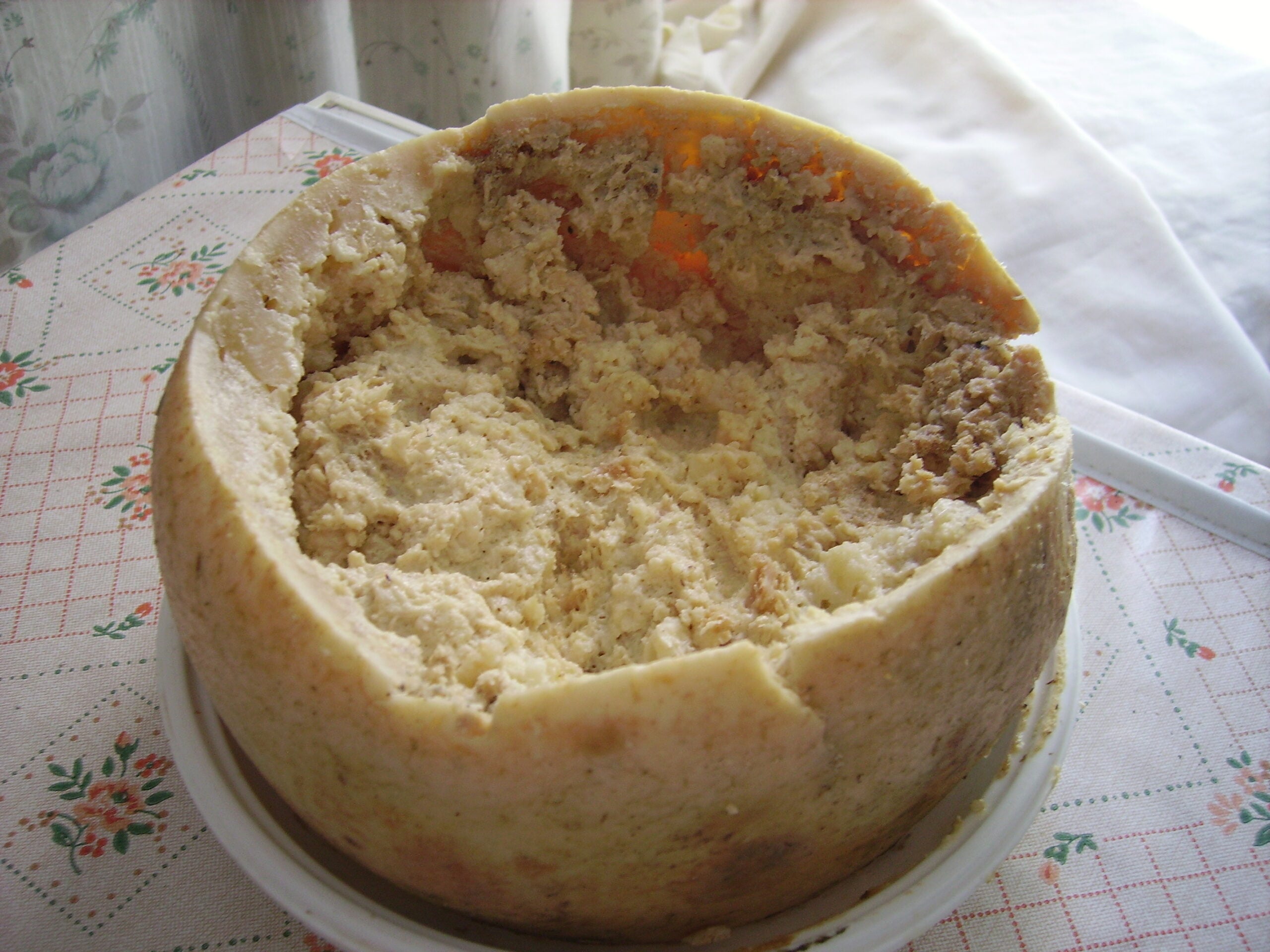
Casu marzu, the Sardinian sheep's milk cheese famous for live insect larvae, is one of the most discussed forbidden foods in the world. Its reputation comes from intentional fermentation that goes beyond ordinary cheesemaking. Food safety authorities have treated it as unsafe for sale because of the health risks linked to live maggots and uncontrolled decomposition.
That makes casu marzu more than a shock-value ingredient. It is a useful example of how a traditional food can collide with modern hygiene law. A chef might reference it in conversation or culinary history, but serving it in a regulated restaurant is another matter entirely, especially outside the narrowest local contexts.
Ortholan bunting

Few banned ingredients better capture the shift from aristocratic dining to modern wildlife law than the ortolan bunting. This tiny songbird was once associated with an elaborate French dining ritual. But the bird is protected under European conservation rules, and France has cracked down on hunting and trade connected to ortolan consumption.
For chefs, that means ortolan is not a secret luxury available to anyone with enough money. It has become a symbol of a style of eating that ran into the limits of contemporary ethics and conservation law. As a closing example, it shows that some ingredients disappear not because people forgot them, but because society decided they should.




Leave a Reply