
Canada has never treated chips as a minor snack. Regional favorites, bold seasoning ideas and short lived test runs have all helped build a loyal following for flavors that disappeared too soon. These 10 discontinued chip flavors still get talked about because they offered something specific that current shelves often do not.
Hostess ketchup chips
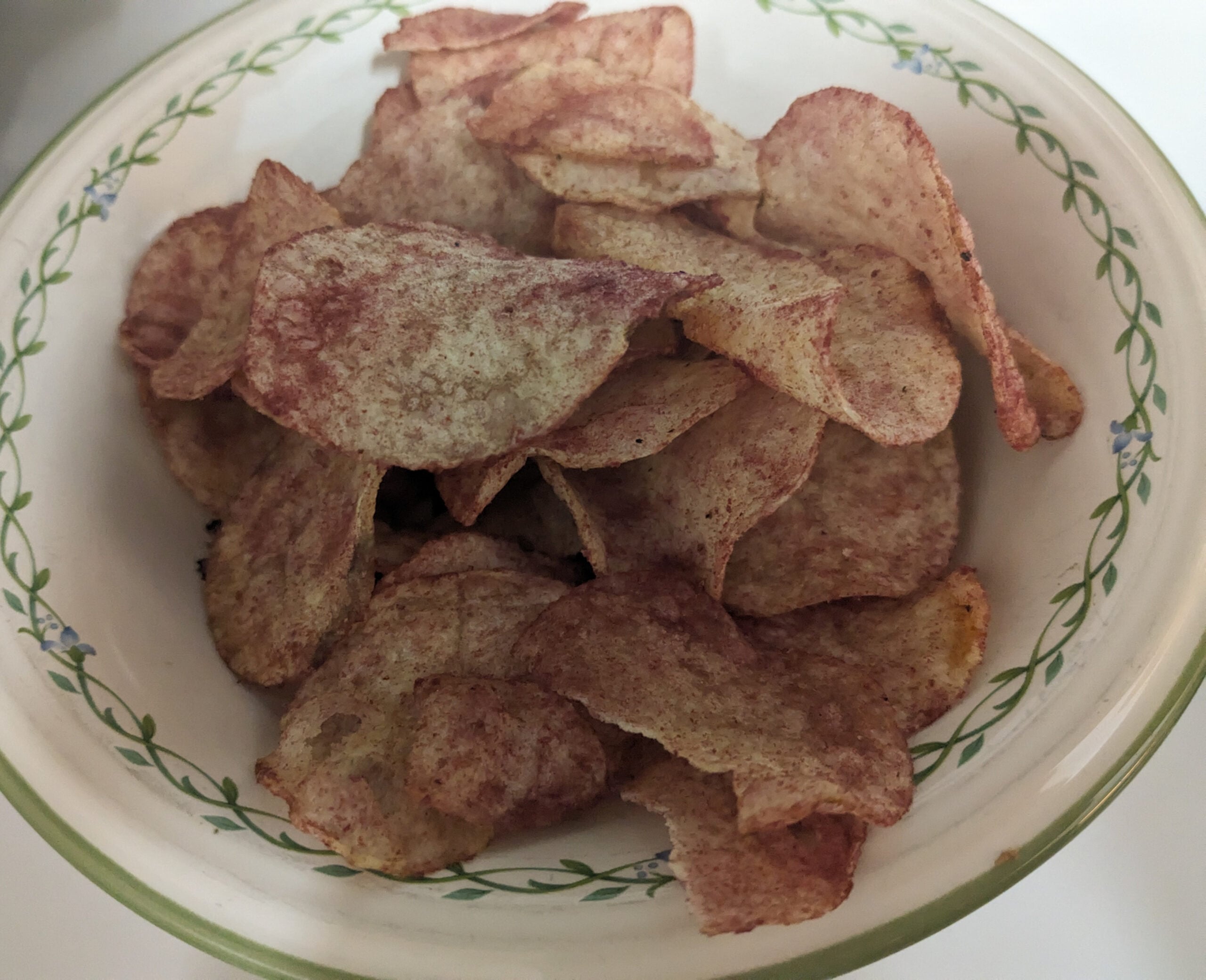
For many Canadians, Hostess ketchup chips are tied to a very specific memory of lunchboxes, corner stores and red stained fingertips. Ketchup chips never disappeared from Canada as a category, but the Hostess version did when the brand changed course, and that distinction still matters to longtime fans.
What people remember is the balance. The seasoning leaned sweet, tangy and tomato forward without pushing too hard into vinegar. That made the chips especially easy to keep eating, and it also set them apart from sharper versions sold later under other labels.
Old Hostess branding also carries weight of its own. The company was a major part of the Canadian snack aisle for decades, so when the logo vanished, some flavors seemed to vanish with it. For plenty of shoppers, the craving is not just for ketchup chips. It is for Hostess ketchup chips specifically.
Hostess salt and vinegar
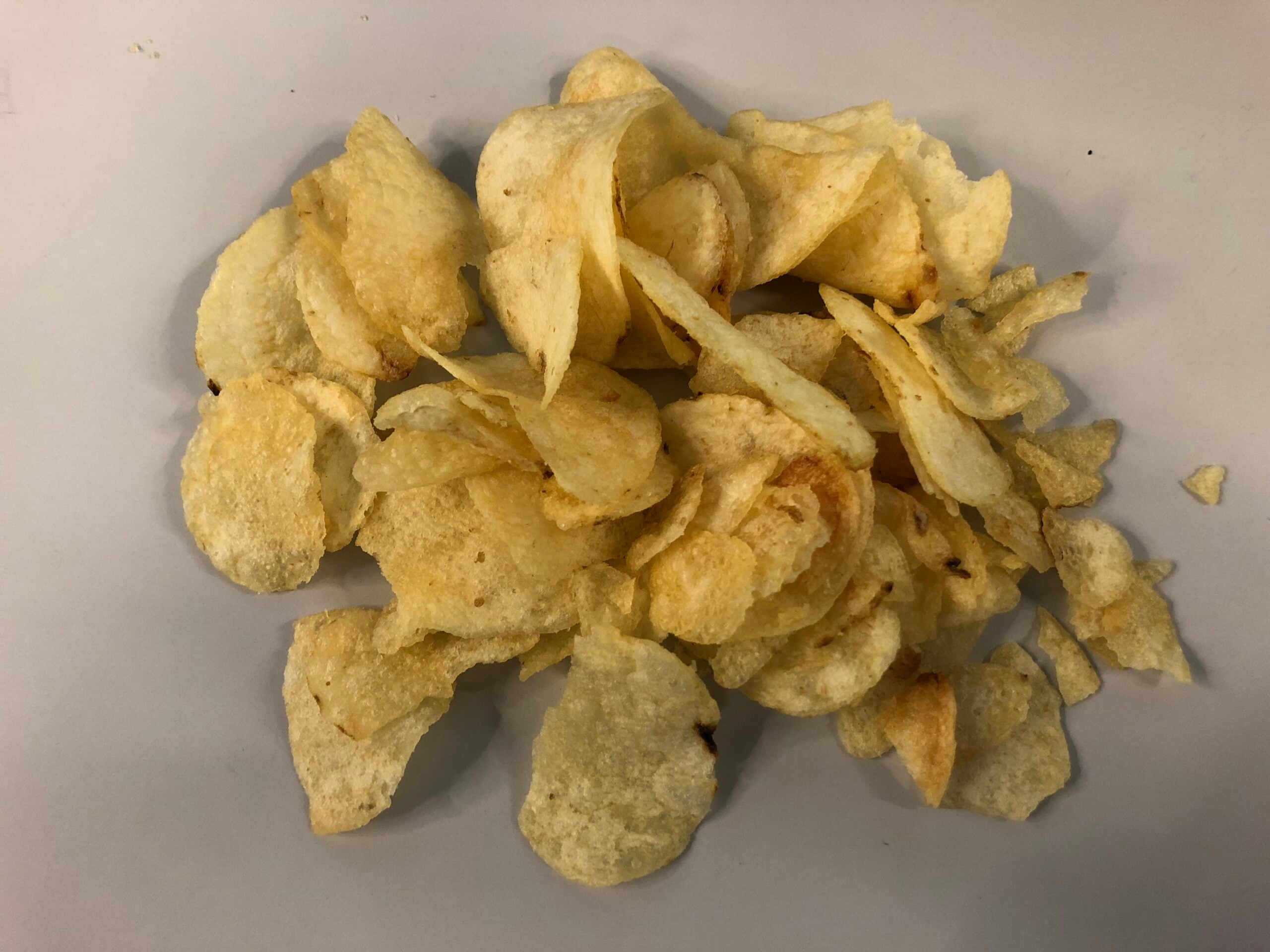
Salt and vinegar chips are common now, but older Canadian snack fans often single out Hostess as the version they still measure others against. Its appeal came from intensity. The vinegar hit quickly, the salt followed through, and the crunch made the sharp seasoning feel even more memorable.
That flavor profile mattered because not every brand took the same approach. Some versions soften the acidity or add extra sweetness. Hostess leaned into the sour edge, which gave the chips a cleaner and more direct taste.
The memory also survives because the flavor was easy to identify in a mixed bowl or at a party. One handful told you exactly what you were eating. In a crowded chip market, that kind of clarity helps explain why a discontinued bag can still inspire nostalgia years later.
Humpty Dumpty pizza chips
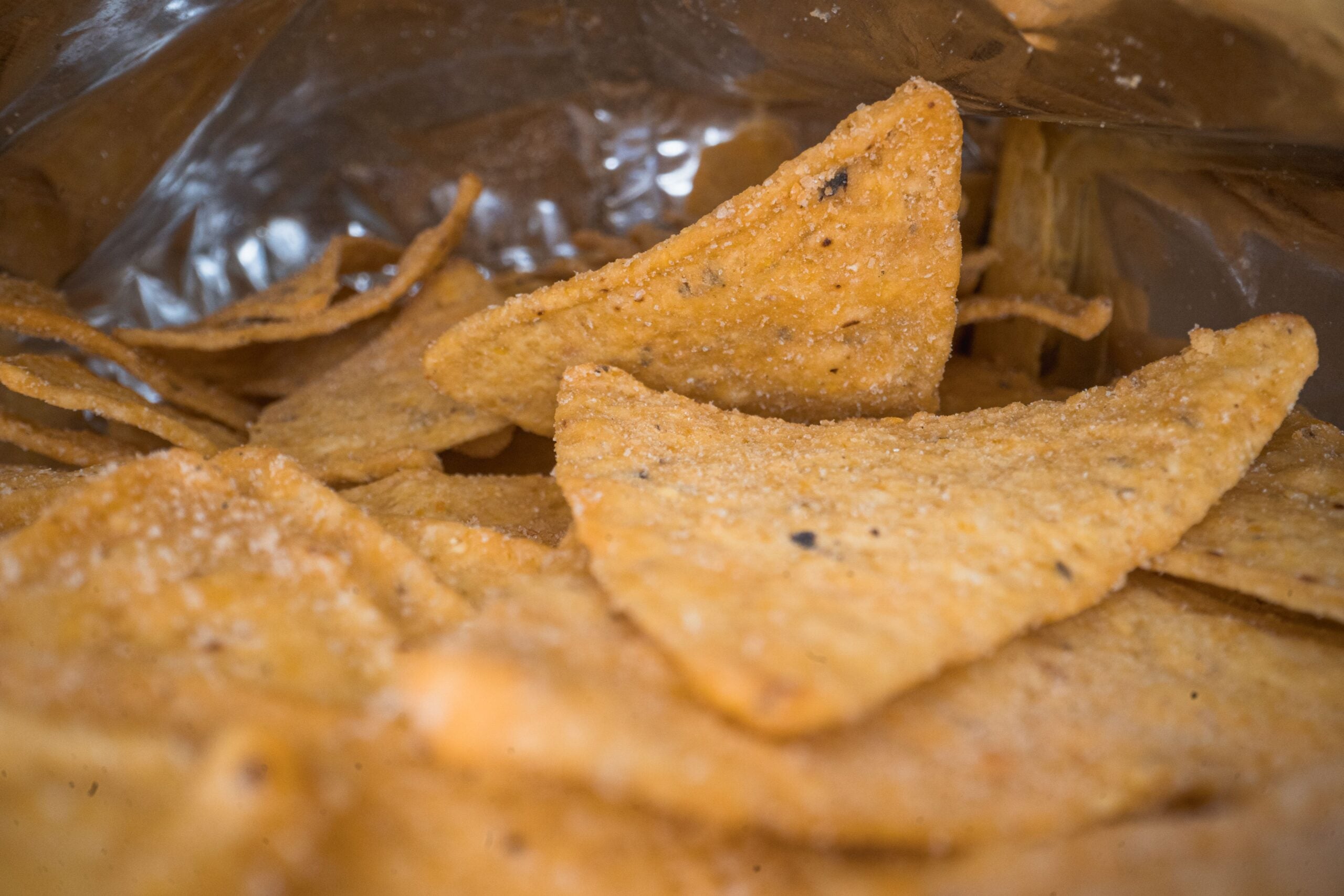
Pizza flavored chips have appeared under different brands, but Humpty Dumpty's version has a particularly loyal Canadian following. The company had strong roots in Atlantic Canada, and that regional connection helped turn an ordinary snack into something people still talk about with unusual affection.
The flavor aimed for a familiar pizzeria note instead of just generic tomato powder. Fans often remember hints of cheese, herbs and a mild savory finish that made the chips taste fuller than many novelty flavors. They felt less like a stunt and more like a real pantry favorite.
That matters in the nostalgia cycle. A lot of discontinued snacks are remembered because they were strange. Humpty Dumpty pizza chips are remembered because people found them genuinely satisfying. When a product works as an everyday choice, losing it feels more personal.
Ruffles all dressed with extra seasoning
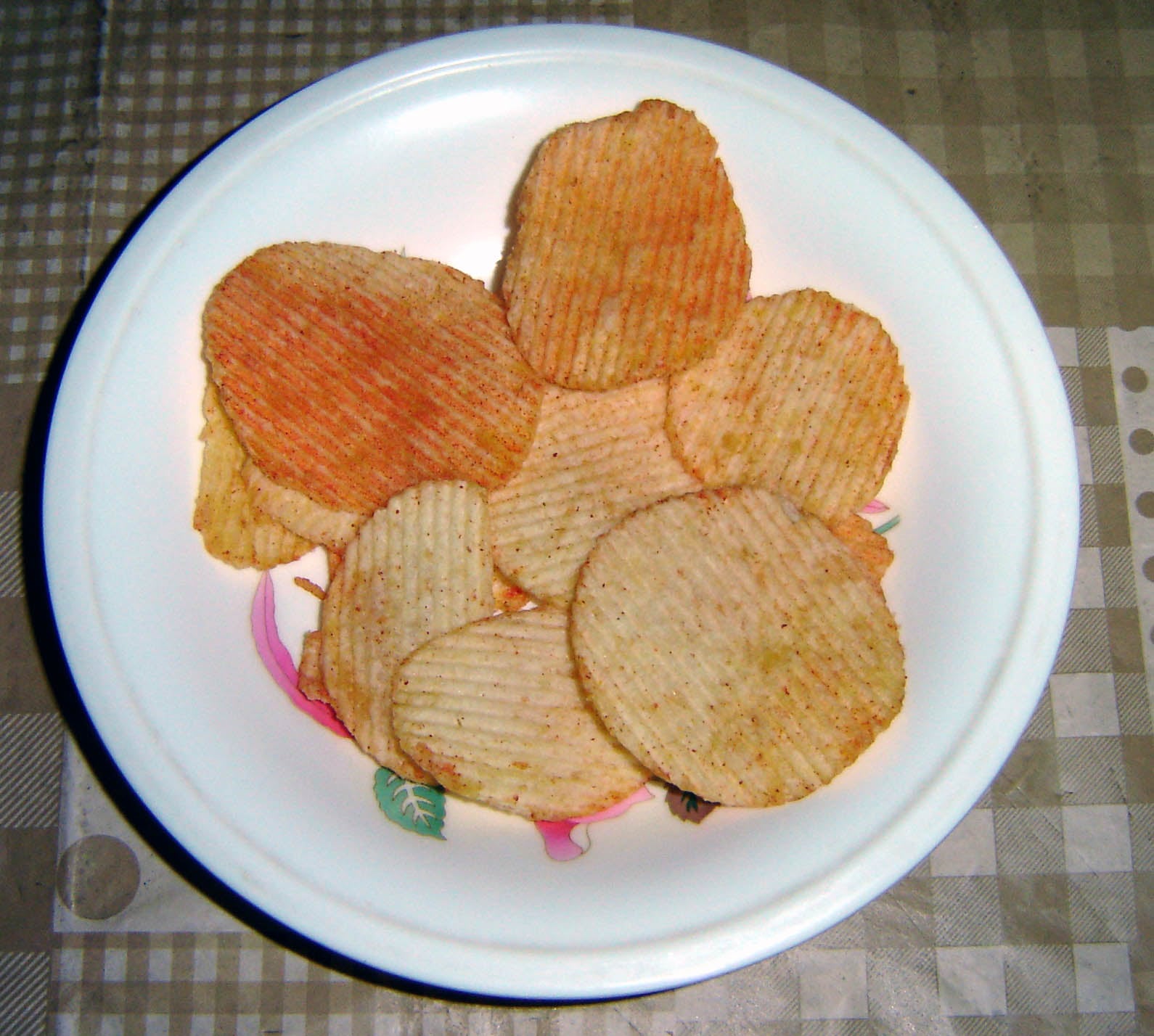
All dressed chips are still a Canadian staple, but limited or older versions with heavier seasoning have a near cult reputation. In particular, some longtime buyers still talk about Ruffles bags from earlier years that seemed more generously coated than what they find now.
The appeal of all dressed has always been complexity. It pulls together barbecue, ketchup, salt and vinegar, and savory spice into one flavor that somehow stays balanced. When the seasoning was especially strong, that mix became even more distinctive and left a bigger impression.
This is a slightly different kind of discontinued favorite because it is not always about a fully vanished name. Sometimes shoppers miss a past formula or production style. In food nostalgia, that difference is important. People are often chasing a specific taste memory, not just a label on a bag.
Doritos guacamole
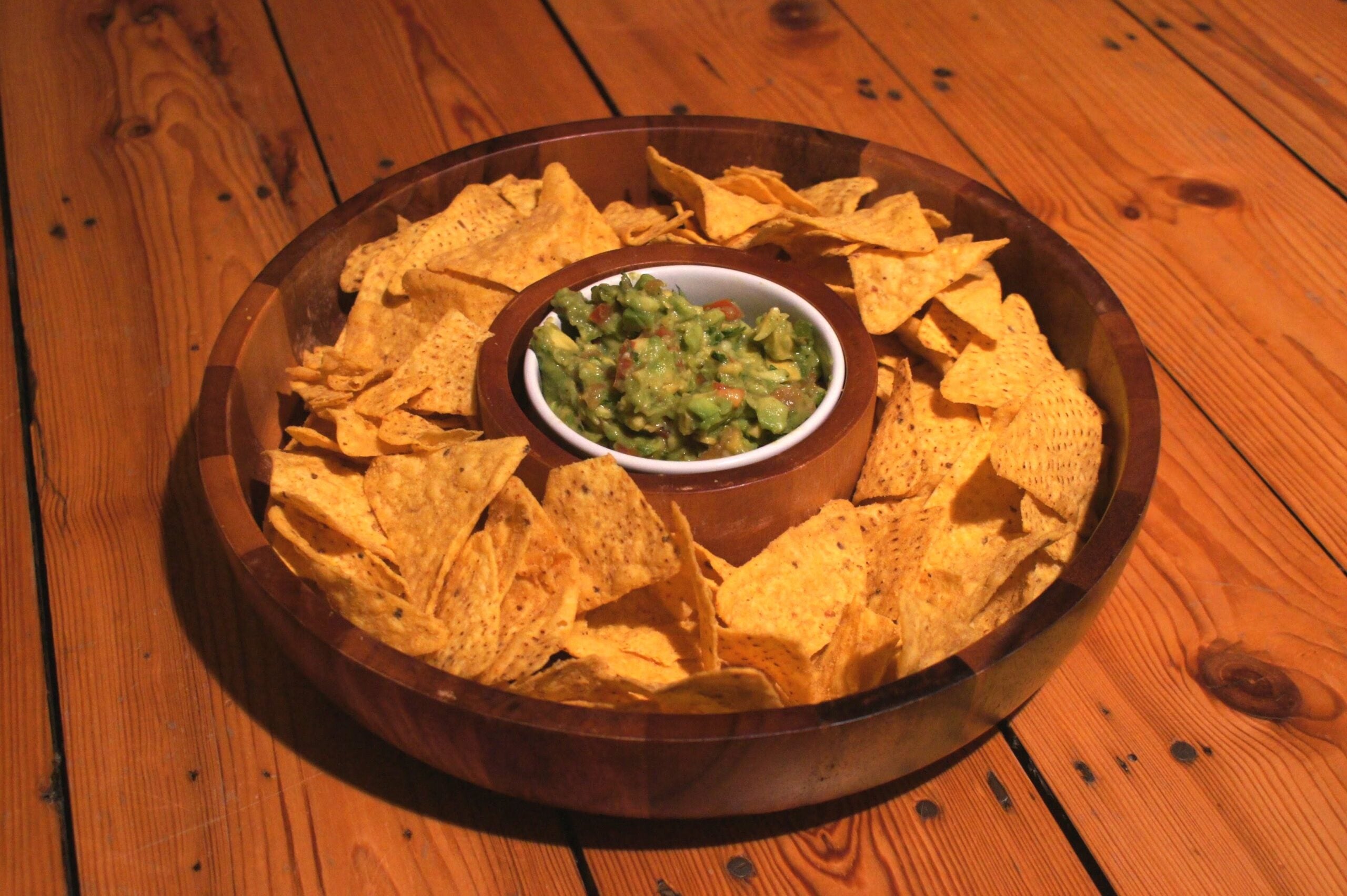
Doritos guacamole stood out because it took a dip flavor and moved it directly onto the chip. That sounds simple now, but it gave Canadians a snack that felt richer and more layered than standard cheese or nacho options on the shelf at the time.
The seasoning carried creamy, oniony and mildly herbal notes that suggested avocado without trying to taste exactly like fresh guacamole. That made the chips easier to snack on straight from the bag, since the flavor was bold but not overpowering.
Discontinued Doritos varieties often keep strong fan communities because the brand regularly experiments, then moves on. Guacamole is one of the examples people bring up most often because it filled a clear niche. It gave buyers something softer and rounder than heat driven or heavily cheesy flavors.
Doritos sour cream and onion
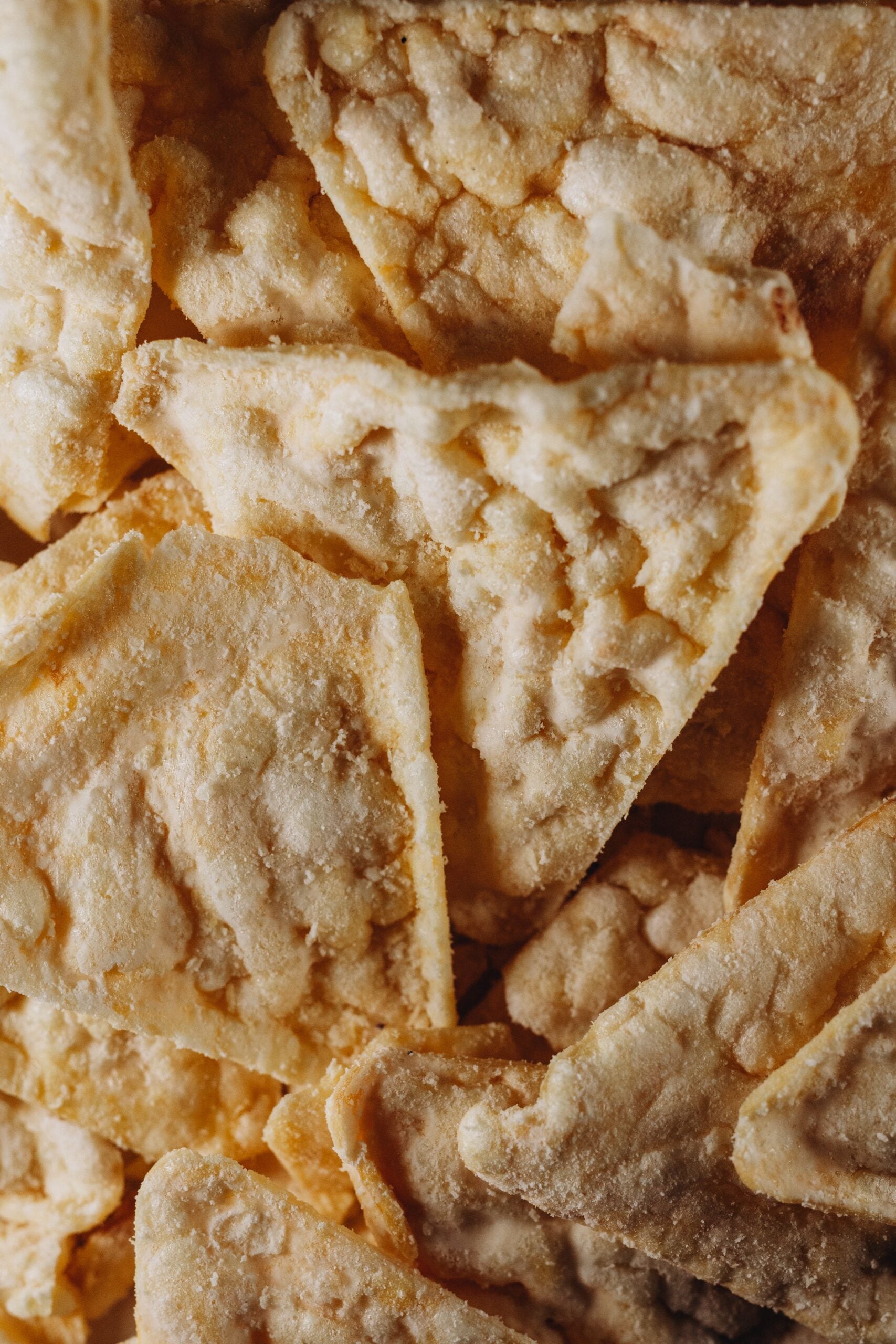
Sour cream and onion is one of the most familiar flavors in snacks, but on a Doritos base it landed differently. The corn chip texture added more weight and toastiness than a standard potato chip, which made the creamy onion seasoning feel deeper and more substantial.
That contrast is a big reason people still remember it. The flavor itself was approachable, but the chip underneath changed the experience. It turned a common seasoning into something that felt a little richer and more filling.
Discontinued mainstream flavors can leave a deeper mark than flashy limited editions. Doritos sour cream and onion was not trying to shock anyone. It simply gave Canadians a dependable option with a twist, and when products like that disappear, shoppers notice the gap right away.
Lay's dill pickle
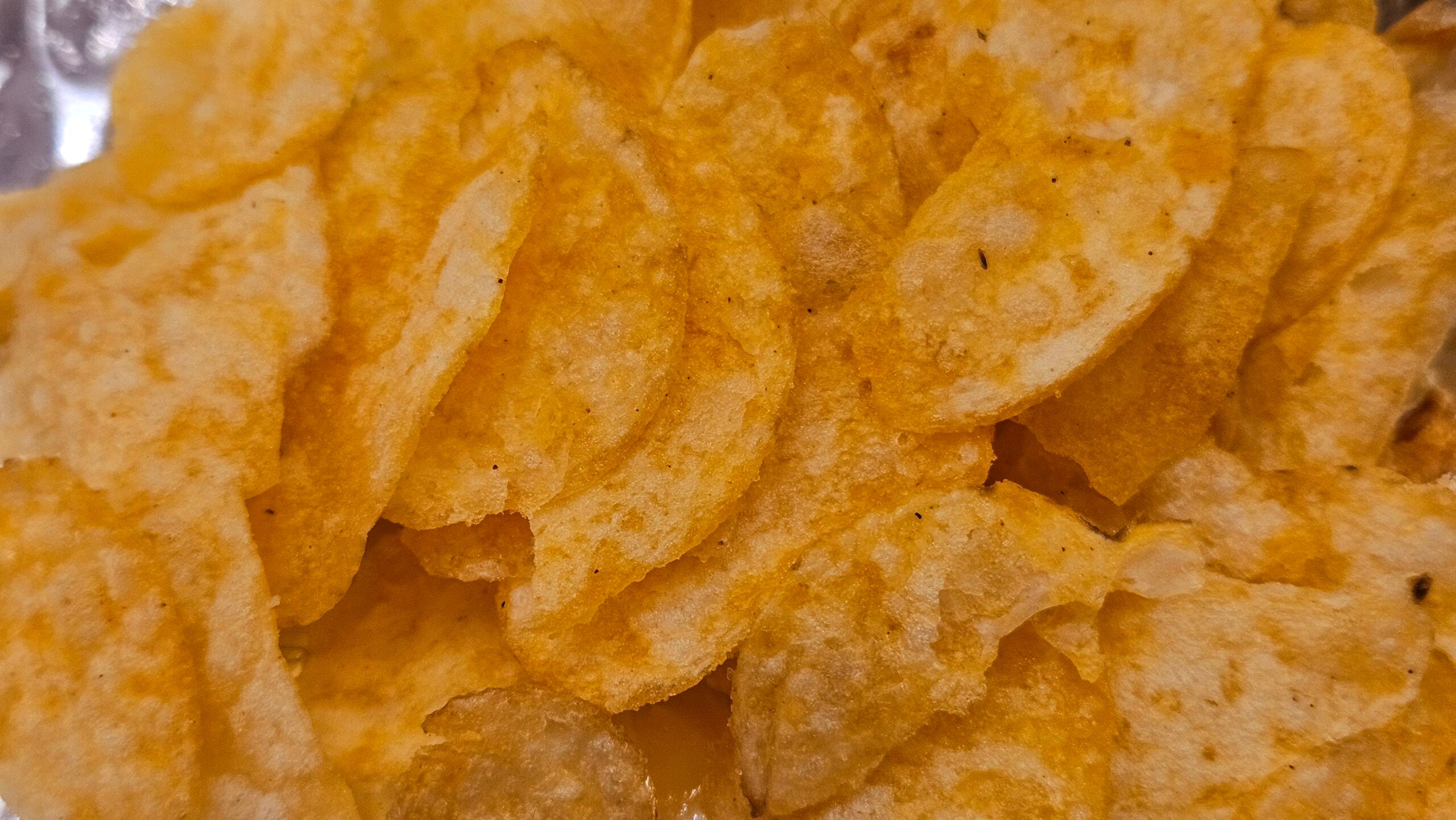
Dill pickle chips still exist in Canada, but some older Lay's versions built a reputation that has proved hard to replace. Fans often describe them as bright and briny, with a clean pickle note that did not get buried under too much garlic or artificial sweetness.
That balance matters because dill pickle can go wrong in obvious ways. If the vinegar is too harsh, the chip tastes flat. If the seasoning gets too sweet, it stops feeling like a pickle altogether. A well judged version creates the tart snap people want while staying crisp and snackable.
Lay's has long had the distribution power to turn a flavor into a household habit. So when a beloved version changes or disappears, the loss feels national. People are not only missing a taste. They are missing a familiar bag they expected to find almost anywhere.
Pringles pizza-licious
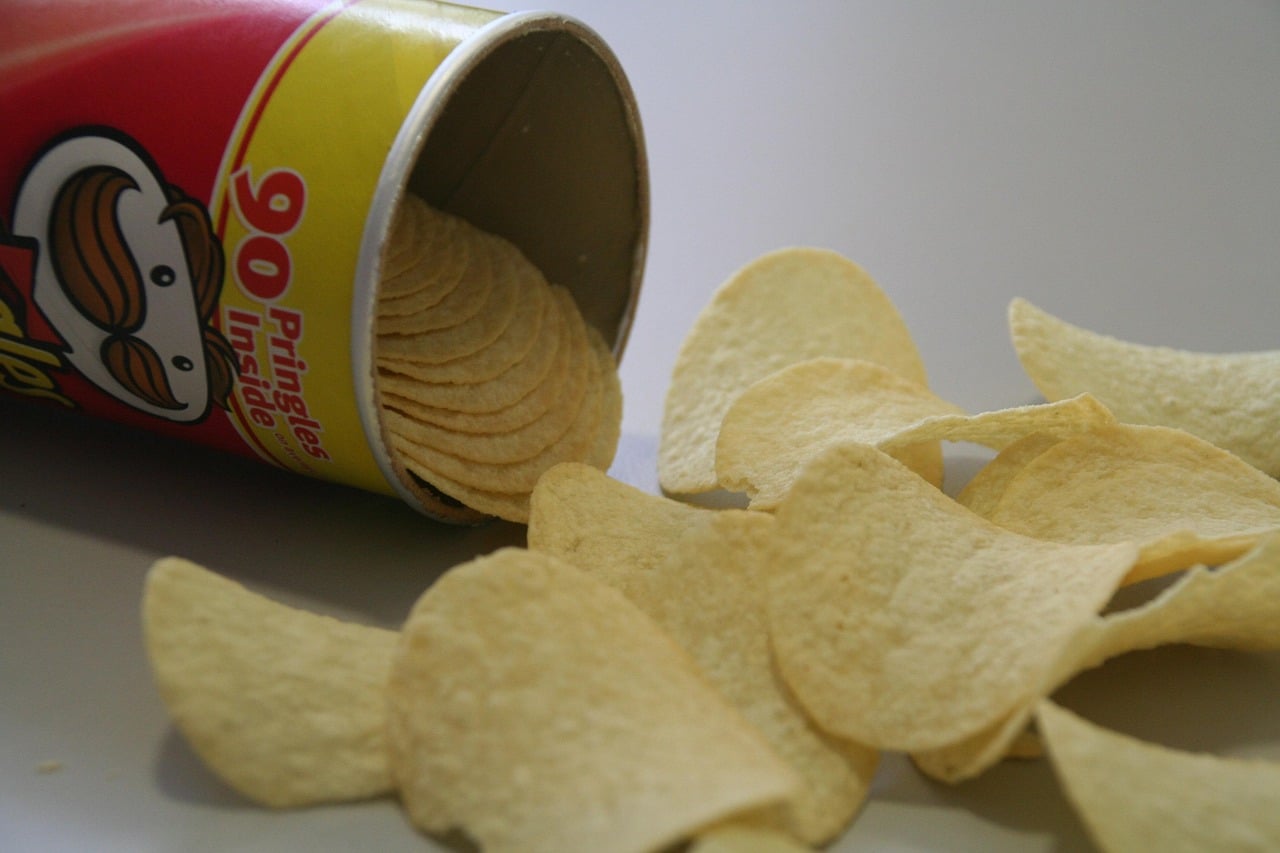
Pringles has released many limited flavors, but Pizza-Licious remains one of the names Canadians still bring up most often. Part of that is branding, since the playful name made it memorable, but the bigger reason is that the flavor delivered on what the can promised.
On the stackable crisp, the seasoning came across as concentrated and even. Each chip carried tomato, cheese style savoriness and a touch of herb flavor, so the experience felt consistent from top to bottom. That uniformity is one of Pringles' biggest strengths when a flavor works.
Because Pringles products feel engineered in a very specific way, discontinued varieties can be hard to imitate. A pizza flavor on a kettle chip or ridged potato chip is a different product entirely. For fans of Pizza-Licious, the shape, texture and seasoning all belonged together.
Old Dutch au gratin

Old Dutch has deep loyalty in parts of Canada, which helps explain why discontinued flavors from the brand still spark strong reactions. Au Gratin is a good example. It offered a creamy, potato casserole style profile that was richer and more unusual than standard cheese flavors.
Instead of relying on sharp cheddar notes alone, the seasoning suggested butter, dairy and baked potato depth. That gave it a comfort food quality. It tasted familiar, but not repetitive, which is a hard balance for a packaged snack to hit.
Regional snack loyalty also plays a role here. When a brand is woven into family road trips, holiday gatherings or school lunches, a missing flavor can carry more emotional weight. Old Dutch Au Gratin is remembered not just as a chip, but as part of a broader routine.
Thunder Crunch jalapeño
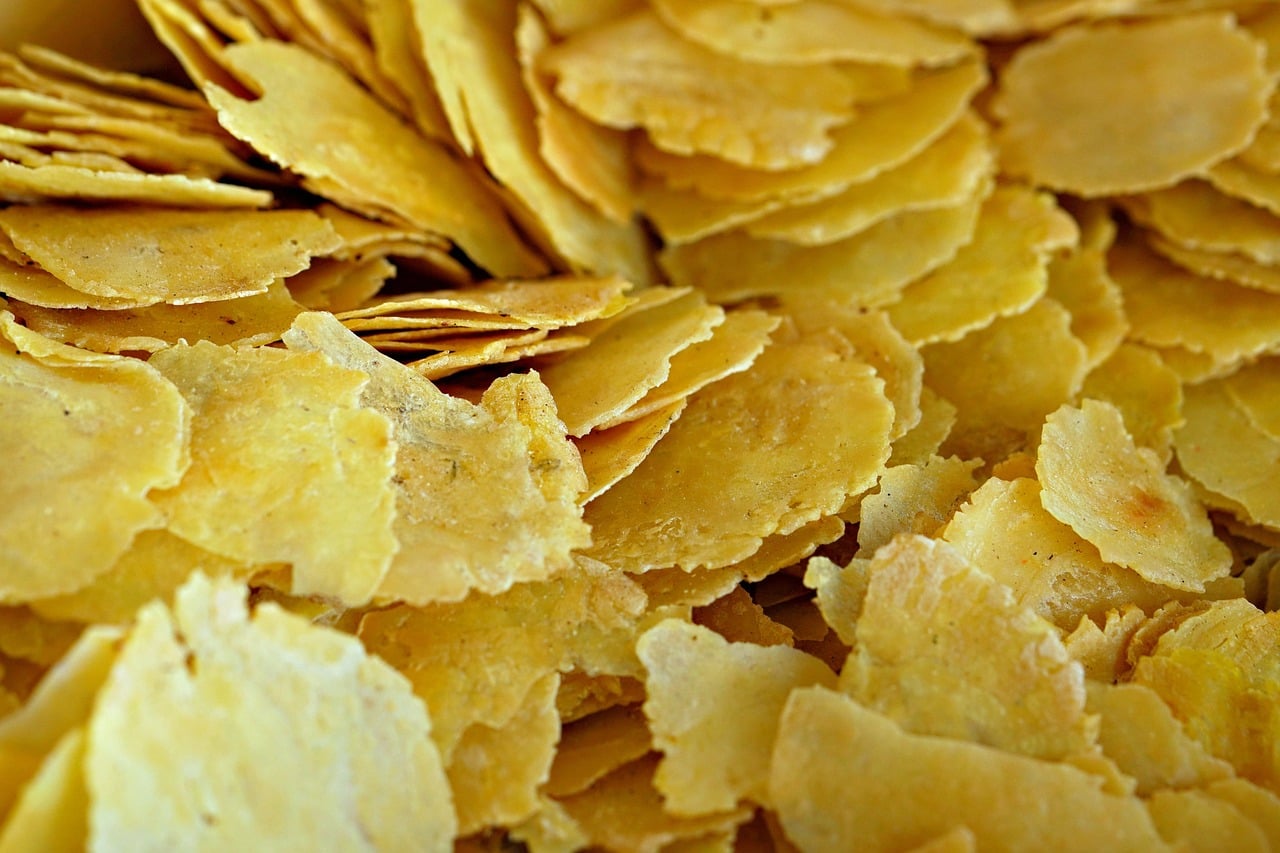
Thunder Crunch may not have had the reach of the biggest chip brands, but that is partly why its jalapeño flavor still has a devoted following. It felt like a find, something a shopper discovered and then kept returning to because it offered a texture and heat level that stood apart.
The crunch was a major part of the appeal. A thicker, louder bite changes how seasoning registers, and in this case it gave the jalapeño flavor more presence. The spice came through as steady rather than punishing, making the chips appealing to a wide range of snack fans.
This kind of discontinued product often lingers in memory because it filled a very specific lane. It was not trying to be the hottest chip on the shelf. It offered crunch, green pepper warmth and a bit of rarity, which can be an especially powerful combination.


Leave a Reply