
Holiday baking in the United States is full of cakes that carry family history, regional pride, and a strong sense of season. These 10 classics stand out for flavor, tradition, and the kind of crowd appeal that makes them worth baking when the calendar fills up.
Fruitcake
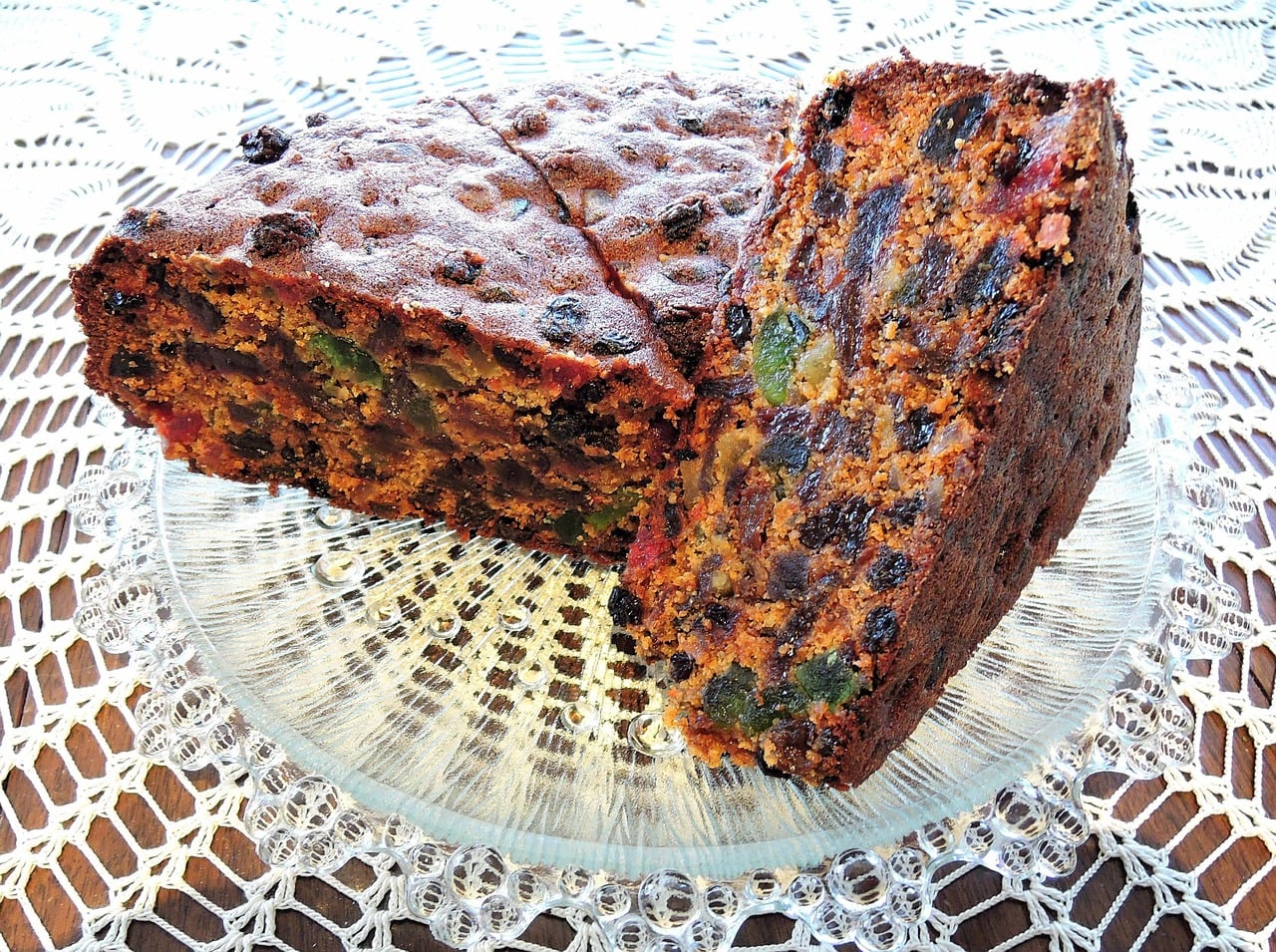
No American holiday cake has a more complicated reputation than fruitcake, yet a well-made one can be rich, fragrant, and deeply festive. Traditional versions are packed with dried or candied fruit, nuts, and warm spices, then often brushed with spirits during storage to keep the crumb moist.
Its staying power comes from practicality as much as taste. Dense fruitcakes keep well for days or even weeks, which made them useful long before modern refrigeration. That same make-ahead quality still helps holiday bakers today, especially when the month is crowded with travel, parties, and gift giving.
A good fruitcake depends on balance. Too much candied fruit can make it cloying, while toasted pecans or walnuts add needed depth. If you want a classic American holiday dessert with old-school roots and real staying power, this is the one to reconsider.
Red velvet cake
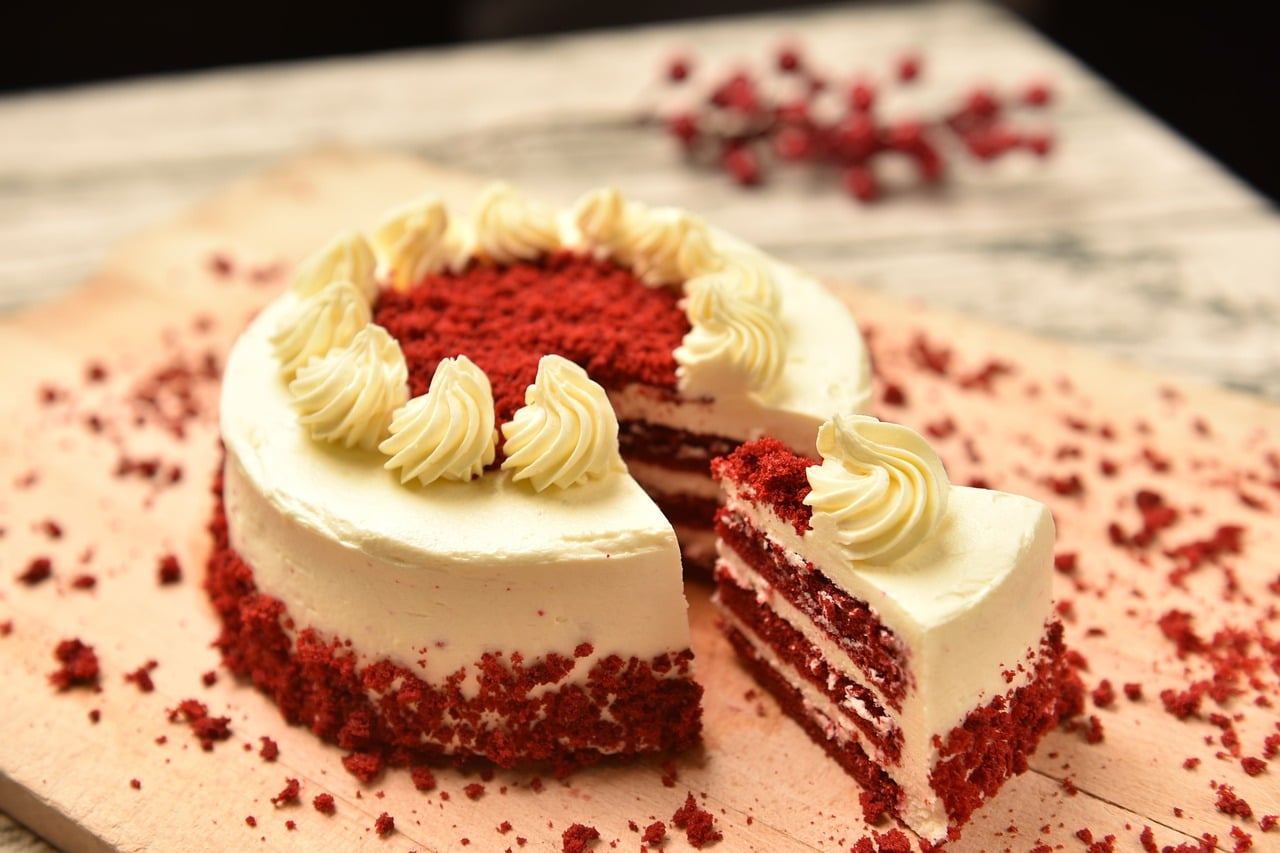
Red velvet cake brings drama to a holiday table without asking for fussy decoration. Its fine, soft crumb and gentle cocoa flavor make it feel more subtle than a full chocolate cake, and the traditional cream cheese frosting adds the tang that gives the cake its signature contrast.
The cake became especially well known in the United States during the 20th century, and it remains a Southern favorite with national reach. Its bright red color also makes it a natural fit for December gatherings, where it looks festive with little extra effort.
Texture matters here more than intensity. Red velvet is not supposed to taste like dark chocolate. It should be tender, lightly cocoa scented, and slightly buttery, with a frosting that is smooth rather than overly sweet. For bakers who want a reliable crowd-pleaser, it checks every box.
Carrot cake
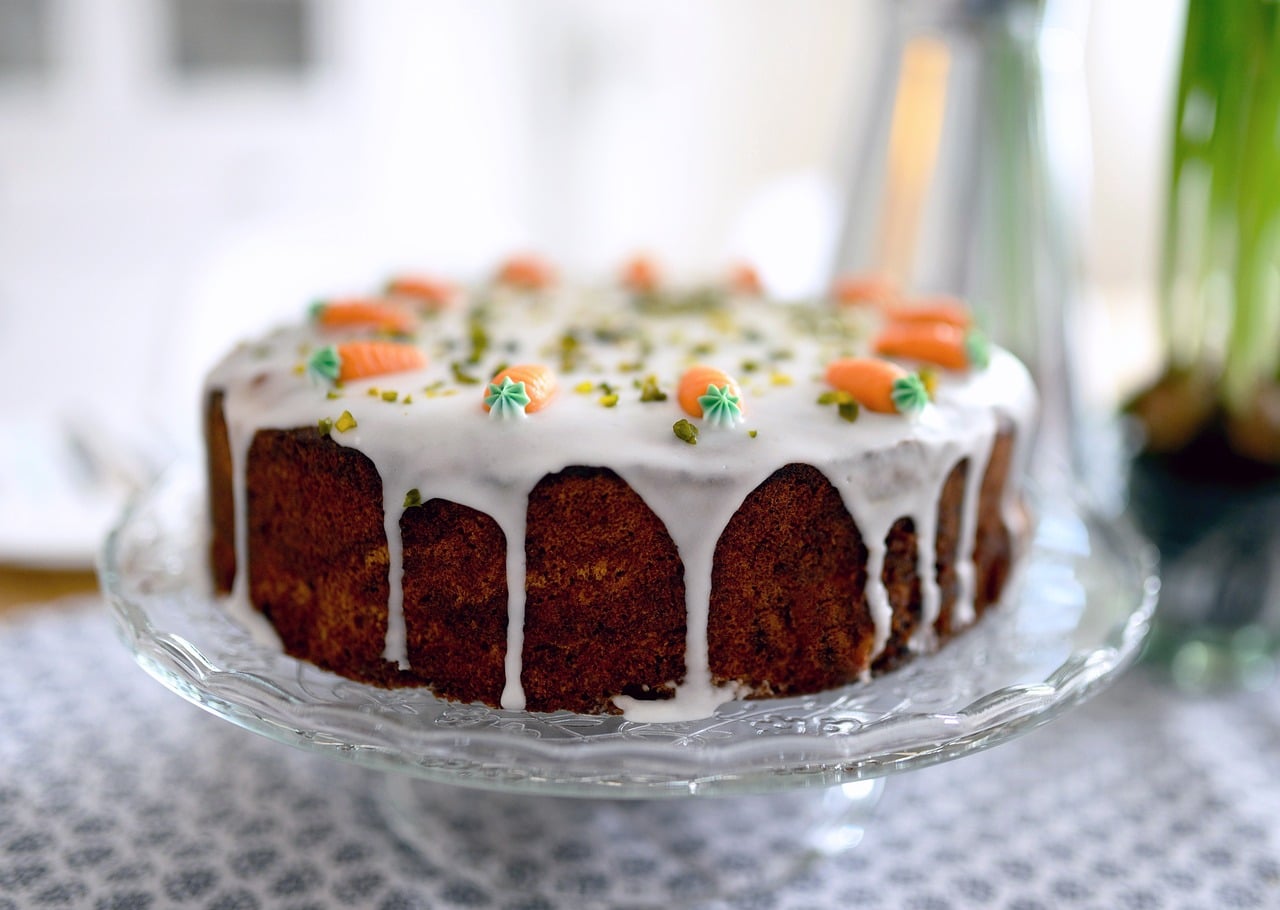
Carrot cake earns its place during the holidays because it feels comforting and celebratory at once. Grated carrots add moisture and gentle sweetness, while cinnamon, nutmeg, and sometimes ginger give the layers a warm spice profile that fits cold-weather baking naturally.
In American home kitchens, carrot cake often includes chopped pecans or walnuts, and many versions fold in raisins, coconut, or crushed pineapple. Those additions can shift the texture and sweetness, but the most successful cakes keep the crumb plush and the spice blend clear.
Cream cheese frosting is the classic finish, and for good reason. Its slight tang reins in the sweetness and highlights the earthy flavor of the carrots. If your dessert table already has chocolate and cookies, carrot cake adds variety without feeling out of place.
Gingerbread cake
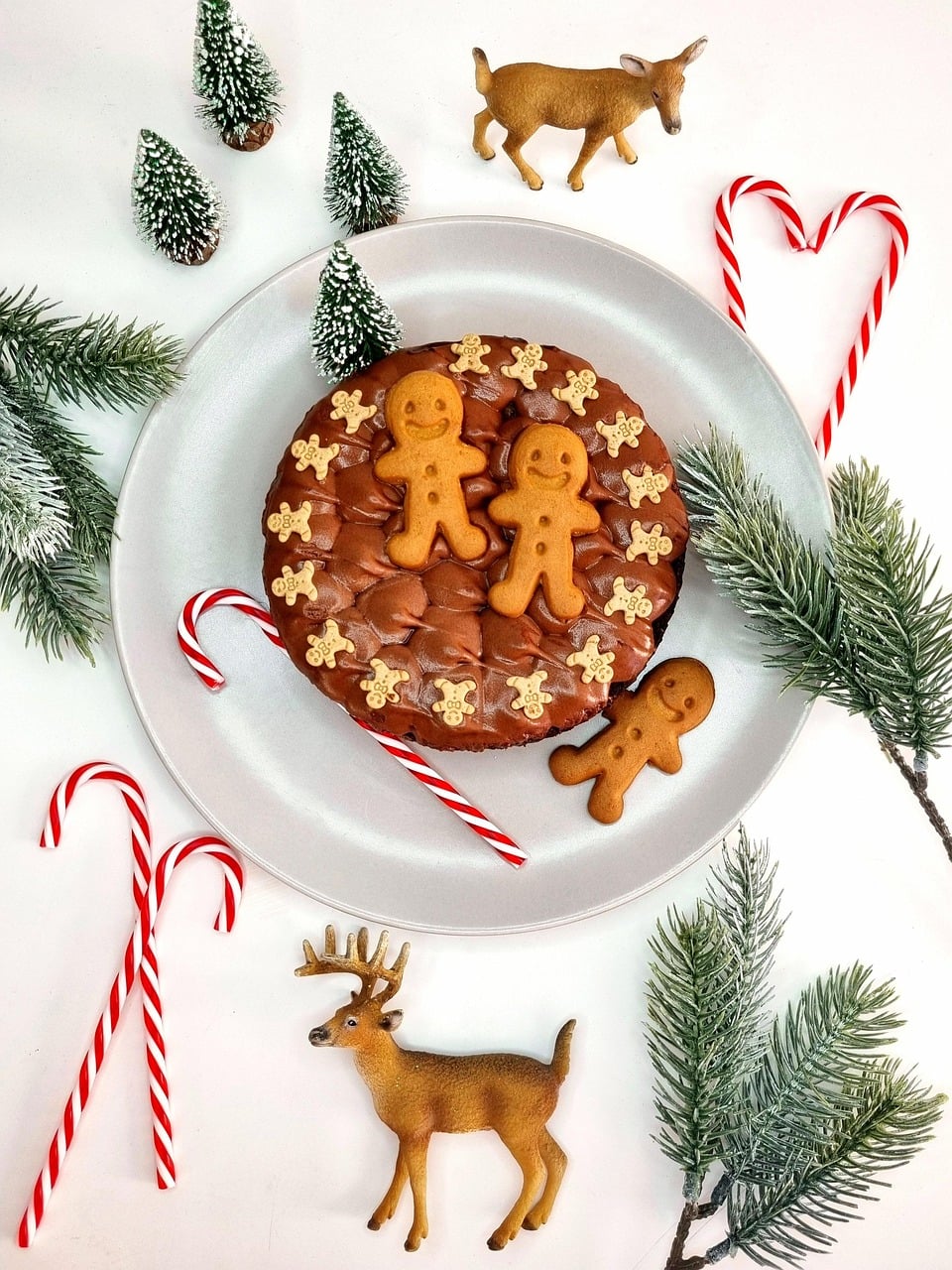
Some cakes announce the season the moment they come out of the oven, and gingerbread cake is one of them. Molasses gives it deep color and a faint bittersweet edge, while ginger, cinnamon, cloves, and sometimes allspice build the aroma many people associate with winter holidays.
American gingerbread ranges from firm cookie-like versions to soft cakes, and the cake form is especially useful for entertaining. It can be baked in layers, as a sheet cake, or in a simple square pan, then served with whipped cream, lemon sauce, or a dusting of sugar.
The flavor improves when the spice stays balanced. Molasses should taste robust, not harsh, and ginger should be present without overpowering the rest. For anyone who wants a holiday dessert that feels traditional but less expected than pie, gingerbread cake is a smart choice.
Coconut layer cake
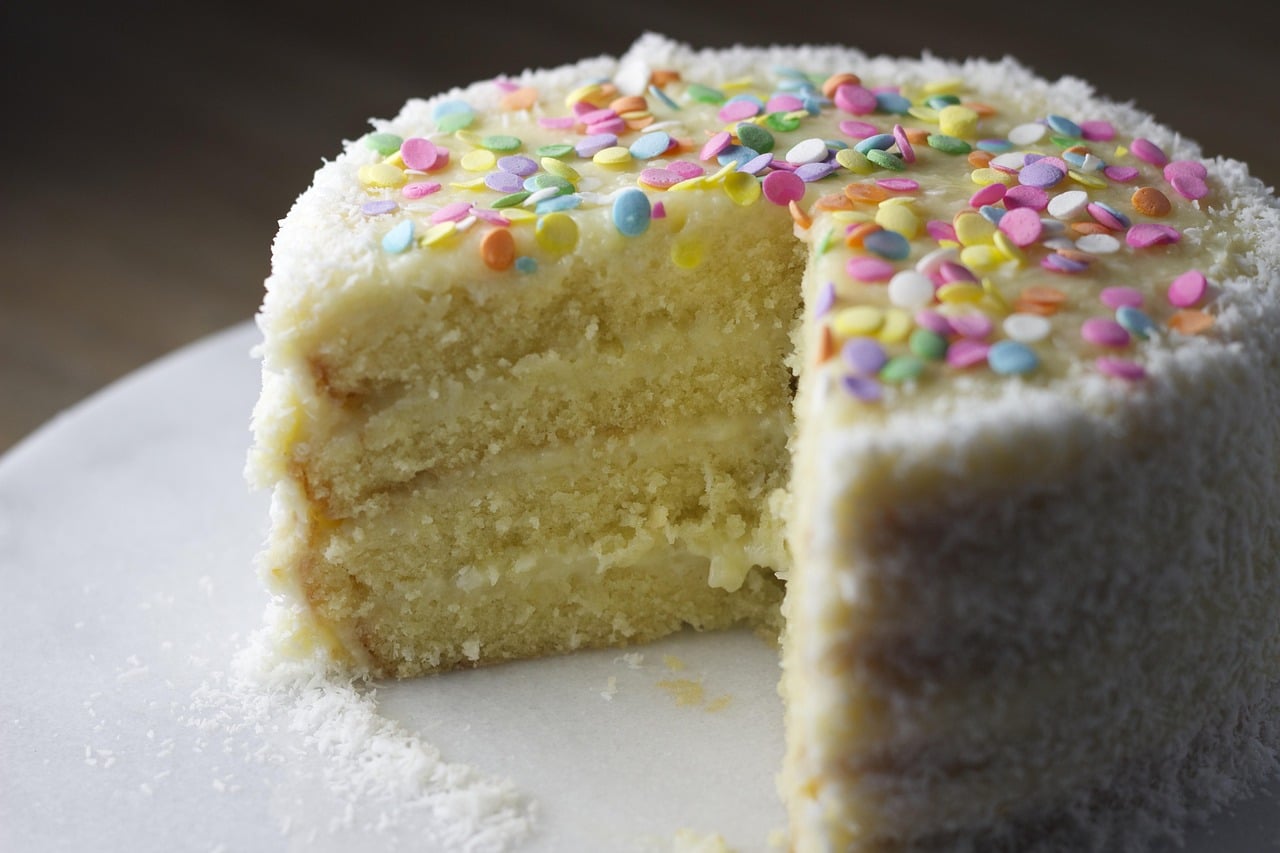
Coconut layer cake brings a snowy look to the dessert table, which makes it especially fitting in December. The best versions combine tender white or yellow cake layers with coconut in more than one form, often using shredded coconut on the outside and coconut milk or extract within the batter or filling.
This cake has long ties to Southern baking, where tall layer cakes often mark celebrations. Its appeal is visual as well as textural. The soft crumb, fluffy frosting, and feathery coconut coating create contrast that reads beautifully in photos and on a buffet.
What makes it memorable is restraint. Coconut flavor should be clear but not artificial, and the frosting should support the cake instead of burying it in sugar. When done well, coconut layer cake feels polished, festive, and surprisingly light after a heavy holiday meal.
Lane cake
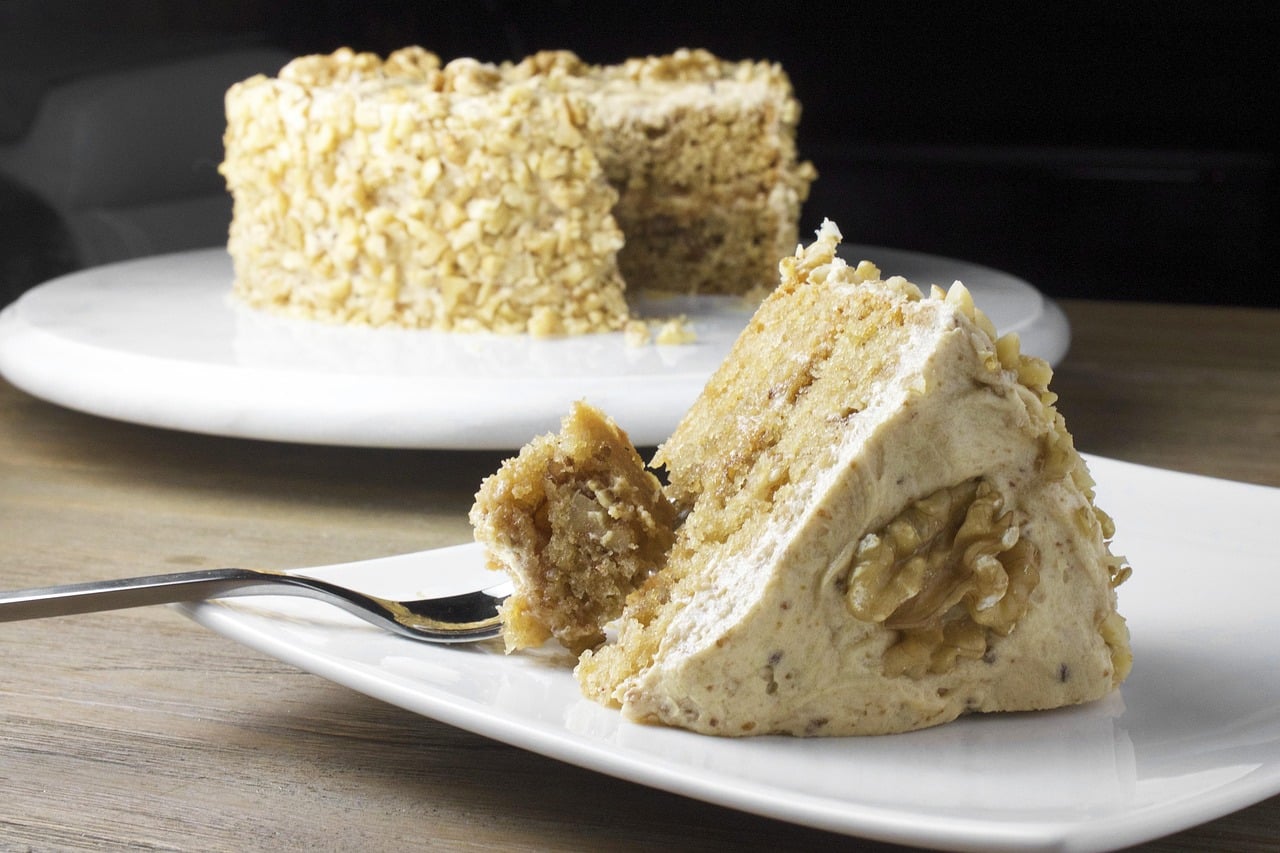
Lane cake is a classic Southern American dessert with a filling that gives it real holiday character. Traditionally, the white cake layers are stacked with a cooked mixture of egg yolks, butter, sugar, raisins, coconut, and pecans, sometimes with bourbon added for extra richness.
The cake dates to the late 19th century and has remained part of Southern celebration baking for generations. Because the filling is so distinctive, Lane cake offers something different from standard buttercream-covered layer cakes. It feels old-fashioned in the best sense of the word.
Success depends on getting the filling right. It should be luscious and flavorful, not runny or overly sweet. If you want a cake that sparks conversation and connects directly to a specific American baking tradition, Lane cake delivers both flavor and history.
Pineapple upside-down cake
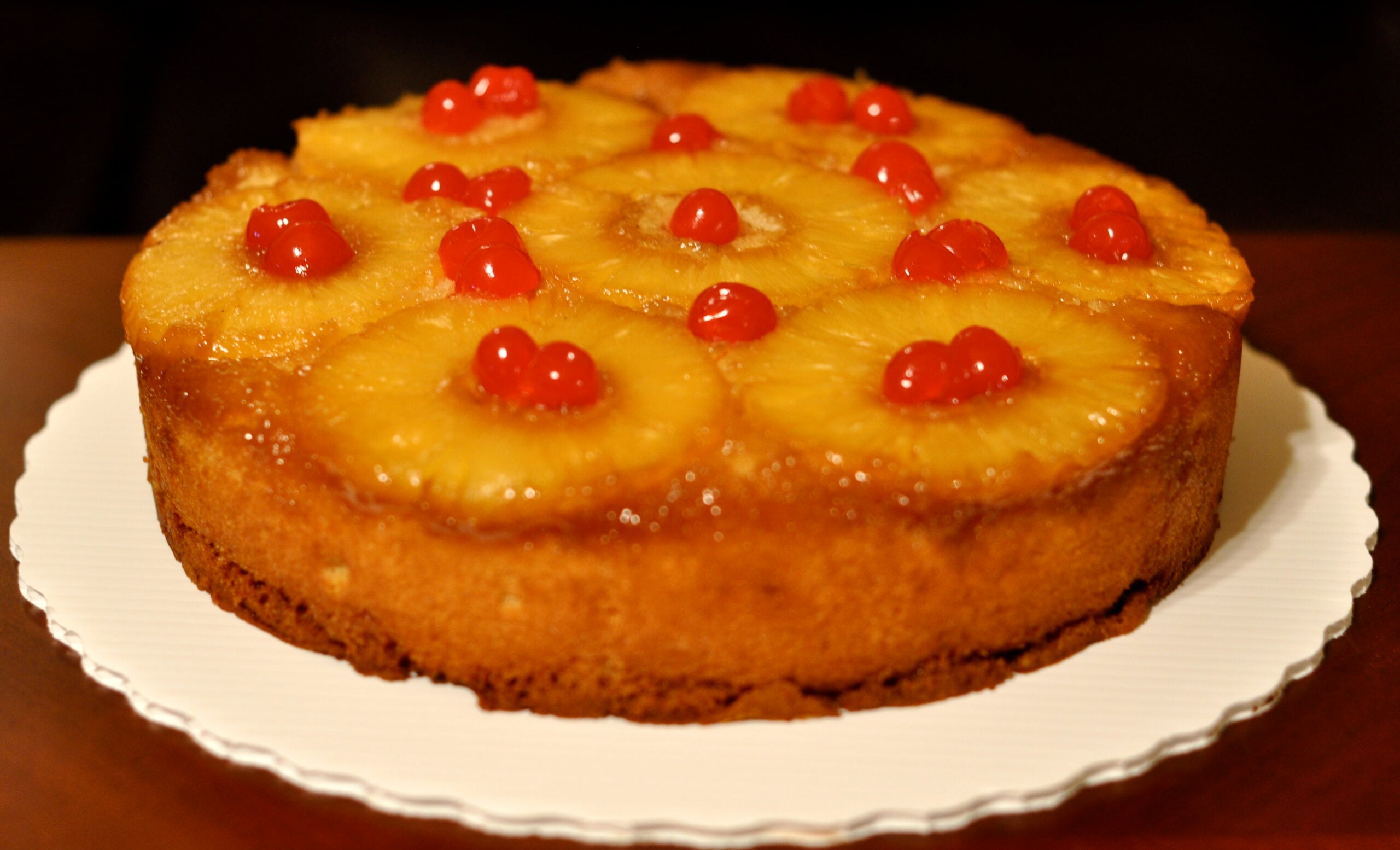
Pineapple upside-down cake has a retro charm that still works beautifully during the holidays. Its signature look comes from rings of pineapple and cherries arranged in the pan beneath a buttery brown sugar topping, so when the cake is turned out, it reveals a glossy patterned top.
The style became especially popular in the United States in the early 20th century, helped by the wider availability of canned pineapple. That convenience made the cake accessible to home bakers, and it has stayed around because it offers visual payoff without advanced decorating skills.
Its appeal is contrast. The topping becomes sticky and rich, while the cake underneath stays soft and light. Served warm or at room temperature, pineapple upside-down cake brings a bright note to a holiday spread that can otherwise lean heavily on spice and chocolate.
Devil's food cake
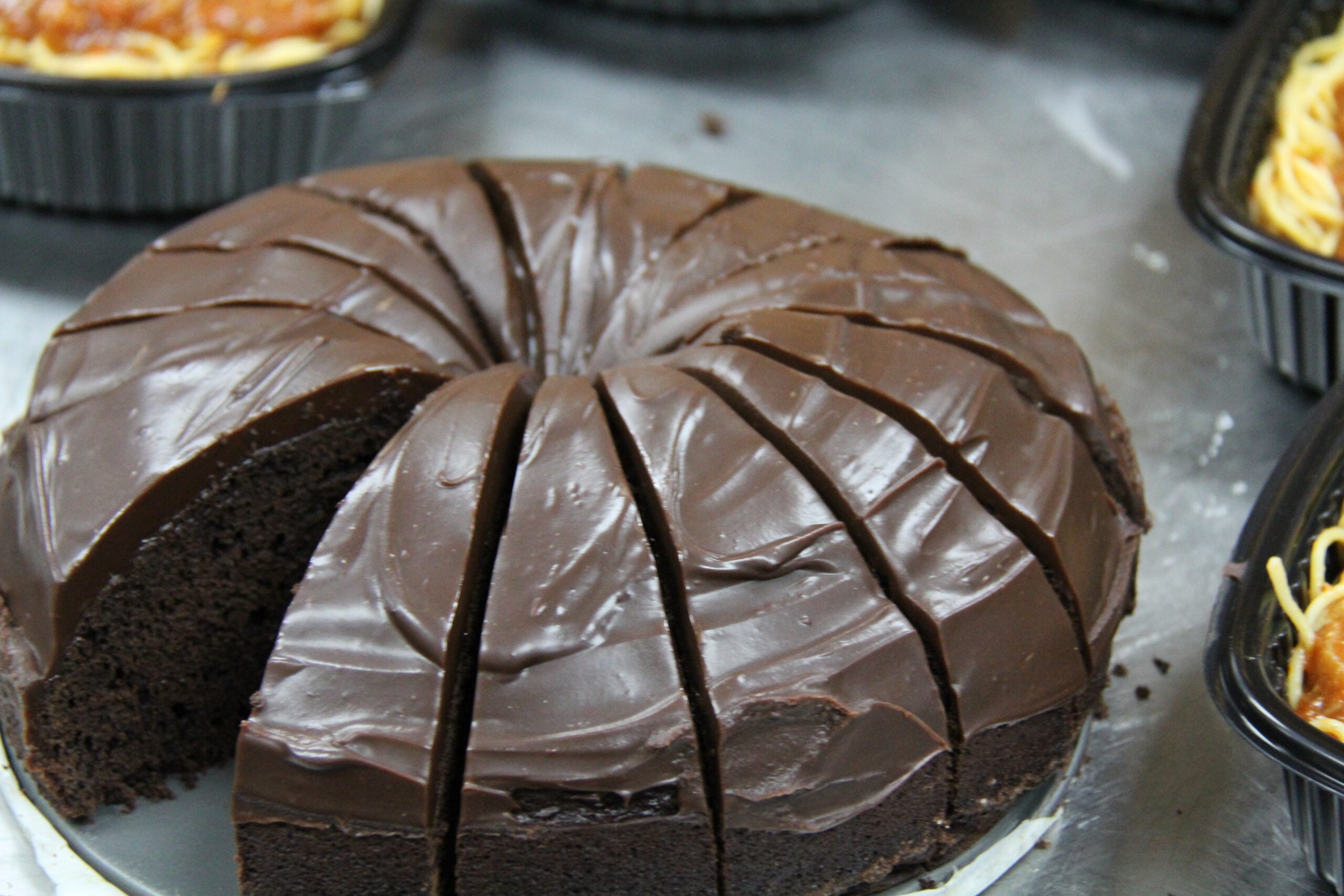
For holiday hosts who want a chocolate cake with real depth, devil's food cake is the classic American answer. It is darker and richer than many everyday chocolate cakes, with a tender crumb that usually comes from cocoa, baking soda, and ingredients such as buttermilk or hot coffee.
Its name has been around since the early 20th century, and the cake became a staple of American baking because it delivers strong flavor without requiring complicated technique. Layered with chocolate frosting, it feels celebratory in a straightforward, familiar way.
The key is intensity without heaviness. A good devil's food cake should taste deeply chocolatey but still slice cleanly and feel soft on the fork. On a holiday table, it serves the people who always want chocolate first, and it rarely leaves leftovers behind.
Pound cake
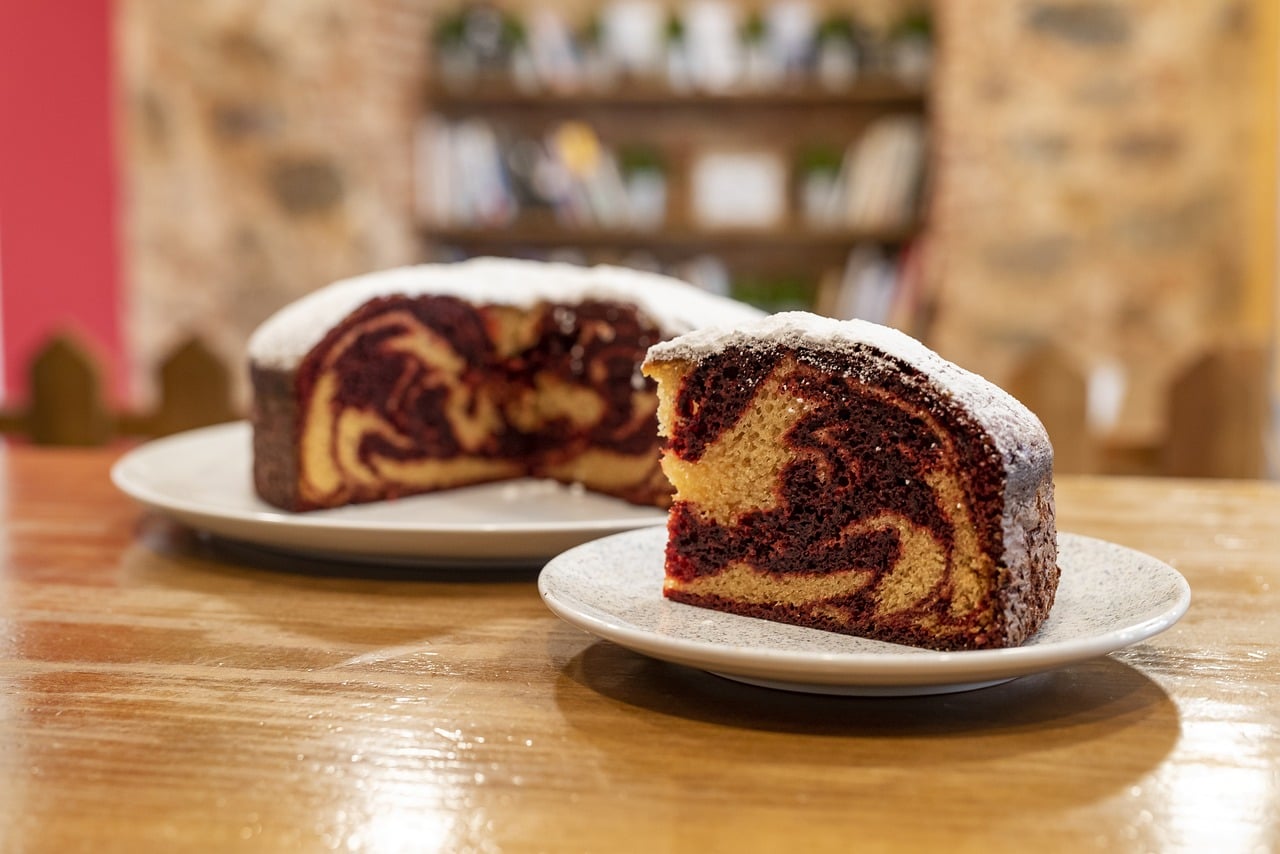
Pound cake proves that simplicity can still feel special during the holidays. The original formula was famously straightforward, built from a pound each of butter, sugar, eggs, and flour, though modern American recipes often adjust those proportions for a lighter crumb and better balance.
What keeps pound cake relevant is versatility. It can be baked in loaf, tube, or Bundt form, and served plain or dressed up with citrus glaze, berries, whipped cream, or toasted nuts. That flexibility makes it useful for everything from brunch to dessert.
Its success depends on texture more than decoration. You want a close, buttery crumb that feels rich but not greasy. For bakers juggling many dishes at once, pound cake is dependable, elegant, and easy to pair with whatever holiday flavors are already on the menu.
Hummingbird cake
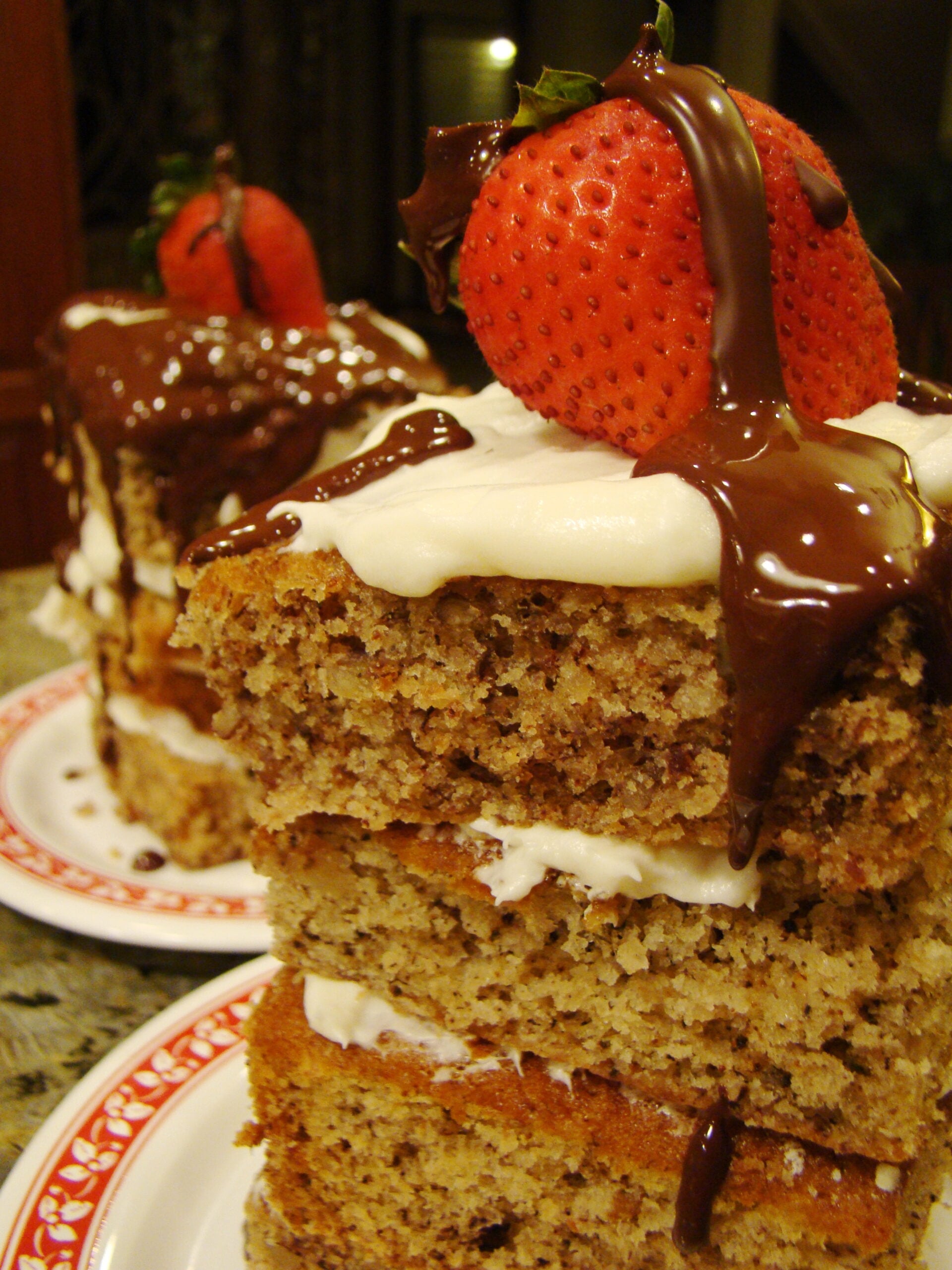
Hummingbird cake closes out this list with generous flavor and a strong American regional identity. Widely associated with Southern baking, it usually combines mashed banana, crushed pineapple, warm spices, and pecans in a moist layer cake finished with cream cheese frosting.
Despite its sweetness, the cake works because the fruit brings both moisture and complexity. Banana gives body, pineapple adds brightness, and the nuts keep the layers from feeling soft in a one-note way. The result is rich, but also lively enough for a celebration.
This is the kind of cake that feels instantly welcoming on a holiday table. It has the comfort of carrot cake, the fruitiness of a tropical dessert, and the familiar appeal of cream cheese frosting. For a final showpiece, it leaves a warm, generous impression.

Leave a Reply